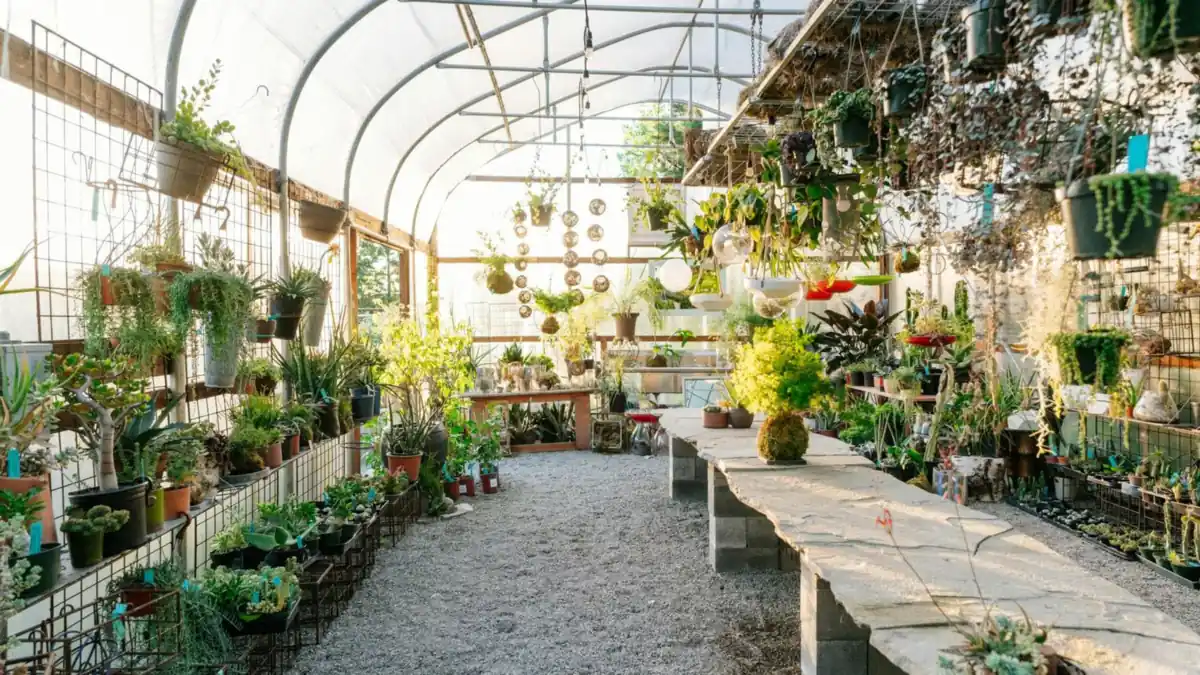
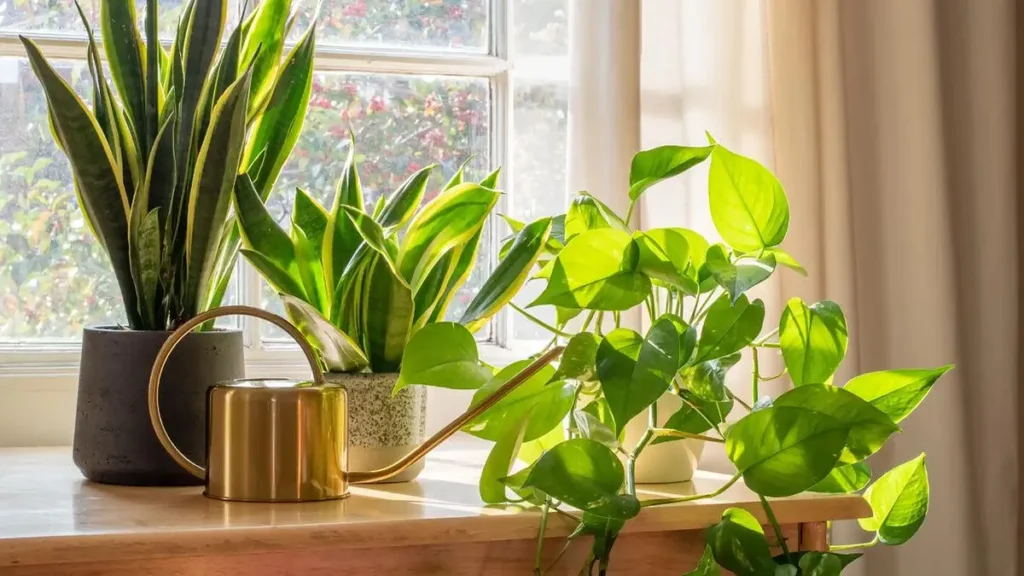
Indoor plants can make a home feel more welcoming, bring natural color into a room, and turn an ordinary corner into a small green retreat. Whether you live in a spacious house or a small apartment, there is usually a plant that can suit your space.
The secret to growing healthy indoor plants is not buying the most expensive varieties or following a complicated routine. It is choosing plants that match your home’s lighting conditions and understanding how much water, warmth, and attention they need.
Some indoor plants thrive in bright windows, while others tolerate lower light. Some need frequent watering during active growth, while others prefer their soil to dry out between waterings. Once you understand these differences, caring for houseplants becomes much easier.
What Are Indoor Plants?
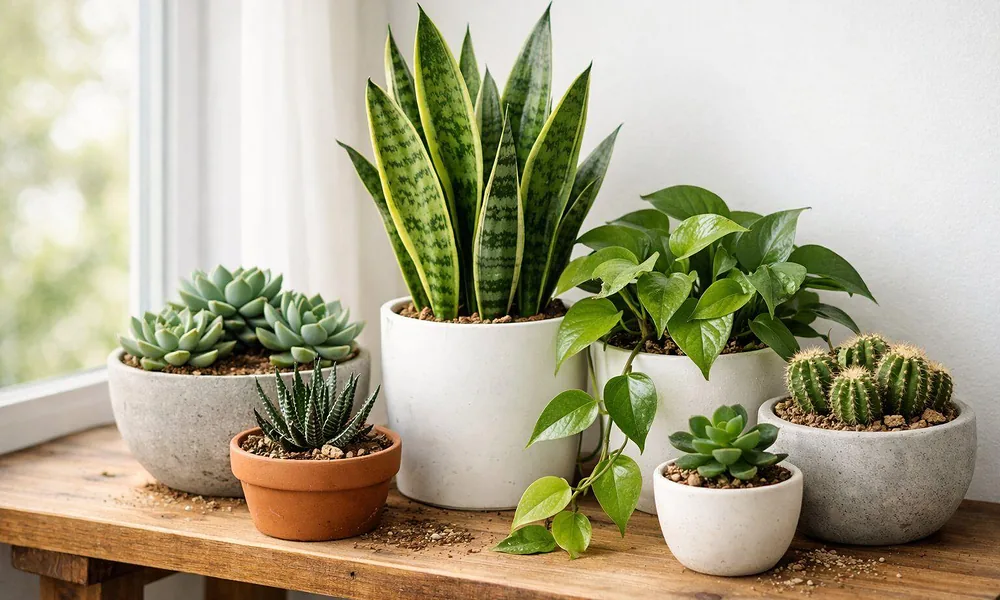
Indoor plants are plants grown inside homes, offices, apartments, and other enclosed spaces. They are usually selected because they can adapt to indoor temperatures, available light, and container growing.
Many popular indoor plants come from tropical or subtropical environments, where they grow beneath larger trees or in warm, humid conditions. Others, including succulents and cacti, are adapted to drier environments and need different care.
Indoor plants come in many forms, including:
- Foliage plants: Grown mainly for their attractive leaves, such as pothos and monstera
- Flowering plants: Valued for their blooms, such as African violets and peace lilies.
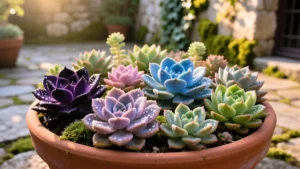
- Succulents: Plants with water-storing leaves or stems, such as echeveria.
- Trailing plants: Plants that spill over shelves and hanging baskets, such as heartleaf philodendron.
- Upright plants: Plants that grow vertically and can add structure to a room, such as snake plants and rubber plants.
- Small desktop plants: Compact varieties suitable for desks, shelves, and narrow windowsills.
The best choice depends on your available space, the amount of natural light, and how much time you want to spend caring for your plants.
Best Indoor Plants for Beginners
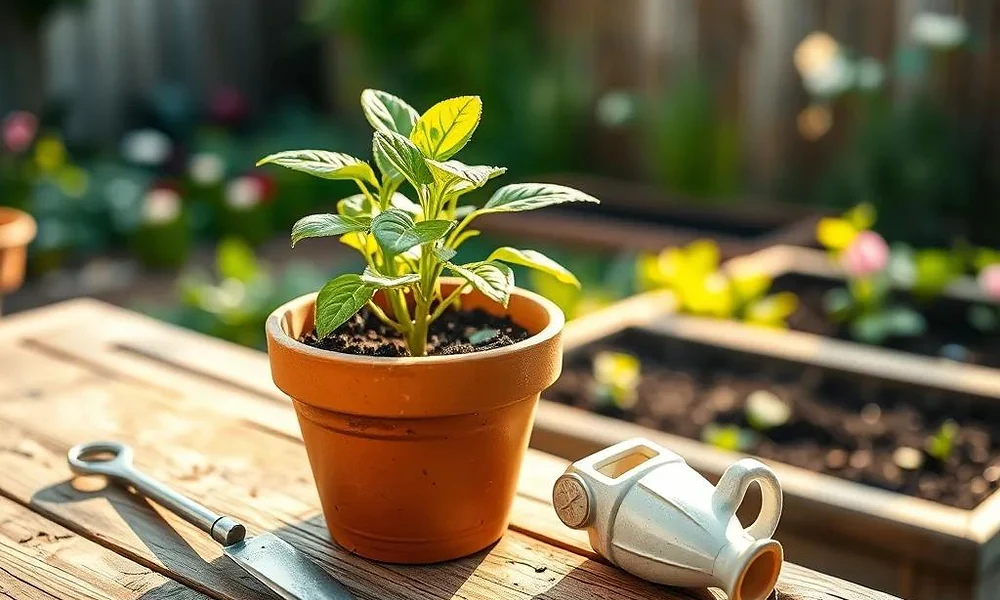
If you are new to houseplants, start with varieties that can tolerate ordinary indoor conditions and do not require constant attention. Even easy-care plants need suitable light and proper watering, but some are more forgiving than others.
1. Snake Plant
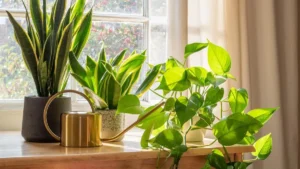
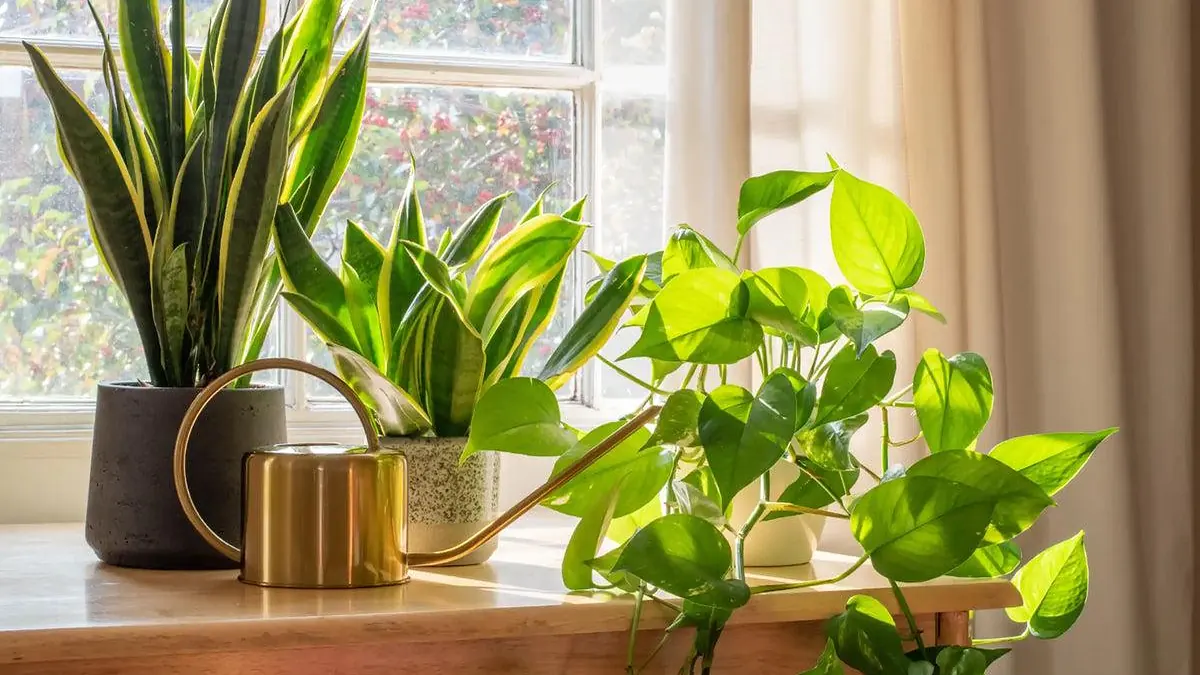
The snake plant, commonly sold as Dracaena trifasciata, has stiff, upright leaves that often feature green patterns and yellow edges.
It is a popular choice for bedrooms, living rooms, offices, and other indoor spaces because it tolerates a range of light conditions. It can survive in lower light, although growth is generally better with suitable indirect light.
Allow the potting mix to dry thoroughly between waterings. Overwatering is one of the most common reasons snake plants develop root problems.
2. Pothos
Pothos, also known as devil’s ivy, is a trailing plant with heart-shaped leaves. Depending on the variety, its foliage may be solid green or patterned with yellow, cream, or white.
Pothos works well in hanging baskets, on shelves, or in a pot with a support to encourage climbing. It can adapt to different indoor environments, although variegated varieties generally need brighter indirect light to maintain their patterns.
Water when the upper portion of the potting mix has dried. Trim long vines if you want a fuller appearance.
Important: Pothos is toxic if chewed or swallowed by cats and dogs, so keep it away from pets that may nibble on plants.
3. Spider Plant
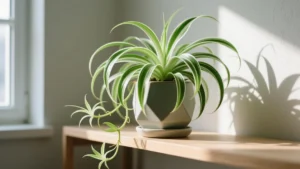
Spider plants have arching, narrow leaves and often produce small plantlets on long stems. These plantlets can eventually be rooted to create new plants.
They grow well in bright, indirect light and can tolerate some less-than-ideal conditions. Avoid leaving the roots sitting in water, and use a pot with drainage holes.
Spider plants are a useful choice for hanging planters, shelves, and rooms where you want a soft, flowing shape.
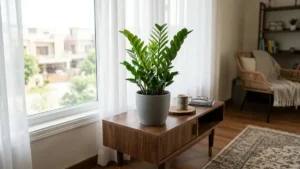
4. ZZ Plant
The ZZ plant, or Zamioculcas zamiifolia, has glossy green leaflets arranged along sturdy stems. Its underground rhizomes store water, helping it tolerate periods of dryness.
It can grow in low to bright indirect light, making it useful for some indoor spaces that receive limited sunlight. However, low light usually means slower growth.
Let the soil dry substantially between waterings. ZZ plants are not suitable for frequent watering, and their leaves and other parts can be harmful if ingested.
5. Peace Lily
Peace lilies are known for their dark green leaves and white, leaf-like structures surrounding their small flower clusters. They prefer bright, indirect light but can tolerate some lower-light conditions.
Keep the potting mix lightly moist without allowing it to remain waterlogged. A peace lily may droop when it becomes too dry, but repeated severe drying can stress the plant.
Peace lilies are toxic to cats and dogs because they contain insoluble calcium oxalate crystals.
6. Monstera
Monstera plants are loved for their large leaves, which often develop distinctive splits or holes as they mature. The Swiss cheese plant, Monstera deliciosa, is a popular choice for a living room or bright corner.
Provide bright, indirect light, a well-draining potting mix, and room for the plant to grow. A moss pole or another sturdy support can help it climb.
Monstera can become quite large indoors, so consider its mature size before placing it on a small shelf. It is also toxic if chewed or swallowed by pets.
7. Rubber Plant
The rubber plant, Ficus elastica, has thick, glossy leaves and an upright growth habit. Its foliage may be dark green, burgundy, or variegated, depending on the cultivar.
It generally grows best in bright, indirect light. Rotate the pot occasionally if the plant leans toward a window, and avoid moving it repeatedly between very different environments.
Allow the top layer of soil to dry before watering again. Its milky sap can irritate skin, and the plant is toxic to pets if ingested.
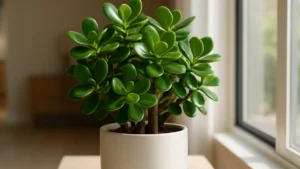
8. Aloe Vera
Aloe vera is a succulent with thick, fleshy leaves. It suits a bright windowsill and generally needs less frequent watering than tropical foliage plants.
Use a gritty, well-draining potting mix and a container with drainage holes. Let the soil dry completely or nearly completely before watering again, depending on the growing conditions.
Aloe vera is not a good choice for a dark corner. It needs plenty of bright light to grow well, and it is toxic to cats and dogs if eaten.
How to Choose the Right Indoor Plants
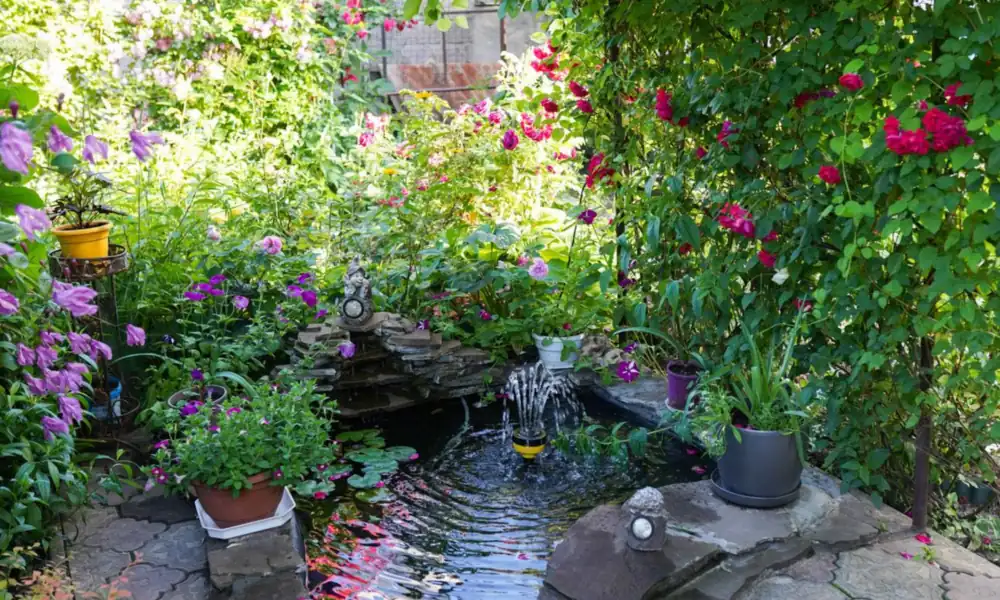
Before purchasing a plant, look at the conditions in your home rather than choosing only by appearance.
Consider the Available Light
Light is one of the most important factors in indoor plant care. A plant may survive in a dim room for some time without actually growing well.
- Bright direct light: Sunlight reaches the plant directly through a window for part of the day. Some succulents and cacti appreciate these conditions.
- Bright indirect light: The area receives plenty of daylight, but the plant is protected from strong direct sun. Many tropical foliage plants prefer this environment.
- Medium light: The space receives moderate natural light, often away from a bright window.
- Low light: The room receives little natural light. Some plants tolerate these conditions, but very few plants thrive indefinitely in extremely dark spaces.
If your room has no useful natural light, consider a suitable grow light instead of expecting a plant to live indefinitely without adequate illumination.
Think About Your Space
Small plants are often better for desks, narrow shelves, and compact apartments. Larger plants can anchor an empty corner or create a focal point in a living room.
Check the plant’s expected mature height and width before buying it. A young monstera may look compact at the store but require considerably more space as it grows.
Also consider whether you need a trailing plant, an upright plant, or one that can be trained to climb.
Check Your Daily Routine
If you often forget to water plants, choose varieties that tolerate drying between waterings, such as snake plants or ZZ plants. If you enjoy checking soil moisture and adjusting care, you may prefer plants that need more consistent attention.
Remember that easy-care does not mean no-care. Every plant needs the right balance of light, water, temperature, and nutrients.
Consider Pets and Children
Some popular indoor plants can be toxic when chewed or swallowed. If you have curious pets or young children, research each plant before bringing it home.
Spider plants are generally considered non-toxic to cats and dogs, while pothos, peace lilies, monstera, and ZZ plants pose ingestion risks. Keep potentially harmful plants inaccessible, or choose safer alternatives.
How to Care for Indoor Plants
A simple routine can keep most houseplants healthy. The goal is to respond to the plant’s actual needs rather than follow a rigid watering schedule.
Water When the Soil Needs It
Overwatering is a common indoor gardening mistake. It can deprive roots of oxygen and encourage root rot, especially when the pot has poor drainage.
Instead of watering every plant on the same day, check its soil first.
- Touch the soil or insert a finger a short distance into the potting mix.
- Check whether the soil is still damp or has started to dry.
- Consider the plant’s needs, pot size, light, and season.
- Water thoroughly when appropriate, allowing excess water to drain away.
Succulents generally prefer their soil to dry more completely between waterings. Many tropical plants prefer a more even level of moisture, although they should not sit in waterlogged soil.
Do not leave pots standing in water for extended periods.
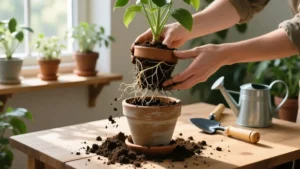
Use Pots With Drainage Holes
A drainage hole allows excess water to escape. Without one, water can collect at the bottom of the container even when the surface appears dry.
Decorative pots without drainage can still be used as outer covers. Keep the plant in a separate nursery pot with drainage holes and remove it when watering so excess water can drain away.
Choose a pot that fits the root system. An oversized pot holds more soil than a small plant can use, which can make the mix remain wet for too long.
Choose the Right Potting Mix
Ordinary garden soil is often too dense for indoor containers. It may compact, drain poorly, or contain organisms that are not ideal for indoor growing.
Use a suitable indoor potting mix and adjust it to the plant.
- Tropical foliage plants usually need a mix that retains some moisture while allowing air to reach the roots.
- Succulents and cacti generally need a faster-draining mix.
-
Orchids often need a specialized, chunky medium suited to their roots.
The best potting mix depends on the species, container, and growing environment.
Provide Suitable Light
Place plants where they receive the type of light they need. A plant near a bright window may grow much better than the same plant several metres away.
Watch for signs of inadequate light, such as stretched stems, unusually small new leaves, slow growth, or loss of variegation. Yellow or scorched leaves can have several causes, so do not assume that every leaf problem means the plant needs more sunlight.
When moving a plant into stronger light, do it gradually to reduce the risk of leaf scorch.
Maintain a Comfortable Temperature
Many common houseplants grow well in typical indoor temperatures. Protect them from cold drafts, hot air blowing directly from heaters, and sudden temperature changes.
Avoid placing sensitive plants directly against cold window glass during chilly weather. Tropical plants may also struggle when exposed to cold air from frequently opened doors.
Manage Humidity
Some tropical plants appreciate higher humidity, particularly during dry indoor conditions. Others, including many succulents, tolerate ordinary household humidity.
Grouping plants together may slightly increase local humidity, but it does not replace suitable watering and airflow. If you use a humidifier, keep air moving gently and avoid leaving foliage constantly wet.
Fertilize During Active Growth
Plants use nutrients to produce leaves, roots, and flowers. Indoor potting mixes, however, do not always provide enough nutrients indefinitely.
A balanced fertilizer suitable for houseplants can support growth during the active growing season. Follow the product’s label, and avoid applying more than recommended.
Plants growing slowly in low light or entering a period of reduced growth usually need less fertilizer. Fertilizing a stressed plant heavily will not fix problems caused by poor drainage, inadequate light, or damaged roots.
Prune and Clean the Leaves
Remove dead or badly damaged leaves with clean tools. Pruning can also help control the shape of a plant and encourage branching in some species.
Dust on leaves can reduce the amount of light reaching their surfaces. Wipe suitable foliage gently with a damp, soft cloth, avoiding harsh cleaning products.
Inspect leaves and stems regularly for pests such as spider mites, mealybugs, and scale insects. Early detection makes problems easier to manage.
Common Indoor Plant Problems and How to Fix Them
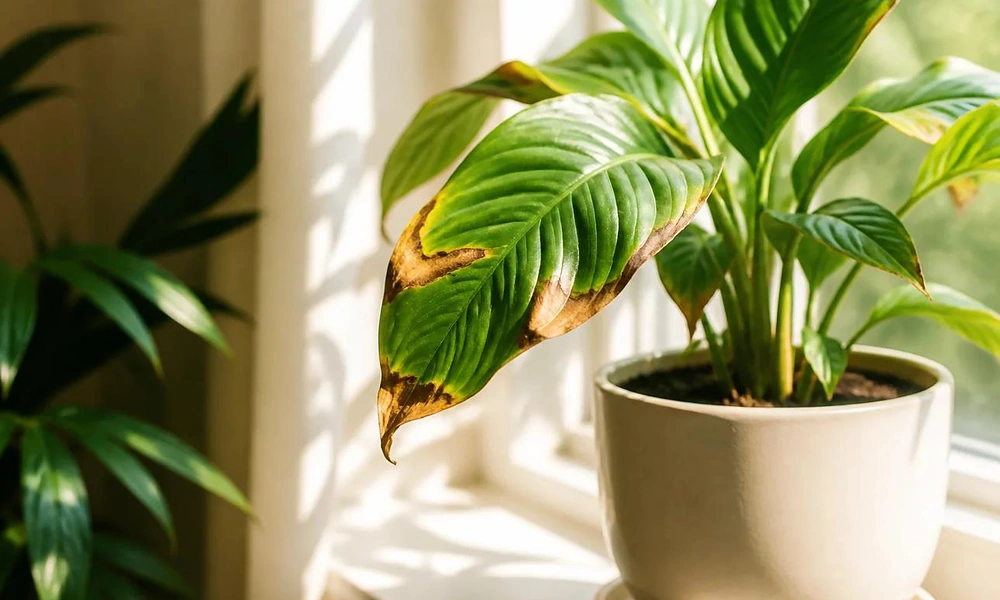
Plant problems can look similar, so check the soil, roots, light, and recent care changes before deciding what to do.
Yellow Leaves
Yellow leaves can result from overwatering, underwatering, insufficient light, nutrient problems, or natural ageing.
Check whether the soil is staying wet for too long. If it is consistently saturated, inspect drainage and consider whether the potting mix is too dense. If the soil is very dry, the plant may need water.
An occasional older yellow leaf is not necessarily a serious problem, especially when the plant is otherwise growing normally.
Brown Leaf Tips
Brown tips may be linked to inconsistent watering, low humidity, fertilizer salts, mineral-heavy water, or physical damage.
Review the plant’s care conditions before making major changes. Trim brown tips if you wish, but leave a small margin of brown tissue rather than cutting into healthy green areas.
Drooping Leaves
Drooping can occur when a plant is too dry, but root damage from overwatering can also prevent it from taking up water properly.
Check the soil before adding more water. If it is wet and the plant is still drooping, investigate drainage and root health instead of watering again automatically.
Slow Growth
Slow growth may be normal during cooler months or for plants that naturally grow slowly. It can also indicate insufficient light, root problems, or a lack of nutrients.
Check the plant’s natural growth pattern before changing its care routine. Moving it to a brighter location may help, provided the new spot does not expose it to unsuitable direct sunlight.
Pests on Indoor Plants
Common houseplant pests include spider mites, mealybugs, scale insects, and fungus gnats.
Inspect the undersides of leaves and the joints where leaves meet stems. Isolate affected plants when possible, identify the pest, and use a suitable treatment according to its label. Avoid applying pesticides carelessly around pets, children, or food preparation areas.
Are Indoor Plants Good for Your Home?
Indoor plants add natural color and texture to living spaces. Caring for them can also provide an enjoyable routine and a connection to nature.
However, it is important to keep expectations realistic. A few houseplants will not reliably remove all indoor pollutants or replace ventilation and ordinary cleaning. Their value is better understood through their appearance, the pleasure of growing them, and the way they help personalize a space.
Choose plants you genuinely enjoy looking after, and let your collection grow at a comfortable pace.
Indoor Plants for Different Rooms
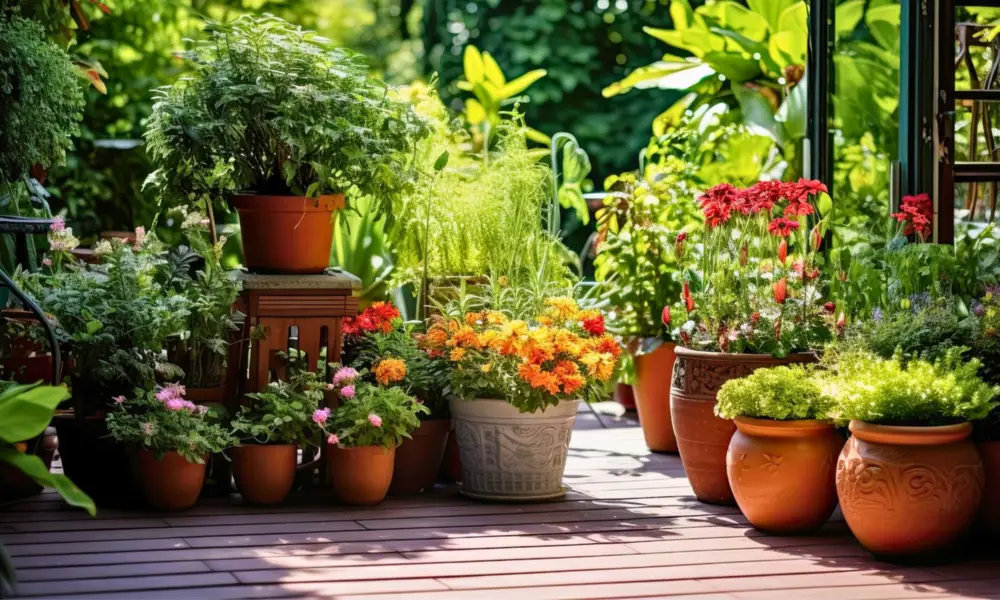
Different rooms offer different levels of light, space, and humidity. Match the plant to the environment rather than assuming every variety will thrive anywhere.
Living Room
Living rooms often provide enough space for larger plants such as monstera or rubber plants, particularly near bright windows. Pothos can work well on shelves, while snake plants suit narrow corners.
Bedroom
Compact foliage plants can fit easily on a dresser or windowsill. Snake plants are often chosen for bedrooms because of their upright shape and relatively simple care needs. Make sure the room still provides enough light for the plant you choose.
Kitchen
A bright kitchen windowsill may suit small herbs, provided the temperature and light are appropriate. Pothos or spider plants can also work in suitable locations away from hot cooking surfaces and splashing grease.
Bathroom
Bathrooms can offer higher humidity, but many receive very little natural light. A humidity-loving plant still needs adequate light to survive. Choose a plant based on the actual brightness of the room, and consider a grow light if necessary.
Home Office
Small snake plants, ZZ plants, and compact pothos can suit desks or shelves. Keep plants away from equipment that produces excessive heat, and avoid placing water where it could spill onto electronics.
Frequently Asked Questions About Indoor Plants
Which indoor plants are easiest to care for?
Snake plants, ZZ plants, and pothos are popular beginner choices because they tolerate a range of indoor conditions. They still need appropriate light, drainage, and watering.
How often should indoor plants be watered?
There is no single schedule that works for every plant. Watering frequency depends on the species, pot size, soil, light, temperature, and season. Check the soil before watering rather than following a fixed weekly routine.
Can indoor plants grow without sunlight?
Plants need light for photosynthesis, but it does not have to come directly from the sun. Many houseplants grow under suitable artificial grow lights. A room with almost no natural light may not provide enough light on its own.
Which indoor plants are safe for cats and dogs?
Spider plants are generally considered non-toxic to cats and dogs. However, many popular houseplants, including pothos, monstera, peace lilies, and ZZ plants, can be harmful if chewed or swallowed. Verify the safety of each species before buying it.
Why are my indoor plant leaves turning yellow?
Yellow leaves can indicate overwatering, underwatering, unsuitable light, nutrient issues, or natural ageing. Check the soil and the plant’s overall condition before changing your care routine.
Do indoor plants need fertilizer?
Many indoor plants benefit from fertilizer during active growth, especially when they have been growing in the same potting mix for a long time. Use a fertilizer appropriate for the plant and follow the label instructions.
What are the best indoor plants for low light?
Snake plants and ZZ plants are among the common options that tolerate lower light. Pothos may also adapt to less-bright conditions. However, low-light tolerance does not mean a plant can grow well in complete darkness.
How do I keep indoor plants healthy?
Provide suitable light, water according to the plant’s needs, use a well-draining potting mix, choose a pot with drainage holes, and inspect leaves regularly for pests. Adjust care as the seasons and growing conditions change.
Final Thoughts
Growing indoor plants does not have to be complicated. Start with a few varieties that suit your light, available space, and daily routine. Learn how quickly their soil dries, observe new growth, and make small adjustments when necessary.
You do not need a perfect indoor garden from the beginning. A healthy pothos on a shelf, a snake plant beside a window, or a small succulent on a desk can be a lovely place to start. As you gain experience, you can explore more varieties and create a collection that feels right for your home.