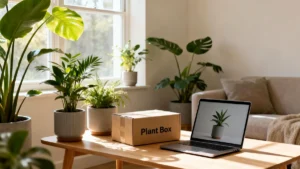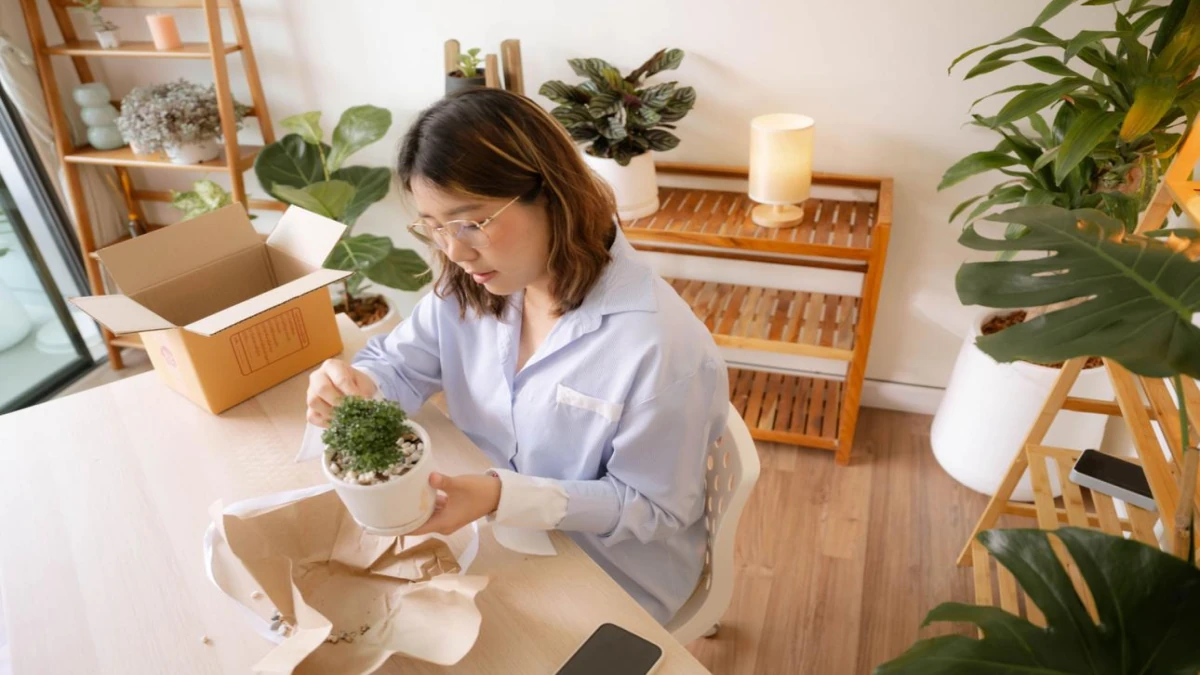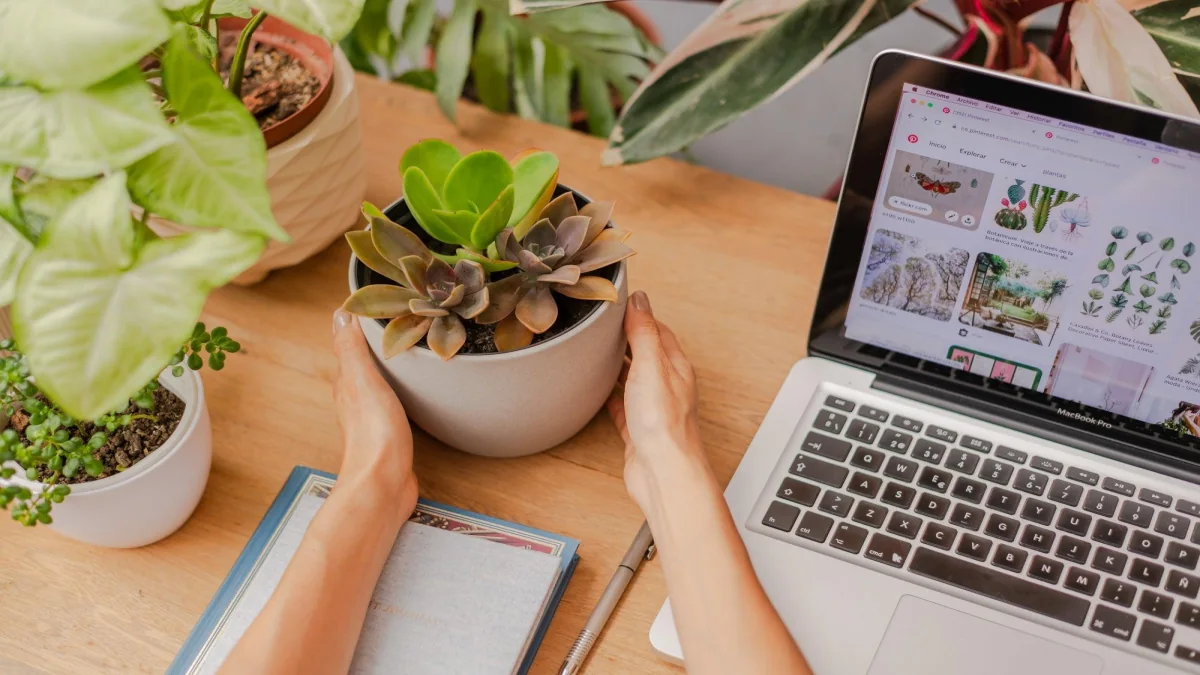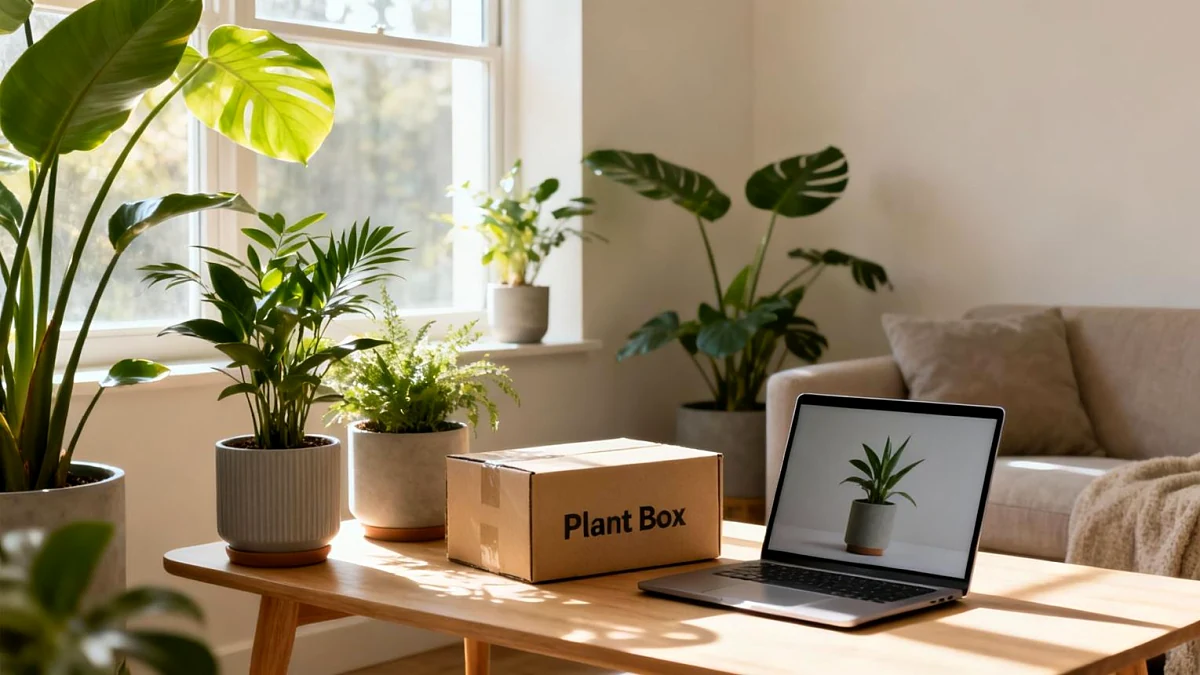
An indoor plant subscription box delivers one or more plants on a repeating schedule, usually monthly. Most plans cost roughly $15–45 per month, although prices vary by box type, plant size, shipping fees, and subscription length. It can be an enjoyable way to build a collection, but expect young starter plants, limited control over the species, and a recurring commitment to care for every arrival.
The appeal is variety and convenience. You do not have to choose a new plant each month, and the surprise can make each delivery feel like a gift. The trade-off is that you may receive plants you would not have selected yourself, pay more per plant than you would at some garden centers, and run out of space faster than expected.
This guide explains how indoor plant subscriptions work, what usually arrives, how to judge the cost, and what to check before signing up.
Key Takeaways
- Most indoor plant subscriptions send plants or related supplies on a monthly schedule.
- Starter plants are more common than the mature specimens shown in promotional photos.
- The monthly price is only part of the cost; check shipping, taxes, and prepaid-plan terms.
- Subscriptions suit people who enjoy variety and surprises, but not necessarily those with limited space or strict plant preferences.
- Check the pause, skip, renewal, and cancellation rules before paying.
How an Indoor Plant Subscription Box Works
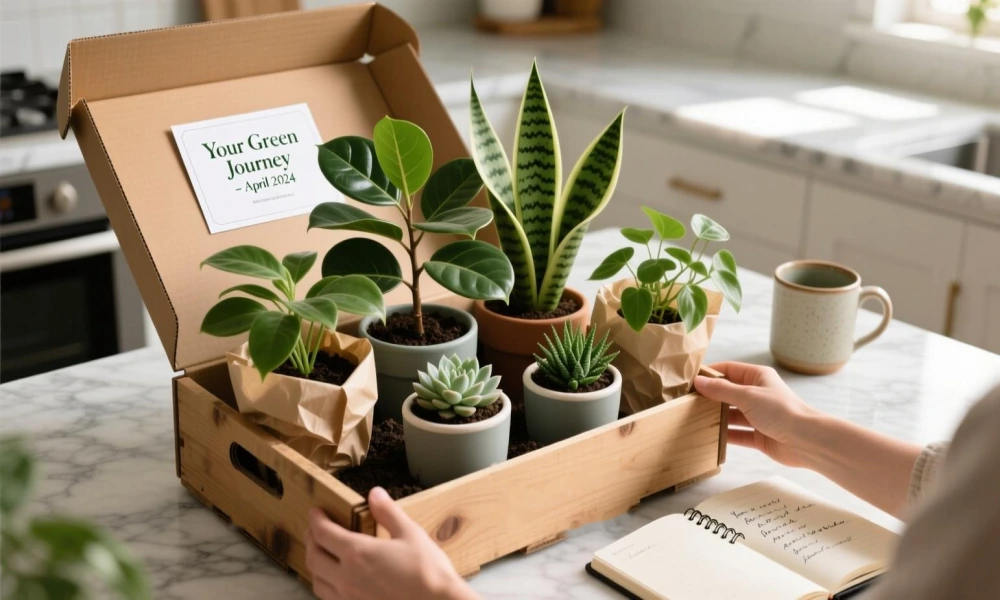
The process is usually straightforward. You choose a subscription plan, provide your delivery details, and receive a box on a repeating schedule. Many services offer monthly billing, while others sell prepaid plans for three, six, or twelve months.
A typical box may contain live plants, cuttings, a care card, and packaging designed to protect the contents during delivery. Some plans focus on plants, while others include accessories or supplies.
The details that matter most are:
- Who selects the plants: In many subscriptions, the company chooses the species. Some services may let you select a general style, difficulty level, or preference, but that does not always mean you can choose each plant.
- How billing works: Monthly plans usually charge at regular intervals. Prepaid plans collect payment upfront and may offer a lower average monthly price.
- When the box ships: Companies may have a monthly billing date, order cutoff, or shipping window. Check these dates so you know when a new charge becomes difficult to stop.
- What the plan includes: Confirm whether the price covers plants only, or also pots, soil, care supplies, and delivery.
A subscription is still a live-plant shipment. Weather, delivery delays, packaging, and arrival-day inspection matter just as they do when you order a plant separately.
Indoor Plant Subscription Box Types Compared

The phrase “plant subscription” can describe several different products. Read the plan description carefully so you know what you are paying for.
| Box type | What typically arrives | Best suited to | Main consideration |
| Houseplant-of-the-month | One or more small foliage plants | Beginners building a collection | The species may be a surprise |
| Rare or collector box | Uncommon varieties or cultivars | Experienced plant collectors | Higher prices and more specific care needs |
| Propagation or cutting club | Rooted or unrooted cuttings | People who enjoy growing plants from cuttings | Cuttings need time to establish |
| Succulent or air-plant club | Small succulents or air plants | Homes with suitable light and display space | Small plants can accumulate quickly |
| Plant-care supply box | Fertilizer, soil, tools, or accessories | People who already own houseplants | Value depends on whether you need the supplies |
A propagation box can be a good choice if you enjoy the process of growing a plant rather than expecting an instant display piece. A rooted cutting may take time to develop, while an unrooted cutting requires additional attention.
If you want a mature plant for a particular shelf or corner, a surprise subscription may not be the right option. The box type should match your expectations, available space, and experience.
What Plant Subscription Boxes Cost Per Month

As a broad estimate, many mainstream indoor plant subscription plans fall around $15–45 per month. Specialist and collector plans can cost more. These figures are not fixed market prices: the amount depends on the number and size of plants, the subscription term, and the delivery charge.
The more useful calculation is the cost per plant.
For example, imagine a $30 box containing two small plants. That works out to $15 per plant before any additional shipping or tax. You might find similar starter plants for less at a local garden center, but you would need to choose and collect them yourself.
The extra amount you pay for a subscription may cover:
- Plant selection and curation
- Regular delivery
- Convenience
- Packaging for live plants
- The experience of receiving an unexpected plant
That premium can be worthwhile if you enjoy the surprise and want someone else to choose the plants. It is less attractive if your main goal is to get specific plants at the lowest possible price.
Before comparing plans, calculate the full amount you will pay. Check whether shipping is included, whether taxes are added at checkout, and whether the advertised monthly price applies only to a longer prepaid commitment.
What Actually Arrives in the Box

Set realistic expectations before ordering. Many houseplant subscriptions focus on young starter plants rather than large, mature specimens. Plants may arrive in small nursery pots, often around 2–4 inches, depending on the service and box type.
A typical delivery may include:
- One or more live plants
- Small nursery pots or temporary containers
- A printed or digital care card
- Protective packaging
- Occasional accessories or growing supplies
The exact contents depend on the subscription. A propagation club may send cuttings instead of established potted plants, while a supply-focused box may contain mostly non-plant items.
Promotional photos can show mature plants that have been growing for months or years. Do not assume the plant in the photograph is the size you will receive. Look for the listed pot diameter, plant height, number of plants, and whether the product description says starter plant, cutting, or mature plant.
When a box arrives, open it promptly and inspect the plants for visible damage or signs of pests. Follow the care instructions for each species rather than assuming every plant needs the same light or watering routine.
Pet owners need one additional check: subscription boxes may include species you did not choose. Identify every plant before placing it where a cat or dog can reach it. The ASPCA’s toxic and non-toxic plants database can help you check plant names, although the organization notes that its list is not exhaustive. For more guidance on choosing plants for a pet household, see our guide to pet-safe indoor plants. If you cannot confirm a plant’s safety, keep it out of your pet’s reach and ask a veterinarian for advice.
Who a Plant Subscription Suits (and Who Should Skip It)

An indoor plant subscription is most useful when the experience of receiving a surprise matters as much as the plants themselves.
A subscription may suit you if:
- You enjoy surprises. You like discovering new species and do not need to select every plant yourself.
- You are building a collection. Regular deliveries can introduce variety without requiring you to research a new purchase every month.
- You are comfortable with starter plants. You are happy to grow smaller plants over time rather than expecting a mature display piece.
- You want a recurring gift. A prepaid plan can spread a gift across several delivery dates, provided the recipient has enough space and wants ongoing plant care.
- You enjoy propagation. A cutting-based plan can make the growing process part of the experience.
You may want to skip it if:
- You have limited space. A monthly delivery can add up to a dozen or more plants in a year.
- You need specific species. A curated box may not include the plant that suits a particular room, light level, or design plan.
- You have pets and cannot verify each arrival. A subscription without clear plant information or suitable preferences can create repeated safety checks.
- You are trying to spend as little as possible. Buying individual plants gives you more control over the size, species, and price.
- You already have more plants than you can care for. Another delivery may create extra work rather than enjoyment.
If you prefer to choose each plant yourself, compare the subscription model with a one-time purchase. Our guide to the best indoor plants to buy online covers the separate buying process.
Pause, Skip, and Cancel: Check Before You Subscribe

A subscription is not only about what arrives. It is also about how easily you can change or end the plan.
Before entering payment details, check these points:
- Pause and skip options: Can you miss a delivery when you have enough plants, or does the plan require a shipment every month?
- Cancellation method: Find out whether you can cancel through an account dashboard, an email request, or another process. Do not assume every service offers one-click cancellation.
- Billing cutoff: Check the date by which you must cancel or skip the next box. A request made after the cutoff may not stop the upcoming charge.
- Prepaid-plan conditions: Read the rules for unused months. Some plans may allow pauses or extensions, while others may restrict refunds.
- Already-shipped orders: Find out what happens if you cancel after a box has been packed or dispatched. Live-plant orders may have different refund conditions from ordinary goods.
- Renewal terms: Confirm whether the plan renews automatically and what price will apply after any introductory or prepaid period.
For U.S. customers, the Federal Trade Commission’s guidance on auto-renewals and subscription cancellations explains why it is important to review recurring charges, cancellation instructions, and billing records. Consumer rules vary by country, so check the terms and protections that apply where you live.
Save the order confirmation and a copy of any cancellation request. If you stop a subscription, review your payment statements to make sure further charges do not continue unexpectedly.
FAQ: Indoor Plant Subscription Boxes
What comes in a plant subscription box?
Most boxes include small plants, nursery pots, care cards, and protective packaging. Some also include cuttings, succulents, air plants, or plant-care supplies.
Are plant subscription boxes worth it?
Yes, if you enjoy trying new plants and want convenient deliveries. However, buying plants individually may cost less.
Can you choose the plants in a subscription box?
It depends on the company. Some let you choose plant preferences, while others select the plants for you. Check the plan details before subscribing.
How do I pause or cancel a plant subscription?
Check your account dashboard for pause or cancellation options. Review the next shipping date, cancellation deadline, and refund policy.
Are subscription plants safe for cats and dogs?
Not always. Check the name of each plant against a reliable pet-toxicity guide before bringing it near your pets. Keep unknown plants out of reach.
Do indoor plant subscription boxes ship in winter?
Some companies ship throughout winter, while others delay deliveries during extreme cold. Check the company’s winter-shipping policy before ordering.
Final Thoughts
An indoor plant subscription box is best viewed as a recurring experience rather than the cheapest way to buy houseplants. It can work well for people who enjoy variety, do not mind receiving small plants, and have enough room to care for each delivery.
The decision comes down to three things: the real cost, the amount of control you have over the plants, and the flexibility of the subscription terms. Review those details before paying, and choose a plan that fits your home rather than buying one simply because the monthly price looks appealing.
Disclaimer: This article is for general informational purposes only. Subscription prices, delivery schedules, plant selections, and cancellation policies vary by provider and location. Confirm current terms directly with the service before subscribing. Pet owners should verify each plant’s identity and consult a veterinarian if they are unsure about its safety.