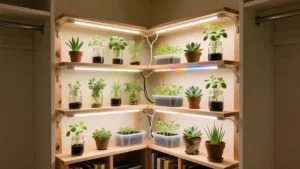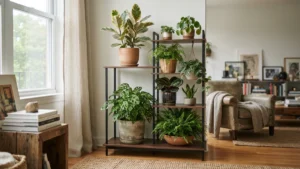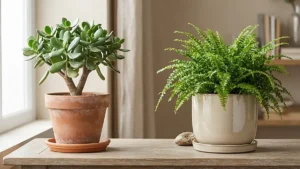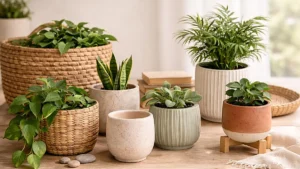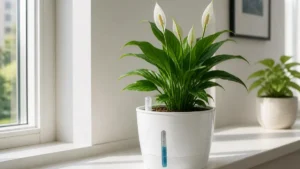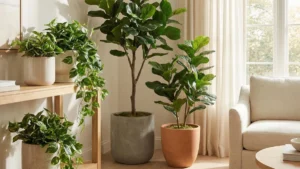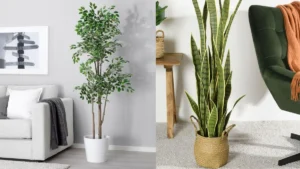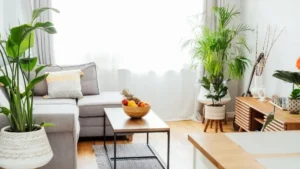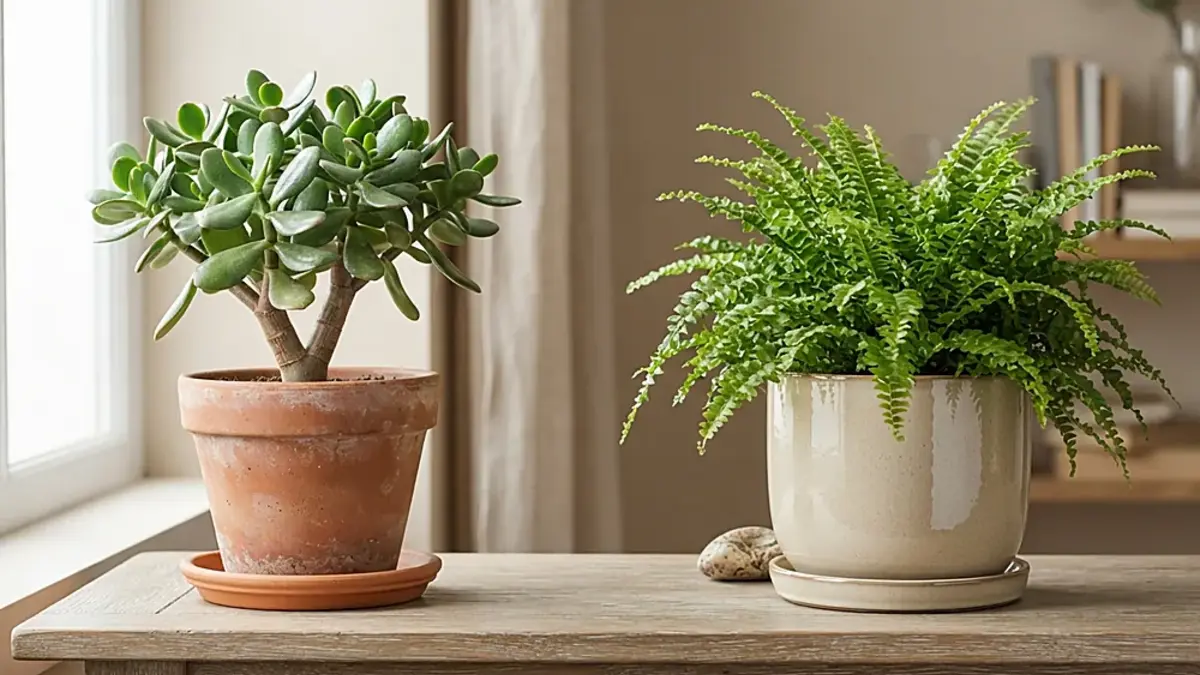

When comparing ceramic vs terracotta pots, it is important to understand how each material affects moisture and plant care. Unglazed terracotta allows moisture to escape through its porous walls, so potting mix usually dries faster. Glazed ceramic slows moisture loss and keeps the root zone moist for longer. The right choice depends on your plant, watering habits, and where you plan to keep the pot.
The difference matters more than appearance. A beautiful pot can still create watering problems if its material does not suit your plant. Here is how to compare the two, understand their disadvantages, and choose the right one.
Key Takeaways
- Terracotta dries faster: Its porous walls allow moisture to escape, making it useful for plants that prefer drier soil.
- Glazed ceramic retains moisture longer: Its sealed surface slows evaporation through the pot walls.
- Match the pot to your plant: Succulents and jade plants often suit unglazed terracotta, while moisture-loving plants may benefit from glazed ceramic.
- Both materials need proper drainage: Drainage holes help prevent excess water from collecting around plant roots.
- Terracotta can develop white deposits: Minerals from water and fertilizer may collect on its porous surface.
- Consider weight and durability: Glazed ceramic can be heavier, while terracotta can crack if absorbed moisture freezes.
Ceramic vs Terracotta Pots at a Glance

| Factor | Unglazed Terracotta | Glazed Ceramic |
| Porosity | Porous; moisture can escape through the walls | Usually non-porous because of its glaze |
| Soil drying | Potting mix tends to dry faster | Potting mix tends to retain moisture longer |
| Watering | May require more frequent checks and watering | May need less frequent watering, depending on conditions |
| Appearance | Natural, earthy finish | Available in many colors, shapes, and finishes |
| Weight | Often lighter than a comparable thick glazed pot | Can be heavy, especially in larger sizes |
| Salt deposits | White mineral deposits can appear on the surface | Less likely to develop deposits on the outer surface |
| Cold-weather risk | Can crack if absorbed moisture freezes | Depends on the clay body, glaze, and frost rating |
| Best suited to | Plants that prefer a drier root zone | Plants that benefit from more consistent moisture |
One important detail: terracotta is technically a type of ceramic. In everyday gardening, however, people usually use “ceramic pot” to mean a glazed clay pot and “terracotta pot” to mean unglazed clay.
How Porosity Changes Your Watering

The biggest difference between these pots is how easily water moves through their walls.
Unglazed terracotta has tiny pores. Water from the potting mix can move into the clay and evaporate from the outside. This makes the root zone dry faster than it usually would in a sealed, glazed pot.
Glazed ceramic has a protective surface coating that reduces this moisture loss. Most water leaves through the drainage hole or evaporates from the exposed surface of the potting mix.
Virginia Tech explains this difference in its guide to properly watering container houseplants, including why terracotta dries faster and why glazed clay holds moisture longer.
Here is what that means in everyday plant care:
- Terracotta can suit plants that prefer drier conditions. Cacti, succulents, and jade plants can benefit from a pot that allows the growing medium to dry more quickly.
- Glazed ceramic can suit moisture-loving plants. It may help maintain a more consistent level of moisture for plants that do not like their growing medium drying too quickly.
- Your watering routine must change when you change pots. A plant moved from glazed ceramic to terracotta may need more frequent moisture checks.
However, neither pot material guarantees healthy roots. Overwatering can still happen in terracotta, and glazed ceramic can still dry out quickly in a small pot, a warm room, or a sunny location.
Always check the potting mix before watering instead of following a fixed calendar.
Terracotta Realities: White Deposits, Cold Weather, and Breakage
Terracotta has a natural appearance, but it also has a few practical disadvantages. Understand these before choosing it for your indoor plants.
Why Is My Terracotta Pot Turning White?

A white or pale crust can develop on the outside of an unglazed terracotta pot. It is commonly caused by dissolved minerals in water or fertilizer salts moving through the porous clay and remaining behind as moisture evaporates.
This buildup is often called salt residue or mineral deposits. It does not automatically mean your plant is unhealthy, but it is worth checking the growing medium too.
There is an important difference between deposits on the outside of a pot and salt buildup in the soil. Excess salts in the root zone can interfere with water uptake and damage roots.
To manage deposits:
- Check whether your water contains high levels of dissolved minerals.
- Avoid applying more fertilizer than the plant needs.
- Inspect the surface of the growing medium for a separate white crust.
- Clean an empty terracotta pot before reusing it.
University extension guidance on storing and caring for terracotta and ceramic pots in winter also explains how moisture and salt residue affect porous containers.
Can Terracotta Pots Crack in Cold Weather?

Yes. Unglazed terracotta absorbs moisture. If that moisture freezes, it expands and can damage the clay.
This is especially relevant for pots kept outside, in unheated garages, or on cold balconies during winter. Repeated freezing and thawing can increase the risk of cracks.
Glazed ceramic is not automatically frost-proof. Its resistance depends on the clay body, firing process, glaze, construction, and manufacturer’s rating. Small chips or cracks can also allow water to enter.
For indoor plants, this is usually less of a concern unless the room or storage area becomes cold enough for water inside the pot to freeze.
Are Terracotta and Ceramic Pots Easy to Break?
Both materials are brittle. A pot can chip or crack if it falls, hits a hard surface, or receives a strong impact.
Terracotta pots are often inexpensive to replace, while decorative glazed ceramic pots can cost more. If you have pets, children, or narrow walkways, consider where the pot will sit and whether it could be knocked over.
Which Plants Suit Terracotta vs Glazed Ceramic?

The best pot depends on how much moisture your plant prefers. Use this table as a starting point, not a strict rule.
| Plant or Situation | Suitable Choice | Reason |
| Cacti and succulents | Unglazed terracotta | Helps the growing medium dry faster |
| Jade plant | Unglazed terracotta | Can support the drier conditions jade generally prefers |
| Ferns | Glazed ceramic | Can slow moisture loss around the root zone |
| Moisture-loving tropical plants | Glazed ceramic | May help the growing medium retain moisture longer |
| Pothos | Either material | Choose according to your watering habits and growing conditions |
| Large floor plants | Either, depending on construction | Consider weight, stability, drainage, and plant size |
| Plants in a home where watering is often delayed | Glazed ceramic may help | Slower moisture loss can provide a little more time between checks |
If you grow jade, its watering needs matter more than the pot’s appearance. Our jade plant care guide explains how to manage its light, watering, and growing conditions.
Remember that a glazed pot does not make a plant drought-proof. It only changes how moisture leaves the container. Your soil mix, pot size, temperature, light, and drainage still matter.
Weight, Cost, and Breakage Trade-Offs About Ceramic vs Terracotta Pots

The material also affects how practical a pot is around your home.
Weight
Unglazed terracotta is often lighter than a thick glazed ceramic pot of similar size, although construction and thickness make a difference.
A heavy ceramic pot can provide extra stability for a tall plant. However, it may be difficult to move once filled with soil and water.
Before placing a large pot on a shelf, check the shelf’s weight capacity. Remember to account for the plant, growing medium, and water—not just the empty container.
Cost
Basic terracotta pots are often affordable and easy to find. Glazed ceramic pots can cost more because of their finish, shape, decoration, and construction.
A higher price does not automatically mean better growing conditions. Choose the pot based on what your plant needs first, then consider its appearance and budget.
Breakage
Both materials can break if dropped. Terracotta is often easier to replace at a lower cost, while a decorative ceramic pot may be more expensive to replace.
If you move plants frequently, consider the combined weight of the container and plant before choosing a large ceramic pot.
Glazed vs Unglazed Terracotta: The Detail Most Guides Miss

Not every terracotta pot behaves in exactly the same way.
Traditional terracotta is usually unglazed, which allows moisture to pass through its walls. However, some terracotta pots have a glazed surface.
A glazed terracotta pot behaves more like other glazed ceramic containers because the coating reduces moisture movement through the covered surface. Its performance depends on how much of the pot is glazed and whether the inside is also sealed.
When choosing a pot, look beyond the label. Check the inside and outside surfaces:
- Unglazed and porous: moisture can pass through the clay.
- Glazed and sealed: moisture loss through the coated walls is reduced.
- Partly glazed: behavior depends on how much of the surface remains exposed.
The practical rule is simple: porosity matters more than the name printed on the product label.
Drainage Matters More Than Pot Material

A common mistake is choosing a pot based only on its material and forgetting drainage.
Both terracotta and ceramic pots should ideally have drainage holes when you plant directly into them. These holes allow excess water to leave instead of collecting around the roots.
If your favorite decorative ceramic pot has no drainage hole, you can use it as an outer cover. Keep the plant in a separate nursery pot with drainage holes, place that pot inside the decorative container, and empty any collected water after watering.
Also, avoid adding a layer of gravel beneath the potting mix to improve drainage. It does not replace drainage holes and can move the saturated zone closer to the roots.
Our guide to plant pot drainage explains how to manage excess water, while potting mix aeration covers the role of air spaces in healthy growing media.
When changing a plant’s container, use the correct pot size and avoid disturbing healthy roots unnecessarily. You can find practical steps in our guide to repotting houseplants.
How to Choose Between Ceramic and Terracotta Pots

If you are still unsure, answer these four questions before buying:
- Does your plant prefer dry or consistently moist soil? Choose a pot that supports its moisture needs.
- Do you tend to overwater or underwater? Terracotta may help soil dry faster, while glazed ceramic slows moisture loss. Neither replaces checking the soil.
- Will you need to move the pot? Consider its empty weight and the weight it will have after planting.
- Does the pot have drainage holes? If not, use it as a decorative outer pot rather than planting directly into it.
You can also think about how the container will fit into your room. A pot should support the plant’s health while working with the space around it. For more ideas, explore our guide to creative planter ideas.
FAQ: Ceramic vs Terracotta Pots
Do plants dry out faster in terracotta?
Yes, unglazed terracotta allows moisture to evaporate through its walls, so the growing medium usually dries faster.
Are terracotta pots better for succulents?
They can be a good choice because succulents generally prefer a growing medium that dries between waterings.
Why is my terracotta pot turning white?
Minerals from water and fertilizer salts can collect on the porous surface as moisture evaporates.
Can terracotta pots crack in winter?
Yes, absorbed moisture can freeze and expand, damaging the clay.
Is glazed ceramic better for plants that need more water?
It can help the growing medium retain moisture longer, but the plant’s watering needs still determine when you should water.
Do ceramic pots need drainage holes?
Yes, if you plant directly into them; otherwise, use a draining inner pot and empty excess water from the outer container.
Final Thoughts About Ceramic vs Terracotta Pots
Ceramic and terracotta pots can both support healthy indoor plants when you choose the right one for the plant’s needs. Unglazed terracotta is useful when faster drying is helpful, while glazed ceramic can slow moisture loss and offer more decorative choices.
Do not choose by appearance alone. Check the pot’s porosity, drainage, weight, and suitability for your watering routine. A well-matched pot makes plant care easier and gives roots a better environment to grow.
Disclaimer: This article provides general indoor gardening information. Plant care needs vary by species, growing medium, climate, and home conditions. Check the specific requirements of your plant before changing its container or watering routine.