Key Takeaways
- Persistent wet soil is one of the major signs of overwatering plants.
- Yellow leaves can indicate excess water but are not proof on their own.
- Wilting can happen even when the soil is wet.
- Dark, mushy roots are a serious warning.
- Always use containers that drain properly.
- Empty excess water from saucers and cover pots.
- Check soil moisture before watering.
- Different plants have different watering requirements.
- Light, temperature, humidity, pot size, and soil all influence watering needs.
- Early action gives an overwatered plant a better chance of recovery.
Quick Answer
The most common signs of overwatering plants include constantly wet soil, yellowing leaves, sudden leaf drop, wilting despite wet soil, brown or soft leaf areas, mold or algae on the soil, slow growth, soft stems, unpleasant soil odor, and dark, mushy roots.
However, no single symptom proves that a plant has been overwatered. For example, yellow leaves and wilting can also happen because of poor light, pests, temperature stress, underwatering, or root damage. Therefore, check the soil, pot drainage, roots, and growing conditions together.
What Does Overwatering Actually Mean?
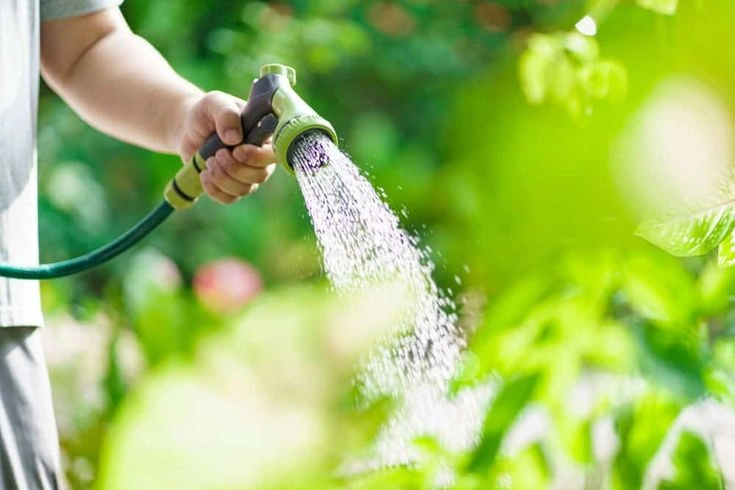
Overwatering does not simply mean giving a plant a large amount of water once.
The bigger problem is keeping the root zone wet for too long. When soil remains saturated, water fills spaces that normally contain air. As a result, roots receive less oxygen and can become damaged.
That is why recognizing the signs of overwatering plants is more useful than counting how many cups of water you give.
Different plants also have different needs. A cactus, fern, peace lily, pothos, and orchid should not automatically receive water on the same schedule.
Why Can an Overwatered Plant Wilt?
This seems strange, but it happens often.
When roots are damaged by constantly wet conditions, they may struggle to absorb water properly. The plant can therefore wilt even though the pot feels wet. This is one of the most confusing signs of overwatering plants because many people respond by adding even more water.
10 Signs of Overwatering Plants
1. The Soil Stays Wet for Too Long
One of the easiest signs of overwatering plants is soil that remains wet long after watering.
If the surface and deeper soil are still very damp when the plant would normally need another drink, check the pot, drainage, light, temperature, and soil mix.
Instead of watering according to a calendar, check the moisture first. Illinois Extension recommends checking the soil several inches below the surface because watering needs depend on factors such as plant type, pot size, light, temperature, humidity, and drainage.
2. Leaves Turn Yellow
Yellow leaves are another well-known sign of overwatering plants.
When roots remain stressed, the plant may develop yellow foliage and eventually lose leaves. However, yellowing is not exclusive to overwatering. Nutrient problems, low light, pests, natural aging, and other stresses can produce similar symptoms.
Look at the entire plant rather than diagnosing it from one yellow leaf.
3. The Plant Wilts Even Though the Soil Is Wet
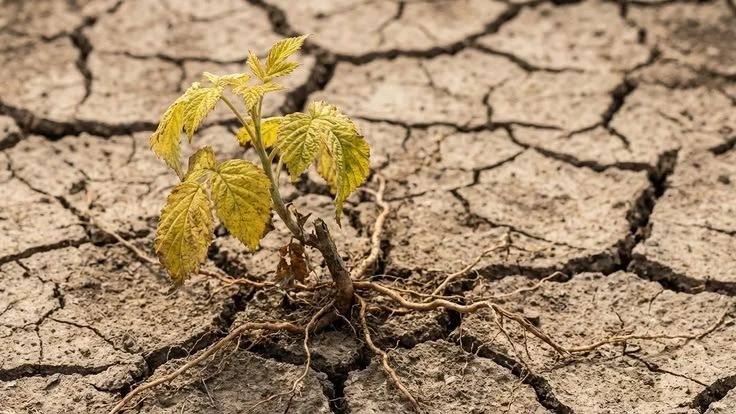
Wilting with wet soil is among the most important signs of overwatering plants.
Normally, people associate wilting with thirst. However, damaged roots may not absorb water effectively. This can create a frustrating situation where the plant looks thirsty while its pot is already saturated.
Therefore, always check the soil before watering a wilted plant.
4. Leaves Start Falling Suddenly
Sudden leaf drop can be another sign of overwatering plants, especially when it occurs alongside wet soil or yellowing.
The RHS notes that overwatering can cause both older and newer leaves to yellow and fall. Still, leaf drop can have many other causes, including low light, temperature changes, pests, and natural leaf aging.
If several leaves are dropping quickly, inspect the roots and growing conditions instead of immediately adding fertilizer.
5. Brown or Soft Patches Appear on Leaves
Brown areas in the middle of leaves can be one of the signs of overwatering plants.
Brown edges, however, are less specific and can occur because of underwatering, dry air, heat, or other stress. Therefore, location and texture matter.
If brown areas appear with constantly wet soil, investigate the root zone before assuming the plant needs more water.
6. Mold or Algae Appears on the Soil
Green algae or visible mold growing on persistently damp soil can be a warning sign of overwatering plants.
It does not automatically mean the roots are rotten. However, it can indicate that the growing medium is staying wet and the surface is receiving conditions favorable to unwanted growth.
Consequently, treat it as a reason to inspect your watering routine, drainage, airflow, and light.
7. Growth Becomes Slow or Weak
Slow growth can be one of the less obvious signs of overwatering plants.
Roots need oxygen to function properly. When water fills the air spaces around them for extended periods, root activity can suffer, which can affect the plant above the soil.
However, slow growth can also result from insufficient light, seasonal dormancy, inadequate nutrients, temperature stress, or a pot that is unsuitable for the plant.
8. The Stem Becomes Soft
A soft, collapsing, or rotting stem can be a serious sign of overwatering plants.
The RHS specifically identifies stem rot and whole-plant collapse among problems associated with excessive moisture.
At this stage, do not keep watering simply because the leaves look limp. Instead, inspect the roots and lower stem carefully.
9. The Soil Smells Bad
An unpleasant smell from constantly wet potting soil can be another sign of overwatering plants.
Healthy roots need oxygen, while prolonged saturation creates poor conditions around the root system. If the soil smells unusually sour, stale, or rotten and the plant is also declining, inspect the root zone.
This is especially important when the pot has poor drainage or water collects underneath it.
10. The Roots Are Dark, Mushy, or Slimy
Dark, soft, mushy roots are one of the strongest signs of overwatering plants.
Healthy roots vary between species, but roots that have become very dark, soft, slimy, or rotten deserve immediate attention. Extension guidance notes that dark brown to black roots can indicate excessive watering, while healthy roots are generally lighter in color.
If the roots are severely damaged, simply changing the watering schedule may not be enough.
Overwatering vs Underwatering
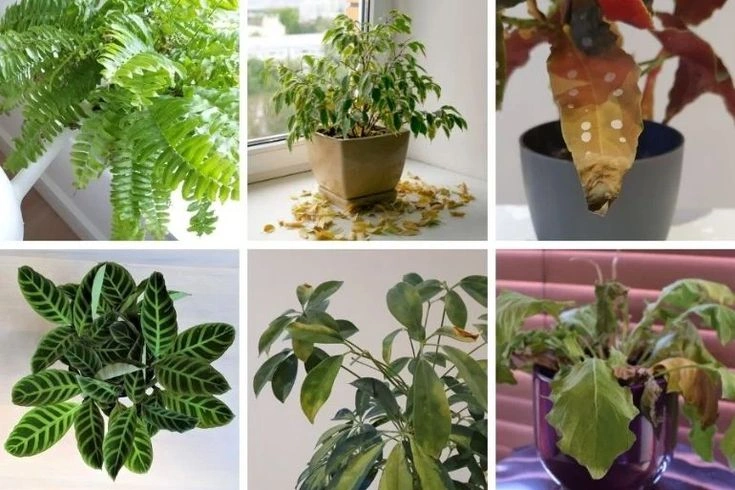
One reason the signs of overwatering plants are difficult to recognize is that overwatering and underwatering can sometimes look surprisingly similar.
| Symptom | Possible Overwatering | Possible Underwatering |
|---|---|---|
| Wilting | Yes | Yes |
| Yellow leaves | Common | Possible |
| Soil | Wet for too long | Very dry |
| Roots | Dark, soft, damaged | Dry or stressed |
| Leaf texture | Soft or abnormal | Often dry or crispy |
| Water in saucer | Possible | Usually absent |
| Best first step | Check drainage and roots | Check soil moisture |
The key is to avoid diagnosing the plant from one symptom. Instead, combine several observations.
How to Save an Overwatered Plant
If you notice several signs of overwatering in plants, act before the damage becomes severe.
Stop Watering Temporarily
First, stop adding water until you understand how wet the root zone actually is.
Do not follow the usual watering day simply because it appears on your calendar. The plant’s current condition matters more than your routine.
Check the Drainage
Make sure the container has a functional drainage hole.
After watering, excess water should be allowed to drain away. Do not leave the pot sitting in a saucer filled with water.
Inspect the Roots
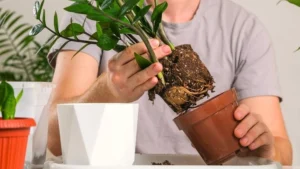
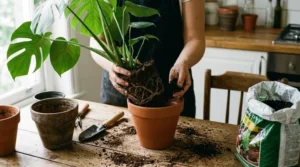
If the plant continues declining, gently remove it from the container and inspect the root system.
Look for dark, mushy, or slimy roots. Healthy roots should generally feel firm rather than collapsing under gentle pressure.
Repot When Necessary
Severe signs of overwatering plants may justify repotting, particularly when the existing growing medium stays saturated or roots are badly affected.
Choose a suitable, well-draining mix and avoid placing a small plant into a dramatically oversized pot. Too much unused soil can retain moisture for longer than the roots can use.
Improve the Growing Conditions
After addressing excess moisture, consider the plant’s light, temperature, airflow, pot size, and soil.
A plant in low light may use water more slowly, while a plant receiving strong light and active growth may dry faster. That is why there is no universal watering schedule.
How to Prevent Overwatering
The best way to avoid the signs of overwatering plants is to stop treating watering as a fixed routine.
Check Before You Water
Push your finger into the growing medium to check moisture below the surface.
Illinois Extension recommends checking around two inches deep for many houseplants, although the appropriate depth varies by plant and pot size.
Use Pots With Drainage
Good drainage gives excess water somewhere to go.
A decorative cover pot can still be used, but check that water has not collected inside it after watering.
Match Watering to the Plant
Succulents generally tolerate drier conditions than many tropical plants.
Therefore, a watering schedule that works for one plant may be completely wrong for another.
Consider Seasonal Changes
Plants often use water differently as light levels and growth rates change.
During periods of slower growth, watering may need to be reduced. RHS guidance also notes that houseplant watering should respond to actual moisture conditions rather than a rigid routine.
Common Mistakes That Cause Overwatering
Many signs of overwatering plants begin with a few simple habits.
| Mistake | Better Approach |
| Watering every Monday | Check soil first |
| Giving every plant the same amount | Consider each plant’s needs |
| Leaving water in the saucer | Empty excess water |
| Using a pot without drainage | Choose a draining container |
| Watering because leaves wilt | Check soil before watering |
| Keeping soil constantly wet | Allow appropriate drying |
| Using a huge pot | Choose an appropriately sized container |
Remember, more water does not automatically mean more growth.
Simple Overwatering Checklist
Use this quick checklist when you suspect signs of overwatering plants:
-
Is the soil still very wet?
-
Does the pot have drainage?
-
Is water collecting underneath the container?
-
Are multiple leaves turning yellow?
-
Is the plant wilting while the soil is wet?
-
Are leaves falling unexpectedly?
-
Are there soft or dark areas on the plant?
-
Is there mold or algae on the soil?
-
Does the soil smell unusual?
-
Are the roots dark, mushy, or slimy?
The more of these symptoms you see together, the more important it becomes to inspect the root zone.
FAQs
What are the most obvious signs of overwatering plants?
The clearest signs of overwatering plants are persistently wet soil, yellowing leaves, wilting despite moist soil, sudden leaf drop, and damaged roots.
Can an overwatered plant still look dry?
Yes. Wilting can occur when roots have been damaged and cannot absorb water effectively. This is why checking the soil before watering is so important.
How do I know if yellow leaves mean overwatering?
Yellow leaves alone cannot confirm overwatering. Check the soil, drainage, light, recent watering pattern, and roots. Several signs of overwatering occurring together provide a stronger indication.
Should I water a wilted plant?
Not automatically. Wilting can be caused by both too little and too much water. Check the growing medium first.
Can overwatering cause root rot?
Yes. Prolonged waterlogged conditions can reduce oxygen around roots and contribute to root damage and rot.
How often should houseplants be watered?
There is no single schedule that works for every houseplant. Watering depends on the plant, pot, soil, light, temperature, humidity, and growth conditions.
Are brown leaf tips always a sign of overwatering?
No. Brown tips can also result from underwatering, dry air, heat, or other environmental problems.
Should I remove yellow leaves?
Removing badly damaged leaves can improve the plant’s appearance, but first identify why they are turning yellow. Otherwise, the problem may continue.
Conclusion
Understanding the signs of overwatering plants can save a struggling houseplant before the damage becomes serious.
The most useful approach is to look at the whole picture: soil moisture, drainage, leaves, stems, roots, light, and the plant’s individual needs.
Most importantly, do not water simply because a plant looks thirsty. Wilting can sometimes be caused by excess moisture and damaged roots.
At Peeacelily, our goal is to make plant care easier to understand. Once you learn the signs of overwatering plants, you can replace guesswork with simple observation and give your plants water when they actually need it.