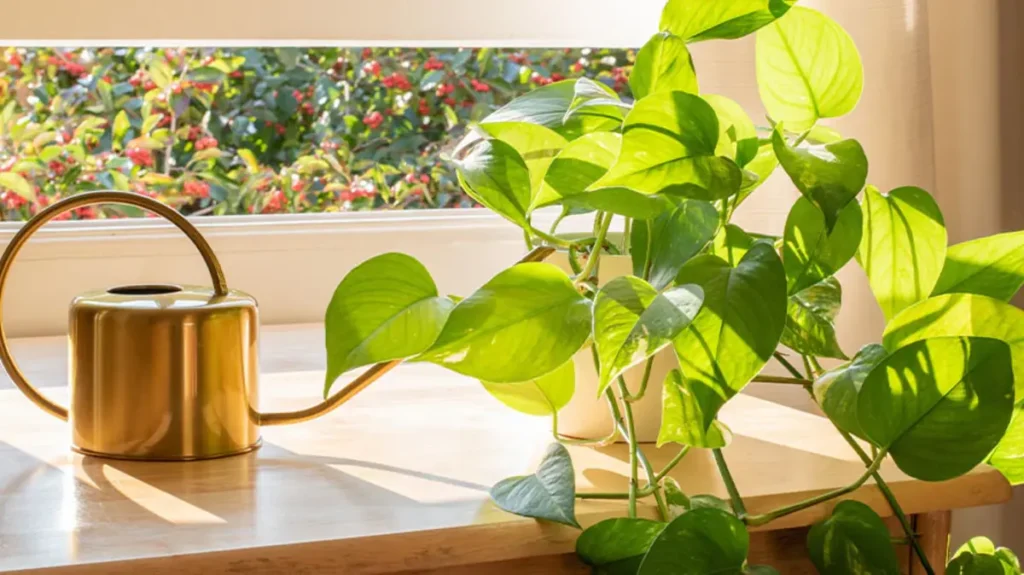
Pothos care is simple, making it perfect for beginners. This low-maintenance plant thrives in bright, indirect or even low light and requires moderate watering. Known as Devil’s Ivy, it grows quickly and adapts easily to different environments. With minimal effort, you can keep your pothos healthy, vibrant, and growing beautifully indoors.
If there were a houseplants hall of fame, the Pothos would be headlining. Commonly referred to as ‘Devil’s ivy’ due to the fact that it is almost impossible to kill, this climbing vine and trailing house plant makes a great starting point for any budding indoor horticulturalist.
If you want to nail pothos care simply balance moderate watering with bright indirect light (though this plant is infamous for being one of the best low light houseplants money can buy).
At peeacelily. We have seen thousands of enthusiasts convert their homes into lush jungles with this one plant that does just as well with neglect as it does love—on House plants expert.
The Golden Rules of Pothos Care
The problem people have with houseplants is often that they try too hard. The “less is more” adage typically prevails with pothos care. These plants are found naturally in the understory of large trees within tropical forests located in French Polynesia. That tells us two things: they prefer humidity, and they do not want the sun to strike their leaves.
Lighting: Finding the Sweet Spot
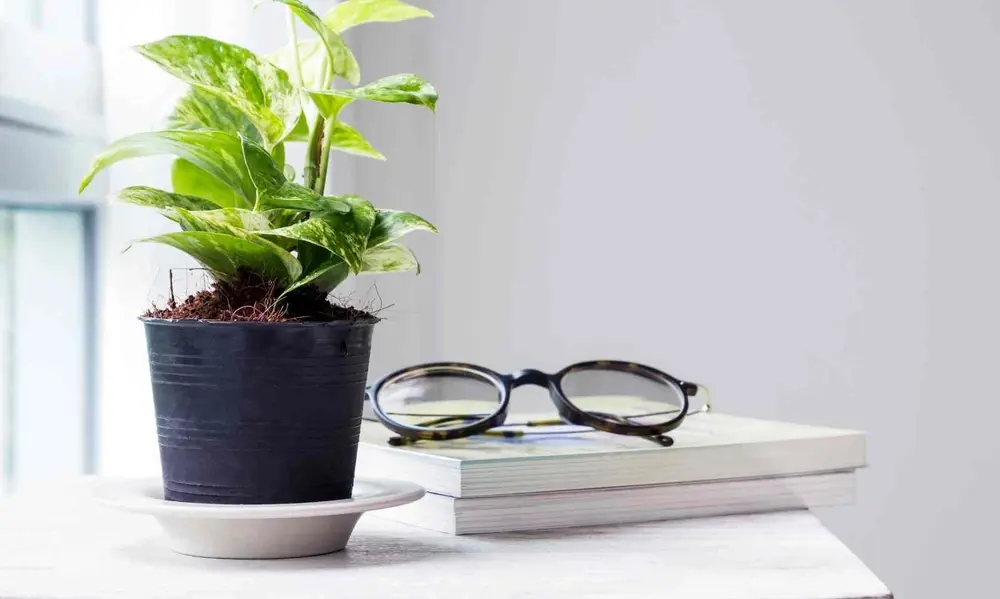
Pothos are known as low light houseplants but they aren’t a freaking magic trick! They do still require some light for the process of photosynthesis. They will still be fine and make it to a point in very dark places, but their growth will slow to crawling speeds, and variegated types (like the Marble Queen) may become solid green as time goes on to get more light from what available.
How To Ensure The Best Results In General, place your plant in a space with bright but filtered sunlight. An eastward-facing window is usually ideal. If you observed the leaves looking yellow brown and racy, they are probably receiving too much direct sun in the afternoon.
Watering: The “Dipstick” Method
The most common killer of houseplants is overwatering. The key to growing pothos successfully is allowing the top two inches of the soil to dry out completely before watering again. This is a wonderful trick to watch the leaves; if they begin to appear somewhat wilted or droopy, the plant is indicating that it urgently needs some moisture.
If you do water — give it a deep soaking so that water runs out of the drainage holes at the bottom of the pot. Do not let your Pothos sit in a saucer of standing water, which causes root rot—effectively the only way to actually “kill” this tough-vine.
Pothos Varieties and Their Unique Needs
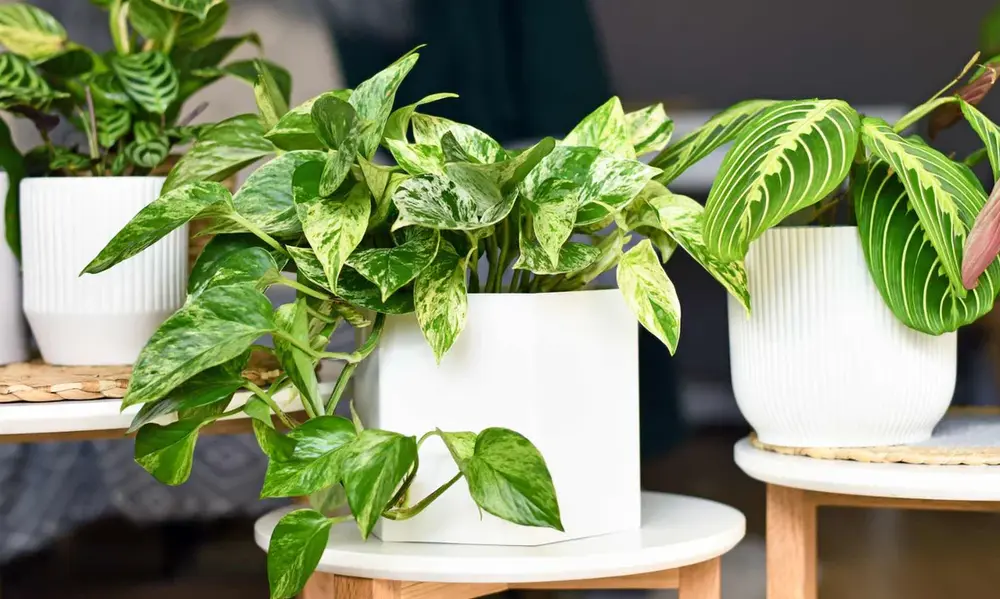
Not all Pothos are created equal. While the general pothos care remains the same, different cultivars have slight preferences that can help them look their best.
| Variety | Appearance | Light Preference |
| Golden Pothos | Heart-shaped green leaves with yellow streaks. | Very adaptable; thrives in almost any light. |
| Marble Queen | Heavy white and cream variegation. | Needs more light to maintain its white colors. |
| Neon Pothos | Solid, glowing chartreuse/lime green leaves. | Prefers brighter light to keep its “neon” look. |
| Jade Pothos | Solid dark green leaves. | The champion of low light houseplants. |
| N’Joy | Small, crinkly leaves with bold white patches. | Slowest grower; needs bright, indirect light. |
Soil, Potting, and Nutrients
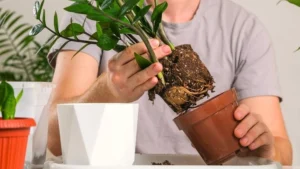
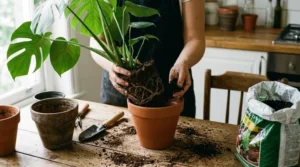
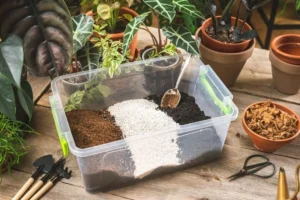
You can keep it simple with a common, well-draining potting mix for indoor plants. Another type of mix but with perlite or orchid bark is the perfect mix to guarantee air circulation to the roots. Pothos are not absolute against being a bit “root-bound” in other words they can live in the same pot for quite awhile, but if they literally grow out of their bottom holes it may be time to find them a new home.
At peeaceliliy. At Pothos. Unfurl an approvedhouseplant fertilizer of half strength diluted in water. During the winter months when the plant’s growth habit slows down, you don’t actually need to feed them at all.
Common Challenges and Solutions
Though this is a “beginner” plant, you are likely to face some bumps in the road. Recognizing these signals is an indelible part of pothos care.
Yellow Leaves
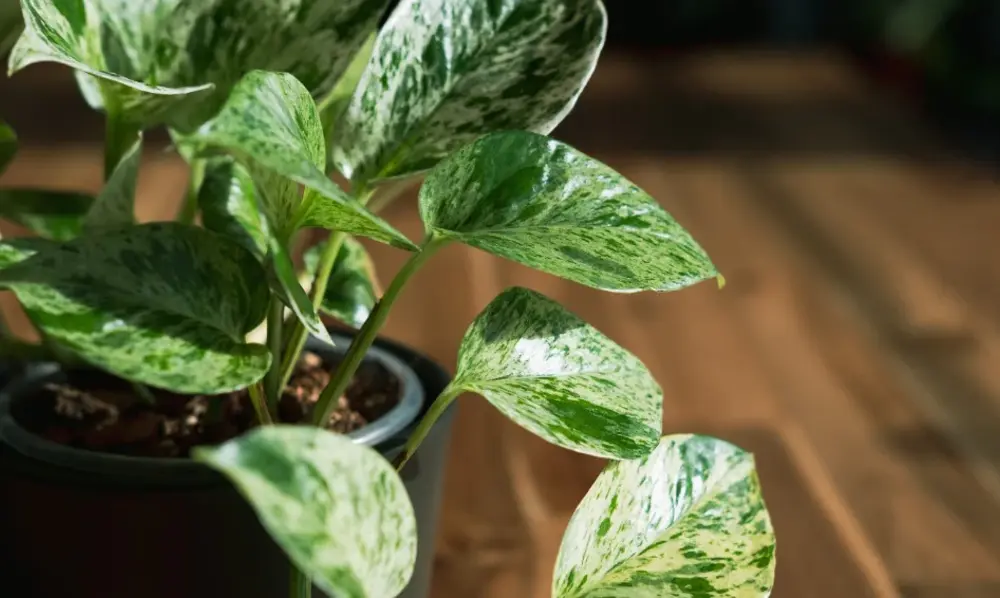
Remember that when one of the leaves near the base of vine turns yellow that you should not panic, it’s likely just an old leaf at the end of its life. If your plant then begins to really yellow and droop multiple leaves at once you are definitely overwatering. Touch the soil; if it feels wet, wait until it dries out completely before watering again.
Long, Leggy Vines
In the case of Pothos that have slim stems with very few leaves, it is “reaching” for light. When used as low light houseplants, this is common. The solution is simple: make the plant lean toward a window, then cut the long tendrils. In fact, trimming promotes the plant to return more densely and fuller from above.
Pests
Pothos is mostly resistant to pests, although I do occasionally get some mealybugs (those little bits of white cotton) or spider mites. Should you spot these, wipe the leaves down with water and a few drops of mild dish soap or neem oil.
Propagation: Growing New Plants for Free
Propagation is one of the most rewarding aspects of taking care of indoor plants. Pothos are so easy to clone. Just snip off a section of the vine that has at least two “nodes” (the little brown lumps where the leaves meet the stem).
Put the cutting in a glass of water, it should be fully submerged with at least one node on each piece. You should notice little white roots forming within 2 weeks. When the roots are one-inch-long, they can be planted in soil. Great for making multiple plants from just one or giving as a present to a friend.
Why Pothos are the Best Low Light Houseplants
Natural light is a luxury that many current day apartments or offices cannot afford. This is where Pothos excels. Unlike other plants that shed leaves or perish within weeks, the Pothos makes adaptations. It tolerates the light from only overhead fluorescent lighting in windowless offices, which is why it is such a mainstay of easy-care indoor office plants for commercial applications.
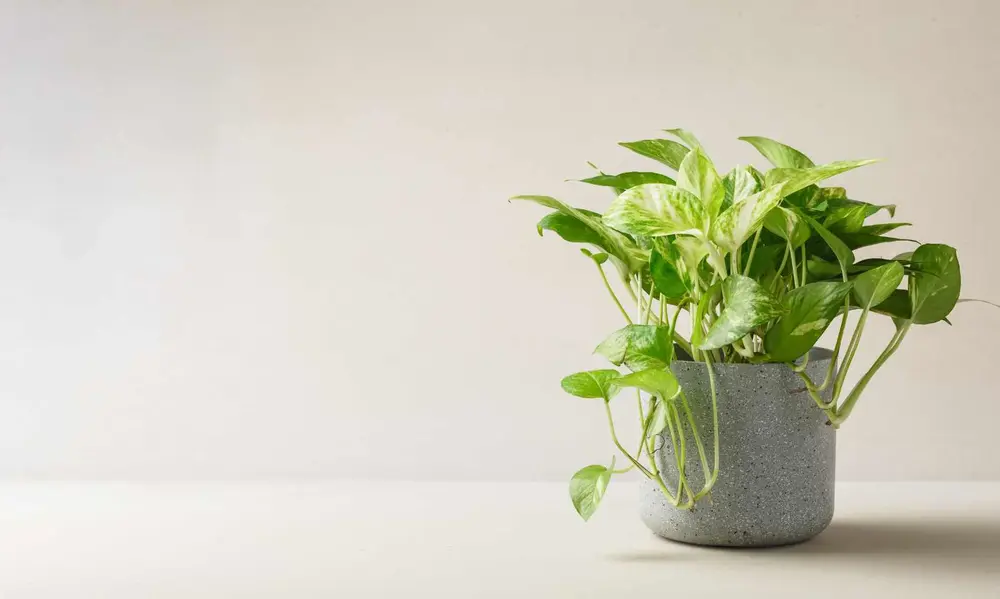
Low light does not mean no light—but, again, remember that detail. If your plant does not have a new leaf after six months, it is probably ready for some more lights. Your pothos care journey can be greatly impacted by moving it a few feet closer to a light source.
Conclusion
Learning how to care of pothos is the basic level that we need to do to gain confidence towards nature inside our house. Those plants aren’t only decorations but also living companions that clean the air better and impart calmness to a room in any time frame. You will get a decades-long plant simply by allowing the soil to dry out, providing indirect light and giving them room to trail.
At peeacelily. At Innature. The Pothos is that plant. It is the low light houseplants gold standard and pure delight for indoor plant nerds everywhere. When you begin the sweet start, and see your vines budding, have no fear with a haircut every now again— keep them trimmed!
FAQs
Is Pothos toxic to pets?
Why Pothos plants are bad for dogs or cats? Yes, the pothos plant contains calcium oxalate crystals and are irritating if ingested. Store them on top shelves or hang the plants in a basket where pets will not get reach to trailing vines.
Why are my Pothos leaves curling?
Curls, as they say, maybe a type of dehydration or extremely low humidity. Water thoroughly if the soil is dry. If the soil is already moist, then consider spraying the leaves or keeping a humidifier near enough that it helps you in building up the plant again.
How fast does a Pothos grow?
Perfect conditions (bright, indirect light) allow a Pothos to grow as long as 12 inches within one month. That said, growth will be quite slow (only inches per year) in low light situations.
Can Pothos grow in water forever?
Note that all pothos can live in the water indefinitely. Still, they won’t grow as fast or as big as they would (in soil) because the water doesn’t have a rich variety of nutrients like potting mix does. If you are keeping them in water, then change the water weekly to help keep it fresh.