
The best online plant nursery is not necessarily the one with the biggest selection or the most attractive website. It is the one that clearly explains what it sells, shows honest product information, uses suitable packaging, and provides a written policy for damaged or unhealthy arrivals. Before ordering, compare its plant listings, customer reviews, shipping rules, and live-arrival guarantee.
Buying plants online means trusting a seller to choose, pack, and transport a living product you cannot inspect beforehand. A little research can help you avoid misleading photos, unclear plant sizes, poor packaging, and difficult refund processes.
This guide gives you a practical eight-point scorecard to evaluate an online plant nursery before checkout.
Key Takeaways
- Check plant listings for exact heights, pot sizes, growing conditions, and product photographs.
- Look for a clear explanation of where plants come from and how they are prepared for shipping.
- Read recent customer reviews, especially those discussing packaging and plant condition on arrival.
- Review the live-arrival guarantee before paying, including its deadline and photo requirements.
- Check shipping costs, delivery estimates, weather precautions, and possible shipping holds.
- Evaluate customer support by checking whether the seller provides clear contact details and responds to complaints.
- Compare the complete buying experience rather than relying on star ratings or attractive prices alone.
What Makes the Best Online Plant Nursery Different?
A reliable online plant nursery makes it easier to understand exactly what you are buying. Its product pages answer practical questions instead of relying on attractive photographs and general descriptions.
Start with the plant listing. It should explain the plant’s current size, pot dimensions, and whether it arrives in a nursery pot, another container, or with bare roots. If the listing uses photographs of mature plants, the seller should make clear that the delivered plant may look smaller.
Good product information also explains basic growing requirements. You should be able to find details about light, watering, humidity, and any special care needs. This helps you decide whether the plant is suitable for your home. If you are still deciding what to grow, compare the options in our guide to best indoor plants for beginners.
Pay attention to how the nursery communicates its policies, too. A trustworthy seller makes shipping information, contact details, and guarantee conditions easy to find.
A professional-looking website is not proof of quality. Clear information and consistent customer support are more useful signals.
The Online Plant Nursery Evaluation Scorecard
Use this eight-point scorecard to compare different online plant sellers before placing an order.
| Criterion | What to look for | Warning signs |
| Listing details | Exact plant height, pot size, and growth stage | Vague descriptions such as “large” or “premium” |
| Photo accuracy | Real inventory photographs or clear size explanations | Only highly edited or mature plant photographs |
| Plant sourcing | Information about where plants are grown or sourced | No information about plant origin |
| Packaging details | An explanation of how pots, roots, and foliage are protected | General claims without describing the packaging |
| Live-arrival guarantee | Written conditions, claim deadline, and evidence requirements | No clear policy or difficult-to-find terms |
| Shipping policy | Delivery estimates, shipping areas, and weather precautions | Unclear delivery times or no weather guidance |
| Customer reviews | Recent feedback about plant condition and packaging | Repeated unresolved complaints |
| Customer support | Accessible contact details and helpful responses | No clear way to contact the seller |
How to Use the Scorecard
Give one point for every criterion the seller meets clearly.
- 7–8 points: The seller meets most of the important standards. Review the guarantee and final shipping cost before ordering.
- 5–6 points: Some useful information is available, but you should investigate the missing details.
- 0–4 points: Too many important questions remain unanswered. Consider another seller.
This scorecard is a decision aid, not a guarantee that a plant will arrive in perfect condition. Even a well-managed nursery can experience shipping problems.
Also, do not judge a seller by website design alone. A small specialist nursery may provide detailed plant information and careful packaging without having a sophisticated website. A large marketplace may offer convenience while individual sellers vary in quality.
Reading Online Plant Nursery Reviews for Red Flags

Customer reviews can help you understand what happens after someone places an order. However, looking at the overall star rating is not enough.
Read individual reviews and search for comments about the actual delivery experience.
Look for Reviews About Plant Condition

Pay attention to words and phrases such as:
- Arrived damaged
- Broken stems
- Dry soil
- Poor packaging
- Incorrect plant size
- Missing items
- Slow customer support
A review that explains how a plant was packed and received is usually more useful than one that simply says the purchase was excellent.
Check for Repeated Complaints
One negative review does not automatically mean a nursery is unreliable. Plants can experience damage during transport, and individual experiences vary.
However, repeated complaints about the same issue deserve attention. Several recent reports of damaged plants, missing orders, or unanswered guarantee claims may indicate a pattern worth investigating.
Read the Seller’s Responses

Check how the nursery responds when customers report problems.
A useful response explains what the customer should do and how the issue will be reviewed. A seller that ignores complaints or provides only vague replies may be difficult to deal with if your order arrives damaged.
Be Careful With Unusual Review Patterns
A sudden burst of very similar reviews, generic praise without purchase details, or accounts with little review history can be reasons to look more closely. These signs do not prove that reviews are fake, but they should encourage you to compare feedback across more than one platform.
The Federal Trade Commission’s advice on evaluating online reviews recommends checking review dates, reviewer history, and multiple sources rather than relying on ratings alone.
Plant Guarantees: What They Do and Don’t Cover
A live-arrival guarantee can provide useful protection when a plant arrives dead or seriously damaged. However, there is no single guarantee that applies to every online plant nursery.
Each seller sets its own conditions. One nursery may require a claim within 24 hours, while another may allow several days. Some offer replacement plants, while others provide store credit or another remedy.
What a Live-Arrival Guarantee May Cover

Depending on the seller’s terms, covered problems may include:
- A plant arriving dead.
- Severe damage to stems or roots during transit.
- Significant shipping-related heat or cold damage.
- A missing or incorrect plant.
Read the policy to understand which conditions qualify. Minor leaf marks, temporary drooping, or normal changes during transport may be treated differently from serious damage.
What a Guarantee May Not Cover
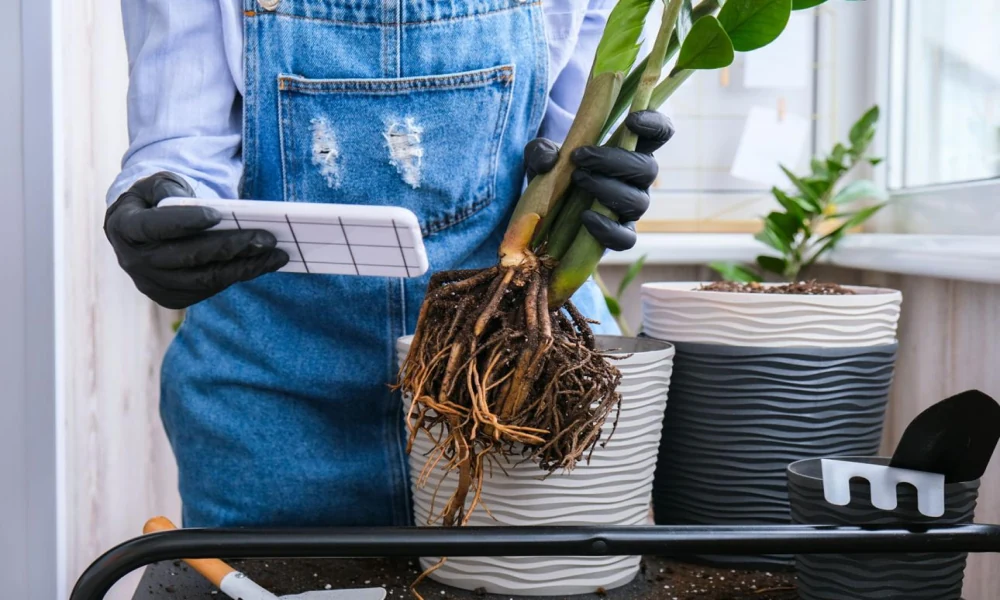
Some policies exclude problems that develop after delivery because of unsuitable care or environmental conditions.
Examples may include:
- Damage caused by overwatering or underwatering.
- Decline after prolonged exposure to unsuitable light or temperature.
- Problems caused by handling or repotting after arrival.
- Claims submitted after the stated deadline.
The exact exclusions depend on the seller. Never assume that a guarantee covers every problem that occurs after purchase.
Three Details to Check Before Ordering
Before paying, find the answers to these questions:
- What is the claim deadline? Check how many hours or days you have to report a problem.
- What evidence is required? The seller may request photographs of the plant, packaging, shipping label, or the damaged parts.
- What remedy is available? Confirm whether the policy offers a replacement, store credit, refund, or another solution.
Save a copy of the policy or take a screenshot before checkout. If a plant arrives damaged, document its condition promptly and follow the seller’s instructions.
Shipping Zones, Timing, and Weather Policy
Shipping is one of the most important parts of buying plants online. A plant may leave the nursery in good condition but experience stress if it spends too long in unsuitable temperatures or poor transit conditions.
Before ordering, check where the nursery ships and how long delivery is expected to take. A seller that explains its shipping areas and delivery methods makes it easier to judge whether the journey is suitable for your order.
Check the Nursery’s Packaging Method

Plant packaging should protect roots, stems, foliage, and the growing medium during transport. Check whether the nursery explains how it secures pots, prevents soil from spilling, and protects plants from drying out or physical damage.
For a practical example of formal mailing standards, the United States Postal Service’s requirements for packaging mailable plants explain how moisture-retaining materials and protective packaging help contain plants during transit. These are U.S. postal requirements, not universal rules for every carrier or country.
A nursery that describes its packaging method gives you more useful information than one that simply promises safe delivery.
Check the Nursery’s Weather Policy
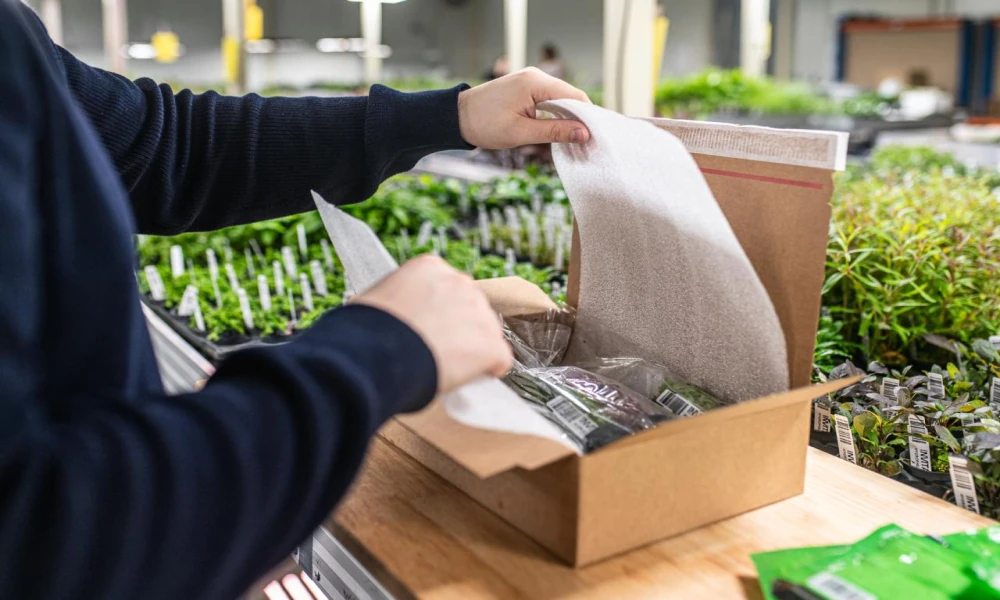
Heat and cold can both affect live plants during transport. A responsible seller should explain whether it uses protective packaging, offers optional insulation, or delays orders during severe weather.
Look for information about:
- Insulated packaging.
- Heat packs or other cold-weather protection, when appropriate.
- Shipping holds during extreme temperatures.
- Delivery restrictions for certain regions.
- How weather-related damage is handled under the guarantee.
Do not assume that every nursery uses the same protection or follows the same temperature limits. Check the seller’s own policy and consider the forecast along the delivery route.
Understand Shipping Days and Delivery Estimates
Some nurseries limit dispatch days to reduce the chance of packages remaining in transit over weekends. Others use different shipping schedules.
Check the estimated dispatch date, carrier, delivery speed, and whether tracking information is provided. If the seller cannot explain when your order will leave or how it will be delivered, ask before purchasing.
Consider the Complete Shipping Cost

A low plant price can become less attractive after delivery charges, protective packaging, and faster shipping options are added.
Compare the final checkout price rather than the listed plant price alone. If the seller offers several delivery methods, understand what each one includes before choosing.
FAQ: Choosing an Online Plant Nursery
How do I know if an online plant nursery is reliable?
Check its product descriptions, plant photographs, sourcing information, shipping policy, customer reviews, and live-arrival guarantee. Look for clear contact details and recent feedback about packaging and delivery. Avoid sellers that leave important buying conditions unexplained.
What does a live-arrival guarantee cover?
A live-arrival guarantee may cover plants that arrive dead or seriously damaged during shipping. The claim deadline, evidence requirements, and available remedy depend on the nursery. Read the complete policy before ordering because some sellers offer replacements or store credit rather than cash refunds.
Are online plant nurseries reliable?
Some provide detailed listings, careful packaging, and clear customer support, while others may offer limited information or unclear policies. Reliability depends on the individual seller. Use the evaluation scorecard and compare recent customer experiences before placing an order.
Is it cheaper to buy plants online?
It depends on the plant, seller, and delivery cost. Online nurseries may offer a wider selection, including varieties that are difficult to find locally. However, shipping and protective packaging can increase the final price. Compare the total cost before deciding.
Should I buy plants from a small nursery or a large marketplace?
Neither option is automatically better. A small nursery may offer specialist knowledge and direct customer support, while a marketplace may provide more choices and convenient delivery. Evaluate the individual seller’s listings, reviews, packaging information, and guarantee instead of relying on business size.
What should I check before placing an online plant order?
Confirm the plant’s size, pot dimensions, product photographs, delivery estimate, shipping cost, and guarantee conditions. Also check whether the nursery explains its packaging method and provides a reliable way to contact customer support.
Final Thoughts
Choosing the best online plant nursery requires more than comparing photographs and prices. You need to know what plant you are buying, how it will be packed, when it will arrive, and what happens if something goes wrong.
Use the eight-point scorecard to compare sellers before checkout. Read recent reviews, understand the live-arrival guarantee, and check the shipping policy for your location and season.
A little research before ordering can help you make a more informed purchase and reduce avoidable problems when buying living plants online.
Disclaimer: This article provides general guidance for evaluating online plant sellers. Shipping practices, guarantee conditions, consumer protections, and delivery policies vary by nursery and location. Always review the seller’s current terms before placing an order.