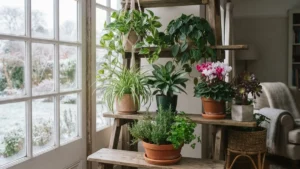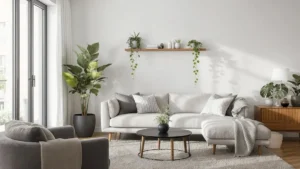

Sustainable plant decor is about more than adding greenery to a room. It means choosing planters that last, reusing materials where possible, selecting plants suited to your space and caring for them in ways that reduce waste. You can create an attractive indoor plant display without constantly buying new pots, accessories or growing supplies.
The best approach is simple: use what you already have, choose practical materials, and make sure every decorative item supports healthy plant growth.
Key Takeaways
- Reusing a suitable container is often more practical than buying a new decorative planter.
- Choose pots with proper drainage and a size that suits the plant.
- Terracotta, durable wood and recycled containers can all work well when used correctly.
- Biodegradable planters need to be suitable for the plant and its growing conditions.
- Peat-free growing mixes and careful watering can make plant care more resource-conscious.
- A long-lasting plant display is usually better than one that needs frequent replacement.
What Makes Plant Decor More Sustainable?
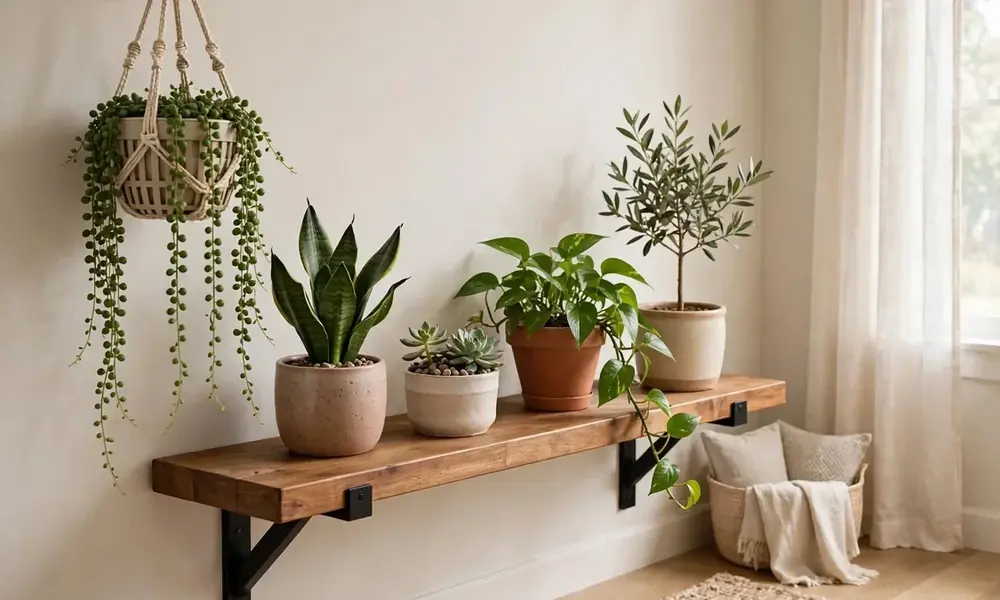
A sustainable plant display balances three things: the materials you use, the way you grow your plants and how long your arrangement lasts.
For example, buying several decorative pots that crack, leak or become unsuitable after a few months can create unnecessary waste. Reusing a container you already own may be a better choice, provided it is safe for the plant and can be adapted for proper drainage.
Think about these questions before adding anything to your display:
- Can I reuse a container or accessory I already own?
- Will this material last in the place where I plan to use it?
- Can the container support healthy roots and proper drainage?
- Does the plant suit the light and temperature in my home?
- Can I repair, reuse or recycle the item later?
A beautiful arrangement should not come at the cost of the plant’s health. A decorative container is only useful if it also works as a growing space.
Choose Eco-Friendly Planters That Last
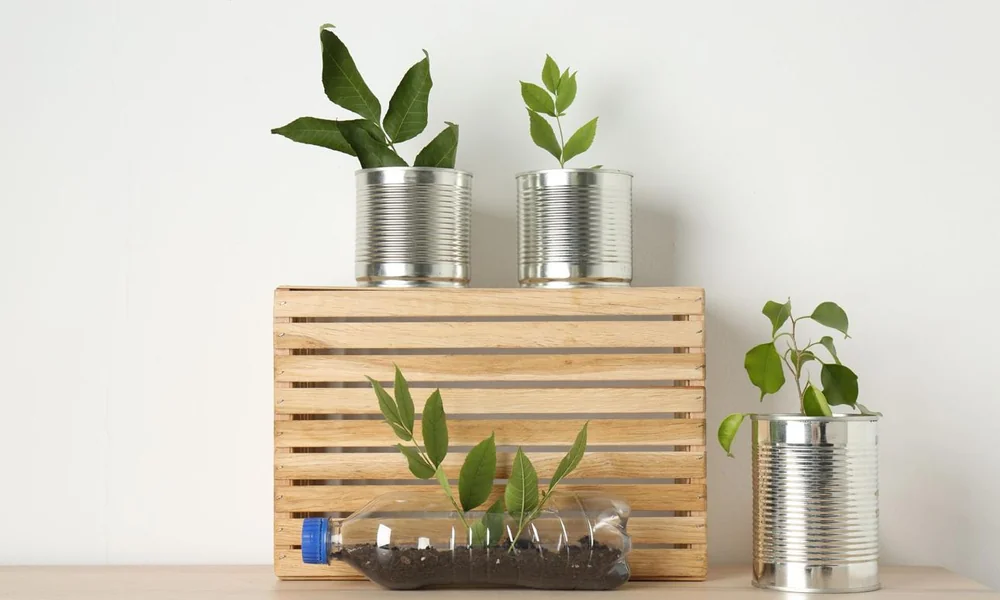
The planter is one of the easiest places to make a more thoughtful choice. However, there is no single material that is always the most sustainable. The right option depends on its durability, how often you will use it and whether it suits your plant.
Reuse Existing Pots and Containers
Before buying a new planter, look around your home. An old ceramic pot, wooden box, sturdy tin container or unused basket may have a second life as part of your plant display.
You can also turn suitable household items into planters with a little preparation. For inspiration, explore these DIY plant pots made from recycled materials and upcycled planter ideas.
The important step is checking whether the container can safely hold the growing medium and support the plant. Some materials may rust, break down or react poorly to constant moisture. If you are using a container that was not designed for planting, consider placing a nursery pot inside it rather than planting directly into it.
Consider Terracotta Pots
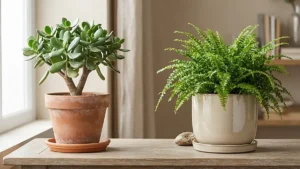
Terracotta is a familiar choice for indoor and outdoor plants. It has a natural appearance and can be reused for many growing seasons when handled carefully.
Its porous surface allows moisture to evaporate through the sides. This can be helpful for plants that prefer their growing medium to dry between waterings, although it also means you may need to water more often.
You can keep an old terracotta pot in use or refresh its appearance with a simple finish. See these ideas for painted terracotta pots if you want to give an existing planter a new look.
Use Recycled and Upcycled Materials Carefully
Plastic bottles, tin cans and other household containers can become useful planters. This gives an item another purpose instead of sending it straight to the waste stream.
For example, a clean plastic bottle can be adapted into a small planter, while a tin can can work for a compact herb display. You can explore a recycled plastic bottle planter or a tin-can herb garden for practical inspiration.
Before planting, check the container for sharp edges, leftover substances and signs of damage. Add drainage holes where appropriate, and protect surfaces from water.
Are Biodegradable Planters a Good Choice?
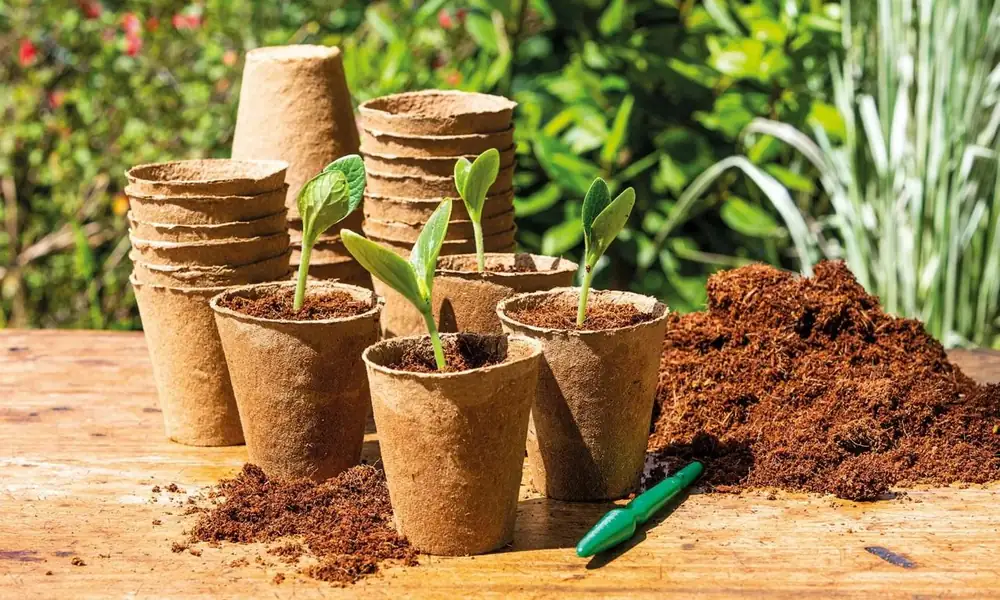
Biodegradable planters can be useful in certain growing situations, particularly when a pot is designed to break down as a plant grows or is transplanted. However, the word biodegradable does not automatically make every product the best environmental choice.
Check what the planter is made from, how it should be used and what conditions it needs to break down. Some products are intended for particular planting methods and may not be suitable as permanent decorative pots.
If you are comparing options, read more about biodegradable planters before choosing one for your indoor display.
Make Recycled Planters Work for Healthy Plants
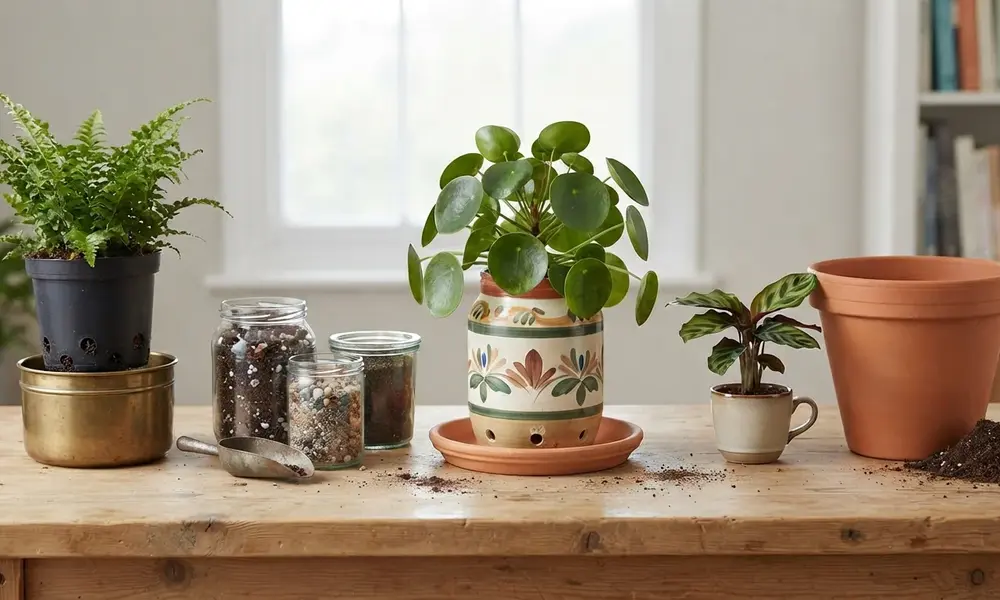
A reused container still needs to function as a proper plant pot. A good-looking container can cause problems if water collects around the roots or the plant has too little room to grow.
Check for Drainage
Most houseplants need a growing medium that holds some moisture while allowing excess water to escape. A container without drainage can leave roots sitting in water, increasing the risk of root problems.
If you want to use a decorative pot without drainage holes, keep the plant in a separate nursery pot with drainage. Place that pot inside the decorative container and remove it when watering so excess water can drain away.
Choose the Right Pot Size
A larger pot is not automatically better. Too much unused growing medium can stay wet for longer than the plant’s roots can manage.
Choose a container that gives the roots enough room without being excessively large. When repotting, move up gradually rather than placing a small plant into a very large pot.
If you are unsure whether your plant needs a new container, learn the signs of a wrong pot size for plants.
Protect Surfaces and Furniture
Reused planters can sometimes leak or leave moisture marks. Use a suitable saucer or waterproof outer tray to protect shelves, tables and floors.
For areas where spills are a concern, consider waterproof plant pots or use a removable inner pot. Empty standing water after watering rather than leaving the roots in a full saucer.
Use Better Growing Materials
Your planter is only one part of the display. The growing medium also matters.
Where suitable for your plant, choose a peat-free potting mix. Peat extraction can damage peatland habitats and release stored carbon, so peat-free alternatives are worth considering. The right mix depends on the plant: a succulent, fern and peace lily do not all need the same growing conditions.
You can also reduce waste by avoiding unnecessary replacement of healthy growing medium. When repotting, assess the old mix and the plant’s condition first. Do not reuse compost that is contaminated with pests or disease.
For more guidance, see indoor plant soil mixtures and the best potting soil for indoor plants.
Create Attractive Plant Displays With Fewer New Items
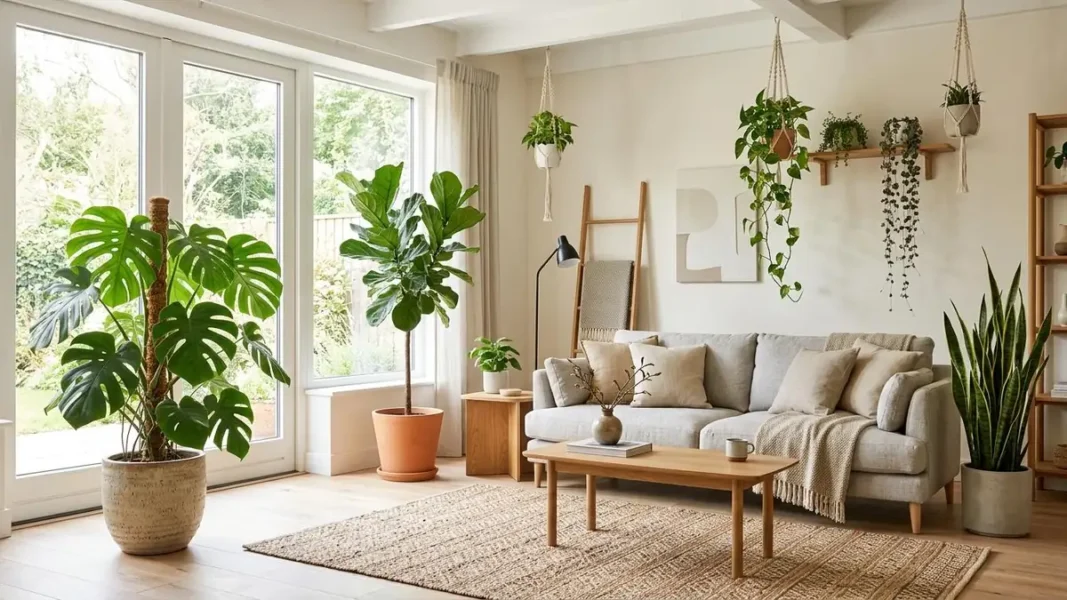
Sustainable plant decor does not have to look plain. You can create a well-arranged display by using different heights, textures and plant shapes rather than buying a new accessory for every plant.
Arrange Plants on Existing Shelves
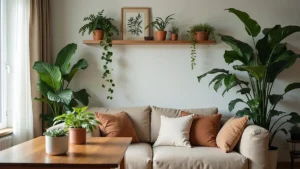
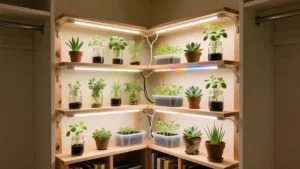
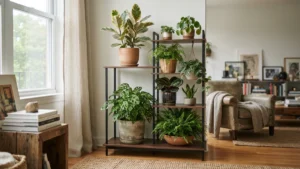
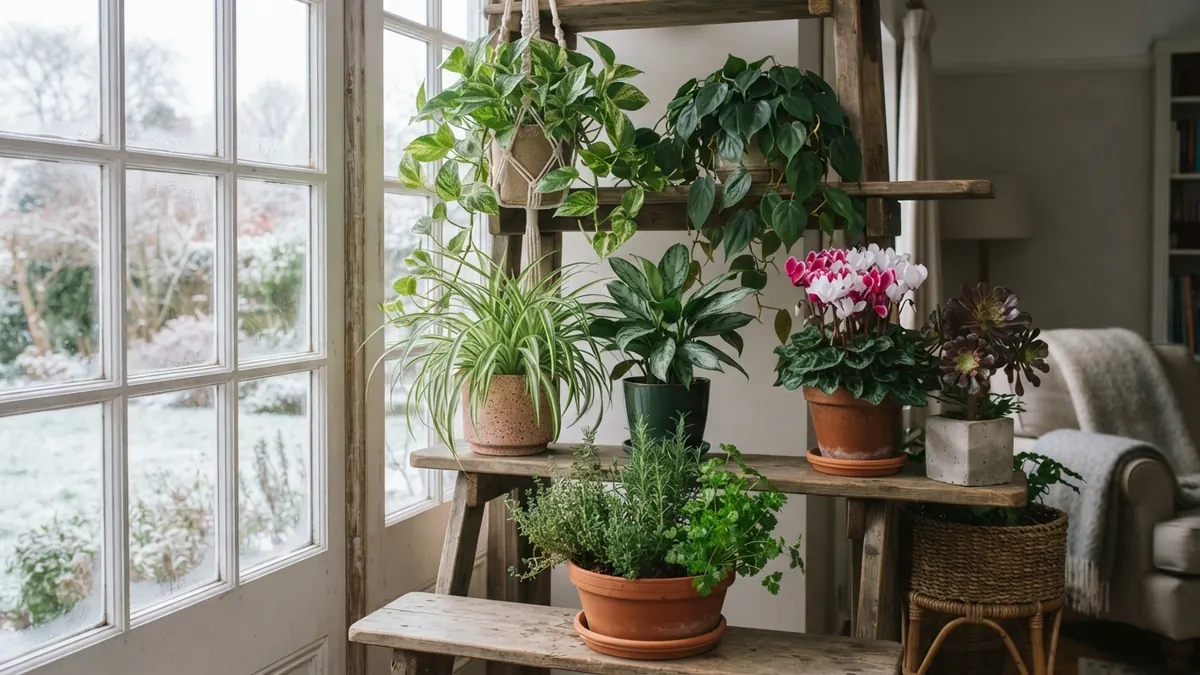
A shelf can become a useful plant display without requiring a new piece of furniture. Group plants according to their light and watering needs, and leave enough room for leaves to grow.
Mix trailing plants with upright varieties to create visual contrast. Keep heavier pots on stable surfaces and make sure shelves can support their weight.
For layout inspiration, explore these indoor plant shelf ideas and plant shelf ideas.
Use Hanging Displays
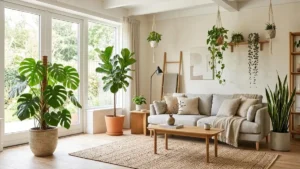
Hanging planters can make use of vertical space, especially in smaller rooms. A macrame hanger or a reused hanging container can add texture without taking up shelf or floor space.
Before hanging a plant, check that the hook and ceiling support its full weight after watering. Choose a location that gives the plant suitable light and makes watering easy.
You can find ideas for macrame plant hangers and indoor hanging plant displays.
Give Old Plant Stands a New Purpose
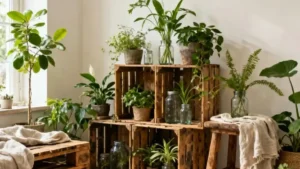
An existing stool, small table or sturdy wooden stand may be all you need to create different levels in a plant corner. Reusing furniture you already own can help you avoid buying extra display pieces.
Make sure each surface is stable and can handle occasional moisture. Place a tray beneath pots where water could damage the finish.
If you want to make something yourself, explore these DIY plant stand ideas.
Choose Plants That Suit Your Home
A plant that struggles in its location may need extra supplies, repeated replacements or constant adjustments. Choosing a plant that suits the light, temperature and available space can make your display easier to maintain.
For example, a bright windowsill may suit a different selection of plants than a shaded corner. Check each plant’s needs before buying it, and avoid choosing a variety simply because it looks good in a photograph.
You can use these indoor plant styling ideas and plants for home decor to plan a display around the space you already have.
Simple Habits That Make Plant Decor More Sustainable
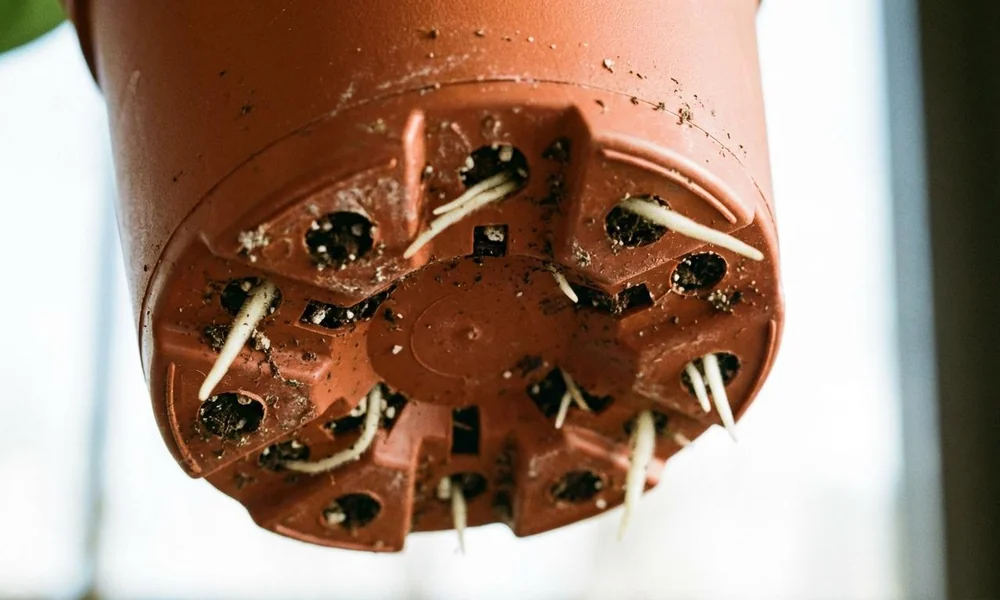
A sustainable display depends on regular care, not just the materials you buy. A few practical habits can help your plants last longer and reduce unnecessary waste.
- Water according to the plant’s needs. Check the growing medium before watering instead of following a fixed schedule for every pot.
- Reuse containers when practical. Clean and inspect old pots before using them again.
- Avoid unnecessary repotting. Move a plant only when its roots or growing conditions call for it.
- Propagate healthy plants. Growing new plants from cuttings or divisions can expand your collection without buying another mature plant.
- Use suitable growing mixes. Match the mix to the plant rather than using one product for every variety.
- Repair or refresh accessories. Clean a planter, repaint a suitable pot or repair a stand before replacing it.
The Royal Horticultural Society also recommends practical ways to reduce the impact of container growing, including reusing containers and choosing peat-free growing materials. Its advice on low-carbon container gardening offers further ideas for making potted displays more resource-conscious.
Common Mistakes to Avoid With Sustainable Plant Decor
Some choices look environmentally friendly but can create problems if they are not suitable for the plant.
- Choosing appearance over drainage: A beautiful container is not useful if it keeps the roots waterlogged.
- Buying too many small pots: A few well-chosen containers may be easier to maintain than a large collection of unsuitable ones.
- Assuming every natural material is automatically sustainable: Durability, sourcing, maintenance and end-of-life options all matter.
- Using household containers without preparation: Check for sharp edges, residue, rust and drainage before planting.
- Replacing items too quickly: Repair, clean or reuse a planter when it is still safe and functional.
- Ignoring plant requirements: A display will not last if the plants do not receive the light, water and space they need.
FAQs About Sustainable Plant Decor
What is sustainable plant decor?
Sustainable plant decor uses plants, planters and display materials in ways that reduce unnecessary waste. It can include reusing pots, choosing durable containers, selecting suitable plants and using appropriate peat-free growing mixes.
What are the most eco-friendly planters?
There is no single best option for every situation. Reused containers, durable terracotta pots, reclaimed wood and suitable recycled materials can all be practical choices. The best planter is one that lasts, suits the plant and can be reused or responsibly handled at the end of its life.
Can I use household items as plant pots?
Yes, many household items can be repurposed as planters. However, check that the material is safe, sturdy and suitable for regular contact with moisture. Add drainage where appropriate or use a nursery pot inside the decorative container.
Are biodegradable planters better than plastic pots?
Not automatically. Their suitability depends on the material, how the planter is used and the conditions needed for it to break down. A durable pot that is reused for years may be more practical than a disposable planter that does not suit your growing conditions.
How can I decorate my home with plants without buying new accessories?
Use shelves, stools, baskets and containers you already own. Arrange plants at different heights, reuse suitable pots and make use of vertical space with hanging displays. Focus on the plants’ growing needs before adding decorative details.
Does sustainable plant decor have to be expensive?
No. Reusing containers, propagating existing plants and refreshing old accessories can keep costs down. You can build an attractive display gradually instead of buying everything at once.
Final Thoughts
Sustainable plant decor starts with thoughtful choices rather than expensive products. Reuse a suitable planter, choose materials that can last, give each plant the growing conditions it needs and avoid replacing items that still work.
The result can be a greener, more personal home with less unnecessary waste. Start with the pots and accessories you already own, then add new pieces only when they serve a real purpose.