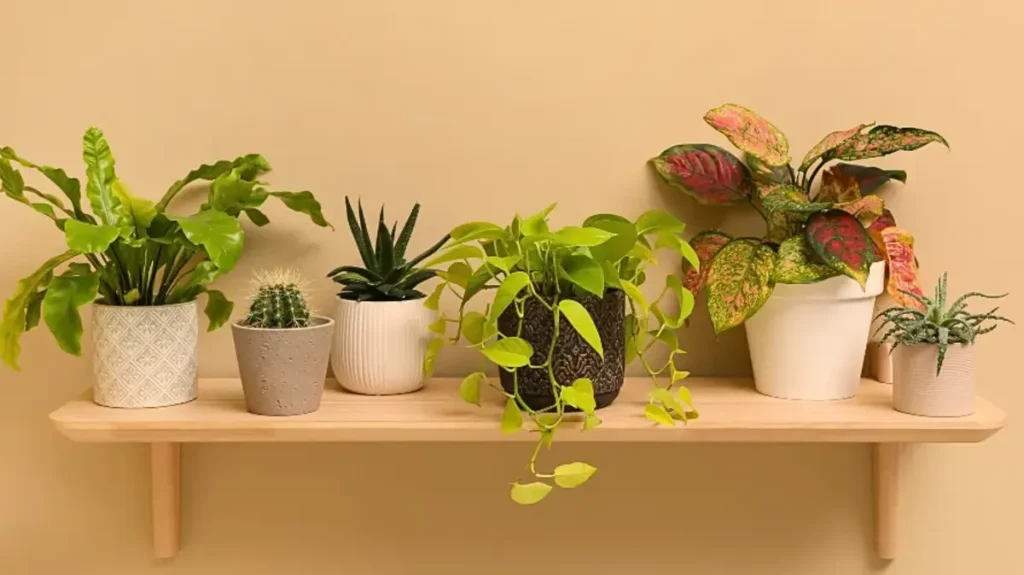
The text focuses on transforming a cluttered indoor space into an organized, curated plant display by utilizing vertical space. It highlights the importance of sturdy shelving, proper lighting, and varying plant heights to improve airflow and sunlight exposure. The guide emphasizes using floating shelves to transform bare walls into vibrant spaces for plants, making it easier to care for and showcase indoor foliage in any home setting.
Do your houseplants feel cluttered on the floor instead of looking like a curated indoor garden?
More in your living room, houseplants end up on the floor rather than being carefully curated. The key to turning that messy, cluttered collection into a breathtaking display piece is by mastering the vertical space.
The best plant shelf ideas have a good balance of sturdy hardware materials, sufficient ambient light and different heights for the plants. The raised flowerpots provide better airflow and natural sunlight, nurturing your foliage.
Be it a minuscule studio flat or an expansive family home, a good shelving system certainly simplifies the care of plants. At Peeacelily, we believe that displaying your plant should be a fun and easy experience. So you need to know how to plan your indoor jungle well.
Transforming Blank Walls with Floating Shelves
They are blank, barren walls that will become a vibrant green canvas with full resistance. The main reason floating shelves are still very much in fashion is that they offer a minimalist, clean aesthetic which showcases the plants themselves rather than the contraptions you use to display them on.
Floating designs are the ultimate in customizable shelving; as you play with different plant shelf ideas, each time to stagger wooden tiers at entirely unique heights. This jaw-dropping approach gives each individual plant exactly the vertical headroom it needs to grow unrestricted.
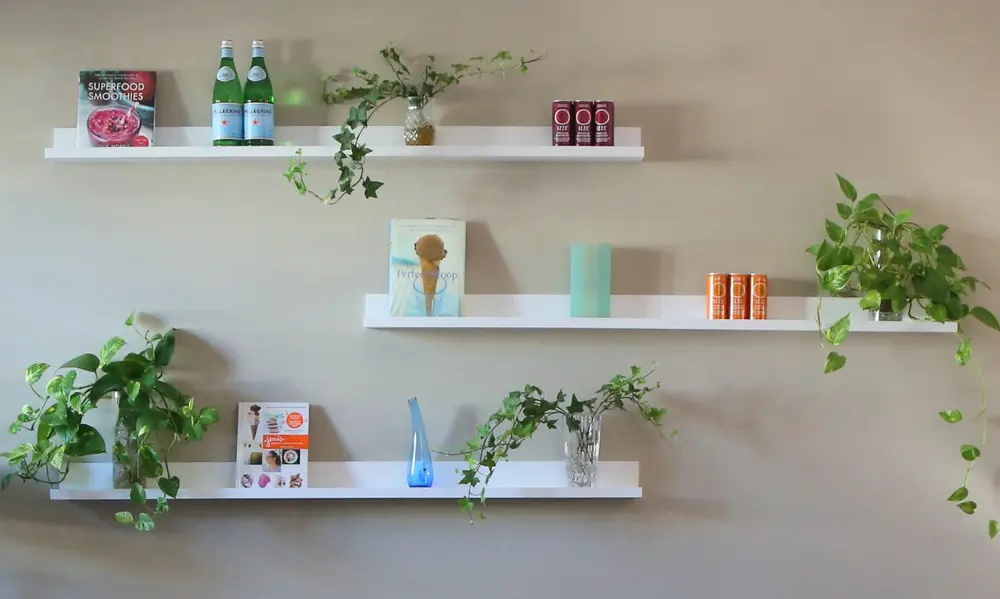
This way, sun-loving succulents can be placed safely on the upper tier next to the ceiling, and low-light tolerant ferns can sit nice in shade on the darker-bottom. According to available data, regular drywall anchors can support approximately 20-50 pounds of weight, but you must always check the weight limits for your hardware.
At Peeacelily we always suggest real wood, like oak, cedar or treated pine for any floating shelf projects. These natural materials are much better at resisting structural warping and moisture than cheapos like particleboard, which is an important factor for watering your indoor plants.
Cozy and Inviting Plant Corner Ideas
Sometimes, you do not want small pots scattered randomly across every room; you want a deeply dedicated jungle sanctuary. This is exactly where creative plant corner ideas come into play, instantly transforming unused, awkward nooks into vibrant, breathing retreats.
A tiered, triangular corner stand is an excellent way to maximize a very small footprint while safely displaying dozens of ceramic pots. By strategically placing taller, mature plants at the back and shorter, bushy ones at the front, you create a beautiful sense of depth.
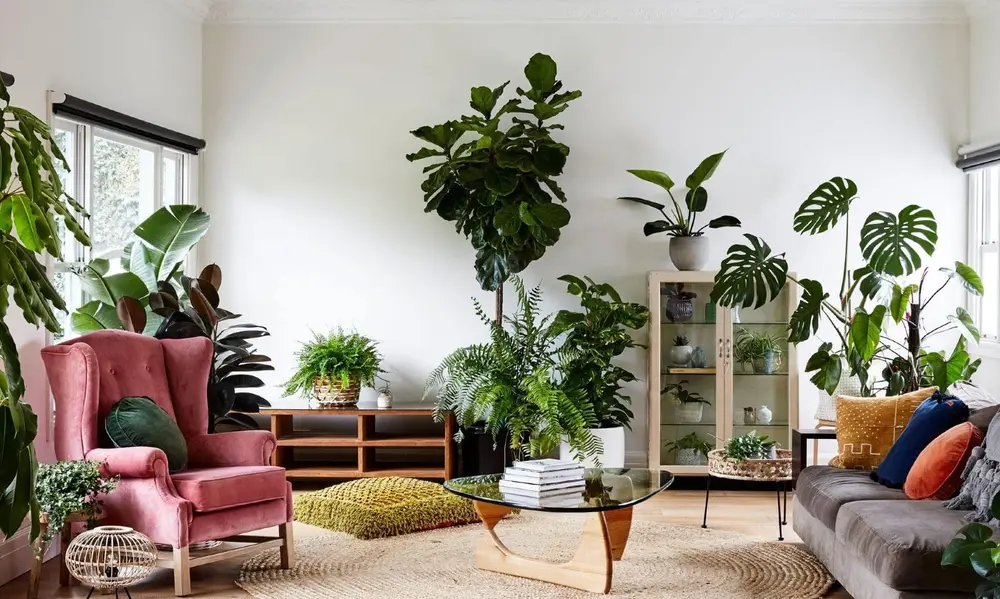
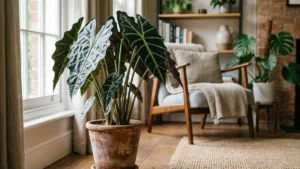
To execute the absolute best plant corner ideas, consider adding a comfortable reading chair, a textured rug, or a small side table next to your foliage. This simple addition instantly turns a basic botanical storage area into the most relaxing, inviting destination within your home.
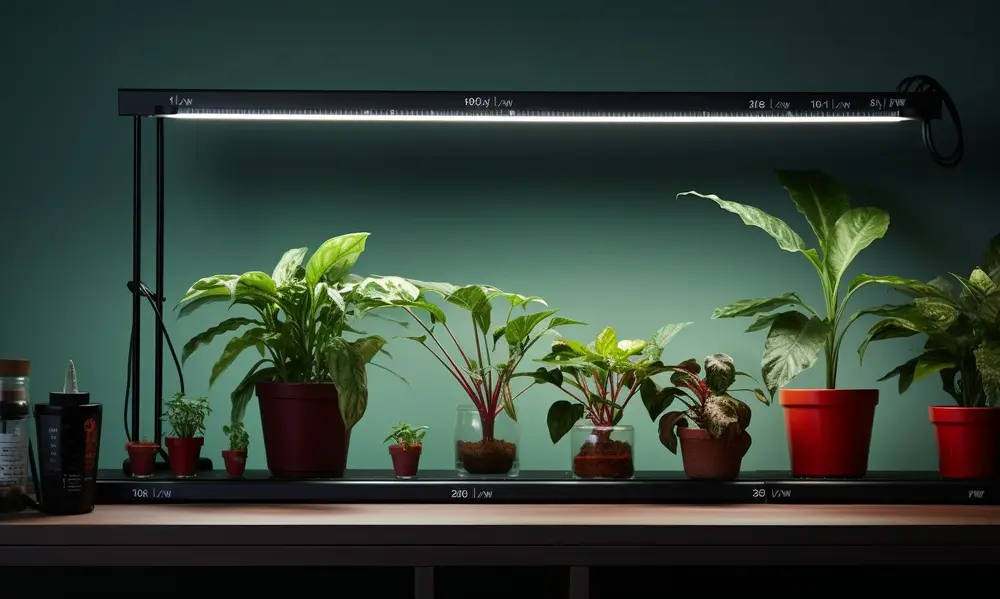
Always make sure the specific corner you choose receives adequate indirect sunlight throughout the majority of the day. If natural light is scarce in that nook, incorporating a sleek, freestanding LED grow light will easily keep your tropicals thriving year-round.
Choosing the Right Structural Materials for Indoor Plant Styling
The material for indoor styling dictates both the visual aesthetic of your room and the physical safety of your indoor garden. Potted plants get incredibly heavy, especially immediately after a deep soaking, so structural integrity is a non-negotiable factor.
When carefully comparing various plant shelf ideas, you will generally have to choose between solid wood, heavy-duty metal, and tempered glass. Each distinct material offers specific advantages depending on your home decor style and your personal watering habits.
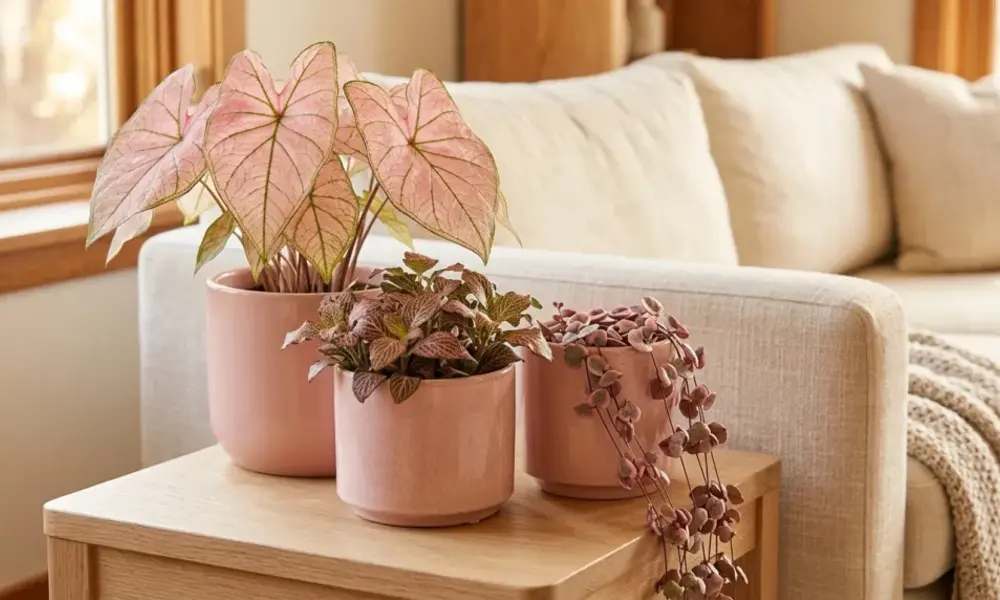
Glass shelves, for instance, are absolutely stunning when placed directly in front of a sunny window because they allow precious sunlight to pass through to the lower levels. However, they naturally require constant, tedious wiping to remove hard water spots and fallen potting soil dust.
Metal wire shelves are highly practical for massive, heavy plant collections and outdoor patio environments. Excess water drains straight through the open metal racks, effectively preventing your valuable pots from sitting in stagnant, root-rotting puddles.
| Shelf Material | Best Room to Use | Durability Level | Moisture Resistance |
| Solid Wood | Living Room / Bedroom | High | Moderate (requires sealing) |
| Metal Wire | Kitchen / Sunroom | Very High | High (if rust-proofed) |
| Tempered Glass | Bathroom | Moderate | Low (shows water spots easily) |
| Particle Board | Home Office | Low | Very Low (will warp if wet) |
Styling Your Shelves Like a Pro
Arranging indoor plants is a creative art form, but you absolutely do not need an interior design degree to make it look spectacular. The primary goal is to naturally balance vibrant colors, leaf textures, and pot sizes to create lasting visual interest.
When executing your favorite plant shelf ideas, try to consciously avoid lining up identical pots in a boring, straight row. Instead, utilize the classic design “rule of three” to dynamically group items asymmetrically for a more organic feel.
Here are our top styling techniques to easily elevate your vertical botanical display:
- Mix Plant Shapes: Pair a delicate, trailing string of hearts with a spiky, structural aloe vera and a broad-leafed monstera.
- Vary Pot Textures: Combine smooth, glossy ceramic pots with woven terracotta planters and sleek, modern metallic basins.
- Add Non-Plant Decor: Seamlessly integrate framed family photos, vintage hardback books, or small brass sculptures to break up the intense greenery.
- Use Plant Stands: Elevate shorter, stubby pots using small wooden risers to quickly create varied, interesting heights on a single flat shelf.
- Color Coordinate: Choose planter colors that specifically match the existing accent colors of your room to tie the whole aesthetic together.
These remarkably simple styling tweaks make a massive difference in how your indoor garden visually feels to guests. At Peeacelily, we genuinely love seeing how just a few small placement adjustments can completely transform a previously dull space.
Mastering Plant Placement by Lighting Needs
The most beautifully styled botanical display will unfortunately fade if the plants are not placed in their highly preferred lighting conditions. Deeply understanding the specific sun exposure in your target room is the absolute first step before installing any heavy hardware.
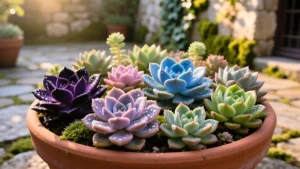
If you are setting up your display near a large, south-facing window, you have a prime location for intense, sun-worshipping species. Desert cacti, fleshy succulents, and brightly colored crotons will happily soak up the direct rays without suffering from scorched leaves.
For those carefully exploring plant corner ideas in a dim, north-facing bedroom, you must stick exclusively to low-light champions. Hardy snake plants, resilient ZZ plants, and tough cast-iron plants will happily survive and grow with minimal natural sunshine.
East and west-facing windows offer the highly coveted bright, indirect light that the vast majority of tropical houseplants desperately crave. Lush pothos, sprawling philodendrons, and patterned calatheas will display their absolute best foliage colors and fastest growth rates in these sweet spots.
Room-by-Room Display Inspiration
Every single room in your house features a highly unique microclimate and specific functional daily needs. Tailoring your specific shelving choices to the unique layout of the room ensures both you and your houseplants stay perfectly happy.
In the kitchen, consider securely installing a sturdy wooden shelf right above the main sink for your fresh culinary herbs. Fragrant basil, fresh mint, and woody rosemary love the ambient humidity from the faucet and are perfectly placed for immediate cooking access.
Bathrooms act as natural indoor greenhouses, making them the absolute perfect environment for humidity-loving ferns and delicate orchids. A waterproof tension pole shelf tucked securely into the corner of the shower provides an excellent vertical display without taking up any precious floor space.
When searching for dramatic living room plant shelf ideas, large, leaning wooden ladder shelves make an incredible architectural statement. They can safely hold dozens of trailing plants while acting as a stunning, eye-catching focal point directly behind your main sofa.
Safety and Structural Weight Considerations
Tap water, wet potting soil, and thick ceramic pots all add up to a highly surprising amount of physical weight. Guaranteeing your shelving units are securely and properly anchored is a highly critical safety step you simply cannot afford to skip.
Based on available data, an estimated medium-sized potted plant, when freshly watered, can easily weigh between 5 and 10 pounds. If you casually place ten of these pots on a single, poorly anchored floating shelf, you are dangerously testing the limits of standard hardware.
You must always locate the solid wooden wall studs before drilling, rather than lazily relying solely on basic plastic drywall anchors. If wall studs are completely unavailable in your desired spot, you must use heavy-duty toggle bolts specifically designed for significant, sustained weight loads.
If you have highly curious pets or energetic toddlers running around, strongly stick to heavy, low-to-the-ground shelving units rather than tall, easily tipped stands. Ensuring your beautiful indoor jungle remains completely safe for everyone in the family is our absolute top priority at Peeacelily.
Integrating Artificial Grow Lights
Natural sunlight is undeniably wonderful, but it is unfortunately not always available in the darkest, most shaded corners of our modern homes. Modern artificial grow lights have completely revolutionized indoor gardening, allowing you to successfully display demanding plants literally anywhere you want.
If you are currently dreaming up incredibly cozy plant corner ideas for a completely windowless basement, artificial lighting is your absolute best friend. Today’s modern LED grow lights are highly energy-efficient and come in incredibly attractive, minimalist designs that blend flawlessly into your standard home decor.
Here are the most highly practical ways to discreetly add powerful grow lights to your shelving setups:
- Under-Shelf Strips: Attach incredibly thin LED strip lights directly underneath each wooden tier to beautifully illuminate the foliage resting below.
- Clamp-On Lights: Clip small, highly adjustable grow bulbs directly onto the rigid side of metal wire or wooden shelving racks.
- Pendant Grow Lights: Hang a highly stylish, full-spectrum pendant light fixture directly from the ceiling above a tall, crowded corner plant stand.
- Soil Halo Lights: Insert small, modern halo-shaped LED lights directly into the potting soil of individual pots for a discreet, localized glow.
- Automated Smart Plugs: Connect all your electrical grow lights to an automated smart timer so your plants get exactly 12 hours of light daily without manual effort.
By seamlessly integrating these specific lighting solutions, you absolutely guarantee that your indoor garden stays lush, healthy, and vibrant, even in the dead of winter.
Managing Watering Logistics for High Displays
One of the biggest hidden challenges of vertical gardening is figuring out exactly how to safely water the plants resting on the very top tier. It absolutely requires a bit of thoughtful planning to actively avoid creating a muddy, dripping mess on your clean hardwood floors.
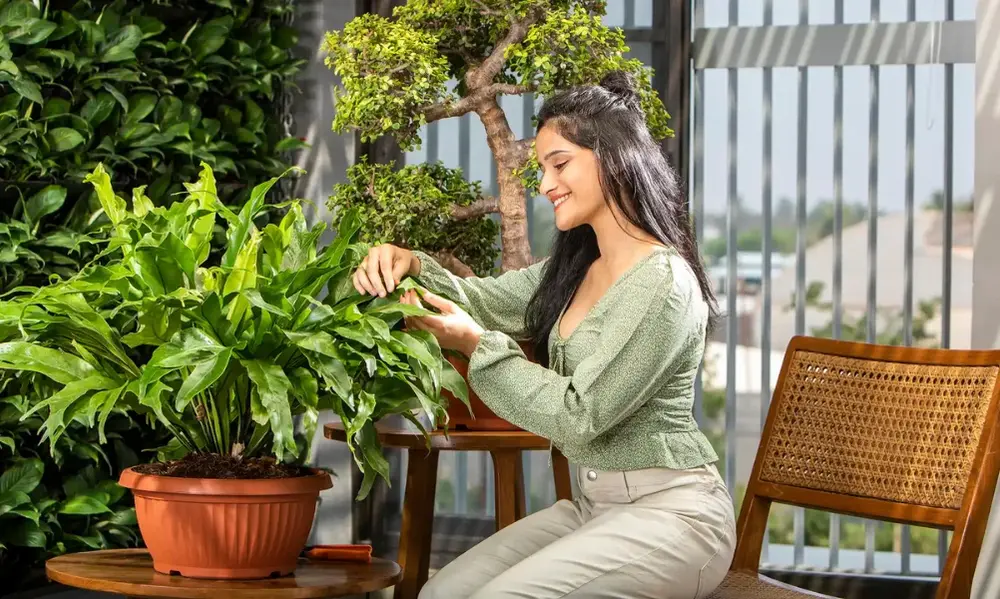
When carefully organizing your final plant shelf ideas, you should always place plants that require highly frequent watering at comfortable eye level. Reserve the highest, hardest-to-reach shelf spots exclusively for highly drought-tolerant succulents that only need a small drink once a month.
Conclusion
Elevating your household greenery is an incredibly rewarding interior design project that instantly and noticeably upgrades the entire aesthetic of your home. By thoughtfully utilizing the absolute best plant shelf ideas, you can easily create a highly structured, remarkably healthy environment for your indoor garden to absolutely flourish.
From carefully choosing the most durable structural materials and anchoring your hardware safely, to seamlessly integrating artificial grow lights and stylish cachepots, every single detail matters deeply. Remember to carefully and strictly match your specific plants to their required daily lighting conditions, and do not ever be afraid to actively mix and match pot textures for superior visual interest.
FAQs
How much weight can a standard floating plant shelf hold?
A floating shelf secured to drywall holds 20-50 lbs, while anchored into wall studs, it can hold up to 100 lbs.
Best indoor plants for a top shelf?
Trailing plants like Golden Pothos, Heartleaf Philodendrons, and String of Pearls are perfect for high shelves.
How to protect wooden plant shelves from water damage?
Use waterproof saucers, or seal shelves with polyurethane or wax to prevent water damage.
Do I need an artificial grow light for indoor plants?
Yes, if the shelf is far from a bright window, a grow light is recommended to support healthy growth.