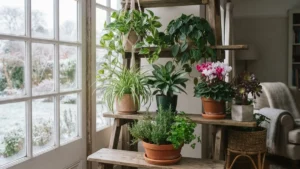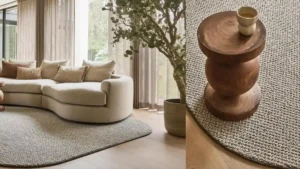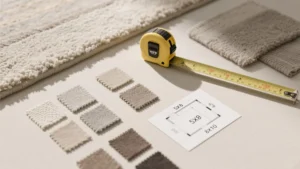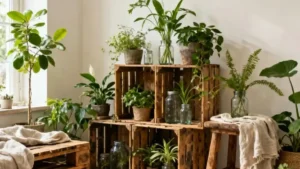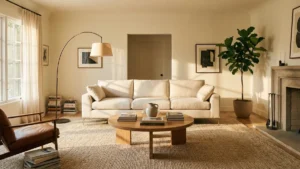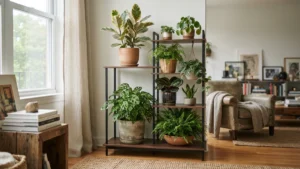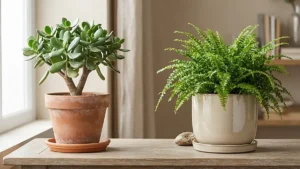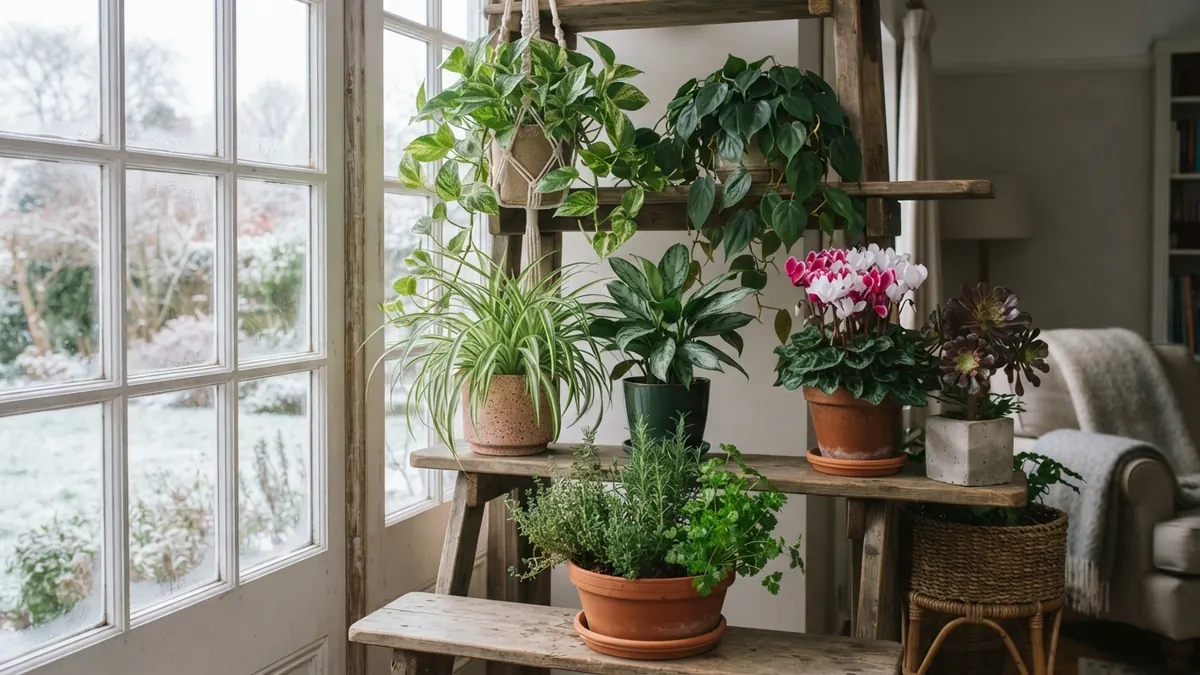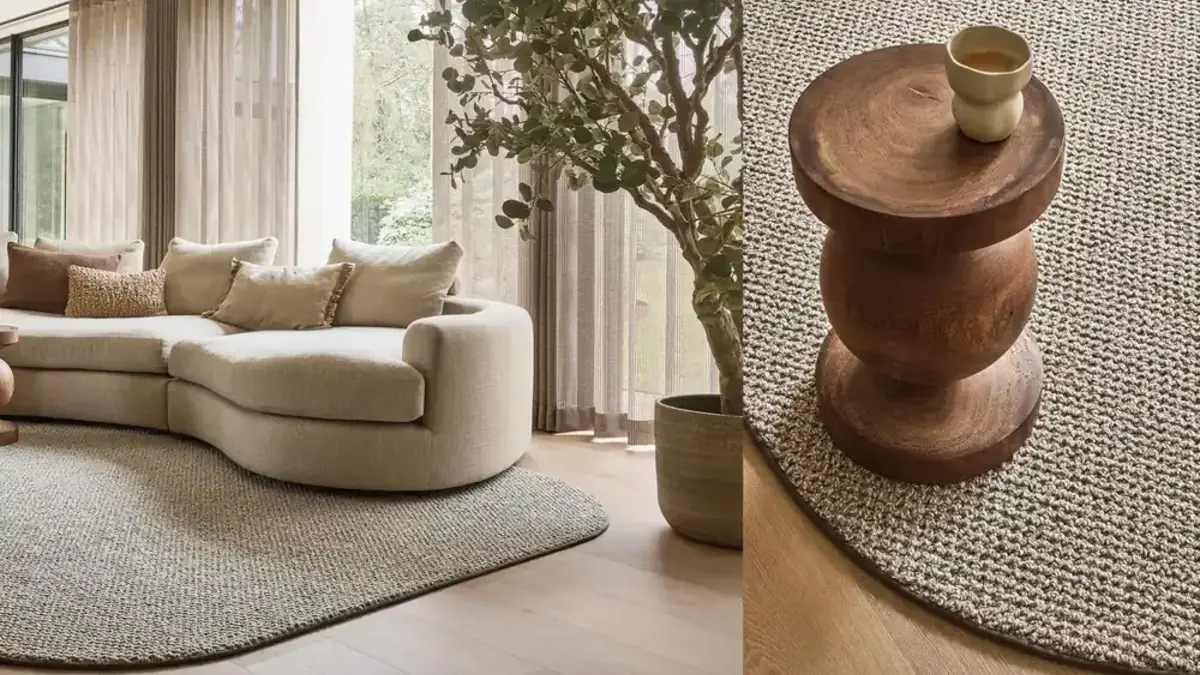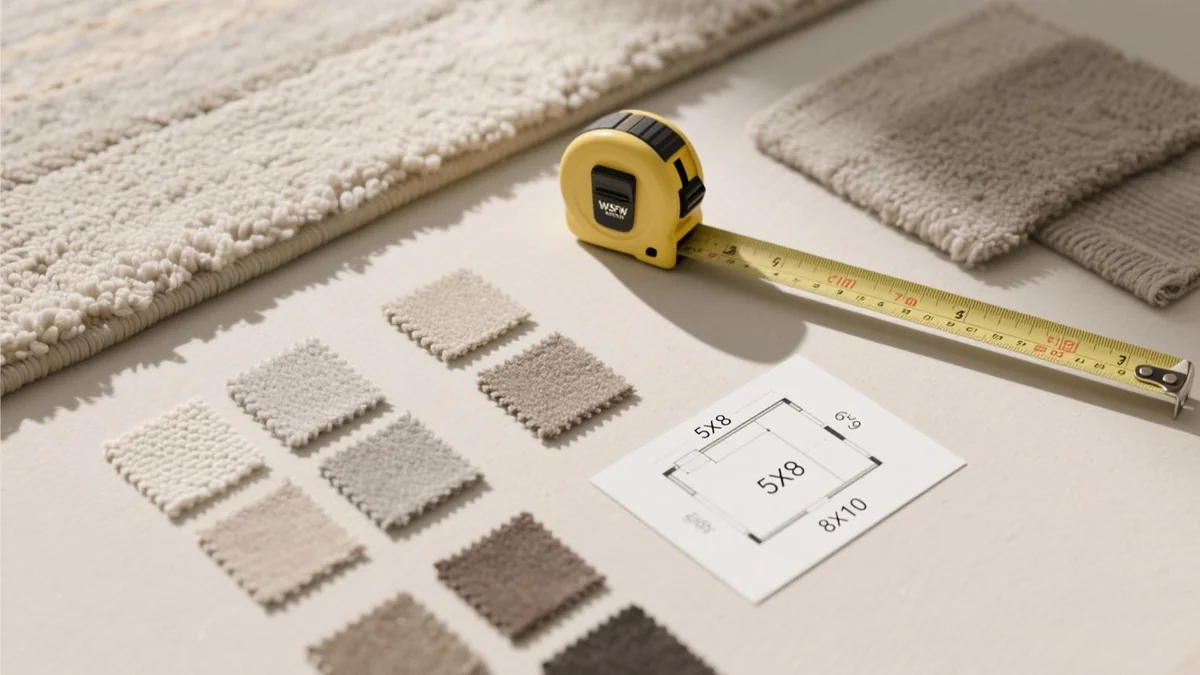
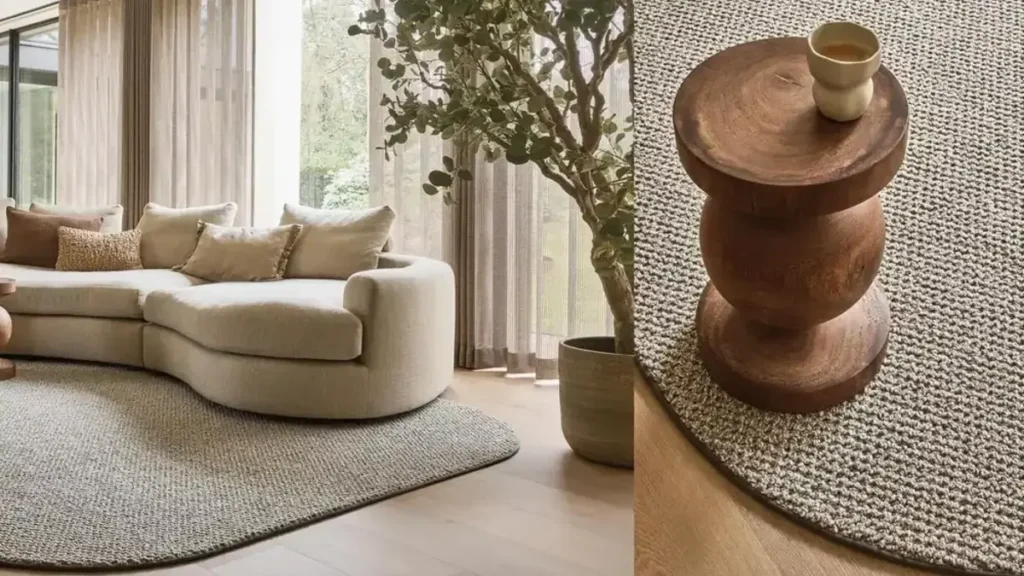
Choosing between wool vs polypropylene rugs depends on how you use your space and what matters most in your home. Wool rugs offer natural texture, lasting resilience, and a soft, traditional feel. Polypropylene rugs are generally more affordable and resist many water-based stains, making them a practical option for busy areas. In plant-filled homes, consider your watering habits, the risk of soil spills, cleaning requirements, and the overall style you want to create before choosing a rug material.
Key Takeaways
- Wool rugs offer natural texture, comfort, and good resilience under everyday foot traffic.
- Polypropylene rugs resist moisture absorption and many water-based stains, but can be more vulnerable to oily marks and pile flattening.
- Neither material is automatically waterproof or stain-proof. The backing and construction matter too.
- Wool can suit calm, natural interiors where comfort and long-term appearance matter.
- Polypropylene can be practical near busy plant displays, provided you protect it from standing water and clean spills promptly.
- Always check the manufacturer’s care instructions before using water or cleaning products.
Wool vs Polypropylene Rugs: What Is the Main Difference?
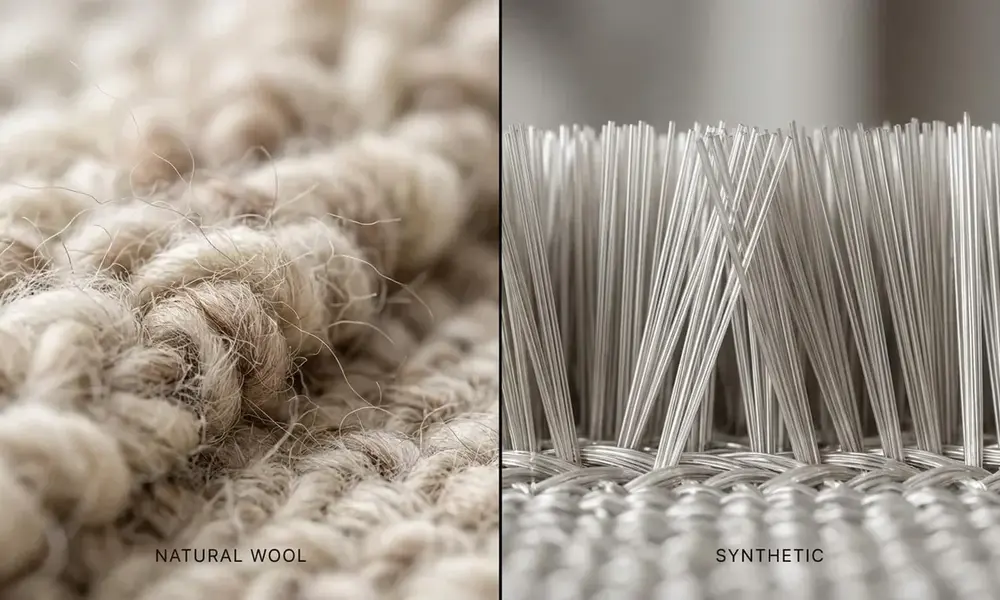
The biggest difference is the fiber itself. Wool is a natural animal fiber made from sheep’s fleece, while polypropylene is a synthetic fiber manufactured from plastic-based polymers.
That difference affects how each rug handles moisture, stains, wear, and everyday cleaning.
In a plant-filled home, these details matter. Water can drip during watering, potting mix can spill during repotting, and plant leaves may occasionally leave dirt or moisture on the floor. Your rug should complement the room without making these small tasks harder.
| Feature | Wool rugs | Polypropylene rugs |
|---|---|---|
| Fiber type | Natural animal fiber | Synthetic plastic-based fiber |
| Feel | Often soft, warm, and textured | Varies by pile and construction |
| Moisture behavior | Absorbs moisture; not waterproof | Low moisture absorption |
| Water-based spills | Need prompt, careful attention | Often easier to clean |
| Oil-based stains | Can stain; depends on the spill and finish | Can attract oily soil |
| Resilience | Generally good natural recovery | Can flatten or mat, depending on construction |
| Price | Usually higher | Often more budget-friendly |
| Environmental profile | Renewable natural fiber | Petroleum-based synthetic fiber |
| Best fit | Comfort-focused, natural interiors | Budget-conscious and practical spaces |
The table describes common fiber characteristics, not a guarantee of how every finished rug will perform. Pile height, density, backing, dye, and manufacturing quality all influence the result.
1. Wool Rugs: Natural Texture for Calm, Plant-Inspired Interiors
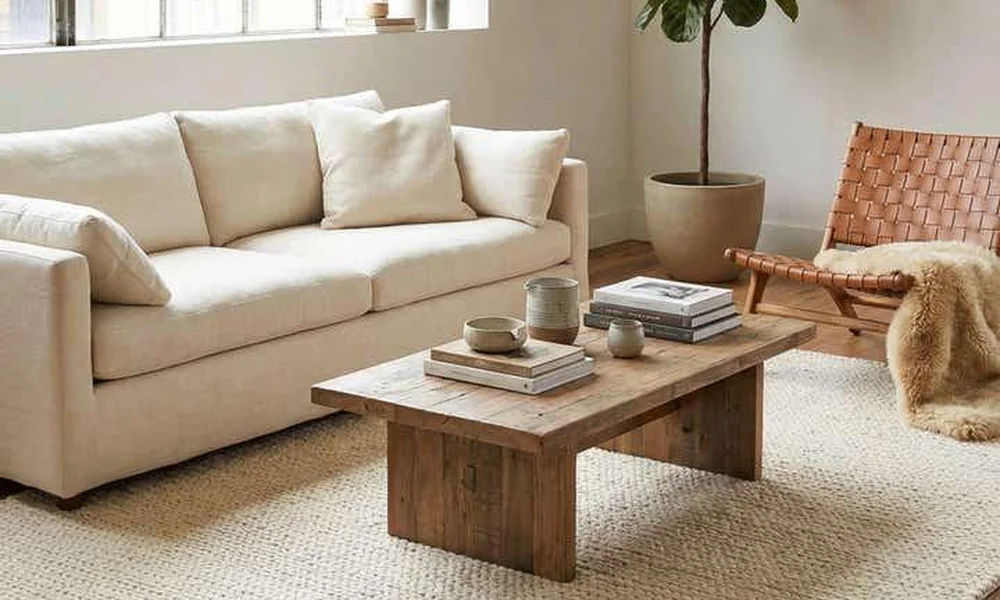
Wool is a natural fiber with a long history in home textiles. Its structure gives it flexibility and resilience, helping a well-made wool rug recover from everyday pressure.
That makes wool a good option when you want a living room to feel comfortable and visually connected to nature. Its texture can complement wooden furniture, neutral fabrics, ceramic planters, and leafy indoor plants.
Wool also has a natural ability to absorb moisture vapor. However, this does not make a wool rug waterproof. Liquid water from an overflowing pot or a spilled watering can still create a problem.
Why wool can work well in a plant-filled room
- Natural appearance: Wool’s texture can sit comfortably alongside wood, stone, woven baskets, and natural-finish planters.
- Comfort: It can make a seating area feel warmer and softer underfoot.
- Resilience: Wool fibers have natural elasticity, helping the pile recover from normal use.
- Renewable origin: Sheep grow a new fleece, making wool a renewable fiber.
The Woolmark explanation of wool fiber describes its natural structure, elasticity, and renewable origin.
What to consider before buying a wool rug
Wool generally costs more than polypropylene, and it needs appropriate care. Soil, liquid spills, and unsuitable cleaning products can affect its appearance.
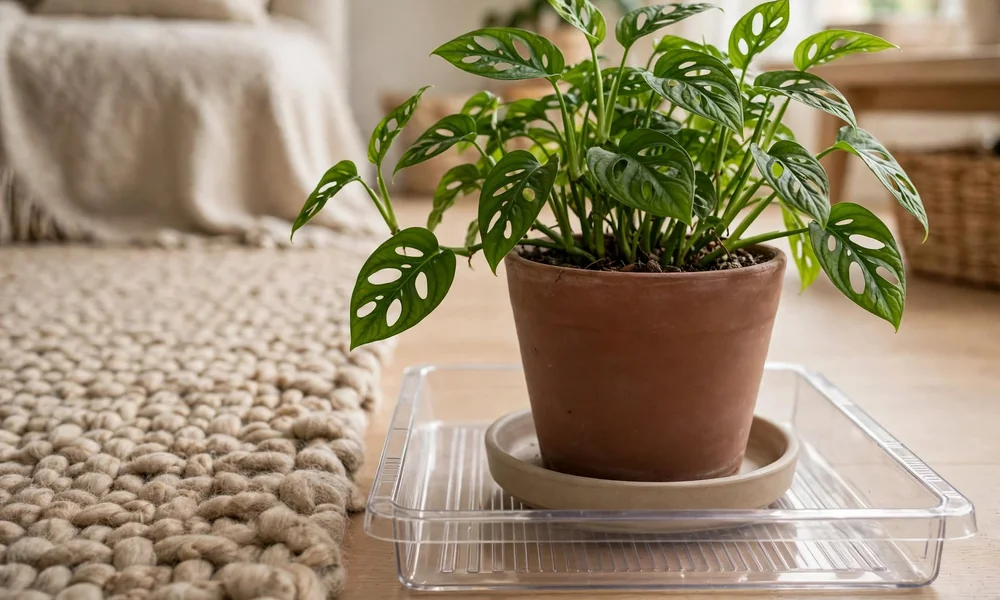
For example, imagine placing a large potted plant beside a wool rug. If water runs over the saucer, the rug may absorb some of the moisture. A waterproof plant tray beneath the pot and a properly sized saucer help prevent this.
Wool is a strong choice when comfort and natural materials matter more than the lowest purchase price. It is less suitable if you expect frequent spills and want the easiest possible cleaning routine.
2. Polypropylene Rugs: A Practical Option for Busy Rooms
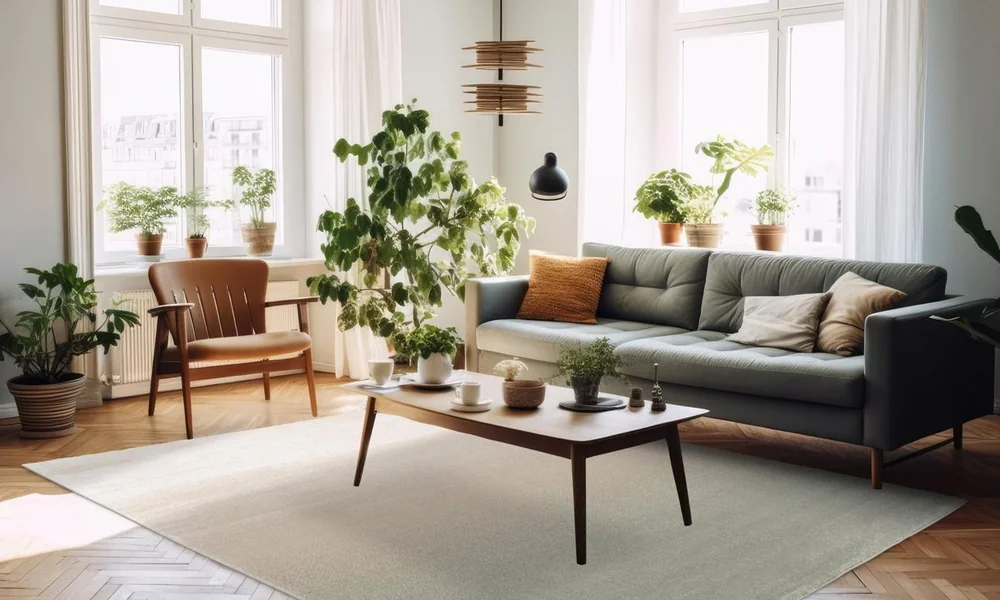
Polypropylene, also called olefin in carpet applications, is a synthetic fiber used in many affordable area rugs.
Its low moisture absorption makes it useful in spaces where water-based spills are a concern. Many polypropylene rugs are also solution-dyed, which can help with color retention. However, performance depends on the actual product and its construction.
For a home with several indoor plants, polypropylene may be worth considering in areas where you regularly move pots, handle soil, or water plants.
Why polypropylene can be useful
- Lower moisture absorption: The fiber itself absorbs relatively little water.
- Budget-friendly options: Polypropylene rugs are commonly available at lower price points than wool.
- Practical spot cleaning: Many water-based spills can be easier to remove from the fiber surface.
- Color options: Manufacturers offer a wide range of colors and patterns.
What to consider before buying a polypropylene rug
Polypropylene has limitations. It can attract oily soil, and some constructions may flatten or lose their original appearance under repeated pressure. It is also important to understand that low moisture absorption does not mean the entire rug is waterproof. Liquid can still pass through the pile and reach the backing or floor.
If you keep plants on or near a polypropylene rug, use a waterproof tray and clean up water promptly. Do not leave a wet pot or damp saucer sitting directly on the rug.
3. Which Rug Handles Plant Watering and Soil Spills Better?
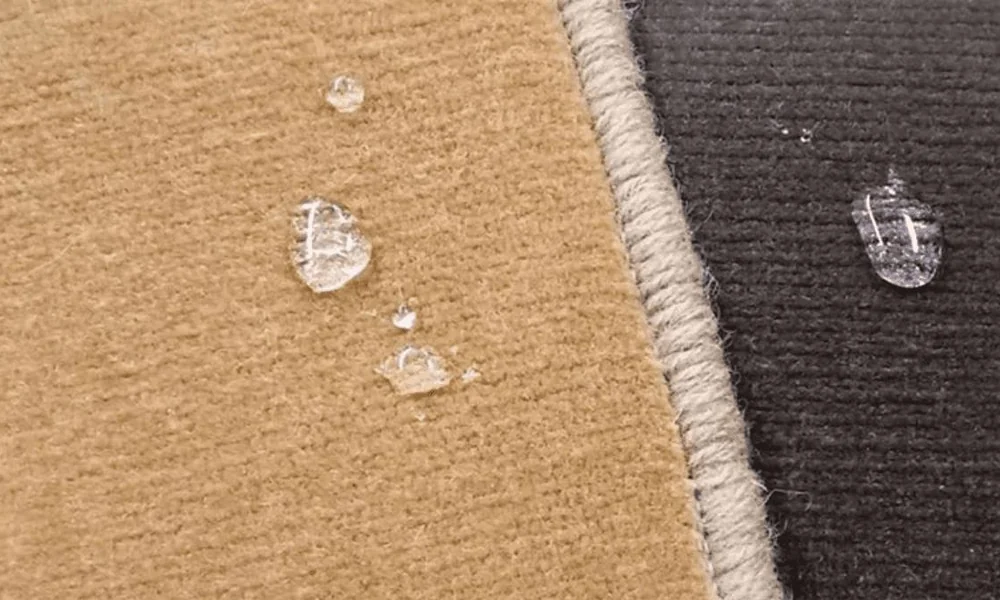
This is one of the most useful questions for anyone creating an indoor garden or decorating around houseplants. Polypropylene usually has an advantage when it comes to water-based spills because the fiber absorbs very little moisture. Wool can absorb moisture, so you need to respond quickly when water reaches the pile.
However, the rug’s backing and construction can change the outcome. A polypropylene rug with an unsuitable backing may still be damaged by trapped moisture, while a well-made wool rug with careful maintenance can remain attractive for years.
Consider these everyday situations:
| Situation | Wool | Polypropylene |
|---|---|---|
| A few drops of watering water | Blot promptly and dry carefully | Blot promptly; check the backing |
| Dry potting soil | Allow it to dry, then remove gently | Allow it to dry, then vacuum carefully |
| Wet soil spill | Needs careful cleaning | Often easier to manage, but backing still matters |
| Water leaking from a pot | Move the pot and dry the area immediately | Move the pot and dry the area immediately |
| Oily residue | Follow the rug’s care instructions | May be harder to remove |
The most useful habit is prevention. Place plants on waterproof trays, use saucers that fit the pots, and keep watering equipment away from the rug.
For more ideas on arranging greenery around your home, explore these nature-inspired home ideas.
4. Which Material Is Easier to Clean?
Polypropylene is often easier to spot-clean after ordinary water-based spills. Wool requires more attention because unsuitable cleaning methods can damage the fibers or affect the rug’s appearance. Still, neither material should be cleaned using a universal method. A rug’s dye, backing, finish, and construction can change which products and techniques are safe.
Cleaning a wool rug
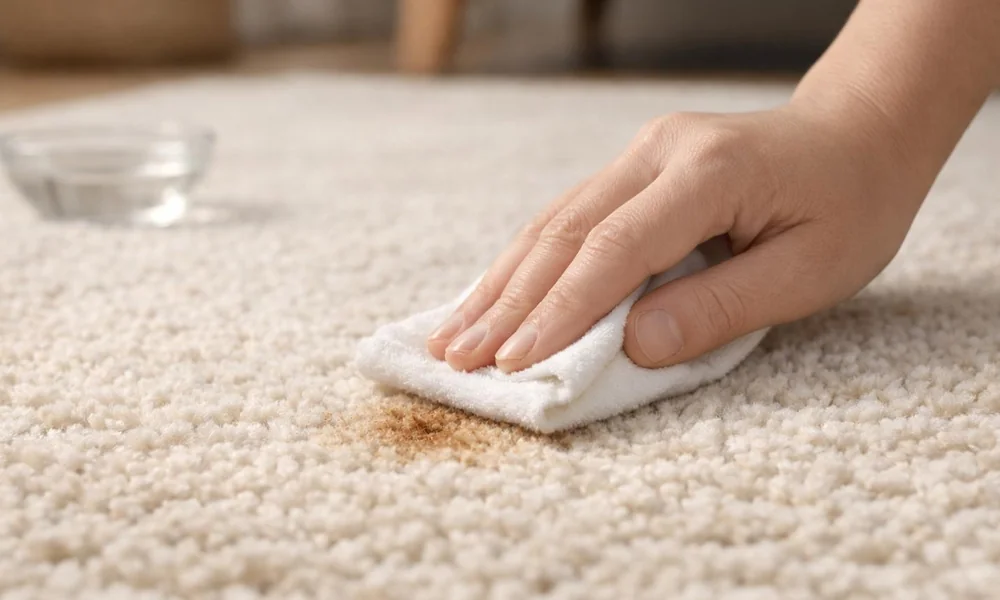
- Remove loose dirt without rubbing it deeper into the pile.
- Blot fresh liquid spills with a clean, absorbent cloth.
- Avoid aggressive scrubbing.
- Use only a cleaning product approved for the rug.
- Follow the manufacturer’s instructions for drying and professional cleaning.
Cleaning a polypropylene rug
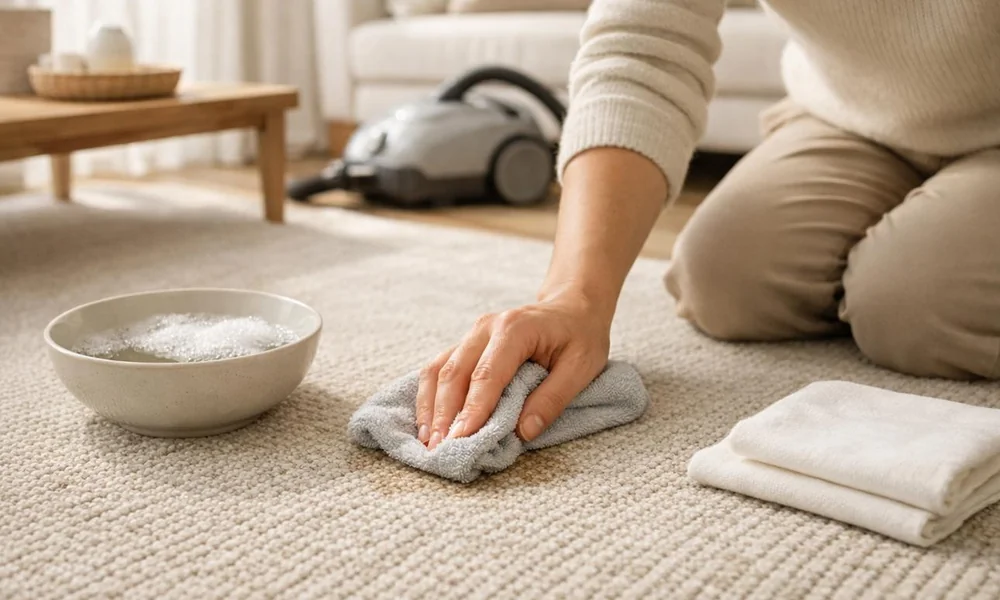
- Remove loose soil and debris.
- Blot liquid spills instead of rubbing them.
- Use a mild cleaning solution only if the manufacturer’s instructions allow it.
- Test the cleaner on a hidden area first.
- Allow the rug and its backing to dry fully.
5. Which Rug Looks Better with Indoor Plants?
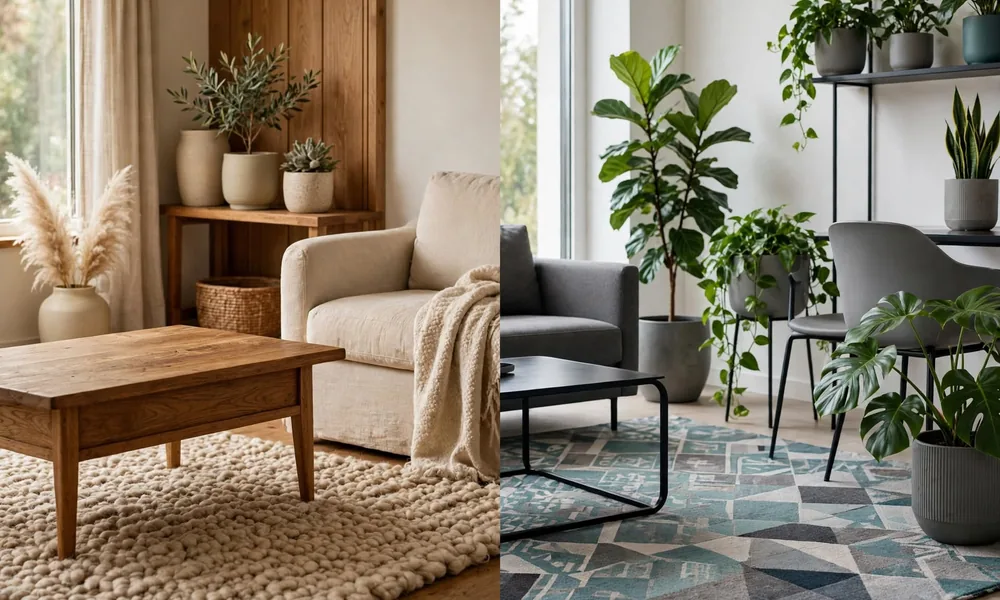
The answer depends more on your interior style than on the fiber itself. Wool often suits rooms with a soft, natural, layered appearance. Its texture can work well with wooden furniture, woven baskets, neutral upholstery, and larger foliage plants.
Polypropylene is available in many patterns and finishes, including designs that imitate natural textures. It can work in modern, minimalist, or practical family spaces. If you want to build a cohesive plant display, think about the rug as part of the overall arrangement. Consider the color of the flooring, the shape of the planters, the height of the plants, and the amount of open space around the furniture.
These ideas connect naturally with biophilic interior design, which brings natural elements and nature-inspired details into indoor spaces.
Simple styling ideas
- Pair a textured wool rug with wooden furniture and ceramic planters for a warm, natural look.
- Use a neutral polypropylene rug beneath a seating area with several leafy plants.
- Leave enough space around large pots so watering and maintenance remain easy.
- Choose a rug color that complements the foliage instead of competing with it.
- Keep plant trays and saucers consistent with the room’s overall design.
You can also explore indoor plant styling for more ways to arrange greenery without making a room feel crowded.
6. Wool vs Polypropylene Rugs: Which Is Better for Long-Term Value?
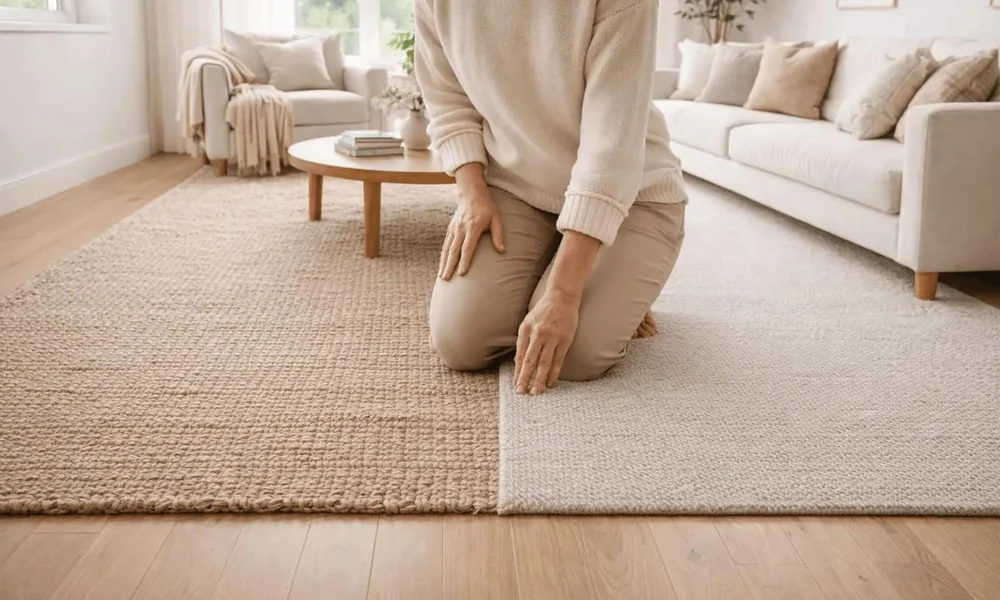
Wool usually has a higher initial price, while polypropylene is often more affordable. But the cheapest rug is not automatically the best value. A rug’s useful life depends on its quality, construction, location, foot traffic, cleaning routine, and exposure to sunlight. Fiber type alone cannot tell you exactly how long it will last.
Wool may offer better long-term value if you want a natural material, appreciate its texture, and are prepared to care for it properly. Polypropylene may offer better practical value if you need an affordable rug for a busy room and prefer easier spot cleaning for many everyday spills.
Before buying either type, check:
- The pile material and percentage of each fiber.
- The backing material and whether it is suitable for your floor.
- The manufacturer’s cleaning instructions.
- The rug’s construction and pile density.
- The warranty and any restrictions on cleaning.
- Whether the rug is suitable for the amount of foot traffic in your room.
What about sustainability?
Wool is a renewable natural fiber, while polypropylene is a synthetic material made from petrochemical feedstocks. That distinction is useful, but it does not tell the whole environmental story.
The full impact of a rug also depends on farming or manufacturing practices, processing, transport, product lifespan, maintenance, and disposal. A durable product that remains in use for many years may have a different overall impact from one that needs frequent replacement.
Look for transparent information about fiber origin, manufacturing, certifications, and end-of-life options rather than relying on a simple natural-versus-synthetic label.
7. Which One Should You Choose?
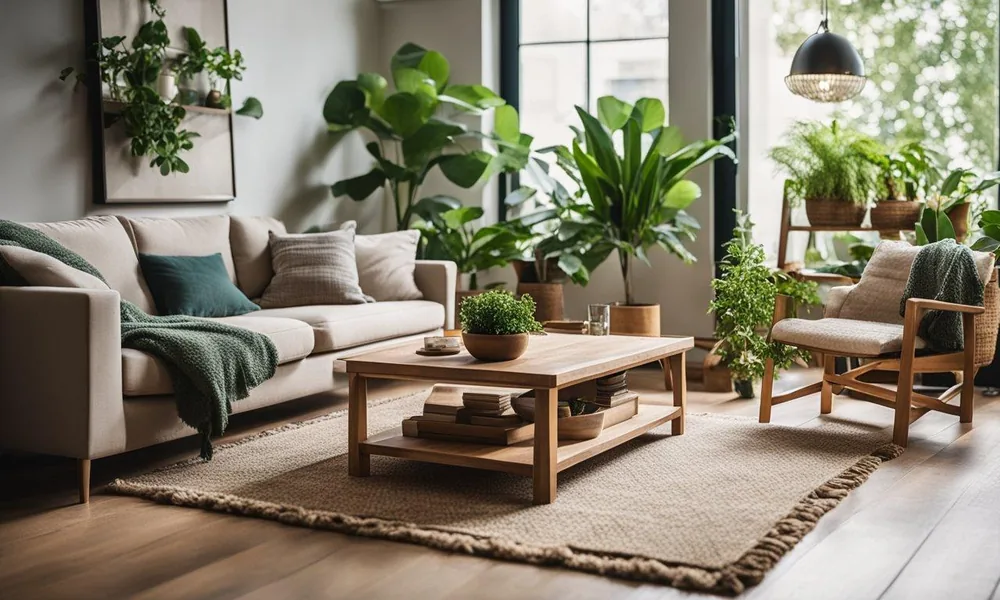
Choose wool if you value natural texture, comfort, and a classic look. It can be a good fit for a carefully maintained living room where you want the rug to complement natural furniture and indoor plants.
Choose polypropylene if your priorities are affordability, low moisture absorption, and easier handling of many water-based spills. It can be useful in a busy home, but you should still protect it from standing water, oily stains, and excessive wear.
Neither material is perfect for every room. The best option is the one that fits your daily routine, your cleaning expectations, and the way you use your space.
Frequently Asked Questions
Are wool rugs better than polypropylene rugs?
Wool rugs are often preferred for their natural texture, comfort, and resilience. Polypropylene rugs are usually more affordable and absorb less moisture. The better choice depends on your budget, room conditions, and maintenance preferences.
Are polypropylene rugs good for homes with indoor plants?
They can be practical because polypropylene fibers absorb relatively little moisture and many water-based spills are easier to clean. However, water can still reach the rug’s backing. Use plant trays and clean up spills quickly.
Do wool rugs absorb water?
Yes. Wool can absorb moisture, although its fiber structure also helps manage moisture vapor. It is not waterproof, so remove liquid spills promptly and follow the rug’s care instructions.
Do polypropylene rugs flatten over time?
Some polypropylene rugs can flatten or mat under repeated pressure. The result depends on pile construction, density, traffic, and maintenance. A tightly constructed rug may perform differently from a loose or deep-pile design.
Which rug is easier to clean, wool or polypropylene?
Polypropylene is often easier to spot-clean after water-based spills. Wool needs more careful treatment. However, the manufacturer’s cleaning instructions should always guide the method you use.
Is wool more sustainable than polypropylene?
Wool is a renewable natural fiber, while polypropylene is synthetic and petroleum-based. However, a full sustainability comparison also needs to consider production, transport, durability, care, and disposal.
Final Thoughts
Wool and polypropylene can both work in a thoughtfully designed home. Wool brings natural texture and comfort, while polypropylene offers an affordable option with low moisture absorption and practical spot-cleaning benefits.
For a plant-filled room, the most important step is to protect either rug from leaking pots and standing water. Use suitable trays, clean spills promptly, and choose a material that matches the way you actually live.
A beautiful indoor space should be easy to enjoy and maintain—not just attractive in photographs.