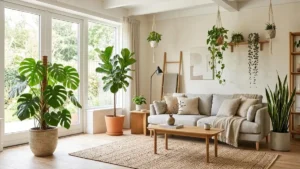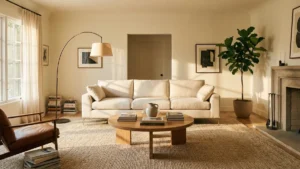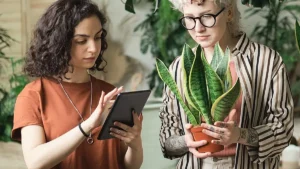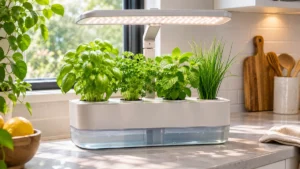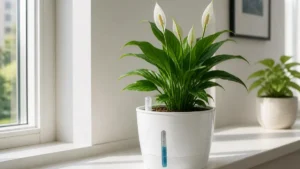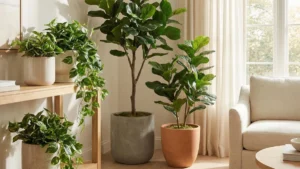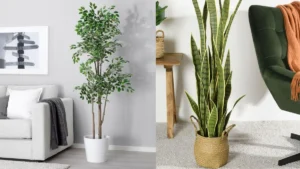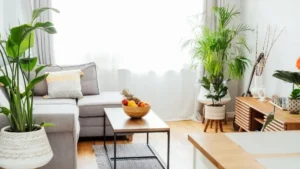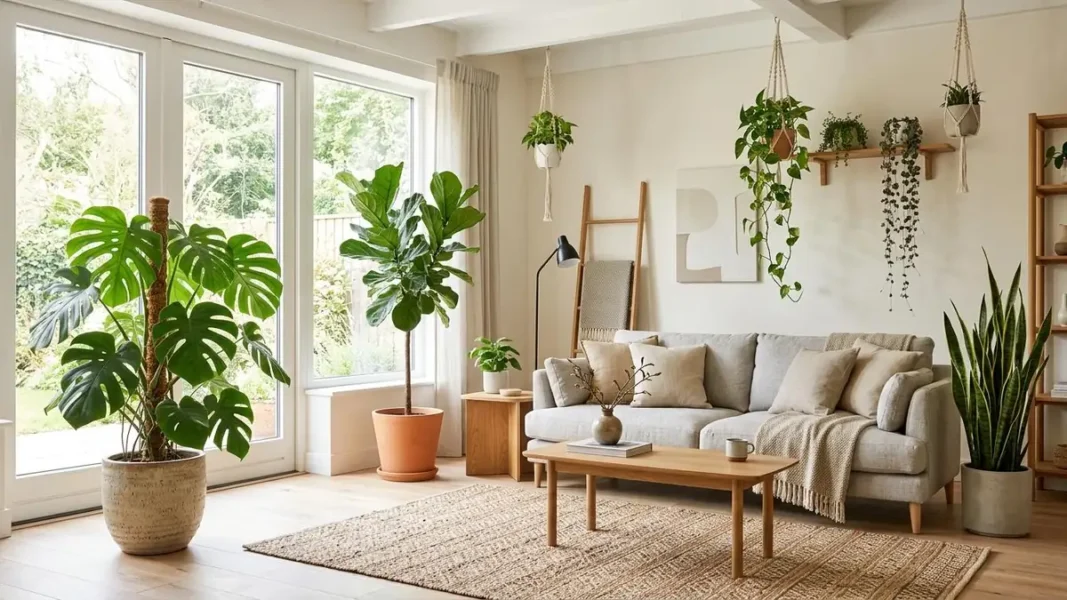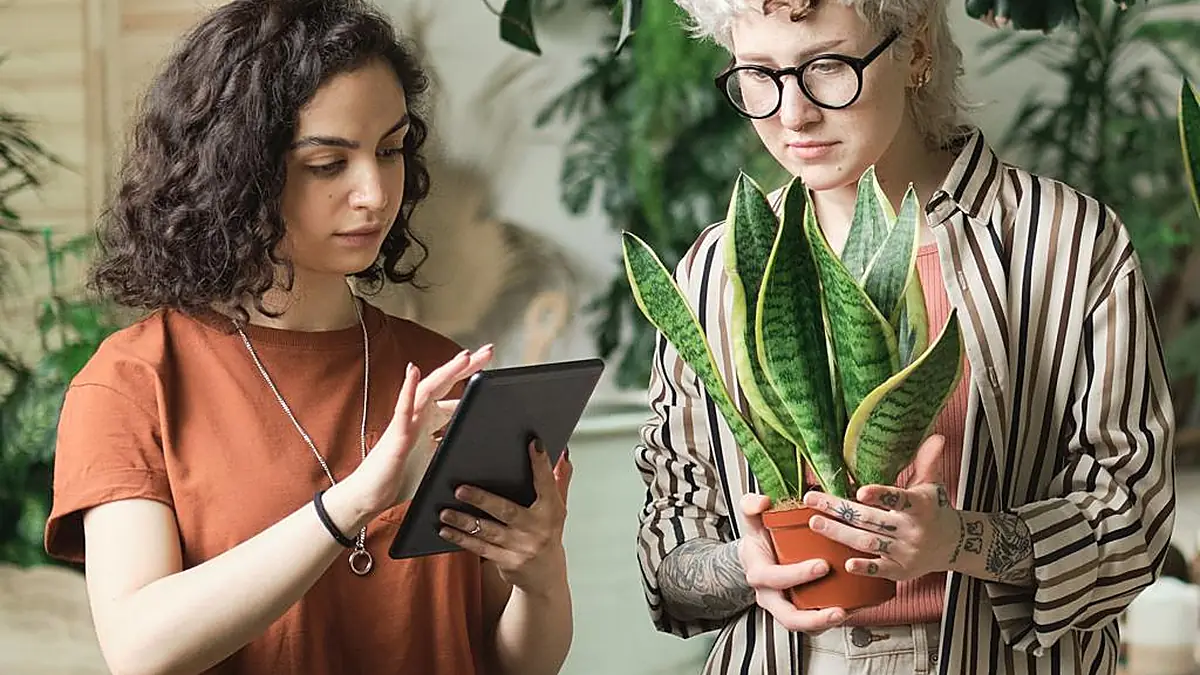
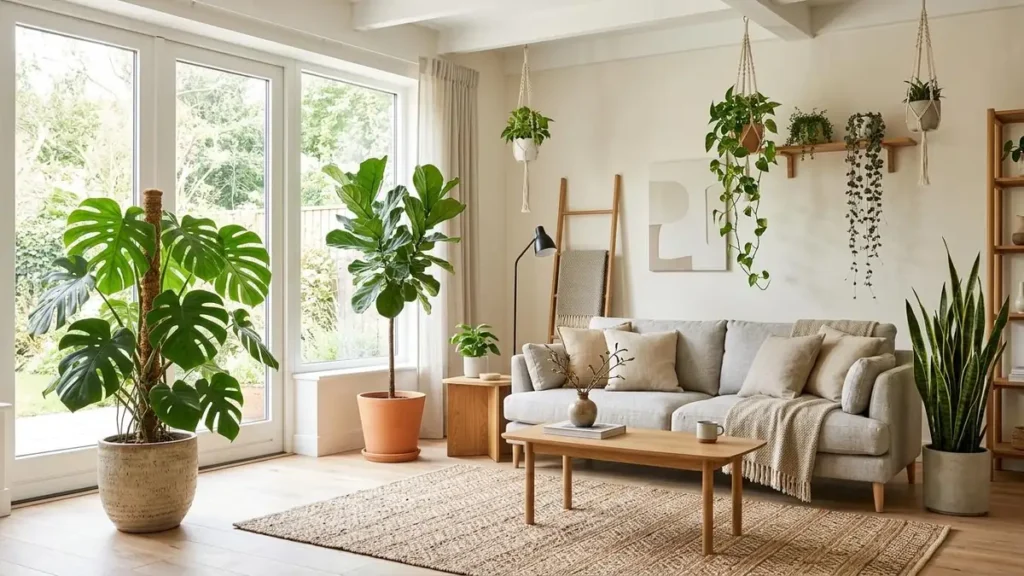
Affordable luxury plant decor is about making indoor plants look thoughtfully arranged, healthy, and beautifully displayed without spending a fortune. You do not need rare plants or expensive designer pots. A few well-chosen plants, attractive containers, varied heights, and a little attention to placement can make an ordinary room feel more polished.
The secret is to style the plants you already have before buying more. Focus on healthy foliage, simple planters, balanced arrangements, and displays that suit your room’s natural light. These small choices create an elegant look while keeping your plants comfortable.
Key Takeaways
- Choose healthy plants that suit the light available in your home.
- Use a small, consistent range of planter finishes instead of mixing too many styles.
- Create height with plant stands, shelves, and hanging displays.
- Keep plants in their nursery pots when using decorative containers without drainage.
- Refresh old planters before buying expensive replacements.
- Group plants with similar care needs so the display remains easy to maintain.
What Makes Plant Decor Look Expensive?
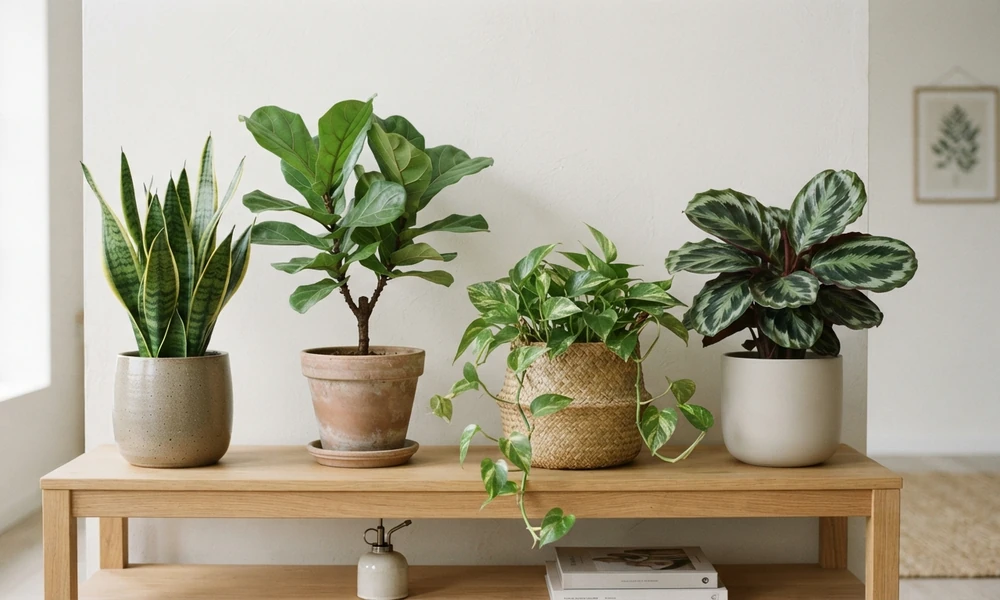
A high-end plant display usually looks intentional. The plants are not crowded into random corners, the containers complement one another, and each plant has enough space to show its shape.
You can create this effect with three simple design choices:
Consistency: Repeat a few materials or finishes, such as matte ceramic, natural terracotta, or woven baskets.
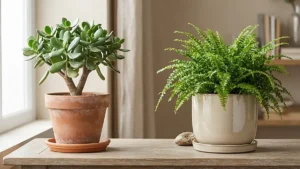
Contrast: Combine different leaf shapes and plant heights. A tall upright plant beside a low, spreading plant creates more interest than several identical plants lined up together.
Space: Leave some breathing room around each plant. A display does not need to fill every shelf or empty corner to look complete.
This is the foundation of affordable luxury plant decor: fewer, better-arranged elements rather than a large collection of unrelated accessories.
1. Arrange Indoor Plants Around Natural Light
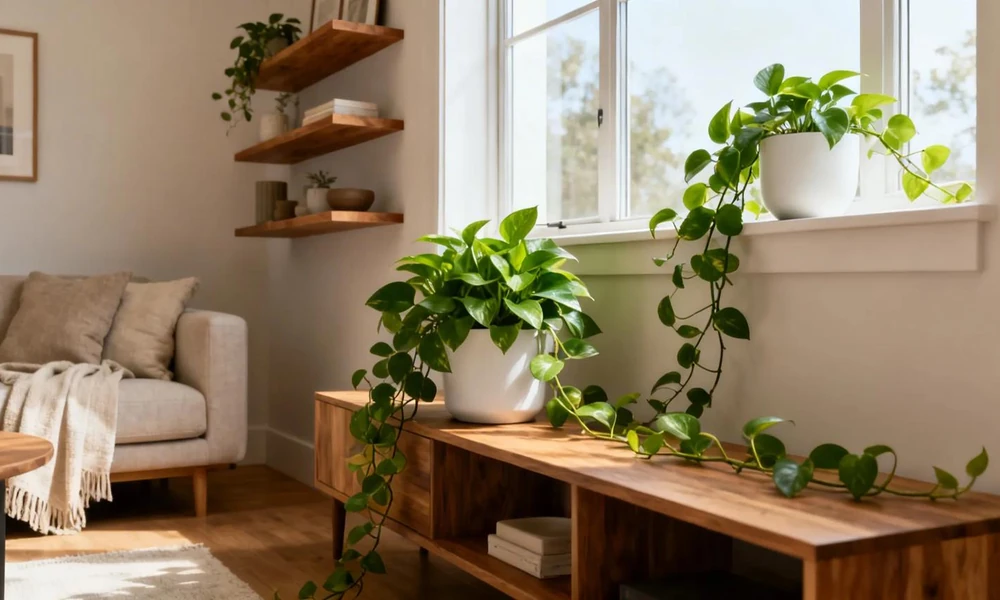
A beautiful display will not stay beautiful if the plants are struggling. Before deciding where a plant should go, check how much light it needs.
Place sun-loving plants near suitable bright windows, while plants that prefer indirect light should be protected from harsh direct sun. A spot that looks bright to your eyes may still be too dim for a plant.
Try this simple approach:
- Put larger plants near windows where their light needs can be met.
- Use shelves for smaller plants, but avoid placing them where upper leaves block light from lower plants.
- Rotate plants occasionally if they lean toward one direction.
- Do not move a plant into strong direct sunlight suddenly; some leaves may scorch.
For more layout inspiration, explore these indoor plant styling ideas.
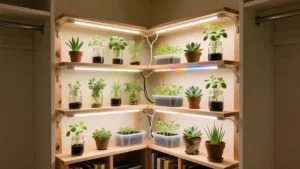
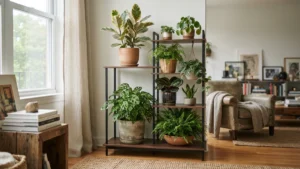
2. Use Different Heights to Create a Designer Plant Display
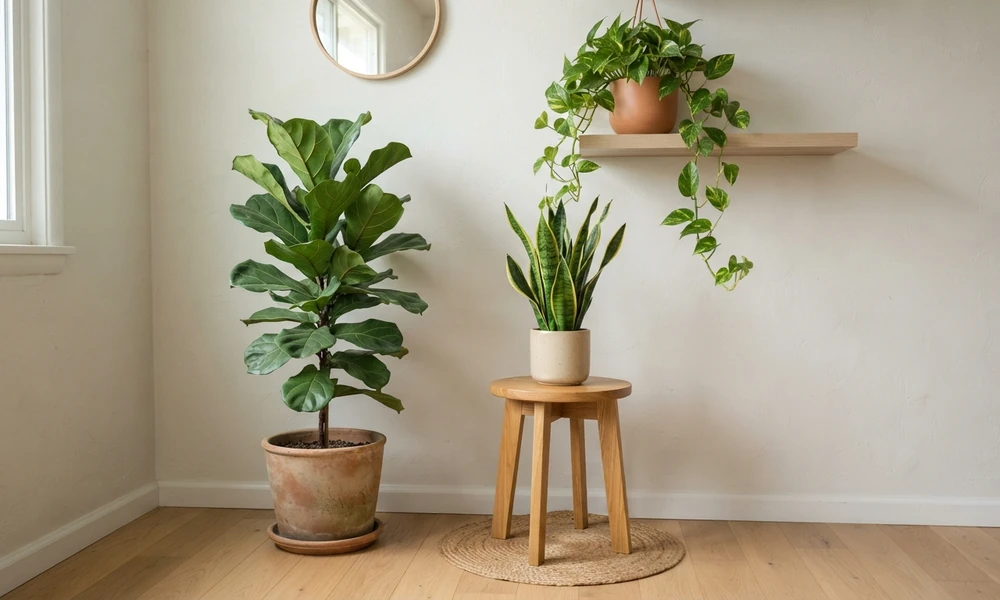
When every plant sits at the same level, the arrangement can look flat. Height gives the eye a path to follow and makes a small collection feel more considered.
You can create height without buying expensive furniture:
- Place a medium-sized plant on a simple wooden stand.
- Put smaller plants on a sturdy shelf.
- Let trailing plants hang from a secure hook or wall-mounted planter.
- Keep one taller plant on the floor to anchor the arrangement.
A useful trick is to combine three levels: floor, raised surface, and hanging or upper-shelf height. You do not need all three in every corner, but varying the levels helps avoid a row of pots that looks like a shop display.
If you want to build a plant-focused feature wall, see these plant shelf ideas. For vertical displays, indoor hanging plant ideas can help you use empty wall and ceiling space.
Make sure shelves and hooks are properly secured and can support the weight of a plant, its pot, and wet growing medium.
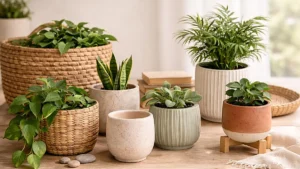
3. Choose Planters for Their Finish, Not Their Price
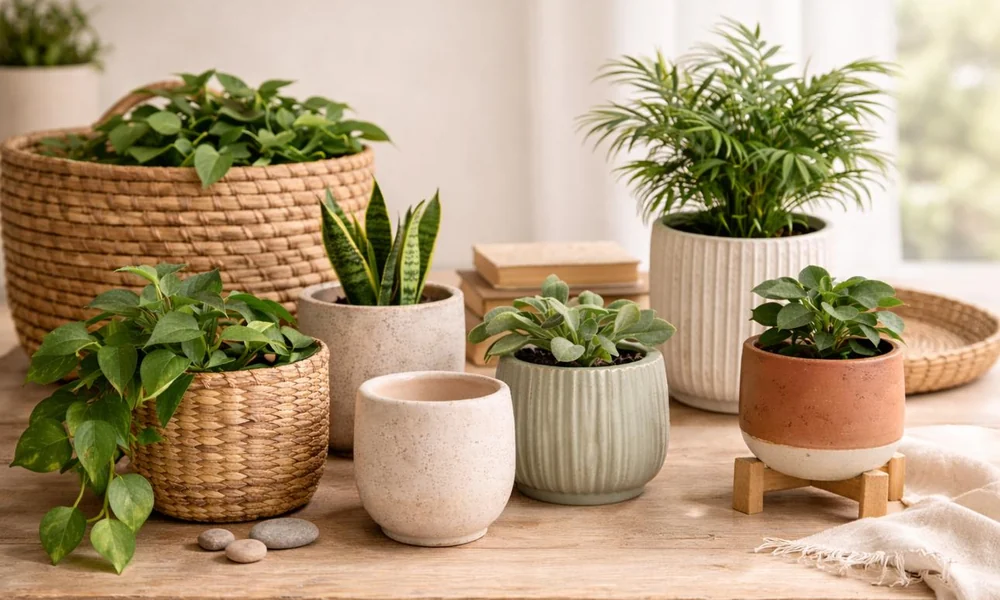
A planter can change the entire appearance of a plant. However, a high price does not automatically mean a better-looking display.
For an understated, polished style, consider:
- Matte ceramic: A smooth, simple finish that works well in many rooms.
- Terracotta: A natural material that adds warmth and texture.
- Concrete-look planters: Useful for a clean, contemporary appearance.
- Woven baskets: They add texture, especially when paired with simple foliage.
- Reused containers: A suitable, clean container can become an attractive planter with a little preparation.
Try to repeat two or three finishes across the room. For example, a mix of terracotta and neutral ceramic can look more coordinated than several unrelated colors and patterns.
4. Use Decorative Pots Without Putting Plant Health at Risk
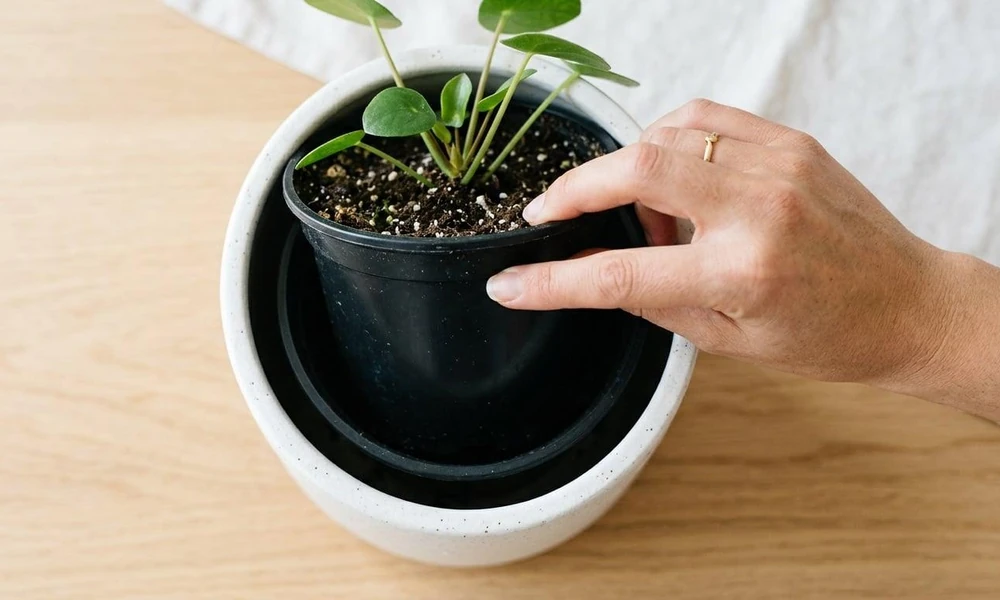
Some of the most attractive decorative pots do not have drainage holes. They can still be useful, but they should not automatically become the plant’s growing container.
A simple solution is to keep the plant in its existing nursery pot and place that pot inside a larger decorative container. This is often called using a cachepot.
When watering:
- Remove the nursery pot from the decorative container.
- Water the plant in a sink or suitable area.
- Allow excess water to drain fully.
- Empty any water collected in the decorative pot.
- Return the nursery pot to its outer container.
Do not leave the plant sitting in pooled water. Mississippi State University Extension explains that drainage helps prevent waterlogged growing media and root damage. Its advice on care and selection of indoor plants also discusses using decorative containers around plants kept in their original pots.
This approach gives you more freedom to choose attractive outer pots without sacrificing practical drainage.
5. Create a Small Indoor Plant Corner
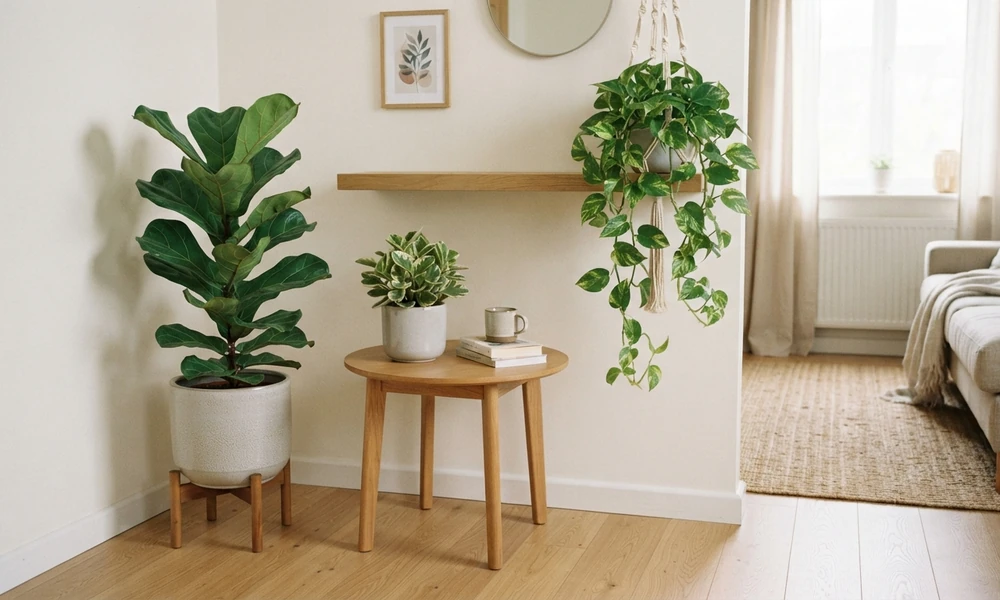
You do not need a large collection to create an impressive display. A carefully arranged group of three plants can be more effective than ten pots scattered around a room.
Start with plants that have different growth habits:
- One upright plant to add height.
- One compact plant to fill the middle level.
- One trailing plant to soften the edges.
Choose plants that can thrive in the same general conditions. A sunny-window succulent and a shade-loving foliage plant may look good together in a photograph, but they may not be suitable companions in the same spot.
The University of Florida’s guide to indoor gardens recommends choosing plants with similar light, water, soil, and nutrient requirements when grouping them.
Keep the arrangement simple. Use a shelf, plant stand, or one side table, and leave enough room to water and inspect every plant.
6. Refresh Old Planters Instead of Replacing Them
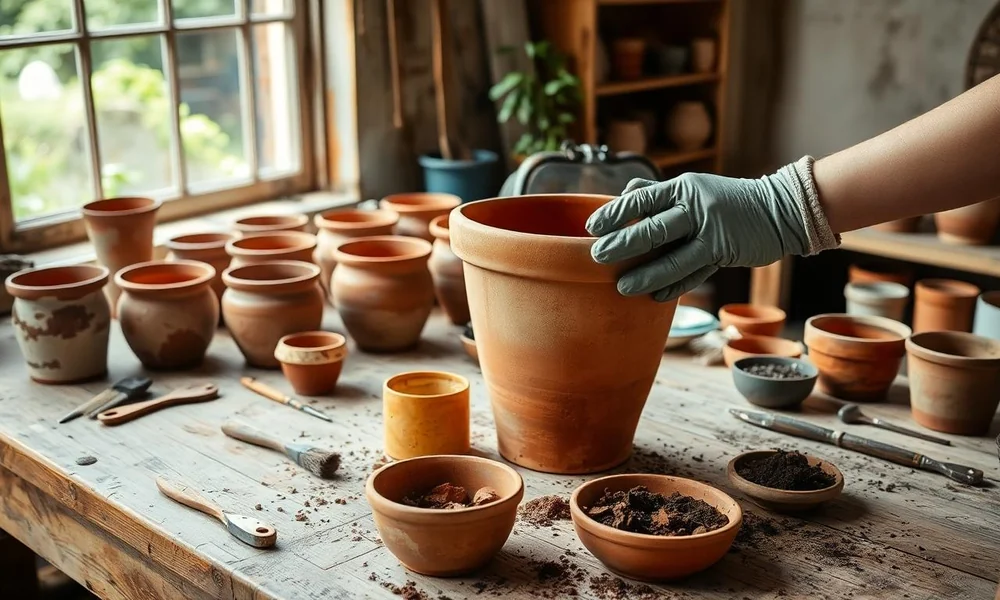
An old planter does not need to go in the bin just because its finish looks dated. Cleaning it or changing its appearance can be a cheaper way to improve your display.
Here are a few practical ideas:
- Clean ceramic pots to remove dust and mineral marks.
- Refresh suitable terracotta pots with a carefully chosen finish.
- Use a plain basket as an outer cover for a nursery pot.
- Reuse sturdy containers after checking that they are clean and safe for plants.
- Group mismatched pots together only when they share a material, tone, or shape.
Before reusing a container, check its condition and make sure it is suitable for the plant. If it will hold growing medium directly, it needs adequate drainage. A decorative cover can be used without drainage if the plant remains in a separate draining pot.
For more inspiration, see these ideas for upcycled planters.
7. Choose Plants for Their Shape and Foliage
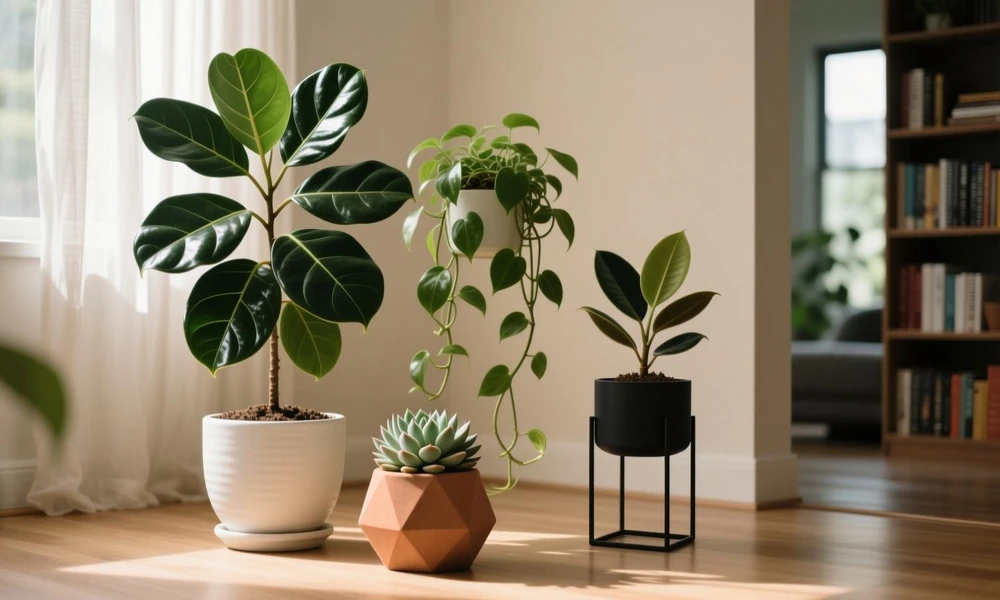
The plant itself is the main feature. A beautiful planter cannot fully disguise a plant that is unhealthy, poorly suited to its location, or badly overgrown.
Instead of choosing plants only because they are popular, consider their natural shape:
- Upright plants create height and structure.
- Broad-leaved plants make a strong visual statement.
- Trailing plants soften shelves and raised displays.
- Compact plants work well on desks and narrow shelves.
- Plants with patterned foliage can add detail without extra ornaments.
You can also create contrast by combining large leaves with smaller, delicate foliage. Keep the number of different leaf patterns in check so the display doesn’t feel visually busy.
Most importantly, choose plants that match the conditions in your home. A healthy, well-positioned plant will look more attractive over time than an expensive plant that is struggling.
8. Make a Budget Before Buying More Plant Decor
It is easy to spend more than planned on pots, stands, shelves, and accessories. Set a small budget and improve the display in stages.
| Priority | What to do | Why it helps |
|---|---|---|
| 1 | Rearrange existing plants | Improves the layout without spending money |
| 2 | Clean current planters | Makes the display look fresher |
| 3 | Add one plant stand | Introduces height and structure |
| 4 | Replace one or two mismatched pots | Creates a more consistent look |
| 5 | Add a shelf or hanging display | Uses vertical space |
Start with the changes that make the biggest visual difference. You may discover that moving three plants and cleaning their containers is enough to improve the whole corner.
Common Mistakes That Make Plant Displays Look Untidy
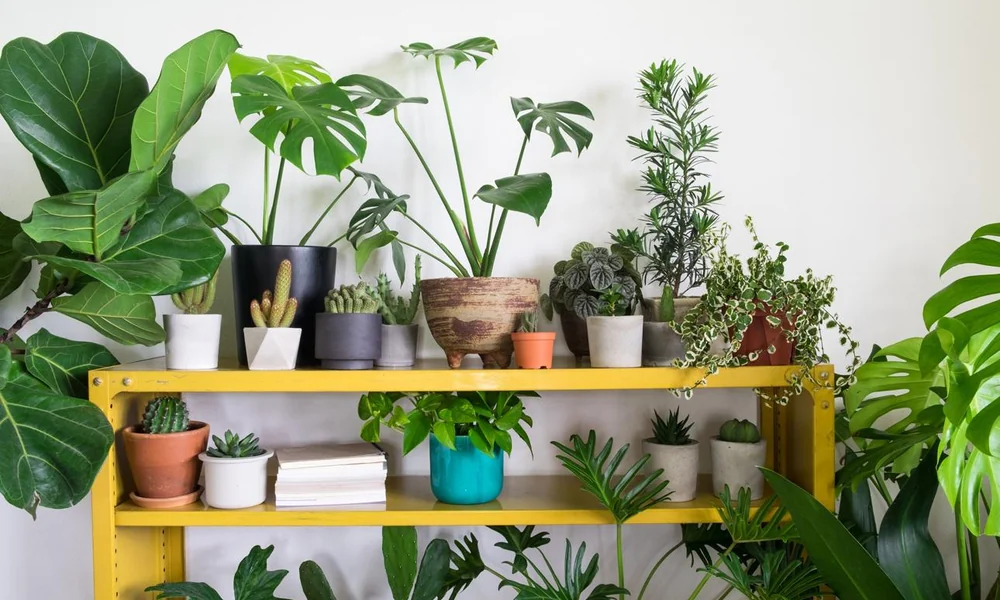
A few small mistakes can make even attractive plants look out of place.
Buying plants before checking the light: A plant that cannot get the light it needs may become weak or lose its shape.
Using too many planter styles: Too many colors, patterns, and materials can make the display feel disconnected.
Overcrowding shelves: Plants need room for growth, airflow, and maintenance. Leave space between them.
Choosing pots that are too large: An oversized growing pot can hold excess moisture. Choose a container that suits the root ball rather than buying a much larger one for appearance.
Ignoring drainage: Decorative style should never come at the cost of healthy roots.
Adding accessories to every space: A few carefully chosen details usually look better than filling every empty surface.
FAQs About Affordable Luxury Plant Decor
How can I make indoor plants look expensive on a budget?
Use healthy plants, coordinated planters, varied heights, and simple arrangements. Clean existing pots and rearrange your plants before buying new accessories.
What colors make plant displays look elegant?
Neutral shades such as warm white, beige, grey, charcoal, and natural clay can create a calm background for green foliage. Choose a small range of finishes and repeat them throughout the room.
Do expensive plant pots make plants look better?
Not necessarily. A clean, well-proportioned planter can look attractive at almost any price. The plant’s health, the container’s finish, and the overall arrangement matter more than the price tag.
How many plants should I use in one corner?
There is no fixed number. Start with three plants of different heights or growth habits, then add more only if the space still feels balanced and each plant has suitable growing conditions.
Can I use baskets as indoor plant pots?
Yes, as decorative outer covers. Keep the plant in a separate pot with drainage and protect the basket from water damage. Do not let water collect inside it.
How do I make a small room look better with indoor plants?
Use vertical space with shelves or hanging planters, choose compact plants, and avoid overcrowding. A small, well-planned display can make more impact than plants spread across every surface.
Should all my indoor plant pots match?
No. They should coordinate rather than match exactly. Repeating a few materials, colors, or shapes creates a connected look while allowing some variety.
How do I keep a plant display looking neat?
Remove dead leaves, clean dusty foliage when appropriate for the plant, wipe planters, and rotate plants if they lean toward the light. Check each plant regularly for pests and watering needs.
Can I make old plant pots look new?
Often, yes. Clean them first, then consider a suitable finish or use them inside a decorative basket or outer pot. Make sure any material or coating is appropriate for the container’s intended use.
Final Thought: Let the Plants Do the Decorating
The best affordable luxury plant decor does not depend on filling a room with expensive accessories. It comes from giving each plant the right place, choosing containers that complement its shape, and arranging the collection with care.
Start with what you already own. Move plants closer to the light they need, create a little height, clean the pots, and remove anything that makes the display feel crowded. When the plants are healthy and the arrangement feels intentional, even a modest collection can become a striking part of your home.