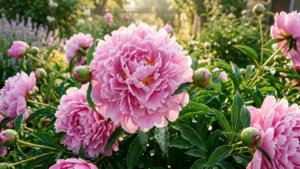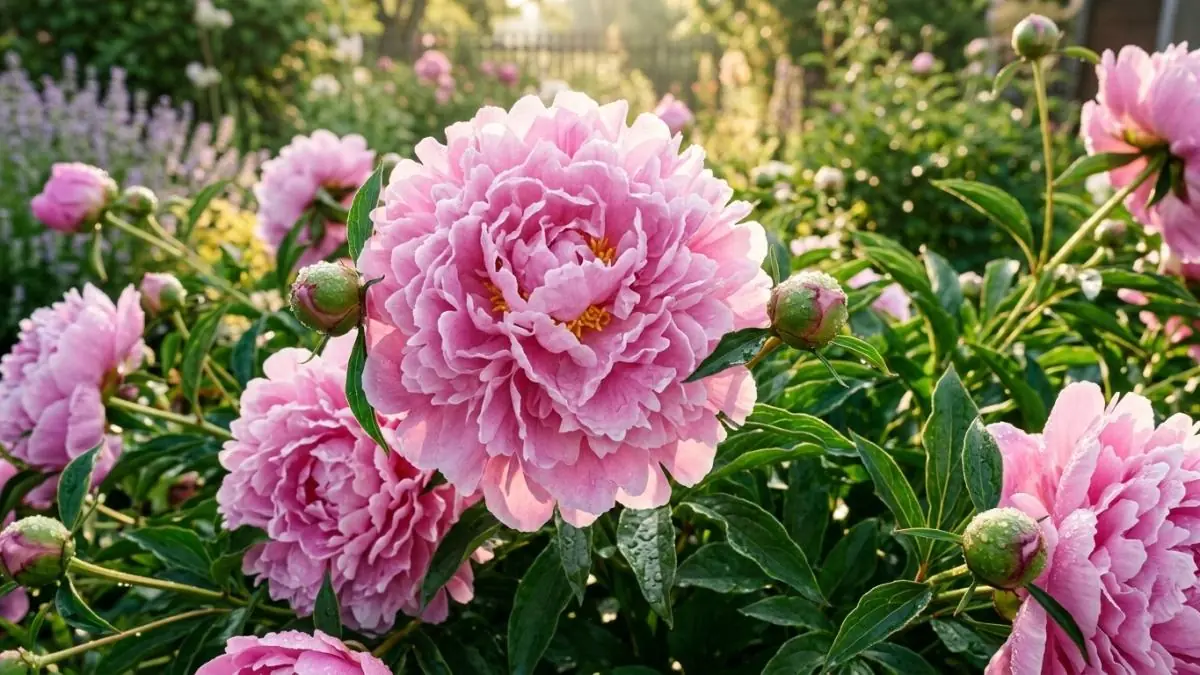
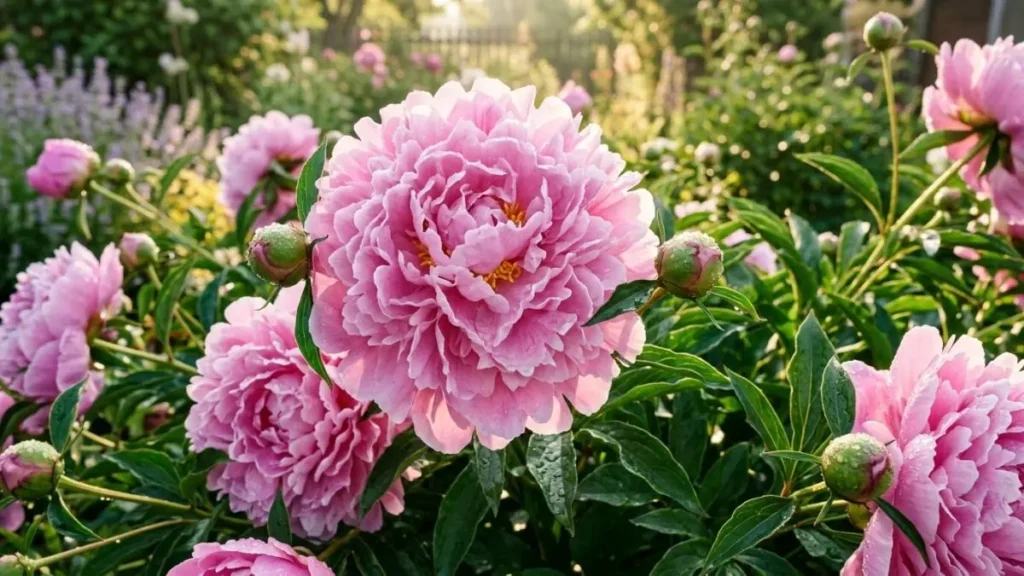
There is something almost theatrical about a peony in bloom. A rounded bud slowly opens into a generous cloud of silky petals, revealing layers of blush pink, creamy white, coral, or deep crimson. For a brief stretch of late spring or early summer, the garden feels as though it has dressed itself for a celebration.
Yet the beauty of peonies is only part of their appeal. These long-lived perennials can return year after year, often thriving for decades when planted in the right place. Their secret is not constant attention but a handful of thoughtful decisions about sunlight, soil, planting depth, and seasonal care.
Whether you are learning how to Grow Peonies, planting your first bare-root peony, or trying to coax an established plant into flowering, understanding how these flowers grow makes all the difference.
What Are Peonies?
Peonies are flowering plants in the family Paeoniaceae, belonging to the genus Paeonia. They are prized for their large, often fragrant flowers, attractive foliage, and remarkable longevity in the garden.
Gardeners commonly grow three main types:
- Herbaceous peonies: These traditional garden favorites die back to the ground during winter and produce fresh stems in spring.
- Tree peonies: Woody shrubs that retain their stems through winter and produce impressive flowers on permanent branches.
- Itoh peonies: Also called intersectional hybrids, these combine characteristics of herbaceous and tree peonies, including substantial flowers and strong growth.
Peonies come in a wide range of flower forms, from simple blooms with visible golden stamens to densely layered doubles that resemble silk ruffles. Depending on the variety and climate, flowering can begin in spring and continue into early summer.
How to Grow Peonies Successfully
The best peony gardens begin long before the first flower opens. A well-chosen planting site gives the roots room to establish themselves and allows the plant to build the strength it needs for future seasons.
1. Choose a Sunny Location
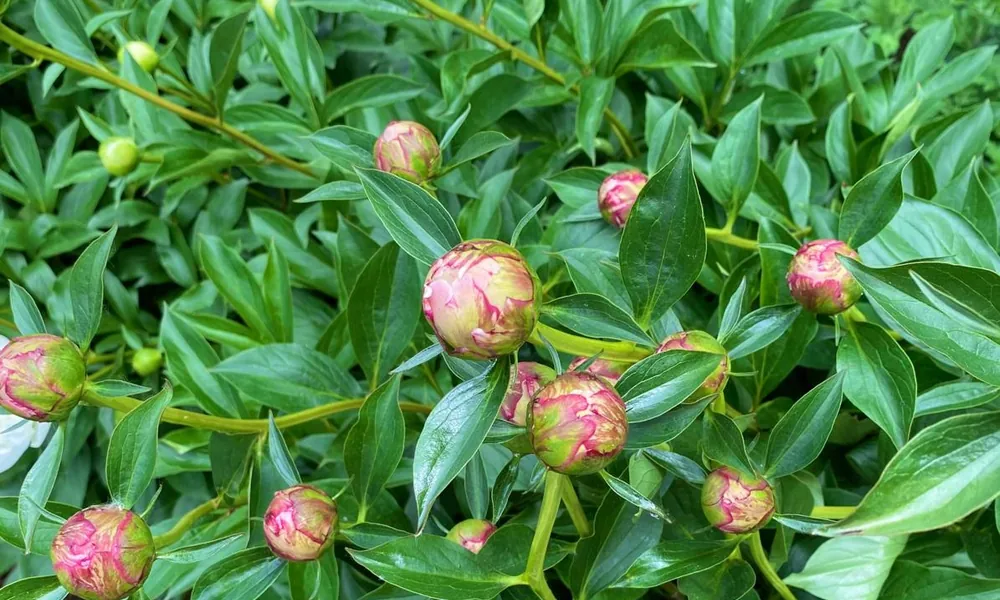
Most garden peonies perform best with at least six hours of direct sunlight daily, with six to eight hours often ideal. Some woodland types tolerate more shade.
Sunlight supports strong stems, healthy foliage, and abundant flowering. A plant growing in too much shade may look perfectly healthy while producing disappointingly few buds.
Choose a location with good air circulation, too. Crowded plants surrounded by damp foliage are more vulnerable to fungal diseases.
2. Prepare Well-Drained Soil
Peonies appreciate fertile soil that holds enough moisture to nourish their roots without remaining waterlogged.
Heavy, poorly drained soil can leave roots vulnerable to rot. If your garden has dense clay,consider improving the planting area with suitable organic matter and addressing drainage before planting. In particularly wet locations, a raised bed may be a better solution.
A simple rule helps: the soil should retain moisture without becoming a permanent puddle.
3. Plant Peonies at the Correct Depth
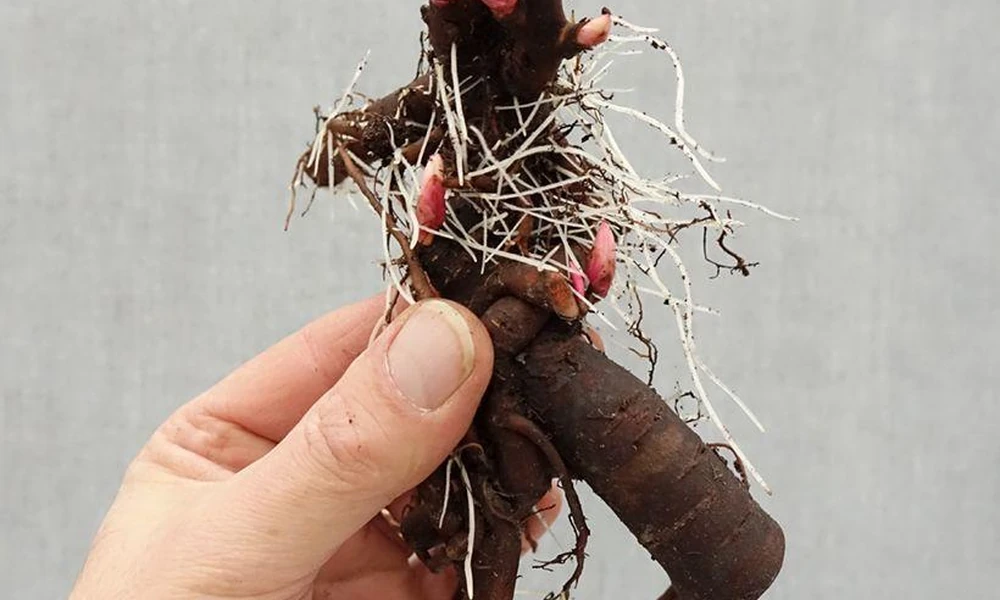
This is one of the most important details in peony care.
Bare-root herbaceous peonies have small growing points, commonly called eyes, on their crowns. In most climates, these should sit approximately 1–2 inches below the soil surface. Planting too deeply is a common reason an otherwise healthy peony fails to flower.
Dig a generous hole, spread the roots naturally, position the crown at the correct depth, and backfill with soil. Water thoroughly to settle the soil around the roots, keeping in mind standard planting depth basics for garden perennials.
Tree peonies have different planting considerations, particularly when grafted, so follow the nursery’s instructions for the specific plant.
4. Give Each Plant Enough Space
Peonies may look modest when newly planted, but mature plants can become broad, leafy clumps. Allow roughly 3–4 feet between standard garden varieties where space permits, adjusting for the cultivar’s mature size.
Good spacing improves airflow, reduces competition, and makes it easier to reach the plants for pruning and maintenance.
5. Water Consistently While Roots Establish
Water new peonies thoroughly after planting and keep the soil reasonably moist while the roots establish. During dry weather, water deeply rather than giving the plant frequent, shallow sprinkles
Established plants generally need less attention, although prolonged drought during active growth and bud development can affect flowering.
Avoid routinely soaking the foliage late in the day. Keeping leaves dry and allowing air to circulate helps discourage fungal problems.
When Should You Plant Peonies?
For bare-root herbaceous peonies, early autumn is generally an excellent planting time in climates with cold winters. The soil remains warm enough for root establishment while cooler weather reduces stress on the plant.
Spring planting is also possible when the ground is workable, but flowering may be delayed while the plant establishes itself.
Timing depends on your climate. Peonies require suitable winter dormancy, and many traditional varieties need substantial exposure to cold temperatures to flower reliably. In mild-winter regions, selecting an adapted variety is especially important.
Before buying a peony, check its climate suitability rather than assuming every variety will thrive in every garden.
How to Care for Peonies Throughout the Year
Peonies reward gardeners who work with their natural growth cycle instead of trying to force constant growth.
Spring: Support New Growth
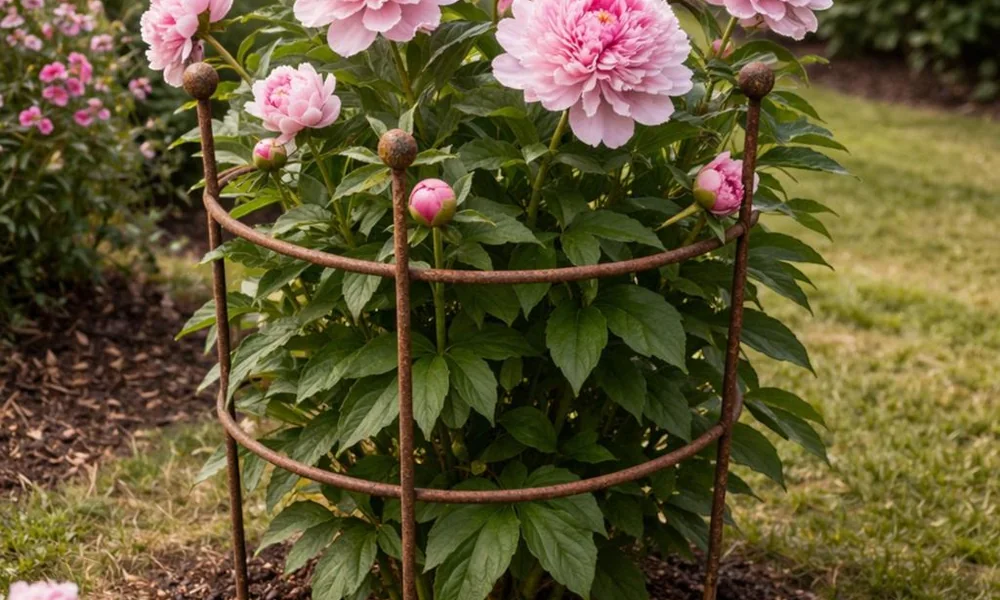
As shoots emerge, remove winter debris and check that surrounding plants have not crowded the peony. Tall varieties with heavy double flowers may benefit from a plant support installed before the stems become large.
Water when rainfall is insufficient, and avoid damaging the shallow crown while cultivating nearby soil.
Late Spring and Summer: Protect the Flowers
When the buds swell, steady moisture becomes particularly important during dry spells. Some gardeners remove smaller side buds to encourage larger terminal flowers, although this reduces the total number of blooms.
Once flowers fade, deadhead them to improve the plant’s appearance and prevent unnecessary seed development. Keep healthy foliage in place: those leaves replenish the energy reserves that support next year’s growth.
Autumn: Prepare for Dormancy
After herbaceous peony foliage has been damaged by frost, cut it back close to the ground and remove the debris. This helps reduce the amount of diseased plant material left in the garden.
Do not cut tree peonies to the ground. Their woody stems are permanent parts of the plant.
Autumn is also a suitable time to divide or transplant established peonies when necessary, although a recently moved plant may need time to regain its full flowering strength.
Winter: Avoid Unnecessary Disturbance
Established peonies in suitable climates generally tolerate winter without elaborate protection. Newly planted specimens may benefit from a light, appropriate mulch in cold regions, but avoid burying the crown beneath a thick layer that interferes with spring emergence.
In warmer climates, the bigger challenge may be insufficient winter chilling rather than extreme cold.
Why Are My Peonies Not Blooming?
Few gardening disappointments compare with a vigorous green plant that refuses to produce flowers. Fortunately, several common causes are worth investigating before you replace it.
The plant was planted too deeply. Check the depth of the crown and its growing eyes. Correcting the planting depth may help, although improvement is not necessarily immediate.
The location is too shady. Nearby trees, shrubs, or buildings may reduce the amount of direct sunlight reaching the plant.
The peony is still establishing itself. Newly planted or divided peonies can take time to settle in before flowering generously.
The plant receives excessive nitrogen. Too much nitrogen can encourage leafy growth at the expense of flowers. Use fertilizer according to soil conditions and product directions rather than assuming more is better.
The roots are overcrowded or competing with nearby plants. Mature clumps can sometimes benefit from division, but peonies do not need to be divided routinely.
Weather damaged the buds. Late freezes, prolonged drought, or other stressful conditions can interfere with flowering.
Start by checking planting depth, sunlight, and recent weather. These practical clues often reveal more than adding fertilizer immediately.
Common Peony Pests and Diseases
Peonies are generally dependable garden plants, but they can develop problems in unfavorable conditions.
Botrytis Blight
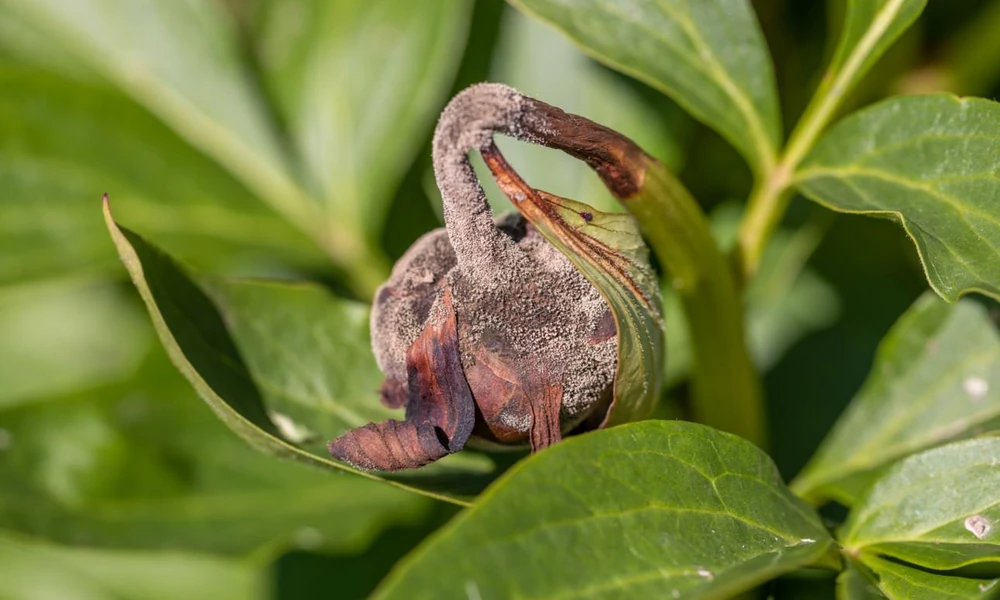
This fungal disease may cause young shoots to wilt, buds to turn brown, and affected tissues to develop grayish mold under humid conditions.
Remove infected material, improve airflow, and avoid keeping foliage wet for extended periods. If the problem persists, seek a reliable diagnosis before selecting a treatment.
Leaf Spots and Powdery Mildew
Leaf spots can arise from several fungal or bacterial causes. Powdery mildew appears as a pale, powder-like coating on foliage.
Remove severely affected debris, improve spacing, and avoid handling wet plants unnecessarily. Treatment should depend on the likely cause and the severity of the problem.
Ants on Peony Buds
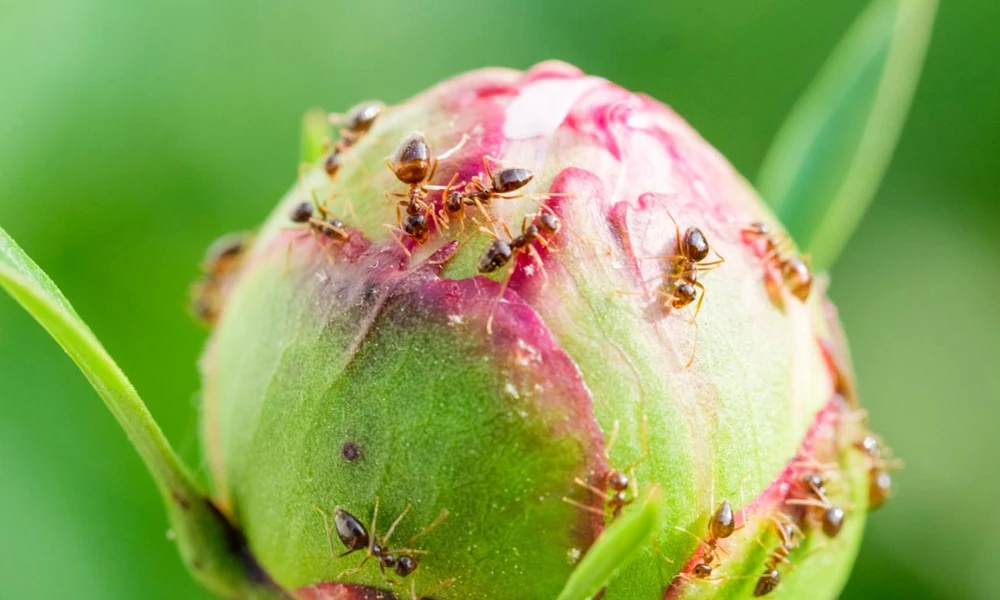
Ants often visit unopened peony buds to feed on sugary secretions. Their presence alone does not mean the flowers are infested, and ants do not need to be removed simply because they are crawling over healthy buds.
Observe the plant before using insecticides. Unnecessary pesticide applications can harm beneficial insects and pollinators.
How to Enjoy Peonies as Cut Flowers
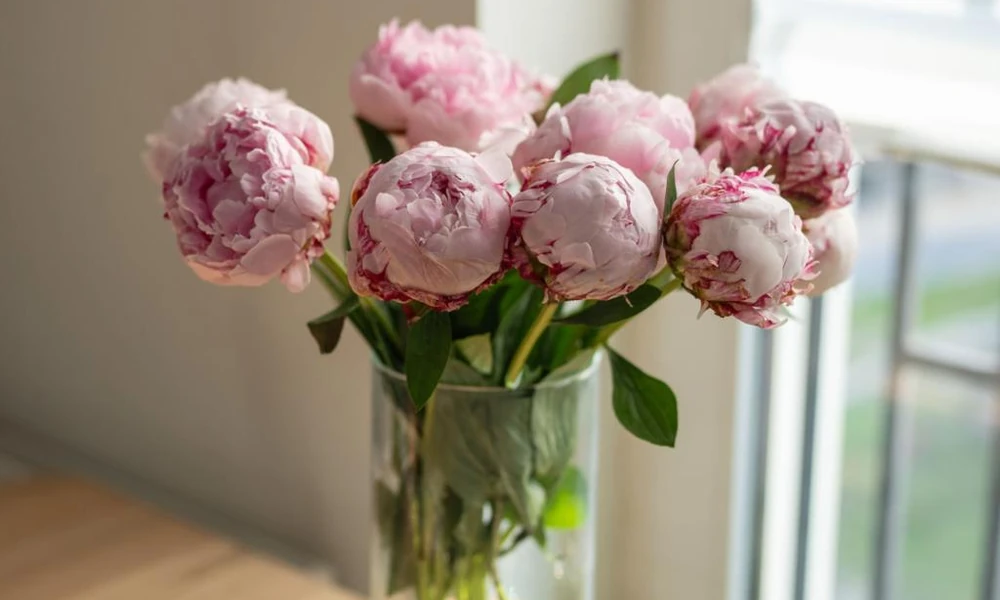
A peony brought indoors can make a room feel like a spring garden. For the longest vase life, harvest flowers when the buds are developed and beginning to soften, with the precise stage depending on the variety and intended use.
Use clean, sharp shears, place the stems in fresh water, and remove leaves that would sit below the waterline.
Be thoughtful when cutting flowers from young plants. Healthy foliage is essential for replenishing the plant’s energy reserves, so leave plenty of leaves and avoid stripping the plant bare.
Frequently Asked Questions About Peonies
Do peonies come back every year?
Yes. Herbaceous and Itoh peonies return from their underground crowns, while tree peonies retain their woody stems. With suitable growing conditions, established plants can live for many years.
How much sunlight do peonies need?
Most garden varieties need at least six hours of direct sunlight daily. Six to eight hours is a useful target for reliable flowering, although woodland species may tolerate more shade.
How deep should you plant peony roots?
For most bare-root herbaceous peonies, place the growing eyes approximately 1–2 inches below the soil surface. Follow variety-specific instructions, especially for tree peonies.
Why do peonies grow leaves but no flowers?
Common causes include excessive planting depth, inadequate sunlight, immaturity, excess nitrogen, root competition, drought, or frost damage. Check the growing conditions before changing the fertilizer routine.
Can peonies grow in warm climates?
Some varieties may grow in warmer regions, but traditional garden peonies often flower poorly when winter chilling is insufficient. Choose varieties suited to your local climate and check their chilling requirements before planting.
Should peonies be cut back after flowering?
Remove faded flowers if desired, but retain healthy foliage through the growing season. Cut back herbaceous peony foliage after it has been damaged by frost. Never apply the same ground-level pruning rule to woody tree peonies.
The Lasting Beauty of a Peony Garden
Peonies teach a quiet lesson in gardening: spectacular results often begin with patience rather than constant intervention. Give the plant a suitable home, plant it at the right depth, protect its foliage, and allow its roots to establish themselves.
The reward may arrive in a single flowering season, but the real pleasure comes from watching the same plant return year after year, growing into a fuller presence in the garden.
A peony does not need to bloom every day to become unforgettable. It needs the right conditions to bloom well when its moment arrives.