Healthy plants do not simply need water and sunlight. They also depend on balanced nutrition, and that is where fertilizer becomes essential. The problem is simple: many people either underfeed plants and slow growth, or overfeed them and accidentally damage roots.
Learning how to dose fertilizer correctly is one of the most important skills in plant care.
Whether you are growing indoor houseplants, balcony herbs, flowering plants, or a full garden, understanding fertilizer dosage helps plants grow faster, produce healthier leaves, and develop stronger roots without causing nutrient burn.
Here is exactly how proper fertilizer dosing works.
Why Fertilizer Dosage Matters
Plants absorb nutrients from soil continuously.
Over time, those nutrients become depleted, especially in containers and potted plants where roots cannot search for fresh minerals naturally.
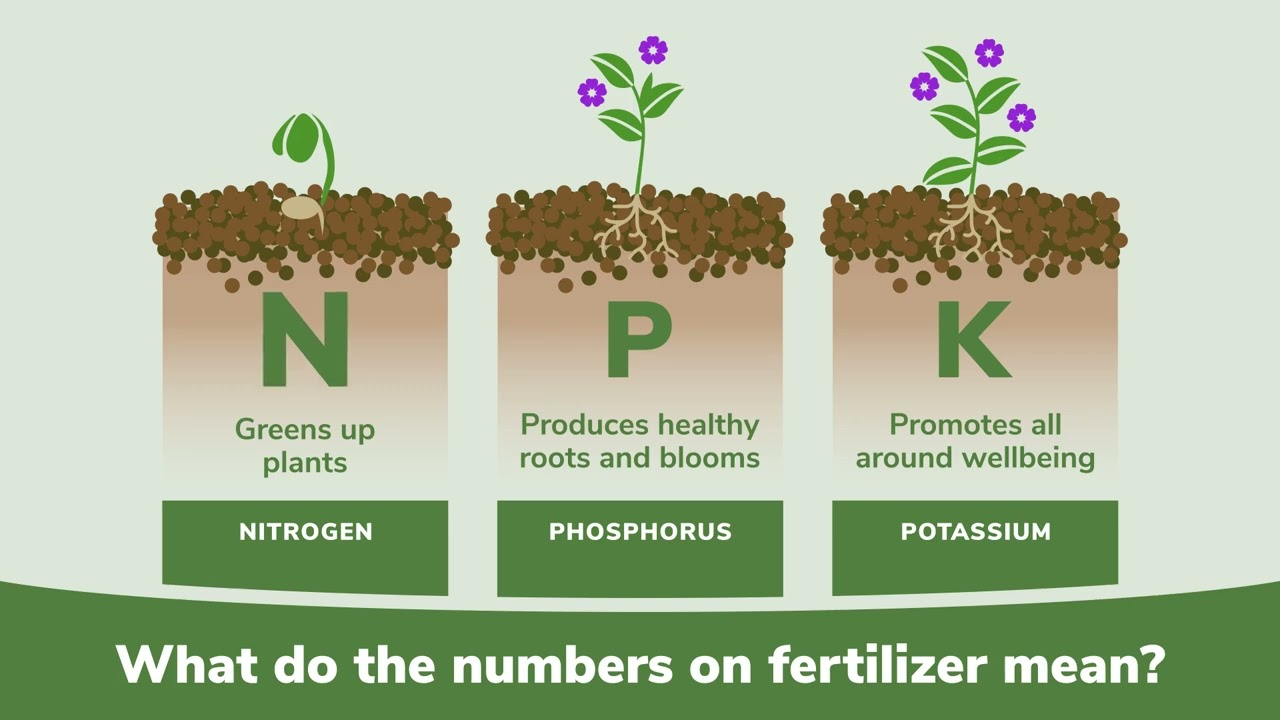
Fertilizers replace three critical nutrients:
- Nitrogen (N) for leaf growth
- Phosphorus (P) for root development
- Potassium (K) for flowering and disease resistance
The problem begins when too much fertilizer is applied.
Excess nutrients create salt buildup around roots, which prevents proper water absorption and can slowly kill the plant.
Correct dosing protects plants while maximizing growth potential.
Understand the NPK Numbers First
Every fertilizer package shows three numbers.
For example:
10-10-10
20-20-20
5-10-5
These numbers represent nutrient concentration.
Example:
10-10-10 means
- 10% Nitrogen
- 10% Phosphorus
- 10% Potassium
According to University of Minnesota Extension, understanding nutrient ratios helps gardeners avoid applying the wrong balance for specific plant types.
Different plants require different nutrient priorities.
Leafy plants prefer higher nitrogen.
Flowering plants prefer higher phosphorus and potassium.
Know the Three Main Fertilizer Types
Not every fertilizer works the same way.
1. Liquid Fertilizer
Liquid fertilizers work quickly because nutrients dissolve immediately in water.
Best for:
- Indoor plants
- Fast growth support
- Seedlings
- Weekly feeding schedules
Most liquid fertilizers should be diluted.
A safe starting point:
- 25% to 50% of label recommendation
If instructions say:
10 ml per liter
Start with:
5 ml per liter
This reduces risk of root burn.
2. Granular Fertilizer
Granular fertilizers release nutrients slowly into soil.
Best for:
- Outdoor plants
- Vegetable gardens
- Flower beds
- Long-term feeding
Application usually involves:
- Sprinkling around soil surface
- Keeping granules away from stems
- Watering immediately afterward
Never pile fertilizer directly against the base of the plant.
3. Slow Release Fertilizer
Slow-release fertilizers break down gradually over weeks or months.
Best for:
- Busy gardeners
- Long-term nutrition
- Houseplants requiring low maintenance
These fertilizers reduce the risk of accidental overfeeding.
Popular products often feed plants for 2 to 6 months.
General Fertilizer Dosing Rule for Beginners
A simple rule works for most plants.
Start weaker than recommended.
Safe beginner formula:
- Use half-strength fertilizer
- Feed every 2 to 4 weeks during active growth
- Monitor plant reaction before increasing dosage
Professional gardeners often follow:
Low dose, consistent feeding beats heavy feeding.
Small repeated nutrition works better than occasional overfeeding.
Fertilizer Schedule by Plant Type
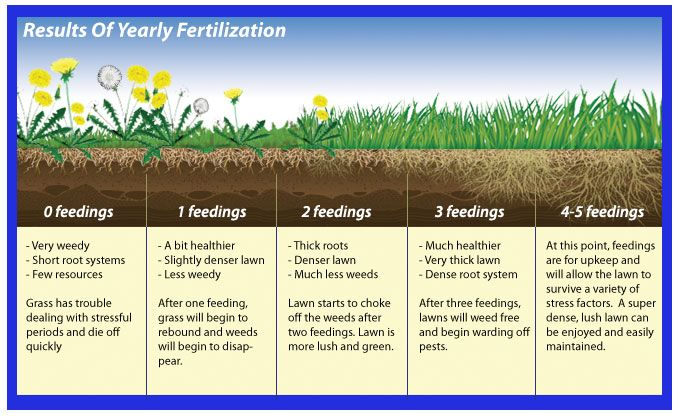
Different plants require different feeding schedules.
| Plant Type | Frequency |
| Indoor houseplants | Every 3–4 weeks |
| Flowering plants | Every 2 weeks |
| Vegetables | Every 2–3 weeks |
| Succulents | Once monthly |
| Herbs | Every 3 weeks |
| Seedlings | Very diluted weekly feeding |
Plants actively growing in spring and summer require more nutrients.
During winter, most plants slow growth naturally.
Reduce feeding significantly.
Never Fertilize Dry Soil
One of the most common mistakes is applying fertilizer to dry soil.
Dry roots absorb nutrients aggressively.
This causes fertilizer burn.
Best practice:
- Water plants first
- Wait several hours
- Apply fertilizer afterward
The Royal Horticultural Society recommends avoiding fertilizer application on dry root systems to reduce root damage.
Moist soil distributes nutrients more safely.
Signs You Are Over-Fertilizing Plants
Too much fertilizer creates stress quickly.
Watch for warning signs.
Common symptoms:
- Brown leaf edges
- Yellowing leaves
- White crust forming on soil surface
- Wilting despite watering
- Weak root development
- Slow growth after feeding
If this happens:
- Stop fertilizer immediately
- Flush soil with excess water
- Remove visible fertilizer buildup
Plants recover faster when excess salts are removed early.
Organic Fertilizer Needs Different Dosing
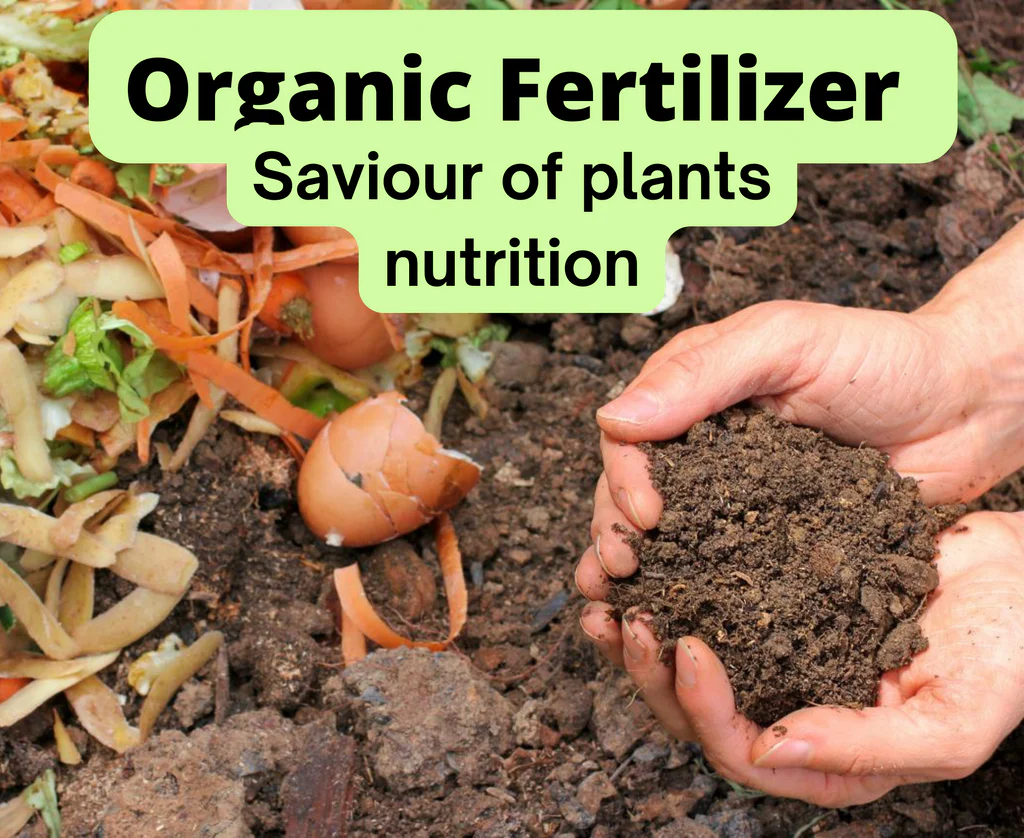
Organic fertilizers release nutrients slower than synthetic fertilizers.
Examples include:
- Compost
- Worm castings
- Fish emulsion
- Bone meal
- Seaweed extract
Organic fertilizers generally require:
- More frequent application
- Larger quantity per feeding
- Longer breakdown time
The advantage is reduced risk of chemical root damage.
Organic feeding works gradually.
Morning Is Usually the Best Time
Plants absorb nutrients most efficiently during active metabolic periods.
Morning feeding works best.
Benefits include:
- Better nutrient uptake
- Reduced evaporation loss
- Lower root stress
- Faster soil absorption
Avoid fertilizing during:
- Extreme heat
- Rainy weather
- Late night watering cycles
Environmental conditions influence nutrient absorption more than many gardeners realize.
Container Plants Need More Frequent Feeding
Plants growing in pots lose nutrients faster.
Why?
Because watering continuously flushes minerals through drainage holes.
Unlike garden soil, containers cannot store nutrients for long periods.
Container plants often require:
- Smaller fertilizer doses
- More frequent feeding schedules
Typical pattern:
- Every 2 weeks during active growth
Potted plants demand closer nutrient monitoring.
Common Fertilizer Mistakes to Avoid
Never make these mistakes.
Avoid:
- Guessing fertilizer dosage
- Applying directly on stems
- Fertilizing dry soil
- Feeding during winter dormancy
- Using strong concentration immediately
- Ignoring plant-specific nutrient needs
Plant health usually declines because of overfeeding rather than underfeeding.
More fertilizer does not mean faster growth.
The Simple Rule Most Gardeners Follow
If you remember only one principle, remember this.
Start light. Observe growth. Increase slowly.
Plants respond better to gradual feeding.
Healthy fertilization focuses on consistency, not quantity.
Successful gardeners rarely use maximum dosage.
They use controlled dosing over time.
Plant care is not about feeding more.
It is about feeding correctly.
FAQs
How often should I fertilize plants?
Most plants benefit from fertilizing every 2 to 4 weeks during active growing season.
Can too much fertilizer kill plants?
Yes. Over-fertilizing causes salt buildup, root burn, leaf damage, and eventually plant death.
Should I water plants before fertilizing?
Yes. Moist soil protects roots and helps nutrients distribute evenly.
What happens if I under-fertilize plants?
Plants may show slow growth, pale leaves, weak roots, and poor flowering.
Is liquid fertilizer better than granular fertilizer?
Liquid fertilizer acts faster, while granular fertilizer provides slower long-term nutrition.
Should plants be fertilized in winter?
Most plants enter slower growth cycles in winter, so fertilizer use should be reduced or stopped temporarily.