Good plant pot drainage lets excess water escape while leaving enough moisture and air around the roots. The most reliable setup is simple: choose a pot with drainage holes, use a suitable potting mix, and avoid adding a layer of gravel at the bottom. Gravel does not improve drainage; it can actually leave a saturated layer of soil closer to the roots.
If your plant’s lower leaves are turning yellow or it keeps wilting while the soil is still wet, poor drainage could be part of the problem. Fortunately, you can improve most pots without buying expensive equipment or making major changes.
Quick Answer: How Does Plant Pot Drainage Work?
Plant pot drainage allows excess water to escape through holes at the bottom of a container, preventing the growing medium from staying waterlogged. Use a suitable, airy potting mix and avoid adding gravel to the bottom because it can create a saturated layer closer to the roots. Empty saucers after watering and adjust your watering routine to the plant’s needs.
Key Takeaways
- Choose pots with drainage holes whenever possible.
- Avoid gravel layers because they do not improve drainage.
- Use a suitable, well-aerated potting mix throughout the container.
- Empty standing water from saucers and decorative outer pots.
- Match the pot material and watering routine to your plant.
- Check for compacted soil and rootbound roots when drainage slows.
Why Plant Pot Drainage Matters
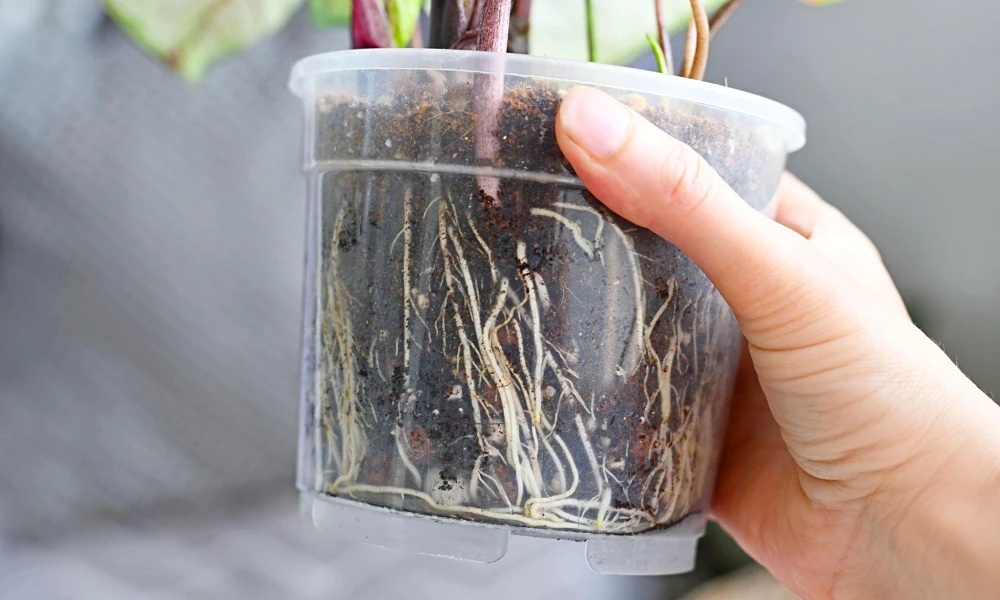
Plant roots need both water and oxygen. When the potting mix stays saturated, water fills the spaces that would normally hold air. Roots then struggle to get enough oxygen, and prolonged waterlogging can cause them to rot.
A plant with damaged roots may wilt even when its soil is wet because those roots can no longer absorb water properly. Other warning signs include yellowing lower leaves, slow growth, persistently damp soil, and an unpleasant smell coming from the pot.
These symptoms can have other causes too, but checking the drainage is a sensible first step. Make sure water can leave the container, the mix is not compacted, and the plant is not sitting in water.
The Gravel Layer Myth: Does Gravel Improve Drainage?
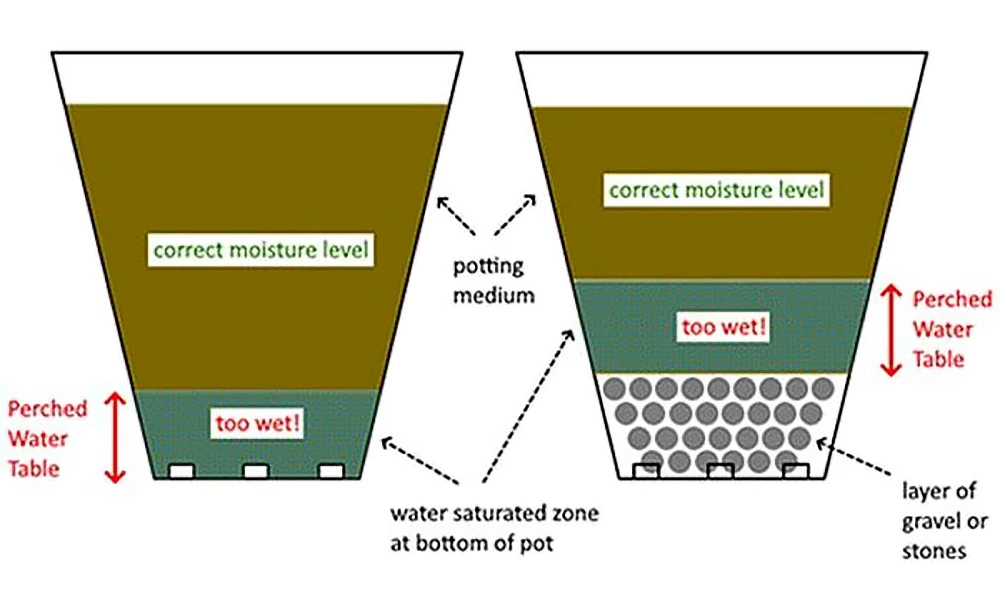
Adding gravel or stones to the bottom of a plant pot is a common gardening tip, but it does not improve drainage in the way many people expect.
The reason is a soil-water effect known as a perched water table. Water does not move easily from a fine-textured potting mix into a much coarser layer of gravel. Instead, water can collect in the soil just above the gravel until the mix becomes saturated enough for water to move into the coarser material.
That means the gravel layer can raise the saturated zone closer to the plant’s roots while reducing the depth of usable potting mix. The University of California Agriculture and Natural Resources guide to container drainage explains this mechanism and why gravel is not a drainage fix.
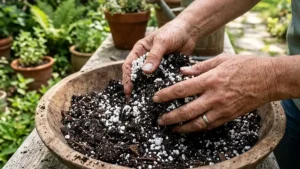
A better approach is to improve the structure of the potting mix itself. Depending on the plant, materials such as perlite, pumice, or horticultural grit can be mixed throughout the growing medium to create a more suitable balance of air and moisture.
Do Plant Pots Need Drainage Holes?
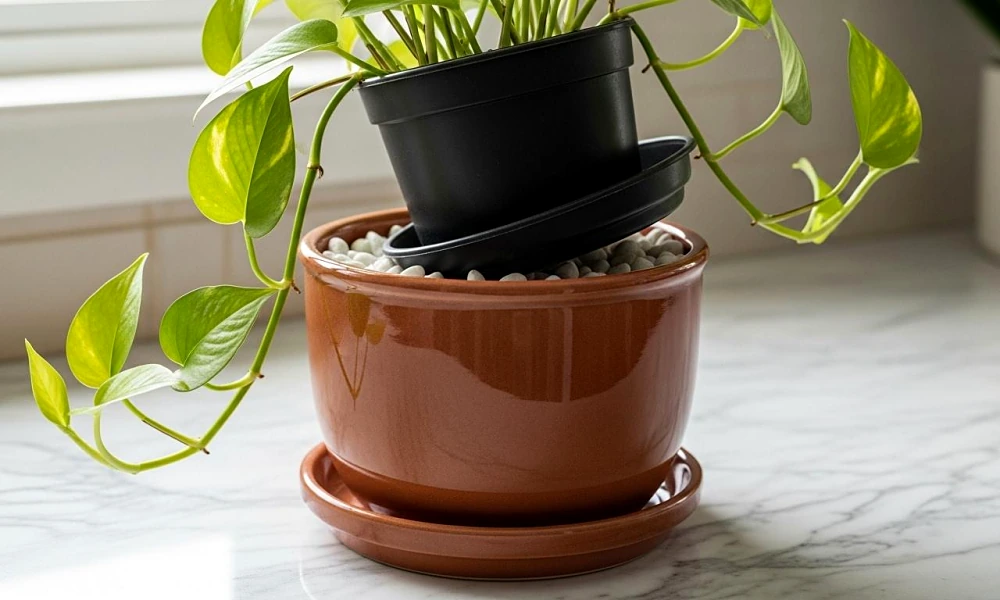
For most plants grown in ordinary containers, drainage holes are the safest and most reliable option. They allow excess water to escape and make it easier to water the entire root ball without leaving the plant sitting in runoff.
The Royal Horticultural Society also recommends drainage holes for container growing. Its guide to growing plants in containers explains why good drainage helps prevent waterlogged compost.
But what if you have a decorative pot without holes? You can still use it with a simple double-potting method:
- Keep the plant in a plastic nursery pot with drainage holes.
- Place that nursery pot inside the decorative container.
- Remove the inner pot when watering, or lift it out after watering so it can drain fully.
- Empty any water collected in the decorative pot before putting the plant back.
This gives you the appearance of a decorative planter without forcing the roots to sit in standing water.
You may also be able to add drainage holes to some containers. Plastic pots are generally easier to drill than ceramic or glass. Hard materials need the correct drill bit and careful handling, so check the manufacturer’s guidance and use appropriate eye and hand protection. If you are unsure about drilling a container, the double-potting method is the safer alternative.
What Should You Put at the Bottom of a Planter?
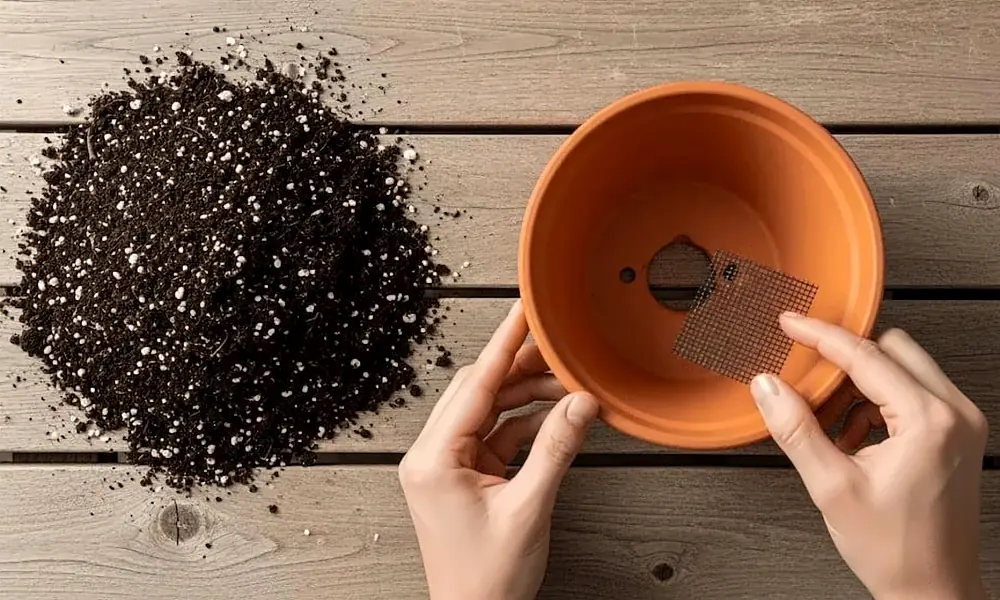
In most cases, put nothing at the bottom. Fill the container with a suitable potting mix and let the drainage holes do their job.
There is one practical exception: if a drainage hole is large enough for a potting mix to fall through, cover it with a small piece of mesh or a suitable piece of broken pot. The cover should stop the mix escaping without blocking the hole.
Avoid filling the bottom with gravel, stones, or a thick layer of broken pottery. These materials do not make a standard pot drain better.
For tall planters, lightweight filler may sometimes reduce the amount of potting mix needed and make the container easier to move. However, that is a weight and volume consideration, not a drainage solution. The growing medium around the roots still needs to suit the plant.
Saucers, Watering Habits, and Root Rot Prevention
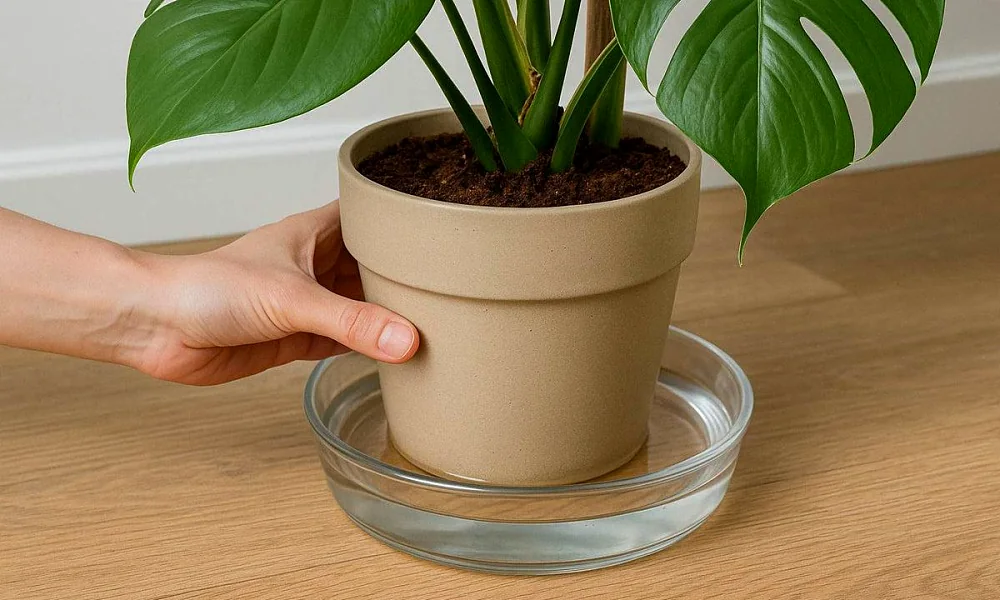
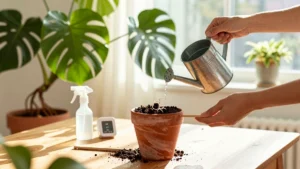
Even a pot with good drainage holes can cause problems if it sits in collected water. After watering, allow excess water to drain away and empty the saucer or outer container. Do not leave the nursery pot standing in runoff.
Bottom-watering can work well too. Place the pot in a shallow tray of water and allow the growing medium to absorb moisture through the drainage holes. Once the top of the mix feels moist, remove the pot and let the excess water drain away.
Your pot material also affects how quickly the soil dries:
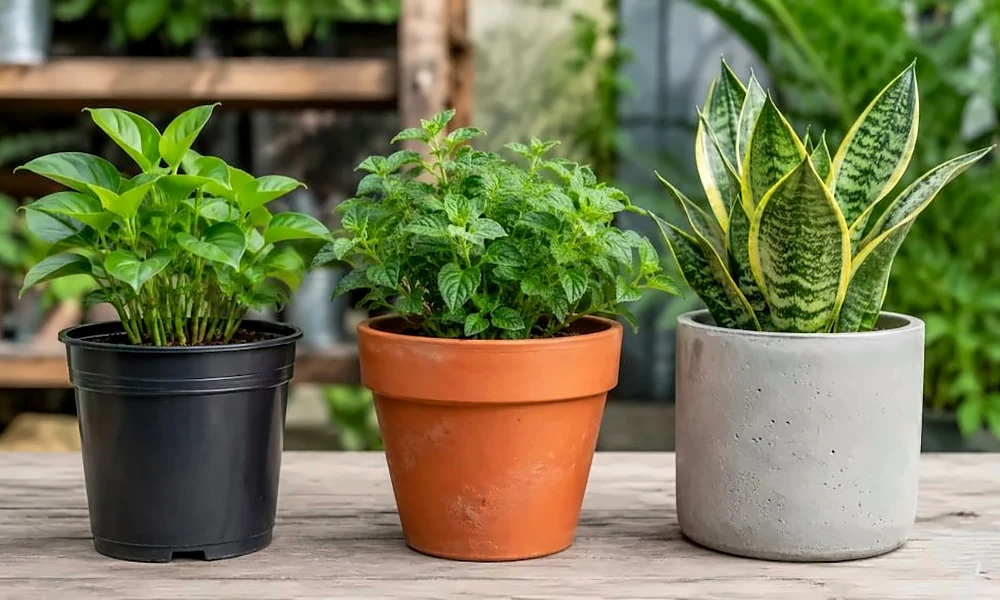
- Unglazed terracotta: Porous walls allow moisture to evaporate, so the mix often dries faster.
- Plastic: Holds moisture longer because water cannot evaporate through the sides.
- Glazed ceramic: Usually retains moisture more like plastic than unglazed terracotta.
Do not water by calendar alone. Check the growing medium and adjust your routine to the plant, pot, light, and temperature. Many tropical houseplants prefer the top layer to dry slightly between waterings, while succulents generally need the mix to dry more thoroughly.
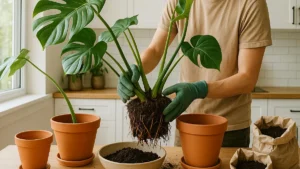
Also check whether the plant has become rootbound. A dense mass of roots can reduce the amount of growing medium available and interfere with water movement. If roots are circling tightly around the root ball or emerging from the drainage holes, it may be time to check the signs of a rootbound plant.
Plant Pot Drainage Needs by Plant Type
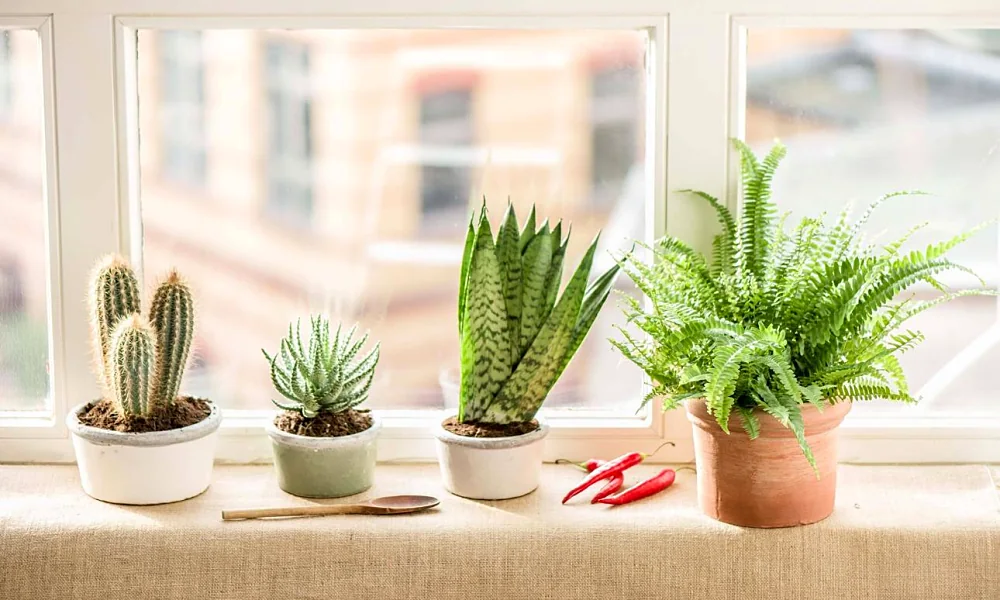
Different plants need different moisture levels, but the basic principle stays the same: excess water must be able to escape.
| Plant type | Moisture and drainage needs | Practical setup |
| Succulents and cacti | Fast-draining mix that dries between waterings | Pot with drainage holes and a gritty, free-draining mix |
| Tropical plants, such as pothos and monstera | Even moisture without waterlogged roots | Drainage holes and a suitable mix amended for airflow |
| Ferns and calatheas | More consistent moisture with enough air around roots | A moisture-retentive but well-aerated mix; check moisture regularly |
| Herbs | Varies by herb, but many dislike persistently wet roots | Drainage holes, suitable potting mix, and watering based on the plant’s needs |
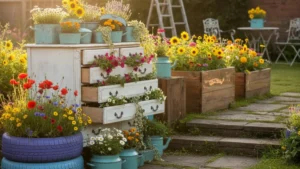
The planter itself can also be part of your setup. If you are choosing a decorative container, our creative planter ideas can help you find an option that suits your space while still allowing you to manage drainage properly.
Plant Pot Drainage FAQs
1. Do all plant pots need drainage holes?
Most plants grown in containers do best in pots with drainage holes. The holes allow excess water to escape and help prevent the growing medium from staying saturated. If you use a decorative pot without holes, keep the plant in a separate nursery pot with drainage holes.
2. Does putting gravel at the bottom of a pot help drainage?
No. Gravel does not improve drainage in an ordinary plant pot. Water can collect in the finer potting mix above the coarse gravel layer, leaving the saturated zone closer to the roots. Use an appropriate potting mix throughout the container instead.
3. What should I put at the bottom of a plant pot?
Usually, you should put nothing at the bottom. Fill the pot with suitable potting mix from top to bottom. If the drainage hole is large, place a small piece of mesh over it to stop the mix from washing out without blocking water flow.
4. How do you use a plant pot without drainage holes?
Use the double-potting method. Keep your plant in a nursery pot with drainage holes and place it inside the decorative container. Remove the inner pot when watering, let excess water drain, and empty any water collected in the outer pot before returning it.
5. Can poor drainage cause root rot?
Yes. When the potting mix stays waterlogged, roots may not receive enough oxygen. Over time, this can damage the roots and cause rot. Good drainage, suitable soil structure, and careful watering help reduce this risk.
6. How do I know if my plant has poor drainage?
Look for soil that stays wet for several days, yellowing lower leaves, wilting despite damp soil, slow growth, and an unpleasant smell around the pot. Check the drainage holes and inspect the roots if the problem continues.
7. Are terracotta pots better for drainage than plastic pots?
Unglazed terracotta pots are porous, allowing moisture to evaporate through their walls. This usually makes the growing medium dry faster than it does in plastic or glazed ceramic pots. Terracotta can suit plants that prefer drier conditions, while moisture-loving plants may need more frequent checks.
8. How often should I water plants in pots with drainage holes?
There is no single watering schedule for every plant. Check the moisture level of the growing medium before watering. Many tropical houseplants need the top layer to dry slightly, while succulents usually need the mix to dry more thoroughly. Light, temperature, pot material, and plant type all affect watering frequency.
The Simple Rule for Better Plant Pot Drainage
Healthy drainage comes down to three things: give excess water a way out, use a potting mix suited to the plant, and never leave the container sitting in collected water. Skip the gravel layer, check the roots when a pot stops draining properly, and adjust watering as conditions change. These small habits help create a healthier balance of moisture and air around your plant’s roots.