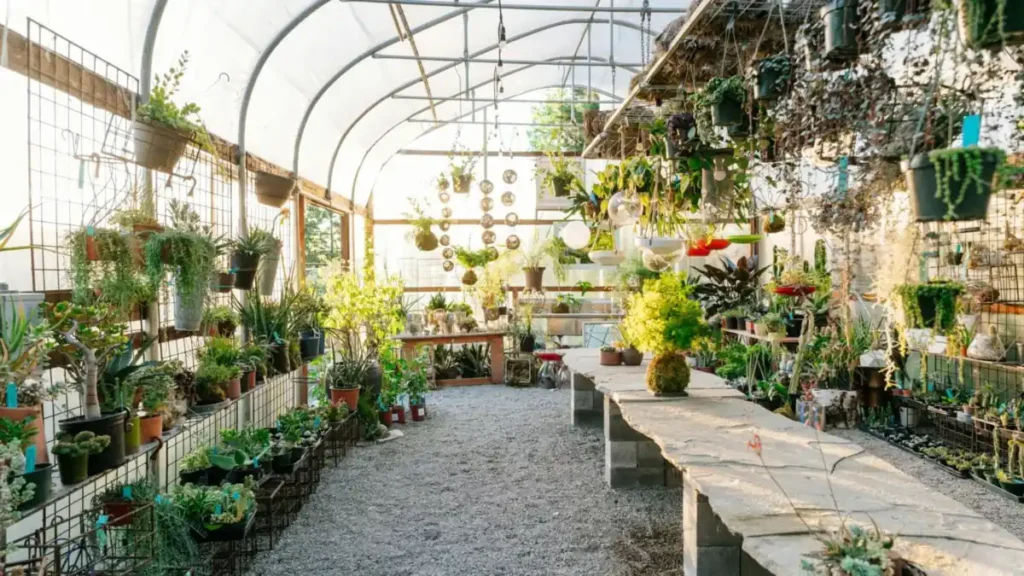
Plants make our homes feel warmer, our gardens more colorful, and our surroundings more alive. From a tiny seedling growing on a windowsill to a towering tree in a forest, plants come in an incredible range of shapes, sizes, and colors.
But plants are much more than decoration. They provide food, produce oxygen through photosynthesis, support wildlife, and form the foundation of many ecosystems.
If you are new to gardening or simply curious about the natural world, understanding plants is a great place to start. Once you know how plants grow, what they need, and how their different types behave, choosing and caring for them becomes much easier.
What Is a Plant?
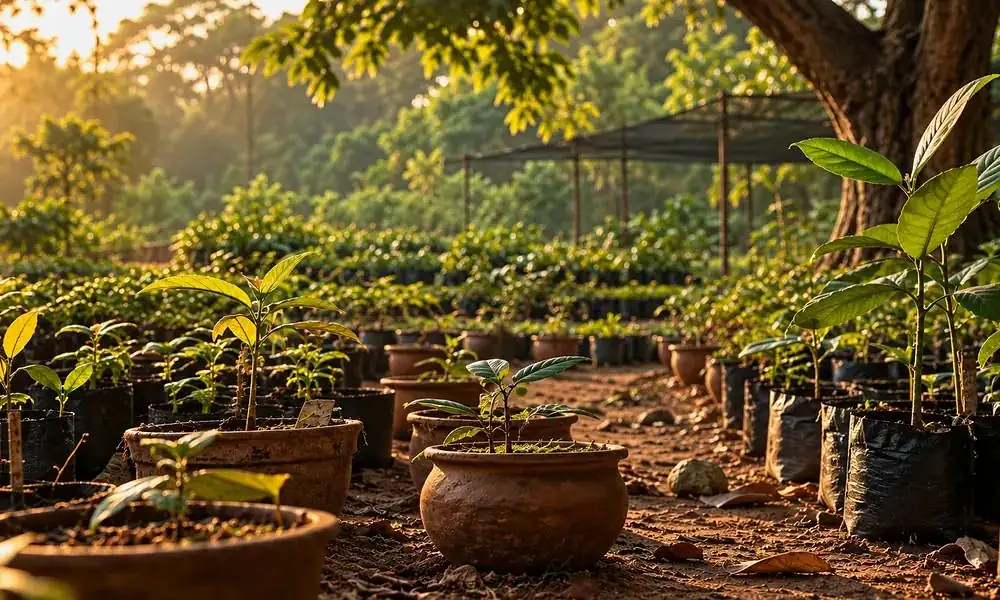
A plant is a living organism belonging to the kingdom Plantae. Most familiar plants, including trees, flowers, grasses, ferns, and houseplants, use sunlight to make their own food through photosynthesis.
Plants generally need light, water, carbon dioxide, and essential mineral nutrients to grow. Their exact requirements vary depending on the species and the environment in which they live.
Many plants have roots, stems, and leaves, although their structures differ. Mosses, for example, do not have the same true roots and vascular tissues found in flowering plants and trees.
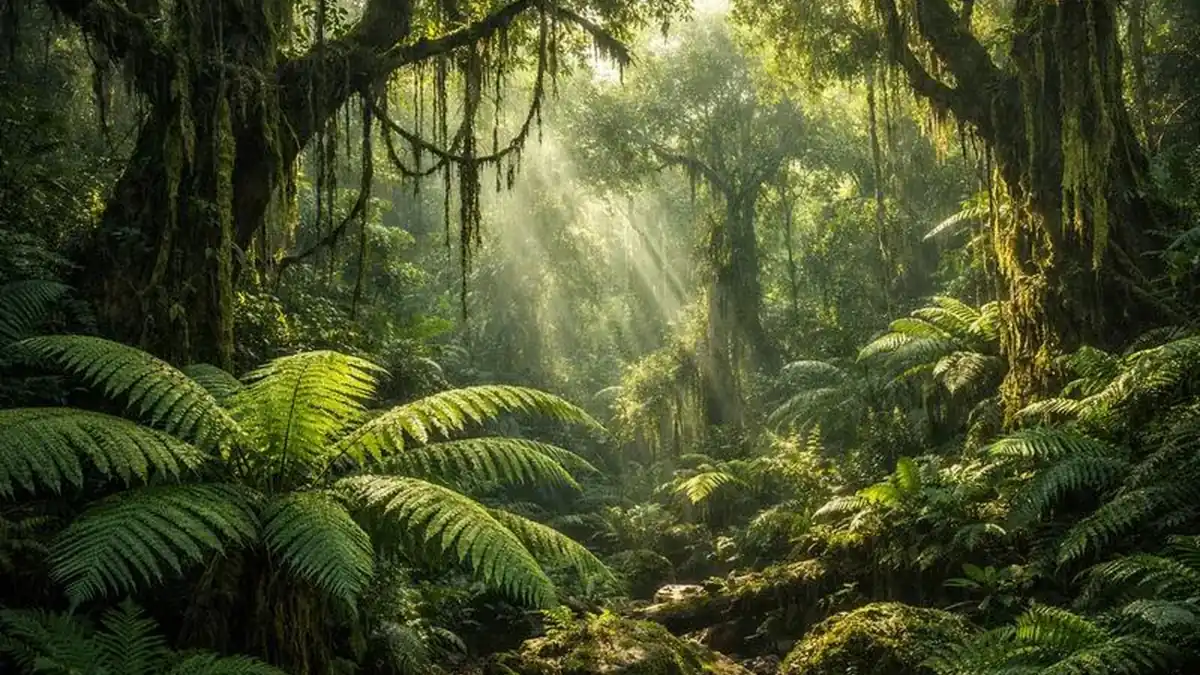
Plants can live in forests, deserts, wetlands, oceans, grasslands, gardens, and homes. Some thrive in bright sunlight, while others naturally grow beneath the forest canopy in filtered light.
Main Types of Plants: A Simple Plant Classification Guide
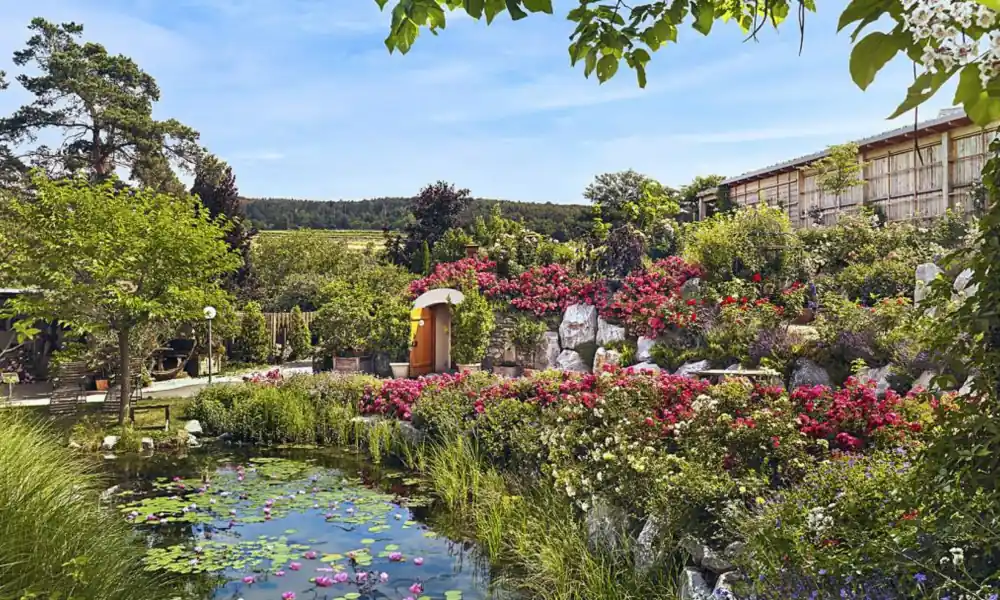
Plants can be grouped in several ways, including how they reproduce, their physical structure, and where they grow. These categories make it easier to understand the huge variety of plants found around the world.
Flowering Plants
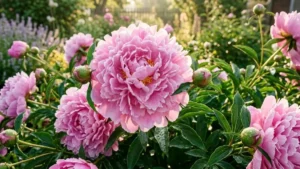
Flowering plants, known scientifically as angiosperms, produce flowers and enclose their seeds within fruits. They include many familiar garden plants, fruit trees, vegetables, and ornamental flowers.
Roses, sunflowers, tomatoes, orchids, and apple trees are all examples of flowering plants.
Some flowering plants live for only one growing season, while others survive for many years. Their flowers may attract pollinators such as bees, butterflies, and other insects.
Non-Flowering Plants
Not all plants produce flowers. Ferns, mosses, and many other plant groups reproduce through spores rather than flowers and seeds.
Conifers, including pines and firs, are also non-flowering plants. They produce seeds in cones rather than enclosing them inside fruits.
These plants play important roles in forests, wetlands, and other natural habitats.
Trees and Shrubs
Trees generally have a persistent woody trunk, while shrubs usually have several woody stems arising near the ground. Both can provide shade, shelter, and habitat for wildlife.
Popular examples include maple trees, magnolias, hydrangeas, boxwood shrubs, and rose bushes.
Trees and shrubs can also be valuable in home landscaping, where they provide structure and seasonal interest.
Herbs and Culinary Plants
Herbs are plants valued for their aromatic leaves, stems, or other useful parts. Many are grown for cooking, fragrance, or traditional uses.
Rosemary, basil, mint, thyme, parsley, and oregano are common examples.
Most culinary herbs grow well in suitable containers or garden beds, provided their sunlight, watering, and soil requirements are met.
Succulents and Cacti
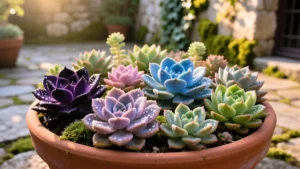
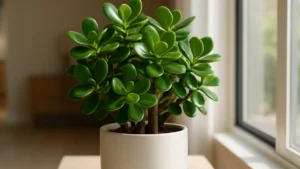
Succulents store water in their leaves, stems, or roots, allowing many species to survive periods of limited rainfall. Cacti are a specialized group of succulents, although not every succulent is a cactus.
Aloe vera, jade plants, echeveria, and many cacti are popular choices for people who want distinctive plants without a complicated care routine.
They still need appropriate light and watering. In particular, poorly draining soil can cause serious problems even for drought-tolerant plants.
Aquatic Plants
Aquatic plants grow in or around water. Some float on the surface, others remain submerged, and some grow with their roots underwater and their leaves above the surface.
Water lilies, duckweed, and many aquatic grasses are examples.
These plants can provide shelter for aquatic animals, contribute to habitat structure, and help support food webs in freshwater environments.
Main Types of Plants: A Simple Plant Classification Guide
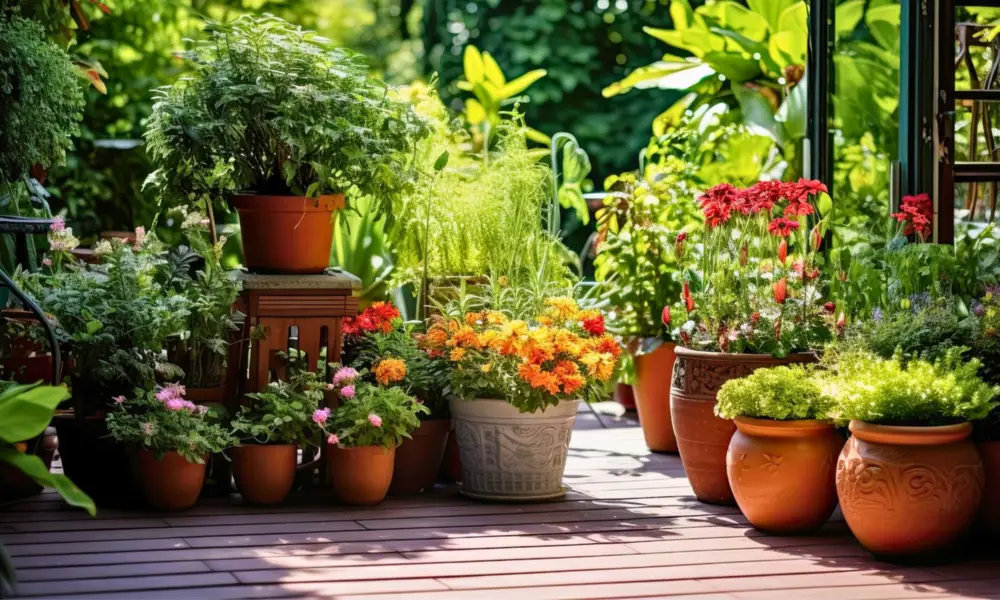
Although every plant has its own preferences, most garden plants and houseplants depend on a few basic conditions.
Sunlight
Light provides the energy that plants use during photosynthesis. Some species need several hours of direct sunlight, while others grow better in partial shade or indirect light.
Before buying a plant, check its light requirements. Placing a shade-loving plant in intense afternoon sun can damage its leaves, while keeping a sun-loving plant in a dark room can lead to weak, stretched growth.
Water
Water helps transport nutrients, supports plant structure, and participates in photosynthesis.
The amount a plant needs depends on its species, size, growing medium, temperature, and light exposure. A cactus usually needs less frequent watering than a moisture-loving fern.
Check the soil before watering rather than following the same schedule for every plant. For most potted plants, containers with drainage holes help prevent excess water from collecting around the roots.
Healthy Soil
Soil can provide plants with physical support, water, air, and essential nutrients. Different plants prefer different soil conditions.
Many common houseplants grow well in an appropriate potting mix, while succulents generally benefit from a faster-draining medium. Some plants prefer acidic soil, whereas others tolerate neutral or alkaline conditions.
Good drainage is especially important for plants that are sensitive to waterlogged roots.
Nutrients
Plants need mineral nutrients such as nitrogen, phosphorus, and potassium, along with several other elements in smaller amounts.
Healthy soil or a suitable potting mix may provide enough nutrients for a period of time. Container plants can eventually use up available nutrients, making occasional fertilization useful during active growth.
More fertilizer is not always better. Excessive feeding can damage roots and encourage weak growth.
Suitable Temperature and Airflow
Plants have different temperature preferences. Tropical houseplants may struggle in cold conditions, while many temperate perennials need a period of winter dormancy.
Air movement also matters. Good airflow helps foliage dry and can reduce conditions favorable to certain fungal diseases.
Choose plants suited to your local climate or provide suitable indoor conditions when growing more sensitive species.
How Do Plants Grow? From Seed to Mature Plant
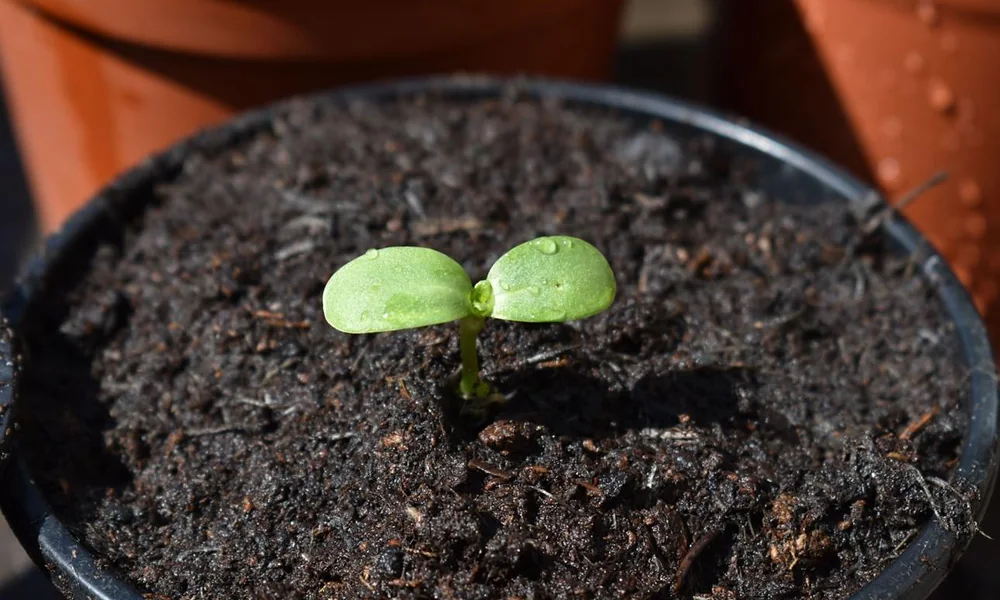
Plant growth begins in different ways depending on the species, but many familiar garden plants start from seeds.
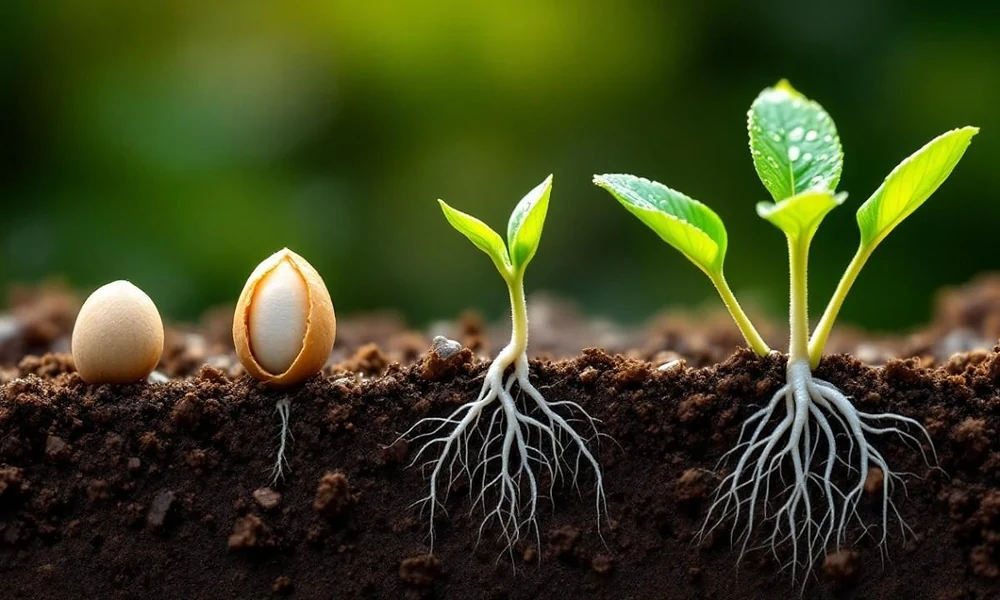
When a viable seed receives suitable moisture, oxygen, and temperature, it may germinate. A root typically emerges first, followed by a shoot that grows toward the light.
As the seedling develops, it produces leaves and expands its root system. The roots absorb water and nutrients, while the leaves capture light for photosynthesis.
Plants also grow through specialized tissues that produce new cells. In many plants, these growing regions are found at the tips of roots and shoots.
Mature plants may produce flowers, cones, or spores, depending on their group. Flowering plants can form seeds after successful pollination and fertilization.
Not every plant follows the same life cycle. Some complete their lives in one season, others live for several years, and some trees survive for centuries.
How to Care for Plants at Home
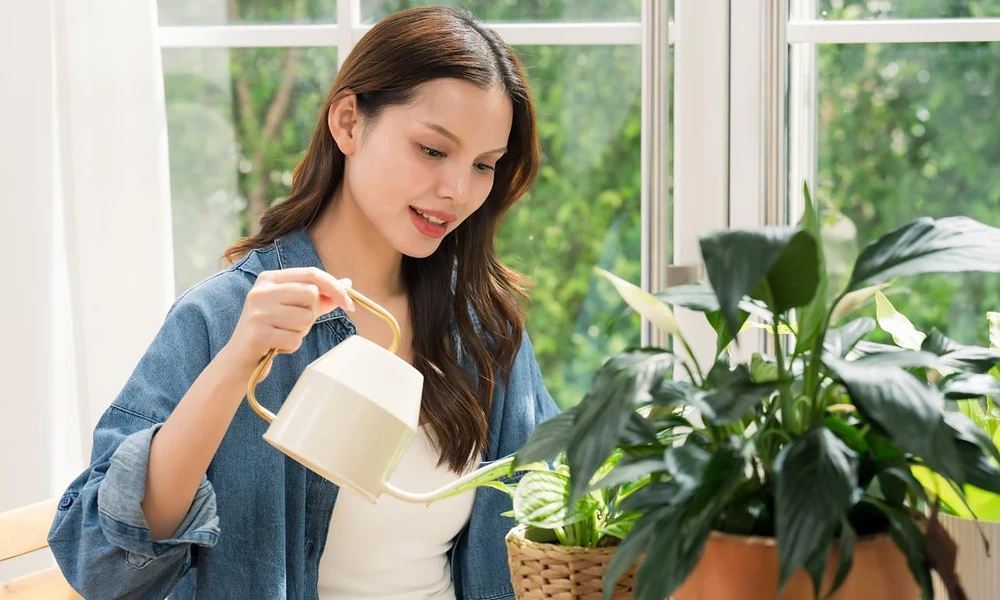
You do not need to be an expert gardener to keep plants healthy. Start by choosing species that suit your space and build a simple routine around their needs.
Choose the Right Location for Your Plants
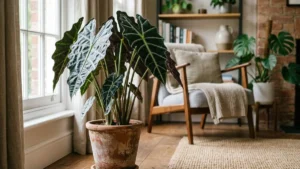
Consider how much sunlight enters your home or garden throughout the day. A bright windowsill may be suitable for herbs, while some tropical houseplants prefer filtered light.
Avoid placing plants in locations where their leaves repeatedly touch cold glass or receive harsh heat from radiators and vents.
Water According to the Plant
Check the soil moisture before watering. Some plants prefer the upper layer of soil to dry between waterings, while others need consistently moist but not saturated soil.
When watering potted plants, allow excess water to escape through the drainage holes. Empty the saucer if water collects beneath the pot.
Use an Appropriate Pot
Choose a container that accommodates the roots without holding an excessive amount of wet soil. Drainage holes are particularly important for most common potted plants.
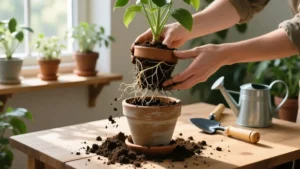
If a plant becomes root-bound or its growing medium breaks down, repotting may help. Move it into a suitably sized container rather than automatically choosing the largest pot available.
Remove Damaged Growth
Trim dead leaves and damaged stems with clean tools. For plants that tolerate pruning, occasional trimming can help maintain a balanced shape and encourage branching.
Research the needs of a particular species before making major cuts, because some plants do not regrow well from old woody stems.
Watch for Pests
Inspect the leaves, stems, and soil occasionally for signs of pests. Spider mites, aphids, mealybugs, and fungus gnats can affect houseplants and garden plants.
Act early when you notice a problem. Identify the pest first, isolate affected indoor plants when practical, and use an appropriate treatment according to its instructions.
How Do Plants Grow? From Seed to Mature Plant
Plants offer benefits that go well beyond their appearance.
They Support Life on Earth
Through photosynthesis, plants use light energy to convert carbon dioxide and water into sugars, releasing oxygen as a by-product. Plants and algae contribute substantially to the oxygen cycling that supports life on Earth.
Plants also form the foundation of many food webs, supplying energy and habitat for animals, fungi, and other organisms.
They Provide Food
Fruits, vegetables, grains, nuts, seeds, and many cooking oils come from plants. Herbs and spices also add flavor and variety to meals.
Agriculture depends heavily on plants, making healthy crops essential to food production around the world.
They Support Wildlife
Flowers can provide nectar and pollen for pollinators. Trees, shrubs, grasses, and other vegetation offer food, nesting sites, and shelter for many animals.
Native plants are particularly valuable in many landscapes because local wildlife may depend on relationships developed with those species over time.
They Make Spaces More Inviting
Houseplants, garden beds, and trees can make indoor and outdoor spaces feel more comfortable and attractive.
Gardening can also provide an enjoyable activity that encourages people to spend time outdoors, observe seasonal changes, and care for living things.
They Have Practical Uses
Plants supply timber, paper fibers, textiles, oils, dyes, fragrances, and many other materials. Numerous medicines have also been developed from plant-derived compounds, although not every plant is safe to consume or use medicinally.
Always identify plants correctly and use them according to reliable safety guidance.
Common Plant Problems and How to Recognize Them
Act early when you notice a problem. Identify the pest first, isolate affected indoor plants when practical, and use an appropriate treatment according to its instructions.
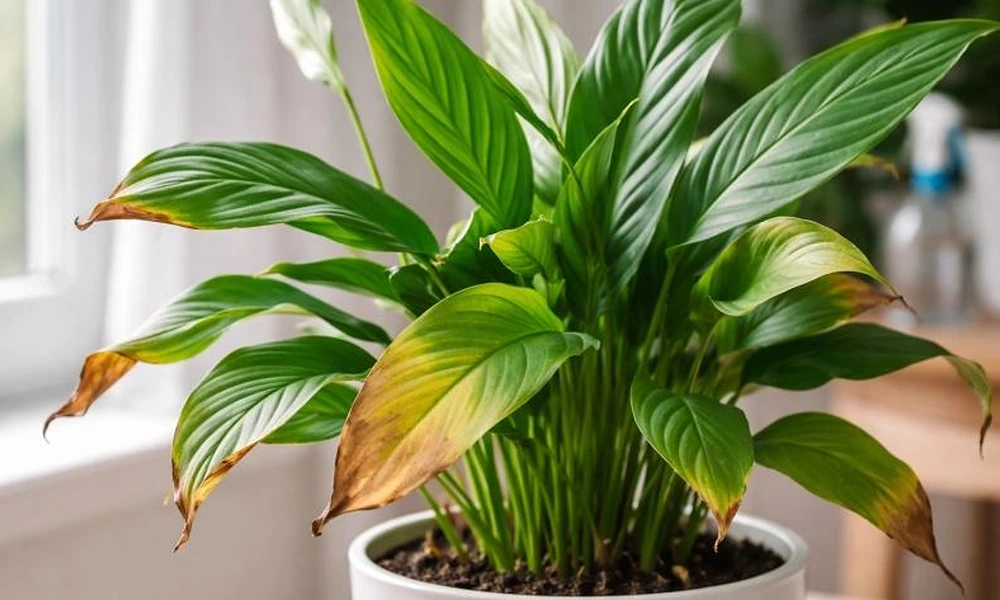
Yellow leaves: These may result from overwatering, poor drainage, nutrient deficiencies, insufficient light, or natural aging.
Brown leaf tips: Low humidity, inconsistent watering, salt buildup, or fertilizer damage can contribute to browning.
Wilting: A plant may wilt because it is too dry, but waterlogged roots can also prevent it from absorbing water properly.
Slow growth: Insufficient light, unsuitable temperatures, poor root health, or a lack of nutrients may be responsible.
Spots or damaged leaves: Fungal or bacterial diseases, insects, physical damage, and environmental stress can all cause visible marks.
Do not automatically treat every symptom with fertilizer or additional water. Examine the soil, light exposure, roots, and foliage to narrow down the cause.
How to Choose the Right Plants for Your Space
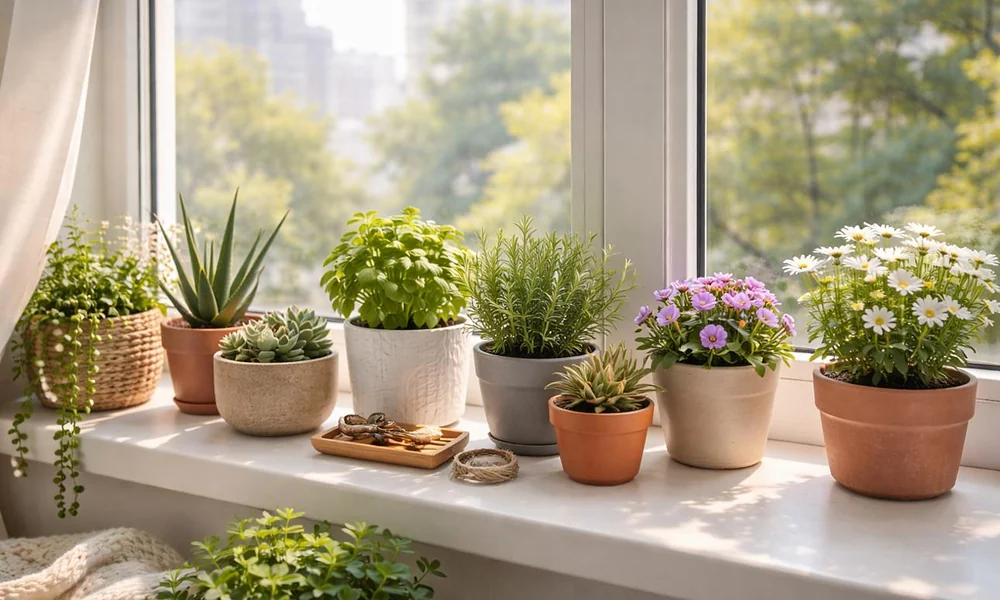
The best plant is not necessarily the rarest or most expensive one. It is the plant whose needs match the conditions you can provide.
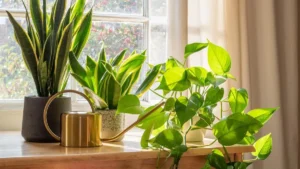
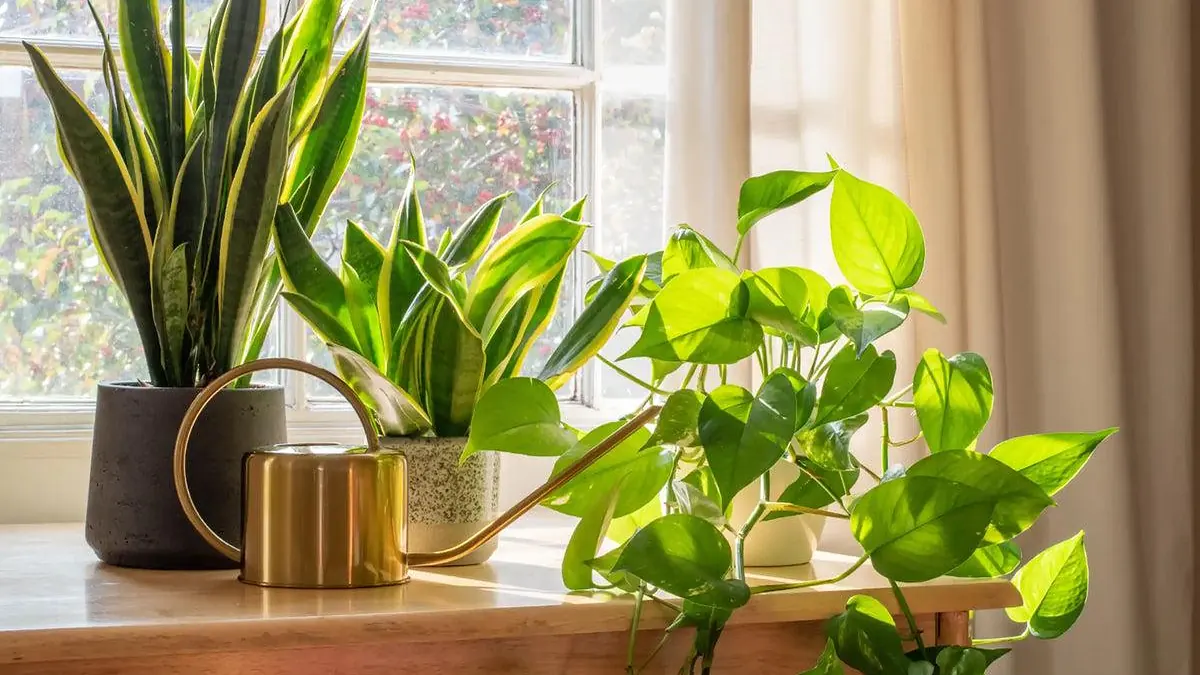
For a sunny kitchen, consider suitable culinary herbs such as rosemary or basil. For a bright living room, you might explore plants such as pothos, philodendrons, or a suitable indoor palm, depending on the available light and space.
For a garden with limited rainfall, consider drought-tolerant plants suited to your local climate. If you have a shady garden, look for species that naturally tolerate lower light rather than trying to grow sun-loving flowers in unsuitable conditions.
Pet owners should also check toxicity information before bringing new plants into the home. Some popular ornamental plants can be harmful if cats or dogs chew or swallow them.
Start with one or two plants, learn their care requirements, and expand your collection as you gain confidence. If you prefer a flowering houseplant, the peace lily is a classic choice, our peace lily care guide covers its light, water, and humidity needs in detail.
Frequently Asked Questions About Plants
What is the easiest plant to grow for beginners?
Pothos, snake plants, and some succulents are popular beginner choices because they can tolerate certain care mistakes. However, each still needs suitable light, watering, and drainage.
Do all plants need sunlight?
Most familiar green plants depend on light for photosynthesis, but they do not all need direct sunlight. Some grow naturally in shade or filtered light. Certain parasitic plants obtain some or most of their nutrition from other organisms, so plant biology has exceptions.
How often should plants be watered?
There is no universal watering schedule. Check the soil and consider the species, pot size, temperature, and growing conditions before watering.
Why are plants important to humans?
Plants provide food, materials, habitat, and many resources used in daily life. They also support ecosystems and participate in the global cycling of carbon and oxygen.
What is the difference between annual and perennial plants?
Annual plants complete their life cycle within one growing season. Perennials can live for multiple years, although their above-ground growth may die back during unfavorable seasons.
Can plants grow without soil?
Yes. Some plants can grow in water-based hydroponic systems or other soil-free growing media, provided they receive suitable water, oxygen, nutrients, light, and environmental conditions.
How do I know if my plant is healthy?
Healthy growth varies by species, but common signs include firm stems, foliage with the expected color and texture, and new growth during the appropriate season. A plant can still be healthy without growing rapidly, especially during dormancy.
Final Thoughts on Plant Care
Plants are an essential part of our world, and learning about them opens the door to gardening, nature study, and a better understanding of the environment. From flowering plants and trees to succulents and aquatic species, each group has its own characteristics and growing needs.
If you are starting your plant journey, begin with a species suited to your space, provide the right light and drainage, and learn to recognize its signs of stress. Small, consistent steps can make plant care much easier and more rewarding.