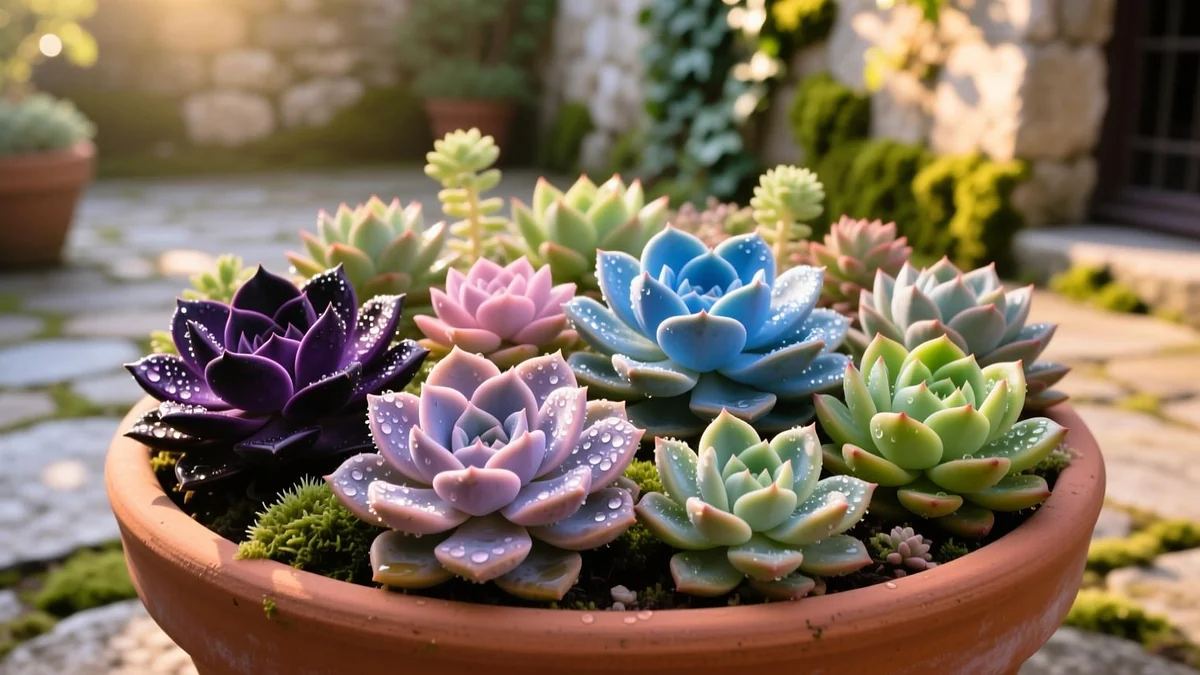
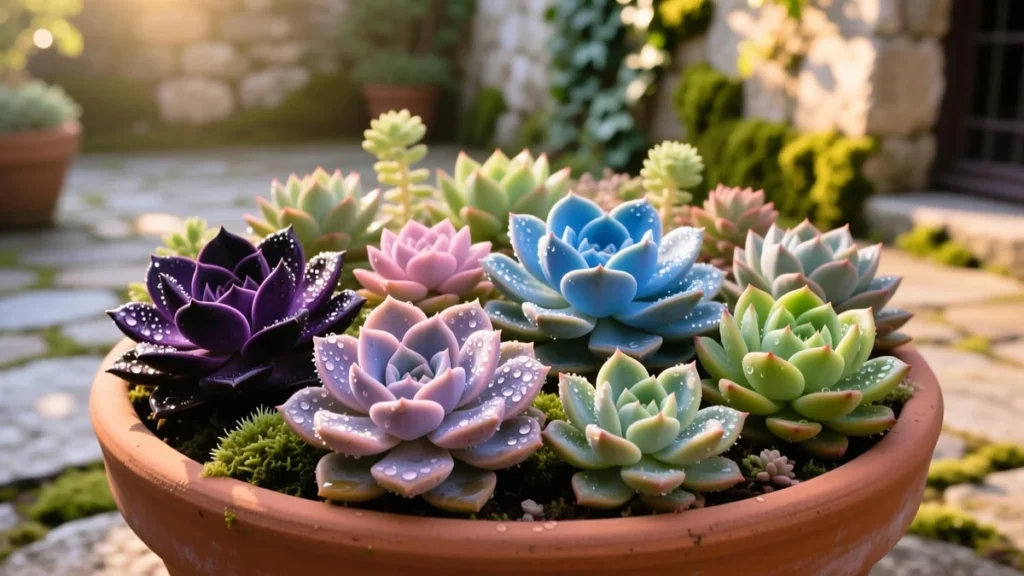
There is something special about a plant that looks beautiful without asking for attention every day. A small rosette of fleshy leaves on a sunny windowsill, a cluster of colorful succulents in terracotta pots, or a mature jade plant beside a bright window can make a space feel alive without creating a demanding gardening routine.
That is part of the appeal of succulent plants. Their unusual shapes, thick leaves, and remarkable ability to store water make them fascinating to grow. They come in an extraordinary range of sizes and colors, from tiny ground-hugging rosettes to branching plants that can eventually become small shrubs.
But succulents have one common weakness: too much water. A plant that appears easy to care for can quickly develop root rot if it sits in wet soil, especially when the container lacks drainage or the growing conditions are too dark.
The secret to growing healthy succulents is understanding how they store water, how much light they need, and why their roots benefit from a well-draining growing medium.
Whether you are choosing your first succulent or expanding an existing collection, this guide will help you select suitable varieties, avoid common mistakes, and enjoy these distinctive plants for years.
What Are Succulent Plants?
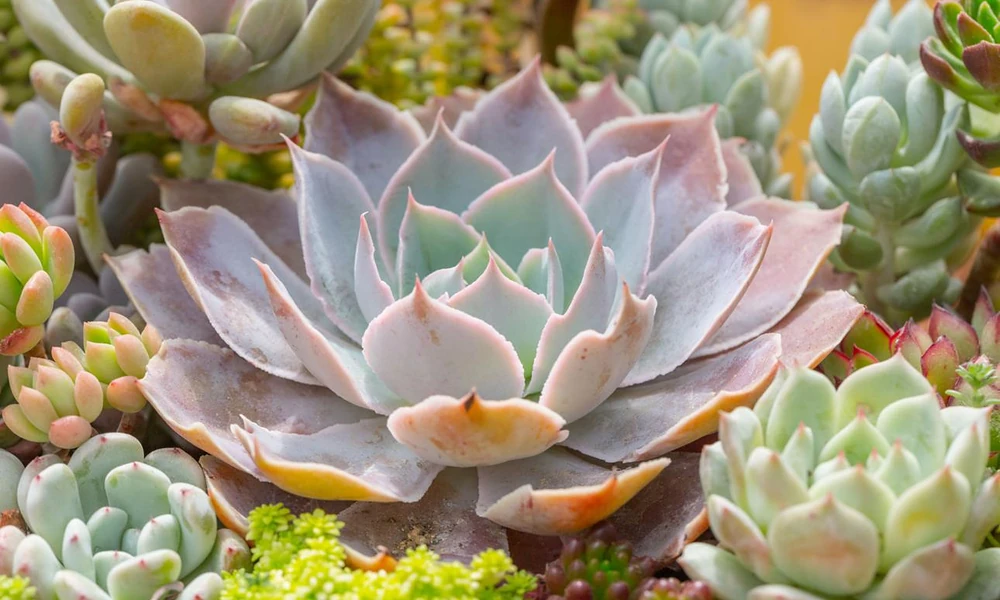
Succulent plants are plants with specialized tissues that store water, usually in their leaves, stems, or roots. These adaptations help them survive periods when water is limited.
Many succulents originate in dry environments, but not all come from deserts. Some grow in rocky landscapes, tropical forests, or other habitats where water availability changes throughout the year.
Their water-storing structures often give them thick, fleshy leaves or stems. Some species grow in compact rosettes, while others develop branching stems, trailing growth, or tall, upright forms.
Common examples include:
- Echeveria: Compact rosettes with fleshy leaves.
- Jade plant: A branching succulent with thick, rounded leaves.
- Aloe vera: A succulent with long, fleshy leaves.
- Haworthia: Small plants with patterned or textured foliage.
- Sedum: A diverse group that includes trailing and upright varieties.
- Sempervivum: Rosette-forming succulents commonly called hens and chicks.
- Kalanchoe: A group that includes leafy succulents and flowering varieties.
Cacti are also succulents because they store water, mainly in their stems. However, not every succulent is a cactus. The term succulent describes a broad range of plants with water-storing adaptations, rather than one single botanical family.
Best Succulent Plants for Beginners
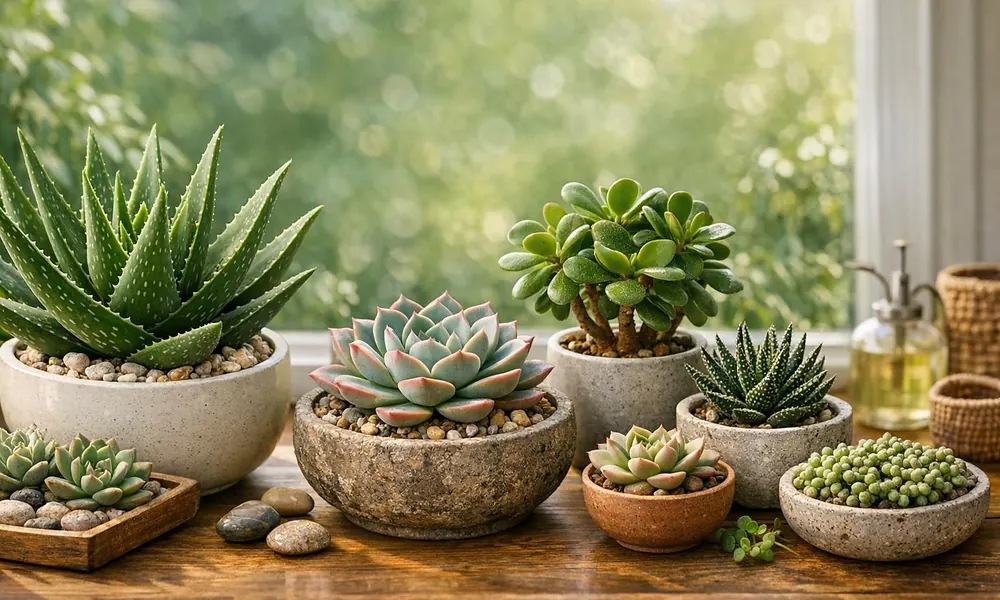
If you are new to growing succulents, start with a variety that suits the light available in your home. Even drought-tolerant plants need appropriate growing conditions.
1. Echeveria
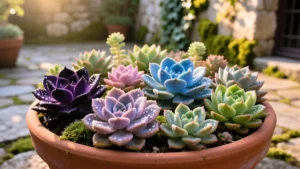
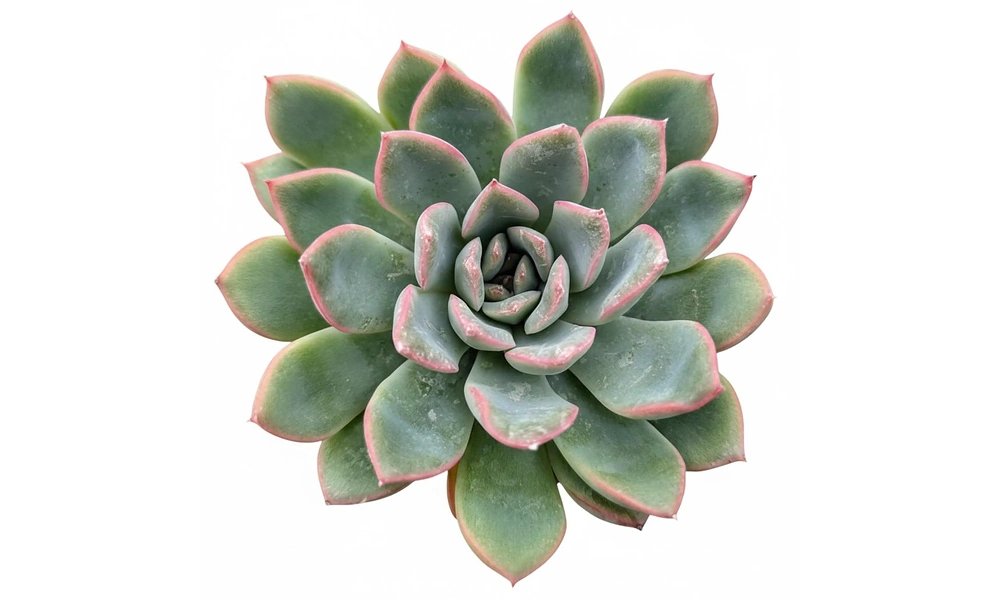
Echeverias are admired for their symmetrical rosettes, which can resemble flowers even when the plants are not blooming. Their leaves may be pale green, blue-gray, pink, purple, or edged with contrasting colors.
They work well in individual pots, shallow arrangements, and sunny windowsills.
Most echeverias need bright light and a fast-draining growing medium. Without enough light, they may stretch and lose their compact shape.
Water thoroughly when the soil has dried, then allow excess water to drain away. Avoid leaving water trapped in the center of the rosette for extended periods.
2. Jade Plant
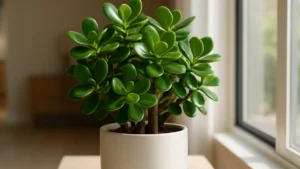
The jade plant, Crassula ovata, is a branching succulent with thick stems and fleshy, oval leaves. With time and suitable care, it can develop a small tree-like shape.
It is a popular choice for sunny windowsills and bright indoor spaces because it can tolerate periods of dry soil.
Allow the potting mix to dry between waterings, and provide plenty of bright light. Avoid moving it suddenly from a dim location into strong direct sunlight, as its leaves may scorch.
Jade plants are toxic to cats and dogs if ingested.
3. Aloe Vera
Aloe vera has long, fleshy leaves that grow from a central base. It is widely grown as an ornamental succulent and is suitable for bright indoor spaces.
Place it near a bright window and use a well-draining succulent mix. Let the soil dry thoroughly between waterings.
Aloe vera is often associated with skin care, but household plants should not be treated as automatically safe for consumption or home remedies. The plant can be toxic to cats and dogs if eaten.
4. Haworthia
Haworthia plants are generally compact succulents with pointed leaves, raised patterns, or distinctive translucent markings, depending on the species.
Many are suitable for small pots, desks, and bright indoor areas that do not receive intense direct sunlight throughout the day.
They generally appreciate bright, indirect light and a well-draining growing medium. Their exact light and watering needs vary by species, so avoid assuming that every haworthia should be treated exactly like a sun-loving echeveria.
5. Sedum
Sedums include a wide range of succulents, from low-growing ground covers to upright plants and trailing varieties.
Some are especially useful in outdoor containers and rock gardens, while others work well in hanging planters or indoor collections.
Their care requirements depend on the species. Many need bright light and well-draining soil, and some outdoor varieties tolerate cold weather better than tender indoor succulents.
Check the identity of your sedum before deciding where to grow it.
6. Sempervivum
Sempervivum, commonly called hens and chicks, produces rosettes that can form attractive clusters over time.
Many varieties are adapted to outdoor growing and can tolerate cold conditions, making them useful for rock gardens, troughs, and outdoor containers.
They generally need plenty of light and good drainage. Although they may look similar to some echeverias, sempervivum often handles colder outdoor conditions better.
If you want to grow them indoors, provide enough light to prevent stretching.
7. Kalanchoe
Kalanchoe is a diverse group of plants that includes popular flowering succulents. Some varieties produce clusters of colorful flowers, while others are grown mainly for their foliage.
Flowering kalanchoes can brighten a sunny indoor space or a suitable outdoor container in warm weather.
Provide bright light and a well-draining mix. Let the soil dry between waterings, and avoid keeping the pot continuously wet.
Some kalanchoe species are toxic to pets, so check the particular variety before bringing it into a home with cats or dogs.
How to Choose the Right Succulent for Your Space
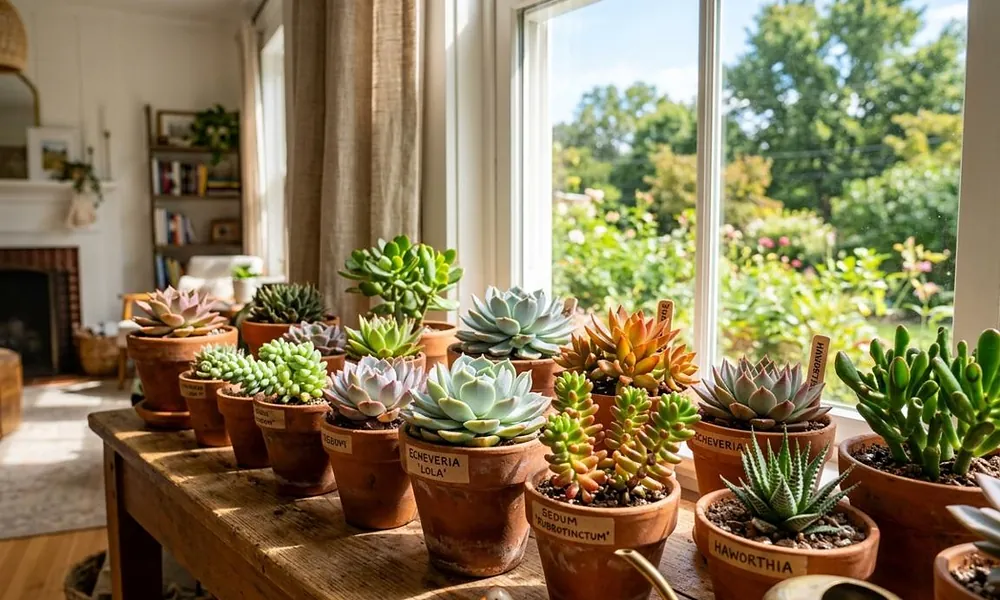
Succulents are often marketed as simple houseplants, but their needs can differ considerably. The right choice depends on where you plan to grow the plant.
Consider the Available Sunlight
Light is one of the biggest factors affecting succulent growth.
Many popular succulents need several hours of bright light daily to maintain compact growth. Echeverias and many jade plants generally prefer bright conditions, while some haworthias are more comfortable in bright indirect light.
A plant that stretches toward a window, develops unusually large spaces between leaves, or loses its compact shape may not be receiving enough light.
If you move a succulent from a shaded room into direct sunlight, introduce stronger light gradually. Sudden exposure can cause sunburn, especially on plants that have been growing indoors.
Decide Between Indoor and Outdoor Growing
Some succulents adapt well to indoor containers, while others thrive more easily outdoors.
Indoor plants need a suitable window or grow light. Outdoor succulents may receive more intense sunlight and airflow, but they also face rain, temperature changes, and seasonal conditions.
Before planting outdoors, check whether the variety can tolerate your local climate. Not all succulents tolerate frost, prolonged rain, or extreme heat equally well.
Choose a Suitable Container
The container affects how quickly the soil dries.
Terracotta pots are popular because their porous walls allow moisture to evaporate through the sides. Plastic and glazed ceramic pots retain moisture for longer, so watering may need to be adjusted accordingly.
Whatever material you choose, drainage holes are especially important for most succulents.
Avoid choosing a very large pot for a tiny plant. Excess soil can stay wet longer than the roots can use it, increasing the risk of root problems.
Think About the Plant’s Mature Size
A small succulent may look perfect on a desk, but some species eventually grow wider, taller, or more heavily branched.
Check the expected mature size before buying. Trailing sedums need room to spread, while mature jade plants may need a sturdy pot and space for their branches.
How to Care for Succulent Plants
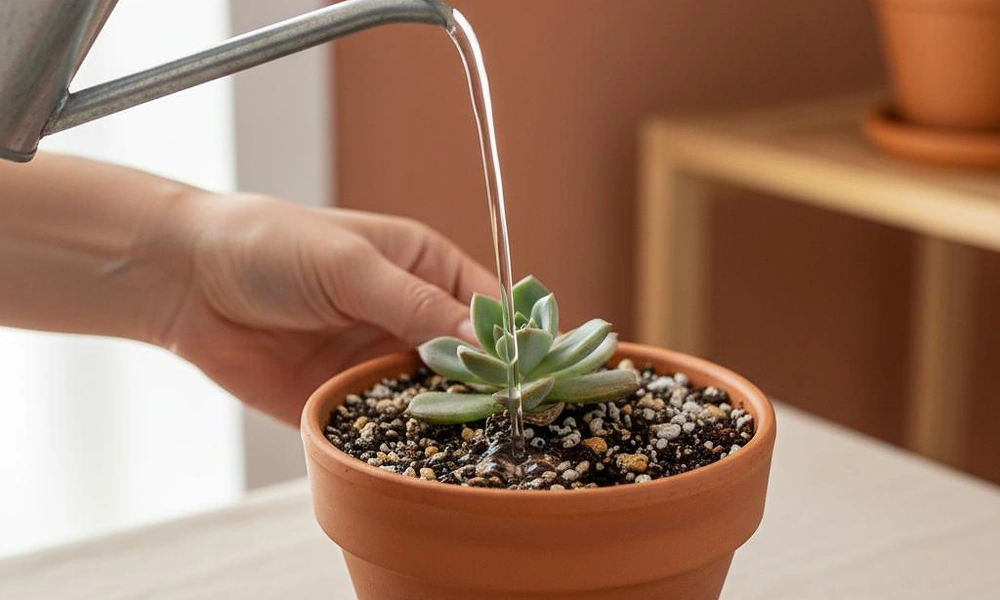
Successful succulent care comes down to a few essentials: appropriate light, careful watering, good drainage, and a growing medium that suits the species.
Water Deeply, Then Allow the Soil to Dry
Succulents store water in their tissues, so they usually need less frequent watering than many tropical foliage plants.
Rather than giving them small splashes of water every day, water thoroughly when the growing medium has dried sufficiently for that particular plant. Let the excess water drain completely.
The time between waterings depends on the species, pot, temperature, light, and growing medium. A succulent in a small terracotta pot near a sunny window may dry much faster than one in a large plastic container in a cool room.
Do not follow a rigid weekly schedule without checking the soil
Use a Well-Draining Potting Mix
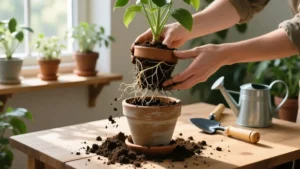
Succulent roots need oxygen as well as moisture. Soil that remains wet for too long can encourage root rot.
A commercial succulent and cactus mix is a useful starting point. Depending on the product and growing conditions, it may be improved with suitable mineral materials such as pumice or perlite to increase drainage and airflow.
Avoid using dense garden soil in small indoor pots. It may compact and hold excessive moisture.
Provide Enough Light
Most common succulents need bright light, although the amount of direct sunlight varies by species.
A bright windowsill can work well for many indoor succulents. If the plant begins to stretch, lean strongly toward the window, or lose its compact shape, consider whether it needs more light.
If natural light is insufficient, a suitable grow light can help. Follow the light manufacturer’s guidance and monitor the plant for signs of stress.
Protect Succulents From Sudden Sun Exposure
A succulent that has been growing indoors may not be adapted to intense outdoor sunlight.
Moving it directly from a shaded room into strong midday sun can cause pale, bleached, or brown patches on the leaves.
Introduce outdoor light gradually over several days or longer, depending on the plant and the intensity of the conditions. Provide some protection during the adjustment period.
Fertilize Sparingly
Succulents generally do not need heavy feeding. During active growth, some benefit from a balanced fertilizer formulated for container plants or succulents.
Follow the product’s instructions and avoid applying concentrated fertilizer to dry or stressed roots.
Plants that are dormant or growing slowly may need little or no additional fertilizer. Excess fertilizer can cause problems rather than encourage healthy growth.
Maintain Suitable Temperatures
Temperature preferences vary between succulent species.
Many common indoor succulents prefer warm growing conditions and need protection from frost. Some outdoor varieties, including certain sempervivums and sedums, can tolerate much colder conditions.
Do not assume that every succulent is a desert plant that can handle extreme heat or cold. Check the needs of the specific species you are growing.
Common Succulent Problems and How to Fix Them
Succulents often show visible signs when their growing conditions are unsuitable. Learning to recognize these changes can help you correct problems before they become severe.
Soft, Mushy Leaves
Soft leaves, especially when the soil remains wet, may indicate overwatering or root damage.
Check the growing medium and make sure the pot drains properly. If the plant’s base is soft or the roots appear dark and mushy, root rot may be developing.
Remove severely damaged tissue where appropriate and repot healthy remaining parts into fresh, well-draining mix if the plant can be salvaged. Correct the watering conditions before watering again.
Wrinkled or Shriveled Leaves
Wrinkled leaves can indicate that a succulent needs water, but they are not always proof of underwatering.
Check the soil. If it is completely dry and the plant is showing signs of dehydration, watering may help. If the soil is wet, the roots may be damaged and unable to absorb water properly.
Avoid adding more water automatically without checking the growing medium first.
Stretching or Leggy Growth
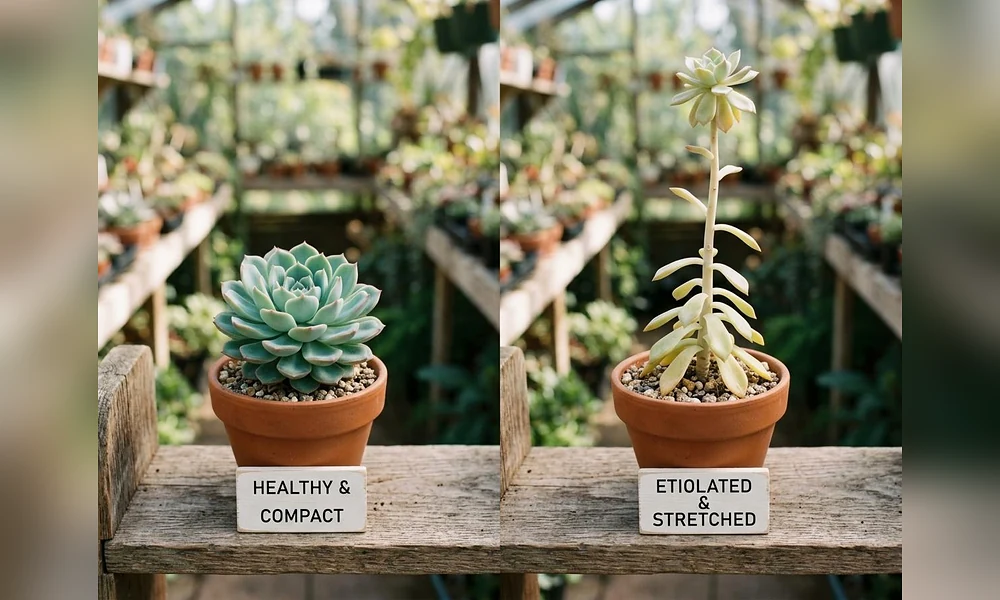
When a compact succulent develops long stems and widely spaced leaves, insufficient light is a common cause.
Move the plant gradually toward a brighter location or provide a suitable grow light. Older stretched growth may not return to its original shape, but healthy new growth may become more compact.
Brown or Scorched Patches
Brown, pale, or bleached patches can develop when leaves receive more direct sunlight than the plant is adapted to tolerate.
Consider whether the succulent was recently moved to a brighter position. Gradually acclimate it to stronger sunlight and protect it during the hottest part of the day if necessary.
Brown patches may also result from physical damage or disease, so examine the plant’s overall condition.
Leaves Falling Off
Some leaf loss is normal, particularly when older leaves at the base of a plant dry out.
However, widespread leaf drop may indicate overwatering, underwatering, sudden temperature changes, or other stress.
Check moisture levels, lighting, and recent changes in the plant’s environment before adjusting its care.
Pests on Succulents
Succulents can be affected by pests such as mealybugs, scale insects, and spider mites.
Inspect the leaf joints, undersides, and areas near the plant’s base. Isolate an affected plant when possible and use an appropriate treatment according to its instructions.
Avoid applying oils or other products carelessly in strong sunlight, as some treatments can damage foliage.
How to Propagate Succulent Plants
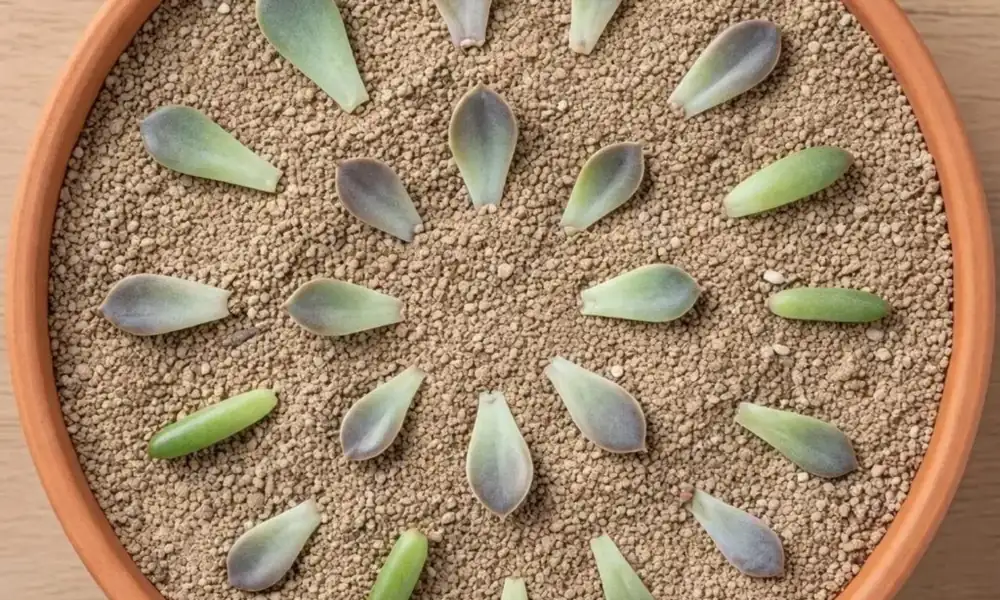
One enjoyable part of growing succulents is discovering that some varieties can produce new plants from leaves, stem cuttings, or offsets.
The appropriate method depends on the species. Not every succulent can be propagated successfully in the same way.
Leaf Propagation
Some succulents, including many echeverias, can grow new plants from individual leaves.
Choose a healthy leaf and remove it carefully, aiming to keep the base intact. Let the cut end dry and form a callus before placing it on or into a suitable propagation medium, following the needs of the species.
Keep the medium lightly managed rather than waterlogged, and provide bright indirect light while roots and new growth develop.
Not every leaf will produce a new plant, so patience is important.
Stem Cuttings
Some branching or trailing succulents can be propagated from stem cuttings.
Use a clean tool to take a healthy cutting, then allow the cut end to dry and form a callus where appropriate. Place it in a well-draining propagation medium and wait for roots to develop.
Avoid watering heavily before the cutting has established roots. The exact timing varies with the species and growing conditions.
Offsets and Pups
Certain succulents produce small plants around their base. These offsets can sometimes be separated and grown individually once they have developed enough roots.
Remove them carefully, allow any damaged surfaces to dry as needed, and plant them in a suitable container.
This method is particularly useful for plants that naturally form clusters or produce pups.
Are Succulents Good Indoor Plants?
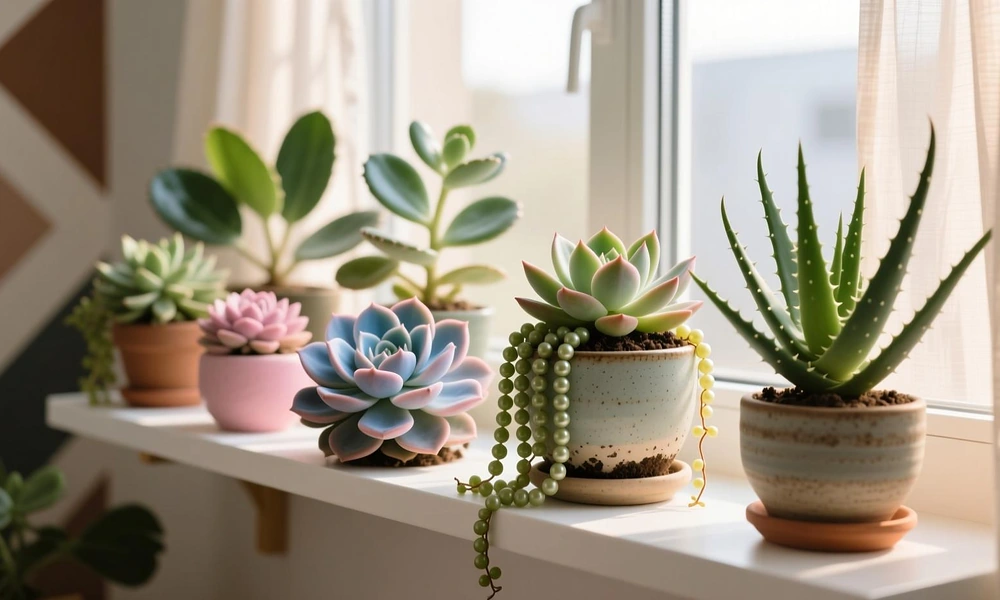
Succulents can be excellent indoor plants when the conditions suit their needs. Their varied shapes and colors work well with many decorating styles, and their water-storing tissues often allow them to tolerate periods between waterings.
However, their popularity can create unrealistic expectations. Many succulents need more light than an ordinary dim room provides, and keeping them in wet soil can quickly cause problems.
If your home has a bright windowsill, succulents may be a good choice. If the available light is very low, consider a species that tolerates lower light or use an appropriate grow light.
It is better to choose a succulent that fits your environment than to struggle to maintain one that needs conditions your home cannot provide.
Frequently Asked Questions About Succulent Plants
How often should succulent plants be watered?
Watering frequency depends on the species, pot, soil, light, and temperature. Check whether the growing medium has dried sufficiently before watering, then allow excess water to drain away.
Do succulents need direct sunlight?
Many succulents prefer bright light, and some need several hours of direct sunlight. Others grow better in bright indirect light. Check the needs of your particular species and introduce stronger sunlight gradually.
Can succulent plants grow indoors?
Yes. Many succulents can grow indoors if they receive sufficient light and have a well-draining potting mix. A bright windowsill or suitable grow light can help meet their needs.
Why are my succulent leaves turning yellow?
Yellow leaves may result from overwatering, poor drainage, insufficient light, or natural ageing. Check the soil and roots before deciding how to respond.
Why is my succulent becoming tall and stretched?
Stretching, also called etiolation, commonly occurs when a succulent does not receive enough light. Move it gradually to a brighter location or provide a suitable grow light.
Do succulents need special soil?
Most container-grown succulents benefit from a well-draining growing medium. A suitable cactus and succulent mix is a common starting point, although some species need adjustments to their growing medium.
Can succulents survive winter?
Some succulents tolerate cold weather, while others are sensitive to frost. Their hardiness depends on the species and growing conditions. Check the variety’s temperature requirements before leaving it outdoors during winter.
Are succulent plants safe for pets?
Pet safety varies by species. Aloe vera and jade plants are toxic to cats and dogs, while some other succulents may be less hazardous. Identify the plant before bringing it into a home with pets and consult a reliable veterinary source if ingestion occurs.
Final Thoughts
Succulent plants can bring an extraordinary range of shapes, textures, and colors into a home or garden. Their water-storing leaves make them fascinating to grow, but their success depends on more than simply watering them less often.
Choose varieties that suit your available light, use a well-draining growing medium, and check the soil before watering. Pay attention to changes in the leaves and adjust your care gradually rather than making several changes at once.
Start with one or two succulents and learn how they respond to your environment. With the right conditions, even a small collection can become a rewarding part of your gardening routine.