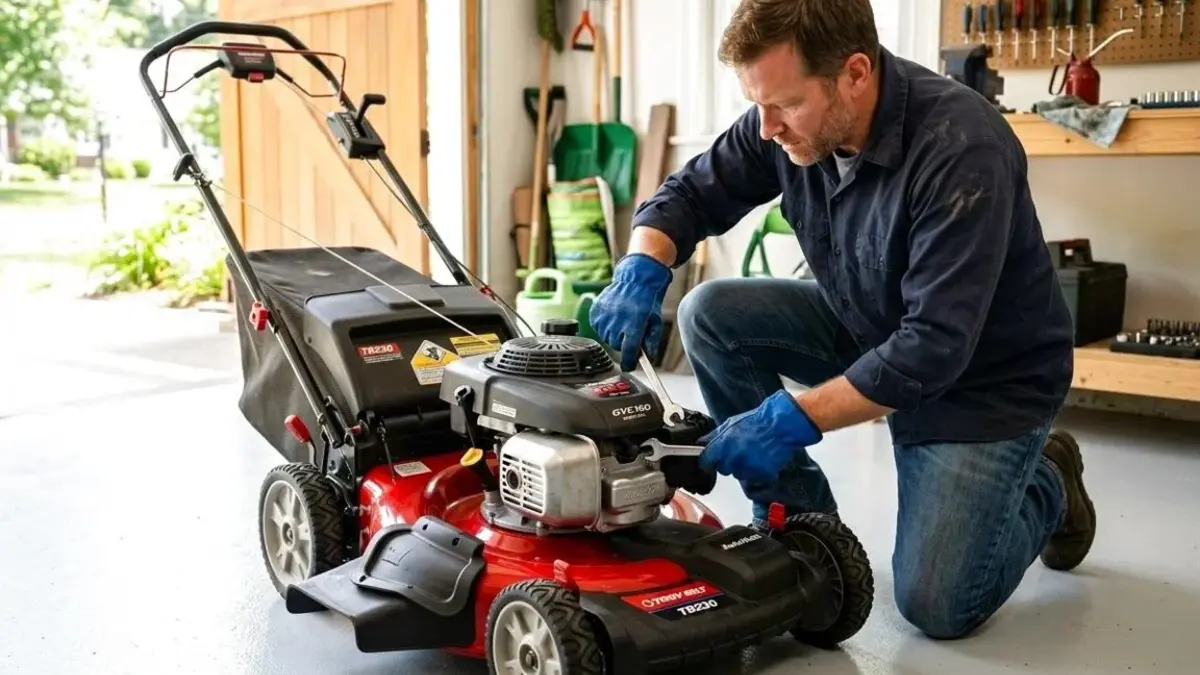
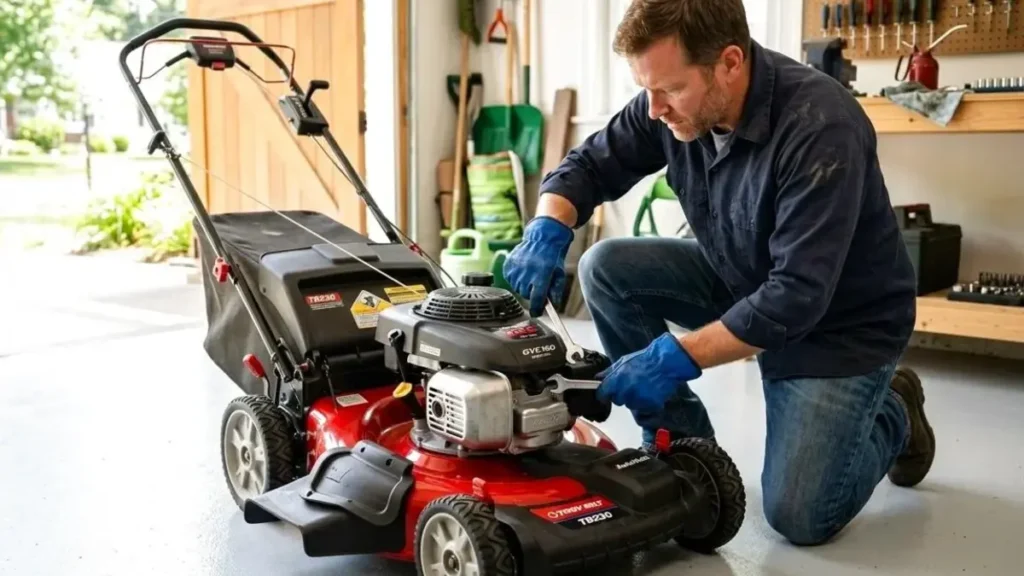
A lawn mower that refuses to start on a Saturday morning has a special talent for ruining gardening plans. You have the lawn to cut, the weather is cooperating, and everything is ready except the machine.
Before you assume your mower needs expensive repairs, take a moment to identify the problem. Many common lawn mower issues, including starting difficulties, uneven cutting, clogged decks, and poor performance, can be traced to basic maintenance problems.
The right fix depends on whether you have a gas-powered, electric, battery-powered, or riding mower. Some repairs are straightforward enough for a homeowner, while others require specialist tools or professional servicing.
This guide explains how to approach lawn mower repair safely, troubleshoot common problems, and decide when it’s better to call a repair technician.
1. Start With Lawn Mower Safety
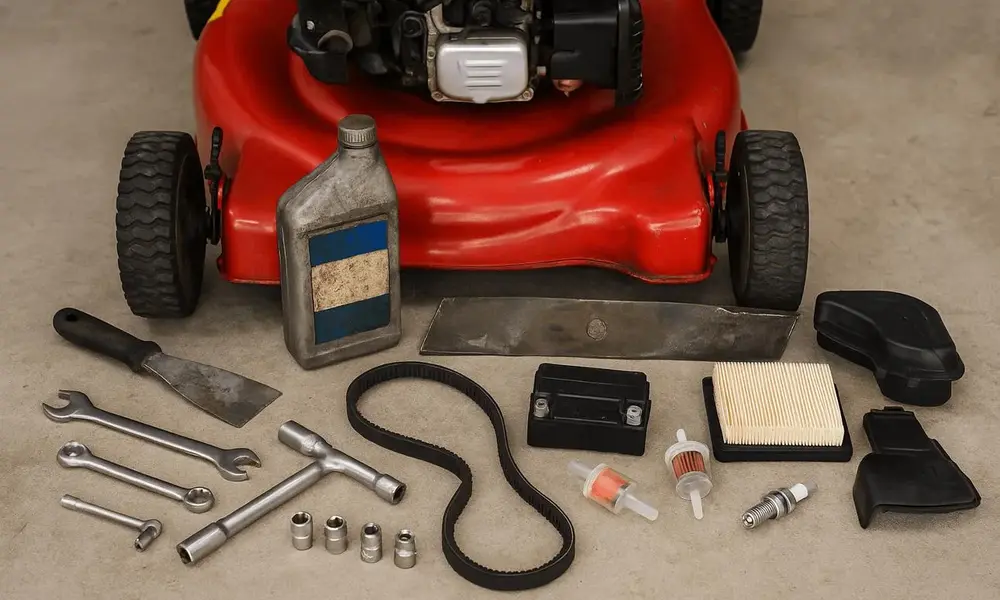
Before inspecting or repairing your lawn mower, make it impossible to start accidentally.
For a gas-powered mower, switch off the engine, allow it to cool, and disconnect the spark plug wire according to the manufacturer’s instructions. For a cordless electric mower, remove the battery. For a corded electric model, unplug the power cord. Riding mowers and more complicated machines may require additional precautions specified in their manuals.
Wear sturdy gloves when working near the blade, and never assume a blade is harmless because the engine is switched off.
Work outdoors or in a suitably ventilated area when handling gasoline. Keep fuel away from flames, sparks, cigarettes, and hot engine components. Never work on a mower while its blade is moving, and do not bypass safety switches or guards.
Important: Follow the owner’s manual before cleaning under the deck, inspecting the blade, changing parts, or turning the machine over. Incorrect positioning can cause fuel or oil to enter areas where it should not.
Once the mower is safely disabled, you can begin troubleshooting.
2. Lawn Mower Won’t Start
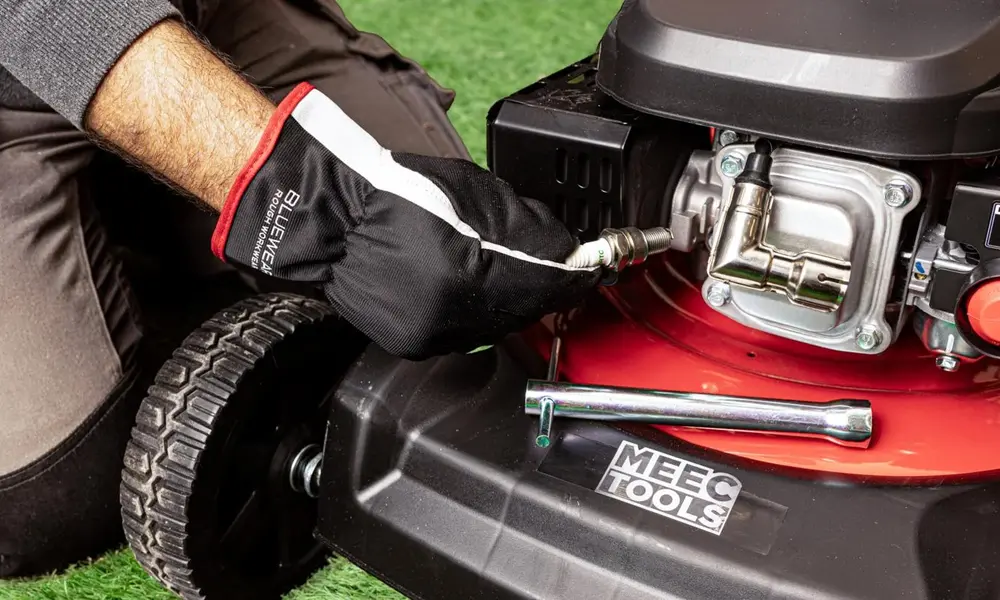
A mower that will not start is one of the most common reasons homeowners look for lawn mower repair. The problem might be simple, such as stale fuel, or it could involve the ignition, battery, or fuel system.
Check the fuel first
If you have a gas-powered mower, check whether enough fresh fuel is in the tank. Gasoline that has been stored for too long can cause starting problems, particularly after a mower sits unused for months.
If the fuel is old, follow the owner’s manual for draining and replacing it safely. Do not mix fuel types or use gasoline containing more ethanol than the manufacturer permits.
Inspect the spark plug
A dirty, damaged, loose, or worn spark plug can prevent an engine from starting properly.
With the engine cool and the spark plug wire disconnected, inspect the plug according to the manufacturer’s instructions. Replace it if it is worn or damaged, using the correct part and specified gap.
If the mower still refuses to start, a technician may need to check the ignition system or other engine components.
Check the air filter
A heavily clogged air filter restricts airflow and can make starting difficult.
Remove and inspect the filter as directed in the manual. Some foam filters can be cleaned and dried before reuse, while paper filters generally need replacement when dirty. Never operate the mower without its required air filter.
For electric and battery-powered mowers
Check the battery charge, power connection, safety key, start button, and any interlock controls. Make sure the battery is compatible and correctly installed.
If the mower still will not start, avoid opening the battery pack or electrical components unless you are qualified to work on them.
3. Lawn Mower Starts but Keeps Stalling
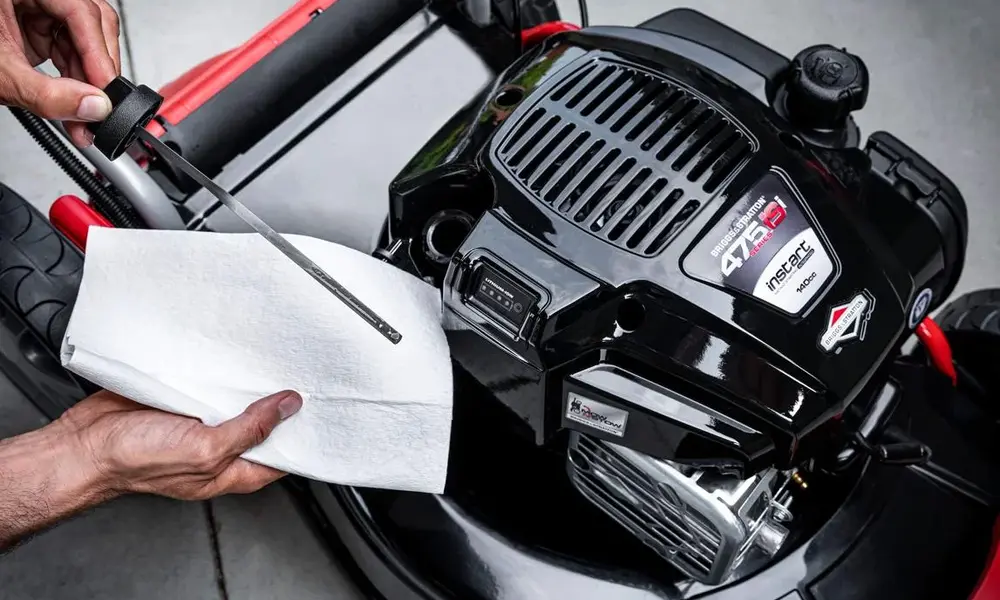
A mower that starts and then stops may have trouble receiving enough fuel or air. It may also be overheating, encountering excessive cutting resistance, or experiencing an ignition problem.
Begin with the simplest checks.
Inspect the air filter and confirm that fresh, appropriate fuel is being used. Look for grass clippings blocking the discharge chute or accumulating beneath the mower deck. Clear any obstruction only after the machine has been disabled safely.
If the engine runs for a short time and stops repeatedly, the fuel cap vent, fuel filter, carburetor, or other fuel-system components may need attention. These parts should be inspected according to the manufacturer’s repair procedures.
Also consider the grass itself. Very tall, wet, or dense grass can place extra strain on a mower. Raise the cutting height and take smaller passes rather than forcing the machine through thick growth.
If the engine continues to stall despite basic checks, professional diagnosis can prevent unnecessary replacement of parts.
4. The Lawn Mower Cuts Unevenly
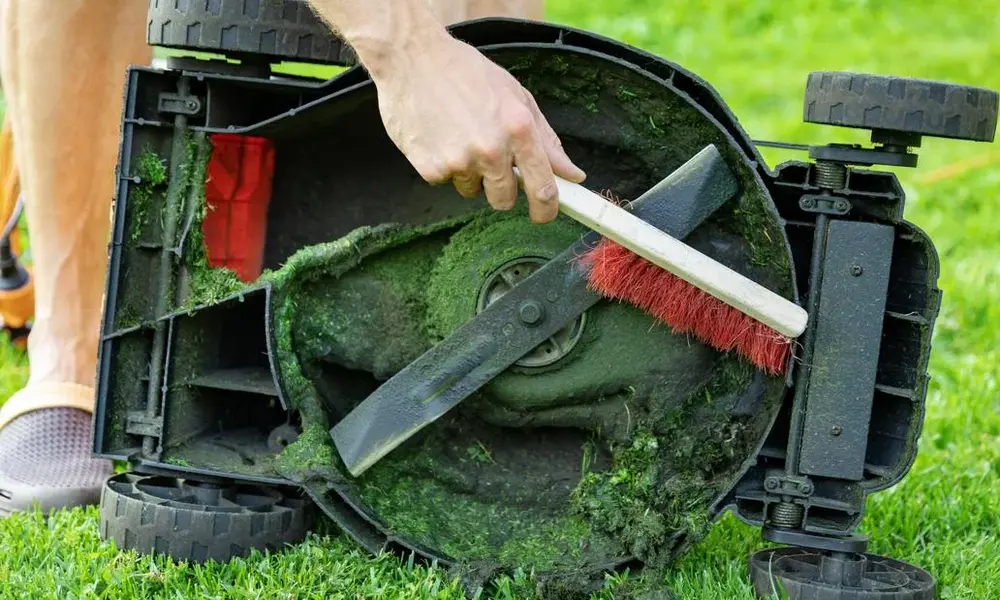
An uneven lawn can make even a healthy garden look neglected. Sometimes the mower is not cutting poorly because of a serious mechanical fault; it simply needs attention to its blade, deck, or wheel settings.
Check the blade
A dull blade can tear grass rather than cut it cleanly. A bent, damaged, or unbalanced blade can cause uneven cutting and excessive vibration.
Inspect the blade only after following the correct safety procedure. If it is bent, cracked, or badly damaged, replace it rather than attempting to reshape it. Sharpening and balancing should be carried out correctly, as an unbalanced blade can damage the mower and create a safety hazard.
Check the wheel height
Make sure the wheels are set to the same cutting height unless your mower has a design that specifies otherwise. Uneven wheel settings can leave sections of the lawn noticeably longer than others.
Clean beneath the deck
Grass clippings and packed debris can interfere with the mower’s airflow and cutting performance.
Disconnect the power source, follow the manual’s cleaning instructions, and use an appropriate tool rather than your hands to remove buildup near the blade.
If the mower continues to produce an uneven cut after these checks, inspect the deck for damage or have the blade system evaluated by a repair professional.
5. The Lawn Mower Loses Power While Cutting
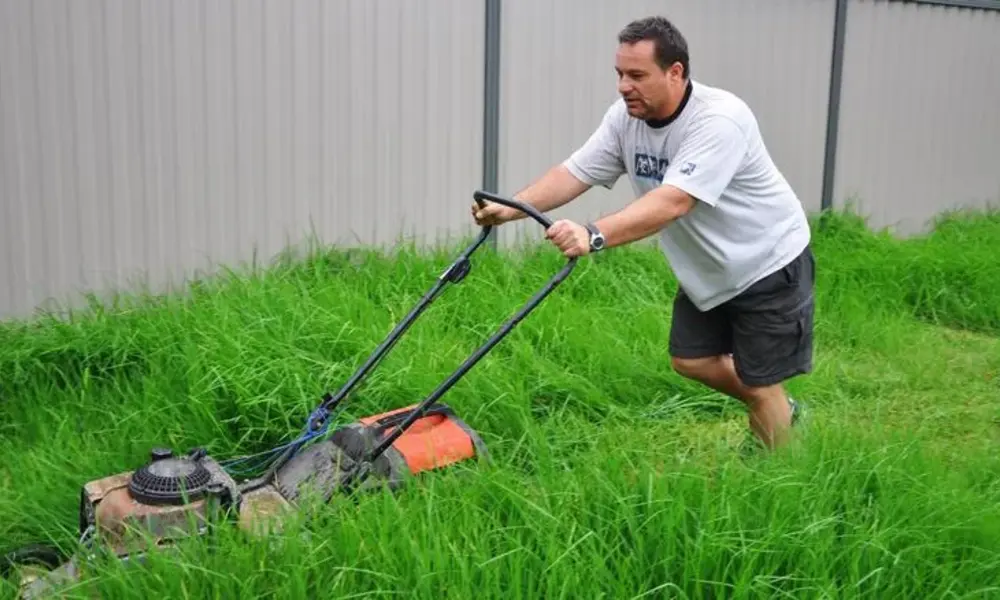
When a mower begins cutting well but struggles as soon as it reaches thicker grass, the machine may be working harder than it can comfortably manage.
Start by checking whether the cutting height is appropriate. Removing too much grass in a single pass can overload the engine or motor.
Next, examine the air filter, blade condition, and underside of the deck. A dull blade or heavy buildup can increase resistance and reduce performance.
For gas-powered mowers, fuel quality and ignition problems may also contribute to power loss. For electric models, check the battery charge, ventilation openings, and any warning indicators specified by the manufacturer.
If power loss continues, or the mower repeatedly shuts down under normal working conditions, arrange a professional inspection. Continuing to operate a struggling machine can make an underlying fault worse.
6. The Mower Vibrates or Makes Unusual Noises
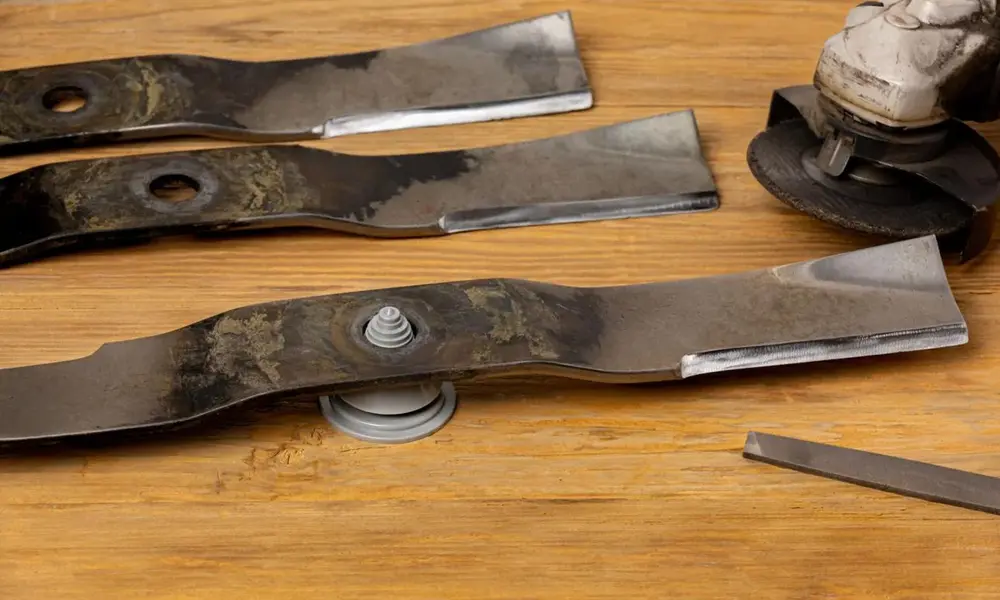
Some vibration is normal, but sudden or excessive vibration deserves immediate attention.
A damaged, loose, or unbalanced blade is one possible cause. Debris trapped in the mower deck, loose fasteners, damaged wheels, or an engine problem can also create unusual sounds or movement.
Switch the mower off immediately if it begins vibrating severely, striking objects, or making a grinding or metallic noise. Do not continue mowing to see whether the problem disappears.
Once the machine is fully disabled, inspect it only to the extent permitted by the owner’s manual. A visibly bent blade, cracked component, or loose cutting assembly should be addressed before the mower is operated again.
Avoid running the engine with covers or guards removed to investigate a noise. If the cause is not obvious, professional servicing is the safer choice.
7. The Lawn Mower Blade Won’t Engage
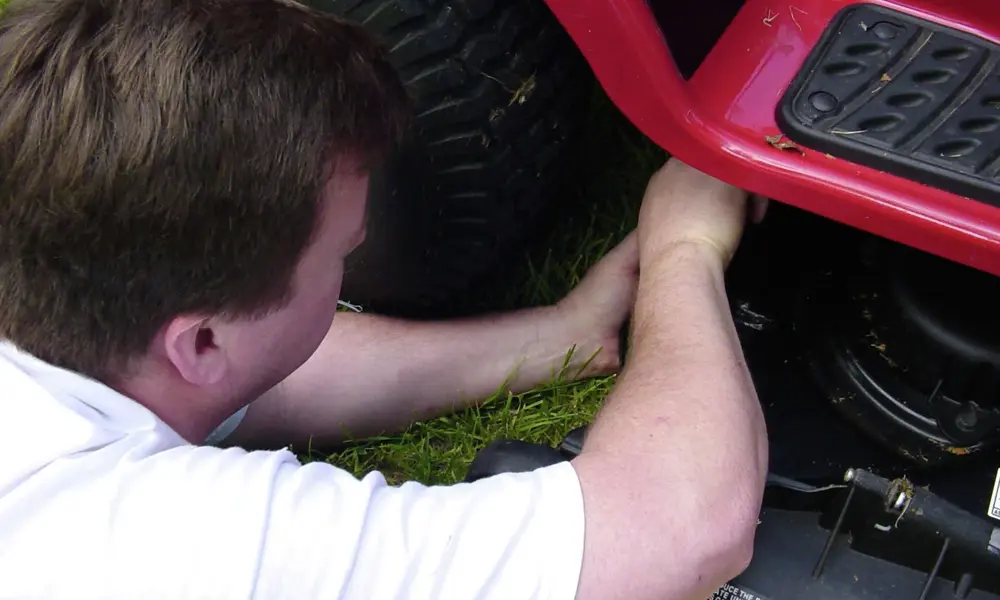
A mower whose engine runs but whose blade does not rotate may have a problem with the blade-control mechanism, engagement cable, belt, clutch, or an electrical component, depending on the model.
On a riding mower, a damaged or disconnected belt may be involved. Other machines use different systems, so the correct diagnosis varies by design.
Begin by checking the operator’s manual for the normal blade-engagement procedure and any relevant safety interlocks. Make sure you are using the correct controls and that the mower is configured for operation.
Never bypass a safety switch to force the blade to engage.
If the engagement mechanism appears damaged, or you hear unusual noises when attempting to activate it, stop using the mower and have the system inspected. Blade-drive repairs can involve moving parts and stored mechanical energy, making professional service appropriate for many models.
8. The Lawn Mower Smokes or Leaks Oil
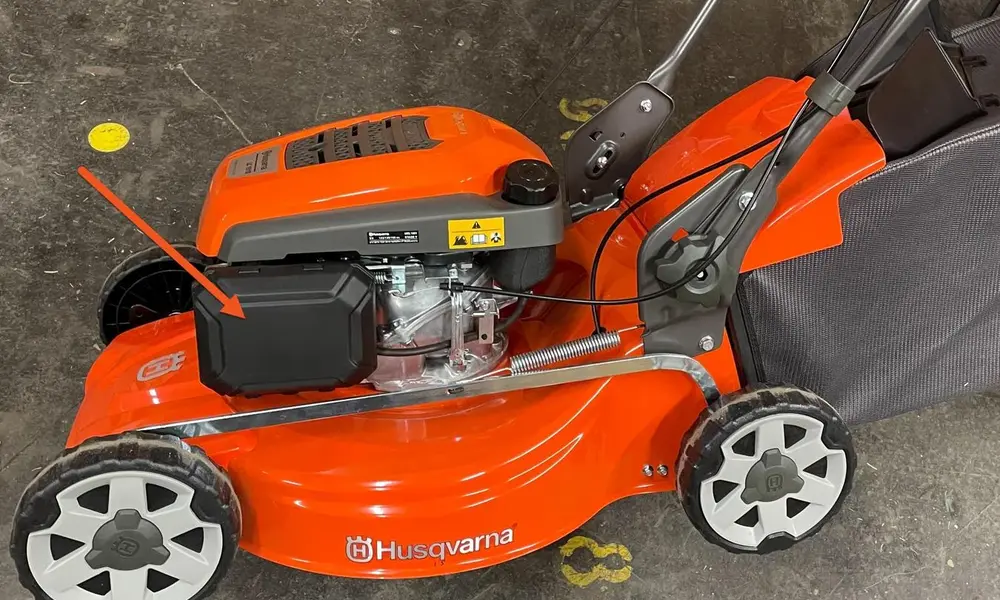
Smoke can have several causes, and its color alone is not enough to diagnose the problem.
A mower may produce smoke if oil has entered the wrong part of the engine, the oil level is too high, fuel is being burned improperly, or an engine component has developed a fault.
If you notice persistent smoke, burning smells, or leaking fuel, switch off the machine and allow it to cool in a safe area. Do not continue running it to see whether the problem clears.
Check the oil level and inspect for obvious leaks only when the mower is cool and the manual’s instructions allow it. Make sure the mower has been positioned correctly, as some engines can leak oil internally if tilted incorrectly.
Fuel leaks require particular caution because gasoline is highly flammable. Do not start the mower or investigate a fuel leak near a flame or spark source.
If the mower continues to smoke, leaks oil repeatedly, or shows signs of overheating, arrange professional servicing.
9. When Should You Call a Lawn Mower Repair Professional?
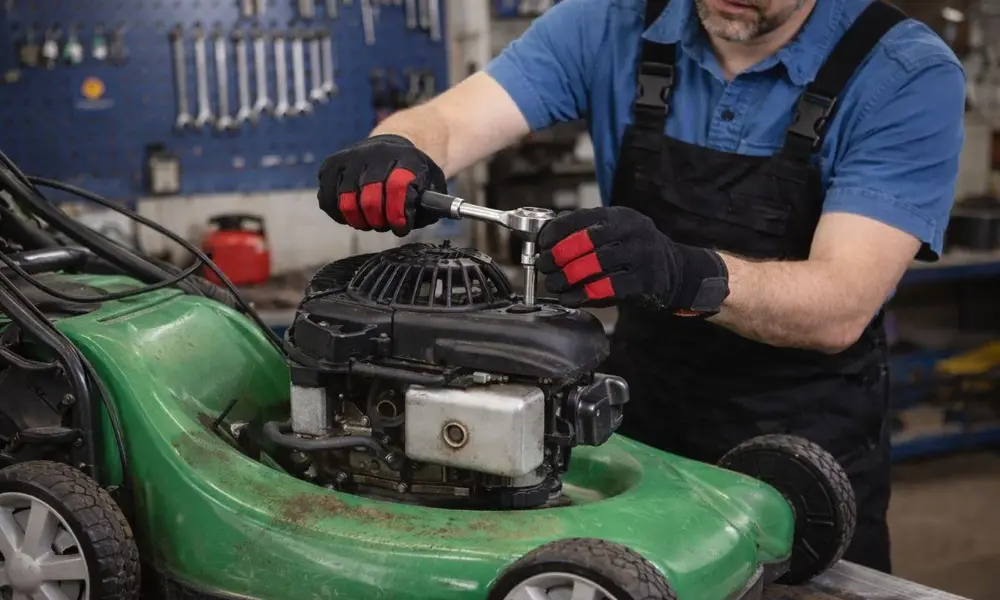
DIY troubleshooting makes sense when a problem is simple, the owner’s manual provides clear guidance, and you have the necessary tools and experience.
Professional repair is usually the better choice when:
- The mower has severe vibration, a damaged cutting assembly, or repeated unexplained shutdowns.
- The engine has low compression, persistent ignition trouble, or suspected internal damage.
- Fuel is leaking, electrical components are damaged, or a battery pack appears swollen or overheated.
- The self-propel system, blade clutch, transmission, or riding-mower drive system needs repair.
- You have checked the usual maintenance items but the mower still does not work correctly.
Before approving a repair, ask for a diagnosis and an estimate covering parts and labor. Find out whether the replacement parts are appropriate for your model and whether the repair includes testing the machine afterward.
It is also worth comparing the repair estimate with the mower’s age, condition, replacement cost, and expected future maintenance needs. An inexpensive repair on a sound machine may be worthwhile, while extensive engine or transmission work on a badly worn mower may not make financial sense.
How Much Does Lawn Mower Repair Cost?
There is no single price for lawn mower repair. The cost depends on the mower type, the fault, labor rates, parts availability, and where you live.
A routine service or replacement of a common maintenance part is generally less involved than repairing an engine, transmission, or blade-engagement system.
Before committing to expensive work, ask the repair shop to separate diagnostic charges, labor, replacement parts, and any additional fees. If the mower is still under warranty, check the warranty terms before authorizing outside repairs.
A repair estimate gives you a more useful basis for comparison than a general online price range, particularly when the machine’s problem has not yet been diagnosed.
How to Prevent Future Lawn Mower Repairs
A little regular maintenance can help catch small issues before they become expensive problems.
After mowing: Switch off and disable the mower before removing grass clippings and debris. Clean the deck according to the owner’s manual, and keep cooling vents clear.
Before use: Check the lawn for stones, wire, branches, and other objects that could damage the blade. Inspect the mower for obvious damage or leaks, and ensure its safety features are working.
During the season: Maintain the oil level where applicable, clean or replace the air filter as instructed, and inspect the blade regularly. Follow the manual for spark plug service, blade sharpening, and other scheduled maintenance.
Before storage: Follow the manufacturer’s instructions for fuel management, battery storage, cleaning, and protecting the machine from moisture.
Use the right cutting technique: Avoid cutting more grass than the mower is designed to handle in one pass. Adjust the cutting height when grass is long and mow when conditions are suitable for your machine.
These habits cannot prevent every failure, but they can reduce avoidable wear and help you identify developing problems early.
Frequently Asked Questions About Lawn Mower Repair
Why won’t my lawn mower start even though it has gas?
Possible causes include stale fuel, a dirty or damaged spark plug, a clogged air filter, a blocked fuel system, or an ignition problem. Check the basic maintenance items first and consult the mower’s manual before attempting more involved repairs.
Is it worth repairing an old lawn mower?
It depends on the cost and extent of the repair, the mower’s overall condition, parts availability, and the price of a suitable replacement. Ask for a written estimate before deciding.
How often should a lawn mower be serviced?
Follow the maintenance schedule in your owner’s manual. Service intervals differ by mower type, engine, usage, and operating conditions. Frequent mowing or demanding conditions may require more attention.
Can I repair a lawn mower myself?
Many owners can manage straightforward tasks such as inspecting an air filter, checking battery connections, or cleaning accessible debris. Blade work, fuel-system repairs, electrical faults, and engine problems may require specialist knowledge and tools.
Why is my lawn mower leaving strips of uncut grass?
Possible causes include a dull or damaged blade, clogged deck, uneven wheel settings, overly tall grass, or incorrect mowing technique. Inspect the mower safely and adjust the cutting height before arranging further repairs.
Final Thoughts
Lawn mower repair does not always require an expensive workshop visit. A careful check of fuel, filters, blade condition, cutting height, and accumulated debris can resolve many common problems.
The key is to diagnose before replacing parts, follow the manufacturer’s instructions, and recognize when a fault is beyond a comfortable DIY repair. For safe and effective mower maintenance, follow the manufacturer’s instructions for checking the oil, air filter, and blades.
A dependable mower makes lawn maintenance easier, but keeping your grass healthy also requires proper care. Learning how often you should fertilize your lawn can help you maintain healthy grass throughout the growing season.
Always prioritize mower safety, use the correct parts, and arrange professional servicing whenever the problem involves damaged cutting components, fuel leaks, serious vibration, or complex engine and electrical systems.
Disclaimer: This article is intended for informational purposes only. Always follow your lawn mower manufacturer’s safety instructions, and seek professional assistance for repairs you cannot perform safely.