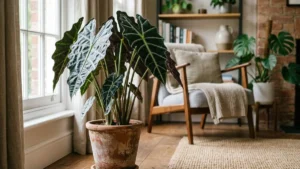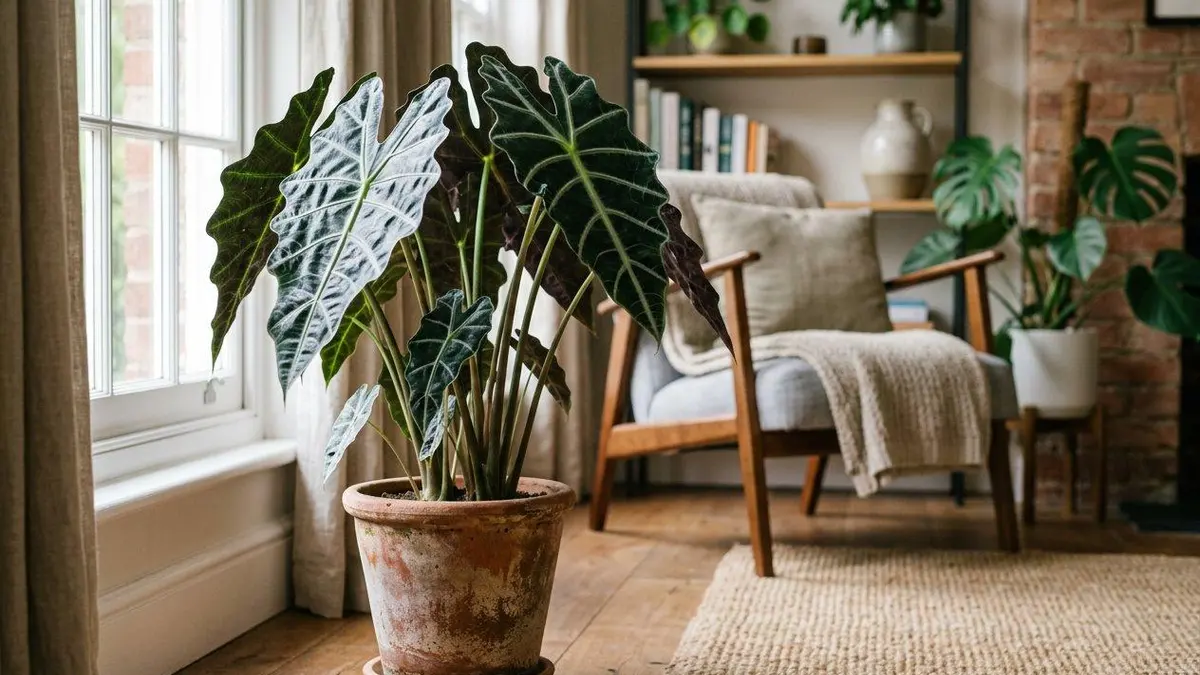
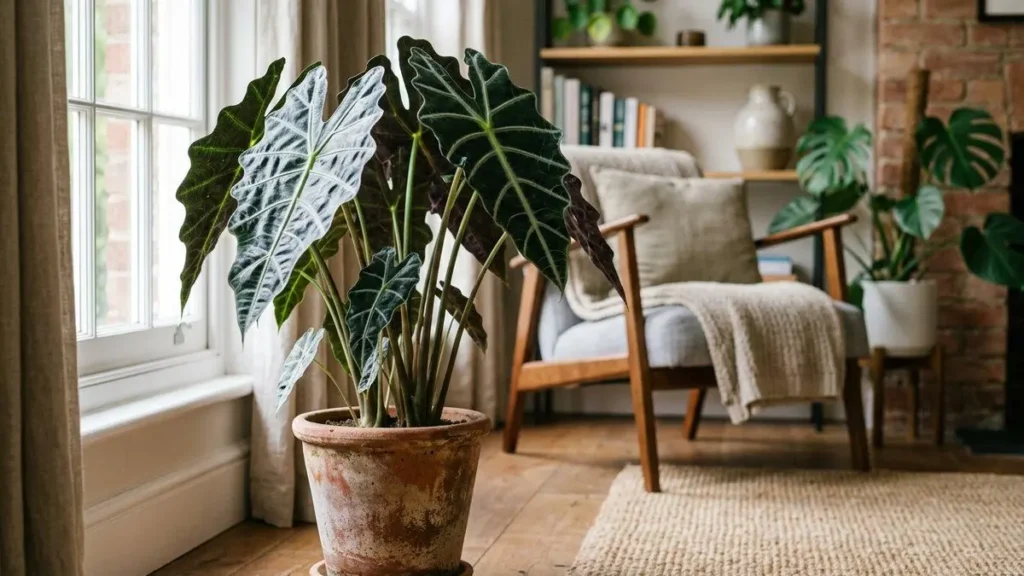
There are few houseplants that make me stop and admire them quite like an elephant ear plant. Its enormous, heart-shaped leaves bring a tropical feeling into a room or garden, almost as if a little piece of a rainforest has found its way home. When I imagine a lush green corner filled with dramatic foliage, this is one of the first plants that comes to mind.
But those beautiful leaves do need the right care. Give an elephant ear plant enough light, warmth, moisture, and room to grow, and it can become a striking focal point rather than just another pot in the corner.
What Is an Elephant Ear Plant?
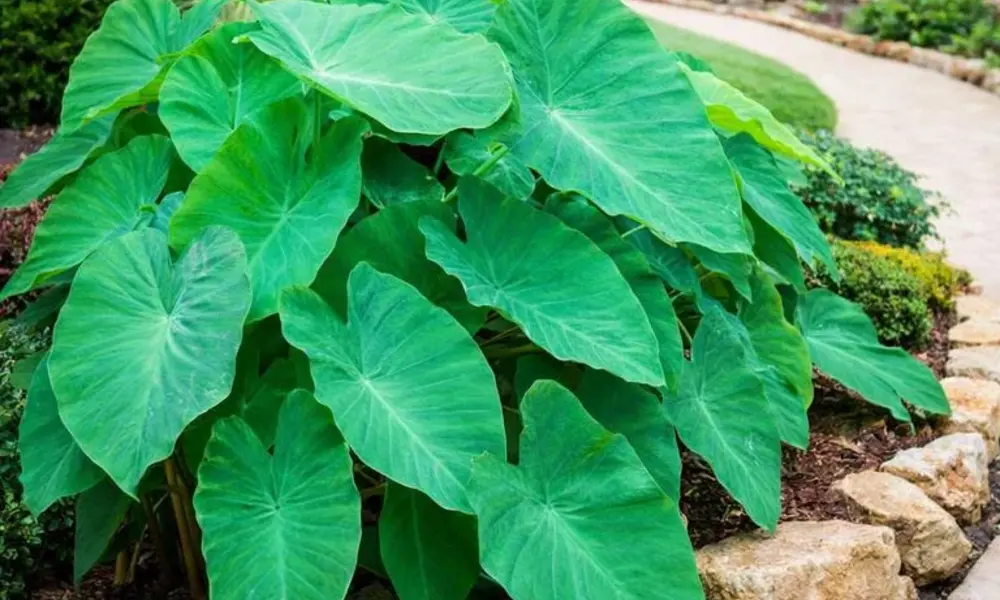
Elephant ear is a common name for several tropical plants with oversized leaves, especially species in the genera Alocasia, Colocasia, and Xanthosoma. Their leaves may point upward or spread outward, depending on the species and variety.
Some elephant ear plants are grown as outdoor ornamentals, while others are kept as houseplants. Their care requirements vary, so identifying your particular plant helps you understand how much light and moisture it needs.
How Much Light Does an Elephant Ear Plant Need?
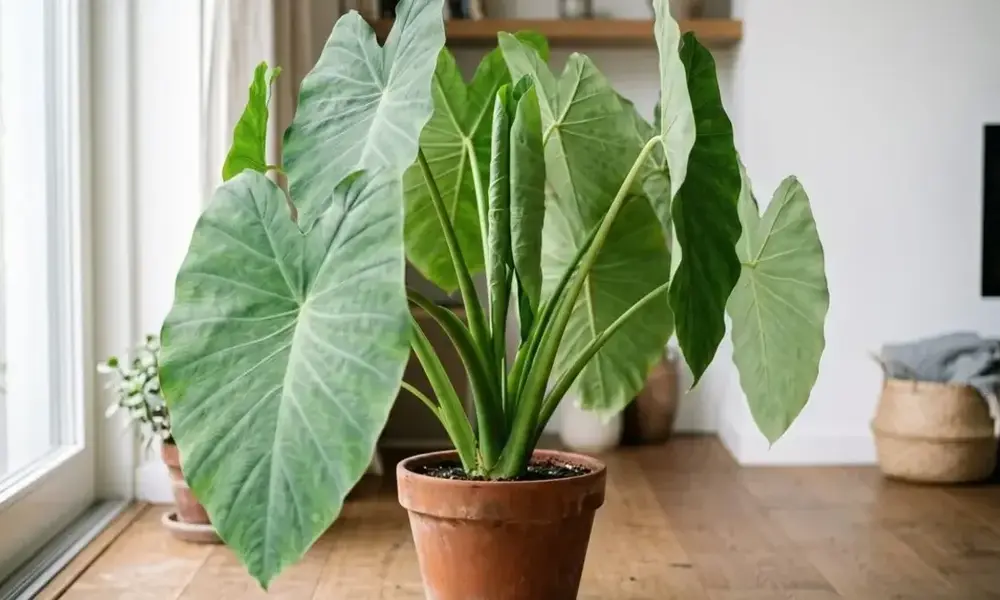
Elephant ear plants generally grow best in bright light, although the ideal exposure depends on the species.
For an indoor plant, a bright window with filtered sunlight is often a good starting point. Strong afternoon sun can scorch leaves that have not adapted to it, while very low light may lead to slower growth and smaller leaves.
If you move your plant outdoors for warmer weather, introduce it to brighter conditions gradually. Sudden exposure to intense sunlight can damage foliage that developed indoors.
My favorite approach is to find a bright, sheltered spot where the leaves can spread without being exposed to harsh afternoon sun.
How Often Should You Water an Elephant Ear Plant?
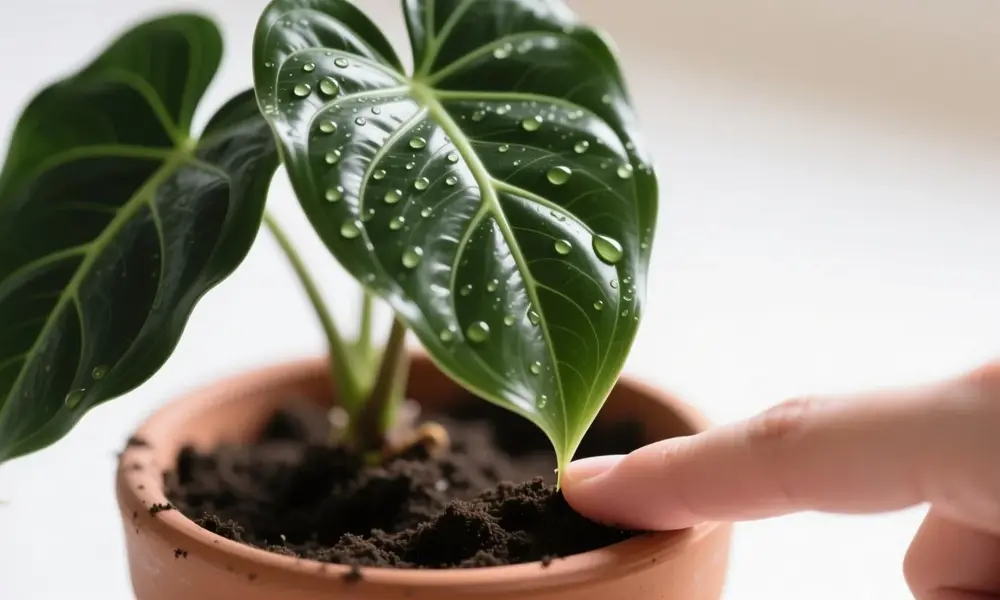
Elephant ear plants generally prefer more consistent moisture than drought-tolerant succulents. However, keeping the soil constantly saturated can still damage the roots, especially in a container without adequate drainage.
Use this simple routine:
- Check the soil before watering.
- Water when the upper layer has started to dry, adjusting for your plant’s species and growing conditions.
- Water thoroughly so the root zone receives moisture.
- Allow excess water to drain freely unless you are growing a species specifically suited to consistently wet conditions.
Plants growing in warm, bright conditions may use water quickly. During cooler months, growth often slows and watering needs may decrease.
Signs Your Elephant Ear Plant Needs Water
Drooping leaves and dry soil can indicate that the plant needs water. However, drooping can also occur when roots are damaged or the soil is too wet.
Check the soil before watering rather than assuming every drooping leaf means thirst.
Signs of Overwatering
Watch for yellowing leaves, persistently wet soil, soft stems, and roots that appear dark or mushy. If these symptoms develop, check drainage and inspect the roots if necessary.
Remove damaged roots with clean tools and repot into an appropriate, well-draining mix if root rot is present.
What Soil Is Best for Elephant Ear Plants?
Elephant ear plants need a growing medium that holds enough moisture to support their large leaves while allowing excess water to escape.
For container growing, use a high-quality potting mix designed to retain some moisture without becoming compacted. Choosing the best soil for houseplants can help you create the right growing conditions for healthy roots. Adding perlite or another suitable aeration material can further improve drainage and airflow.
Choose a pot with drainage holes. A container that is too small may restrict root growth, while an excessively large pot can remain wet longer than the plant needs.
For outdoor planting, improve heavy soil with suitable organic matter and ensure the site does not remain waterlogged unless the species is adapted to those conditions.
What Temperature and Humidity Do Elephant Ear Plants Prefer?
These are tropical or subtropical plants, so many elephant ear varieties prefer warmth and humidity. Cold temperatures can slow growth, damage leaves, and cause some varieties to enter dormancy.
Keep indoor plants away from cold drafts and sudden temperature changes. If you grow elephant ears outdoors, check your variety’s cold tolerance before leaving it outside through winter.
Higher humidity can help maintain attractive foliage, particularly indoors in dry environments. A humidifier may be more useful than repeatedly misting the leaves.
How to Fertilize an Elephant Ear Plant
Large leaves require energy to grow, so elephant ear plants can benefit from regular feeding during their active growing season.
Use a balanced fertilizer suitable for foliage plants and follow the product’s dilution and application instructions. Avoid feeding a severely stressed plant or applying fertilizer to very dry soil.
Reduce or stop fertilizing when growth slows during cooler, darker months. Excess fertilizer can damage roots and cause salt buildup, so more is not always better.
How to Grow Elephant Ear Plants in Pots
A potted elephant ear can transform a patio, balcony, or bright indoor space. The key is choosing a container that supports the plant’s roots without trapping excess water.
- Select a sturdy pot with drainage holes.
- Use a moisture-retentive but well-aerated potting mix.
- Place the plant in suitable light for its species.
- Check moisture frequently during warm weather.
- Rotate indoor pots occasionally if growth leans toward the light.
Because some varieties become very large, leave enough space for their leaves to spread. Avoid placing them where people regularly brush against the foliage.
How to Propagate an Elephant Ear Plant
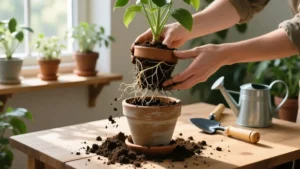
Propagation depends on the type of elephant ear you have. Many Alocasia and Colocasia varieties can be propagated by separating offsets or daughter plants that develop around the main plant.
For suitable varieties:
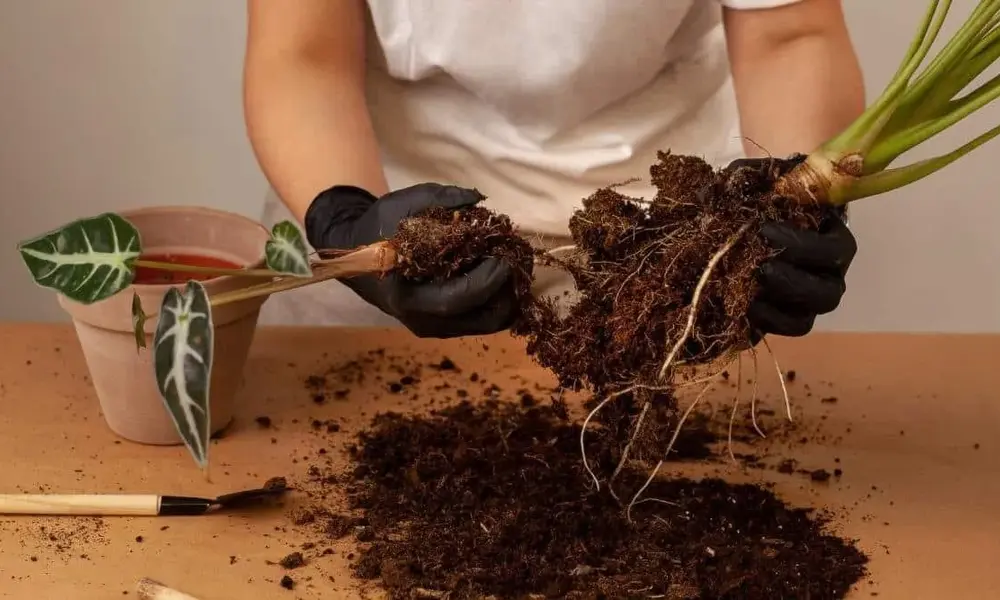
- Remove the plant from its pot carefully.
- Look for a naturally developed offset with its own roots.
- Separate it using clean tools, keeping as many healthy roots as possible.
- Plant the offset in an appropriate potting mix.
- Keep it warm and provide suitable light while it establishes.
Not every elephant ear variety propagates in exactly the same way. Some are grown from corms or other specialized underground structures, so identify the species before attempting propagation.
Important: Wear gloves when handling cut or damaged elephant ear tissue. Many varieties contain irritating calcium oxalate crystals.
Common Elephant Ear Plant Problems
| Problem | Possible cause | What to do |
| Yellow leaves | Watering problems, natural aging, or stress | Check soil moisture and growing conditions |
| Brown leaf edges | Dry air, inconsistent moisture, or salt buildup | Review humidity, watering, and fertilizer |
| Drooping foliage | Underwatering, overwatering, or temperature stress | Check soil and roots before watering |
| Small new leaves | Insufficient light, limited nutrients, or restricted roots | Improve conditions and check the pot |
| Pale or scorched patches | Excessive direct sunlight | Move to gentler light and acclimate gradually |
| Slow growth | Cool temperatures, low light, or seasonal dormancy | Check species needs and seasonal conditions |
One damaged leaf does not necessarily mean the whole plant is unhealthy. Older leaves naturally decline, and some elephant ear varieties shed foliage during dormancy.
Why Is My Elephant Ear Plant Losing Leaves?
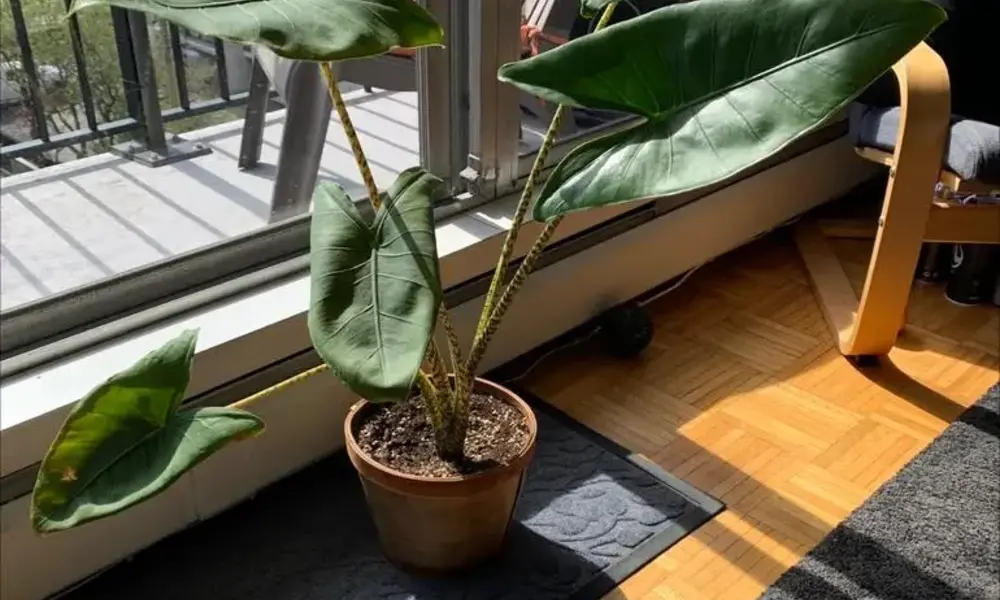
When an elephant ear loses a leaf, I would first check whether it is an older leaf being replaced by new growth. If the rest of the plant looks healthy, a single aging leaf may not be a concern.
If several leaves yellow or collapse together, investigate watering, drainage, temperature, and light. Sudden changes in conditions can also cause stress.
Some varieties naturally enter dormancy during cooler or less favorable seasons. If this happens, reduce watering as growth slows, but avoid assuming that every leaf-loss episode is normal dormancy.
Are Elephant Ear Plants Toxic to Pets?
Yes. Many plants commonly called elephant ears contain insoluble calcium oxalate crystals that can irritate the mouth and digestive tract when chewed or swallowed.
Keep them away from children and pets. Symptoms may include mouth pain, drooling, vomiting, and difficulty swallowing. If ingestion occurs, contact a veterinarian or appropriate medical professional for guidance.
Frequently Asked Questions
Can elephant ear plants grow indoors?
Yes. Many varieties can grow indoors when they receive suitable light, warmth, humidity, and moisture. Choose a variety that fits the available space because some grow very large.
Do elephant ear plants need full sun?
Not always. Some varieties tolerate or prefer more sun, while others grow best in filtered light or partial shade. Identify the species and acclimate the plant gradually to stronger sunlight.
Why are my elephant ear leaves turning yellow?
Yellow leaves can result from overwatering, underwatering, poor drainage, low light, or natural aging. Check the soil and the overall condition of the plant to narrow down the cause.
Can elephant ear plants survive winter?
It depends on the species and your climate. Some varieties can survive outdoors in suitable conditions, while others need protection from cold. Certain types can also enter dormancy and regrow when warmer conditions return.
Should I cut off damaged elephant ear leaves?
You can remove fully yellow, dead, or severely damaged leaves with clean pruning tools. Avoid removing healthy leaves unnecessarily, since they help the plant produce energy.
How fast do elephant ear plants grow?
Growth varies by species, climate, and care. In warm conditions with sufficient light, moisture, and nutrients, some varieties produce large leaves relatively quickly during the growing season.