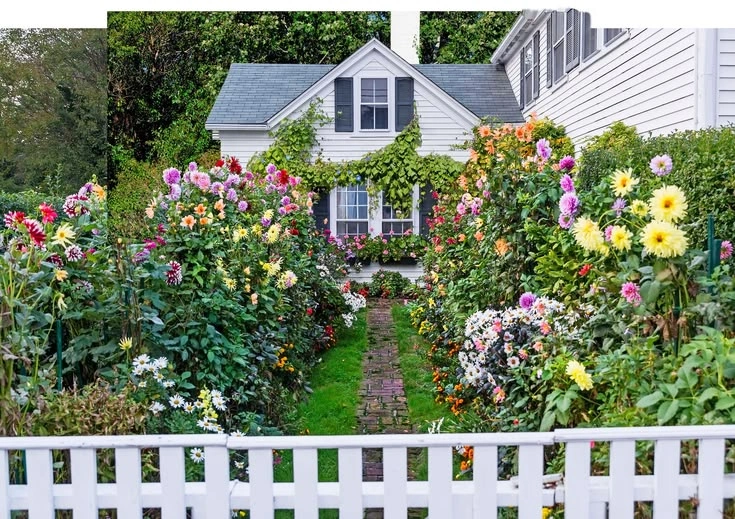
Key Takeaways
- Seasonal changes can influence mood, energy, and daily routines.
- Your home environment plays an important role in overall well-being.
- Natural light is one of the most effective ways to brighten indoor spaces.
- Seasonal updates don’t need to be expensive to be effective.
- Decluttering and improving comfort can make your home feel more inviting.
- Healthy routines work together with a supportive home environment.
- Persistent or severe symptoms should always be discussed with a healthcare professional.
Quick Answer
Seasonal mood changes are emotional and energy shifts that happen as the seasons change, especially during darker months. Improving natural light, maintaining comfortable temperatures, adding calming colors, bringing in plants, and creating cozy spaces can help make your home more supportive of your mental well-being. While these changes cannot treat medical conditions, they can contribute to a healthier and more comfortable living environment.
Understanding Seasonal Mood Changes

Seasonal mood changes refer to the emotional and physical differences many people notice throughout the year. Some feel energized during spring and summer, while others experience lower motivation, tiredness, or sadness during autumn and winter.
These changes happen because seasonal shifts can affect your body’s internal clock, daily routines, exposure to sunlight, and sleep patterns. Together, these factors influence mood and overall wellness.
Not everyone experiences seasonal changes in the same way. Some people notice only minor differences, while others experience symptoms that significantly affect their daily lives.
Why Do Seasons Affect Mood?
Several factors work together to influence how you feel as the seasons change.
Less Natural Sunlight
Shorter days mean less exposure to sunlight. Natural daylight helps regulate your body’s sleep-wake cycle and supports normal biological processes that influence mood.
When daylight decreases, some people notice reduced energy levels and increased fatigue.
Changes in Daily Routine
Cold weather often keeps people indoors for longer periods. Outdoor activities become less frequent, and social events may decrease.
As a result, physical activity can drop, which may contribute to feeling less energetic or motivated.
Sleep Pattern Changes
Seasonal shifts can also affect sleep schedules. Some people sleep longer during winter but still wake up feeling tired.
Poor sleep quality can make stress feel harder to manage and reduce concentration throughout the day.
Weather and Environment
Cloudy skies, frequent rain, and colder temperatures may encourage people to spend more time inside.
If indoor spaces are dark, cluttered, or uncomfortable, they may contribute to a lower mood over time.
Why Your Home Matters More Than You Think
Your home is where you spend a large part of your day. Because of that, your surroundings can influence your comfort, productivity, and emotional health.
A bright, organized, and welcoming space can make daily routines feel easier. On the other hand, poor lighting, clutter, and uncomfortable temperatures may increase feelings of stress or tiredness.
Many people searching for seasonal home wellness solutions discover that improving their living environment is one practical step they can take alongside healthy lifestyle habits.
Key Home Factors That Affect Mood
| Home Feature | Positive Effect | Negative Effect |
|---|---|---|
| Natural light | Improves brightness and comfort | Dark rooms may feel gloomy |
| Indoor temperature | Creates physical comfort | Rooms that are too cold or hot can reduce comfort |
| Air quality | Fresh air supports a pleasant environment | Stuffy rooms may feel uncomfortable |
| Organization | Makes spaces feel calmer | Clutter can feel overwhelming |
| Indoor plants | Adds freshness and natural beauty | Lack of greenery may make rooms feel less inviting |
What Is Seasonal Affective Disorder?

Some people experience more than ordinary seasonal mood changes. They may have a condition known as Seasonal Affective Disorder (SAD), often called seasonal depression.
SAD is a type of depression that follows a seasonal pattern, most commonly beginning during autumn or winter and improving when spring arrives.
Although many people casually say they have “winter blues,” true SAD is a medical condition that should be diagnosed by a qualified healthcare professional.
Common Symptoms
Symptoms can vary from person to person but may include:
- Feeling sad most days
- Low energy
- Sleeping more than usual
- Difficulty concentrating
- Losing interest in favorite activities
- Changes in appetite
- Feeling less motivated
- Withdrawing from social activities
If these symptoms become severe or interfere with work, school, or relationships, it’s important to seek professional medical advice.
Seasonal Mood Changes vs Seasonal Affective Disorder
| Seasonal Mood Changes | Seasonal Affective Disorder |
|---|---|
| Usually mild | Often more severe |
| Temporary emotional changes | Medical condition requiring evaluation |
| May improve with lifestyle adjustments | May require professional treatment |
| Does not always affect daily life | Can significantly impact daily functioning |
Common Signs Your Home May Be Affecting Your Mood
Sometimes the issue isn’t only the weather. Your living environment may also be contributing to how you feel.
Watch for these signs:
- Rooms feel dark even during the day.
- You rarely open curtains or blinds.
- Your workspace lacks daylight.
- Clutter causes unnecessary stress.
- The air feels stale.
- You avoid spending time in certain rooms.
- Your home feels cold and uninviting during winter.
Making gradual improvements can help create a more pleasant environment throughout the changing seasons.
How Natural Light Influences Mental Well-Being
Natural light is one of the most valuable elements in any home.
Sunlight helps create brighter spaces, supports healthy daily routines, and encourages people to stay active during the day.
Easy Ways to Increase Natural Light
- Open curtains as soon as you wake up.
- Clean windows regularly.
- Use light-colored curtains instead of heavy dark fabrics.
- Position desks near windows whenever possible.
- Add mirrors to reflect daylight throughout the room.
- Trim outdoor plants blocking sunlight.
- Choose lighter wall colors to brighten darker spaces.
Even small improvements can make rooms feel more open and welcoming without major renovations.
The Best Home Changes for Every Season
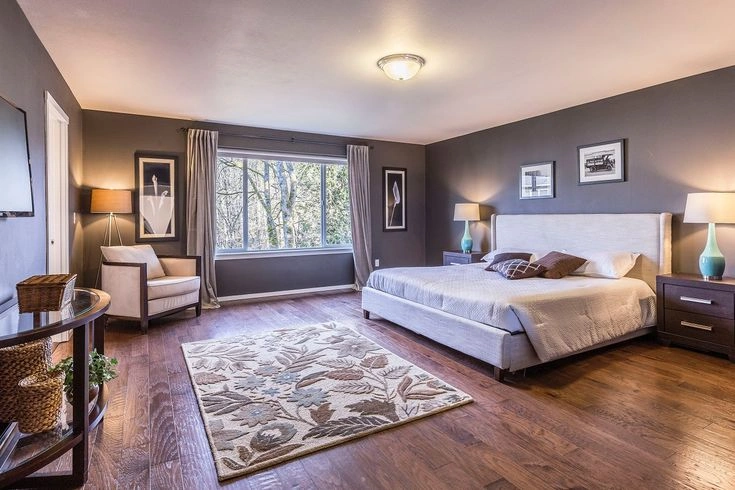
Your home should change with the seasons just as your wardrobe does. Small adjustments throughout the year can make your space more comfortable and help you adapt to changes in weather, daylight, and daily routines.
Instead of making expensive upgrades, focus on practical improvements that match each season.
Spring: Refresh and Reset
Spring is a great time to open your home and start fresh. Longer days and warmer temperatures naturally encourage people to clean, organize, and spend more time outdoors.
Try these simple changes:
- Open windows whenever the weather allows.
- Declutter rooms one area at a time.
- Wash curtains and bedding.
- Add fresh flowers or indoor plants.
- Rearrange furniture to improve natural light.
A clean, bright home often feels more welcoming and can make daily tasks seem less overwhelming.
Summer: Keep Your Home Cool and Comfortable
Summer usually brings more sunshine, but excessive heat can also affect comfort and sleep.
Simple ways to stay comfortable include:
- Use blackout curtains in sunny rooms.
- Keep ceiling fans clean and running efficiently.
- Stay hydrated throughout the day.
- Add lightweight bedding.
- Create shaded outdoor seating if possible.
A cooler environment can help improve sleep quality and reduce daytime fatigue.
Autumn: Prepare for Shorter Days
As daylight begins to decrease, gradually adjust your home before darker months arrive.
Helpful ideas include:
- Replace dim light bulbs with brighter warm white lighting.
- Organize cozy blankets and cushions.
- Clean windows to maximize available daylight.
- Create a comfortable reading or relaxation corner.
- Keep entryways tidy to reduce seasonal clutter.
Preparing early can make the transition into winter feel smoother.
Winter: Create a Warm and Inviting Space
For many people, winter is when winter mood home strategies become most important.
Cold temperatures and shorter days often mean spending more time indoors. A comfortable home can make those months feel far more enjoyable.
Focus on:
- Letting in as much daylight as possible.
- Keeping frequently used rooms warm.
- Using layered lighting instead of relying on one ceiling light.
- Adding soft blankets and comfortable seating.
- Including natural textures such as wood or woven fabrics.
These changes create warmth without requiring major renovations.
Room by Room Tips for Seasonal Home Wellness
Each room serves a different purpose. Making small improvements throughout your home can support better comfort and daily routines.
| Room | Simple Improvement | Potential Benefit |
|---|---|---|
| Living Room | Maximize daylight and reduce clutter | Creates a brighter, more relaxing space |
| Bedroom | Keep a consistent sleep environment | Supports healthy sleep habits |
| Home Office | Place your desk near a window | May improve focus during the day |
| Kitchen | Keep fruits and healthy snacks visible | Encourages healthier choices |
| Bathroom | Add soft lighting and fresh towels | Makes daily routines feel more calming |
Decor Choices That Can Influence Mood
Home décor isn’t only about style. The colors, textures, and objects around you can shape how your space feels.
Use Light Colors
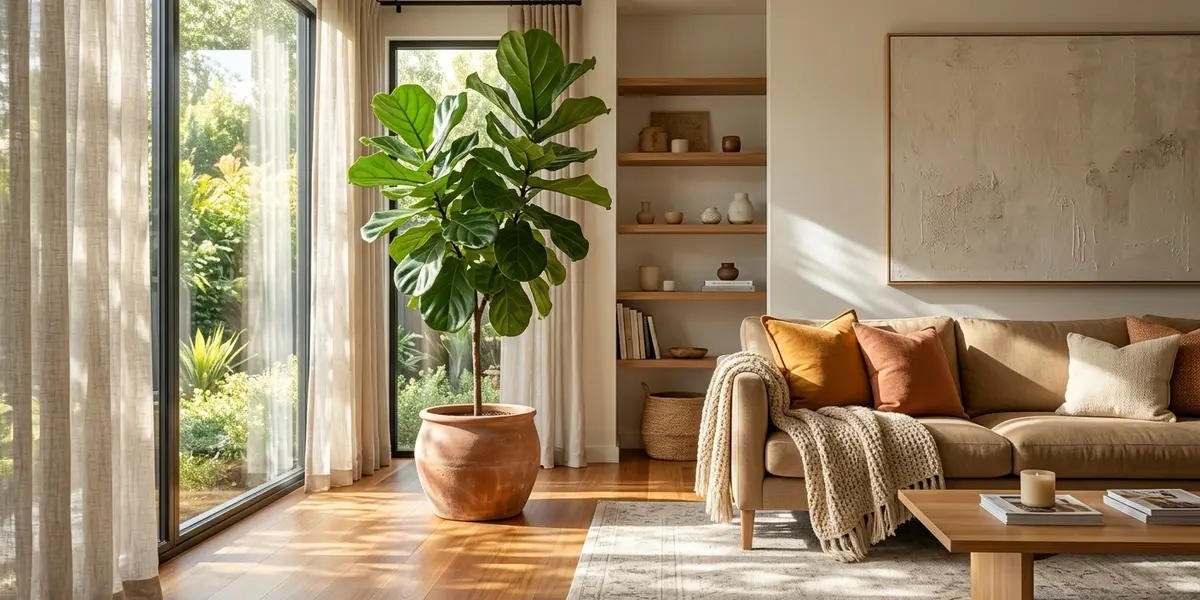
White, cream, pale gray, and soft beige reflect more light than darker shades. They help rooms appear larger and brighter, especially during winter.
Add Natural Materials
Wood, cotton, linen, bamboo, and woven baskets introduce warmth and texture without making a room feel crowded.
Bring Nature Indoors
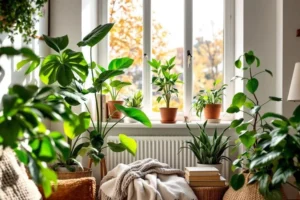
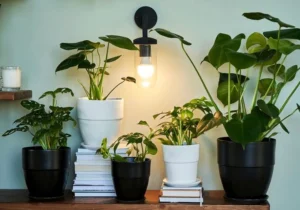
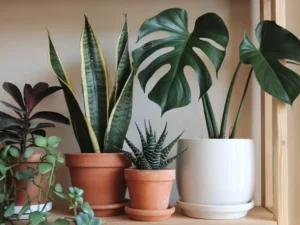
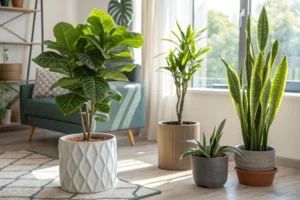
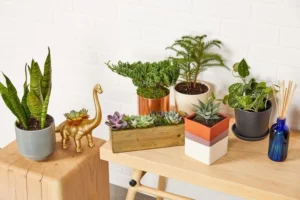
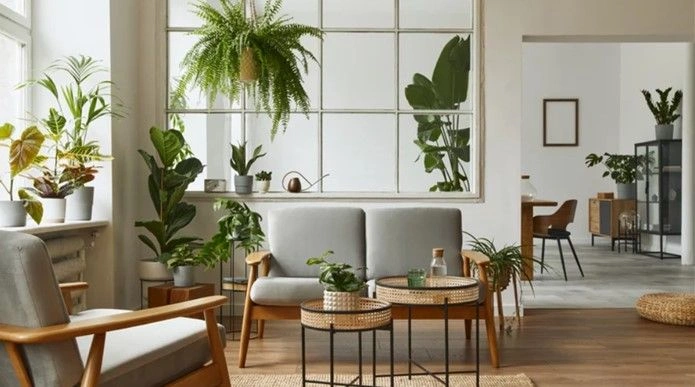
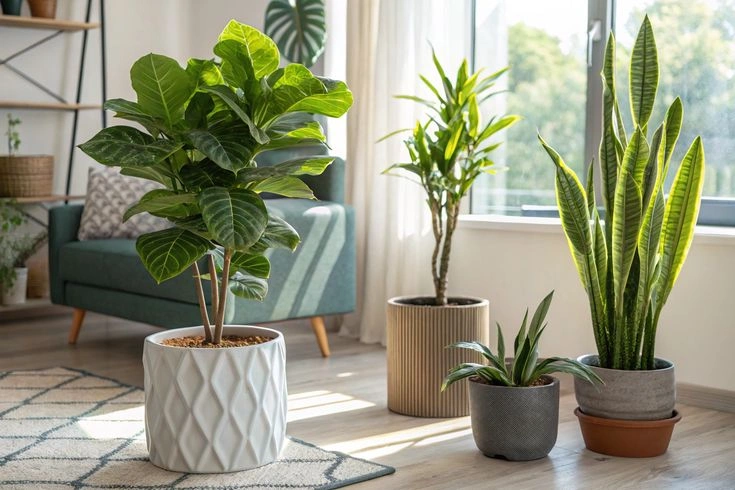
Indoor plants can make a space feel fresh and lively. Even low-maintenance varieties can add color and improve the overall atmosphere.
Reduce Visual Clutter
Too many decorative items can make a room feel busy. Leaving open surfaces and organizing everyday items often creates a calmer environment.
Healthy Daily Habits That Work Alongside Your Home Setup
Your home can support your well-being, but healthy routines matter just as much.
Consider these everyday habits:
- Wake up at a similar time each day.
- Spend time outdoors whenever possible.
- Stay physically active.
- Eat balanced meals.
- Drink enough water.
- Maintain regular sleep habits.
- Stay connected with family and friends.
These habits complement a supportive home environment and may help you adjust more comfortably to seasonal changes.
Common Mistakes That Can Worsen Seasonal Mood
Some everyday habits may unintentionally make darker seasons feel harder.
Keeping Curtains Closed
Many people leave curtains closed throughout the day during winter. This blocks valuable natural light that could brighten indoor spaces.
Ignoring Clutter
Clutter builds gradually. Organizing just a few minutes each day can help prevent your home from feeling overwhelming.
Staying Indoors All Day
Even on cooler days, a short walk outside can provide fresh air and natural daylight.
Depending Only on Artificial Lighting
Artificial lights are useful, but daylight should still be your first choice whenever it’s available.
Neglecting Indoor Air Quality
Opening windows when weather permits and maintaining proper ventilation can make indoor spaces feel fresher.
Expert Tips
- Sit near a window during morning hours whenever possible.
- Rotate seasonal decorations instead of buying new ones every year.
- Use multiple light sources around a room rather than one bright overhead fixture.
- Keep frequently used spaces organized.
- Choose furniture that makes relaxation easy without overcrowding the room.
- Create a small corner dedicated to reading, meditation, or quiet time.
- Review your home setup each season and make small adjustments as needed.
Seasonal Home Wellness Checklist
| Task | Completed |
|---|---|
| Open curtains every morning | ☐ |
| Declutter one room each week | ☐ |
| Add indoor plants | ☐ |
| Improve natural lighting | ☐ |
| Keep bedrooms comfortable for sleep | ☐ |
| Spend time outdoors regularly | ☐ |
| Maintain a consistent daily routine | ☐ |
| Refresh seasonal décor | ☐ |
Frequently Asked Questions
Can my home really affect my mood?
Yes. Lighting, temperature, organization, and overall comfort can influence how welcoming and relaxing your home feels. While they are not treatments for mental health conditions, they can support overall well-being.
What is the best lighting for winter?
Natural daylight is ideal. During darker hours, warm white lighting placed throughout the room often creates a more comfortable atmosphere than a single bright ceiling light.
Are indoor plants helpful?
Many people enjoy indoor plants because they add color, freshness, and a connection to nature. They also make living spaces feel more inviting.
How can I make my home feel happier during winter?
Increase natural light, reduce clutter, keep rooms warm, add soft textures, and create comfortable areas where you enjoy spending time.
When should I seek professional help?
If feelings of sadness, low energy, or loss of interest last for weeks or interfere with daily life, it’s important to speak with a qualified healthcare professional. Lifestyle changes at home can help create a supportive environment, but they are not a substitute for medical care when needed.
Conclusion
Seasonal changes are a normal part of life, but they don’t have to make your home feel dull or uncomfortable. Small adjustments like improving natural light, keeping rooms organized, adding warmth during colder months, and following healthy daily routines can make your living space more enjoyable throughout the year.
The goal isn’t to create a perfect home. It’s to create one that supports your comfort, encourages healthy habits, and helps you feel your best in every season.