Key Takeways
- Lavender, Snake Plant, Peace Lily
- Stress & anxiety relief
- Improved indoor air quality
- Biophilia-based calm effect
- Low-maintenance green routine
In the modern world and especially this era, it feels like a constant cycle of notifications, deadlines, and traffic. If your home started to feel less like a sanctuary and more like a high-stress transition zone, the right indoor foliage and plants for anxiety could change everything.
The top plants for anxiety and stress act in many natural ways: they continuously scrub indoor air (2019, Kwon et al.) of familiar synthetic toxins, emit soothing aromatic compounds that reduce heart rate (2005, Gao et al.), and provide you with a low-pressure continual routine task to focus on. Infusing your bedroom or home office with chosen botanicals like Lavender, Snake Plants, and Peace Lilies will create an in-home filtration system that lowers ambient cortisol levels, offering reliable plants stress relief while significantly alleviating mental fatigue throughout the day.
We at Peacelily feel that caring for houseplants is one of the most easily available, and rewarding forms of self-care. This research-driven guide will illustrate the best plants for mental health and your home selections in order to provide good greenery for real peace of mind.
Indoor plants like lavender, snake plant, peace lily, aloe vera, and chamomile reduce stress through air purification and aromatherapy. Based on biophilia, they help lower anxiety, improve sleep, and enhance indoor air quality. Easy-care options suit beginners, while grouping plants improves humidity and relaxation, creating a calming home environment.
The Scientifically Proven Link Between Foliage and Calm
Most indoor gardeners have an intuitive sense of the calming effect of a beautiful leaf yet it turns out that the science goes much deeper than pure ornamentation when evaluating plants for anxiety.
The Power of Biophilia
Humans are innately, evolutionarily connected to nature in a phenomenon called biophilia. In stark, clinical spaces devoid of any natural elements we are held on constant high alert. The leafy potted varieties and plants for mental health you bring into your immediate vicinity register safety with the primitive regions of your brain.
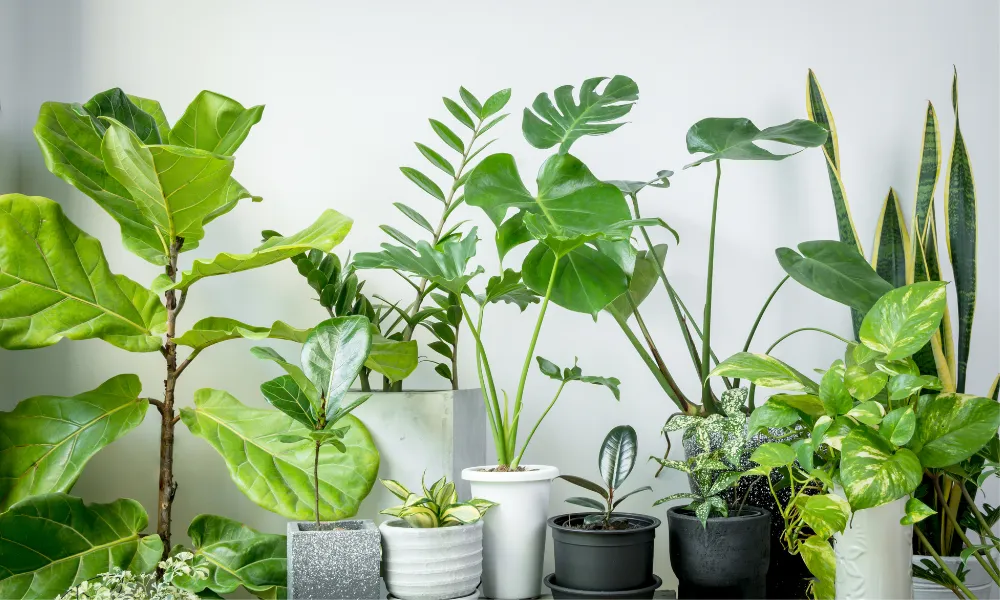
In this regard, it has been shown that some indoor plant species significantly suppress autonomic nervous system activity and thus lower psychological stress according to published psychological data.
Active Airborne Purification
Modern, tightly insulated homes often have air contaminated by formaldehydes from glues used in wood furniture, benzenes and trichloroethylenes more recently found in cleaning agents. Breathing these low-grade chemical irritants all the time leads to a subtle system-wide inflammation and physical fatigue that compounds existing tension.
To offset this, introducing resilient plants for mental health with their roots and soil microbes to capture these invisible contaminants offers your respiratory system a pure and invigorating pause, delivering essential plants stress relief.
5 Top Plants for Anxiety and Cognitive Restoration
Picking the ideal green pal truly is a combination of what you do as far as care yourself, and what each plant family needs as far as lavender element.
1. English Lavender (Lavandula angustifolia)
Lavender is arguably the most well-known plant-based treatment to support relaxation, healthy sleep cycles, and targeted plants stress relief. Linalool is an aromatic volatile alcohol found in the leaves and purple flowers of this plant, rapidly absorbed through the respiratory tract.
It has been found that breathing in the natural scent of living Lavender plants for anxiety reduces heart rates, calms blood pressure and helps to relieve mild baseline stress. When growing it inside, ensure it’s sitting right on your sunniest-facing south windowsill and hydrated as little as possible at a sensible distance.
2. Snake Plant (Sansevieria trifasciata)
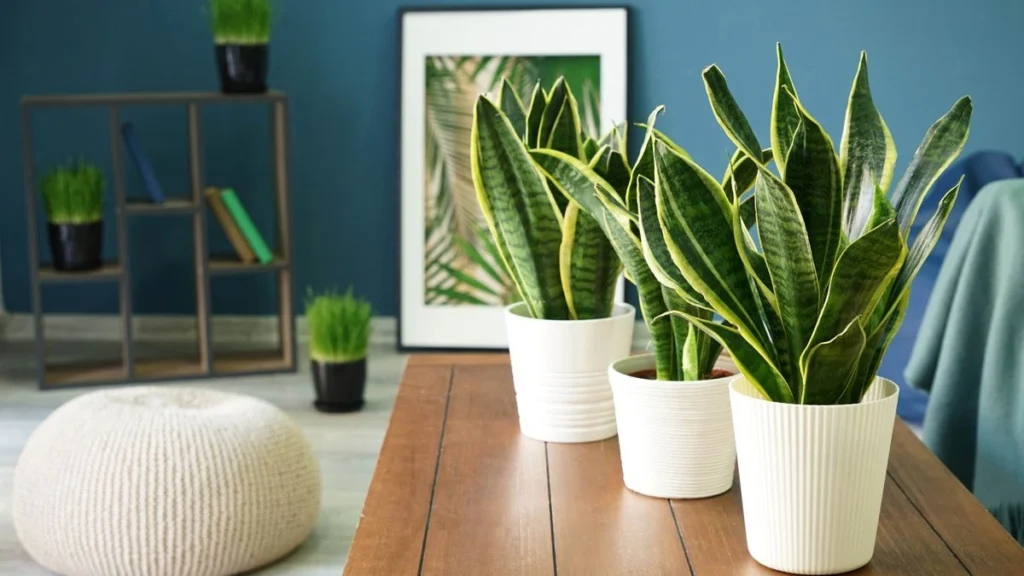
The Snake Plant is the ultimate perfect match for you if you regularly freak out about killing your indoor plants for mental health. This architectural marvel is nearly indestructible and thrives in low light and long stretches of dry soil.
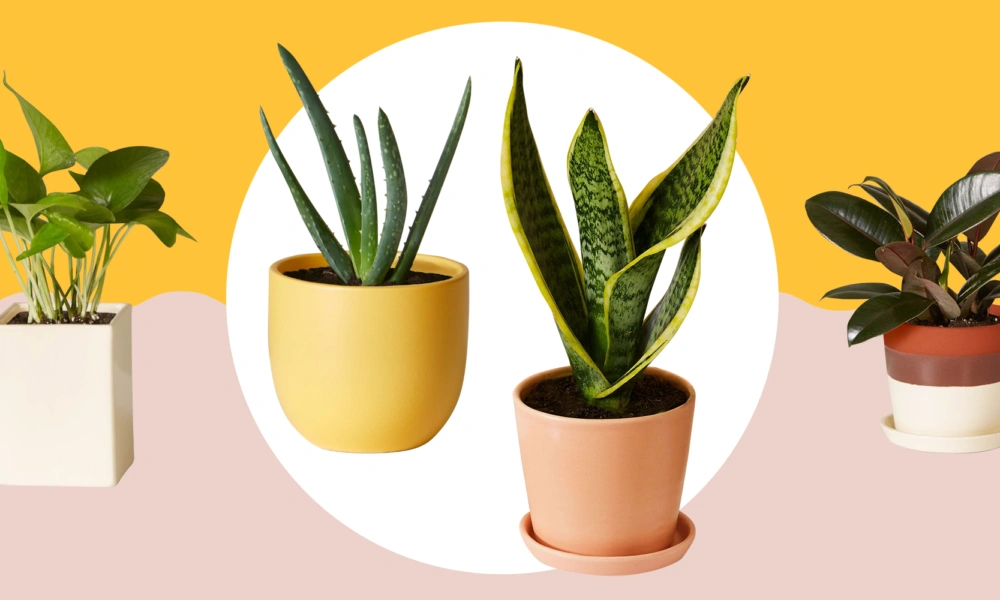
Most species stop during the sunlit hours of the day and produce oxygen during that time, but the Snake Plant continues converting carbon dioxide into pure oxygen all through the night. Having these functional plants for anxiety right there next to your bed ensures that you are breathing clean air while falling asleep fast into deep and relaxing sleep.
3. Chamomile (Matricaria chamomilla)
Dried chamomile blossoms in a hot cup of bedtime tea is known to even the most novice home cook, but nursing a live container on your kitchen countertop shines with sensory wonder. Just touching the delicate, feathery bright green leaves gives off a mild, sweet apple-like smell.
Feeling the earth and roots gently while tending to these therapeutic plants for mental health brings immediate mindfulness relief amid an overwhelming afternoon.
4. Aloe Vera
While Aloe Vera is known internationally for its amazing therapeutic qualities because of the healing gel encapsulated in its massive, succulent leaves, it’s also a great little monitoring device to have around.
It is a bio-frame that lives and breathes, acting as excellent plants stress relief for anxious growers. The green skin of the Aloe plant will start getting brown spots if the surrounding air becomes very polluted with industrial contaminants, giving you a hint to open a window or turn on a clean air purifier.
5. The Peacelily (Spathiphyllum)
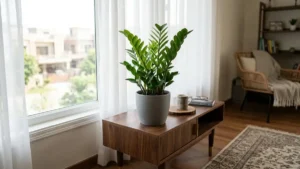
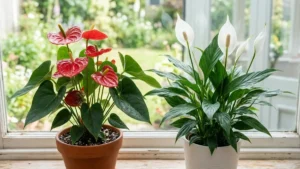
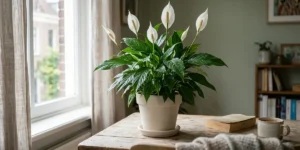
Characterized by glossy, deep green leaves and stunning spade-shaped blooms of bright clean white, this hardy specimen is one of the most effective scrubbers of common indoor chemicals around and ranks high among functional plants for anxiety. Sitting on a desk or low coffee table, it is unbelievably elegant and lends the messy corners of our homes immediate organic calm.
Additionally, it tells you exactly what it wants in terms of hydration both without elaborate regimens; the soil completely dried out, leaves drooped, and within an hour of a thorough soaking: Leaves up.
Comparing Care Levels and Stress-Relief Profiles
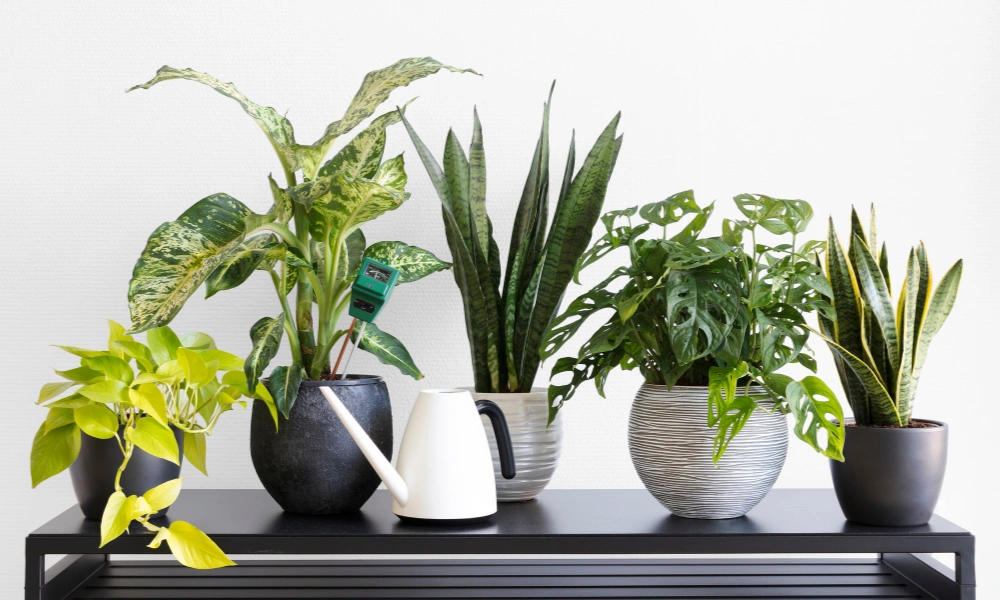
It can be beneficial to compare these specific operational needs and strengths side by side to assist with seamlessly integrating these plants for anxiety into your personal routine.
| Plant Name | Primary Therapeutic Benefit | Ideal Indoor Location | Difficulty Level |
| English Lavender | Aromatic calming, linalool release | Sun-drenched south window | Moderate to High |
| Snake Plant | Nocturnal oxygenation, air purity | Dim bedroom corner | Exceptionally Easy |
| Chamomile | Tactile grounding, soothing scent | Bright kitchen counter | Moderate |
| Aloe Vera | Environment monitoring, skin gel | Sunny home office desk | Easy |
| Peacelily | High-volume chemical filtration | Shaded living room | Easy to Moderate |
After analyzing the new environmental data collected, a sprightly mix of both aromatic and air-purifying types creates a truly balanced supportive ecosystem indoors for natural plants stress relief.
Designing a Restorative Green Oasis
While setting your new collection, work for an intentional visual layout that best exploits the beauty of each plant while also optimising its air cleaning potential.
Strategic Grouping for Natural Humidity
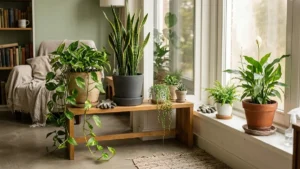
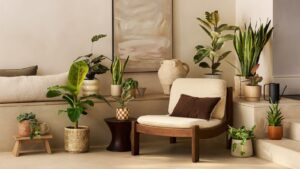
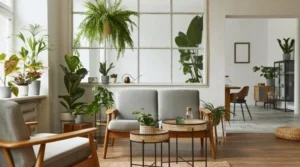
Rather than scattering a couple single or smaller pots all over your house, consolidate multiple varieties of your chosen plants for mental health into one corner.
Their clustering forms a little microclimate where moisture transpired by the plants naturally increases local humidity. The verdure protects your leaf tips so that they remain soft, green, and vibrant, framing the armchair in which you lounge with an immersive, restorative natural wall.
Engaging Your Senses Mindfully
-
Embrace Organic Textures: Layer the stiff, vertical swords of a Snake Plant with soft, cascading leaves of trailing vines for lush natural richness and maximum plants stress relief.
-
Things to do: Add in some natural terracotta, textured stoneware, or woven seagrass planters, for your peace of mind, as a result, bringing rustic earthy colours within it.
-
Create a Daily Morning Check: Set aside three minutes every morning before you touch soil, check your phone, or read an email to look closely for new sprouts on your plants for anxiety.
Common Misconceptions About Greenery and Mental Health
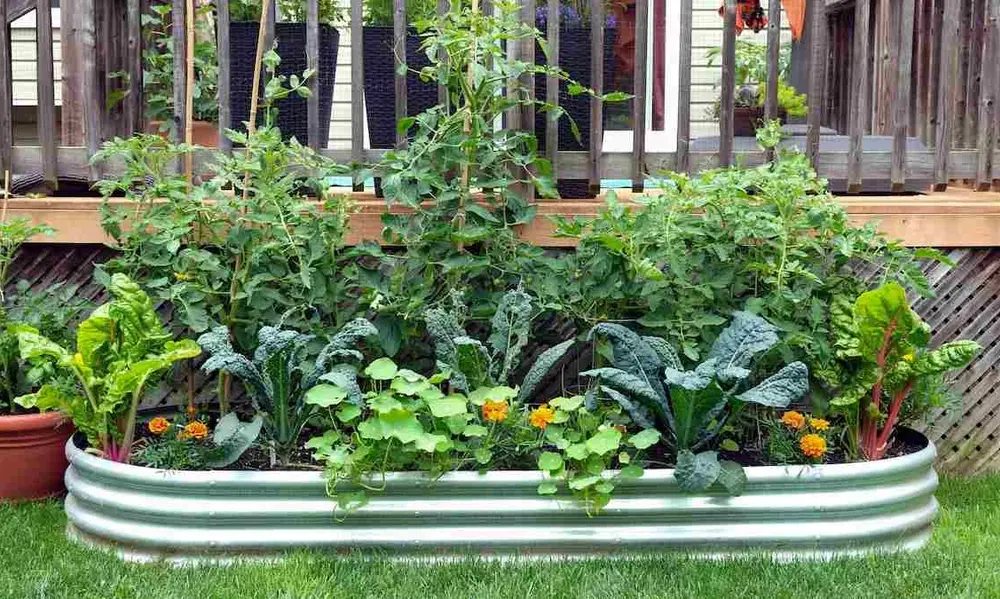
While allowing new growth into your house is a wonderful tried and true lifestyle change, it should be tempered with reasonable expectations as to what home horticulture and plants for mental health may accomplish.
The Realistic Clean Air Horizon
Older articles indicated that a single houseplant could clean the air in an entire large, drafty room. According to newer environmental data though, you actually require approximately 3–4 medium-size potted plants for anxiety for each 100 square feet in order to achieve a measurable improvement in general air quality. View your usual jungle as a great complementary addition to fresh air, not a complete substitute for clean flow at home.
Managing Intentional Routine Stress
For a few, moving very high upkeep, undesirable tropical species back home can wind up presenting an entirely different kind of day by day task related stress. When a rare exotic specimen starts to shed, or (worst of all) Botox-affected browning appears, it can feel like you have personally failed.
To steer clear of this trap, you must always commence your eco friendly journeys along with extremely forgiving, easygoing plants for mental health which are very productive at shrugging off modest treatment issues while creating your intuitive growing confidence and providing true plants stress relief.
Conclusion
You do not need a costly remodel or a new lifestyle to make your personal living space into an oasis of calm. To avoid daily stress, integrating simple plants for anxiety with soothing Lavender, air-cleansing Snake Plants, and decorative Peace Lilies can help bring you one step further.
Once you create an uncomplicated, relaxing routine of watering, pruning and admiring your collection, just the act of gently helping nature flourish will also tend to calm your own mind over time as well. Allow the Peacelily team to assist you with choosing your very first indoor companion, select the perfect plants for mental health, and begin reaping the rewards of a much cleaner, quieter, and overall more tranquil environment — today.
Frequently Asked Questions
Which indoor plants are safe for pets?
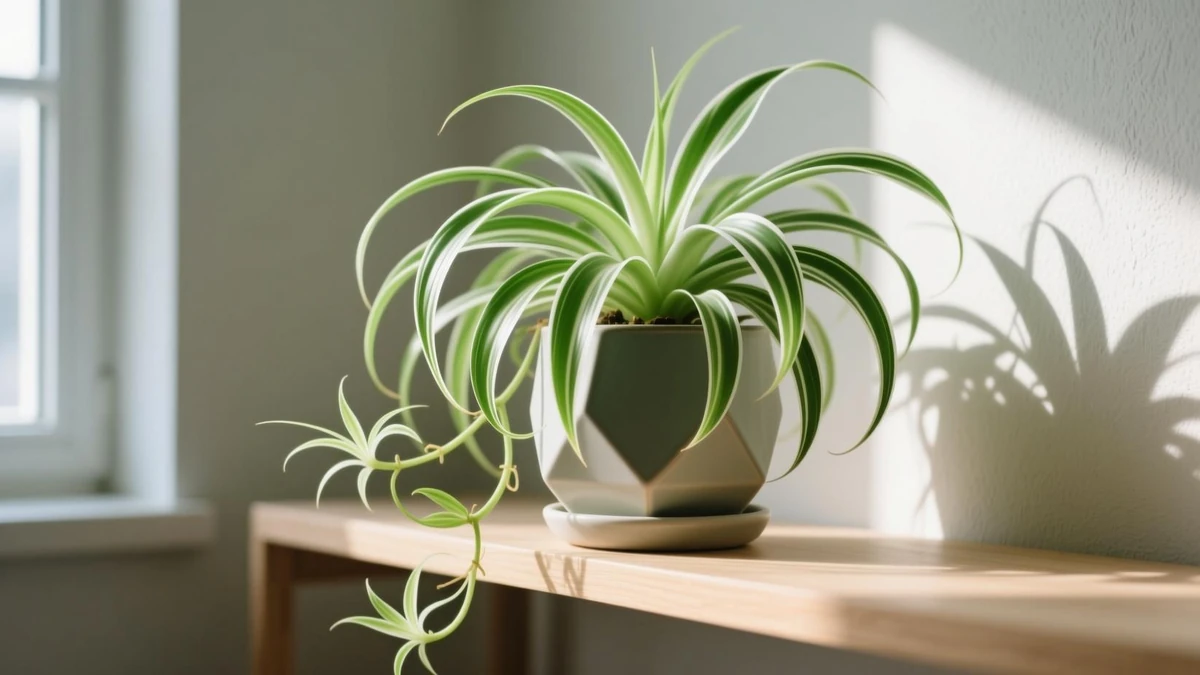
Avoid plants like Snake Plant and Peace Lily as they may cause irritation if chewed. Instead, choose pet-safe options like Spider Plant, Boston Fern, or Calathea.
How often should I fertilize indoor plants?
Feed with a mild liquid fertilizer every 4–6 weeks during spring and summer. Avoid fertilizing in winter when plant growth slows.
Can low-light offices support stress-relieving plants?
Yes. Plants like ZZ Plant, Cast Iron Plant, and Pothos grow well in low light and need minimal care.
Why are my plant’s leaves turning yellow?
This is usually due to overwatering. Check soil moisture before watering and only water when the top few inches are dry.