Key Takeways
- Peace lily issues are not true pollen allergies
- Main cause is calcium oxalate crystals in sap
- Reactions happen through direct contact or dust
- Symptoms include skin irritation, sneezing, and eye discomfort
- Respiratory problems are usually from dust, not pollen
- Simple care steps like gloves and cleaning reduce risk
Indoor gardening provides so much joy, but your favorite houseplant can pose some surprising health risks. One frequently asked question from indoor plant lovers is about hazards that cause adverse effects on skin or respiratory health. But is a peace lily allergy really going to threaten your life in the home, or is another issue creating your inflammation?
Peace lily allergy , while there may not be any typical pollen seasonal allergy mechanisms at play in triggering a reaction, yes, certain individuals with either skin or respiratory system known contact allergies can mount quite significant inflammation to unsuspected exposure.
Conversely, the peace lily (Spathiphyllum) causes localized reactions through mechanical irritation and dust accumulation instead of your immune system being activated due to an event involving airborne pollen. If you have a passion for indoor horticulture, but rashes and breathing problems after dealing with the plants force you to discard some of them, knowing how to deal with these triggers will enable you to continue keeping your greenery in safety. At peeacelily, we want to help you live in harmony with your love for plants while having a space that does not irritate.
The True Botanical Science: What Causes a Peace Lily Allergy?
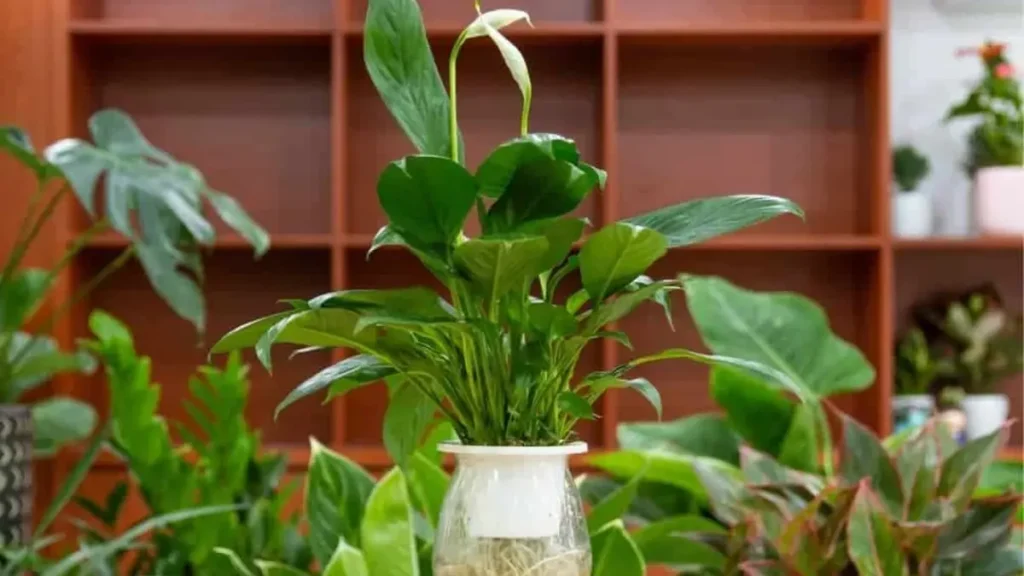
Better learn the plant biology of peace lily allergies, cause that makes managing it much easier. In direct contrast to wind-pollinated plants that shoot heavy clouds of allergens into the air, the peace lily depends on insects for pollination. It is quite unlike that it will air currents of your dwelling because that indicates its pollen is hefty and sticky.
The main underlying reason for a aggravated peace lily allergy is a natural incapacitative factor that exists internally in the tissues of the plant also called insoluble calcium oxalate crystals.
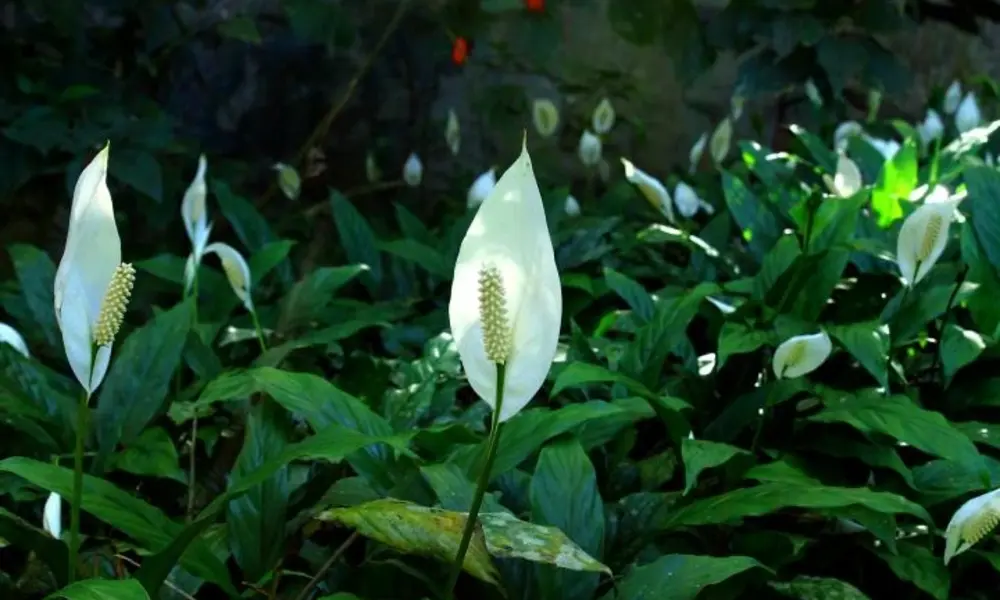
These tiny, needlelike structures are called raphides. These crystals are released in sap when a leaf is torn or a stem cut while pruning. The miniature needles that perforate the tissue on contact with skin and mucous membranes create immediate mechanical irritation accurately replicating an allergic reaction.
In addition, the wide and deep green leaves of this plant really act like a natural dust gnat. When you move a dusty plant or prune it, all that aerobic mold and pet dander gets launched into your breathing zone and can trigger respiratory sensitivities almost instantly.
Recognizable Symptoms of Peace Lily Allergy Irritation
A negative response to this plant usually presents itself in three separate forms, depending solely on how you interacted with the organism.
Dermatitis and Skin Reactions
Direct exposure to the plant sap in most cases is what triggers area of skin problems leading frequently to irritant contact dermatitis.
- Immediate Redness: The skin shows Pinking or even a little redness in the areas where the sap has been.
- Localized Swelling: Slight swelling or puffiness surrounding the involved fingers or wrists.
- Intense Itching or Burning: Depends on experience with someone stuck by the microscopic crystal needles in hay-based products.
- Hives or Blisters: Fluid–filled bumps appears in extreme sensitivity, and in case of active eczema.
Respiratory Discomfort
Airborne peace lily allergy from pollen is a very rare phenomenon, however, as the plant is handled often during care, trapped structural dust and microscopic sap droplets become disturbed each time resulting in airway irritation.
- Frequent Sneezing: Sneeze occasionally while cleaning or shifting your plants.
- Nasal Congestion: Blocked or runny nose soon after conducting tasks with green stems.
- Throat Irritation: A cough that feels dry and tickly or a sore scratchy feeling in the back of the throat.
- Wheezing: Low airflow resistance, especially present in previously asthmatic cases.
Ocular Irritation
You are 100% correct, however it is extremely easy to inadvertently rub your face or eyes when tending to an indoor garden & thereby inserting irritants directly onto sensitive eye tissues.
- Watery, Red Eyes: Immediate tearing and bloodshot appearance
- Eyelid Inflammation: Hypertrophy, puffiness and swelling in an area around the lash line.
- Photophobia: An uncomfortable, temporary sensitivity to bright room lights.
Peace Lily Allergy Triggers vs. Common Houseplant Reactions
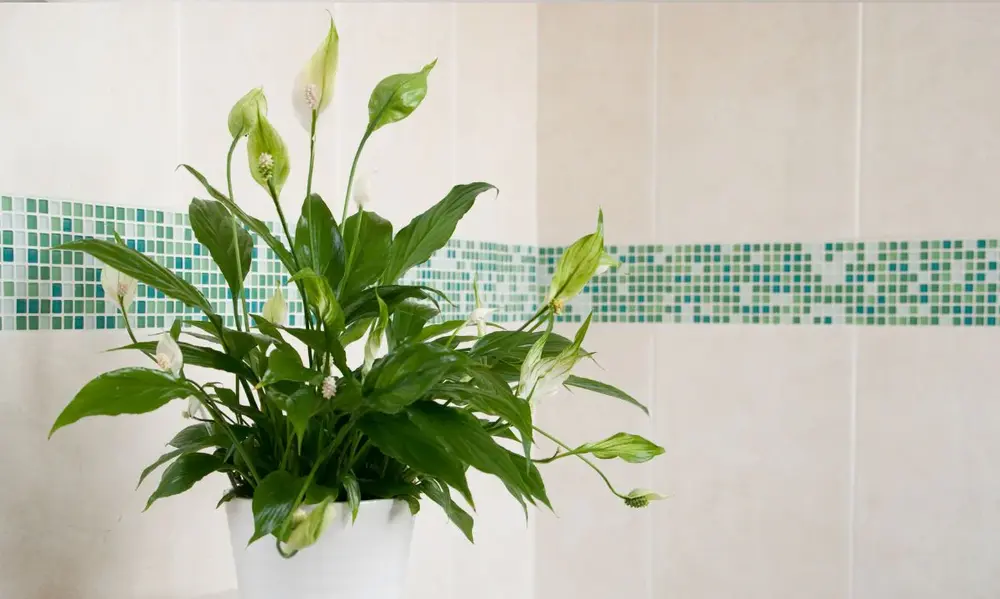
Not all plant irritations are identical. To give you a clear picture of how the peace lily compares to other popular household options, we have compiled a comparison table based on standard botanical and dermatological data.
| Houseplant Species | Primary Irritant / Toxin | Primary Mode of Reaction | Common Clinical Symptoms |
| Peace Lily (Spathiphyllum) | Insoluble Calcium Oxalate | Sap contact & trapped leaf dust | Localized skin burning, dermatitis, sneezing |
| English Ivy (Hedera helix) | Falcarinol (polyacetylene) | Direct dermal contact | Severe allergic contact dermatitis, blisters |
| Ficus / Weeping Fig (Ficus benjamina) | Proteolytic enzymes & Elestic latex | Airborne particles & sap contact | Eye watering, skin irritation, wheezing |
| Dumb Cane (Dieffenbachia) | Heavy Calcium Oxalate & Proteases | Sap contact or accidental ingestion | Severe oral swelling, intense skin stinging |
Doctor-Reviewed Prevention and Management Strategies
Throwing out your favorite green friend shouldn’t necessarily be a prerequisite to having a more healthful home. With just a couple of protocols to bypass allergens and manage symptoms–as verified by doctors, you can significantly reduce plant-based irritants in your day-to-day life.
1. Wear Protective Gear During Care
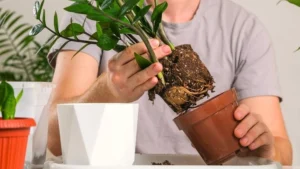
When you do things like root ball division, repotting or pruning spent blooms — never use your hands. Wear heavy, non-porous gardening gloves at all times to prevent a skin flare-up from peace lily allergy. In the case you are cutting an overgrown specimen, a simple face mask will wear not to inhale flying sap drops or disturbed house-duty dust.
2. Practice Immediate Hygiene
Always wash your hands, wrist and forearms with warm water and mild soap right after caring for plants. Even when wearing gloves, cross contamination can occur. Washing properly rinses excess calcium oxalate crystals out before they can spread to your face, eyes, or loved ones.
3. Maintain Leaf Cleanliness
You need to keep the foliage clean because the large leaves accumulate dust in the air that causes respiratory irritation. Do this once or twice a month and you should be cleaning your leafs with a damp microfiber cloth. Taking this simple action reduces the most significant transport method for airborne respiratory irritants from your home.
4. Optimize Greenery Placement
Keep your plant in low-traffic areas of the home to reduce accidental contact. Stay away from narrow halls or a bedside table where clothing, skin, or bedding would come in contact and rub against the leaves. When we keep the plant in a site with good air movement, thereby any slight localized irritants are quickly carried away by fresh air currents.
5. Dispose of Pruning Debris Safely
Trim fewer yellow leaves or old stems using the swift sharpened cut to minimize leakage of trunk sap. Simply dump all clippings right into a trash bag as you go, seal it up tightly and clean your pruning shears with rubbing alcohol after use to remove any unseen sap deposits.
Practical First Aid for Plant Irritation
If you or someone else accidentally touches the sap, which can cause mild symptoms of peace lily allergy, fast action will prevent this minor discomfort from worsening:
For Skin Contact: Rinse immediately with plenty of water and soap for at least 5 minutes, removing the tiny hair needles mechanotherapy. Apply a thin layer of fragrance-free moisturizing lotion, pure aloe vera gel or mild over-the-counter hydrocortisone cream to relieve itching and redness.
For Eye Exposure: I cannot stress this enough; rubbing your eyes will push the microscopic crystals even deeper into eye tissues. Gently wash the eyes with sterile saline solution or lukewarm flash water for not less than 10 to 15 minutes.

For Airway Irritation: Common antihistamines or basic saline nasal sprays work fast for relieving short-term sneezing, running nose or congestion.
When to Seek Immediate Medical Care: Go to the nearest emergency medical facility if someone accidentally eats any part of the plant and has swelling of the lips, tongue or throat, or they have severe difficulty breathing.
Balancing Green Aesthetics and Home Wellness
Peace lilies remain an outstanding choice for modern interior decoration and natural indoor air purification, provided you respect their built-in defenses. By recognizing that a peace lily allergy is primarily driven by localized crystal irritation and simple leaf dust rather than aggressive airborne pollen, you can take control of your environment.
Using protective gloves, maintaining a regular leaf-cleaning schedule, and choosing smart placement are simple, highly effective ways to keep your home comfortable. Here at peeacelily, we believe you don’t have to choose between a gorgeous indoor garden and your physical wellness with the right habits, you can easily enjoy the best of both worlds safely.
FAQs
Is a peace lily toxic to touch?
Not usually toxic just from touching the plant. But its sap can cause skin irritation and a burning rash if it breaks and contacts skin.
Can keeping a peace lily in the bedroom cause morning allergies?
It’s very unlikely to cause morning allergies. Only dust on the leaves or poor cleaning might trigger mild irritation.
How can I tell the difference between pollen allergy and calcium oxalate irritation?
Pollen allergy affects the whole body (sneezing, itchy eyes, fatigue). Calcium oxalate irritation is local, causing immediate burning only where the sap touches skin.
Are peace lilies safe for households with cats and dogs?
No, they are toxic to pets if chewed. They can cause mouth burning, drooling, vomiting, and difficulty swallowing.