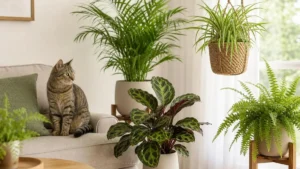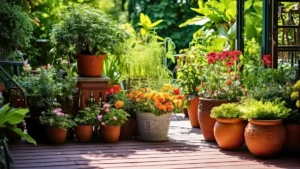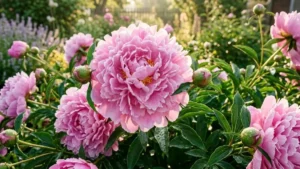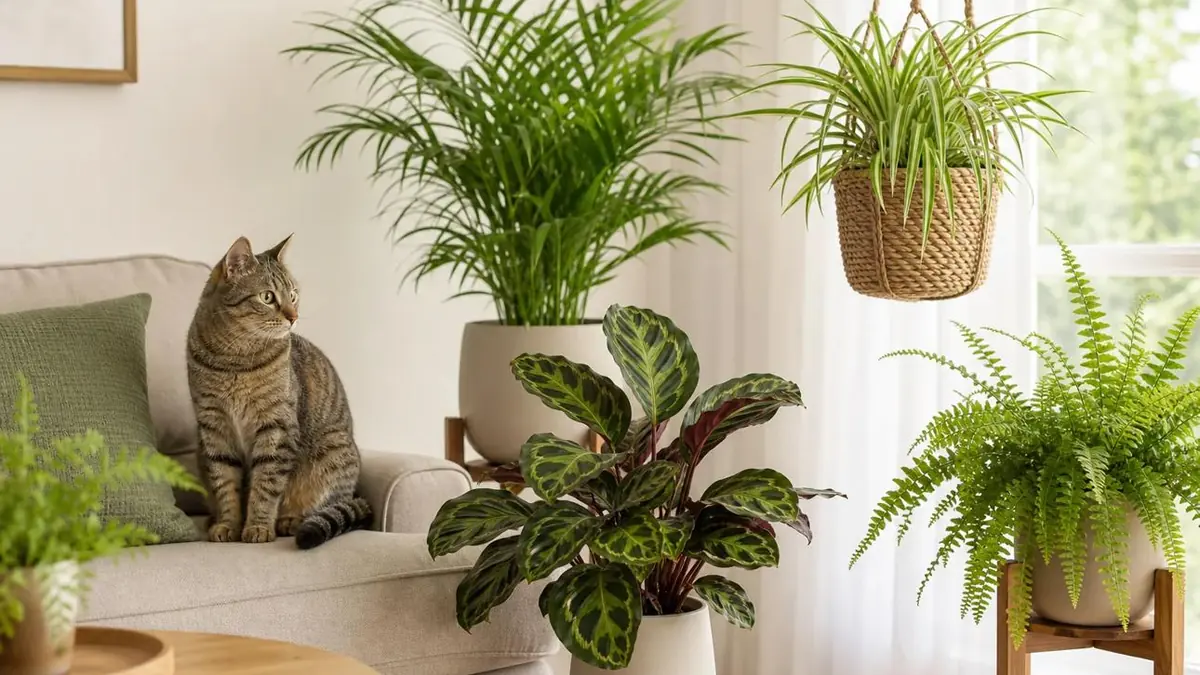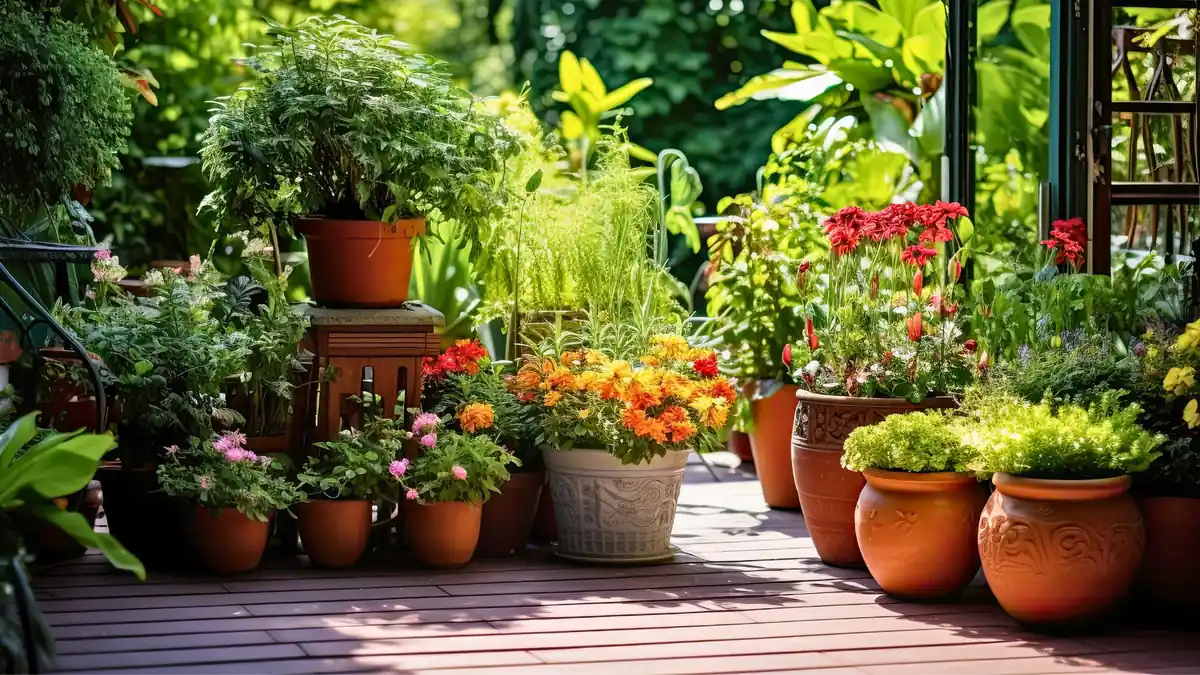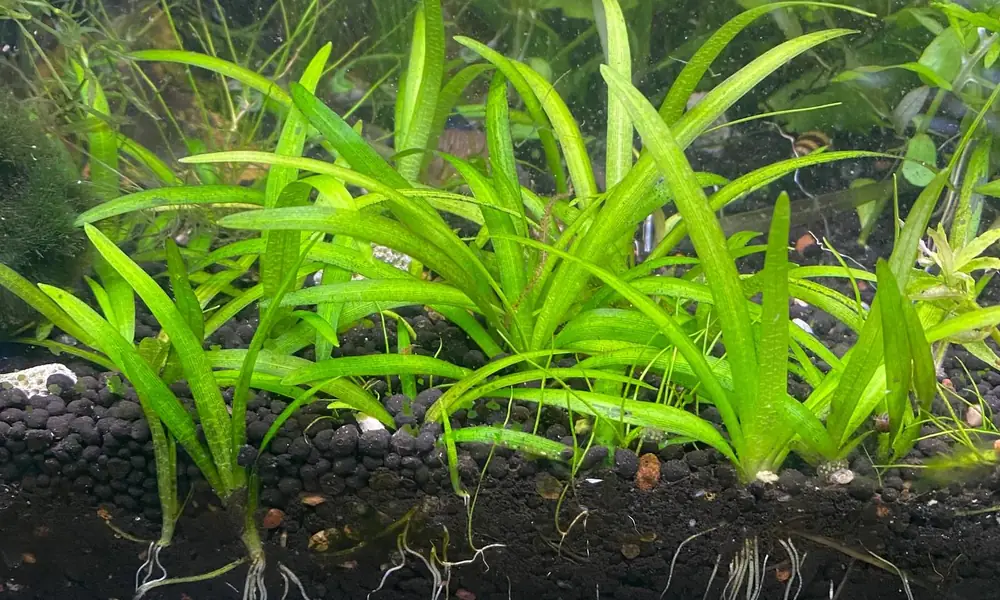
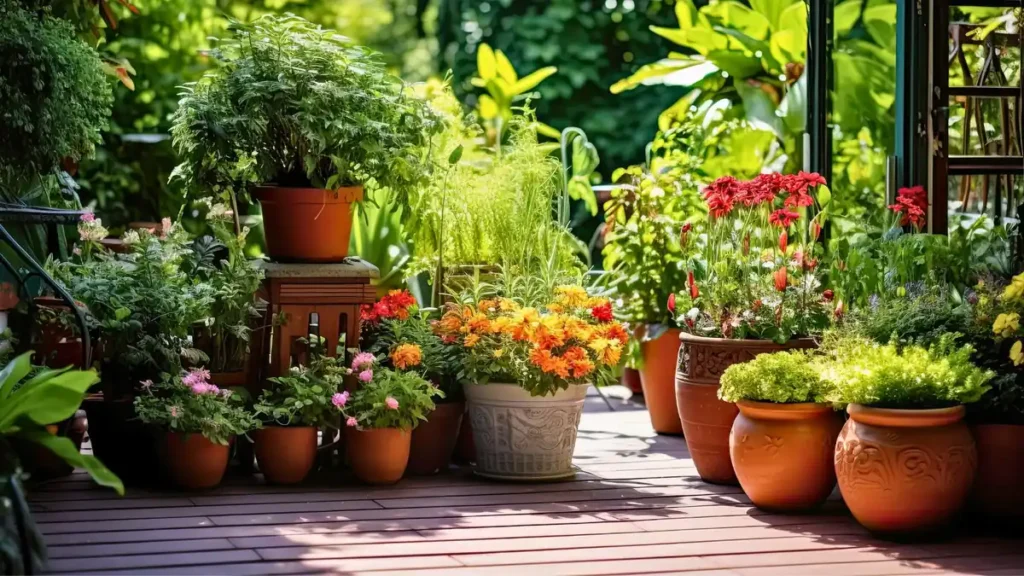
A garden can change the feeling of an entire home. A few flowering plants beside the entrance, a row of leafy pots on a balcony, or a small collection of herbs near the kitchen can turn an ordinary outdoor space into somewhere you genuinely enjoy spending time.
The best part is that you do not need a large garden to create that feeling. Outdoor plants come in countless sizes, colors, and growth habits, making it possible to find suitable options for everything from sunny courtyards to shaded patios and compact apartment balconies.
Outdoor plants are plants grown in open-air environments, including gardens, patios, balconies, terraces, and outdoor containers. They include flowering annuals, perennial flowers, shrubs, trees, ornamental grasses, vegetables, herbs, and ground covers.
Choosing the right plants starts with understanding your climate, sunlight, soil, available space, and watering routine. A plant that thrives in a sunny garden may struggle in deep shade, while a variety suited to a cool climate may need extra protection during hot weather.
What Are Outdoor Plants?
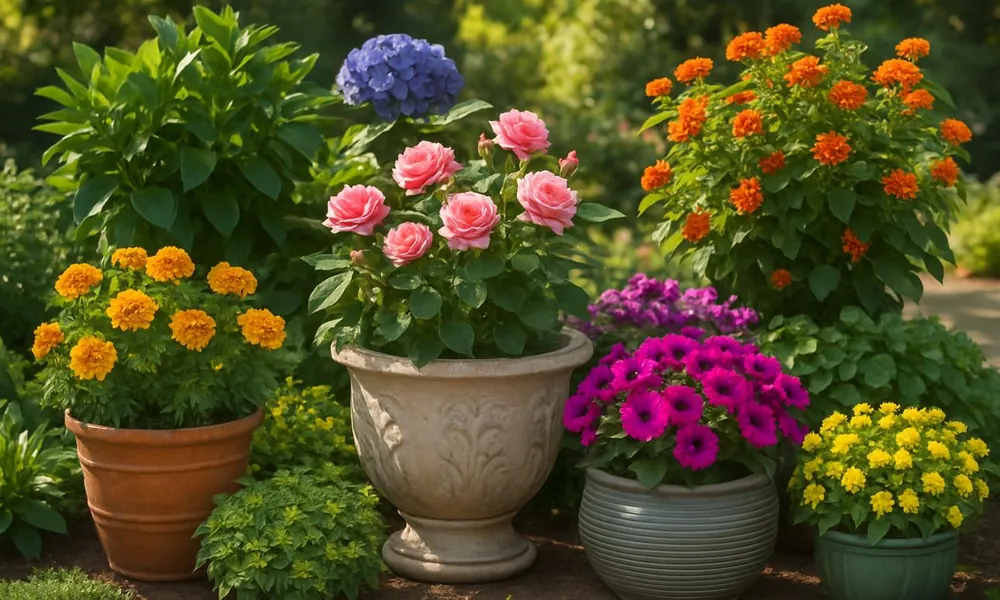
Outdoor plants are species cultivated outside, where they experience natural sunlight, rainfall, wind, and seasonal temperature changes.
Some outdoor plants grow for only one season, while others return year after year. Certain varieties remain compact enough for small containers, whereas trees and shrubs may need substantial space to reach their mature size.
Outdoor plants generally fall into several categories:
-
Flowering plants: Grown for their colorful blooms, including marigolds, petunias, and zinnias.
- Foliage plants: Valued for their leaves, textures, and shapes.
- Shrubs: Woody plants that provide structure, privacy, or seasonal flowers.
- Trees: Larger plants that create shade, height, and long-term landscape interest.
- Herbs and vegetables: Edible plants grown in garden beds or containers.
- Ground covers: Low-growing plants that spread across the soil.
- Ornamental grasses: Plants grown for their movement, texture, and architectural form.
Combining several types can create an outdoor space that remains interesting throughout the growing season.
25 Best Outdoor Plants for Your Garden
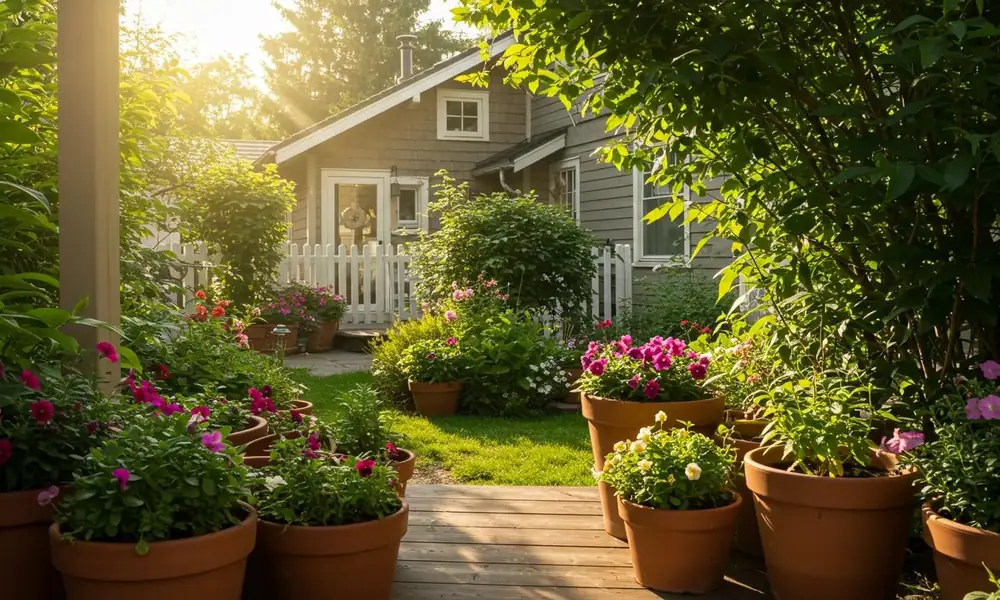
The ideal outdoor plant depends on local weather and growing conditions. These popular choices offer a starting point for different garden styles and spaces.
1. Marigolds
Marigolds are cheerful flowering plants known for their golden, orange, and yellow blooms.
They work well in garden borders, raised beds, and outdoor containers. Many varieties flower generously in warm weather when they receive enough sunlight.
Care tip: Plant them in well-draining soil and provide plenty of sun. Water when the soil begins to dry, avoiding consistently soggy conditions.
2. Petunias
Petunias produce trumpet-shaped flowers in a wide range of colors, including pink, purple, red, white, and striped combinations.
Their trailing growth makes many varieties suitable for hanging baskets, window boxes, and patio containers.
Care tip: Give them abundant light, regular watering, and suitable drainage. Remove spent flowers when needed to encourage continued blooming in varieties that benefit from deadheading.
3. Roses
Roses remain popular outdoor plants because of their flowers, fragrance, and variety of forms. Depending on the cultivar, roses can grow as compact bushes, climbing plants, or larger landscape shrubs.
Care tip: Choose a variety suited to your local climate, provide good air circulation, and water near the base when possible. Pruning requirements vary by rose type.
4. Lavender
Lavender is known for its fragrant foliage and purple flower spikes. It can add a relaxed, Mediterranean-inspired appearance to outdoor spaces.Many lavender varieties prefer sunny conditions and relatively dry, well-draining soil.
Care tip: Avoid overwatering and heavy, poorly drained soil. Select a variety that tolerates your area’s summer heat and winter temperatures.
5. Bougainvillea
Bougainvillea is a vigorous climbing or sprawling plant famous for its colorful bracts, which surround its small true flowers.It can brighten walls, fences, courtyards, and sunny patios in suitable warm climates.
Care tip: Provide plenty of sunlight and excellent drainage. Bougainvillea generally performs best in warm conditions and may need protection from cold weather. Its thorny stems also require careful placement.
6. Hibiscus
Hibiscus plants produce large, striking flowers in shades that can include red, pink, yellow, orange, and white.Tropical hibiscus varieties are especially popular in warm-climate gardens and containers, while other hibiscus species tolerate cooler conditions.
Care tip: Identify the species before choosing a location. Many tropical varieties prefer warmth, regular moisture, and bright sunlight.
7. Geraniums
Common garden geraniums, often sold as Pelargonium species, produce clusters of flowers above attractive foliage. They are popular in containers, window boxes, and sunny outdoor arrangements.
Care tip: Provide good drainage and suitable sunlight. Avoid keeping the roots persistently wet, and protect tender varieties from frost.
8. Zinnias
Zinnias are colorful annual flowers that come in many sizes and shades. They are useful for sunny flower beds and can provide a long season of blooms when conditions are favorable.
Care tip: Sow or plant them in warm weather, provide full sun, and allow good air circulation around the foliage.
9. Sunflowers
Sunflowers bring height and bold color to outdoor spaces. Depending on the variety, they may grow into tall garden specimens or remain compact enough for large containers. Their seeds can also provide food for birds and other wildlife.
Care tip: Choose a sunny location with enough space for the mature plant. Taller varieties may need support in exposed areas.
10. Jasmine
Jasmine includes several species grown for their fragrant flowers and climbing or shrubby growth. Some varieties are suitable for warm outdoor gardens, while others need protection from cold temperatures.
Care tip: Choose a species suited to your climate and provide a suitable support structure for climbing varieties. Water according to the species and growing conditions.
11. Aloe Vera
Aloe vera is a succulent with thick, fleshy leaves that store water. It can grow outdoors in warm climates and is particularly suitable for sunny containers with fast-draining growing media.
Care tip: Let the growing medium dry between waterings and protect the plant from freezing temperatures. Aloe vera is toxic to cats and dogs if ingested, so consider pet safety before planting it.
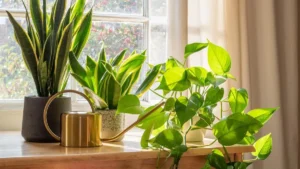
12. Snake Plant
Snake plant (Dracaena trifasciata, formerly Sansevieria trifasciata) has upright, architectural leaves that make it a popular foliage plant.
It can grow outdoors in warm, suitable conditions but is sensitive to cold and frost.
Care tip: Provide well-draining soil and avoid overwatering. In cooler climates, grow it in a container that can be moved indoors when temperatures fall.
13. Boxwood
Boxwood shrubs are often used for formal borders, low hedges, and structured garden designs.
Their dense foliage can be clipped into shapes, although growth rates and suitability vary by species and cultivar.
Care tip: Choose a variety adapted to your climate, provide appropriate drainage, and avoid planting it where its mature size will crowd paths or neighboring plants.
14. Hydrangeas
Hydrangeas are admired for their large flower clusters and lush foliage.
Different species have different sunlight, pruning, and moisture requirements. Some thrive in morning sun and afternoon shade, while others tolerate more sun in suitable climates.
Care tip: Keep the soil appropriately moist without waterlogging it, and check the pruning requirements of your specific hydrangea before cutting it back.
15. Bougainvillea Dwarf Varieties
Compact bougainvillea varieties can provide the same vivid color as larger plants while fitting into more limited spaces.
They are useful for sunny balconies, terraces, and smaller courtyards in warm regions.
Care tip: Choose a compact cultivar, use a well-draining container, and leave enough room to manage thorny growth.
16. Rosemary
Rosemary is an aromatic herb that can also function as an attractive outdoor shrub.
Its evergreen foliage and small flowers make it suitable for herb gardens, borders, and containers.
Care tip: Provide sunlight and excellent drainage. Rosemary generally prefers soil that dries somewhat between waterings.
17. Mint
Mint is a leafy herb that grows vigorously under suitable conditions.
It can be useful for outdoor kitchens, herb collections, and container gardens, but it spreads rapidly when planted directly in the ground.
Care tip: Grow mint in a separate pot to help control its spreading roots. Provide suitable light and regular water without leaving the roots waterlogged.
18. Basil
Basil is a popular culinary herb that grows well outdoors during warm weather. Its fragrant leaves can be harvested for salads, sauces, and other dishes.
Care tip: Provide warmth, adequate sunlight, and consistent moisture. Protect it from cold conditions and remove flower spikes if you want to encourage leafy growth.
19. Ornamental Grasses
Ornamental grasses provide texture, movement, and seasonal interest. Some varieties remain small, while others grow into large clumps suitable for borders or landscape features.
Care tip: Check the mature height and spread before planting. Choose species suited to your climate, and verify whether a variety may become invasive in your area.
20. Ferns
Ferns can bring a soft, woodland appearance to shaded outdoor areas. Some species prefer moist, sheltered conditions, while others tolerate more sun or seasonal dryness.
Care tip: Choose a fern suitable for your local climate and the amount of shade available. Keep moisture levels appropriate for the species and avoid assuming every fern needs the same conditions.
21. Pet-Friendly Spider Plant
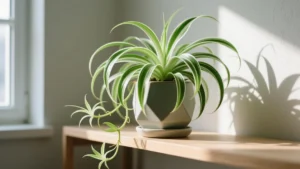
Spider plant (Chlorophytum comosum) can grow outdoors in suitable mild conditions, especially in shaded or partly shaded locations. Its arching leaves and small plantlets create a relaxed look in hanging containers.
Care tip: Protect it from intense heat and cold extremes. Spider plants are generally considered non-toxic to cats and dogs, though eating large amounts may still cause stomach upset.
22. Camellias
Camellias are evergreen shrubs valued for their glossy leaves and elegant flowers. They often suit sheltered gardens with appropriate soil conditions, although their requirements depend on the species and climate.
Care tip: Many camellias prefer acidic, well-draining soil and protection from harsh afternoon sun. Check local suitability before planting.
23. Dwarf Citrus Trees
Dwarf citrus varieties can be grown in suitable outdoor containers, providing glossy leaves, fragrant flowers, and potentially edible fruit. Lemon, calamondin, and other compact citrus varieties may be options depending on local climate and cultivar.
Care tip: Provide abundant light, appropriate watering, and a container with good drainage. Cold-sensitive varieties may need protection during chilly weather.
24. Portulaca
Portulaca, commonly called moss rose, is a low-growing flowering plant with succulent leaves and bright blooms. It can be a useful choice for sunny areas and containers where the soil drains quickly.
Care tip: Provide plenty of sunlight and avoid excessive watering. Check the species before planting if pets have access to the garden.
25. Lantana
Lantana produces clusters of small flowers that can attract butterflies and other pollinators. It is often grown in warm climates and can be useful for colorful borders and outdoor containers.
Care tip: Choose a variety suited to your region and control its spread where necessary. Some lantana species can become invasive, and the plant is toxic to pets and livestock if ingested.
How to Choose the Right Outdoor Plants
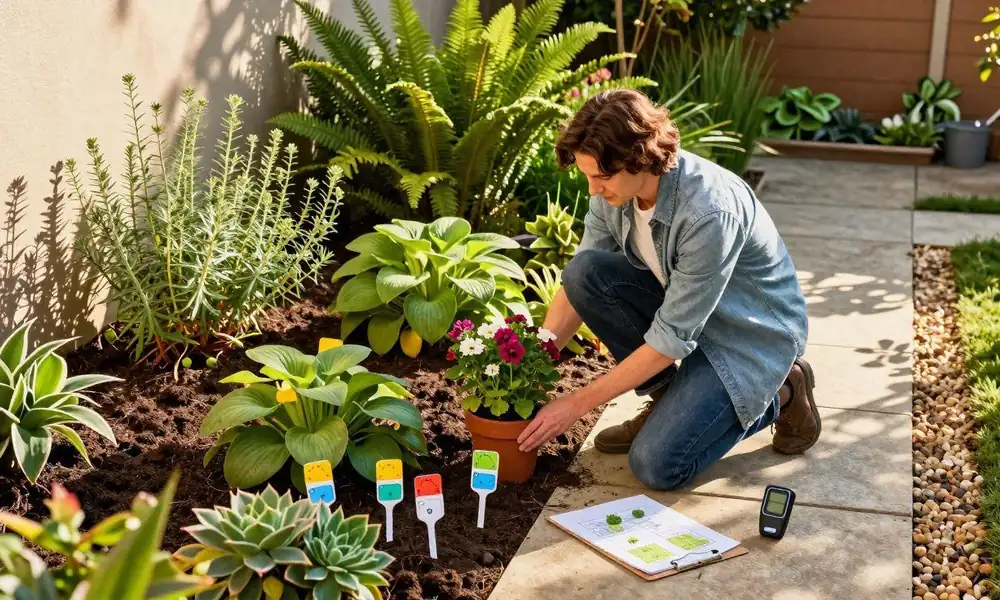
A plant can look perfect at a nursery but struggle once it reaches your garden. The best way to avoid disappointment is to evaluate your outdoor conditions before buying.
Understand Your Sunlight
Spend some time observing how sunlight moves through your garden or balcony.
- Full sun: Many flowering plants, herbs, and sun-loving shrubs perform well here.
- Partial shade: Some hydrangeas, ferns, and foliage plants may be suitable, depending on the variety.
- Full shade: Look for species specifically adapted to low-light outdoor conditions.
Sunlight requirements can change with climate. A plant that thrives in full sun in a cool region may need protection from intense afternoon heat in a hot climate.
Consider Your Climate
Temperature matters as much as sunlight. Some plants tolerate frost, while tropical varieties may suffer when exposed to cold conditions.
In hot regions, intense summer temperatures can stress plants even when they receive adequate water. Choose heat-tolerant varieties and provide temporary shade when necessary.
Before purchasing a plant, check its suitable temperature range and whether it can survive outdoors year-round in your location.
Check the Soil and Drainage
Some plants prefer rich, moisture-retentive soil, while others grow better in sandy or fast-draining conditions.
If water regularly collects around the roots, plants that need excellent drainage may develop root problems.
Improve the growing conditions with suitable soil amendments, raised beds, or containers where appropriate. Avoid making major changes without considering the needs of the plants you intend to grow.
Think About Mature Size
Small nursery plants can grow much larger than expected.
Check the mature height and spread of trees, shrubs, and climbing plants before placing them near walls, windows, paths, or neighboring plants.
A little planning can prevent overcrowding and reduce the need for frequent pruning.
Decide How Much Maintenance You Can Manage
Some outdoor plants need regular deadheading, trimming, feeding, and pest monitoring. Others remain relatively low-maintenance once established.
If you have limited time, begin with a small collection of plants suited to your climate and available conditions.
How to Care for Outdoor Plants
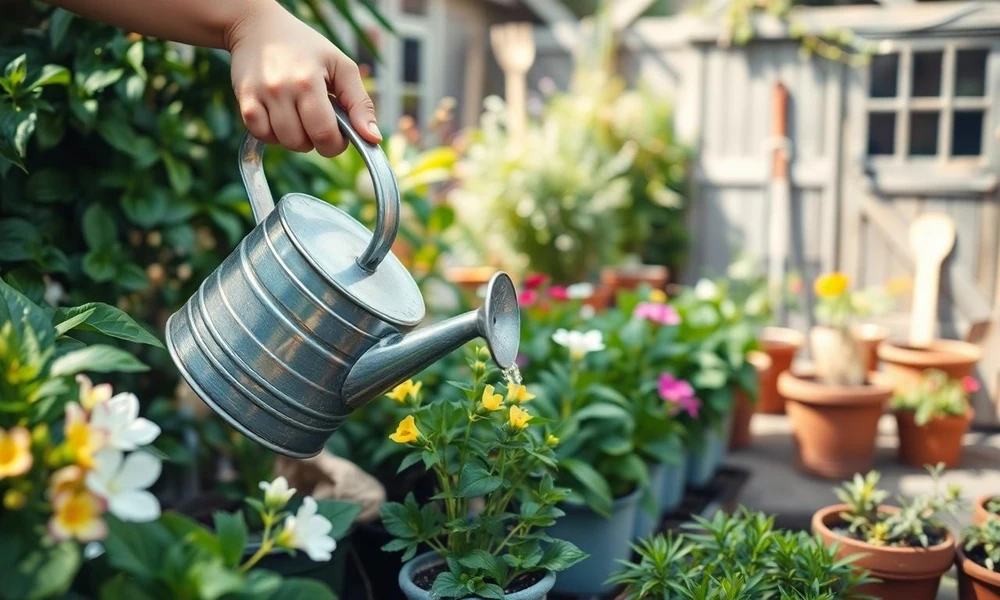
Healthy outdoor plants benefit from consistent care, but the right routine depends on their species and growing environment.
Water According to Plant Needs
Do not water every plant on the same schedule. Containers may dry much faster than garden beds, particularly during hot or windy weather.
Check the soil before watering. Some plants prefer consistently moist soil, while succulents and many Mediterranean herbs need the soil to dry between waterings.
Water near the base when practical and ensure containers have drainage holes.
Use Fertilizer Carefully
Plants require nutrients to develop healthy roots, leaves, and flowers. However, excessive fertilizer can damage roots or encourage excessive foliage at the expense of flowering.
Choose a fertilizer suitable for the plant type and follow the label directions. Newly planted specimens may need different feeding practices from established plants.
Prune at the Right Time
Pruning can remove damaged growth, maintain a desired shape, and encourage healthy development.
However, pruning at the wrong time may remove flower buds or expose sensitive growth to cold conditions. Check the specific requirements of your plant before pruning.
Monitor Pests and Diseases
Inspect leaves, stems, and growing tips for signs of pests, discoloration, or unusual growth.
Good spacing, suitable watering, and appropriate airflow can help reduce some disease problems. Identify the cause before applying a treatment, especially if pets, children, or beneficial insects may be exposed.
Protect Plants from Extreme Weather
Heatwaves, heavy rain, strong winds, and cold snaps can all affect outdoor plants.
Move portable containers to a more suitable location when possible, support tall plants in exposed areas, and use appropriate protection for cold-sensitive varieties.
Best Outdoor Plants for Small Spaces
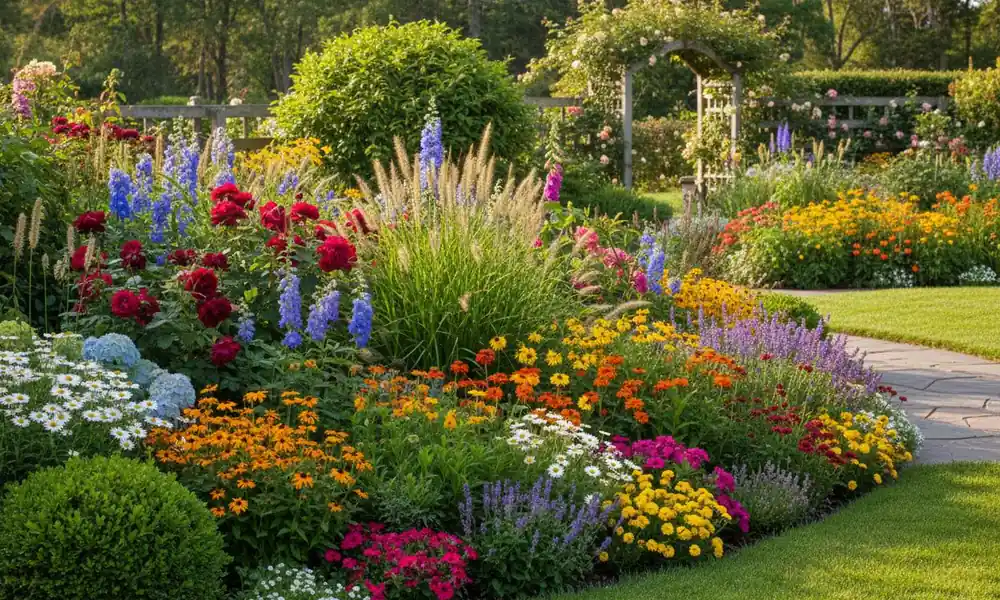
You can create an attractive outdoor garden even when you have only a balcony, terrace, or small paved area.
Consider these options:
- For sunny balconies: Petunias, marigolds, compact roses, rosemary, and suitable succulents.
- For shaded balconies: Boston ferns, suitable Calathea varieties, and other shade-tolerant plants adapted to outdoor conditions.
- For vertical gardening: Climbing jasmine varieties and other suitable climbing plants.
- For edible gardens: Mint, basil, rosemary, and compact vegetable varieties.
- For colorful containers: Zinnias, petunias, geraniums, and compact flowering plants.
Choose containers with appropriate drainage and enough room for roots. Also consider the weight of wet soil and pots if your plants will be placed on a balcony.
Common Outdoor Plant Problems
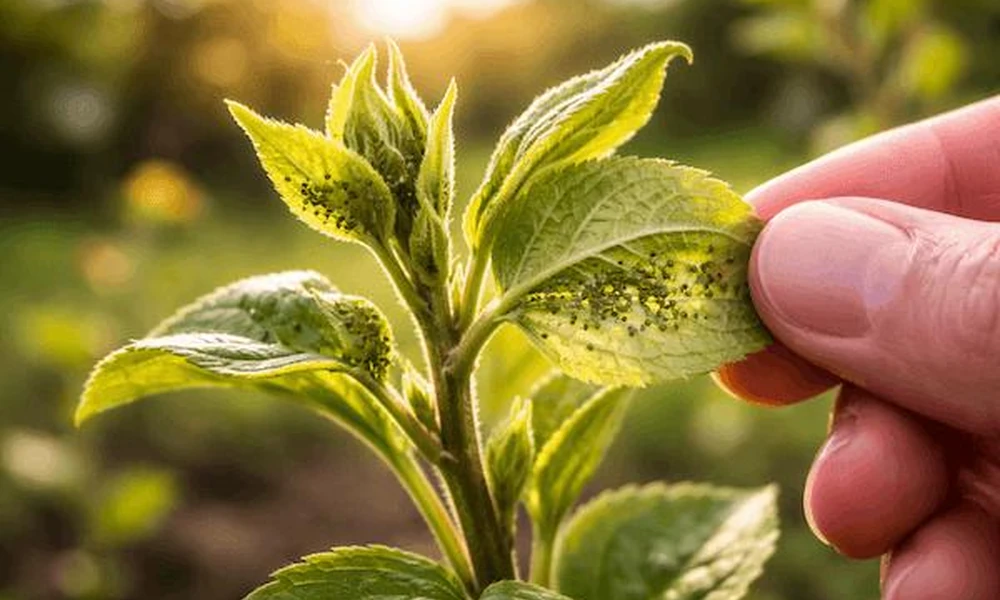
Even carefully selected plants can experience problems as the seasons change.
Yellow Leaves
Yellowing may result from overwatering, underwatering, nutrient deficiencies, poor drainage, or natural leaf aging.
Check the soil, inspect the roots when appropriate, and look for patterns in the affected leaves before changing the care routine.
Brown Leaf Edges
Brown edges can indicate moisture stress, excessive heat, wind exposure, or salt buildup in the soil.
Review watering conditions and consider whether the plant is exposed to unusually intense sunlight or dry winds.
Few or No Flowers
A flowering plant may produce fewer blooms because it lacks sufficient light, receives excessive nitrogen, has been pruned at the wrong time, or is not suited to the local climate.
Check the species’ requirements before adding fertilizer or increasing sunlight.
Drooping Plants
Drooping can indicate dry soil, waterlogged roots, heat stress, or root damage.
Check the moisture level first. Adding more water to a plant suffering from waterlogged roots can make the problem worse.
Pests on Leaves
Aphids, spider mites, scale insects, and other pests may affect outdoor plants.
Identify the pest and assess the extent of the problem before choosing a treatment. Follow product directions and protect pollinators, pets, and other wildlife.
Frequently Asked Questions About Outdoor Plants
What are the easiest outdoor plants to grow?
Marigolds, zinnias, rosemary, and many suitable succulents can be relatively easy to grow when their sunlight, temperature, and drainage requirements are met. The easiest choice depends on your climate.
Which outdoor plants grow well in pots?
Petunias, geraniums, compact roses, rosemary, mint, and suitable dwarf citrus varieties can grow well in containers. Choose a pot size that accommodates the mature plant and provides adequate drainage.
What outdoor plants grow well in full sun?
Many marigolds, zinnias, sunflowers, lavender varieties, and bougainvillea plants prefer sunny locations. However, heat tolerance varies, so select varieties suited to your region.
What outdoor plants are suitable for shade?
Some ferns, selected hydrangeas, and other shade-tolerant foliage plants can grow well in suitable shaded locations. Check whether a plant prefers partial shade or can tolerate deep shade.
How often should outdoor plants be watered?
There is no universal watering schedule. Check soil moisture, weather conditions, container size, and the plant’s specific needs. Hot, windy weather can increase water demand, while cool or rainy conditions may reduce it.
Can outdoor plants survive winter?
Some outdoor plants tolerate freezing temperatures, while tropical and other tender varieties may need protection or indoor shelter. Choose plants according to your area’s winter temperatures and growing conditions.
Which outdoor plants are safe for cats and dogs?
Some commonly grown options, including spider plants and certain palms, are generally considered non-toxic to cats and dogs. However, many popular garden plants are toxic if eaten. Confirm each plant’s identity and toxicity before bringing it into a pet-accessible space.
Conclusion
Outdoor plants can make a garden, balcony, or patio feel more welcoming, colorful, and connected to nature. Whether you prefer flowering annuals, fragrant herbs, evergreen shrubs, or architectural foliage, there are options for many different spaces and growing conditions.
Start by understanding your sunlight, climate, soil, and available room. Choose plants that suit those conditions, water them according to their needs, and adjust your care routine as the seasons change.
A successful outdoor garden does not have to be complicated. A thoughtful selection of suitable plants, cared for consistently, can create a beautiful space that grows more rewarding over time.
Disclaimer: This content is for informational purposes only and reflects our personal opinions and experiences. We just love to write and share what we know and research.