Your home environment is more than just a place to eat and sleep. It is where you begin and end most days, recharge after work or school, and spend time with the people who matter most. The way your home looks, feels, and functions can have a lasting effect on your emotional wellbeing.
Many people focus on exercise, healthy eating, or meditation to improve mental health. While these habits are important, the space around you also plays a major role. A bright, clean, and comfortable home can help you feel calmer, more focused, and emotionally balanced. On the other hand, clutter, constant noise, poor lighting, or an uncomfortable environment may increase stress and make it harder to relax.
The connection between home environment and mental health has become even more important as more people work, study, and spend leisure time at home. Whether you live in a house, apartment, shared accommodation, or a small studio, creating a healthy living space can positively influence your daily life.
This guide explains how your surroundings affect your mood, what changes can make the biggest difference, and practical steps anyone can take without spending a fortune.
Quick Answer
Your home environment and mental health are closely connected. Factors such as lighting, noise levels, air quality, cleanliness, organisation, and comfort can influence stress, mood, sleep, concentration, and overall wellbeing. Creating a clean, peaceful, and welcoming living space can help support better mental health and improve your quality of life.
Why Home Environment Matters for Mental Health

Every room in your home affects how you think and feel. Your brain constantly responds to what it sees, hears, and experiences. A tidy room may encourage focus, while a cluttered one can feel overwhelming.
A comfortable home also provides a sense of safety. When you feel secure in your surroundings, your body is more likely to relax. This makes it easier to manage stress and recover from the challenges of daily life.
People often underestimate how small environmental factors add up over time. Dim lighting, poor ventilation, or constant background noise may seem minor at first. However, when experienced every day, they can affect mood, energy, and sleep quality.
A healthy home does not need expensive furniture or luxury décor. Instead, it should be clean, organised, comfortable, and supportive of your daily routine.
The Science Behind Home and Mental Health
Our surroundings influence the brain through continuous sensory input. Light, sound, colour, temperature, and even smells affect how we feel throughout the day.
For example, exposure to natural daylight helps regulate the body’s internal clock. This supports healthy sleep patterns, boosts daytime energy, and improves emotional balance.
Likewise, fresh air and proper ventilation create a more comfortable indoor environment. Poor air quality may leave people feeling tired or distracted, while cleaner air supports better concentration.
Researchers have also found that organised spaces often reduce feelings of stress. When everything has its place, everyday tasks become easier, allowing the mind to focus on more important activities instead of constant distractions.
Key Elements of a Healthy Living Space
Creating a healthier home does not require a complete renovation. Instead, focus on the factors that have the greatest impact on your wellbeing.
| Home Element | Impact on Mental Health | Simple Improvement |
|---|---|---|
| Natural light | Improves mood and energy | Open curtains each morning |
| Cleanliness | Reduces stress | Create a daily cleaning routine |
| Fresh air | Supports comfort and focus | Open windows regularly |
| Comfortable furniture | Encourages relaxation | Use supportive seating |
| Organisation | Reduces mental overload | Declutter one area at a time |
| Quiet environment | Improves concentration | Reduce unnecessary noise |
Even small improvements can create noticeable changes over time.
How Clutter Affects Your Mind
Clutter is more than a visual problem. It can also affect how your brain processes information.
Walking into a room filled with piles of clothes, scattered paperwork, or overflowing shelves may make it harder to relax. Your attention is constantly pulled in different directions, making simple tasks feel more demanding.
By comparison, an organised room creates a sense of order. You spend less time searching for items and more time focusing on what truly matters.
If decluttering feels overwhelming, start with one small area instead of trying to clean the entire home in a single day. Clearing one drawer, one desk, or one shelf can provide a sense of accomplishment that motivates you to continue.
The Importance of Natural Light

Natural light is one of the easiest ways to improve your living space.
Sunlight helps regulate your body’s natural sleep cycle. It also creates a brighter, more welcoming atmosphere that can improve mood and reduce feelings of fatigue.
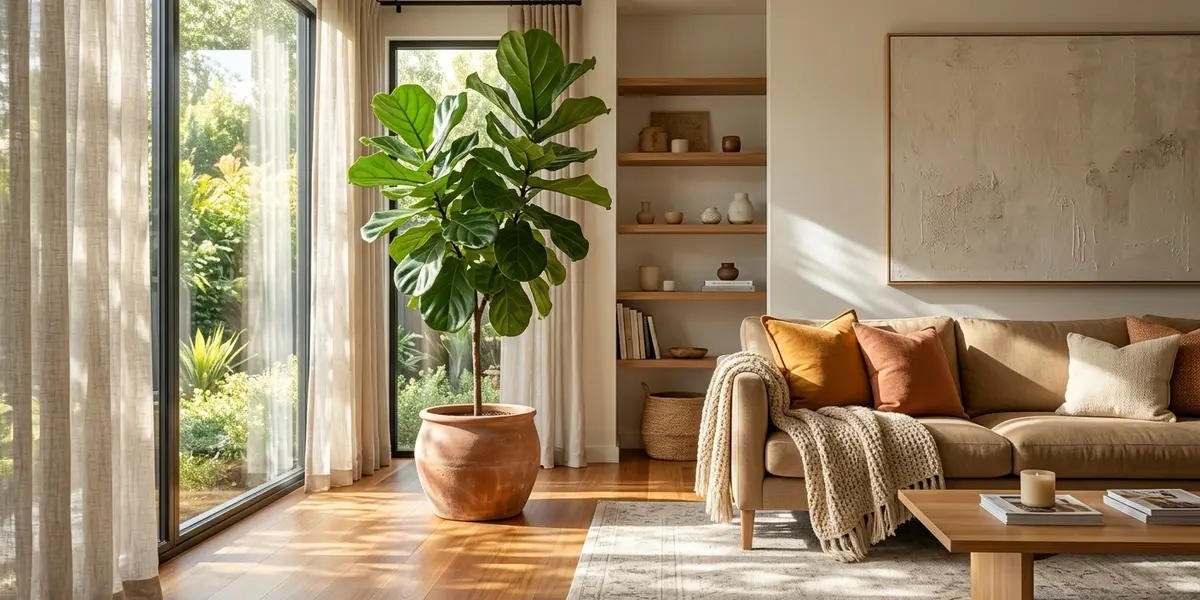
If your home receives plenty of daylight, make the most of it by keeping windows clean and avoiding heavy curtains during the day.
For rooms with limited sunlight, use bright lighting that closely resembles natural daylight. Mirrors can also help reflect light around the room, making small spaces feel larger and more inviting.
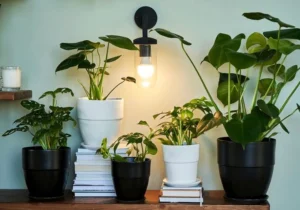
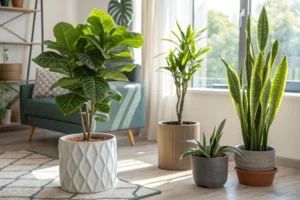
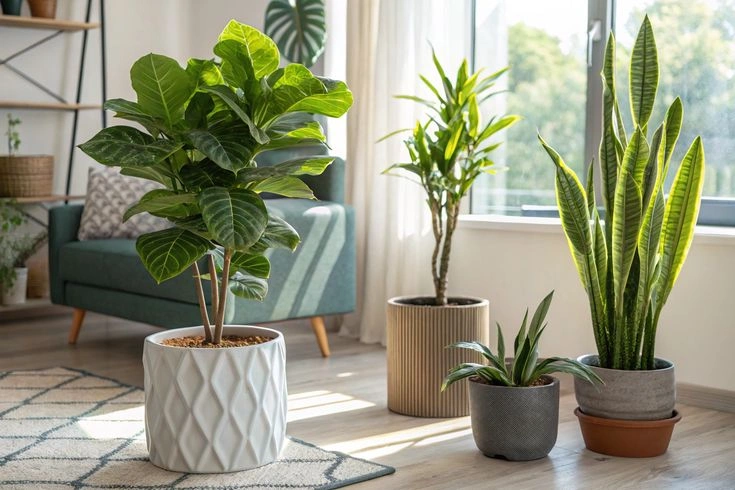
Plants placed near windows can further enhance the space while creating a calming atmosphere.
Indoor Air Quality and Emotional Wellbeing
Fresh air is often overlooked, yet it plays an important role in creating a comfortable home.
Poor ventilation can make indoor spaces feel stuffy and uncomfortable. Opening windows for even a short period each day helps circulate fresh air and improve the overall atmosphere.
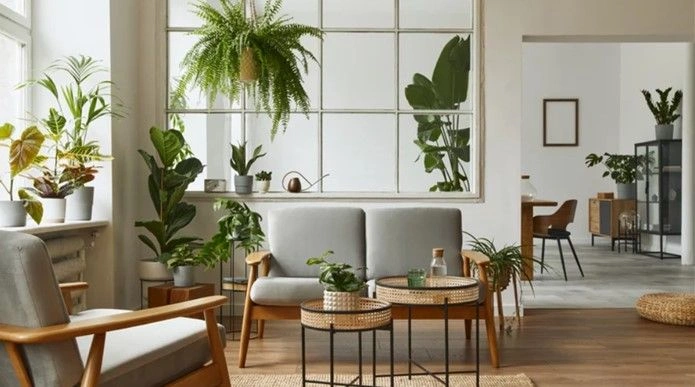
Indoor plants may also contribute to a more pleasant environment. While they should not replace proper ventilation, many people find that greenery creates a calming and refreshing feeling inside the home.
Keeping your home free from excessive dust and unpleasant odours can also make the space feel cleaner and more relaxing.
Noise and Mental Health
Noise affects people in different ways. Some individuals enjoy background music while working, whereas others need complete silence to concentrate.
Constant exposure to loud televisions, traffic, construction, or household arguments can increase feelings of stress. Over time, excessive noise may also interfere with sleep and productivity.
You can create a quieter environment by:
- Closing windows during busy traffic hours.
- Using rugs or curtains to soften sound.
- Wearing noise-cancelling headphones when working.
- Creating a dedicated quiet corner for reading or relaxation.
- Turning off unnecessary background television or devices.
Finding moments of peace during the day allows both your mind and body to recover from daily pressures.
Benefits of a Healthy Home Environment
Improving your home environment does more than make your space look attractive. It supports your mental and emotional wellbeing in ways that can positively affect everyday life.
Better Mood
A clean, bright, and organised home creates a more positive atmosphere. When your surroundings feel comfortable, you’re more likely to feel relaxed and emotionally balanced.
Lower Stress Levels
Living in a tidy space reduces everyday distractions. Instead of feeling overwhelmed by clutter or mess, you can focus on work, hobbies, or spending time with family.
Improved Sleep Quality
Your bedroom has a direct impact on how well you sleep. A cool, quiet, and comfortable room helps your body relax, making it easier to fall asleep and wake up feeling refreshed.
Increased Focus and Productivity
Whether you’re working from home or studying, an organised workspace makes it easier to concentrate. Fewer distractions often lead to better performance and less mental fatigue.
Stronger Family Relationships
A peaceful home encourages better communication and quality time. When everyone shares a clean and welcoming space, daily interactions often become more positive.
Practical Ways to Improve Your Living Space
You don’t need a major renovation to create a healthier home. Small, consistent changes often make the biggest difference.
Start With Decluttering
Choose one area at a time instead of trying to organise your entire home in one day. Even spending 15 minutes each day can help maintain a cleaner environment.
Let More Natural Light In
Open curtains and blinds during the day to brighten your rooms. If natural light is limited, use warm, bright lighting to create a welcoming atmosphere.
Add Natural Elements
Indoor plants, flowers, or wooden furniture can make a room feel calmer and more inviting. Even a small plant on your desk can refresh your workspace.
Improve Air Quality
Open windows whenever possible to allow fresh air inside. Keep air vents clean and avoid letting dust build up around your home.
Create Comfortable Spaces
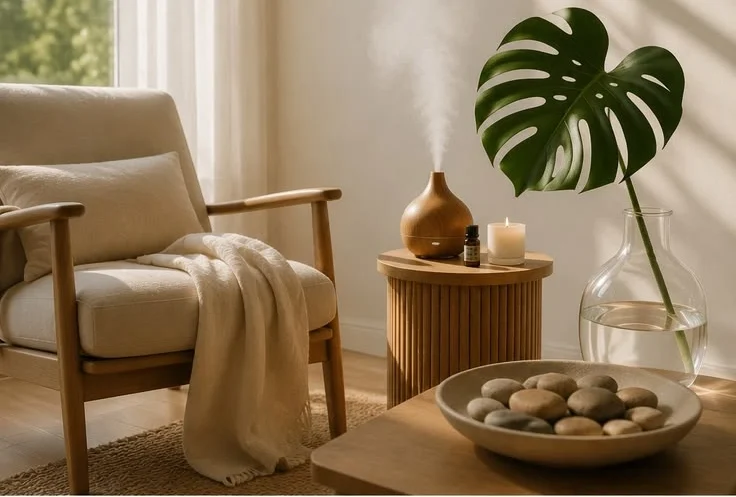
Arrange furniture so that rooms feel open and functional. Add soft cushions, blankets, or rugs to make relaxation areas more comfortable.
Reduce Noise
Identify unnecessary sources of noise and minimise them where possible. Soft furnishings, curtains, and rugs can also help absorb sound.
Personalise Your Home
Display family photos, artwork, or meaningful decorations that make you feel happy. Personal touches help create a stronger emotional connection with your living space.
Home Environment Factors Compared
| Factor | Negative Effect | Positive Change |
|---|---|---|
| Clutter | Stress and distraction | Organised, peaceful space |
| Poor lighting | Low energy and mood | Bright, naturally lit rooms |
| Noise | Anxiety and poor focus | Quiet, relaxing environment |
| Poor air quality | Discomfort and tiredness | Fresh, well-ventilated rooms |
| Untidy bedroom | Poor sleep | Comfortable sleep environment |
| Lack of personal space | Feeling overwhelmed | Dedicated relaxation area |
Simple Daily Habits That Support Mental Wellbeing at Home
Healthy habits are just as important as a well-designed home.
- Make your bed every morning.
- Open a window for fresh air.
- Spend a few minutes tidying each evening.
- Keep frequently used areas organised.
- Limit unnecessary screen time before bed.
- Use pleasant scents if you enjoy them.
- Keep your workspace separate from your relaxation space whenever possible.
- Spend time with family without digital distractions.
These habits take little time but can gradually improve how your home feels every day.
Expert Tips
- Focus on progress rather than perfection.
- Keep surfaces as clear as possible.
- Use storage baskets to reduce visible clutter.
- Choose calming colours for bedrooms and relaxation areas.
- Let sunlight into your home every morning.
- Clean little and often instead of waiting for a major cleaning day.
- Create a quiet corner where you can read, meditate, or simply relax.
- Review your living space every few months and remove items you no longer use.
Common Mistakes to Avoid
Many people unintentionally make changes that reduce comfort instead of improving it.
| Mistake | Better Approach |
|---|---|
| Buying unnecessary decorations | Keep décor simple and meaningful |
| Ignoring natural light | Maximise daylight whenever possible |
| Allowing clutter to build up | Declutter regularly |
| Skipping routine cleaning | Maintain a simple weekly schedule |
| Working everywhere in the house | Create a dedicated workspace |
| Neglecting bedroom comfort | Prioritise restful sleep |
Healthy Home Environment Checklist

Use this checklist to evaluate your living space.
| Checklist | Status |
|---|---|
| Rooms receive enough natural light | ☐ |
| Home is regularly cleaned | ☐ |
| Clutter is under control | ☐ |
| Windows are opened for fresh air | ☐ |
| Bedroom supports quality sleep | ☐ |
| Workspace is organised | ☐ |
| Noise is kept to a minimum | ☐ |
| Personal decorations make the space feel welcoming | ☐ |
| Comfortable seating is available | ☐ |
| Daily cleaning habits are maintained | ☐ |
Frequently Asked Questions
Can my home environment really affect my mental health?
Yes. Factors such as lighting, cleanliness, noise, comfort, and organisation can influence your mood, stress levels, sleep quality, and overall wellbeing.
Does clutter increase stress?
Many people find clutter mentally draining because it creates visual distractions and makes everyday tasks feel more overwhelming. Keeping your home organised can help create a calmer atmosphere.
What is the most important part of a healthy home?
There isn’t a single factor. A combination of cleanliness, natural light, fresh air, comfort, and organisation creates a healthier living environment.
Can indoor plants improve wellbeing?
Indoor plants can make a home feel more relaxing and inviting. Many people enjoy the calming effect of adding greenery to their living space.
How can I improve my home without spending much money?
Simple actions like decluttering, opening windows, rearranging furniture, cleaning regularly, and allowing more natural light into your home can make a noticeable difference.
Does bedroom design affect sleep?
Yes. A quiet, comfortable, and organised bedroom supports better sleep, which is closely linked to good mental health.
Conclusion
Your home shapes more than your daily routine. It also influences how you feel, think, and respond to life’s challenges. While no home is perfect, creating a space that feels clean, comfortable, and welcoming can support better mental wellbeing over time.
The good news is that meaningful improvements don’t have to be expensive. Opening the curtains each morning, reducing clutter, improving air circulation, or creating a quiet place to relax are small changes that can have a lasting impact.
By paying attention to your surroundings, you can build a home that supports not only your physical comfort but also your emotional health and overall quality of life.
Key Takeaways
- Your home environment and mental health are closely connected.
- Natural light can improve mood and support healthy sleep.
- Clutter may increase stress and reduce focus.
- Fresh air and good ventilation help create a more comfortable living space.
- Reducing noise encourages relaxation and concentration.
- Comfortable, organised rooms promote emotional wellbeing.
- Small daily habits can transform your home over time.
- A healthy living space benefits people of all ages.