Key Takeaways
- Fertilizer burn is commonly caused by excessive soluble salts.
- Brown leaf tips and scorched margins are common warning signs.
- Too much fertilizer can damage roots and interfere with water uptake.
- PK fertilizer can cause problems when overapplied.
- Stop fertilizing when fertilizer burn is suspected.
- Flush excess salts only when the soil drains properly.
- Do not confuse fertilizer burn with drought, disease, or nutrient deficiency.
- Soil testing can help when the cause is unclear.
- Healthy new growth is a better recovery sign than damaged old leaves.
- Following fertilizer label directions is one of the easiest ways to prevent damage.
Quick Answer
Fertilizer burn happens when excessive fertilizer creates a high concentration of soluble salts around plant roots or on plant leaves. Common signs include brown leaf tips, dry leaf edges, yellowing, wilting, slow growth, and damaged roots.
To fix mild fertilizer burn, stop fertilizing and thoroughly water the soil so excess soluble salts can move below the root zone, provided the soil drains properly. Remove badly damaged leaves, keep the plant under suitable growing conditions, and avoid adding more fertilizer until the plant has recovered.
What Is Fertilizer Burn?
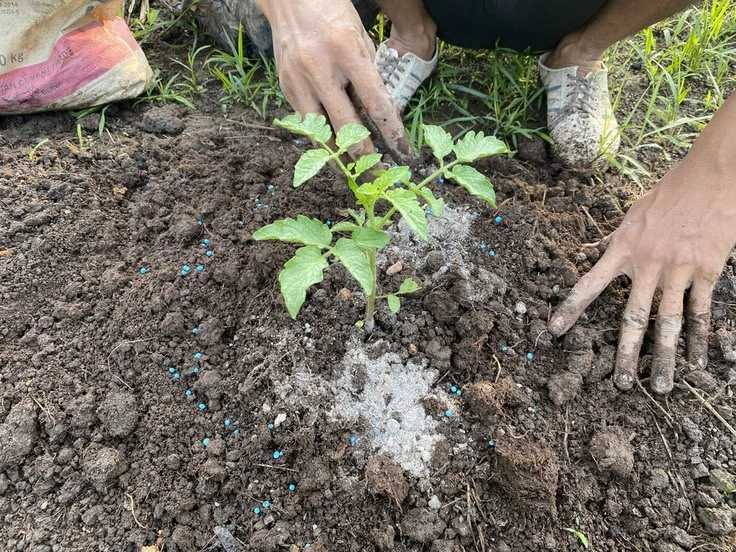
Fertilizer burn is a type of plant damage caused by excessive fertilizer. Fertilizers contain mineral salts, and when these salts become too concentrated around the roots, they can interfere with normal water uptake.
In simple terms, too much fertilizer can make it harder for roots to take up water. High salt concentrations can also damage tender roots directly. As a result, the plant may look dehydrated even when the soil contains plenty of moisture.
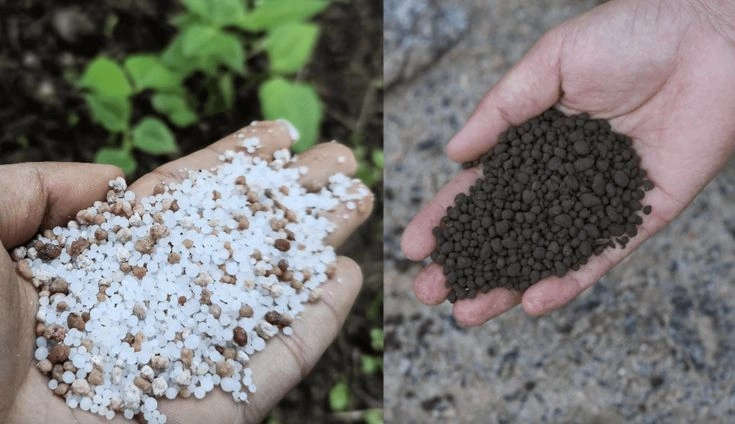
The problem can happen with synthetic fertilizers, concentrated liquid feeds, granular products, fertilizer spikes, and even organic fertilizers when they are overused.
Therefore, the idea that organic fertilizer can never cause fertilizer burn is incorrect. Organic products may have a lower burn risk in some situations, but excessive use can still create problems.
Fertilizer Burn Symptoms
The symptoms can vary depending on the plant, fertilizer, amount applied, soil conditions, and extent of root damage.
Brown Leaf Tips and Edges
One of the most recognizable signs is brown, dry tissue around leaf tips and margins.
The damaged areas may gradually move inward if the salt stress continues. This can look similar to drought damage, so it is important to consider recent fertilizer use before deciding what caused the problem.
Yellowing Leaves
Leaves may turn yellow after excessive fertilizer application.
However, yellow leaves alone do not prove fertilizer burn. Nutrient deficiencies, poor lighting, watering problems, pests, diseases, and root damage can create similar symptoms.
Wilting Despite Moist Soil
A plant suffering from fertilizer damage may wilt even when its soil is not completely dry.
This happens because high salt concentrations can interfere with the movement of water into roots. In severe cases, damaged roots may no longer function normally.
Slow or Stunted Growth
Overfertilized plants may stop producing healthy new growth.
Seedlings are especially vulnerable because their young roots are more sensitive to excessive soluble salts.
Brown or Damaged Roots
When you can safely inspect the roots, severe fertilizer burn may be associated with brown, damaged, or dying roots.
Healthy roots vary by plant, so root color should not be used as the only diagnostic test. Instead, consider root condition together with recent fertilizer use and the plant’s other symptoms.
Excessive Leafy Growth
Not every fertilizer problem looks like obvious burning.
Too much nitrogen can encourage excessive leafy growth while delaying flowering or fruit production.
| Symptom | Possible connection to fertilizer burn |
|---|---|
| Brown leaf tips | Common |
| Dry leaf margins | Common |
| Wilting | Possible |
| Yellow leaves | Possible |
| Slow growth | Common |
| Root damage | Possible in severe cases |
| Excessive leafy growth | Often linked with excess nitrogen |
| Plant death | Possible with severe damage |
What Causes Fertilizer Burn?
Several mistakes can create excessive fertilizer salts around plants.
Applying Too Much Fertilizer
The most obvious cause is simply applying more fertilizer than the plant or soil needs.
More fertilizer does not automatically mean faster or healthier growth. In fact, excessive fertilizer can damage plants and increase nutrient loss into the environment.
Fertilizing Too Frequently
Repeated applications can gradually increase salt concentrations, particularly when there is little opportunity for salts to move through the soil.
This is especially important with soluble fertilizers because nutrients become available quickly.
Using a Concentrated Mix
A fertilizer that is mixed too strongly can injure plants, particularly when applied directly to foliage.
Foliar fertilizers need appropriate dilution because concentrated solutions can cause leaf injury.
Fertilizer Touching Roots Directly
Placing concentrated fertilizer immediately beside or directly against roots can create a high-salt area.
Seedlings and newly planted plants can be particularly sensitive to this type of injury.
Poor Drainage
If water cannot move through the growing medium, excess salts may remain around the roots.
Consequently, plants in poorly draining containers can be more difficult to flush safely.
Hot and Dry Conditions
Salt injury can become more serious during hot, dry weather because plants are already under water stress.
Can PK Fertilizer Burn Plants?
Yes, PK fertilizer can burn plants when it is overapplied.
PK fertilizers mainly supply phosphorus and potassium. Although both nutrients are essential, using more than a plant needs does not necessarily improve growth.
Excess fertilizer salts can increase the salinity of the growing medium. In addition, excessive potassium applications can contribute to soil salt problems and can interfere with the availability of other nutrients under some conditions.
Therefore, do not assume that a PK fertilizer is safe simply because it contains less nitrogen. Use the product according to its label and, where appropriate, base fertilizer decisions on soil testing.
How to Fix Fertilizer Burn on Plants
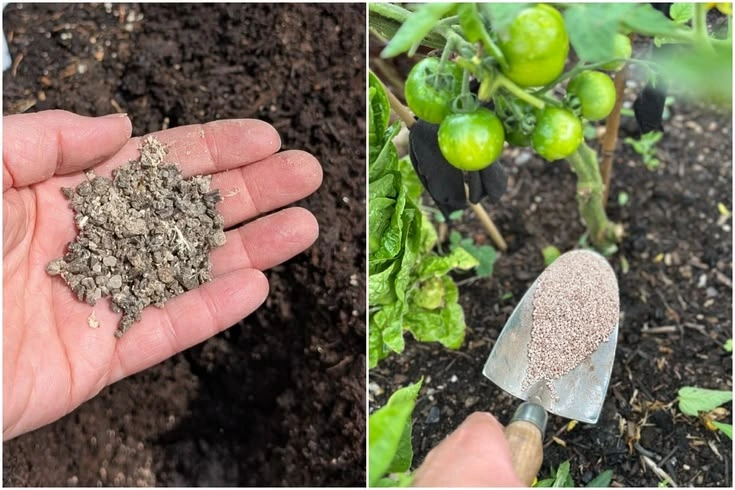
The treatment depends on how severe the damage is.
1. Stop Fertilizing
First, stop applying fertilizer.
Do not try to correct fertilizer burn by adding another nutrient. If excess salts are causing the problem, adding more fertilizer can make the situation worse.
2. Check the Soil and Drainage
Before flushing the plant, make sure water can drain freely.
For container plants, check that drainage holes are open and that water is not collecting at the bottom. For garden soil, avoid creating prolonged waterlogging.
3. Flush Excess Salts
If excess fertilizer has recently been applied and the soil drains properly, thorough watering can help move soluble salts below the root zone.
This approach is recommended by extension guidance for situations where excess fertilizer has been applied.
Do not repeatedly flood a plant with water if the growing medium stays saturated. Waterlogged roots can suffer from low oxygen, creating another problem.
4. Remove Severely Damaged Leaves
Leaves that are badly brown, dead, or crispy will not become green again.
You can remove severely damaged foliage with clean scissors. However, avoid removing large amounts of healthy green foliage because the plant still needs leaves to produce energy.
5. Give the Plant Stable Conditions
After treatment, focus on basic care.
Provide the appropriate light, maintain sensible watering, and avoid additional fertilizer while the plant is recovering. In addition, protect severely stressed plants from unnecessary environmental extremes.
6. Consider Soil Testing
If symptoms continue or the same problem repeatedly occurs, a soil test can be useful.
Soil testing can help identify excessive nutrient levels and salinity instead of relying only on visual symptoms.
How Long Does Fertilizer Burn Take to Heal?
There is no single recovery time for every plant.
A mildly affected plant may begin producing healthier growth once the excess fertilizer is removed and growing conditions improve. Severe root damage can take much longer, and some plants may not recover if a large portion of their root system has died.
Importantly, damaged leaves usually do not repair themselves. Look for healthy new growth rather than expecting old brown areas to turn green again.
Fertilizer Burn vs Other Plant Problems
Fertilizer burn can look similar to several other problems.
| Problem | Common clues |
| Fertilizer burn | Brown tips, scorched margins, recent heavy feeding |
| Drought stress | Wilting, dry soil, brown margins |
| Root rot | Poor growth, wilting, consistently wet soil, damaged roots |
| Nutrient deficiency | Specific patterns of yellowing or discoloration |
| Salt buildup | Scorching, stunting, poor growth |
| Foliar fertilizer injury | Damage concentrated where spray contacted leaves |
Because several problems can produce similar symptoms, avoid diagnosing fertilizer burn from one symptom alone. Recent fertilizer history, soil moisture, drainage, plant location, and root condition all provide useful clues.
How to Prevent Fertilizer Burn
Prevention is much easier than repairing badly damaged roots.
Follow the Product Label
Always use the fertilizer according to its directions.
Do not assume that doubling the recommended amount will double plant growth.
Test Soil When Appropriate
Soil testing can show whether nutrients are already present before you add more.
This is especially helpful when plants repeatedly show unexplained nutrient problems.
Avoid Fertilizing Weak Plants Aggressively
A stressed plant does not automatically need more fertilizer.
For example, wilting caused by poor drainage or root damage will not necessarily improve with additional nutrients.
Be Careful With Liquid Fertilizers
Measure concentrated products accurately.
Furthermore, never guess the dilution when the manufacturer provides specific mixing instructions.
Keep Fertilizer Away From Direct Root Contact
Avoid creating concentrated pockets of fertilizer beside sensitive roots or seeds.
This is particularly important with young seedlings because their developing roots can be easily injured by high salt concentrations.
Remember That More Is Not Better
Plants need nutrients in the right amounts and proportions.
There are 17 essential plant nutrients, but excess nutrients can be just as problematic as deficiencies.
Common Mistakes to Avoid
Adding more fertilizer: This can intensify the original problem.
Ignoring drainage: Flushing salts is difficult when water cannot drain properly.
Removing every damaged leaf: Some partially healthy leaves can still support recovery.
Assuming yellow leaves mean deficiency: Yellowing can have many causes.
Using fertilizer without checking existing soil nutrients: You may add nutrients that are already abundant.
Overwatering after fertilizer burn: Constantly saturated soil can create additional root stress.
Fertilizer Burn Recovery Checklist
Use this simple checklist if you suspect overfertilized plants:
- Stop fertilizer applications.
- Check how much fertilizer was applied.
- Inspect the soil moisture.
- Confirm that excess water can drain.
- Flush soluble salts when appropriate.
- Remove severely dead foliage.
- Keep light and temperature suitable.
- Avoid additional feeding during recovery.
- Watch for healthy new growth.
- Consider a soil test if symptoms continue.
Frequently Asked Questions
Can a plant recover from fertilizer burn?
Yes, many plants can recover from mild or moderate fertilizer damage, especially when the problem is identified early. Recovery depends largely on the amount of damage and the condition of the roots.
How do I know if I used too much fertilizer?
Look for symptoms such as brown leaf tips, scorched margins, wilting, slow growth, and yellowing after a recent fertilizer application. However, these signs can have other causes, so consider the complete growing situation.
Should I remove fertilizer-burned leaves?
Remove leaves that are mostly dead or badly damaged. Partially green leaves can still provide energy for the plant, so there is usually no reason to remove every affected leaf.
Can PK fertilizer burn plants?
Yes. PK fertilizer can contribute to fertilizer burn when applied excessively. High concentrations of fertilizer salts can damage roots and increase salt stress.
Should I fertilize a plant that is already stressed?
Usually, avoid adding more fertilizer until you understand the cause of the stress. If excess fertilizer is already present, another application can increase the problem.
Can fertilizer burn look like a nutrient deficiency?
Yes. Fertilizer injury and nutrient deficiencies can produce similar discoloration and growth problems. Soil testing can help distinguish nutrient-related issues from guesswork.
Can organic fertilizer cause fertilizer burn?
Yes. Organic fertilizers can still cause problems when overused. Their nutrient release may be slower, but excessive application can still contribute to nutrient and salt-related stress.
Does fertilizer burn kill plants?
Severe fertilizer damage can kill plants, particularly when roots are badly injured. Early treatment gives a plant a better chance of recovery.
Conclusion
Fertilizer burn is usually a problem of too much fertilizer, too much salt, or fertilizer applied in a way that concentrates nutrients around sensitive plant tissue. The most common warning signs include brown leaf edges, scorched tips, yellowing, wilting, stunted growth, and root damage.
If you suspect fertilizer burn, stop feeding the plant first. Then check drainage and, when appropriate, flush excess soluble salts from the root zone. Afterward, give the plant stable growing conditions and wait for healthy new growth.
Most importantly, remember that successful fertilizing is not about giving plants as much food as possible. It is about giving them the nutrients they actually need, in the right amount, at the right time.
For more practical plant-care guidance, explore the gardening resources available on Peeacelily.