Key Takeaways
- Choose the best fertilizer for houseplants based on the plant, not just the NPK numbers.
- A balanced formula can work well for many common houseplants.
- Foliage plants may prefer adequate or relatively higher nitrogen.
- Liquid and slow-release fertilizers both have useful advantages.
- Always follow the product’s application instructions.
- Avoid fertilizing dry or severely stressed plants.
- Brown leaf tips can be a warning sign of excessive fertilizer.
- Light, water, drainage, and healthy roots are just as important as plant food.
- There is no single fertilizer that is perfect for every houseplant.
Quick Answer
For most common foliage houseplants, look for a complete indoor plant fertilizer with a balanced or moderately nitrogen-forward NPK ratio and added micronutrients.
A balanced fertilizer such as 10-10-10 can be a practical general-purpose option. However, a foliage plant may also perform well with a formula that contains relatively more nitrogen.
The most important point is to follow the product label and avoid overfeeding. Indoor plants generally need less fertilizer than many outdoor plants, and excessive fertilizer can damage roots and cause brown leaf tips.
What Makes a Good Houseplant Fertilizer?
The best fertilizer for houseplants should provide useful nutrients without making feeding unnecessarily complicated.
First, check the NPK numbers on the package. These represent nitrogen, phosphorus, and potassium, the three primary nutrients listed on fertilizer labels. Plants also need secondary nutrients and smaller amounts of micronutrients such as iron, manganese, zinc, copper, and boron.
Next, consider the type of plant you are growing. A leafy pothos does not necessarily have the same feeding priorities as an orchid, cactus, succulent, or flowering plant.
Finally, consider how easy the fertilizer is to measure and apply. A product that fits your routine is often more useful than a complicated formula that you rarely use.
What Should You Look For?
| Feature | Why It Matters |
|---|---|
| Clear NPK ratio | Shows the main nutrient proportions |
| Complete formula | May include useful micronutrients |
| Indoor or houseplant label | Often designed for container use |
| Easy dilution | Helps prevent overfeeding |
| Liquid or controlled release | Lets you choose a convenient feeding method |
| Clear instructions | Makes application safer |
In other words, more fertilizer does not mean better growth. The goal is to provide enough nutrition to support healthy growth without creating excess salts around the roots.
Understanding NPK Numbers
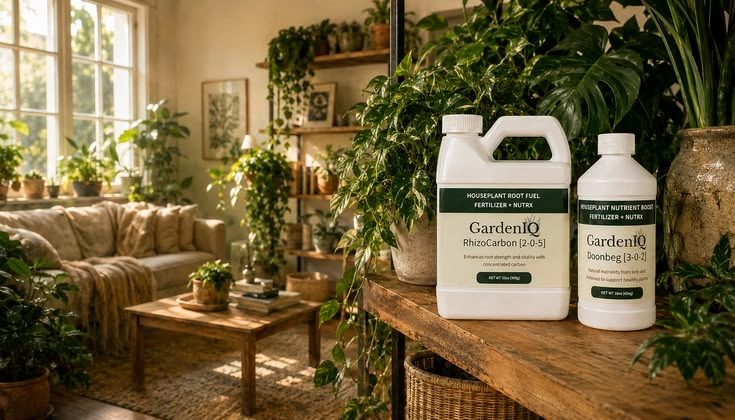
NPK stands for nitrogen, phosphorus, and potassium.
The numbers appear in that order on fertilizer packaging. For example, a 10-10-10 fertilizer contains equal percentages of nitrogen, phosphate, and potash by weight under the fertilizer labeling convention.
Nitrogen
Nitrogen is strongly associated with healthy green foliage and vegetative growth. Therefore, foliage plants often benefit from a formula that provides adequate nitrogen.
This can be useful for plants such as pothos, philodendrons, monstera, and many other leafy indoor plants.
Phosphorus
Phosphorus has important roles in plant development, including root growth and reproduction. However, using a fertilizer simply because it has a very high phosphorus number is not automatically better.
Potassium
Potassium supports several plant functions and contributes to overall plant health. It is another essential macronutrient rather than simply a “flowering nutrient.”
Best NPK Ratio for Different Houseplants
There is no single NPK number that is perfect for every indoor plant.
For a beginner with several common foliage plants, a balanced fertilizer can be a sensible starting point. For example, 10-10-10 provides equal proportions of the three primary nutrients.
However, foliage-focused plants may also suit formulas with relatively more nitrogen. Flowering plants may have different requirements depending on their species and growing conditions.
| Plant Type | What to Look For |
|---|---|
| Pothos | Balanced or moderately nitrogen-forward |
| Monstera | Complete fertilizer suitable for foliage plants |
| Philodendron | Balanced or nitrogen-forward formula |
| Peace lily | Gentle balanced complete fertilizer |
| Spider plant | Balanced general houseplant feed |
| Snake plant | Mild, balanced fertilizer used sparingly |
| Succulents | Lower-strength fertilizer suited to succulents |
| Orchids | Orchid-specific fertilizer and feeding routine |
| Flowering plants | Complete fertilizer suited to the species |
Remember, the NPK ratio is only one part of the label. The actual concentration and application rate matter too.
For example, 5-5-5 and 20-20-20 have the same 1:1:1 ratio, but the 20-20-20 product is much more concentrated by percentage. That means you cannot compare products by ratio alone.
Balanced Fertilizer vs Specialized Fertilizer
A balanced fertilizer is convenient when you grow several ordinary houseplants.
For example, a 10-10-10 product gives nitrogen, phosphorus, and potassium in equal proportions. It can work well as a general-purpose option when there is no known nutrient deficiency or specialized requirement.
On the other hand, specialized fertilizers can make more sense for orchids, cacti, succulents, acid-loving plants, or plants with particular nutritional needs.
Therefore, beginners should not feel pressured to buy a different bottle for every plant.
Types of Indoor Plant Fertilizer
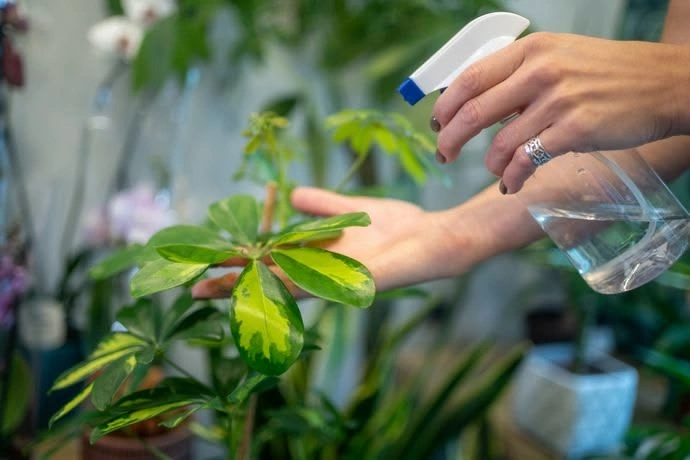
Liquid Fertilizer
Liquid houseplant fertilizer is popular because it is easy to dilute and distribute through watering.
It can also be useful when you want greater control over the amount of fertilizer applied. RHS notes that liquid fertilizer can be used once or twice a month or at lower concentration with more frequent watering during active growth.
Slow-Release Fertilizer
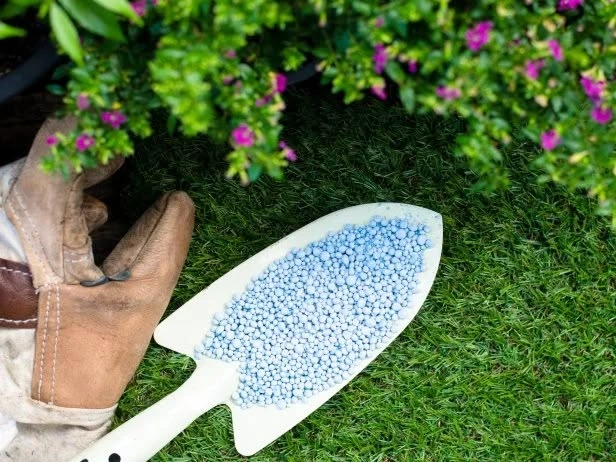
Slow-release granules release nutrients gradually rather than delivering everything at once.
This can be convenient for people who prefer a simple routine. Some controlled-release products are designed to release nutrients over several months, although the exact duration depends on the product and conditions.
Fertilizer Spikes
Spikes are convenient because they require little measuring. However, they are not automatically safer or better than liquid fertilizer.
Always follow the product instructions because concentrated fertilizer placed too close to roots can create localized problems.
Organic Fertilizer
Organic fertilizers can be useful, but “organic” does not mean you can apply unlimited amounts.
RHS points out that organic fertilizers generally release nutrients more slowly because they depend more on breakdown by organisms.
For indoor use, odor can also be a practical consideration with some organic products.
How Often Should You Fertilize Houseplants?
The answer depends on the plant, fertilizer, season, light level, and growing conditions.
Most houseplants benefit from feeding primarily during active growth. RHS recommends feeding during the growing season and limiting winter feeding because lower light can reduce active growth.
A simple routine is to begin with the fertilizer manufacturer’s recommended schedule and monitor the plant rather than automatically increasing the dose.
Before You Fertilize
Make sure the plant is properly watered and growing normally.
Do not use fertilizer as a quick fix for every yellow leaf. Yellowing can also result from watering problems, poor light, root issues, pests, or other environmental stress.
Furthermore, RHS recommends avoiding fertilizer on completely dry soil because concentrated fertilizer can damage roots.
Signs of Too Much Fertilizer
Overfertilizing is one of the easiest mistakes to make with houseplants.
Possible warning signs include:
- Brown or crispy leaf tips
- Salt-like buildup on the soil
- Weak or damaged roots
- Wilting despite moist soil
- Poor growth
- Discolored leaves
Excess fertilizer can increase salt levels around roots and interfere with normal water uptake. University of Maryland Extension therefore recommends using only enough fertilizer to support healthy new growth rather than trying to force rapid growth.
If you suspect fertilizer buildup, stop feeding and review the plant’s watering and potting conditions before adding more nutrients.
Signs Your Plant May Need Nutrition
Nutrient problems can sometimes appear as:
- Slow or weak growth
- Pale or yellow leaves
- Poor flowering
- Smaller new leaves
- General lack of vigor
However, these symptoms are not proof of fertilizer deficiency.
For instance, insufficient light can also cause weak growth. Likewise, damaged roots may prevent a plant from absorbing nutrients even when fertilizer is present in the soil.
Therefore, check the whole growing environment before reaching for fertilizer.
Common Fertilizing Mistakes
Using Too Much
More fertilizer does not necessarily mean faster or healthier growth. In fact, excessive feeding can cause root and leaf damage.
Feeding a Stressed Plant
A plant struggling with root rot, severe underwatering, pests, or poor lighting may need its growing conditions corrected first.
Ignoring the Label
Different fertilizers have different concentrations. Always follow the dilution and application instructions for the specific product.
Choosing Fertilizer Only by NPK
NPK is important, but it does not tell the entire story. Micronutrients, concentration, plant species, potting mix, and watering habits also matter.
Fertilizing Dry Soil
Applying concentrated fertilizer to very dry soil can increase the risk of root damage. Water appropriately first, then follow the fertilizer instructions.
A Simple Houseplant Fertilizer Checklist
Before buying or using an indoor plant food, ask:
- Is it suitable for houseplants?
- What is the NPK ratio?
- Does it contain micronutrients?
- Is it liquid, granular, or controlled release?
- Does the label provide clear dilution instructions?
- Does the formula match my plant type?
- Is my plant actively growing?
- Is the potting mix well-drained?
- Have I ruled out watering and lighting problems?
- Am I using more fertilizer than the label recommends?
If you can answer these questions, choosing a fertilizer becomes much easier.
Frequently Asked Questions
What is the best fertilizer for houseplants?
For many common houseplants, a complete balanced or mildly nitrogen-forward fertilizer is a practical choice. However, the best formula depends on the plant and its growing conditions.
Is 10-10-10 fertilizer good for indoor plants?
Yes, 10-10-10 can be a useful general-purpose fertilizer because it provides equal proportions of nitrogen, phosphorus, and potassium. Use it according to the label rather than assuming a stronger application is better.
Is liquid fertilizer better than slow-release fertilizer?
Neither is universally better. Liquid fertilizer provides more control over feeding, while slow-release products can make routine care easier. Choose the format that suits your plant and watering habits.
How often should I fertilize indoor plants?
Many houseplants are fed mainly during active growth, but the exact schedule depends on the product and plant. Follow the label and reduce or stop feeding when growth naturally slows.
Can fertilizer burn houseplant roots?
Yes. Excess fertilizer can create high salt concentrations around the roots and contribute to root damage and brown leaf tips.
Should I use high-phosphorus fertilizer for more flowers?
Not automatically. Flowering depends on more than phosphorus. Light, plant maturity, temperature, watering, and overall nutrition also influence flowering.
Can I use garden fertilizer on houseplants?
Some garden fertilizers may be suitable, but you should check the label and concentration carefully. A fertilizer specifically intended for indoor plants can make application easier and reduce guesswork.
Conclusion
The best fertilizer for houseplants is not necessarily the one with the highest NPK numbers. Instead, look for a suitable formula, clear instructions, and nutrients that match your plant’s needs.
For many common indoor plants, a balanced fertilizer can be a simple starting point. Meanwhile, foliage plants may benefit from a formula with relatively more nitrogen, while orchids, succulents, and other specialized plants can require different approaches.
Most importantly, fertilize with moderation. Good light, proper watering, drainage, healthy roots, and suitable potting mix come first. Fertilizer should support those conditions rather than replace them.
At Peeacelily, the goal is simple: help plant owners understand what their plants actually need so indoor gardening becomes easier, healthier, and more rewarding.