You do not need to buy new materials to improve your garden. Many useful garden items can be made from things you already have, such as plastic bottles, old buckets, wooden pallets, and newspaper. Try these recycled garden ideas to discover creative ways to reuse everyday materials and make your outdoor space more interesting.
These recycled garden ideas show you how to turn everyday waste into useful garden tools, structures, and growing spaces. Each project includes simple steps, so you can choose one that fits your time, budget, and skill level.
Before You Start: Check Your Materials
Before using waste materials in your garden, make sure they are clean and safe.
- Wooden pallets: Look for the HT mark, which means the wood was heat-treated. Avoid pallets marked MB because they were treated with methyl bromide. If a pallet has no clear mark, its treatment may be unknown.
- Plastic containers: Clean containers before reuse. Plastics marked 1, 2, or 5 are common choices for some garden projects, but the code alone does not prove that a container is safe for growing food.
- Old buckets: Use buckets that previously held food or other known safe materials. Avoid containers that held pesticides, solvents, motor oil, or unknown chemicals.
- Old painted wood: Avoid old paint that may contain lead, especially paint applied before 1978.
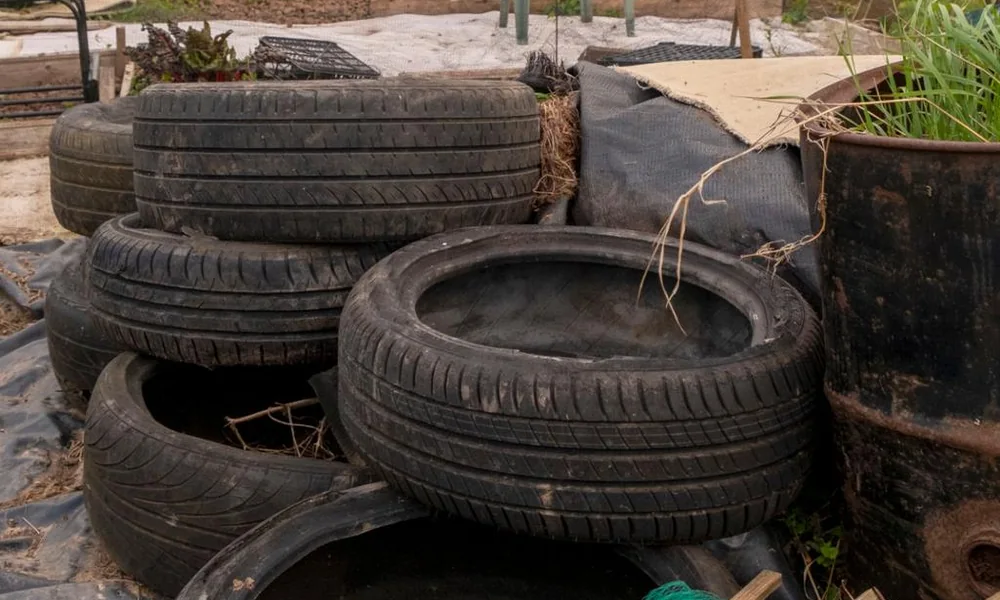
- Tires: Think carefully before using old tires around food crops. Some garden experts advise against growing food in them because of possible chemical exposure.
When you are unsure about a material, choose something else.
12 Recycled Garden Ideas to Try
1. Make a Watering Can From an Old Milk Jug
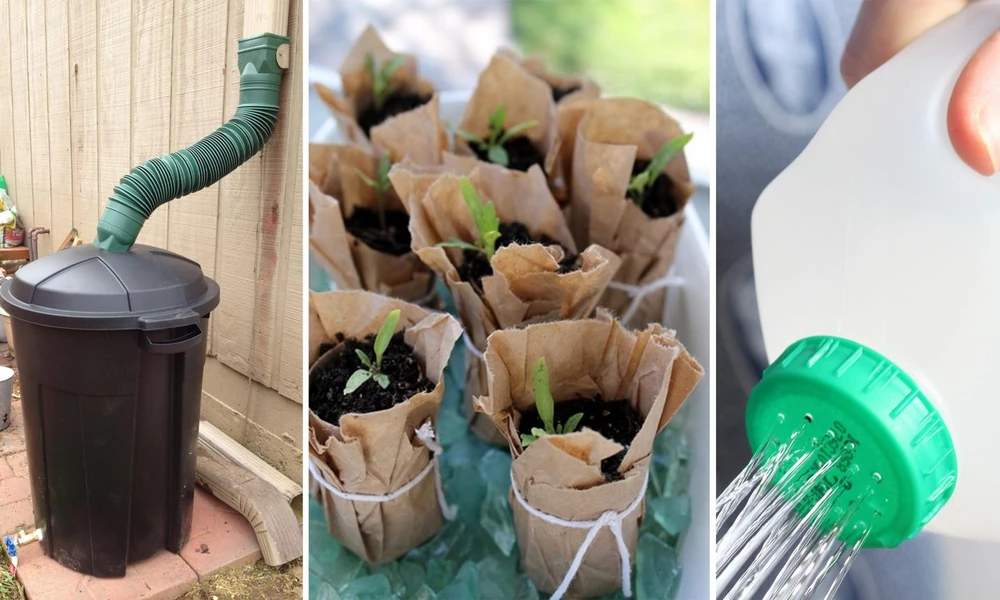
An empty milk jug can become a simple watering can. It is useful for watering seedlings, small plants, and containers.
What you need:
- A clean plastic milk jug
- A nail or small drill
- Water
How to make it:
- Wash the jug and remove any leftover milk.
- Make several small holes in the lid.
- Fill the jug with water.
- Screw the lid back on.
- Tilt the jug gently to water your plants.
Make a few small holes rather than large ones. This helps the water flow slowly and gives you better control.
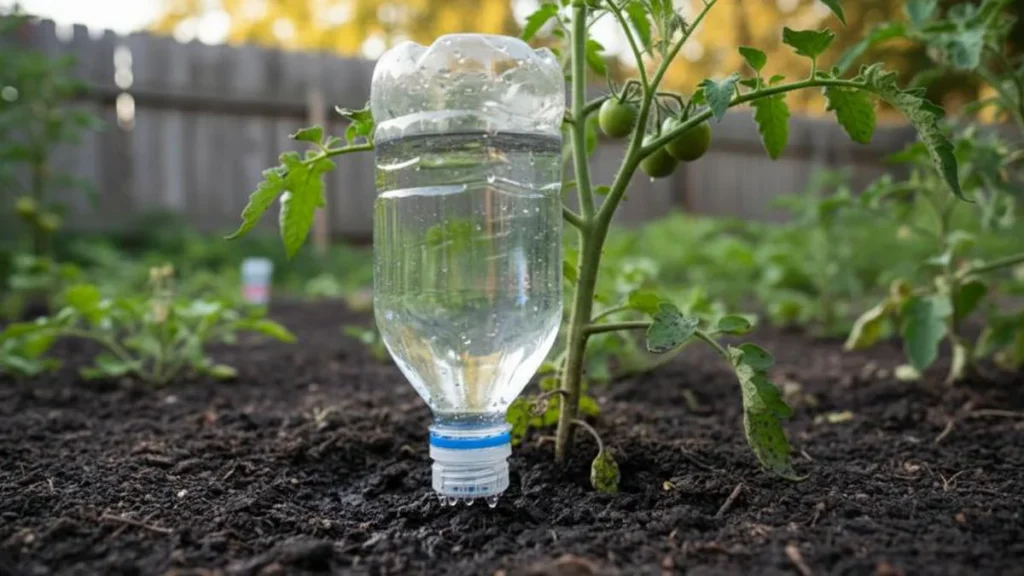
2. Turn a Plastic Bottle Into a Drip Irrigator
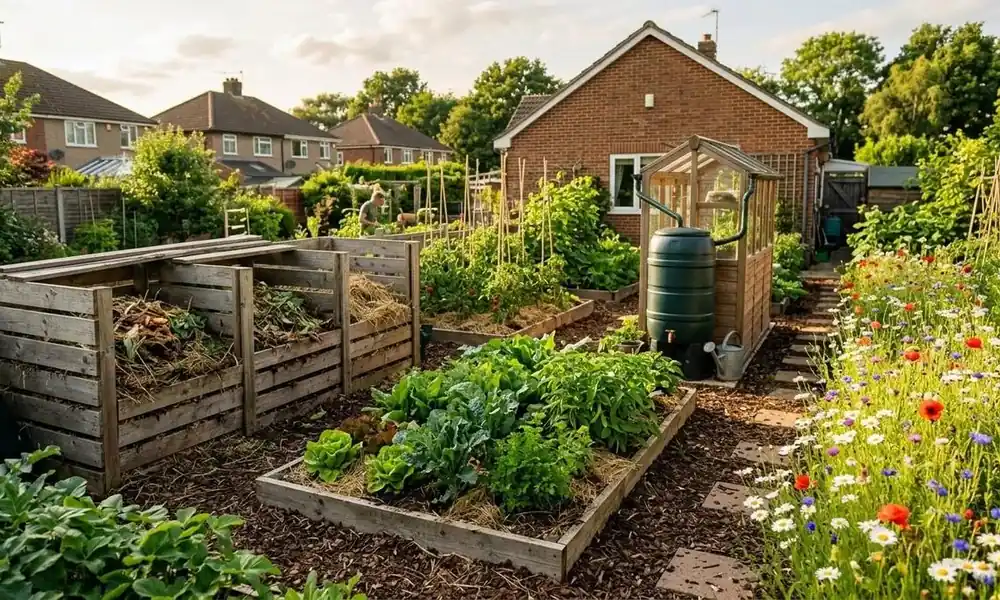
A plastic bottle can help deliver water close to a plant’s roots. This is useful when you want to reduce water loss from surface watering.
What you need:
- A clean plastic bottle
- A nail or small drill
- Water
How to make it:
- Clean the bottle and remove its label.
- Make two or three tiny holes near the lower part of the bottle.
- Fill it with water.
- Place it in the soil near the plant.
- Check how quickly the water drains.
Start with very small holes. If the water runs out too quickly, adjust the design.
3. Use a Plastic Bottle as a Plant Cover
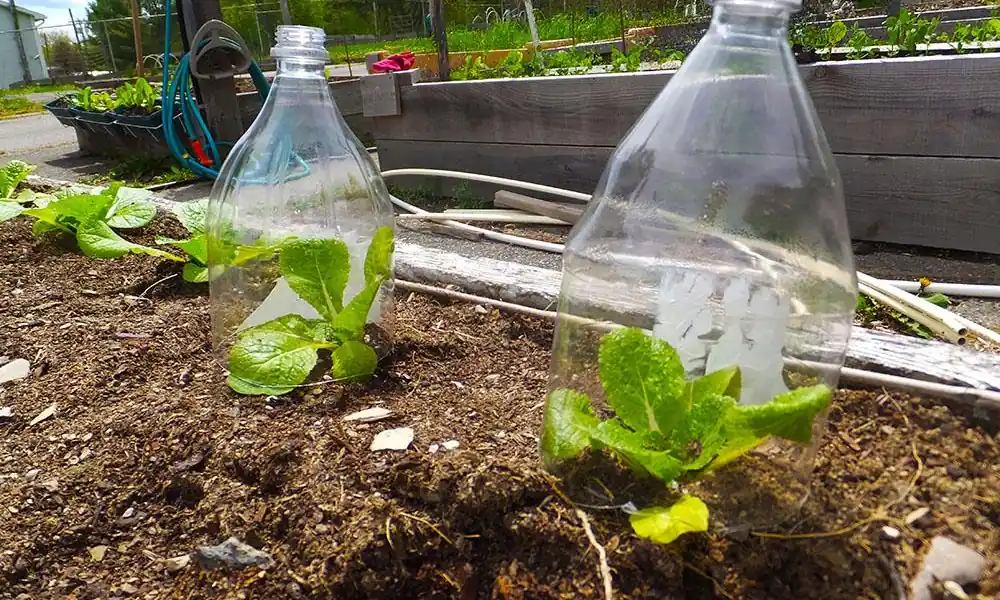
Young plants can be damaged by cold air and strong wind. A clear plastic bottle can act as a small cover, often called a cloche.
What you need:
- A clean clear plastic bottle
- Scissors
- A young plant
How to make it:
- Remove the bottle cap and label.
- Cut off the bottom of the bottle.
- Place the bottle over the young plant.
- Push the open edge slightly into the soil.
- Remove or lift the cover when the weather becomes warm.
Do not leave the cover sealed on hot days. Plants need fresh air, and too much heat can damage them. If you are growing seedlings or small plants in unusual containers, check our guide to creative planter ideas from everyday items.
4. Make Newspaper Seed Pots
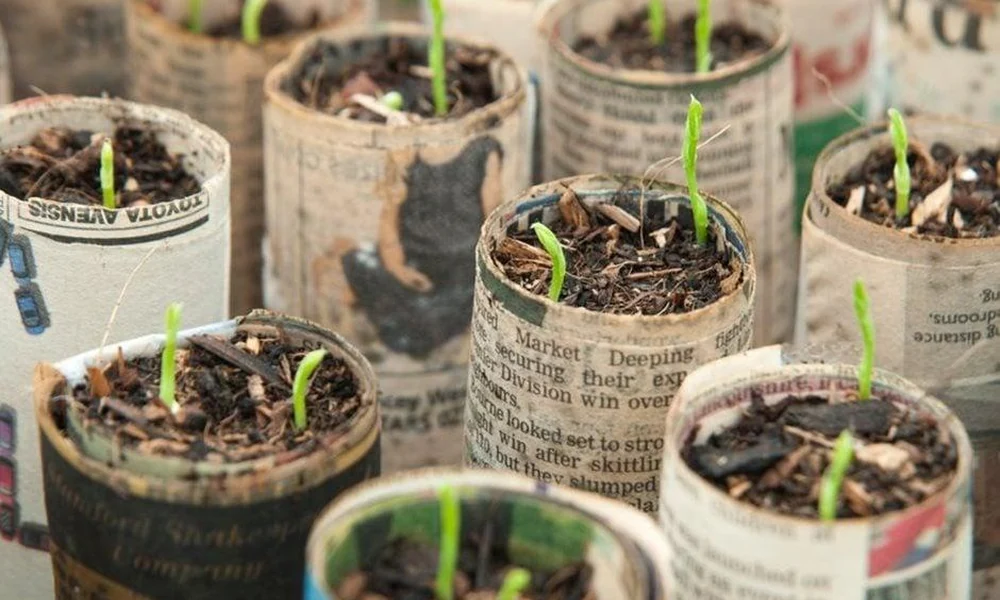
Old newspapers can be turned into small pots for starting seeds. This gives paper another use before it is recycled.
What you need:
- Plain newspaper
- A small glass or jar
- Seed-starting soil
- Seeds
How to make it:
- Cut the newspaper into wide strips.
- Wrap a strip around a small glass or jar.
- Fold the extra paper underneath to make a base.
- Slide the paper pot off the glass.
- Fill it with soil and plant your seeds.
Keep the pots in a tray so they stay upright. Newspaper pots soften as they get wet, so handle them carefully when moving young plants.
5. Build a Raised Garden Bed From a Safe Pallet
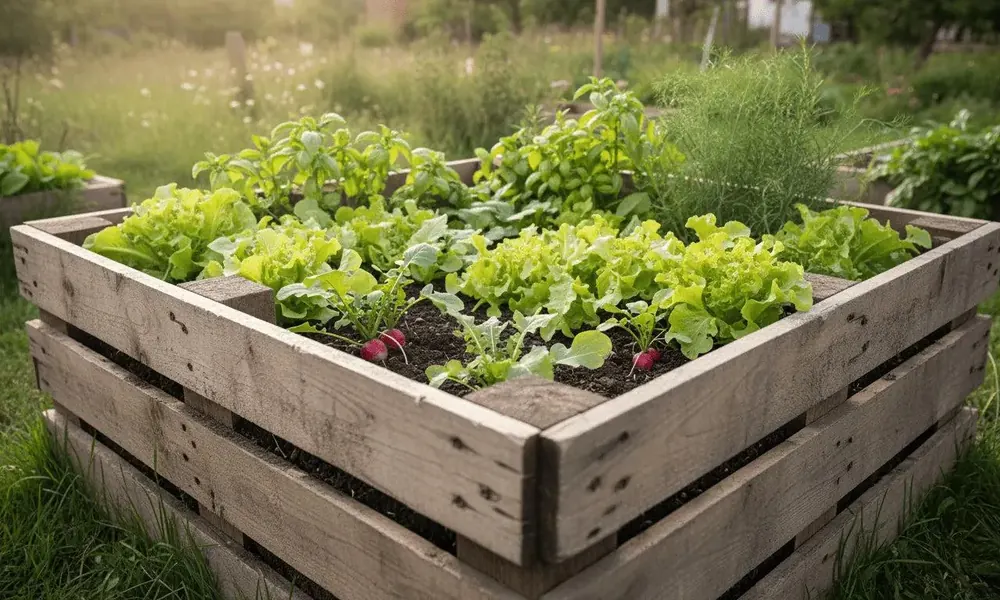
A raised bed can make gardening easier, especially if your ground soil is poor or difficult to work with. A suitable wooden pallet can provide material for a simple frame.
What you need:
- Clean, untreated or safely heat-treated pallet wood
- Screws
- A saw
- A drill
- Garden soil
How to make it:
- Choose a strong pallet with a clear HT mark.
- Take the pallet apart carefully.
- Cut the boards to the size you need.
- Join the boards to make a rectangular frame.
- Place the frame on level ground.
- Fill it with suitable garden soil.
Do not use pallets marked MB or pallets with unknown chemical contamination. Check every board for nails and damage before building.
6. Make a Compost Bin From Old Pallets
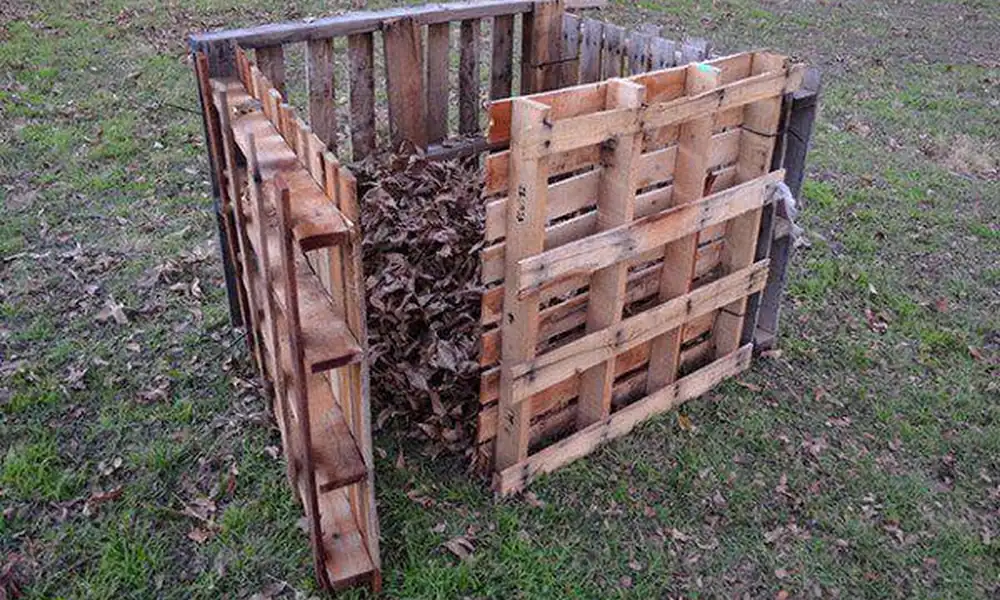
If you have several safe wooden pallets, you can use them to build a simple compost bin. It gives garden waste and suitable kitchen scraps a place to break down.
What you need:
- Four safe wooden pallets
- Strong wire or outdoor screws
- Gloves
- A suitable place in the garden
How to make it:
- Stand three pallets upright to form three sides.
- Use the fourth pallet as the front.
- Secure the sides with wire or suitable screws.
- Leave small gaps so air can move through the bin.
- Add suitable garden and kitchen waste.
Keep the bin away from direct contact with treated or contaminated wood. Turn the material from time to time to help it break down.
7. Turn an Old Bucket Into a Self-Watering Planter
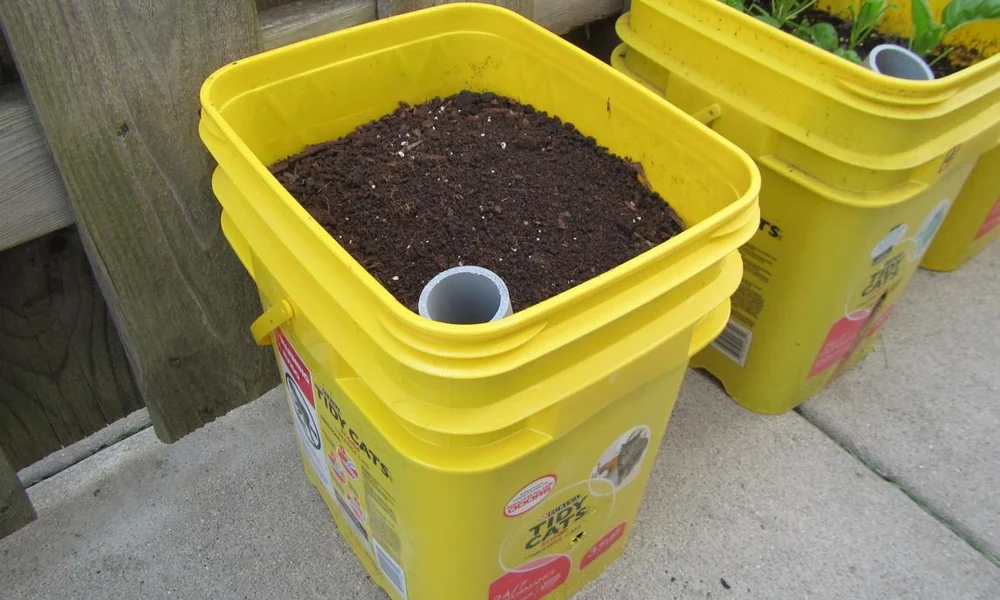
A self-watering planter stores water below the soil and allows moisture to move toward the plant’s roots. Two clean buckets can be used to make a basic version.
What you need:
- Two clean buckets
- A small plastic tube
- A drill
- A piece of suitable plastic or mesh
- Potting mix
How to make it:
- Use one bucket as the outer water container.
- Make a small opening in the side of the inner bucket for the watering tube.
- Make drainage or water-flow openings in the inner bucket as needed for your design.
- Place the inner bucket inside the outer one.
- Add the tube and fill the inner bucket with potting mix.
- Add water through the tube and check that the system works.
The inner bucket should sit above the stored water, rather than leaving the plant’s roots fully submerged. Check the water level regularly.
8. Build a Bottle Greenhouse
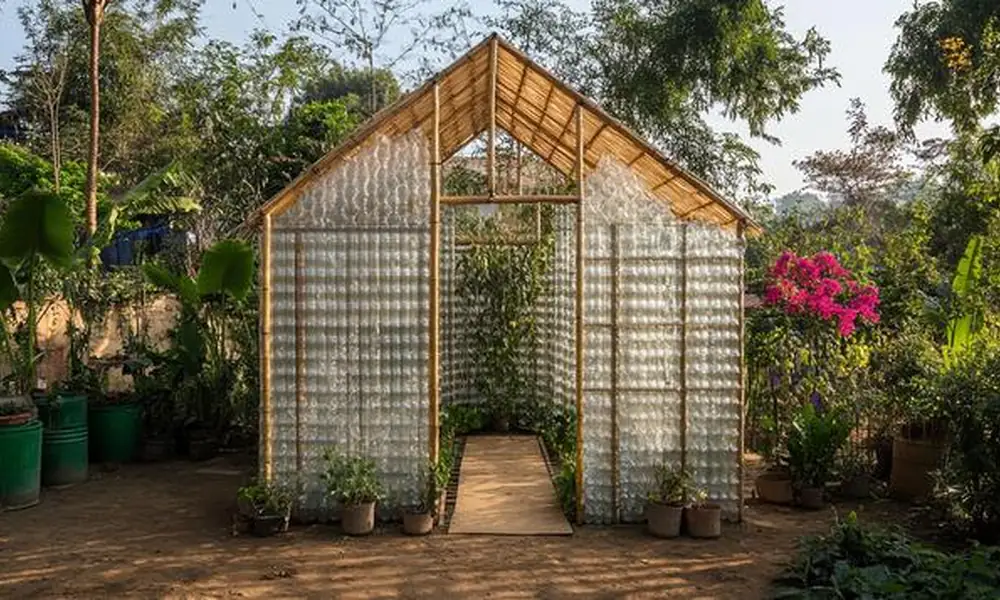
A bottle greenhouse uses many empty plastic bottles to create a light-covered garden structure. It is a large project, but it can be a useful way to reuse a high number of bottles.
What you need:
- Clean, empty plastic bottles
- Wooden or other suitable framing
- Strong supports
- Wire or another suitable fixing material
- Basic building tools
How to make it:
- Collect enough bottles for the size of greenhouse you want.
- Remove labels and clean the bottles.
- Build a strong frame.
- Arrange the bottles in rows.
- Secure each row to the frame.
- Check the structure for gaps, loose parts, and sharp edges.
A small bottle greenhouse may need hundreds of bottles, while a larger one can require around 1,500 to 2,000. Plastic can weaken after long exposure to sunlight, so check the structure regularly. Avoid using bottles as a roof unless the design is properly supported and suitable for your local weather.
9. Make a Garden Tool Holder From an Old Rake
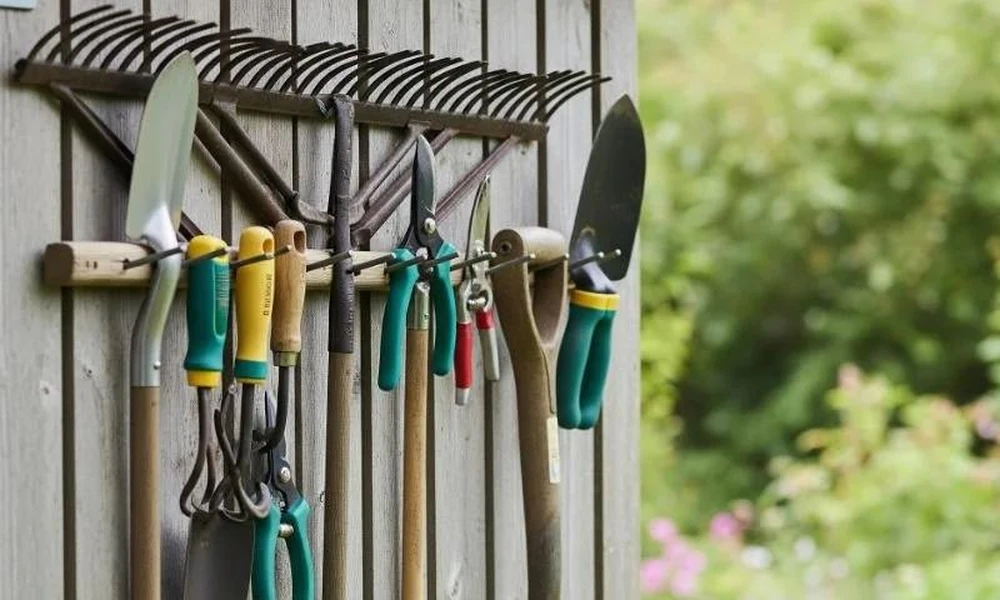
A broken rake may still have a useful head. You can turn it into a holder for small garden tools.
What you need:
- An old rake head
- A strong wall or wooden board
- Screws or suitable wall fixings
- A drill
How to make it:
- Remove the rake head from its handle.
- Clean off dirt and rust.
- Check that the teeth are not broken or dangerously sharp.
- Attach the head securely to a wall or board.
- Hang small tools from the spaces between the teeth.
Place it somewhere dry and out of the way. Make sure it cannot fall or injure anyone.
10. Turn an Old Hose Into a Soaker Hose
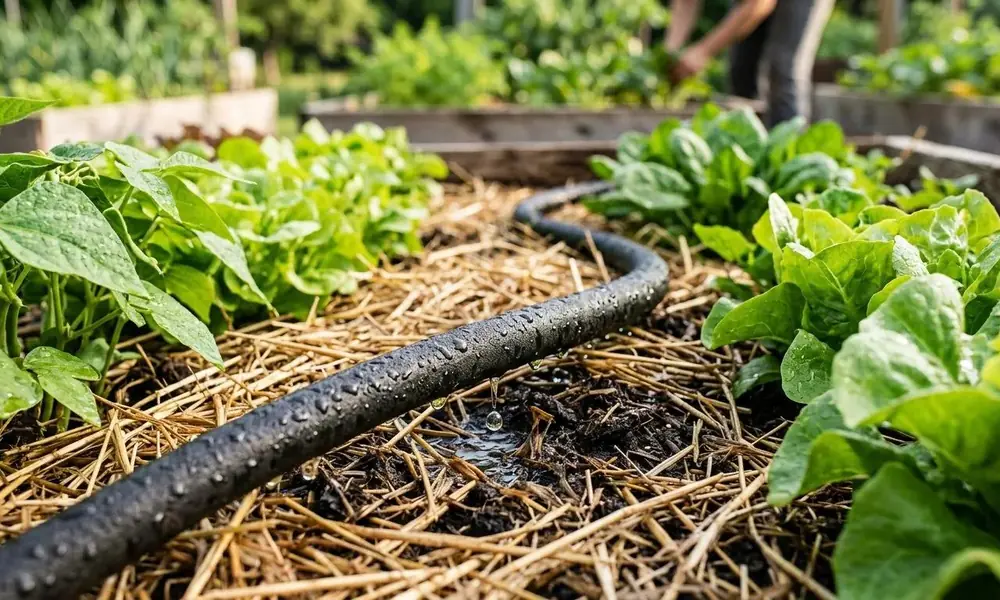
An old garden hose with no major leaks may still be useful for slow watering. Small holes can allow water to seep into the soil along a garden bed.
What you need:
- A clean, usable garden hose
- A small drill or suitable hole-making tool
- A hose connector
- A hose end cap
How to make it:
- Check the hose for cracks and damage.
- Make small holes at regular intervals.
- Attach one end to a water supply.
- Close the other end with a suitable cap.
- Lay the hose along the plants.
- Turn on the water at low pressure and check the flow.
Use a hose that has not carried chemicals. If the holes release too much water, reduce the water pressure or adjust the spacing.
11. Use Cardboard to Control Weeds
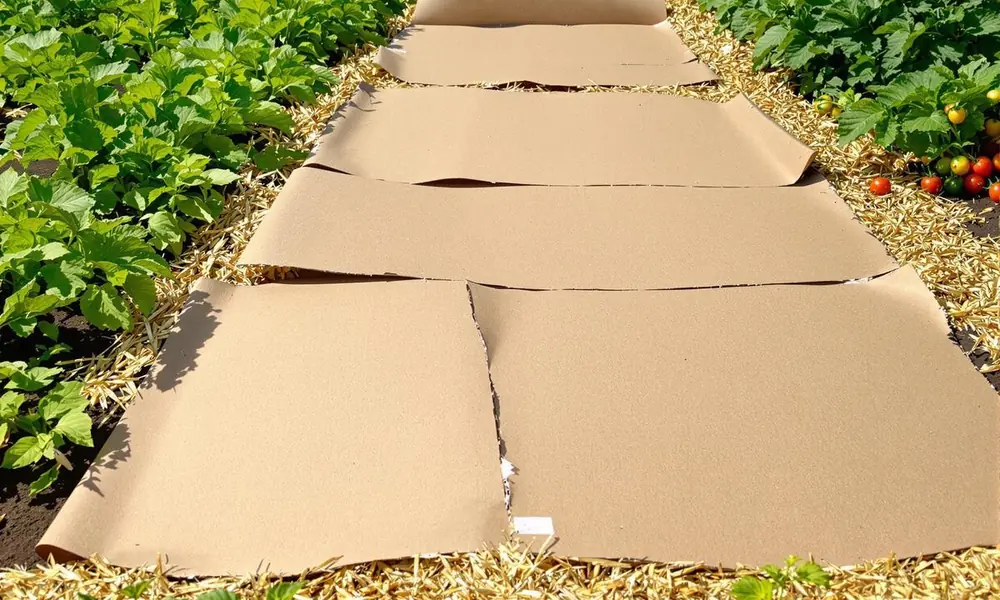
Plain cardboard can help block sunlight from reaching weeds. It can be used when preparing a new garden bed.
What you need:
- Plain, uncoated cardboard
- Water
- Mulch or suitable garden material
How to use it:
- Remove large weeds and any rubbish from the area.
- Remove tape, staples, and plastic labels from the cardboard.
- Lay the cardboard over the soil, overlapping the edges.
- Wet it so it stays in place.
- Cover it with a layer of mulch.
Use plain cardboard without glossy coatings or heavy printing. Do not cover plants you want to keep. Learn more about this popular no-dig method by reading about sheet mulching with recycled cardboard.
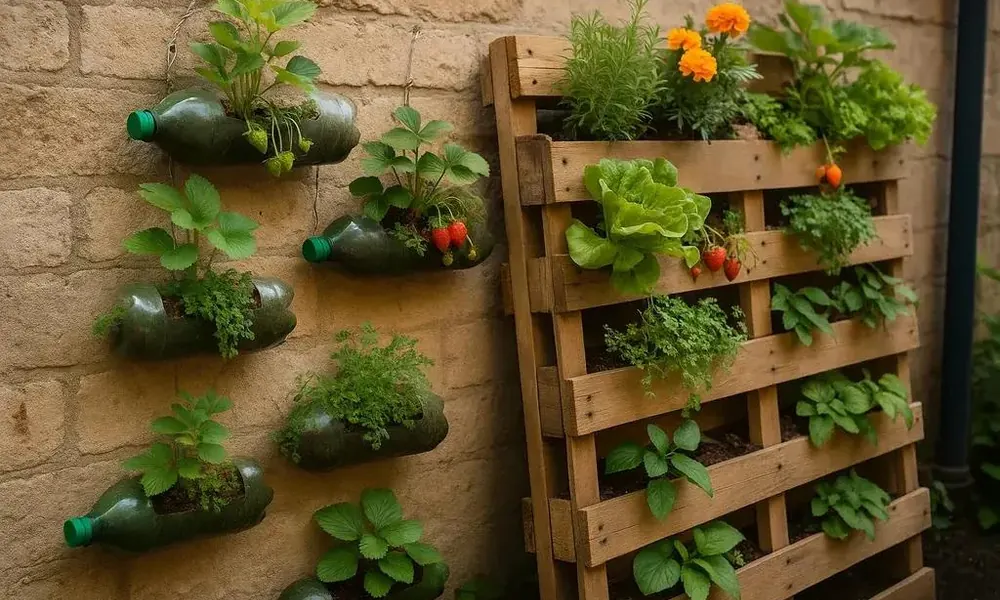
12. Make a Hanging Garden From Plastic Bottles
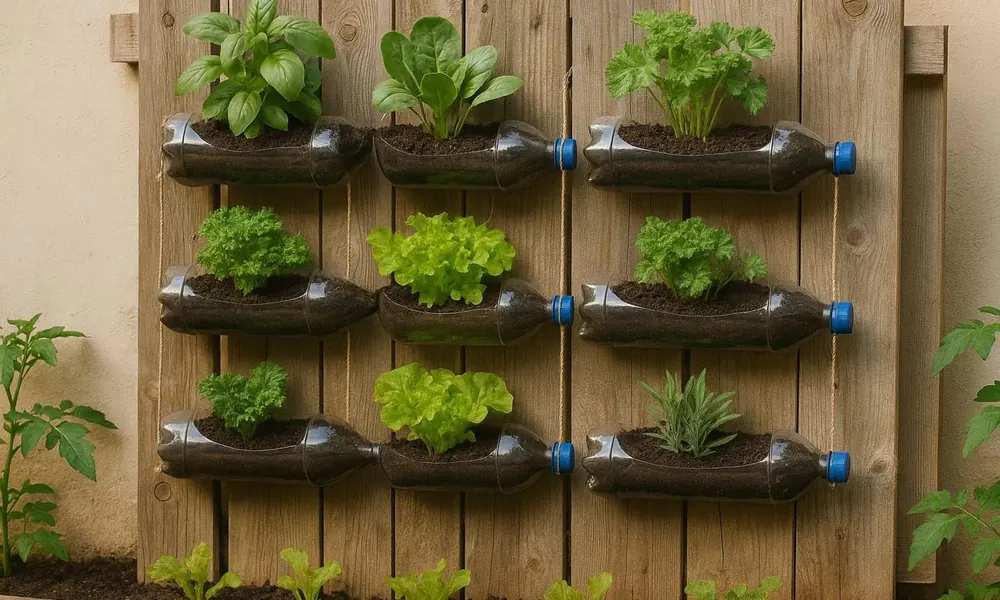
If you have limited garden space, plastic bottles can be turned into simple hanging containers for small plants.
What you need:
- Clean plastic bottles
- Strong string or wire
- Scissors
- Potting mix
- Small plants
How to make it:
- Wash the bottles and remove their labels.
- Cut a wide opening along one side.
- Make drainage holes in the bottom.
- Make small holes near the top for hanging.
- Add potting mix and a small plant.
- Attach the bottles securely to a strong support.
Do not hang heavy, water-filled bottles above walkways. Check that the support can carry the weight, especially after watering.
Materials You Should Avoid in a Food Garden
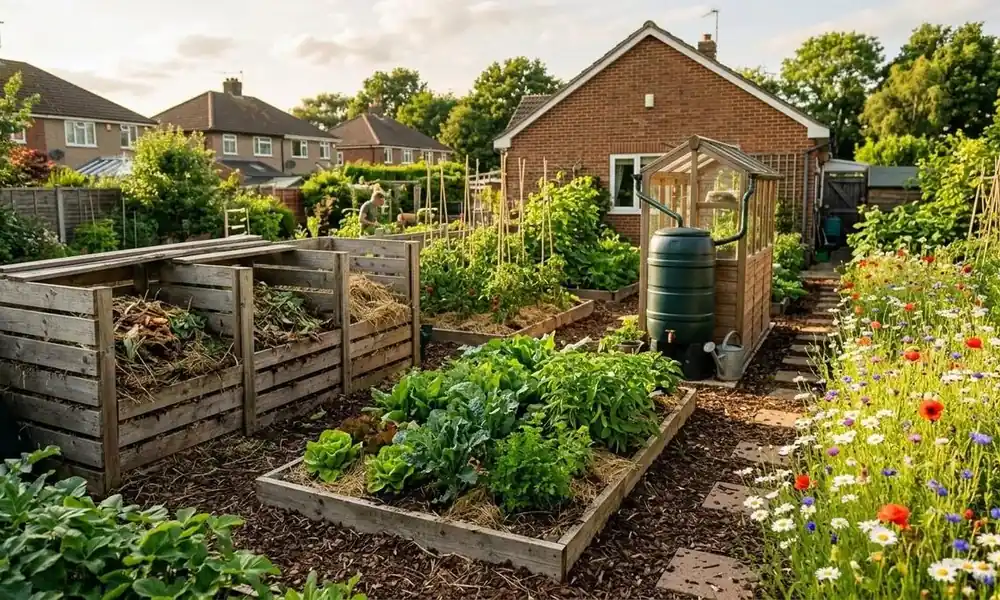
Not every discarded item belongs in a vegetable garden. Some materials may contain chemicals that can move into soil or come into contact with plants.
Avoid using:
- Pallets marked MB or wood with unknown chemical treatment.
- Old pressure-treated wood, especially material made before 2004, which may contain arsenic-based preservatives.
- Containers that held pesticides, solvents, motor oil, or other chemicals.
- Old painted wood if the paint may contain lead.
- Foam or polystyrene containers that are damaged or unsuitable for garden use.
- Old tires as vegetable-growing containers when you cannot confirm they are suitable for that use.
When growing food, use clean containers and materials made for garden or food-growing purposes whenever possible.
How to Choose the Right Recycled Garden Project
You do not need to try all 12 projects at once. Start with something that matches your space and available materials.
| Your goal | Projects to try |
|---|---|
| Save water | Bottle drip irrigator, old-hose soaker |
| Start seeds | Newspaper seed pots, bottle cloche |
| Grow in a small space | Hanging bottle garden, self-watering planter |
| Improve garden storage | Old rake tool holder |
| Build a growing area | Pallet raised bed |
| Reuse more garden waste | Pallet compost bin |
| Prepare a new garden bed | Cardboard weed control |
Start with a small project, such as a milk-jug watering can or newspaper seed pots. Once you are comfortable working with recycled materials, you can move on to larger builds.
Frequently Asked Questions
What are some easy recycled garden ideas?
You can make a watering can from a milk jug, a drip irrigator from a plastic bottle, seed pots from newspaper, or a tool holder from an old rake.
Can I use plastic bottles in my garden?
Yes. Clean plastic bottles can be used for watering, plant covers, and small hanging gardens. Make sure they have drainage or ventilation where needed.
Are wooden pallets safe for garden projects?
Some are, but not all. Look for the HT mark and avoid pallets marked MB. If the treatment is unknown, do not use the wood for food-growing projects.
Can I use old tires as vegetable planters?
It is better to avoid them for food crops. Some experts raise concerns about chemicals such as zinc and certain hydrocarbons. Use a clean, suitable container instead.
What can I recycle to make a garden bed?
You can reuse suitable pallet wood to build a raised bed. Check the wood’s treatment first, and fill the bed with clean, suitable soil.
How can I make a garden without spending much money?
Start with materials you already have. Reuse clean bottles for watering, newspaper for seed pots, cardboard for weed control, and safe pallet wood for larger structures.
Final Thoughts
Recycled garden projects can help you save money and give everyday materials another use. A plastic bottle can water a plant, newspaper can hold seeds, and safe pallet wood can become a raised bed or compost bin.
Start with one simple project and see what works in your garden. Always check materials before using them, especially when growing food.
Related reading: Repurpose Household Items · Creative Planter Ideas · Green Living Ideas
Disclaimer: These projects are general DIY suggestions. Check the condition and safety of every material before use, and follow suitable safety practices when cutting, drilling, or building.