
Living a greener life does not mean buying expensive eco-friendly products or changing every habit at once. The best place to start is with the things that affect your daily life most: how you travel, use energy, manage food, and buy things.
These green living ideas for beginners will help you make simple changes, save money where possible, and understand which actions deserve your attention first.
Green Living Ideas: Where Should You Start?
Not every green habit has the same effect. Replacing a working item just because a greener version is available may create more waste than it prevents. Before buying anything new, look at the habits you can change with little effort or cost.
| Area | Why it matters | What to do first |
| Transportation | Fuel use creates greenhouse gas emissions | Combine errands and avoid unnecessary trips |
| Home energy | Heating, cooling, and electricity use energy | Adjust your thermostat and replace old bulbs with LEDs |
| Food and waste | Wasted food uses resources and creates landfill methane | Plan meals and use leftovers |
| Shopping | Making and disposing of products uses materials and energy | Repair, reuse, or buy secondhand |
These are useful starting points, not a perfect ranking for every household. Your biggest opportunity depends on where you live, how you travel, and how your home uses energy.
The figures below come mainly from US government sources. They help explain the scale of these problems, but local conditions can be different.
1. Reduce Unnecessary Car Trips

Transportation is a major source of greenhouse gas emissions in the United States. The Environmental Protection Agency (EPA) reported that it accounted for about 28% of total US greenhouse gas emissions in 2022.
This does not mean you must sell your car or buy an electric vehicle. Start by looking at how often you drive and which trips you can combine.
Simple changes you can make
- Combine errands: Visit the grocery store, pharmacy, and other nearby places in one trip instead of making several separate journeys.
- Walk or cycle for short trips: If the route is safe and practical, leave the car at home.
- Use public transport: Buses and trains can reduce the need for individual car journeys.
- Share rides: Travel with a colleague, friend, or family member when your plans match.
- Avoid unnecessary idling: Turn off the engine when you are safely parked and do not need it running.
Keep your tires at the pressure recommended by your vehicle’s manufacturer. Proper tire pressure helps your car use fuel efficiently.
What should you do first?
Check your usual weekly journeys. Choose one unnecessary trip to remove or combine with another journey.
If you already use public transport, walk regularly, or work from home, your transport habits may not be your biggest area for improvement. Focus on the part of your daily life where you can make a real difference.
2. Use Less Energy at Home
Home energy use is another useful place to start. Heating, cooling, lighting, and appliances all require energy, although the exact amounts depend on your home and local climate.
The US Energy Information Administration reported that residential electricity customers purchased an average of 10,791 kilowatt-hours of electricity in 2022. This is a national average, not a target for every household.
You do not need to replace every appliance to use less energy. Start with the equipment you already have.
Adjust your heating and cooling
Heating and cooling can account for a large part of household energy use. When it is safe and comfortable, adjust your thermostat while you sleep or leave home.
The US Department of Energy says that changing the thermostat by 7–10°F for eight hours a day can save up to 10% a year on heating and cooling. Actual savings depend on your home, weather, and heating system.
Try these steps:
- Set a suitable temperature for sleeping and working.
- Close doors and windows when heating or cooling is running.
- Use curtains or blinds to help manage heat from sunlight.
- Seal gaps around doors and windows where practical.
- Clean or replace air filters as recommended for your system.
Do not make your home uncomfortably hot or cold just to save energy. Choose settings that suit your health, climate, and household needs.
Replace old bulbs with LEDs
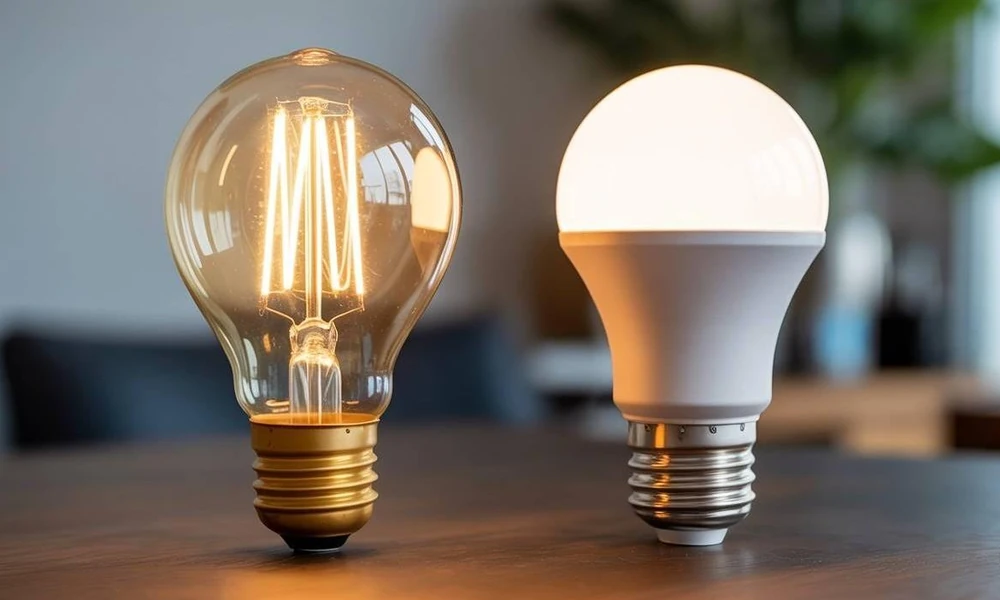
LED bulbs use much less electricity than traditional incandescent bulbs and usually last longer. The US Department of Energy estimates that residential LEDs use at least 75% less energy and last up to 25 times longer than incandescent lighting.
You do not need to throw away working bulbs. Replace them as they stop working, starting with lights you use most often.
Use appliances wisely
A few simple habits can help reduce waste:
- Run the washing machine and dishwasher with full loads when practical.
- Wash clothes in cold water when the fabric and detergent allow it.
- Switch off lights in empty rooms.
- Turn off electronics you do not need.
- Use a switched power strip for suitable devices that draw power while idle.
Small electronic devices do not all use the same amount of standby power, so do not expect unplugging every charger to produce large savings.
Should you replace old appliances?
Usually, it makes sense to keep a working appliance until it needs replacing. Making and transporting a new appliance also uses resources.
When a replacement becomes necessary, compare energy use, purchase price, repair options, and expected lifespan. An efficient model can help lower future energy use, but the best choice depends on your budget and needs.
3. Waste Less Food
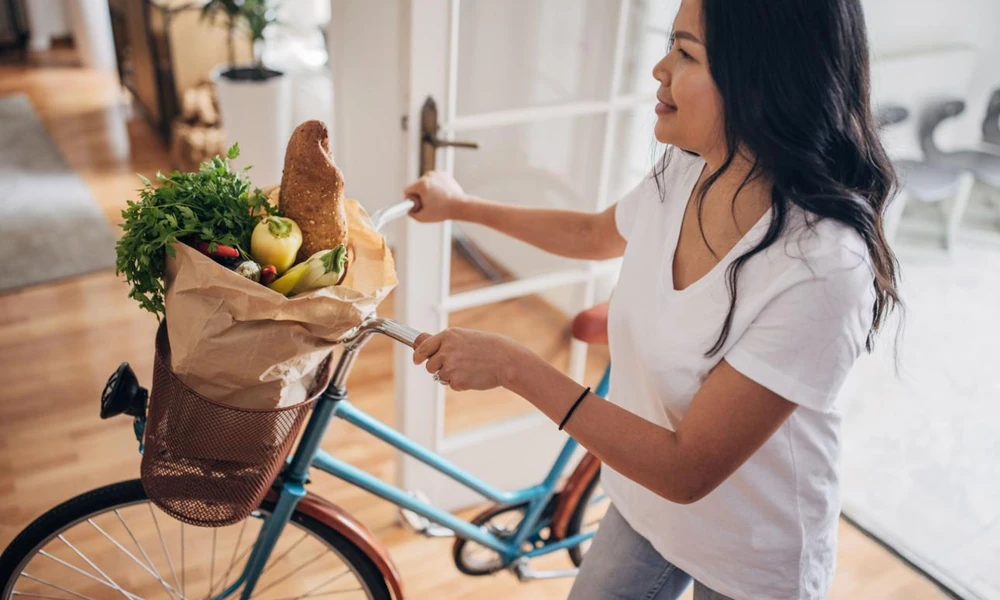
Food waste is an important environmental problem because food takes land, water, energy, and work to produce. When wasted food goes to a landfill, it can also release methane as it breaks down.
The EPA estimates that food makes up about 24% of material in US municipal solid waste landfills. Its analysis also estimates that landfilled food waste causes about 58% of methane emissions released into the atmosphere from these landfills. These figures describe US landfills, not every country.
The most useful first step is to prevent food from going to waste. Composting helps manage scraps, but it does not make wasted food harmless.
Plan meals before shopping
You do not need a strict meal plan for every day. Start by deciding what you will eat for three dinners.
Before shopping:
- Check your fridge, freezer, and cupboards.
- Make a list of what you actually need.
- Buy only the amount of fresh food you are likely to use.
- Keep older food visible so you remember to use it.
Planning helps you avoid buying food you already have.
Make leftovers part of your routine
Choose one meal each week to use leftovers and ingredients that need attention. You can turn cooked vegetables into soup, use leftover rice in another meal, or freeze extra portions for later.
Store food safely and follow local food-safety guidance. Do not eat food that may be unsafe just to avoid waste.
Use your freezer
Freezing can help preserve food you cannot use in time. Bread, suitable portions of cooked meals, and ripe fruit are common examples.
Label containers with the contents and date so you can find food before it gets forgotten.
What about composting?
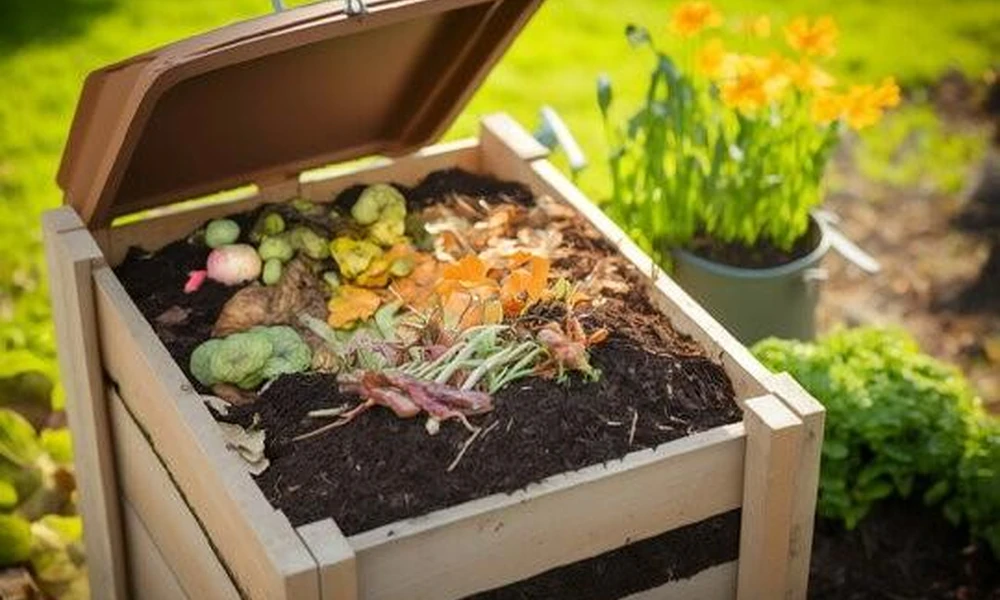
Composting is a useful next step for suitable food scraps. Depending on where you live, you may be able to use a home compost bin or a local food-scrap collection service.
If you want to build a simple compost area using reused materials, see our guide to recycled garden ideas.
If composting is not practical where you live, do not let that stop you. Preventing food waste is still a valuable action.
4. Buy Less and Reuse What You Own
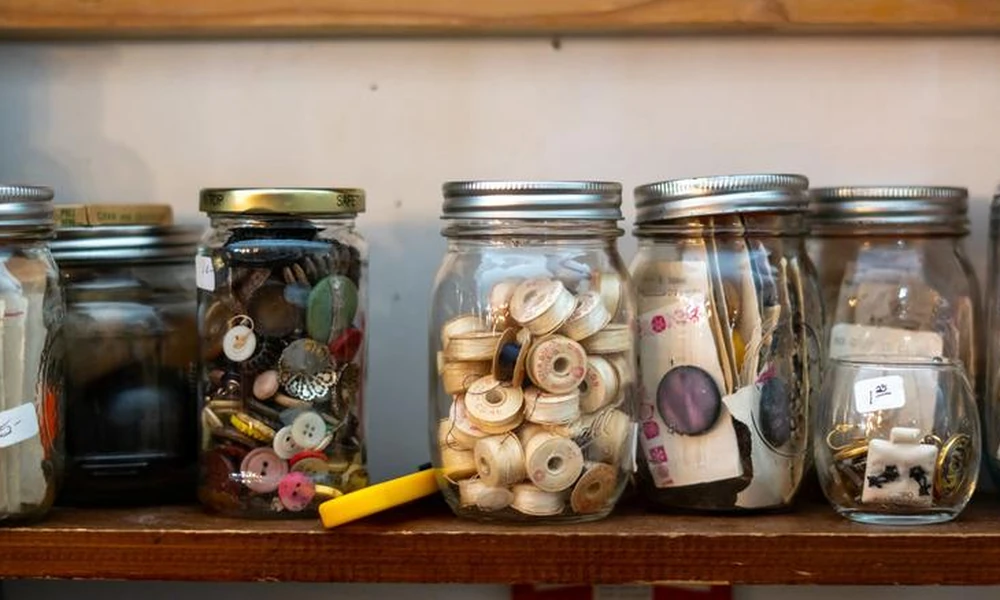
Every new product needs materials, energy, and transport. Many products also create waste when people stop using them.
Clothing is one example. EPA data shows that US landfills received about 11.3 million tons of textile waste in 2018, equal to 7.7% of all municipal solid waste landfilled that year. This is older data, so it should not be treated as a current annual figure.
The lesson is simple: before buying something new, consider whether you can use, repair, borrow, or find it secondhand.
Try these buying habits
- Repair first: Fix a loose button, damaged handle, or small household problem when repair is practical.
- Buy secondhand: Look at local resale shops or trusted secondhand sellers before buying new.
- Borrow items you rarely use: Tools and special equipment may not need to be owned by everyone.
- Choose durable products: Compare quality, repair options, and expected lifespan, not just the price.
- Pass on usable items: Donate or give away things that are still in good condition.
You do not need to avoid every new purchase. Sometimes buying new is safer, more practical, or better for long-term use. The aim is to avoid unnecessary purchases and make useful items last longer.
Reuse everyday household items
Some things you already own may work for a different purpose. Clean jars can hold small household items, and suitable containers can be used to organize drawers or supplies.
For more practical examples, read our guide to repurposing household items.
If you enjoy growing plants, you can also explore creative planter ideas for ways to reuse suitable containers.
Before reusing an item, check that it is clean, safe, and suitable for its new purpose. Not every container is safe for storing food or holding a plant.
Your First Week of Green Living: Six Simple Steps
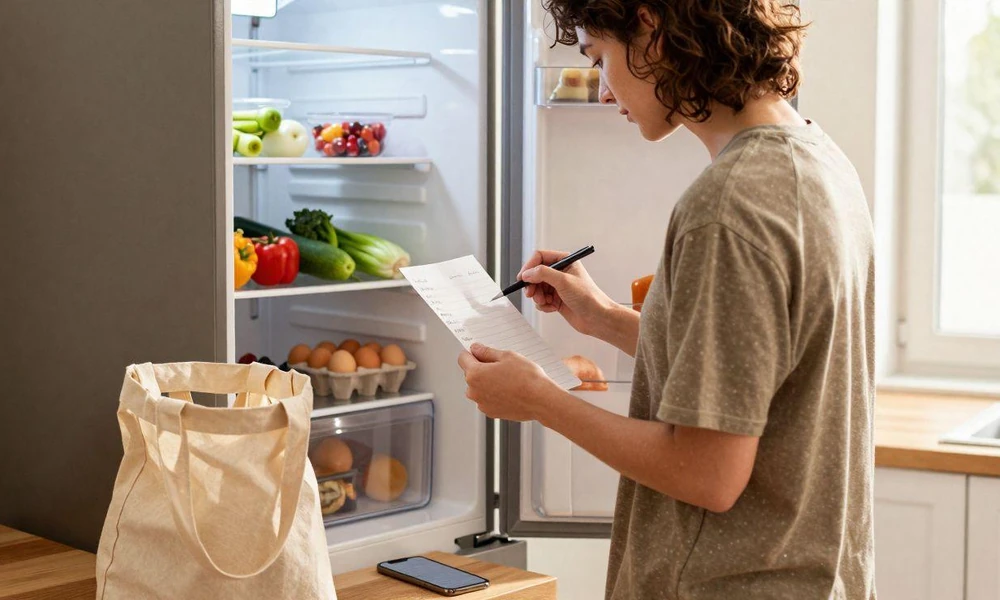
You do not need to change your whole lifestyle in one week. Start with these six actions and see which ones work best for your household.
- Day 1: Check your thermostat settings and adjust them if suitable.
- Day 2: Plan three dinners using food you already have.
- Day 3: Combine two errands into one trip.
- Day 4: Replace a failed bulb with an LED.
- Day 5: Set aside suitable food scraps for composting if a safe, practical option is available.
- Day 6: Repair, reuse, or donate one item instead of throwing it away.
- Day 7: Review what worked and choose one habit to continue.
You do not have to complete every step. If one action is not practical for your home, skip it and choose another.
The goal is to build habits you can maintain, not to create a perfect routine overnight.
What Green Living Habits Matter Less Than You Think?
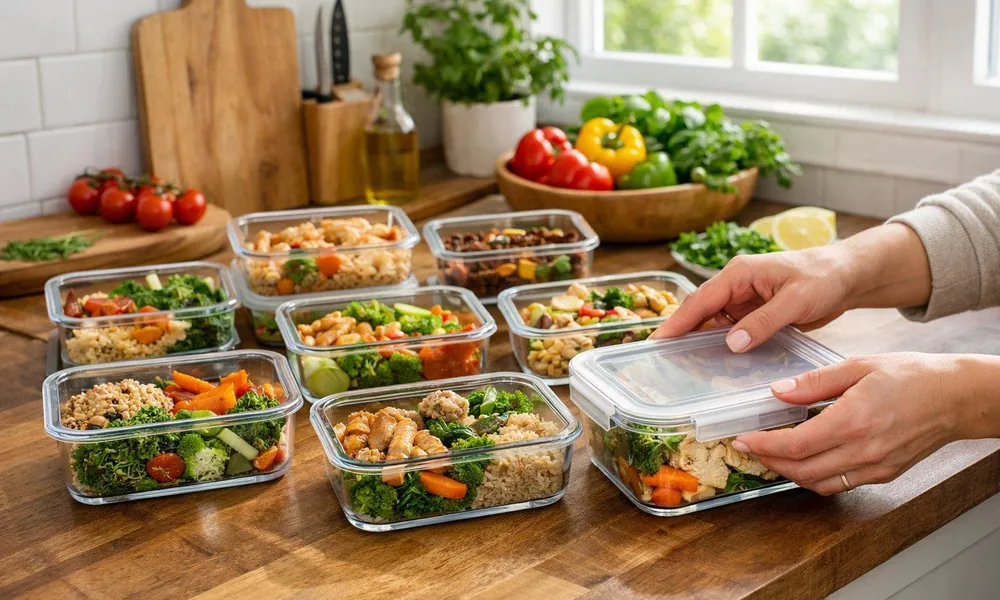
Small actions can be useful, but some receive more attention than their actual impact deserves.
Do you need to buy every eco-friendly product?
No. Buying a new reusable bottle, shopping bag, or container is not automatically better than using one you already own. A new product also requires materials and energy to make.
Use what you have first. When something wears out, choose a suitable replacement based on how long it will last, how you will use it, and what you can afford.
Is recycling enough?
No. Recycling is useful, but reducing waste and reusing items can prevent waste before it reaches the recycling bin.
A simple order to follow is:
- Buy only what you need.
- Reuse or repair items where practical.
- Recycle materials accepted by your local recycling service.
Check your local rules because not every material can be recycled everywhere.
Do you need to change everything at once?
No. Trying to change every habit at the same time can make the process harder to maintain.
Choose one or two changes that fit your routine. Continue with them before adding more.
Does individual action really matter?
Yes, but individual action has limits. Reducing household waste, saving energy, and driving less can help lower your personal environmental impact. Larger changes in public transport, energy production, product design, and waste services also matter.
You do not need to solve every environmental problem yourself. Focus on useful changes you can control.
How to Keep Green Living Simple
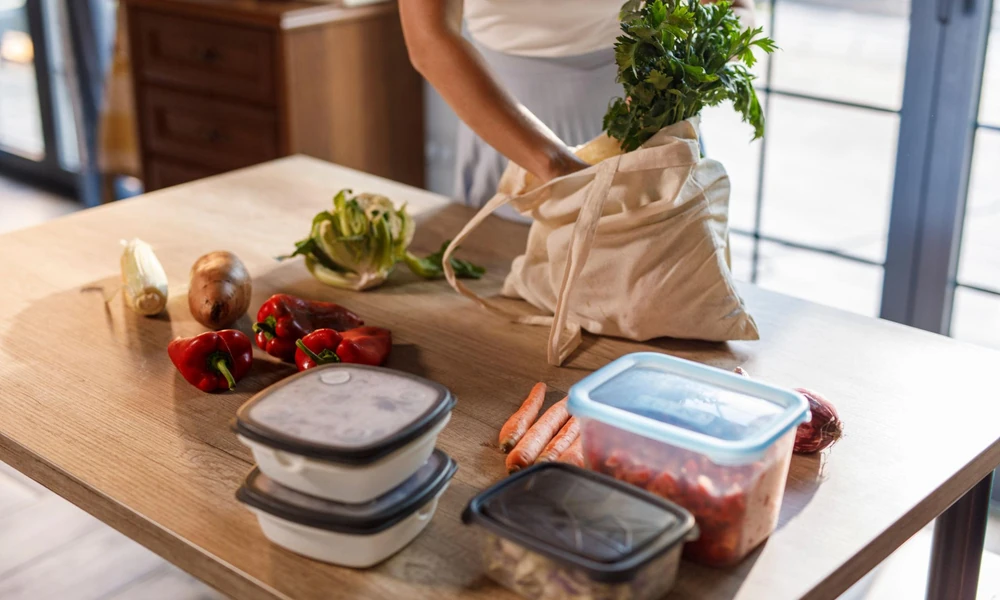
The easiest way to continue is to connect new habits to things you already do.
For example, check your fridge before making a shopping list, switch off unnecessary lights when leaving a room, and consider repair before replacing a household item.
It also helps to review your progress once a month. Look at your food waste, energy bills, shopping habits, and travel routines. You may find that one change is working well while another needs adjusting.
Do not measure success by how many eco-friendly products you own. Measure it by the waste you prevent, the resources you save, and the habits you can maintain.
If you want to make further changes at home, our guide to modern green interior ideas explores ways to make living spaces greener without treating every change as a reason to buy something new.
Frequently Asked Questions
What are the best green living ideas for beginners?
Start by wasting less food, saving energy at home, combining car trips, and buying fewer unnecessary items.
Can green living save money?
Yes. Meal planning, reducing energy use, repairing items, and buying secondhand can save money. Results depend on your habits and local costs.
Do I need to buy eco-friendly products?
No. Use what you already own, repair items when practical, and replace things only when needed.
Is composting necessary for green living?
No. Composting can help, but preventing food waste is a useful first step even when composting is not available.
How can I start living sustainably today?
Choose one simple action, such as planning meals, switching off unused lights, or combining errands. Build from there.
The Bottom Line About Green Living Ideas
Green living is about making better everyday choices, not buying more products or following every environmental trend. Start with the areas that matter most in your own life: travel, home energy, food waste, and shopping. Choose practical changes, keep what works, and improve your habits over time.
You do not need to be perfect to make progress. Small changes that last are more useful than a complete lifestyle change that lasts only a few weeks.
Disclaimer: Environmental impact and potential savings vary by location, household, and personal habits. Statistics in this article are mainly based on US government data and may not reflect conditions in other countries.