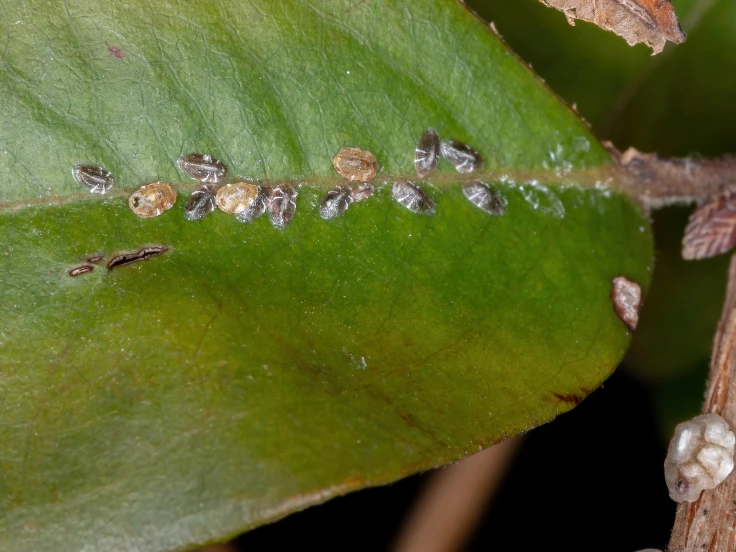
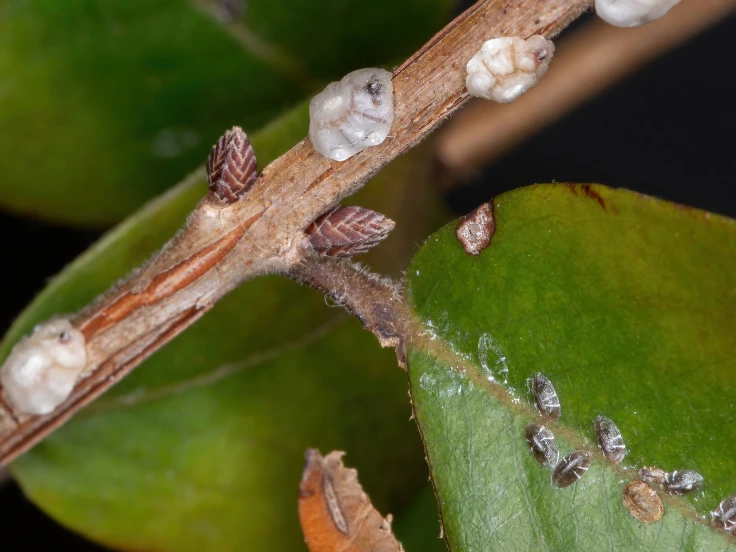
Scale insects are one of the most persistent pests affecting ornamental and edible plants. These tiny insects attach themselves to stems, leaves, and branches, feeding on plant sap and weakening overall plant health. Over time, infestations can lead to stunted growth, yellowing leaves, and even plant death. Managing scale insects requires careful attention, and among the most effective natural remedies is neem oil.
Neem oil, extracted from the seeds of the neem tree (Azadirachta indica), has been recognized for centuries for its insecticidal properties. Its active compounds, such as azadirachtin, disrupt the growth, feeding, and reproduction of pests, making it an ideal choice for gardeners seeking eco-friendly solutions. Unlike chemical insecticides, neem oil is biodegradable, low in toxicity, and safe for beneficial insects, including bees and ladybugs.
How Neem Oil Works Against Scale Insects
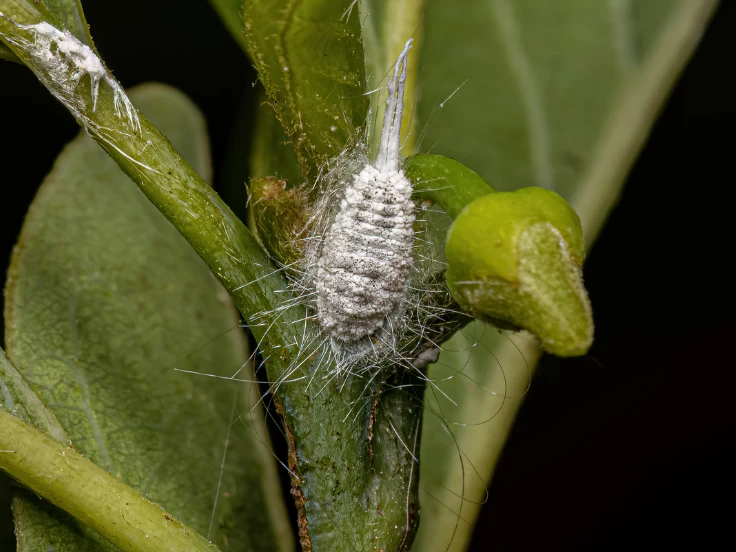
Neem oil works through multiple mechanisms to control scale insects effectively. Firstly, it acts as a growth regulator. When scale insects ingest neem compounds, their development is disrupted, preventing larvae from maturing into adults. Secondly, neem oil functions as a feeding deterrent. It makes plant tissues unpalatable, causing insects to starve without harming the plant.
Additionally, neem oil has ovicidal properties, reducing the hatching rate of scale insect eggs. Regular application ensures that the pest population gradually declines over time. This natural mode of action provides a sustainable solution, minimizing the need for repeated chemical treatments and reducing the risk of pesticide resistance.
Preparing Neem Oil for Scale Insect Control
Before applying neem oil, it is essential to prepare it correctly to maximize effectiveness.
Proper preparation ensures even coverage and avoids plant damage. Use the following steps:
-
Mix 2 teaspoons of neem oil with 1 teaspoon of mild liquid soap in 1 liter of lukewarm water.
-
Shake the solution well to create a uniform emulsion.
-
Conduct a patch test on a small portion of the plant to ensure there is no leaf burn.
-
Use a spray bottle to apply the mixture evenly to affected areas, including the undersides of leaves.
-
Repeat the treatment every 7–14 days until the infestation is under control.
Best Practices for Applying Neem Oil
Applying neem oil correctly is crucial to prevent plant stress and ensure maximum pest control.
To optimize results, follow these application tips:
-
Apply during early morning or late evening to avoid leaf burn from direct sunlight.
-
Avoid applying in extreme temperatures above 30°C or below 10°C.
-
Ensure thorough coverage, especially around stems and leaf joints where scale insects often hide.
-
Use neem oil preventively on healthy plants to reduce the risk of future infestations.
-
Wash spray equipment after use to maintain its longevity and effectiveness.
Benefits of Using Neem Oil on Plants
Neem oil offers numerous advantages beyond simply controlling scale insects. Its use promotes overall plant health and supports sustainable gardening practices. For instance, neem oil has antifungal properties, helping to prevent diseases like powdery mildew and black spot.
Additionally, it encourages beneficial insects by targeting only harmful pests, maintaining ecological balance. Regular application can also improve leaf shine and plant vigor, enhancing both ornamental and edible plants. Over time, neem oil strengthens overall plant resilience, helping them withstand future pest infestations naturally.
Environmental and Health Advantages of Neem Oil
One of the most compelling reasons to choose neem oil over synthetic pesticides is its low environmental impact. It is biodegradable, leaving no harmful residues in soil or water. Furthermore, neem oil is non-toxic to mammals and birds, making it safe for pets and humans.
Using neem oil aligns with eco-conscious gardening practices, supporting biodiversity while maintaining plant health. This sustainable approach ensures that gardens remain vibrant and pest-free without compromising environmental integrity.
Signs Your Plant Needs Neem Oil Treatment
Identifying scale insect infestations early is essential for effective control.
Common indicators include:
-
Sticky honeydew deposits on leaves or stems.
-
Yellowing or wilting leaves despite proper care.
-
Presence of small, round, or oval bumps on plant surfaces.
-
Black sooty mold developing on honeydew secretions.
-
Stunted growth or leaf drop over time.
Recognizing these signs allows gardeners to intervene promptly, ensuring that neem oil treatments are applied at the most effective stage of the pest’s life cycle.
How Often to Use Neem Oil for Scale Insects
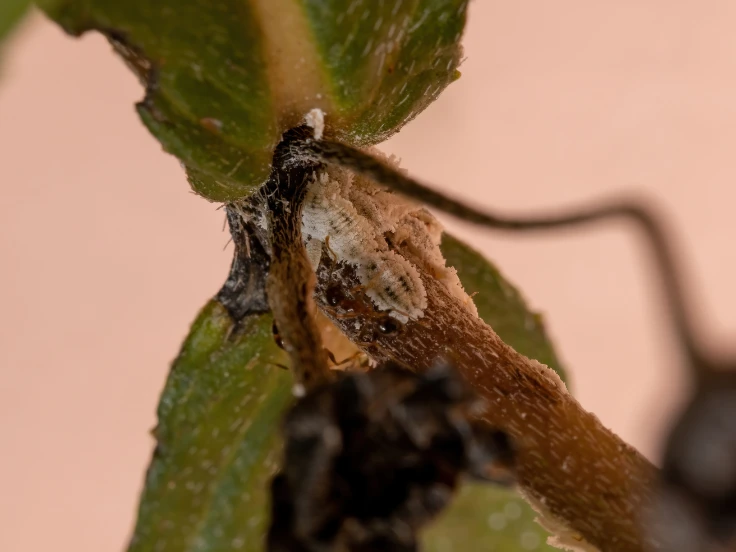
The frequency of neem oil application depends on infestation severity and plant type. For light infestations, applying neem oil every 10–14 days may suffice. Severe infestations require more frequent treatments, typically every 7 days. Consistency is key, as neem oil works gradually by disrupting the pest life cycle. Over time, gardeners will notice a reduction in scale populations and healthier plant growth.
Additional Tips for Maintaining Scale-Free Plants
Maintaining plant health is equally important as applying neem oil:
-
Regularly inspect plants for early signs of pests.
-
Prune heavily infested branches to prevent spread.
-
Ensure proper watering and fertilization to strengthen plant defenses.
-
Avoid overcrowding plants to reduce humidity and pest proliferation.
-
Rotate neem oil with other organic treatments like insecticidal soaps for maximum control.
FAQs
Q1: Can neem oil harm my plants?
A: If applied in the recommended concentrations and at appropriate times, neem oil is safe for most plants. Avoid direct sunlight during application to prevent leaf burn.
Q2: How long does it take for neem oil to work on scale insects?
A: Typically, noticeable reduction in scale insect populations occurs within 2–4 weeks with consistent application.
Q3: Can neem oil be used on indoor plants?
A: Yes, neem oil is safe for indoor plants, but ensure proper ventilation to avoid strong odors.
Conclusion
Neem oil is a powerful, eco-friendly solution for managing scale insects, offering a safe alternative to chemical pesticides. Its multifaceted action disrupting growth, deterring feeding, and reducing egg viability ensures effective pest control over time, similar to how professional pest control methods can target other household pests like cockroaches.
Beyond pest management, neem oil promotes plant health and supports sustainable gardening practices. By following proper preparation and application techniques, gardeners can maintain thriving, scale-free plants while contributing to environmental conservation. For ongoing protection and to ensure your plants remain healthy year-round, it’s important to know how often pest control should be done.
Even though our focus was on pest control, it’s interesting how natural solutions, like neem oil, reflect broader principles of balance and sustainability, much like choosing thoughtful travel destinations. For instance, when planning trips to explore Hamburg places to visit, one seeks experiences that are enriching yet sustainable, mirroring the care we take with our plants.