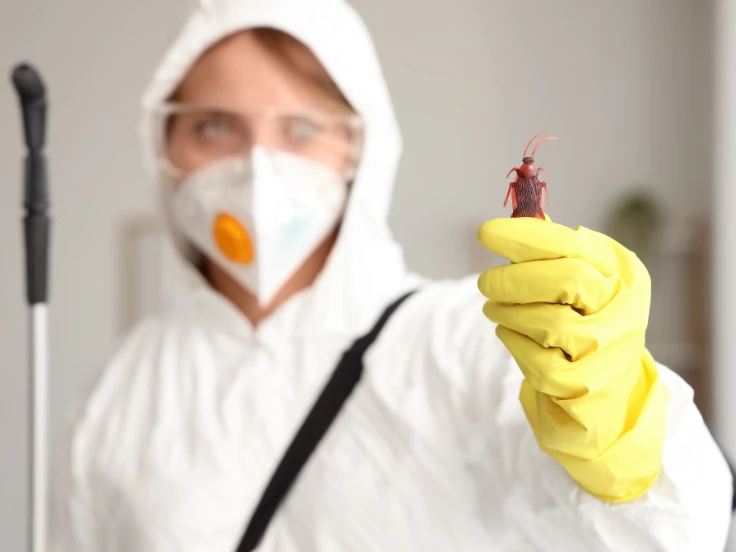
Silverfish are persistent household pests known for slipping into cracks, hiding in damp corners, and damaging books, photos, and stored paper goods. Their nocturnal habits make them difficult to detect early, and because they thrive in warm, humid environments, basements, bathrooms, and storage rooms often become their ideal habitats. Using a pest control spray for silverfish is one of the most reliable ways to stop these moisture-loving insects before they spread.
These pests feed on starches, adhesives, cardboard, wallpaper paste, and even fabrics. Their ability to survive extended periods without food makes them especially challenging to eliminate without the right approach. Moreover, slow reproduction rates mean infestations often grow quietly until noticeable damage appears. Understanding their environment and behavior forms the foundation of an effective treatment plan.
Why Pest Control Spray for Silverfish Is Effective
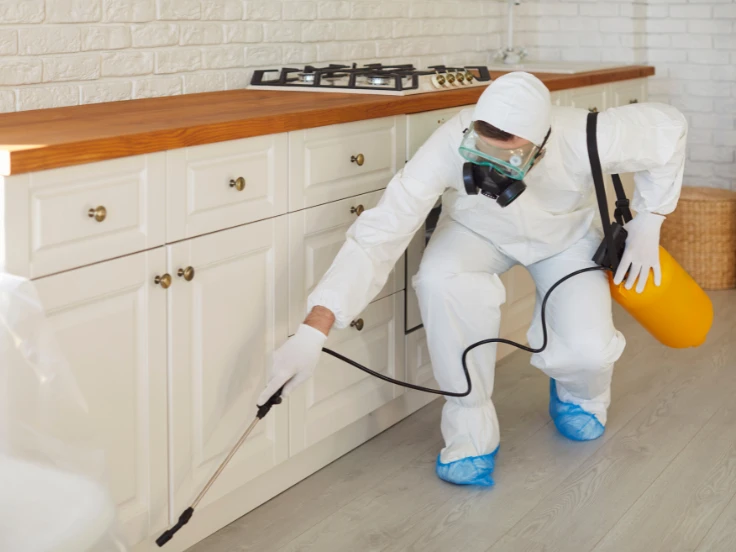
Additionally, these sprays break movement pathways and kill active insects almost immediately. Although they are highly effective, results depend heavily on correct application. Even though overuse is unnecessary, applying sprays strategically ensures long-term protection.
Key Features to Look for in Silverfish Pest Control Sprays
Choosing the right spray requires evaluating performance, safety, and compatibility with indoor use.
-
Residual protection: Long-lasting sprays help maintain effective coverage.
-
Low or no odor: Indoors, minimal scent is more comfortable.
-
Non-staining formulas: Essential for use on baseboards and walls.
-
Targeted crawling-insect formulation: Ensures better control.
-
Moisture-resistant ingredients: Particularly useful in humid environments.
How to Apply Silverfish Control Sprays Safely and Effectively
Preparation is crucial for maximizing results and ensuring coverage in the right locations.
-
Identify hiding areas: Behind appliances, in closets, under sinks, and along baseboards.
-
Clean surfaces before spraying: Dust-free surfaces allow sprays to adhere well.
-
Apply in controlled layers: Overapplication is ineffective and unnecessary.
-
Ventilate afterward: Air circulation increases comfort and safety.
-
Reapply as directed: Following the product schedule ensures ongoing prevention.
Eco-Friendly Silverfish Spray Solutions
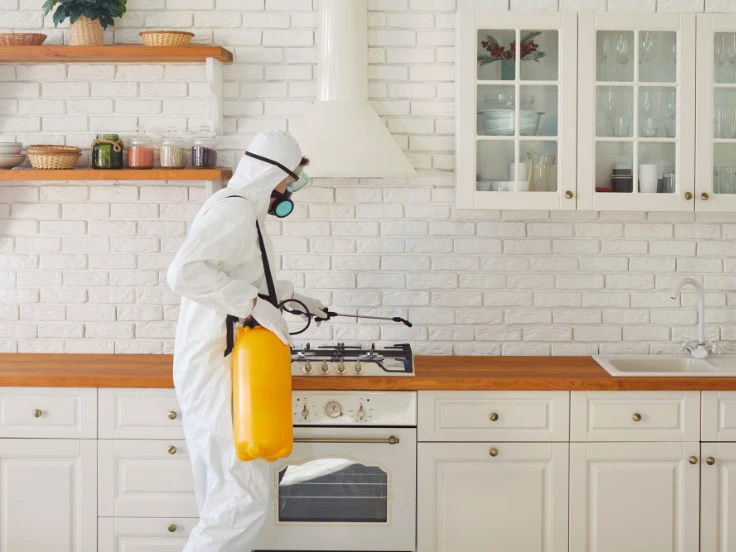
Some homeowners prefer gentler solutions, especially around children or pets. Natural sprays typically rely on plant-derived ingredients and offer quick knockdown effects. Homeowners often prefer a pest control spray for silverfish that is low in toxicity yet strong enough for long-term protection.
Although these formulas may require more frequent applications, combining them with humidity reduction dramatically improves outcomes. Since silverfish rely on moisture to survive, maintaining a dry environment enhances spray effectiveness.
Moisture Control as a Companion Strategy to Pest Spray
While sprays eliminate current infestations, moisture reduction prevents new ones. Silverfish thrive where humidity exceeds 70 percent, so lowering moisture is a crucial part of integrated control. Dehumidifiers, improved ventilation, and repair of water leaks support a long-lasting solution.
Even when humidity drops, a pest control spray for silverfish ensures that lingering insects cannot rebuild their population. Together, these methods create a powerful barrier against reinfestation. Consistent use combined with moisture control keeps your home silverfish-free over the long term.
Comprehensive Prevention Methods Beyond Sprays
Long-term success requires a combination of treatment and ongoing preventive habits.
-
Store items in airtight containers: Protects books, files, and fabrics.
-
Minimize clutter: Fewer hiding places reduce survival opportunities.
-
Use humidity absorbers: Silica gel and similar products keep storage areas dry.
-
Vacuum routinely: Removes eggs and food particles silverfish rely on.
Signs That You Need to Reapply Pest Control Spray
Monitoring activity helps determine when additional treatment is necessary.
-
Fresh holes in books or paper: Indicates renewed feeding.
-
Bathroom or basement sightings: High humidity attracts silverfish.
-
Shed exoskeletons: Signs of growth and reproduction.
-
Frequent nighttime activity: Suggests expanding clusters.
When to Contact a Professional for Silverfish Control
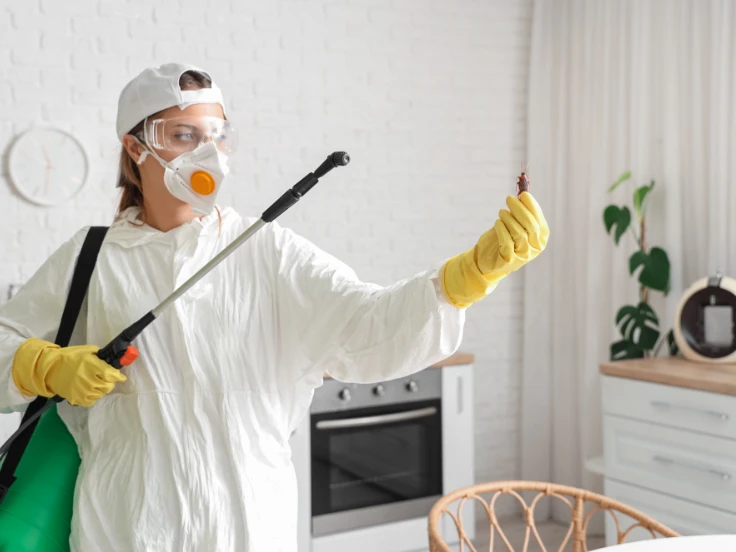
While many homeowners manage silverfish effectively with proper sprays and moisture control, some infestations extend deeper than expected. If silverfish appear in multiple rooms or resist treatment, professional assistance becomes the best option.
Experts can identify hidden moisture pockets and use advanced formulations inaccessible to consumers. Their assessment ensures long-term solutions that address both the insects and the conditions that attract them. This professional approach effectively prevents silverfish from returning.
Choosing the Right Areas of the Home to Treat
Targeting the correct locations significantly amplifies the results of any spray. Silverfish rarely stray far from their moisture and food sources, so applying treatments in damp spaces, storage zones, and neglected corners enhances effectiveness. Continuous monitoring allows homeowners to discover previously unnoticed hiding spots and treat them appropriately.
The Role of Cleanliness and Organization in Preventing Silverfish
Cleanliness plays a major role in discouraging silverfish activity. Homes with clutter, dust buildup, and undisturbed storage areas offer ideal breeding conditions. Maintaining order reduces access to adhesives, fibers, and organic particles staples of a silverfish diet.
-
Wipe surfaces frequently: Eliminates starch residues and dust.
-
Rotate stored items: Disturbs potential nesting spots.
-
Check seldom-used areas: Prevents unnoticed infestations.
Integrating Pest Spray Into Routine Home Care
Incorporating spray use into regular home care creates a long-term defense system. Even when infestations appear resolved, eggs or hidden clusters may remain. With consistent application, a pest control spray for silverfish supports year-round prevention and reduces reinfestation risks.
-
Apply during warm, humid seasons: Silverfish activity increases in heat.
-
Pair with dehumidifying habits: Moisture reduction enhances spray performance.
-
Track your application schedule: Ensures timely, effective maintenance.
Frequently Asked Questions
How often should I use pest control spray for silverfish?
Every few weeks or as directed by the manufacturer.
Are silverfish dangerous?
They do not carry diseases but can damage books, photos, and fabrics.
Can natural sprays eliminate silverfish?
Yes, but they require consistent and more frequent use.
Where do silverfish usually hide?
Bathrooms, basements, behind appliances, and inside storage rooms.
Conclusion:Pest Control Spray for Silverfish
Eliminating silverfish requires a blend of targeted spraying, moisture management, and long-term prevention. A reliable pest control spray for silverfish provides fast action and residual protection, ensuring active insects and hidden clusters are removed. By combining routine spraying with humidity control and cleanliness, homeowners create an environment where silverfish cannot thrive. With consistent effort, silverfish infestations can be resolved permanently, and the home can remain clean, protected, and free from ongoing damage.