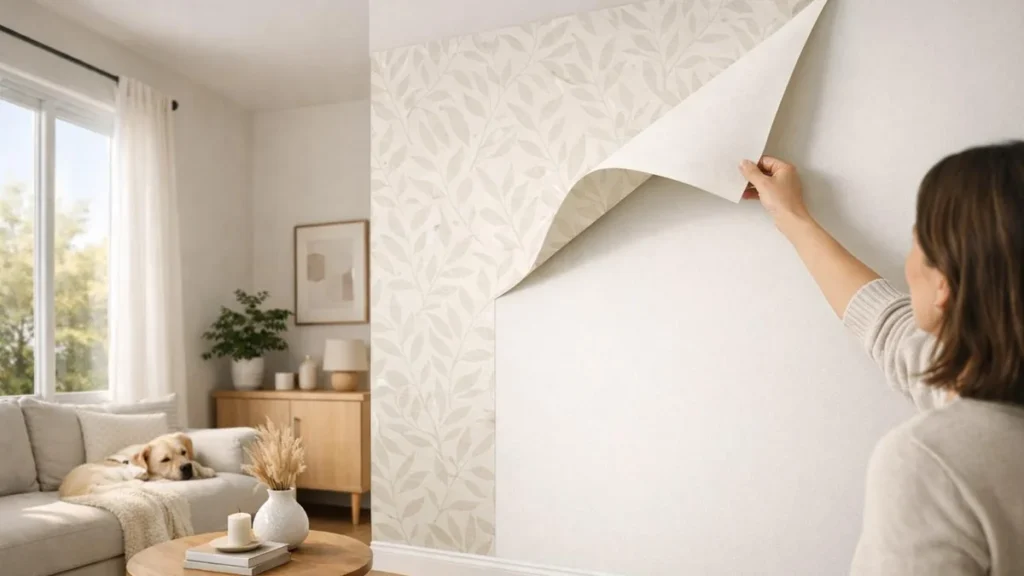
You find a peel and stick wallpaper design you love, imagine it transforming a plain wall, and then pause at the reviews. Some buyers say installation took an afternoon and removal was easy. Others report bubbles, peeling edges, and damaged paint. Peel and stick wallpaper reviews suggest that results depend heavily on wall condition, installation, and how long the wallpaper stays up.
This guide brings together recurring praise and complaints from user discussions, trade guidance, and seller advice. It is desk research, not laboratory testing. The aim is to explain where removable wallpaper tends to work, where problems appear, how lifespan differs from removability, and what to check before ordering.
What Peel and Stick Wallpaper Reviews Actually Say
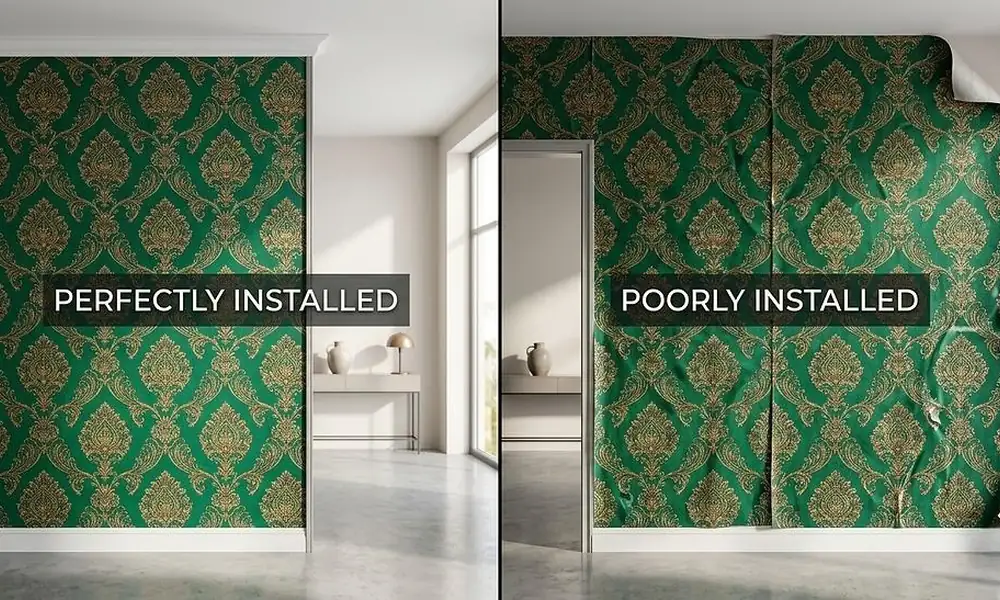
The feedback tends to divide around two important factors: the surface underneath the wallpaper and the amount of time it remains on the wall.
People who apply peel and stick wallpaper to smooth, clean, properly prepared walls often report a straightforward installation, neat-looking seams, and easier removal. Negative experiences more often involve textured surfaces, dust, fresh paint, trapped air, lifting edges, or adhesive that becomes harder to remove over time.
This explains why reviews can sound so different. Two people can buy similar wallpaper but get very different results because their walls, preparation, and installation conditions are not the same.
One frequently discussed issue is the difference between how long wallpaper stays attached and how long it remains easy to remove. A panel may continue looking acceptable for years without retaining the same easy-removal characteristics it had when first installed.
That distinction matters particularly if you rent your home or expect to move. A product described as removable does not necessarily guarantee damage-free removal at any point in the future.
The Praise: Where Peel and Stick Wallpaper Wins

Positive reviews usually focus on convenience and flexibility rather than technical performance. The category has several practical advantages when the wall and installation conditions are suitable.
- Quick installation: You do not need traditional wallpaper paste or a separate paste-mixing process. A small accent wall may be manageable in an afternoon, depending on its size and the installer’s experience.
- Useful for temporary decorating: It can make a room feel different without committing to a permanent wall treatment. This appeals to renters and people who like changing their interiors.
- Flexible design choices: It allows you to experiment with patterns, colors, and accent walls without undertaking a full decorating project.
- A manageable DIY project: Many installations can be completed with basic tools, such as a smoothing card, level, and sharp utility knife.
- Good results on suitable walls: Smooth, clean surfaces give the adhesive a better chance of making consistent contact, helping panels sit flat and seams remain aligned.
For renters, removable wallpaper is only one part of a wider decorating approach. You can also change a room’s appearance with furniture placement, textiles, planters, and wall displays. Our guide to plant home decor offers ideas for adding greenery without relying entirely on permanent wall changes.
The positive experiences are real, but they usually come with conditions. Wall preparation, product instructions, and removal timing all influence the result.
The Complaints: Where Peel and Stick Wallpaper Goes Wrong
Negative reviews often describe a small number of recurring problems. Understanding the cause can help you decide whether your wall is suitable before buying.
| Common complaint | What users report | What it means for you |
|---|---|---|
| Bubbles and wrinkles | Air pockets or creases appear during installation | Apply gradually and smooth the material as you work |
| Lifting seams | Panel edges curl or become visible over time | Check the product’s seam instructions and wall suitability |
| Poor adhesion on textured walls | Wallpaper loses contact and begins peeling | Test the actual wall surface before covering a large area |
| Paint damage during removal | Paint lifts or flakes as the wallpaper comes away | Consider paint condition, curing time, and removal instructions |
| Adhesive becoming difficult to remove | Older wallpaper may not come away as easily as expected | Do not assume removability remains unchanged indefinitely |
| Pattern mismatch | Repeated designs do not line up neatly | Check the pattern repeat and order enough material from the same production lot |
Bubbles and wrinkles
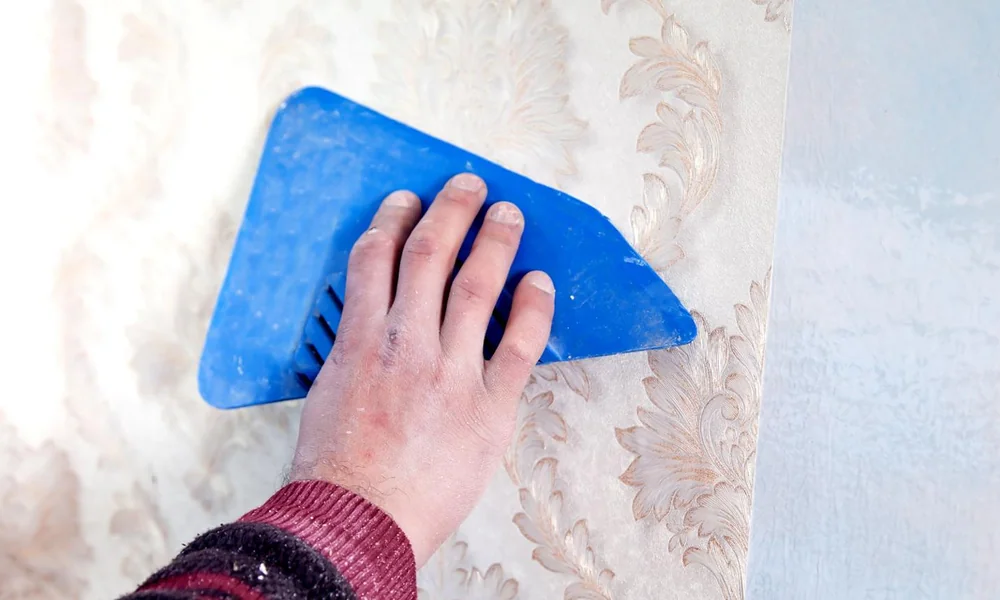
Bubbles can appear when air becomes trapped between the wallpaper and the wall. Long strips can be difficult to position accurately, especially when one person is trying to hold and smooth the entire panel at once.
A more controlled approach is to expose a manageable section of adhesive backing, position the material carefully, and smooth from the centre towards the edges. Continue gradually instead of removing all the backing at once.
This is a general installation approach, not a guarantee that bubbles will never occur. Always follow the instructions supplied with the wallpaper.
Seam lift and visible joins
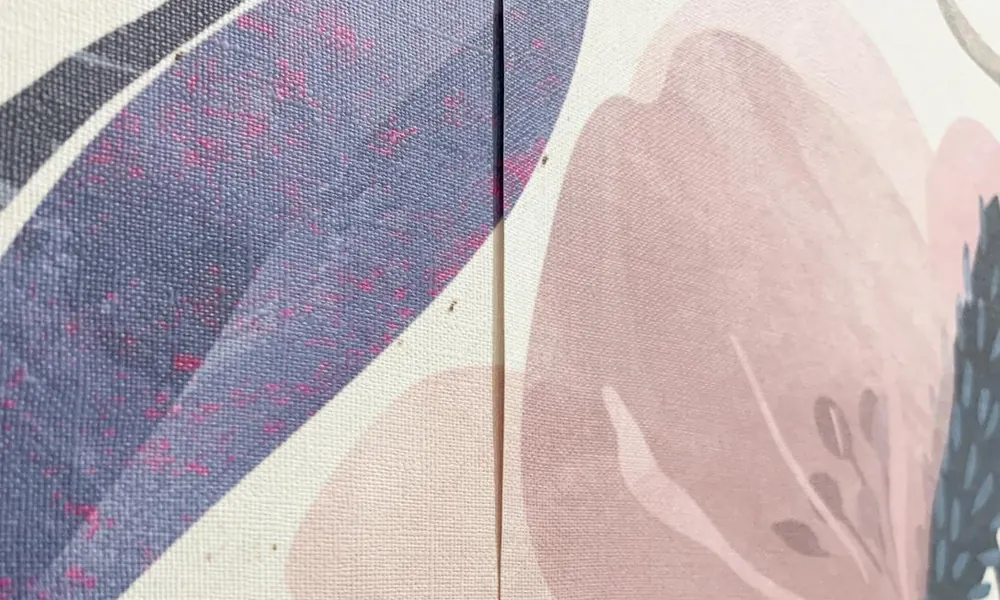
Seams can become noticeable when panels are not positioned correctly or when the adhesive does not bond consistently with the wall. Patterned wallpaper can make the problem more obvious because even a small mismatch interrupts the design.
Before installation, check whether the manufacturer instructs you to overlap panels or place their edges together. Do not assume every product uses the same joining method.
It is also worth reading reviews that discuss long-term seam performance rather than relying only on photographs taken immediately after installation.
Adhesion failure on textured walls
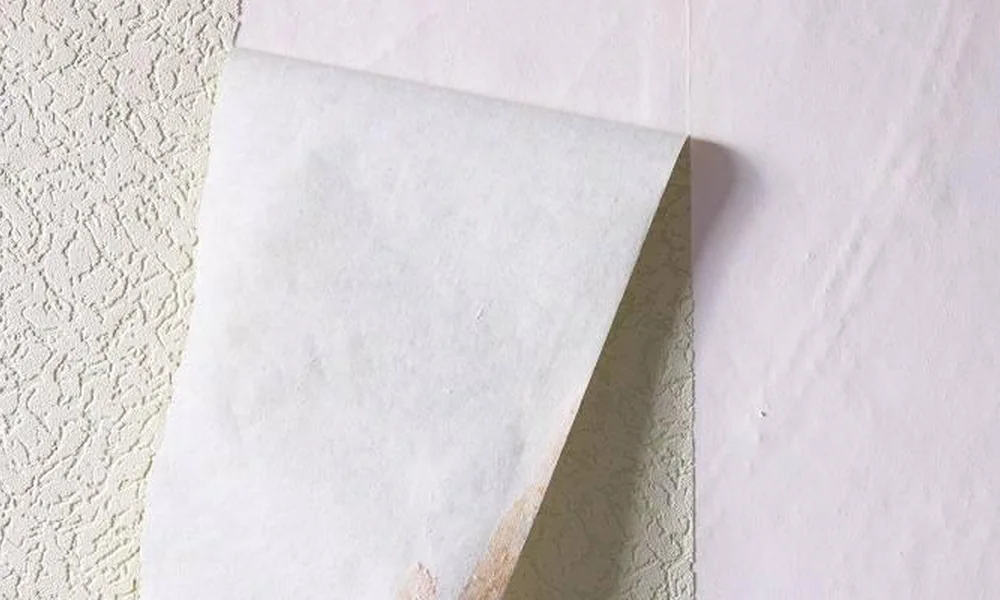
Textured walls are a common concern in peel and stick wallpaper discussions. Raised surfaces can prevent the adhesive from making consistent contact with the wall. A panel may appear attached at first but begin lifting around edges or uneven areas. Dust and loose surface material can create similar problems.
If your wall has visible texture, do not rely on a general claim that wallpaper sticks to most surfaces. Look for clear surface restrictions and test a sample on the actual wall if the seller provides one.
Paint damage during removal
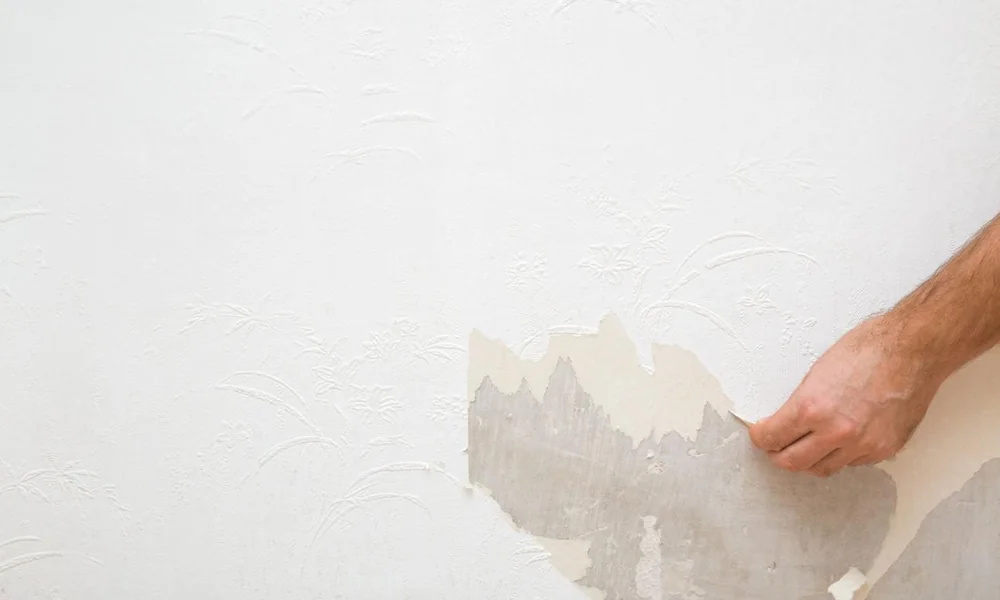
Removable wallpaper can still pull paint away from a wall. The risk may be higher when the paint is weak, poorly bonded, or has not fully cured.
Newly painted walls need sufficient time before wallpaper is applied. The exact waiting period depends on the paint and product instructions, so follow both rather than treating a general time estimate as universal.
Before covering a large area, test a small hidden section if the wallpaper instructions allow it. A test cannot remove every risk, but it can reveal obvious compatibility problems.
Lifespan and Removal: The One-Year Question for Peel and Stick

One of the most important questions in peel and stick wallpaper reviews is how long the material can remain on a wall before removal becomes difficult.
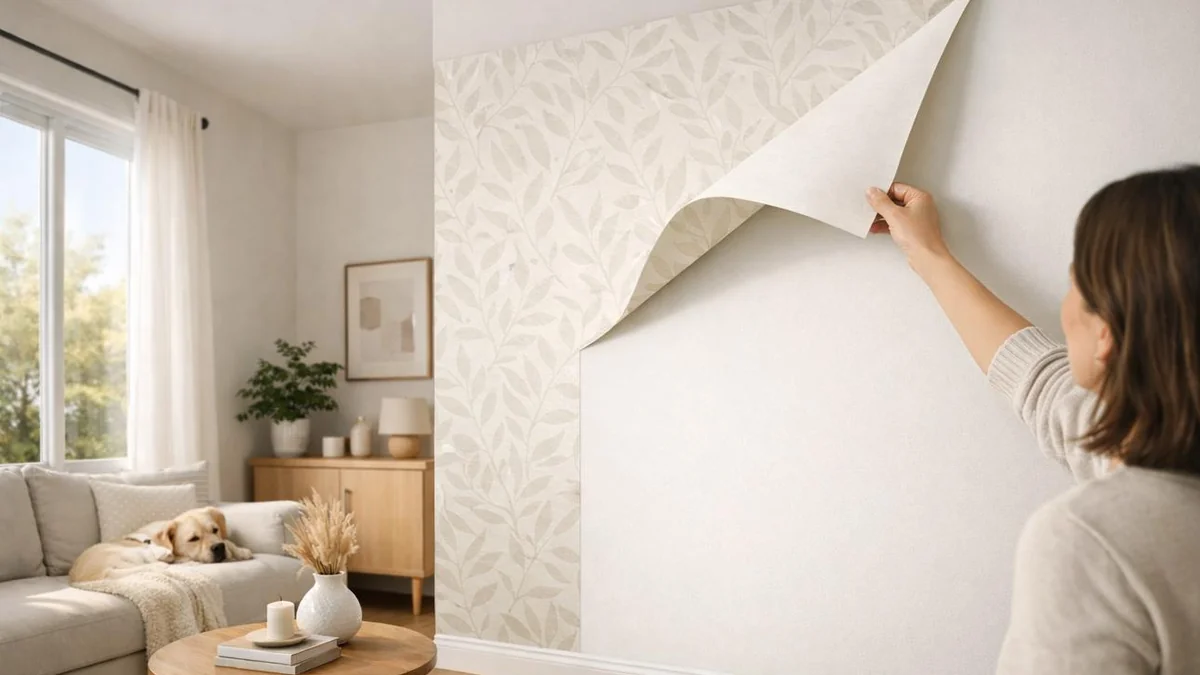
A community discussion quoting seller guidance describes a roughly one-year period as a window for easier removal. The same discussion warns that adhesive can become harder to remove over time, increasing the chance of paint damage. This is reported guidance, not a universal rule for every adhesive formula or wall.
Lifespan and removability are two different things:
- Lifespan refers to how long the wallpaper remains attached and visually acceptable.
- Removability refers to how easily it can be taken down without damaging the surface underneath.
Some durability articles claim that quality peel and stick wallpaper can last five to seven years or longer on smooth, prepared walls. However, that figure should not be treated as a guaranteed lifespan. Adhesive formulas, room conditions, wall preparation, and product quality vary.
The research notes also include a reported removal comparison in which an older application caused damage while a much newer application came away cleanly. The original article URL was not captured, so that example should be treated as a reported finding rather than independently verified evidence.
The practical lesson is to decide how long you expect to keep the wallpaper before installing it.
If you rent and may move within a year, check the seller’s removal guidance and your tenancy requirements before applying it. If you plan to keep the wallpaper for several years, treat the project as a longer-term wall finish and allow for possible repair or repainting when it comes down.
For rooms where wallpaper may be exposed to moisture, do not assume the same advice applies. Surface preparation and environmental conditions can change adhesive performance. Our guide to indoor plant styling can also help you explore ways to refresh a room through movable greenery and displays rather than relying on a wall covering alone.
How to Judge a Peel and Stick Wallpaper Listing
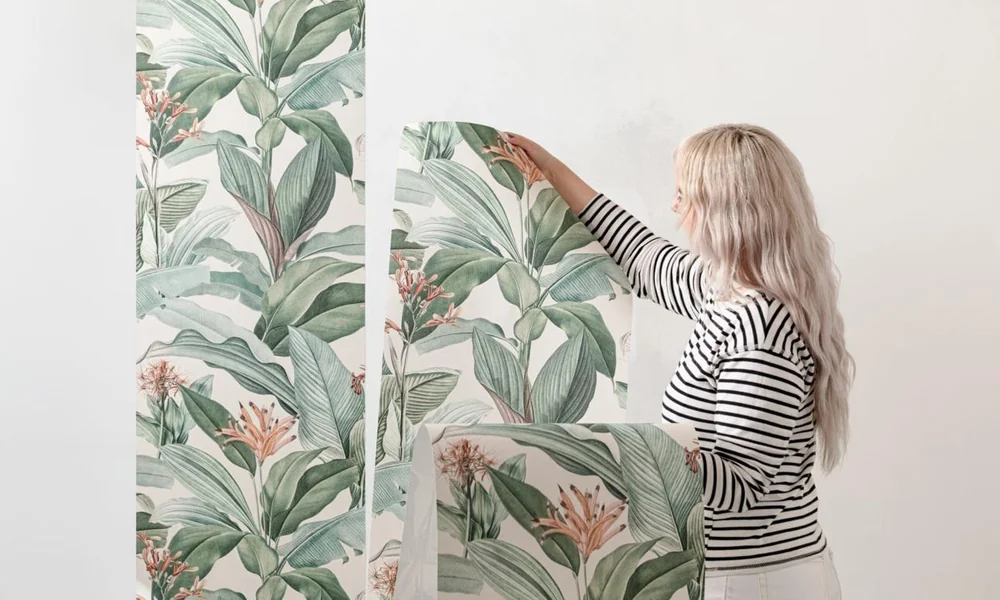
A product listing should explain more than the pattern and roll dimensions. Before buying, look for details that help you understand how the wallpaper is intended to perform.
Use these five checks:
1. Check the recommended wall type
Look for specific surface instructions. A listing that clearly states it is intended for smooth, clean walls gives you more useful information than a broad claim that it sticks to almost anything.
Be cautious if the seller does not explain whether textured, dusty, freshly painted, or damaged walls are suitable.
2. Look for sample availability
A sample can help you check the color, pattern, texture, and adhesive compatibility before buying full rolls.
If samples are available, test one on the actual wall you plan to cover. A different room or wall may have a different paint finish or surface condition.
3. Read removal experiences in customer reviews
Installation photographs show how wallpaper looks when it is first applied. They do not tell you how it behaves months or years later.
Search review text for words such as:
- Removed
- Paint damage
- Residue
- Peeling
- Adhesive
- Seams
Give particular attention to reviews that explain how long the wallpaper was installed and what the wall looked like afterward.
4. Check pattern repeat and roll consistency
Patterned wallpaper needs enough material to match the design across panels. Check the product’s stated pattern repeat and whether the seller recommends ordering all rolls together.
A common planning recommendation is to allow extra material for pattern matching and installation mistakes. A 10–15% allowance is sometimes used as a rule of thumb, but the amount you need depends on the pattern, wall dimensions, and roll specifications. Calculate your requirements before ordering rather than relying on a fixed percentage.
5. Compare the actual coverage and price
Some listings display a low price for a narrow roll or a small coverage area. Compare products using the total wall area each roll covers, not just the price shown beside the product.
Check the roll width, length, stated coverage, pattern repeat, and installation instructions. This gives you a more realistic idea of the amount you need and the overall cost.
If your wall is damaged, heavily textured, or unsuitable for adhesive wallpaper, consider another type of wall finish. For a more permanent decorative approach, our plant wall ideas guide offers inspiration for creating a feature wall with greenery and displays.
FAQ: Peel and Stick Wallpaper Reviews
Does peel and stick wallpaper damage walls?
It can, especially when applied to weak, freshly painted, or unsuitable surfaces, or when left in place beyond the period recommended by the seller. Some users report clean removal, while others experience paint lifting. Test a small area and follow the product’s removal instructions.
How long does peel and stick wallpaper last?
There is no guaranteed lifespan for every product. Some durability guidance suggests five to seven years or longer on smooth, prepared walls, but performance depends on adhesive quality, surface preparation, and room conditions. Treat broad lifespan claims as estimates, not promises.
Will peel and stick wallpaper stick to textured walls?
It may struggle on textured walls because raised areas can prevent consistent adhesive contact. This can lead to lifting edges or poor adhesion. Check the seller’s surface requirements and test a sample on your actual wall before ordering enough material for the whole room.
Is peel and stick wallpaper really renter-friendly?
It can be useful for temporary decorating, but it is not automatically damage-free. Paint condition, wall texture, installation time, and removal timing all matter. Check your tenancy agreement and the seller’s guidance before applying it to a rented property.
Why is my peel and stick wallpaper peeling at the seams?
Possible causes include dust, textured surfaces, poor adhesive contact, incorrect seam positioning, or unsuitable wall conditions. Check the product’s installation instructions and make sure the surface was properly prepared. If the wallpaper continues lifting, contact the seller for product-specific advice.
Can I remove peel and stick wallpaper after several years?
Sometimes, but removal may become more difficult as adhesive ages. The result depends on the wallpaper formula and the wall underneath. Follow the manufacturer’s removal method, work slowly, and be prepared for possible paint touch-ups or surface repairs.
Final Thoughts
Peel and stick wallpaper reviews show a category that can be convenient, but not universally reliable. It tends to perform best on smooth, clean, properly prepared walls, while textured surfaces, trapped air, lifting seams, and aged adhesive account for many complaints.
Before buying, check the wall requirements, look for sample availability, read removal experiences, and calculate the actual coverage you need. Most importantly, remember that how long wallpaper stays attached is not the same as how long it remains easy to remove. The Milton & King bathroom wallpaper article offers additional discussion of wallpaper materials and bathroom conditions. As a wallpaper supplier’s guidance, it is useful for understanding product considerations, but individual product specifications should always take priority.
If you understand that difference and plan around your wall condition and expected installation period, you can make a more informed decision before spending money.