To do: wander into a room and feel peace at seeing the walls?
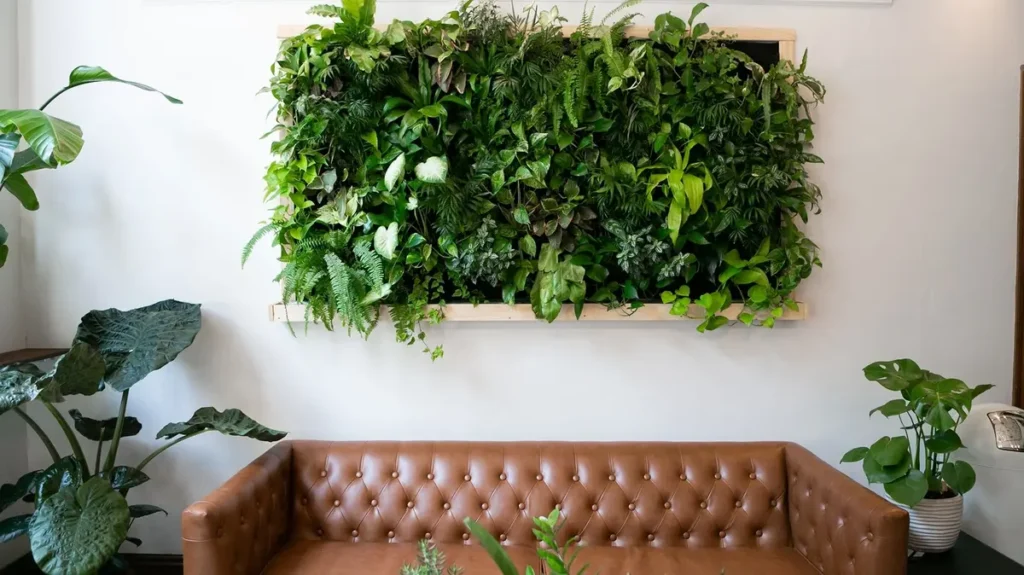
That is the magic of a vertical garden. Incorporating modular planters, wall-mounted pockets, or practical floating shelves that allow you to layer diverse greenery is generally the crème de la crème of plant wall ideas.
When designing a successful living feature, you will need to select plants that have similar light and water requirements to ensure aesthetics while also ensuring your mounting system is structurally adequate. The high-rise garden that was created for you at Peeacelily believes vertical gardening is the answer to all the needs of urban dwellers.
You take the floor out of your gardening, freeing up space and having a centerpiece that comes to life in your home. If you desire a riot of lush jungle leaves or a minimalist geometric arrangement, the best tactic can give an empty wall an impressive canvas to turn into natural art.
Why Vertical Gardens are the Future of Home Decor
If you think a living wall is just “putting plants on a shelf,” keep in mind it’s crafting a biological tapestry that weaves as time unfurls. With indoor spaces shrinking, there is a growing demand for imaginative ways to bring the outside in without piling up your hallway.
Plant wall ideas use the vertical height of your room, unlike traditional gardening, which depends not only on horizontal space. Since foliage is spread across a larger area, improving air quality more efficiently as it intercepts higher dust and airborne toxins. And let’s not forget that there is simply nothing quite as attention-grabbing as a wall of life standing in the corner of your living room.
Choosing the Right Structure for Your Vision
If you are planning to purchase your first fern, then the next step is thinking about how the plants will actually rest in position on the wall. The structure manages how much maintenance you’ll do with it and how “permanent” the feature feels.
Modular Living Wall Panels
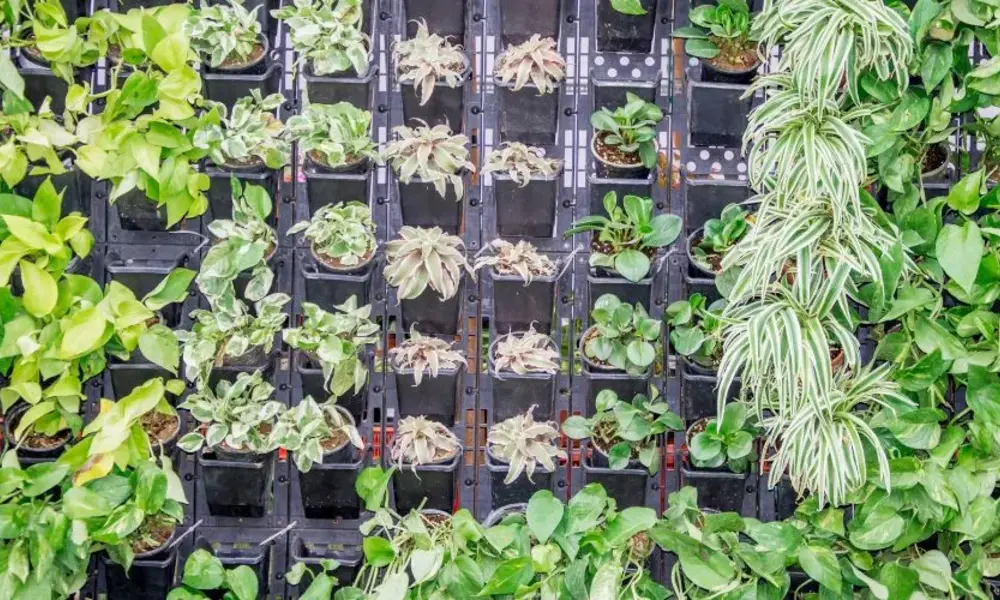
These tend to be the most polished! They are racks made of interlocking pockets made of plastic or felt. These work; you are able to run them floor to ceiling, use them on one wall, or fill an entire wall. Most even include integrated irrigation channels, allowing for great large plant wall ideas where you wouldn’t be able to constantly hand-water every pot individually.
Floating Shelves and Ledges
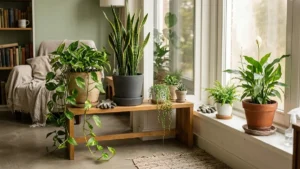
The plant shelf ideas are great for those who prefer a more versatile setup. You can use hanging plants indoors, like String of Pearls or Pothos, and stagger heights for a waterfall effect. The advantage of this method is that it enables you to replace plants conveniently, whether one does not flourish or if one seeks to change the color palette during the season.
Selecting the Best Greenery for Success
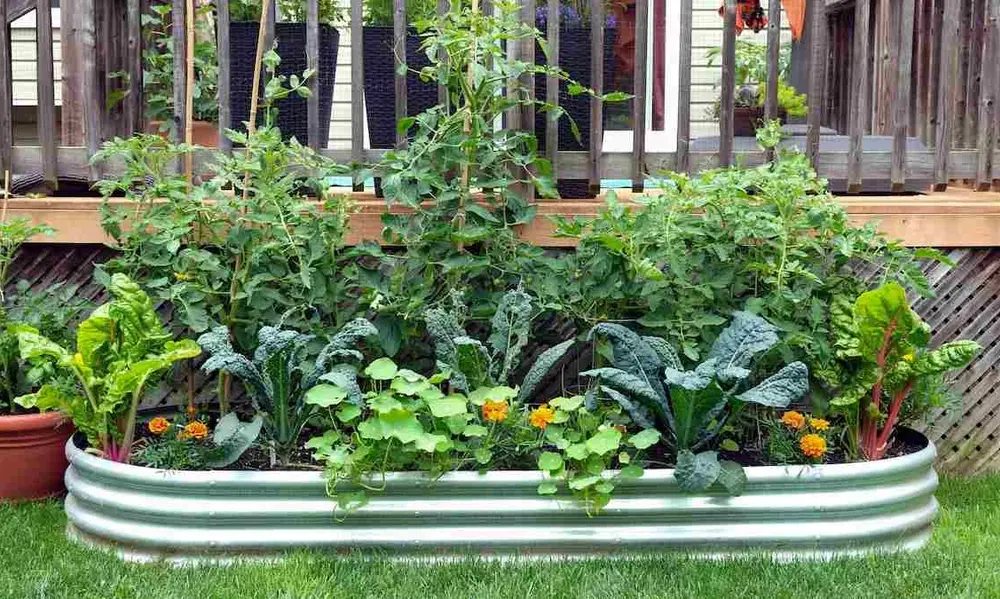
Not all plants are cut out for a vertical life. You want plants that are forgiving, can handle a little bit of constriction with their roots, and most importantly, look good when viewed from the front rather than the top.
The Best Cascading Species
A green wall is generally associated with vines hanging down. The key to disguising the mechanism behind your wall is using indoor hanging plants. Plants such as Philodendron Brasil or Scindapsus Pictus are fast-growing and also produce thick, heart-shaped leaves covering pots and brackets beautifully.
Texture and Color Contrast
Tip: Avoid monotonic greens on the wall and rather mix its shades to make it pop! Add steps for a bright chartreuse punch with Neon Pothos, or for a splash crimson use a Red-Aglonema!
Tip 2: Combine Different leaf – Use different leaf shapes in decoration – pair feathery fronds of a Boston Fern with waxy, broad leaves of a Hoya mix to create visual depth at Peeacelily.
| Plant Type | Light Requirement | Growth Habit | Best Feature |
| Golden Pothos | Low to Bright Indirect | Vining/Trailing | Hard to kill; hides wall frames |
| Bird’s Nest Fern | Medium Indirect | Upward/Rosette | Unique crinkled texture |
| Maranta (Prayer Plant) | Medium Indirect | Low/Spreading | Stunning leaf patterns |
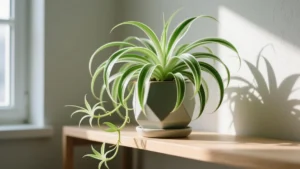
| Spider Plant | Bright Indirect | Arching/Trailing | Produces “babies” for a full look |
| English Ivy | Bright Indirect | Climbing/Trailing | Classic aesthetic; very dense |
Maintenance: Keeping the Feature Lush
A wall of plants is not a painting; it is a living organism. The maintenance mindset of the garden is not like that for a plant potted in a typical home. When it comes to watering, gravity is your greatest foe and your finest frenemy.
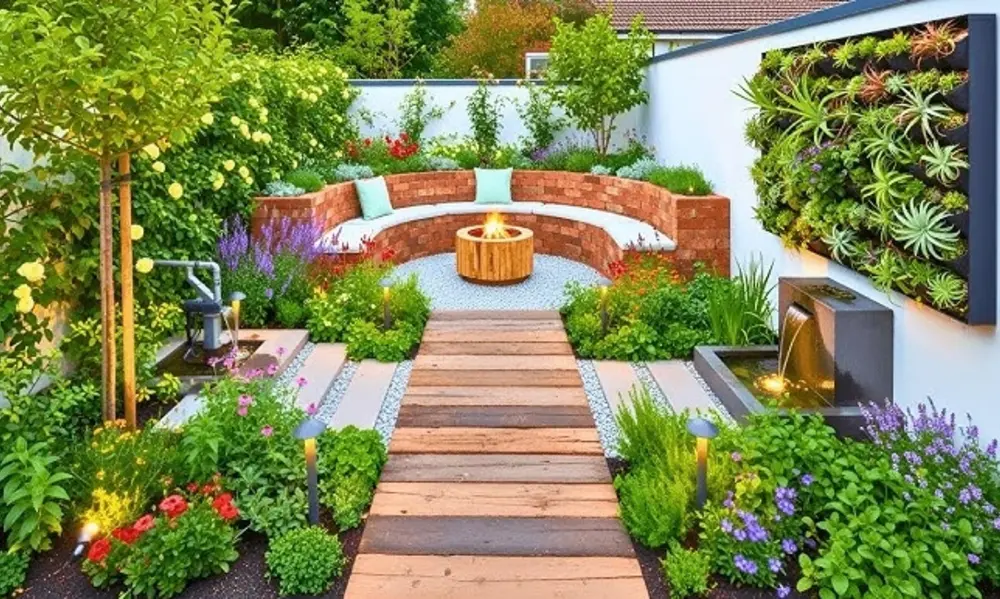
- Watering Down the Top: If you’re not running an automated watering system, always water down from the top of your grow space. This will make it so that the runoff trickles down into lower layers, allowing bottom plants not to “drown” and remain dry while top ones stay wet.
- Don’t ever mount a plant directly to a wall without waterproofing it. Water enters drywall where it remains and warms up; without air movement, this creates an area that is very conducive to mold growth. Rely upon a PVC or planed lumber backing board to shield your home from rot.
- Consistency (light): the plants at the top of a wall might receive light, such as light from a ceiling control panel or a window to the side. You can never check it too often that lower-tier plants are not becoming leggy.
- Shape Pruning: Keep your plant wall ideas from looking too disheveled by cutting back any fast growers. This will also train a plant to be more “bushy” instead of just lengthy, filling in holes in your green tapestry.
Lighting Solutions for Dark Corners
Not everyone has a solarium with perfect lighting to assemble their dream garden. It’s important to note that if the wall you have decided on is in a dark/ dim hallway, then you’ll need additional lighting. Today, LED grow lights are in attractive fixtures that resemble standard track lighting.
That is when your hanging plants indoors can stand out. When you hang a grow light above a trailing vine, it’s like placing the sun directly overhead so that the foliage is thick at the top of the pot. Without adequate light, the top leaves of vining plants frequently drop off, leaving you with naked “vines” and a balding wall.
Designing with Purpose: Theme Ideas
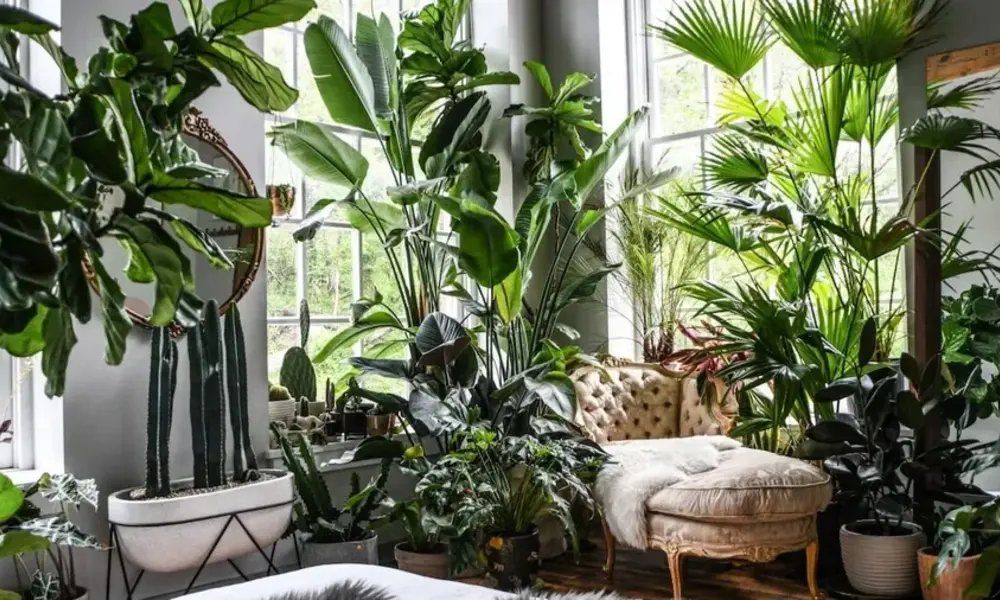
Your wall should say something about your particular style. Or try a “Tropical Jungle” build with oversized Monstera leaves and bromeliads, or “Desert Modern” style using vertical succulent trays. You can try plant shelf ideas.
The Edible Kitchen Wall
Then why not convert your wall into something functional? When people think about creating a plant wall, one of the most frequently discussed kitchen ideas is a vertical garden for herbs. Wall pockets look good with basil, mint, and cilantro. You just need to give the kitchen wall about 6 hours of bright light, or set up a specific LED strip under your cabinets to keep the herbs growing and dense.
The Minimalist Zen Wall
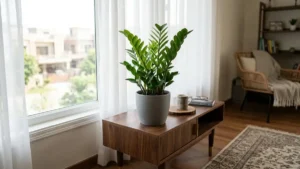
If you like a neat look, attempt a grid of uniform terra cotta pots placed within a white wire frame. Sticking with a single species — the ZZ plant — produces calm, repetitive rhythms that are just right for a home office or bedroom. For beginners, at Peeacelily, we have found that less is often more in terms of improving plant health in the long term.
Common Pitfalls to Avoid
One of the most common major mistakes individuals make is having to select plants with totally different treatment needs for a similar wall unit. If you put a succulent that likes to stay dry and a Peace Lily that likes it wet next to one another, at least one of them is going to be unhappy. Your plants must always be categorized by “hydro-zones”.
Another issue is weight. The large living wall is light when there is no water in the soil, but it weighs a ton once the mass soaks up any water. Make sure to always use anchors for the wall or locate the studs when you are installing large-scale plant wall ideas. Go for a vertical rack that fits on its own (with no need to have it drilled into the wall) if you are in a rental space.
Why Hanging Plants are the Secret Sauce
So in order to have a professional-looking green wall, you also need trailing, hanging plants. plant wall ideas soften the hard edges of buildings. The “body” of the wall is comprised of upright plants, while trailing plants provide its “soul.”
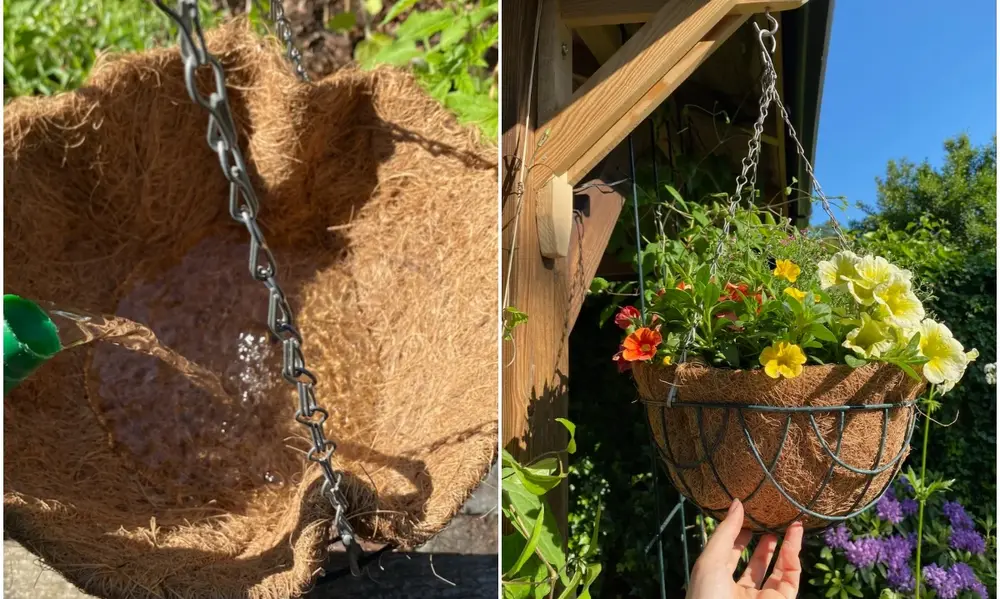
They give the straight lines of shelves or pockets some relief. You have a hole in your arrangement where a plant died, or maybe you haven’t filled it as much as now; just drape the Pothos vine correctly over your space. This is the “fill and spill” method that professional landscapers use to make a new installation look established and mature from day one.
Summary of the Living Wall Journey
Developing a green element is an enticing project that involves plant wall ideas with greenery. You can transform any space into an oasis just by choosing the right mounting system and a contour color palette of plants.
The most vital thing to keep in mind is light, and the next one is a watering strategy that protects your walls. The end result, whether you go for modular panels to create an indoor jungle or simple shelving just enough space for displaying exotic houseplants, is always a healthier, more beautiful living area. Jump in small, get to know the cadence of your plants. Let it unfold; let your wall renew itself!
FAQs
Best plants for a beginner’s plant wall?
Pothos, Heartleaf Philodendron, and ZZ plants—they’re hardy, low-maintenance, and tolerant of varying light.
How to water without a mess?
Use a long-necked can, pressure sprayer, or modular drip system. Ensure pots have saucers or waterproofing.
Do plant walls cause mold?
Only if poorly installed. Use a moisture barrier and ensure good air circulation.
Can I grow a plant wall in a windowless room?
Yes, with LED grow lights on a 10–12 hour timer.
How often should plants be replaced?
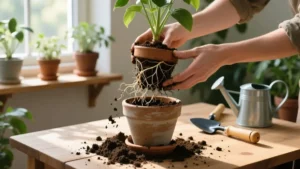
Plants last years with care; refresh soil every 12–18 months and trim overgrowth.