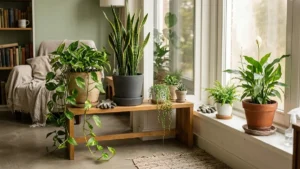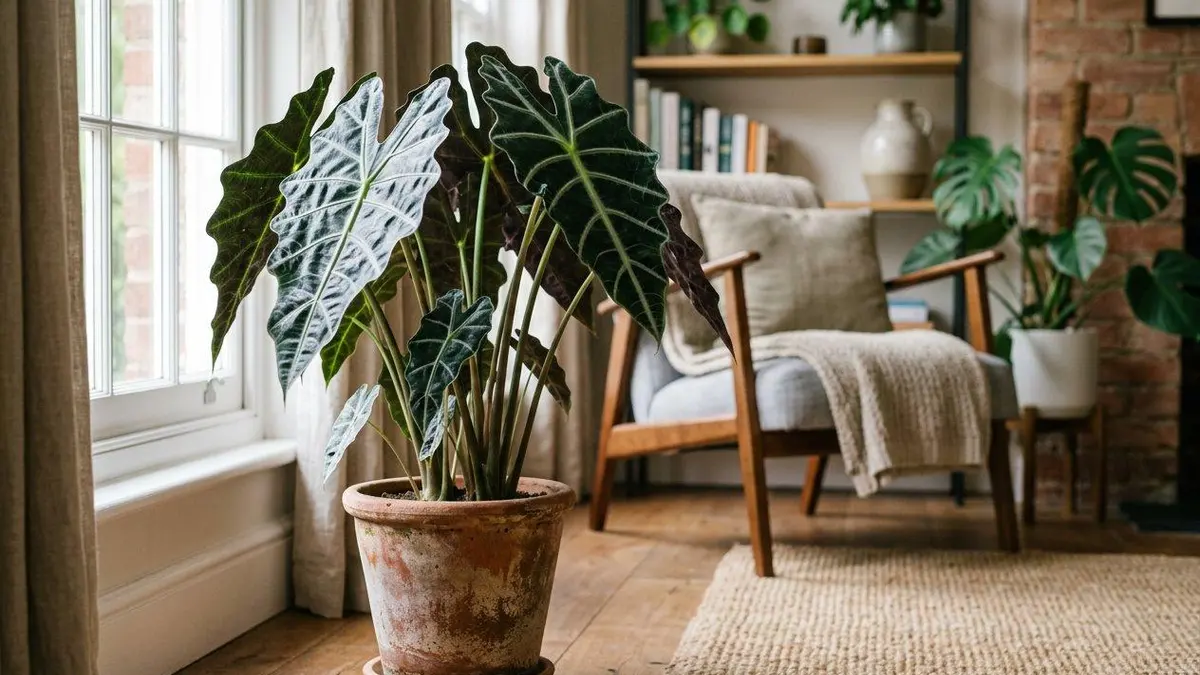

Office plants can instantly turn a dull, draining workspace into one people actually enjoy. At PeeaceLily we have seen firsthand how the right choices lift mood, sharpen focus, and ease long days.
Picture this. You step into another gray meeting room with stuffy air and fading energy by mid-morning. Yet add a few living plants, and the whole space feels lighter and calmer right away. Many teams notice better concentration and fewer tense afternoons. So we created this guide with practical 2026 insights that go far beyond basic lists.
Why Office Plants Matter More Than Ever in 2026
Offices continue to evolve with more hybrid schedules, and workers seek environments that support both concentration and calm. Adding natural elements through biophilic design offers one of the simplest and most effective ways to meet those expectations. Field observations across various companies in 2025 revealed that spaces with plants received higher marks for attractiveness, sense of privacy, and overall satisfaction.
Employees face constant screen time and recirculated air. Office plants help balance those conditions. Research from university studies shows that workspaces enriched with plants can deliver around 15 percent higher productivity. People complete tasks with fewer mistakes and greater speed.
The Science-Backed Benefits of Office Plants
Modern observations confirm multiple advantages.
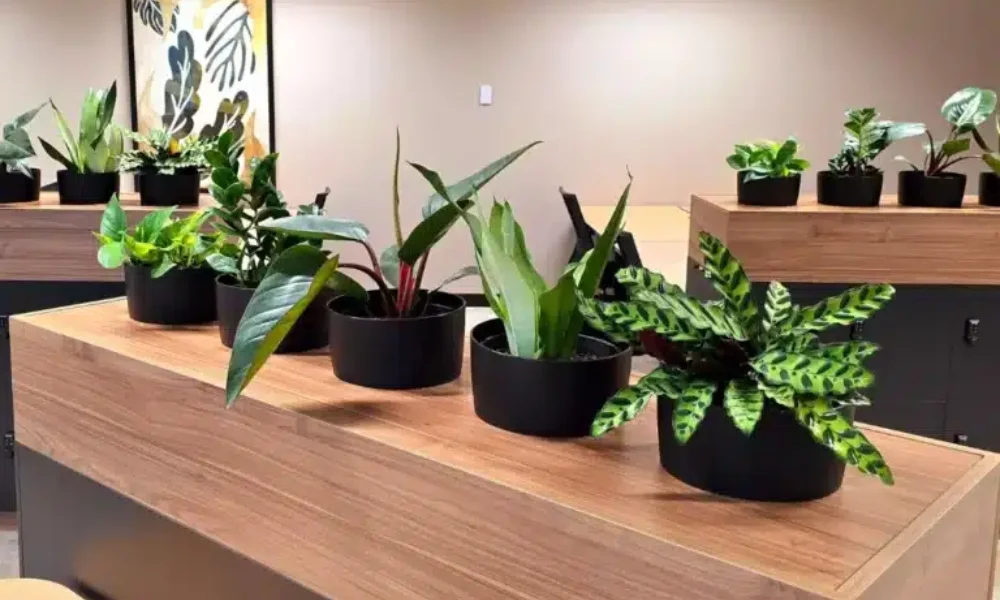
- Plants contribute to reducing certain volatile compounds when paired with proper ventilation. Earlier NASA-inspired findings on varieties such as Snake Plant and Peace Lily continue to inform effective selections for everyday air improvement.
- Productivity improves because greenery supports better attention spans. Analyses connect indoor plants to enhanced cognitive performance and sustained concentration.
- Stress levels decrease as well. Studies from Japan indicate that glancing at a small desk plant for a few minutes can lower anxiety measures and calm pulse rates.
- Exceeding roughly 20 percent greenery coverage can sometimes create visual distraction, so balance remains important.
- Hybrid workers gain from portable options that move easily between home and office. Returns appear through reduced sick days and stronger staff retention. Simple weekly mood tracking or team feedback helps measure those gains.
Top Low Maintenance Office Plants for Any Space
Office plants perform best when they tolerate fluorescent lighting, irregular watering, and occasional neglect. We selected proven options that thrive in 2026 office conditions.
Best Office Plants Low Light and Windowless Office Plants
These varieties handle artificial light and inconsistent care effectively. Begin with one or two and build from there.
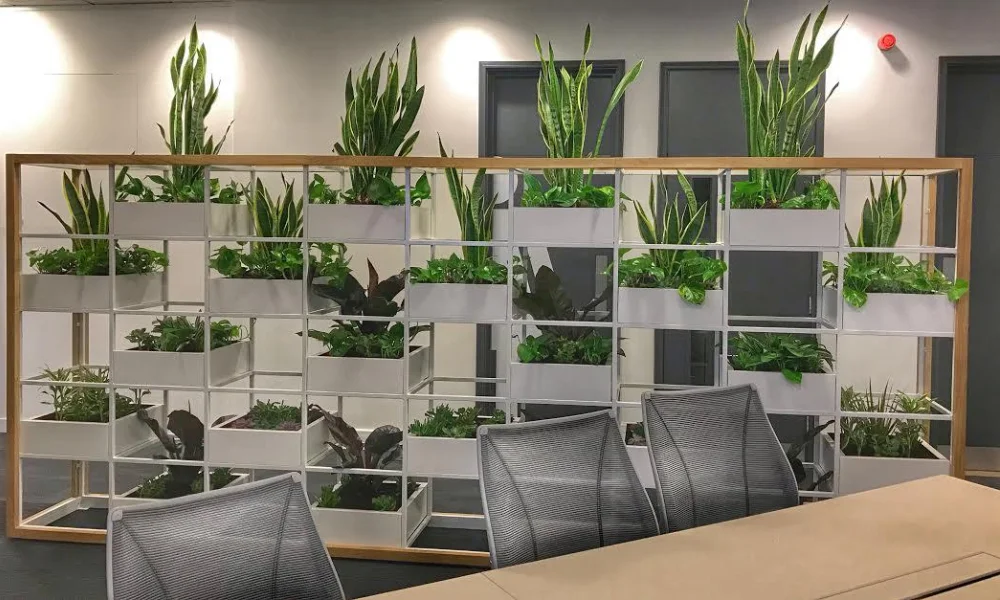
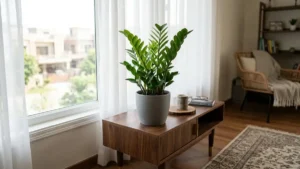
- ZZ Plant stands out for its glossy leaves and near-indestructible nature, ideal for desks with minimal natural light.
- Snake Plant offers upright strength, nighttime air support, and watering needs as little as every couple of weeks.
- Pothos trails beautifully from shelves, grows steadily, and forgives missed waterings.
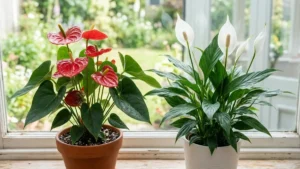
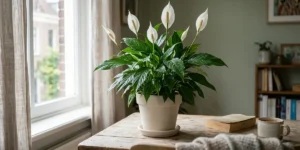
- Peace Lily presents elegant form with occasional blooms and clearly signals thirst by drooping.
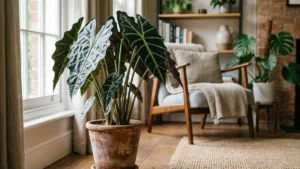
- Chinese Evergreen brings colorful foliage and excels in low-light settings.
Comparison of Top 10 Office Plants (Low-Light & Maintenance)
Aapki table screen se bahar na jaye, isliye maine columns ko kam karke sirif sabse important data rakha hai aur text ko bhi short kar diya hai.
Yeh ab aaraam se bina layout kharab kiye fit ho jayegi:
| Plant Name | Light | Watering | Benefits | Pet Safe? | Best Spot |
| ZZ Plant | Very Low | 3-4 weeks | Reduces stress, focus | Yes | Desk, corner |
| Snake Plant | Low-Med | 2-3 weeks | Night oxygen, calm | No | Floor, shelf |
| Pothos | Low | Weekly | Creativity, fast growth | No | Hanging, shelf |
| Peace Lily | Low-Med | Weekly | Elegant, lowers anxiety | No | Table, meeting |
| Chinese Evergreen | Low | 1-2 weeks | Lifts mood, colorful | No | Desk |
| Dracaena | Low-Med | Weekly | Clean air, upright form | No | Floor planter |
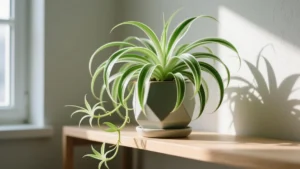
| Spider Plant | Medium | Weekly | Fun look, air filtering | Yes | Hanging |
| Cast Iron | Very Low | 2 weeks | Tough, reliable | Yes | Dark corners |
| Philodendron | Low | Weekly | Heart leaves, calming | No | Shelf |
| Lucky Bamboo | Low | In water | Easy care, Feng Shui | Yes | Desk |
How Office Plants Boost Indoor Plants Productivity
You notice the shift quite quickly. The productivity gains around 15 percent appear in everyday work such as faster data handling and more creative input during meetings. Recent reviews link greenery to sharper focus and reduced fatigue throughout the day.
Position one plant for every 100 square feet to achieve noticeable effects. In open areas, group a few taller specimens to form natural divisions. Hybrid teams particularly appreciate compact ZZ or Pothos plants that travel well between locations.
Real-World Case Studies and Office Transformations
A mid-sized company introduced plants and recorded 20 to 30 percent better space ratings within months. Sick leave decreased. Another group observed improved collaboration near planted breakout zones. Begin modestly, observe reactions, and expand gradually.
Plants for Anxiety: Nature’s Calm in the Workplace
Office plants deliver more than visual appeal. They reduce anxiety through measurable pathways. Japanese research recorded lower anxiety scores after consistent exposure to desk plants. Trials in Sydney showed stress and negative emotions dropping by 30 to 60 percent.
Peace Lily and Snake Plant perform especially well in this area. Their presence creates small moments of pause, whether through a quick glance or the mindful act of watering. Visit our dedicated Plants for Anxiety collection on PeeaceLily.com for expanded ideas suitable for both home and office.
Best Plants for Anxiety vs. Productivity in Offices
| Plant | Primary Benefit | Care Level | Evidence Level | Office Suitability Score (1-10) |
|---|---|---|---|---|
| Peace Lily | Anxiety relief + elegant look | Medium | High (blooms + air) | 9 |
| Snake Plant | Night oxygen + toughness | Low | Very High | 9.5 |
| ZZ Plant | Steady calm + neglect-proof | Very Low | High | 9 |
| Pothos | Visual flow + creativity | Low | Medium-High | 8 |
| Lavender (potted) | Direct scent calming | Medium | Medium (aroma studies) | 7 (needs more light) |

Setting Up Office Plants: Practical Guide for 2026 Offices
Here is the step by step guide:
1. Choose the Right Location
Place your plants away from air conditioning vents that dry out soil rapidly. So many office plants struggle in those strong drafts. Instead, position them in areas with stable airflow and consistent indirect light.
2. Select Proper Pots and Soil
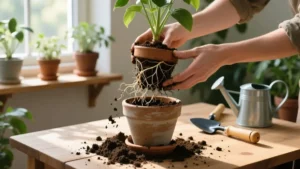
Choose pots with excellent drainage holes and fill them with high-quality, well-draining soil mixes. This step prevents root rot, which still causes more problems in offices than anything else. Basically, good drainage keeps plants healthy even when watering schedules get busy.
3. Handle Windowless or Low-Light Spaces
For windowless offices, rely on the resilient varieties we listed earlier. These tough plants adapt well to artificial lighting, yet you can supplement with grow lights only when necessary. Also, test the light levels first with a simple phone app so you avoid guessing.
4. Focus on Sustainability
Pay attention to sustainability because companies want greener practices today. Source plants locally whenever possible and repurpose containers creatively. Our upcycled planter projects on PeeaceLily.com help you design custom solutions that match your company aesthetic perfectly.
Follow these steps in order and your office plants will settle in strongly and thrive for years.
Common Office Plant Mistakes and How to Avoid Them
- Overwatering remains the leading cause of plant failure. Always test soil with your finger first.
- Positioning too close to heat sources or strong drafts.
- Neglecting care during holidays. Arrange colleague help or simple self-watering tools.
- Overlooking early pest signs. Inspect leaves regularly each week.
Office Plant Maintenance Schedule & Troubleshooting
| Season | Watering Tip | Common Issue | Quick Fix |
|---|---|---|---|
| Spring/Summer | Check soil weekly | Yellow leaves | Reduce water, check roots |
| Fall/Winter | Every 2-3 weeks | Leggy growth | Move closer to light |
| Year-round | Fertilize lightly in growth season | Dust on leaves | Wipe with damp cloth |
Choosing and Caring for Office Plants: Expert Tips from PeeaceLily
Align plant selections with your actual lighting and usage patterns. Opt for chunky, well-draining soil blends. Rotate containers every few weeks for even growth. In pet-friendly offices, favor options such as Spider Plant or Cast Iron Plant.
We explore minimalist and farmhouse aesthetics in our styling articles. Relevant links on PeeaceLily.com connect you to detailed care for varieties like Ficus or Hibiscus when you decide to expand your collection.
Conclusion
Office plants create genuine calm and sharper performance when selected and maintained thoughtfully. At peeacelily we translate these principles into practical guides, creative projects, and reliable care advice that fit real workplaces and lifestyles.
Explore our site for the complete Plants for Anxiety collection, inspiring planter ideas, and additional resources. Bring one or two office plants into your space this week and observe how both the environment and daily experience improve. Your colleagues will notice the positive change.
Frequently Asked Questions
What are the best office plants for low light spaces?
ZZ Plant, Snake Plant, and Pothos stand out because they thrive under fluorescent lights and need very little care.
How do office plants improve indoor plants productivity?
They support better focus and reduce daily fatigue, so people stay on task longer and complete work with more energy.
Which office plants help most with anxiety?
Peace Lily and Snake Plant work especially well because of their calming presence and ability to improve air quality.
Are office plants worth it in windowless offices?
Yes. Tough varieties like ZZ Plant and Snake Plant perform reliably in such conditions and still make the space feel noticeably better.
How many office plants do I need?
Start with one plant for every 100 square feet. Then add more based on the results you see and the feedback from your team.