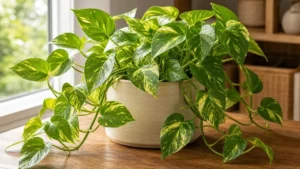
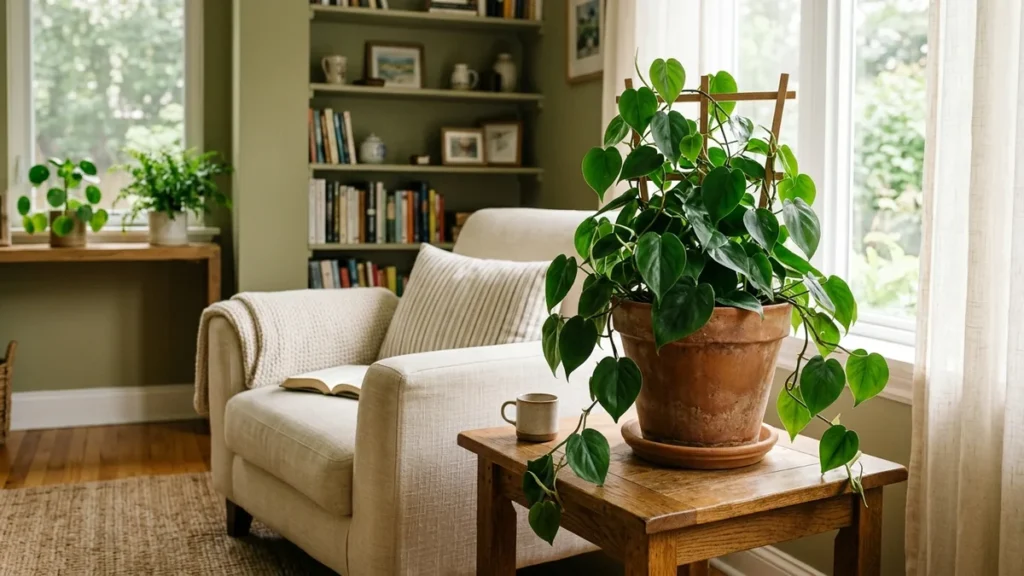
To care for a heartleaf philodendron plant, provide medium to bright indirect light, water when the top one to two inches of soil dry out, and use a well-draining potting mix. Give its vines room to trail or provide support if you want them to climb. This guide focuses on the heartleaf philodendron, one of the most common vining houseplants.
Philodendron is a large plant genus with many species and growth habits. Heartleaf philodendrons, including green and ‘Brasil’ types, have trailing vines. Self-heading varieties, such as ‘Birkin’, grow more upright and may need slightly different care. The advice below focuses on the heartleaf type rather than every philodendron species.
AI Overview: How Do You Care for a Philodendron?
Philodendrons grow best in bright, indirect light, warm indoor temperatures, and well-draining soil. Water when the top one to two inches of soil feel dry, and never leave the roots sitting in water. Trim long vines to encourage fuller growth, and keep the plant away from pets because philodendrons are toxic when chewed.
Key Takeaways
- Light: Medium to bright indirect light is best. Heartleaf philodendrons can tolerate lower light, but growth may become slower and leggy.
- Water: Let the top one to two inches of soil dry before watering again.
- Soil: Use a loose, well-draining indoor potting mix.
- Temperature: Keep the plant in a warm room and away from cold drafts.
- Feeding: Use a balanced houseplant fertilizer according to its label. Avoid overfeeding.
- Pruning: Trim long or sparse vines to encourage branching.
- Propagation: Stem cuttings with a node can develop roots in water or a suitable growing medium.
- Pet safety: Philodendrons contain insoluble calcium oxalate crystals and are toxic to cats and dogs.
Philodendron Light Requirements
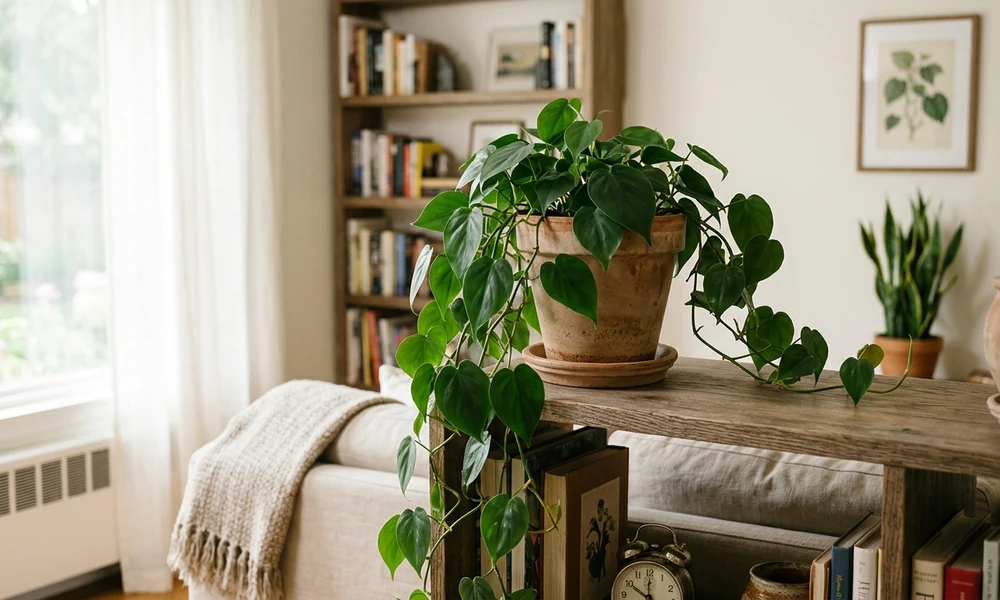
Heartleaf philodendrons prefer medium to bright indirect light. A spot near an east-facing window or a few feet from a brighter window often works well. Avoid strong afternoon sunlight because direct rays can scorch the leaves.
These plants can survive in lower-light rooms, but they usually grow more slowly. Their stems may become long and sparse, with wider spaces between leaves as they stretch toward a light source.
If your philodendron is growing slowly during the warmer months, check its light before adding more fertilizer. A position with brighter indirect light may help. You can also compare suitable locations with these low-light indoor plants if your room does not receive much natural sunlight.
How to Water a Philodendron
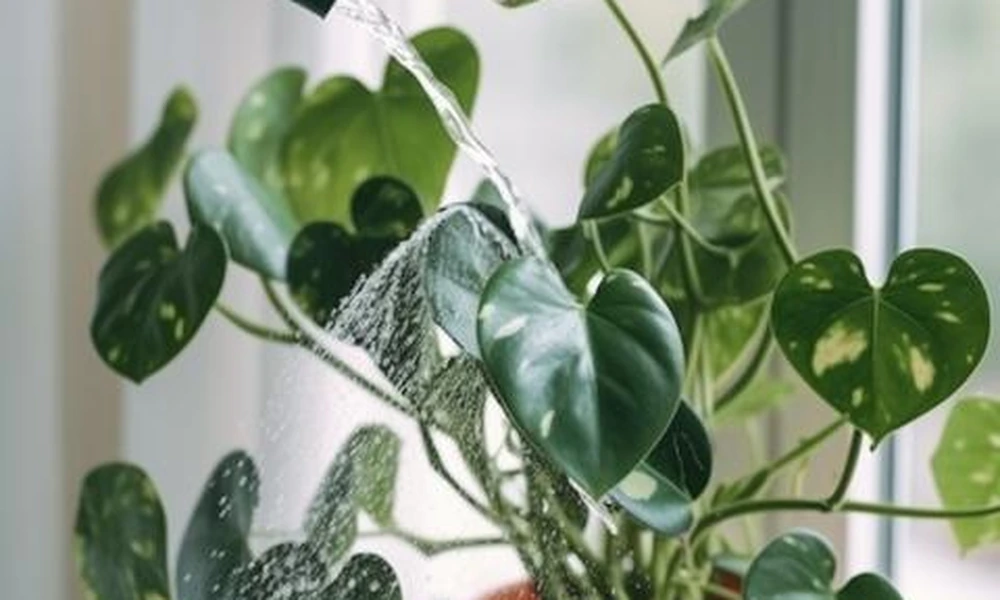
Water your philodendron when the top one to two inches of soil feel dry. The exact timing depends on the room temperature, light, pot size, and growing medium. A plant in a warm, bright room may need water more often than one in a cooler, darker space.
When watering, pour slowly until excess water drains through the bottom holes. Empty the saucer or decorative outer pot so the roots do not sit in standing water.
Avoid watering on a fixed weekly schedule without checking the soil. Too much water can reduce the oxygen available to roots and lead to root problems. If you’re unsure how to judge soil moisture, the basic method in this guide to watering indoor plants correctly can help.
A thirsty philodendron may develop drooping leaves, while constantly wet soil can cause yellowing and root damage. Check the soil before deciding whether the plant needs more water.
Best Soil and Pot for a Philodendron

Philodendrons need a growing medium that holds some moisture but drains well. A good-quality indoor potting mix with added perlite can provide a useful balance of moisture retention and airflow.
Avoid dense soil that stays wet for long periods. If your current mix dries too slowly, consider improving its structure with materials that increase drainage and aeration. The principles in this guide to indoor plant soil mixtures also apply when preparing a mix for a heartleaf philodendron.
Choose a pot with drainage holes. A pot that is much larger than the root ball can hold excess moisture for longer than the plant needs. When repotting, move up only one pot size if the roots have filled the existing container or are growing through its drainage holes.
You do not need to repot every year. Check the roots and soil condition first. If the plant is healthy and still has room to grow, it can remain in the same pot.
Philodendron Humidity and Temperature
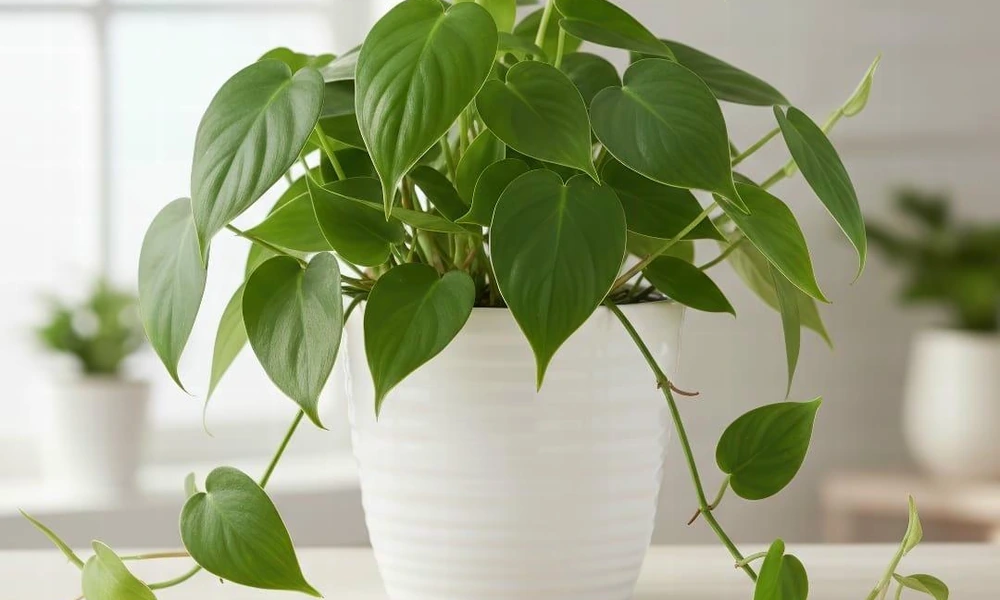
Heartleaf philodendrons adapt to normal indoor humidity, although they may grow more comfortably in a room with moderate humidity. Very dry air can contribute to brown leaf edges, but it is not the only possible cause. Check watering, root health, and light conditions before assuming humidity is the problem.
Keep the plant in a warm indoor location. A typical comfortable room temperature is generally suitable. Avoid placing it beside cold windows, drafty doors, air-conditioning vents, or direct heat sources.
If your home becomes especially dry during winter, grouping houseplants together or using a room humidifier may help. Misting the leaves is not a reliable way to maintain higher humidity for long.
Feeding a Philodendron
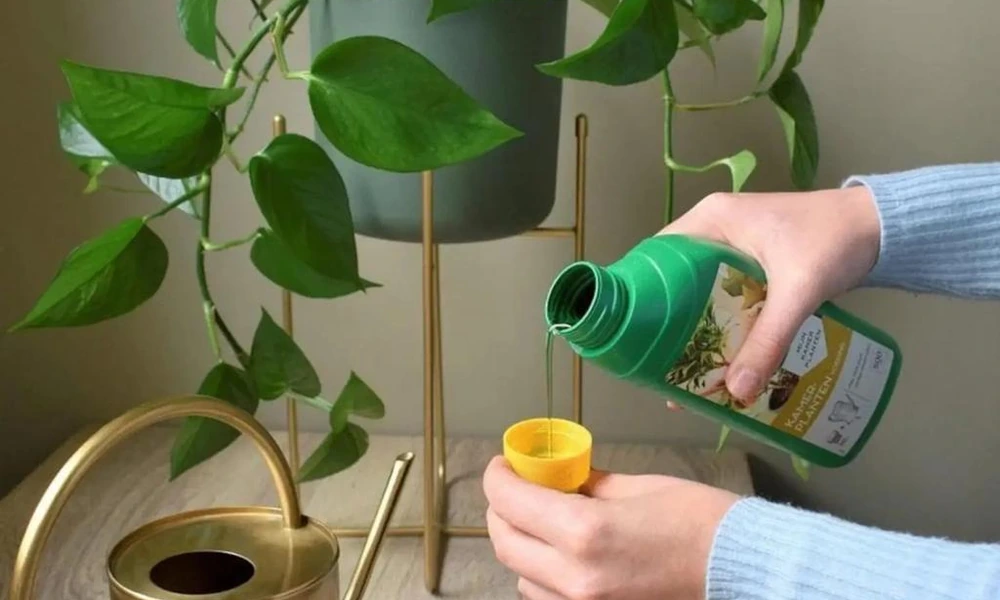
Philodendrons benefit from occasional feeding during active growth, but they do not need heavy fertilization. UF/IFAS recommends feeding heartleaf philodendrons about every three to four months. Follow the directions on your fertilizer label and use an appropriate dilution rather than applying extra fertilizer to encourage faster growth.
A balanced liquid houseplant fertilizer is one option. Apply it to moist soil, not to a completely dry root ball. Reduce or pause feeding when growth slows during the cooler, darker months.
Too much fertilizer can cause salt buildup in the growing medium and damage roots. If you notice a white crust on the soil surface or leaf-edge damage after feeding, review your routine before applying more. The advice on liquid fertilizer for indoor plants explains how to use liquid feeds carefully.
Why Are My Philodendron’s Leaves Turning Yellow?

Yellow leaves can develop for several reasons. Check the soil, light, and condition of the plant before changing its care routine.
- Wet soil and several yellow leaves: Overwatering is a common possibility. Check whether the pot drains properly and allow the upper layer of soil to dry before watering again.
- Very dry soil and drooping leaves: The plant may need water. Water thoroughly and let excess water drain away.
- One older leaf turning yellow: Occasional yellowing of an older lower leaf can be part of normal growth.
- Small, pale leaves and stretched stems: The plant may not be receiving enough light. Move it to a brighter position with indirect sunlight.
- Yellowing with fine webbing or tiny insects: Check the undersides of leaves for spider mites. Early signs can be easy to miss, so inspect the plant closely.
Do not assume every yellow leaf means the plant needs fertilizer. Overwatering, poor drainage, and insufficient light are also common causes. This guide to yellow leaves on indoor plants covers other possible causes, while the article on spider mites on indoor plants explains what to look for if you suspect pests.
Philodendron Support: Should Your Vine Trail or Climb?
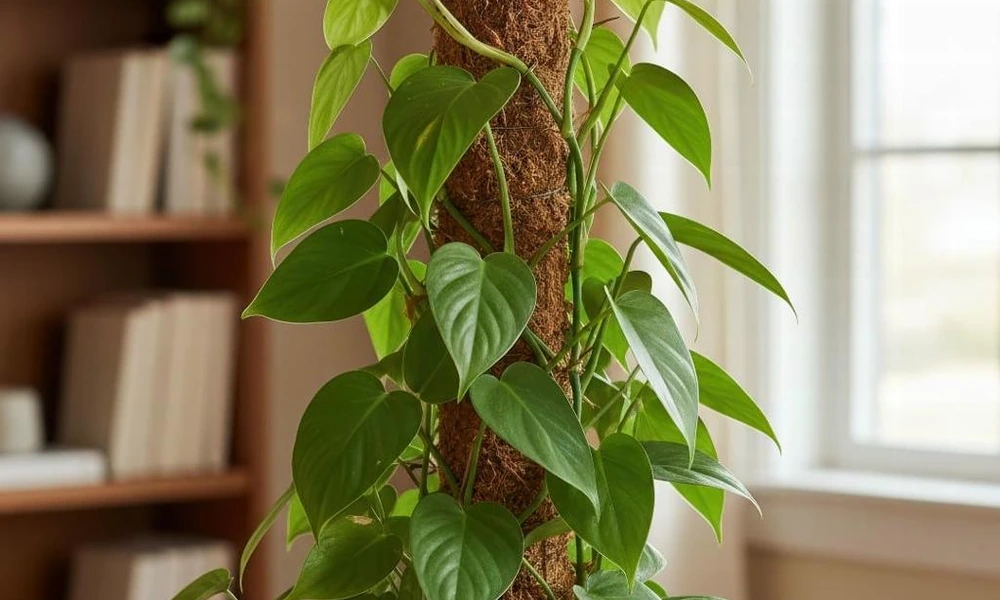
Heartleaf philodendrons can grow as trailing or climbing plants. Neither option is wrong; the best choice depends on the look you want and the space available.
Letting the plant trail
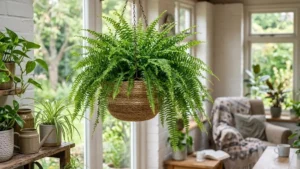
Place the pot on a shelf, plant stand, or hanging basket and allow the stems to grow downward. This is a simple option that does not require extra support. Trim the vines if they become too long or sparse.
Helping the plant climb
You can attach the stems to a suitable support, such as a moss pole or coir pole. Use soft plant ties and avoid pulling the stems tightly against the support. Check the ties as the plant grows so they do not cut into the stems.
Climbing supports can help vining philodendrons grow upward and may encourage more mature growth under suitable conditions. However, a support does not guarantee larger leaves. Light, plant maturity, and growing conditions also affect leaf size.
If you prefer a fuller plant, prune the growing tips occasionally. This can encourage branching and give the plant a less stretched appearance.
How to Propagate a Philodendron

Heartleaf philodendrons are commonly propagated from stem cuttings. Each cutting needs at least one healthy node because new roots and shoots develop from this part of the stem.
Follow these steps:
- Choose a healthy vine with several leaves.
- Use clean scissors or pruning shears to cut just below a node.
- Remove a lower leaf if it would sit underwater.
- Place the cutting in a clean container of water, keeping at least one node submerged.
- Put the container in a warm spot with bright, indirect light.
- Change the water when it becomes cloudy.
- Once the roots have developed, transfer the cutting to a small pot with a suitable potting mix.
You can also root cuttings directly in a suitable moist growing medium. Keep the medium lightly moist while roots develop, but do not leave it waterlogged.
Spring and summer are convenient times to propagate because the plant is usually growing more actively. The same basic cutting method is explained in this guide to propagating indoor plants.
Is Philodendron Toxic to Cats and Dogs?

Yes. Philodendrons contain insoluble calcium oxalate crystals. If a cat or dog chews the leaves or stems, these crystals can irritate the mouth and digestive tract. Possible signs include oral pain, drooling, swelling, vomiting, and difficulty swallowing.
Keep the plant somewhere pets cannot reach. If you think an animal has chewed or swallowed part of a philodendron, contact a veterinarian for advice. The ASPCA’s plant safety information identifies heartleaf philodendron as toxic to pets.
FAQ: Philodendron Plant Care
How often should I water a philodendron?
Water when the top one to two inches of soil feel dry. This may be every one to two weeks, but check the soil instead of following a fixed schedule.
Can philodendrons grow in low light?
Yes. Heartleaf philodendrons tolerate lower light, but growth may slow and stems can become leggy. Bright, indirect light generally supports better growth.
Do heartleaf philodendrons need a moss pole?
No. They can trail from a shelf or hanging basket without support. A pole is optional if you want the plant to climb.
Why are my philodendron leaves turning yellow?
Overwatering is one possible cause, especially when the soil stays wet. Low light, underwatering, pests, and natural aging can also cause yellow leaves.
Are philodendrons safe for pets?
No. Philodendrons contain insoluble calcium oxalate crystals that can cause mouth irritation, drooling, swelling, and vomiting if pets chew them.
Final Philodendron Care Tips
A heartleaf philodendron does not need a complicated routine. Give it indirect light, use a pot with drainage holes, and check the soil before watering. Feed it lightly during active growth and trim long vines when needed.
Most problems become easier to manage when you check the growing conditions before making changes. Avoid adding water or fertilizer automatically when leaves look unhealthy. First look at the soil, roots, light, and leaves to identify what the plant actually needs.