
To care for a dracaena plant, provide bright, indirect light, water when the top two inches of soil feel dry, and use a loose, well-draining potting mix. Keep it in a warm room and avoid cold drafts. If the leaf tips turn brown, check your watering routine, fertilizer use, and water quality because fluoride can also damage dracaena foliage.
Dracaena is a large plant genus with many species. This guide focuses mainly on Dracaena marginata, commonly called the dragon tree. It has narrow, pointed leaves that grow from woody stems. Some care advice applies to other dracaenas too, but watering needs and other details can vary by species.
AI Overview: How Do You Care for a Dracaena Plant?
Dracaenas grow well in bright, indirect light and warm indoor conditions. Let the top two inches of soil dry before watering, then allow excess water to drain. Use a well-draining potting mix and avoid overfeeding. Brown leaf tips may result from dry soil, fertilizer salts, dry air, direct sunlight, or fluoride in the water.
Key Takeaways
- Light: Bright, indirect light is best, although many dracaenas tolerate lower light.
- Water: Allow the top two inches of soil to dry before watering.
- Soil: Use a loose potting mix with good drainage.
- Temperature: Keep the plant warm and away from cold drafts.
- Brown tips: Check for underwatering, fluoride exposure, dry air, and fertilizer buildup.
- Yellow leaves: Several yellow lower leaves may indicate watering or temperature problems, while occasional older-leaf loss is normal.
- Pruning: Trim damaged leaves and cut tall stems when you want to control the plant’s height.
- Pet safety: Dracaena marginata is toxic to cats and dogs if eaten.
Dracaena Plant Light Requirements
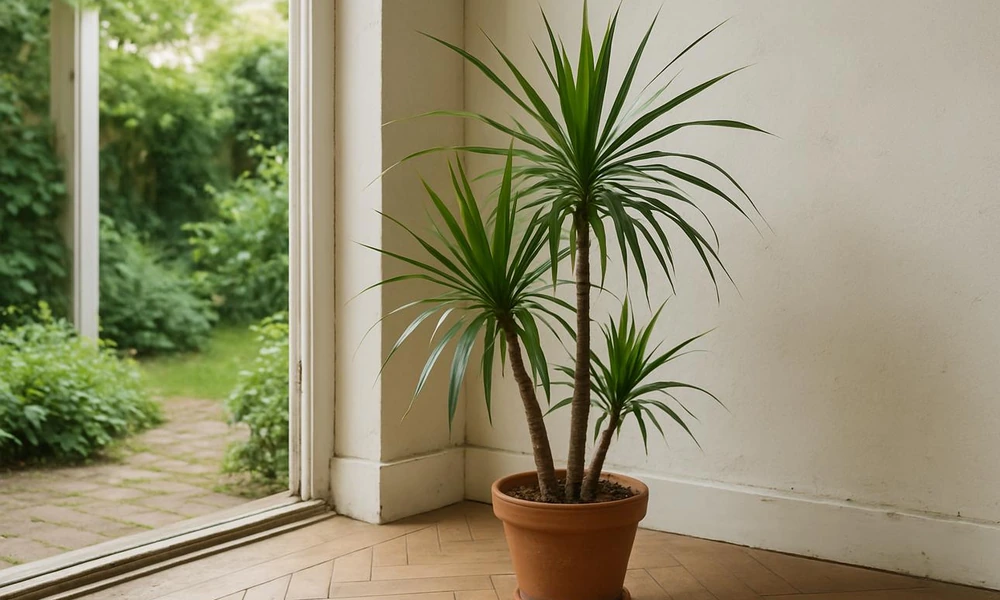
Dracaena marginata grows best in bright, indirect light. Place it near an east-facing window or a few feet from a brighter south- or west-facing window. A sheer curtain can help protect the leaves from strong afternoon sunlight.
Many dracaenas tolerate medium or lower light, but they usually grow more slowly in dim rooms. Their foliage may also lose some of its color.
Watch for these signs:
- Pale or scorched patches: The plant may be receiving too much direct sunlight.
- Slow growth: It may need a brighter location.
- Faded foliage: Light levels may be too low for the plant’s needs.
- Brown, dry patches: Check for sun scorch as well as watering problems.
Avoid moving a plant from a dim corner straight into strong sunlight. Increase its light gradually to reduce the risk of leaf damage.
If your room does not receive much natural sunlight, you can compare suitable locations with these low-light indoor plants.
How to Water Dracaena Plants
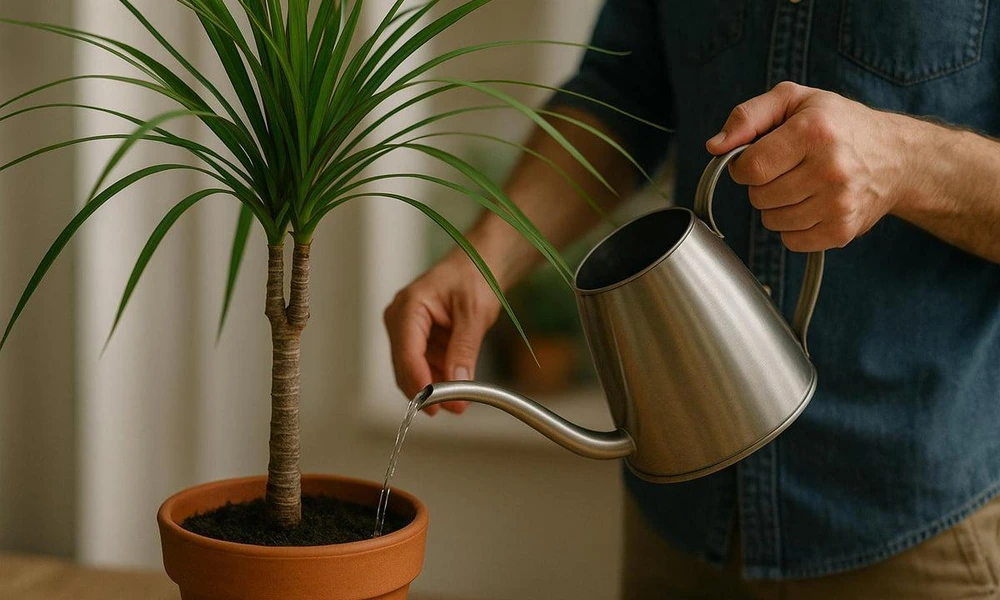
Dracaena marginata prefers a moderate watering routine. Let the top two inches of potting mix dry before watering again. When the soil reaches that point, water thoroughly until excess moisture runs through the drainage holes.
Follow these steps:
- Check the upper soil with your finger.
- If it still feels damp, wait before watering.
- If the top two inches are dry, water slowly and evenly.
- Allow excess water to drain from the pot.
- Empty the saucer or decorative outer container.
Watering needs change with light, temperature, pot size, and season. A plant in a warm, bright room may need water more often than one in a cooler, dimmer space.
Avoid following a fixed weekly schedule. Check the soil first, especially during winter when growth may slow. The same basic approach used for watering indoor plants correctly helps prevent both prolonged dryness and soggy roots.
Best Soil and Pot for Dracaena

A dracaena needs a growing medium that drains well. Heavy soil can hold too much water around the roots, increasing the risk of root rot.
A quality indoor potting mix is a practical starting point. If it stays wet for too long, consider improving its structure with suitable drainage materials.
Choose a pot with drainage holes and a size that suits the root ball. Dracaena marginata does not need an oversized container. A pot that is far too large may hold excess moisture for longer than the roots can use.
When choosing a growing medium, focus on drainage and airflow rather than following a complicated recipe. The guidance in this article about indoor plant soil mixtures can help you understand what makes a suitable potting mix.
Temperature and Humidity for Dracaena
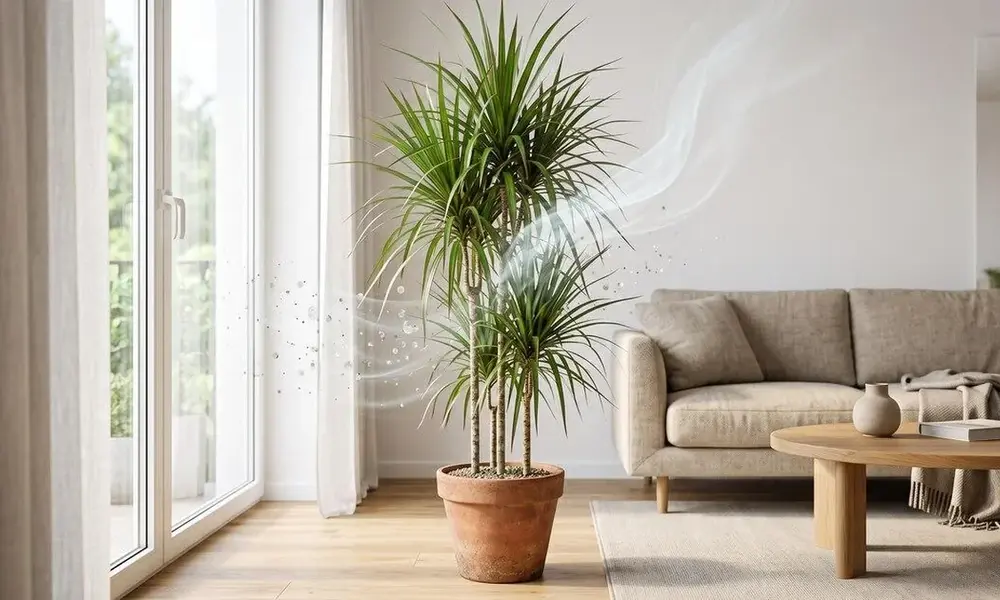
Dracaena marginata prefers warm indoor conditions. Keep it away from cold windows, drafty doors, air-conditioning vents, and direct heat from radiators.
Average household humidity is generally manageable. However, very dry air can contribute to crisp leaf edges. If your home becomes especially dry, grouping houseplants together or using a room humidifier may help.
Avoid placing the plant beside a heating vent simply because it needs warmth. Hot, dry airflow can damage the foliage.
Feeding and Pruning Dracaena Marginata
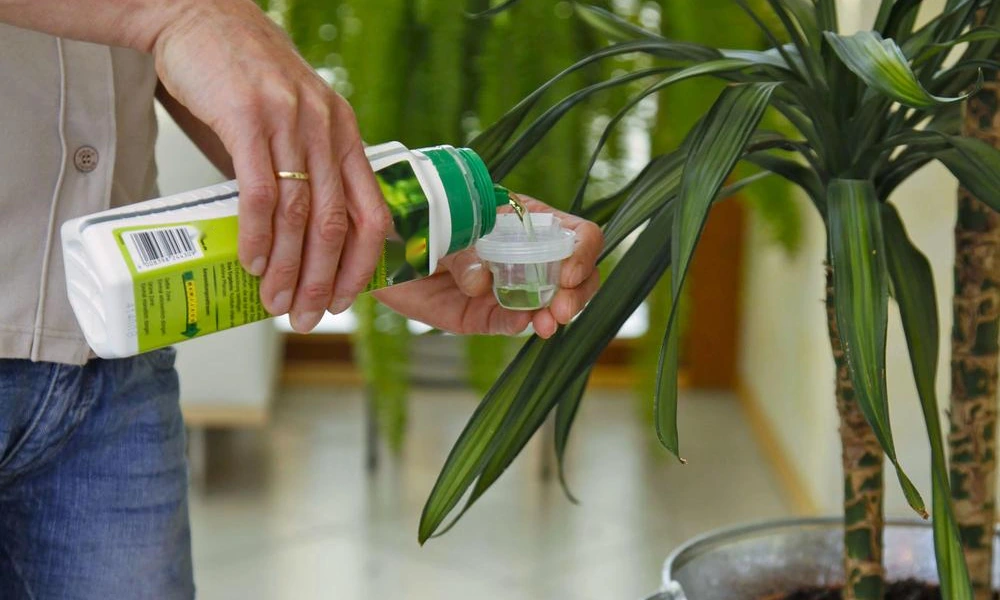
Dracaenas are not heavy feeders. During spring and summer, use a balanced liquid houseplant fertilizer according to the product label. Reduce or stop feeding when growth slows during the cooler, darker months.
Avoid applying too much fertilizer. Excess fertilizer salts can build up in the soil and contribute to brown leaf tips and margins.
If you are unsure how to use liquid plant food, this guide to indoor liquid plant fertilizer explains the basics of feeding houseplants.
Pruning Dracaena Marginata
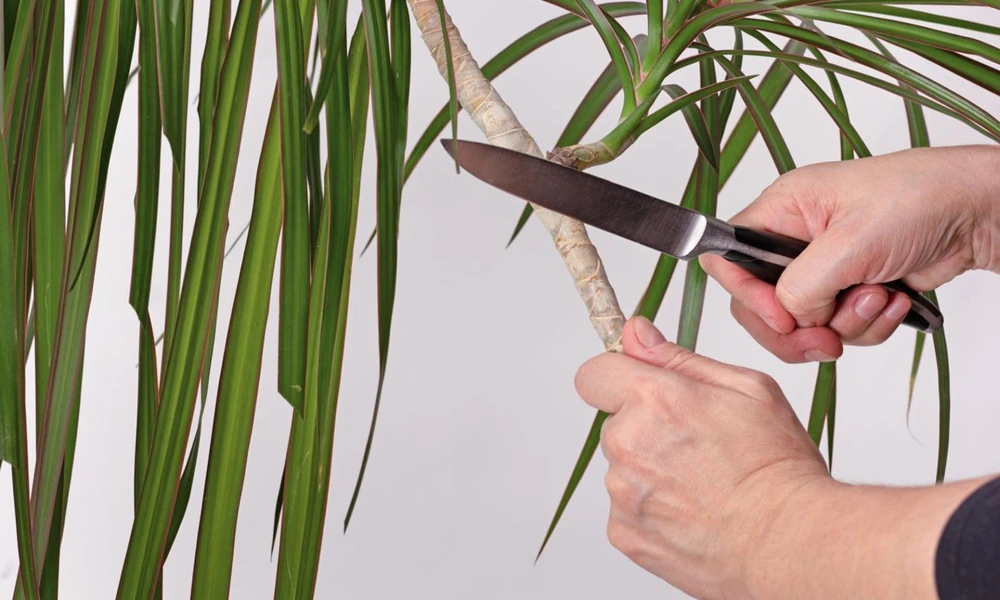
Pruning helps control the height and shape of Dracaena marginata. If a cane becomes too tall, you can cut it back with clean pruning shears.
New growth may develop below the cut, creating a different shape over time. You can also remove completely dry or damaged leaves.
Do not remove healthy leaves simply because they are older. Lower leaves naturally turn yellow and drop as the plant grows, leaving more of the woody stem visible.
Dracaena Brown Tips: Causes and How to Fix Them
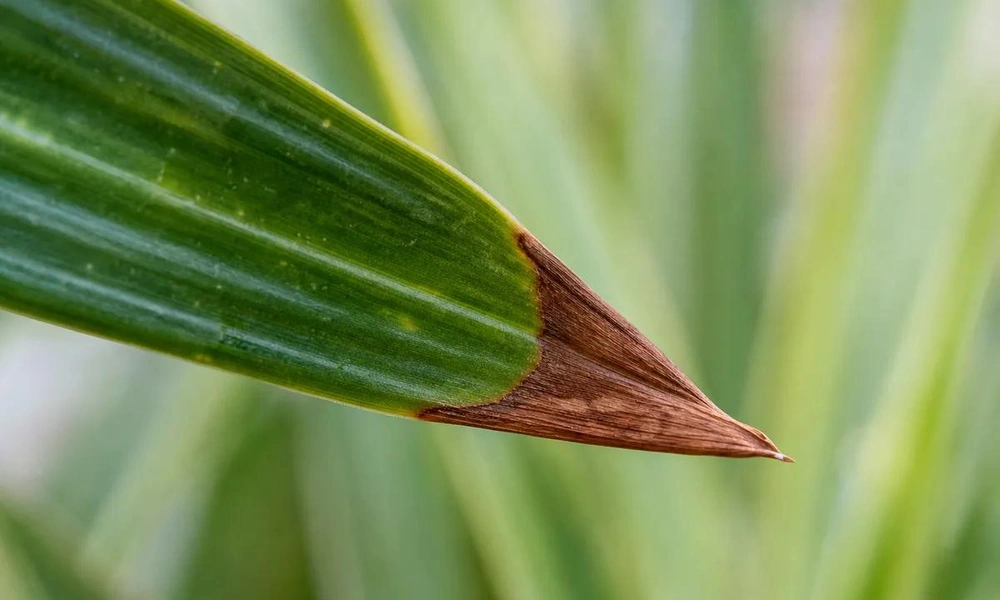
Brown leaf tips are one of the most common dracaena complaints. Several different problems can cause them, so check the plant’s growing conditions before changing your care routine.
1. Fluoride in Tap Water
Some dracaenas are sensitive to fluoride, which can accumulate in plant foliage over time and cause brown, dry leaf tips or margins. The Royal Horticultural Society’s dracaena care guidance explains this sensitivity. If your tap water contains fluoride and the tips keep browning, try rainwater or suitable filtered water.
The Royal Horticultural Society notes that fluoride in tap water can damage dracaena foliage. If your water supply contains fluoride and the tips keep browning, try rainwater or suitable filtered water.
2. Underwatering
Letting the soil remain dry for too long can cause the leaf edges and tips to become dry and brown.
Check the soil before watering. If it is dry beyond the upper layer, water thoroughly and allow excess moisture to drain.
3. Fertilizer Buildup
Too much fertilizer can cause salts to accumulate in the potting mix. This can damage roots and contribute to brown leaf tips.
Use fertilizer according to its label and avoid feeding more often than necessary. If you suspect salt buildup, review your fertilizer routine and consider flushing the growing medium with suitable water, provided the pot drains freely.
4. Dry Air
Very dry indoor air may contribute to crisp leaf edges. This is more likely when indoor heating runs frequently or the plant sits close to a heat source.
Move it away from direct hot airflow. If the room is consistently dry, consider using a humidifier.
5. Too Much Direct Sunlight
Strong direct sunlight can scorch dracaena leaves. If the plant sits against a hot, sunny window, move it to a brighter position with filtered or indirect light.
What should you do with existing brown tips?
Brown leaf tissue will not turn green again. You can trim the dry parts with clean scissors, following the natural shape of the leaf. Leave a small brown margin rather than cutting into healthy green tissue.
The most important step is finding the cause. Trimming the damage improves appearance, but it will not prevent new brown tips if the underlying problem continues.
Dracaena Yellow Leaves: What They Mean

Yellow leaves can develop for several reasons. Check whether the change affects one older leaf or several leaves at once.
- One lower leaf turning yellow: This may be normal aging as the plant grows.
- Several yellow leaves with wet soil: Overwatering or poor drainage may be involved.
- Yellowing after exposure to cold: The plant may have experienced temperature stress.
- Yellow or brown leaf margins: Check for fluoride exposure, fertilizer buildup, and other causes of leaf-tip damage.
- Yellowing with soft stems or roots: Root damage may be developing.
If the soil stays wet for long periods, check the drainage holes and inspect the roots if the plant continues to decline. Healthy roots should not be soft and mushy.
Avoid adding fertilizer just because the leaves are yellow. The problem may be related to water, temperature, or root health rather than a lack of nutrients. This guide to yellow leaves on indoor plants covers other common causes.
How to Propagate Dracaena Marginata
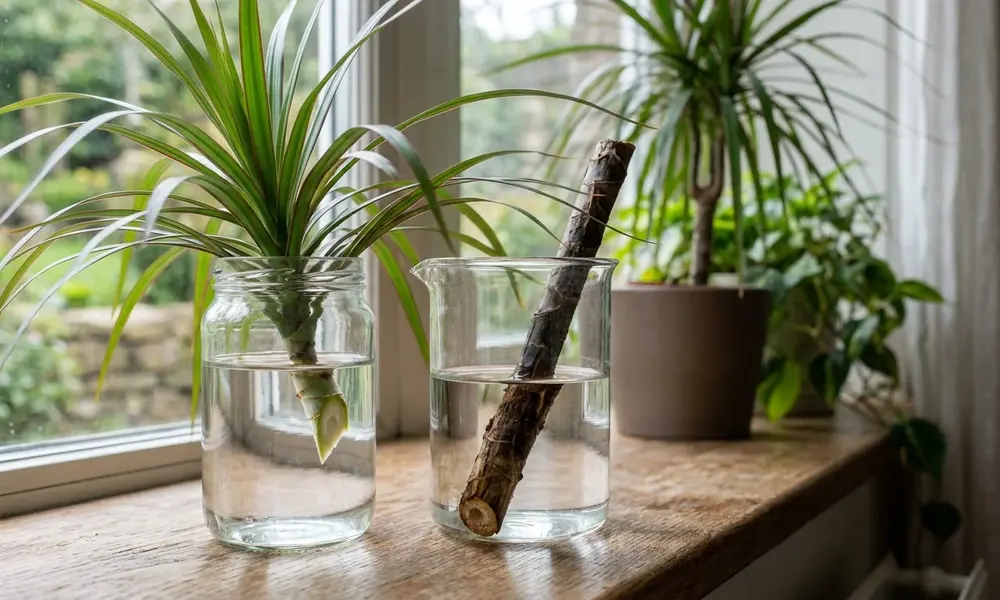
You can propagate Dracaena marginata using stem cuttings. This is also a useful way to control the height of a plant that has grown too tall.
Follow these steps:
- Choose a healthy stem or cane.
- Use clean pruning shears to take a cutting.
- Remove lower leaves if they would sit below the water or growing medium.
- Place the cutting in water or a suitable, lightly moist growing medium.
- Keep it in a warm location with bright, indirect light.
- If rooting in water, replace the water when it becomes cloudy.
- Once roots have developed, transfer the cutting to a suitable potting mix if needed.
You can also root sections of cane rather than only the leafy top. Keep the growing medium lightly moist while roots develop, but do not leave it waterlogged.
Spring and summer are convenient times to take cuttings because the plant is usually growing more actively. For more information about the basic process, see this guide to propagating indoor plants.
Is Dracaena Toxic to Cats and Dogs?

Yes. Dracaena marginata is toxic to cats and dogs if they chew or swallow parts of the plant. The ASPCA lists the Madagascar dragon tree as toxic to both.
Possible signs of ingestion include vomiting, drooling, reduced appetite, depression, and dilated pupils in cats.
Keep the plant somewhere pets cannot reach. If you suspect your pet has eaten part of a dracaena, contact a veterinarian for advice.
FAQ: Dracaena Plant Care
How often should I water a dracaena?
Water when the top two inches of soil feel dry. The timing depends on light, temperature, pot size, and season, so check the soil instead of following a fixed weekly schedule.
Why does my dracaena have brown tips?
Brown tips can result from fluoride in tap water, underwatering, fertilizer buildup, dry air, or direct sunlight. Check the growing conditions and water quality before changing your routine.
Is dracaena toxic to cats and dogs?
Yes. Dracaena marginata is toxic to cats and dogs. Ingestion may cause vomiting, drooling, reduced appetite, and other symptoms, so keep the plant away from pets.
Can dracaena grow in low light?
Many dracaenas tolerate low light, but growth usually slows and foliage may lose some color. Bright, indirect light is generally a better choice for healthy growth.
Should I cut off brown dracaena tips?
You can trim dry brown tips with clean scissors, following the leaf’s natural shape. However, trimming only improves appearance; you still need to address the cause to prevent new damage.
Final Dracaena Plant Care Tips
Dracaena marginata is a manageable indoor plant when its basic needs are met. Give it bright, indirect light, water when the upper soil dries, and use a pot with good drainage.
If the leaves develop brown tips, do not assume the plant needs more water. Check for fluoride exposure, fertilizer buildup, dry air, and direct sunlight too.
With a steady care routine and occasional pruning, your dragon tree can maintain its upright stems and attractive narrow foliage for years.