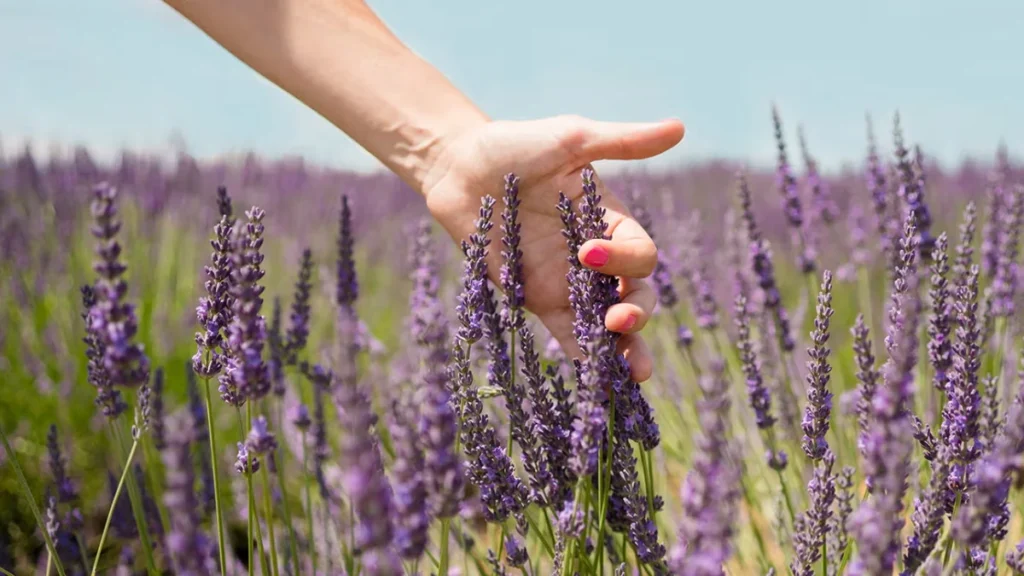
Lavender plants offer natural home fragrance, promote deep relaxation, and support better sleep when placed in the bedroom. They also attract pollinators, enhance home décor, and thrive with minimal water.
Lavender plant benefits go far beyond its beautiful purple flowers, and here at PeeaceLily, we provide the practical, safe, and realistic advice you need to bring this calming herb into your home. Discover how this versatile plant can naturally elevate your wellness and living space.
Key Takeaways
-
The aromatic compounds in lavender help reduce stress and promote a calm, restful atmosphere in your living spaces.
-
Placing lavender in the bedroom may assist in establishing a routine that encourages better sleep quality.
-
Growing lavender outdoors provides a vital food source for bees, butterflies, and other essential garden pollinators.
-
Lavender is an ideal choice for sustainable gardening because it requires minimal water once established and thrives in sunny spots.
-
Beyond its health and environmental perks, its aesthetic appeal makes it a perfect addition to any interior design theme.
Lavender Plant Benefits for Home, Garden, and Daily Wellness
You want a complete guide for lavender. You need to know how it improves your home, bedroom, and garden. Bringing a live plant inside changes your space. It acts as both decor and a natural tool for your peace of mind. Here are the key benefits:
-
Natural Ambiance: It acts as a living air purifier and fragrance source.
-
Bedroom Calm: Its presence helps you wind down after a long day.
-
Garden Vitality: It invites bees and butterflies to your outdoor space.
-
Wellness Support: It connects your daily routine to a natural, soothing environment.
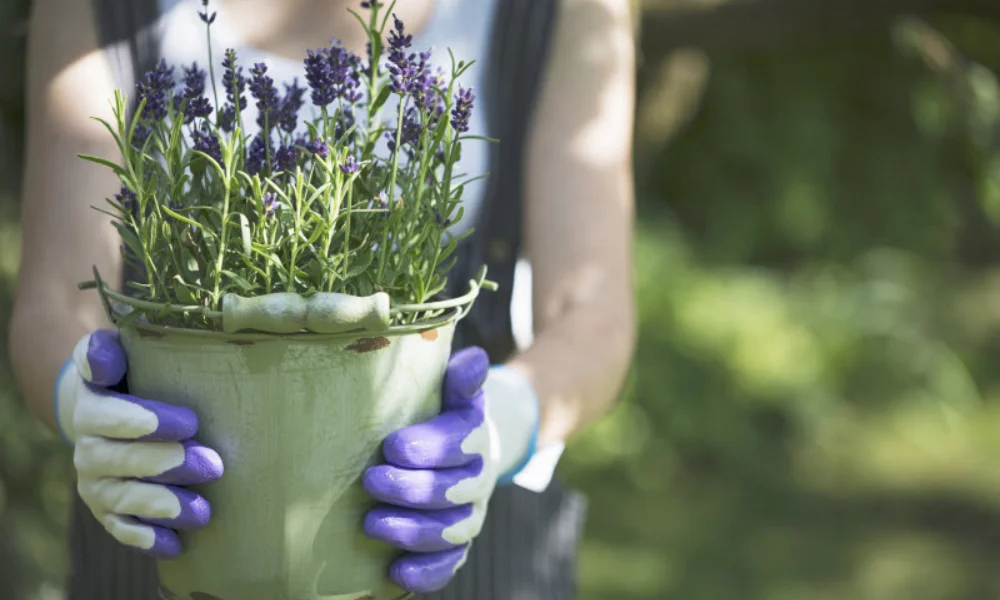
Instead of relying on synthetic sprays, you use the plant for a constant, mild scent. It is not just about the smell, but also about the visual joy of growing something beautiful.
Why Benefits of Lavender Plant Are Different From Lavender Oil Benefits
It is easy to confuse a live plant with concentrated oil. They serve different purposes in your daily life. A plant provides a slow, steady release of scent, yet the oil offers a very strong, instant impact.
| Form | Best Use | Benefit | Safety Note |
| Live lavender plant | Home, garden, balcony | Constant light fragrance, décor, attracts pollinators | Needs strong light and airflow |
| Dried lavender | Sachets, décor, tea | Retains scent for months | Use culinary-grade only |
| Lavender oil | Aromatherapy | Instant, potent relaxation | Dilute well and avoid ingestion |
You might want intense aromatherapy, so you choose the oil. But you still need the plant if you want a living companion that grows with you. The oil is a distilled product, yet the plant is a natural organism. They are both useful, but they offer very different experiences. The plant requires light and care, still it rewards you with seasonal blooms and a calming presence.
Lavender Plant Benefits for Indoor Spaces
Growing lavender indoors is a rewarding way to bring nature into your living space. You must provide bright sunlight and steady airflow to keep the plant healthy. According to Gardener’s Supply, lavender requires excellent air circulation, and you should ensure it does not sit directly in the path of forced-air heat.
-
Sunlight: Place your plant in the brightest spot you have.
-
Airflow: Open windows when possible to mimic its natural outdoor environment.
-
Watering: Water only when the soil feels dry, but do not let it stay soggy.
Proper care is essential. Lavender hates wet feet, so ensure your pot has drainage holes. If you maintain these conditions, you will enjoy a vibrant plant that adds life to your indoor rooms.
Lavender Plant Indoor Benefits for Apartments and Small Homes
The lavender plant indoor benefits are perfect for compact living. You do not need a large garden to enjoy this herb. Its compact growth makes it ideal for apartment shelves or windowsills. The soft purple flowers and silvery foliage provide a natural, elegant style that elevates any decor. It adds a touch of softness to modern, minimalist homes, but it also brings a comforting, rustic feel to small spaces.
Lavender Plant Benefits for Air Freshness Indoors
Lavender offers a beautiful, natural scent that keeps your home smelling fresh. You should know it does not replace a mechanical air purifier, but it does act as a gentle, natural deodorizer. When you have a healthy plant, it releases a subtle, floral aroma that makes your living space feel more inviting. It is a simple, organic way to mask odors without using synthetic chemical sprays.
Benefits of Lavender Plant at Home
Utilizing the benefits of lavender plant at home goes beyond just looks. You can place it in your entryway to create a welcoming scent, or keep it in the kitchen for culinary use. It thrives on balconies, adding color while supporting pollinators. It turns a standard home into a calm, sensory-rich sanctuary.
Benefits of Lavender Plant at Home for Natural Fragrance
Your plant acts as a living fragrance dispenser. Every time you brush against the foliage, or when you harvest a few stems, the plant releases its iconic, calming scent. It is a natural way to keep your home smelling clean and peaceful throughout the day.
Benefits of Lavender Plant at Home for Low-Maintenance Beauty
RHS guidance confirms that lavender prefers sun and free-draining soil. This makes it a perfect, low-maintenance choice for your home. You do not need to fuss over it constantly, but you must provide a sunny spot. It thrives in dry, warm areas, making it much easier to manage than many other indoor plants.
Benefits of Lavender Plant in Bedroom
The benefits of lavender plant in bedroom settings are primarily about creating a serene environment. Its gentle scent and soft visual appearance help you transition from a busy day to a restful night. Cleveland Clinic notes that lavender’s calming scent may help reduce stress and support sleep. Still, remember that the plant is not a medical treatment; you should speak with a healthcare provider before using lavender for specific health concerns.
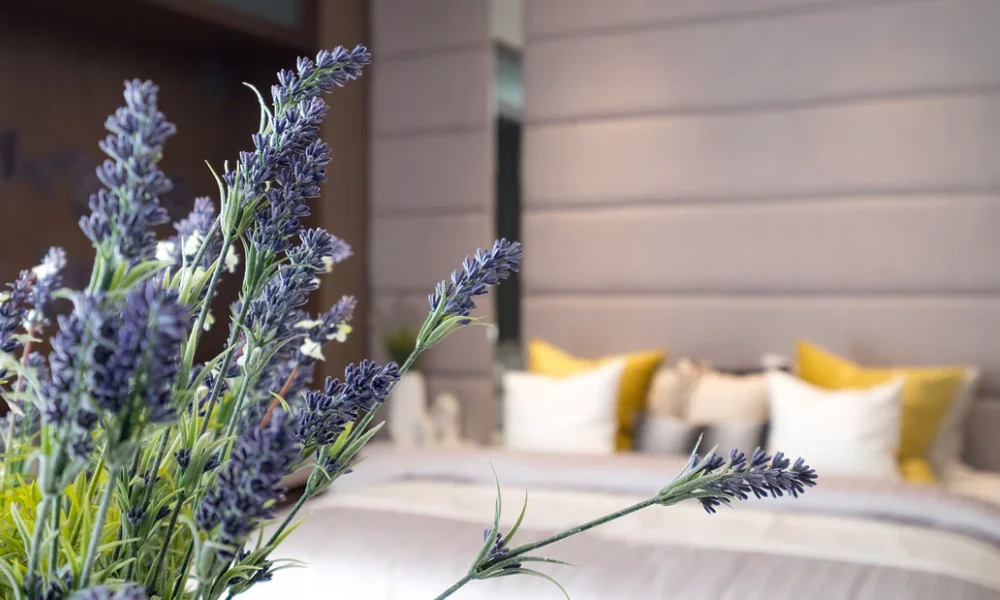
Benefits of Lavender Plant in Bedroom for Sleep Routine
You can integrate this plant into your nightly habits. Having a living lavender plant on your nightstand acts as a visual cue that it is time to relax. While it supports a calm atmosphere, it is not a replacement for good sleep hygiene, such as turning off screens and keeping the room cool.
Benefits of Lavender Plant in Bedroom for Stress Relief
The aroma provides a sensory anchor that helps quiet a busy mind. Combined with a steady bedtime routine, the visual softness of the plant helps lower your daily stress levels. It creates a small, peaceful zone where you can pause, breathe, and prepare for rest.
| Location | Benefit | Care Need | Best For |
| Bedroom window | Calming scent | Bright light | Sleep routine |
| Balcony | Strong growth | Sun + drainage | Flowers |
| Entryway | Natural fragrance | Airflow | First impression |
| Kitchen window | Culinary access | Sunlight | Fresh herbs |
| Home office | Mood support | Bright light | Focus space |
Benefits of Lavender Plant for Garden Pollinators
Your garden thrives when you introduce plants that support local wildlife. Lavender is a premier choice for this because it acts as a magnet for vital pollinators. Oregon State Extension highlights lavender as highly useful for bumblebees, which makes it an essential component of any pollinator-friendly landscape. When you plant lavender, you provide a reliable food source for bees and butterflies throughout the blooming season.
-
Biodiversity Boost: A single lavender plant supports a wide range of insect species.
-
Seasonal Support: Lavender blooms at times when other food sources might be scarce for pollinators.
-
Ecosystem Health: You create a more resilient backyard by fostering these beneficial insects.
This practice is not just about aesthetics; it is about building a functional ecosystem. You are also helping to stabilize local plant populations by ensuring effective pollination. It is a simple, effective step you can take to contribute to environmental health right in your own yard.
Lavender Plant Benefits for Bees and Butterflies
Lavender flowers are rich in nectar and have a long bloom period. This makes them a primary stop for bees and butterflies searching for energy. You will notice that these insects frequent lavender clusters more often than many other common garden flowers. It is a win for the pollinators and a beautiful, buzzing sight for you to enjoy.
Benefits of Lavender Plant for Natural Pest Control
Many people believe lavender acts as a total shield against garden pests, but you should have realistic expectations. The strong aroma of lavender can discourage certain insects, yet it does not act as a complete barrier for your entire garden. You might notice fewer aphids or moths near your lavender, but other plants will still need their own protection. It is a helpful companion plant, but it is not a magic solution.
-
Aromatic Deterrence: Strong scents can confuse pests searching for host plants.
-
Companion Planting: Place lavender near roses or vegetables to potentially mask their scent.
-
Realistic Scope: One plant only protects its immediate vicinity.
You gain a natural, chemical-free tool for your garden, but you still need to practice good overall maintenance. It is a supportive measure, yet it cannot replace consistent garden care.
Can Lavender Repel Mosquitoes Indoors?
You might hope a lavender plant will clear your room of mosquitoes, but it will not. The plant releases scent, yet it is not potent enough to stop mosquitoes from entering your space. You can enjoy the smell, but you should not rely on it for pest prevention. If you want to keep mosquitoes out, you still need screens or other effective methods. The plant is for beauty and calm, so do not expect it to act as a chemical repellent.
Benefits of Lavender Plant for Cooking and Herbal Use
You can use lavender to elevate your culinary creations, but you must be careful. Culinary lavender adds a unique, floral note to teas, baked goods, and even savory dishes. Purdue Extension warns that you should only use culinary-grade lavender for cooking. Plants from nurseries or florists often contain pesticide residues that are not safe for human consumption. Always check the label before you harvest.
-
Culinary Variety: Choose English lavender (Lavandula angustifolia) for the best flavor.
-
Harvesting: Pick buds just as they begin to open for the most potent scent and taste.
-
Storage: Keep your dried culinary buds in a cool, dark place to maintain their quality.
You will find that lavender pairs well with honey, lemon, and chocolate. Start with a small amount because the flavor is very strong. It can easily overpower your dish if you add too much.
How to Use Culinary Lavender Safely
Always buy your lavender from a trusted food supplier to avoid chemical issues. Use only small quantities in your recipes. The high essential oil content in lavender means a little goes a long way. If you have not used it before, test a tiny bit to see if you like the profile. Then, you can adjust your recipes based on your own taste preference.
Lavender Plant Benefits and Chakra Stones: Home Energy and Styling
Many people enjoy pairing their plants with chakra stones to create a specific mood in their home. This is not medical advice, but it is a creative way to style your space for relaxation. Lavender provides a natural, organic look, and the stones add texture and color. You can place these items together to build a personal sanctuary that feels balanced and calm.
-
Visual Balance: The purple of the lavender works well with the soft tones of various stones.
-
Styling: Group a small lavender pot with a few smooth stones on a tray to anchor your decor.
-
Atmosphere: These pairings help you create a dedicated space for your daily wind-down routine.
You do not need to follow strict rules for this. Simply arrange them in a way that feels peaceful to you. It is about creating an environment that supports your mental well-being and visual joy.
Pairing Lavender With Chakra Stones for a Calm Space
Amethyst is a classic partner for lavender because the colors blend perfectly. Rose quartz adds a soft, welcoming feel to your living room. Clear quartz keeps your desk space feeling clean and bright, yet selenite brings a calm, meditative vibe to your quiet corners. You can swap these stones based on your mood or the season.
| Chakra Stone | Styling Purpose | Best Room |
| Amethyst | Calm corner | Bedroom |
| Rose quartz | Soft décor | Living room |
| Clear quartz | Minimal display | Desk |
| Selenite | Clean visual look | Meditation space |
Safety: When Lavender Plant Benefits Need Caution
You must prioritize safety with lavender, especially around health and pets. NCCIH notes that while lavender is common in aromatherapy, oral use can cause nausea, headaches, or diarrhea. You should not treat it as a medical cure. ASPCA also lists lavender as toxic to dogs, cats, and horses. If your pet chews the plant, they may experience vomiting or loss of appetite.
-
Consult Experts: Talk to a doctor before using lavender for wellness.
-
Prevent Ingestion: Keep the plant away from children and pets.
-
Check Reactions: Watch for skin or respiratory irritation.
Is Lavender Safe for Pets?
Lavender is toxic to pets, so keep it out of reach. If your cat, dog, or horse eats any part of the plant, they could face serious digestive issues. Place the plant in a high spot. If you suspect ingestion, call your vet right away.
Who Should Be Careful With Lavender?
You need to be careful if you are pregnant, nursing, or have young children. People with asthma or allergies might also find the strong scent irritating. Essential oils are even more potent, so use them with extra caution.
Lavender Plant Care Tips to Keep the Benefits Strong
Your lavender needs specific care to stay healthy. Better Homes & Gardens suggests compact varieties like ‘Hidcote’ or ‘Munstead’ for indoor pots. They need strong light and low humidity to thrive. If your room is damp, the plant will struggle.
-
Sunlight: Give it at least six hours of direct sun.
-
Watering: Wait until the soil is dry before you add more.
-
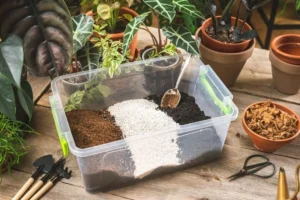
Soil: Use a fast-draining mix so the roots stay dry.
Best Lavender Types for Indoor and Home Use
English lavender is your best choice. Varieties like ‘Munstead’ and ‘Hidcote’ stay small and handle container life well. They give you the scent and color you want without taking up too much space.
| Care Factor | Best Practice |
| Light | 6+ hours bright light |
| Soil | Fast-draining mix |
| Water | Let top soil dry |
| Pot | Drainage holes |
| Airflow | Avoid stale humid rooms |
| Pruning | Trim after flowering |
Conclusion
Lavender is one of the best plants for people who want beauty, fragrance, calm energy, and practical home value in one package. By following the tips here at PeeaceLily, you can safely integrate this iconic herb into your space. It does more than just look pretty; it transforms your home into a personal sanctuary. Start your journey with a small, compact variety today and enjoy the natural peace that only a healthy lavender plant can provide.
Frequently Asked Questions
What are the main lavender plant benefits?
It offers a natural, soothing fragrance, supports garden pollinators, and provides a calming visual element that helps reduce daily stress.
What are lavender plant indoor benefits?
It freshens indoor air, adds elegant décor, and creates a relaxing atmosphere in small spaces like apartments.
What are the benefits of lavender plant at home?
It acts as a versatile herb for cooking, improves entryway ambiance, and supports a low-maintenance, sustainable gardening lifestyle.
What are the benefits of lavender plant in bedroom?
The plant helps create a serene environment that encourages relaxation, which may support a better nighttime sleep routine.
Can lavender grow indoors all year?
Yes, but it needs at least six hours of direct sunlight, excellent airflow, and very well-draining soil to survive.
Is lavender safe around pets?
No, it is toxic to cats, dogs, and horses, so you must keep it in a secure, high location.