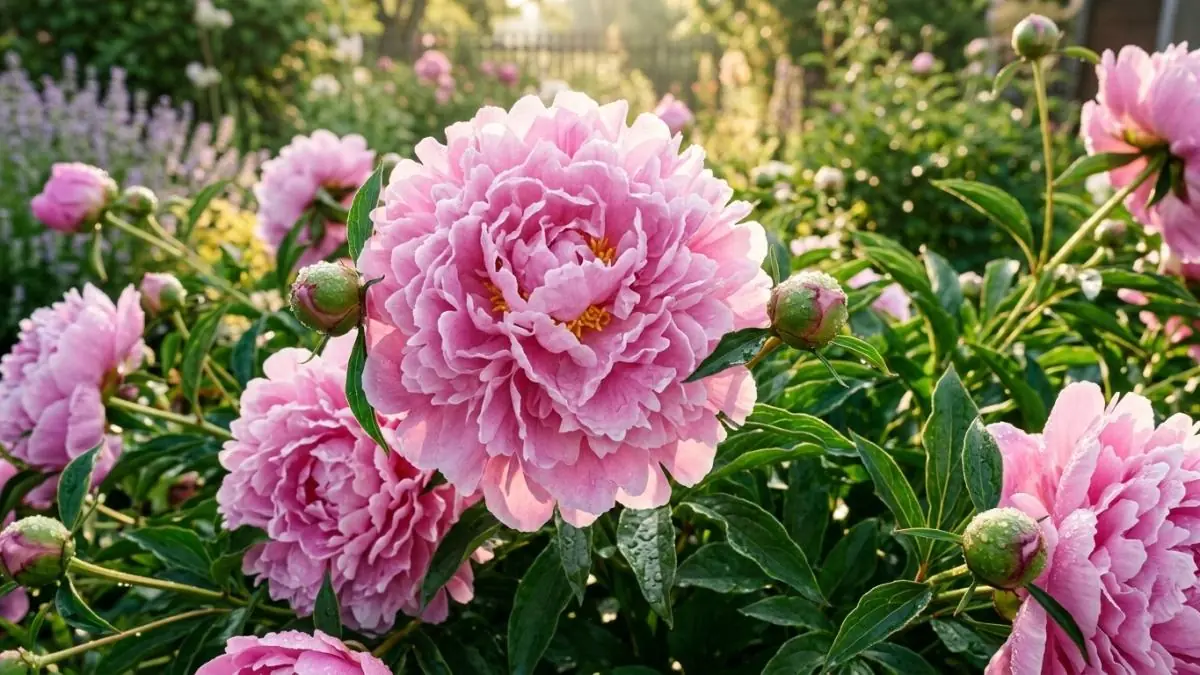
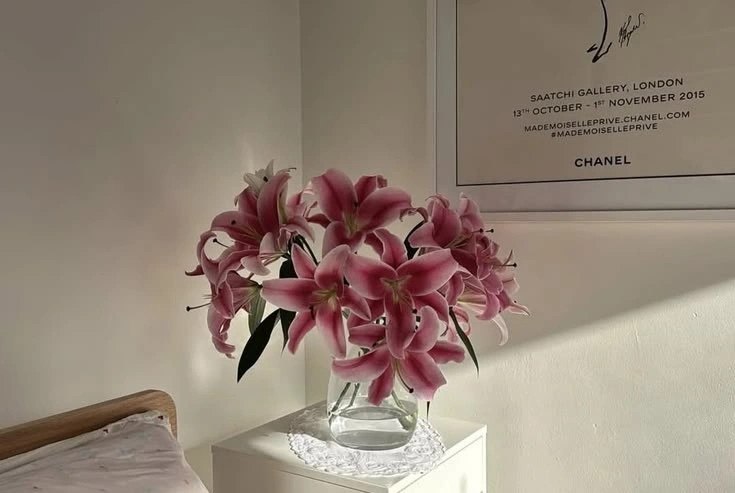
Flowers do more than make a bedroom look beautiful. Their colours, scents, and natural presence can change how a space feels, making it more peaceful, welcoming, or even romantic. While flowers are not a cure for stress or sleep problems, they can become part of a calming bedroom environment that supports emotional wellbeing.
Many people wonder whether keeping flowers in the bedroom is a good idea. Some worry about fragrance or allergies, while others want to know which flowers create the most relaxing atmosphere. The answer depends on the type of flower, its scent, and how it fits into your bedroom.
This guide explains the connection between bedroom flowers and mood, highlights the best flowers for different purposes, and shares practical tips to help you choose the right blooms for your space.
Quick Answer
Keeping carefully chosen flowers in your bedroom can create a more pleasant and relaxing environment. Flowers add natural beauty, pleasant fragrance, and soothing colours that may help reduce stress, improve your mood, and make the room feel more inviting. Selecting flowers with gentle scents and placing them correctly can enhance comfort without overwhelming the space.
How Flowers Influence Your Mood
Walking into a bedroom with fresh flowers often feels different from entering an empty room. Bright blooms bring life, colour, and freshness that can make the space feel more welcoming.
Scientists have long studied how nature affects emotions. Although flowers alone cannot solve anxiety or sleep issues, surrounding yourself with natural elements can encourage feelings of calm and positivity.
Flowers can influence mood through several factors:
- Soft colours create a peaceful atmosphere.
- Pleasant scents encourage relaxation.
- Natural beauty reduces the feeling of a dull or lifeless room.
- Seasonal flowers add freshness and variety.
- Caring for flowers can become a mindful daily habit.
Even a small vase on a bedside table can make your bedroom feel more comfortable and personal.
Why Bedrooms Benefit from Fresh Flowers
Bedrooms are designed for rest. Every decorative element should support comfort rather than create distractions.
Fresh flowers can contribute to that goal by making the room feel lighter and more inviting. They often become a focal point that softens the overall look of the space.
Some people enjoy flowers because they remind them of gardens, special occasions, or loved ones. These positive associations may improve emotional wellbeing and create a more comforting environment.
Benefits may include:
- A brighter atmosphere
- Better visual appeal
- A relaxing bedtime environment
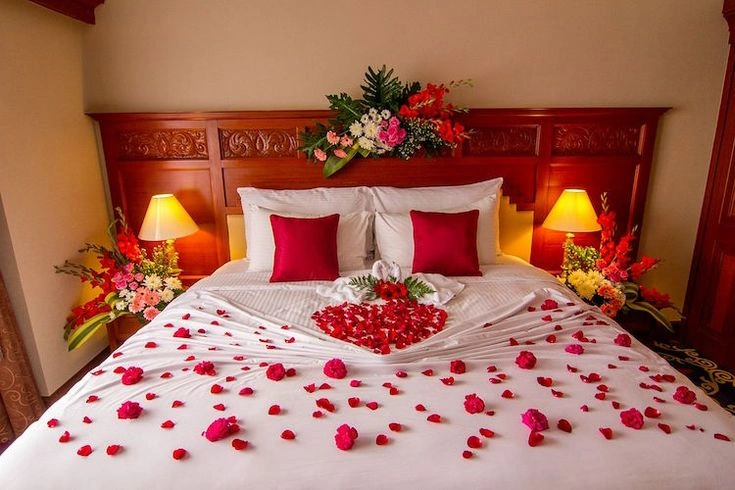
- A romantic setting
- A welcoming room for guests
Best Bedroom Flowers for Different Moods
Different flowers create different feelings. Choosing the right type depends on the atmosphere you want to create.
For Relaxation
Lavender is one of the most popular choices because of its gentle fragrance. Many people include it in bedrooms to create a peaceful environment.
Jasmine is another favourite. Its sweet scent is often associated with calm evenings and relaxation.
Chamomile flowers, whether fresh or dried, also create a soothing appearance.
For Happiness
Sunflowers instantly brighten a room with their warm yellow petals.
Gerbera daisies add cheerful colours that can make a bedroom feel energetic during the day.
Tulips bring freshness and elegance while offering many colour choices.
For Elegance
White orchids create a modern and luxurious appearance.
Lilies add sophistication, although some people may find their fragrance too strong for smaller bedrooms.
Hydrangeas create a soft, cosy atmosphere with their large blooms.
Calming Bedroom Flowers
Not everyone wants a romantic bedroom. Many people simply want a peaceful place to unwind after work.
The following flowers work well for creating a relaxing atmosphere:
| Flower | Best For | Fragrance |
|---|---|---|
| Lavender | Relaxation | Gentle |
| Jasmine | Evening Calm | Sweet |
| Chamomile | Peaceful Feel | Mild |
| White Orchid | Minimalist Bedrooms | Very Light |
| Hydrangea | Cosy Spaces | Light |
Choose flowers with subtle scents rather than overpowering perfumes, especially if your bedroom is small.
Flower Colours and Their Emotional Effects

Colour psychology plays an important role in how a room feels.
White Flowers
White flowers create a clean and peaceful appearance. They work especially well in minimalist bedrooms.
Blue Flowers
Blue shades often feel calm and relaxing, making them suitable for restful spaces.
Pink Flowers
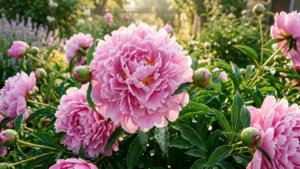
Pink adds warmth without becoming overwhelming. It is ideal for cosy and romantic bedrooms.
Yellow Flowers
Yellow flowers create energy and optimism. They work best in bright bedrooms with plenty of natural light.
Purple Flowers
Purple flowers, especially lavender, are often associated with relaxation and comfort.
Fresh Flowers vs Artificial Flowers
Both options have advantages depending on your lifestyle.
| Feature | Fresh Flowers | Artificial Flowers |
|---|---|---|
| Appearance | Natural | Consistent |
| Fragrance | Yes | No |
| Maintenance | Regular | Very Low |
| Lifespan | Limited | Long-lasting |
| Cost Over Time | Higher | Lower |
Fresh flowers provide natural beauty and fragrance, while artificial flowers require almost no maintenance.
Choosing the Right Bedroom Flowers
Before buying flowers, first think about your room, personal preferences, and daily routine. After all, the right flowers should not only look beautiful but also make your bedroom feel comfortable and inviting.
Consider Room Size
First, look at the size of your bedroom. Small rooms usually benefit from compact flower arrangements because they leave enough space for other décor. On the other hand, large bouquets can easily overwhelm a limited area.
Instead, choose a vase that fits the available space. As a result, your bedroom will feel balanced rather than crowded.
Think About Fragrance
Next, consider how sensitive you are to floral scents. While some people enjoy rich fragrances, others may experience headaches or allergies from strong-smelling flowers.
Therefore, if you’re unsure, start with flowers that have a gentle scent, such as lavender or white orchids. In addition, you can place them farther from your bed if you prefer a lighter fragrance.
Match Your Bedroom Style

Finally, choose flowers that complement your bedroom’s design. For example, modern bedrooms often pair well with orchids and lilies because of their elegant appearance.
Meanwhile, traditional bedrooms usually suit roses and hydrangeas, which create a warm and classic feel. Similarly, minimalist bedrooms look best with simple white flowers that add beauty without making the space feel busy.
Overall, selecting flowers that match your room’s style, size, and fragrance preference will help create a bedroom that feels both relaxing and welcoming.
Expert Tips
Replace Water Frequently
Fresh water helps flowers last longer and keeps arrangements looking their best.
Remove Wilted Flowers
Old flowers can spoil the appearance of your room and may develop unpleasant odours.
Use Natural Light
Most fresh flowers stay healthier when placed near indirect sunlight.
Avoid Overcrowding
A simple arrangement often looks more elegant than several large bouquets.
Common Mistakes
- Choosing flowers with overpowering fragrances.
- Ignoring pollen allergies.
- Placing flowers in direct afternoon sunlight.
- Forgetting to change the water.
- Using oversized arrangements in small bedrooms.
- Leaving dead flowers on display.
- Choosing flowers that require more care than you can provide.
Bedroom Flower Checklist
| Checklist | Yes |
|---|---|
| Gentle fragrance selected | □ |
| Matches bedroom style | □ |
| Easy to maintain | □ |
| Allergy friendly | □ |
| Fresh water provided | □ |
| Good natural lighting | □ |
| Regular flower replacement | □ |
Frequently Asked Questions
Are flowers good for the bedroom?
Yes. Fresh flowers can make a bedroom feel brighter, more relaxing, and visually appealing when cared for properly.
Which flowers are best for relaxation?
Lavender, jasmine, chamomile, and white orchids are popular choices for creating a calm atmosphere.
Can flowers help me sleep better?
Flowers cannot directly treat sleep problems, but a peaceful bedroom with gentle scents and calming colours may help create a more relaxing bedtime routine.
Are strongly scented flowers suitable for bedrooms?
Not always. Strong fragrances may bother sensitive people or trigger allergies. Lightly scented flowers are usually a better option.
Fresh or artificial flowers which is better?
Fresh flowers offer natural fragrance and beauty, while artificial flowers require less maintenance and last much longer.
How often should fresh flowers be replaced?
Most fresh flowers stay attractive for about one week with proper care, although this varies by variety.
Conclusion
The relationship between bedroom flowers and mood is about more than decoration. Flowers introduce colour, fragrance, and a touch of nature that can transform an ordinary bedroom into a more relaxing and welcoming space. Whether you prefer calming lavender, elegant orchids, cheerful tulips, or romantic roses, choosing flowers that match your style and comfort can make your bedroom feel more enjoyable every day.
The key is to select flowers with appropriate scents, care for them regularly, and use them as part of a balanced bedroom design that encourages rest and wellbeing.
Key Takeaways
- Fresh flowers can make a bedroom feel calmer and more inviting.
- Gentle fragrances are generally better suited to sleeping spaces.
- Lavender, jasmine, orchids, and roses are popular bedroom choices.
- Flower colours influence the mood of a room.
- Regular care helps flowers stay fresh and attractive.
- Choose flowers based on room size, personal preference, and any allergy concerns.
- A simple floral arrangement often has a greater impact than an overcrowded display.