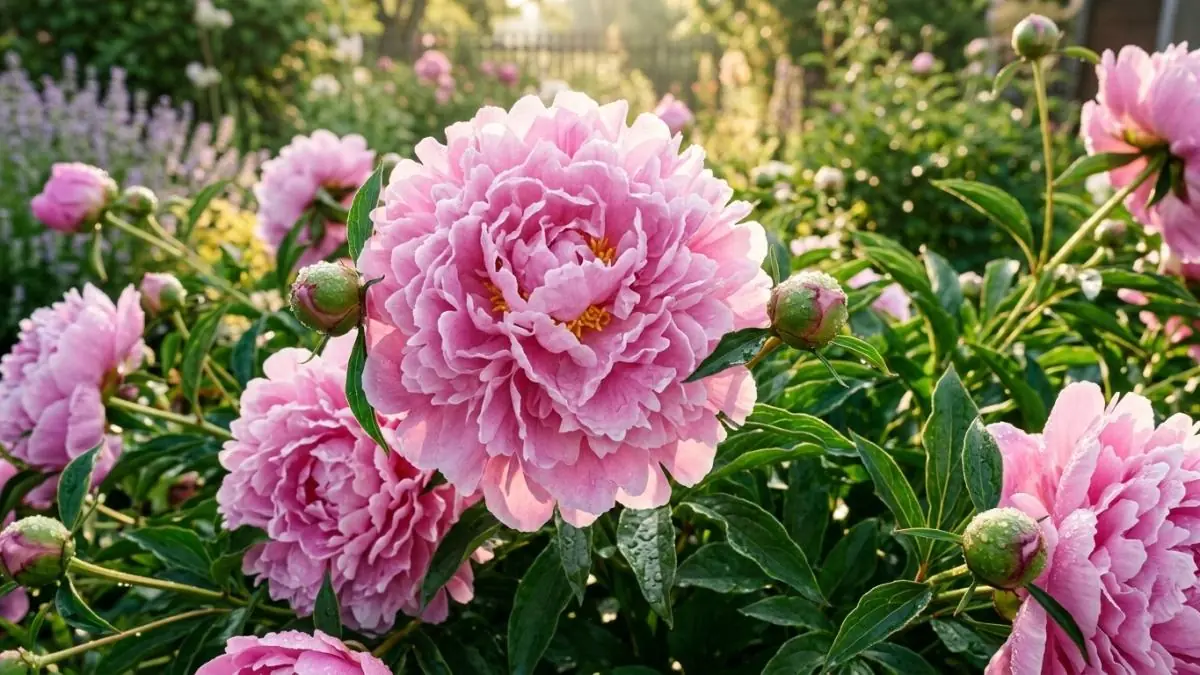
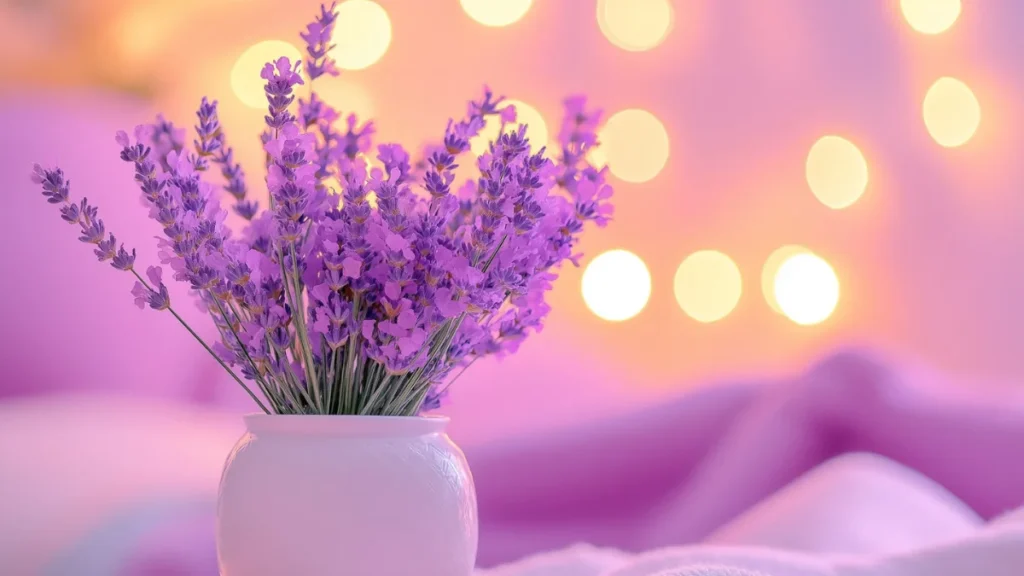
The best flowers for better sleep are lavender, jasmine, gardenia, chamomile, valerian, gerbera daisy, passionflower, English rose, and the peace lily. These blooms calm the mind through soft fragrance, while some also clean bedroom air and add a restful look. Choose low-fuss, low-light-tolerant flowers and keep them near, but not right beside, your pillow.
I could not sleep, so a friend handed me a pot of lavender and said, Try this. One week later, my flowers for better sleep had turned my restless bedroom into a calm little garden. Flowers will not knock you out like a pill. But scent, air, and a quiet ritual all shape how fast you drift off, and the right blooms touch all three. Here are the nine I trust most for restful nights.
Key Takeaways
- The best flowers for better sleep mix gentle scent, clean air, and a calming look, like lavender, jasmine, and peace lily.
- Scent matters most. Linalool in lavender and the soft aroma of jasmine are linked to slower heart rate and easier rest.
- A few blooms also lift bedroom air quality, which supports deeper breathing at night.
- Match the flower to your light, your care habits, and your pets before you buy.
- Flowers help you wind down, but they support good sleep habits rather than replace them.
How Flowers Help You Sleep: The Core Concepts
Do flowers actually improve sleep?
Yes, in small but real ways. Soft floral scents calm the body, a few flowers clean the air, and tending blooms builds a relaxing bedtime routine.
Three things happen when the right flower sits near your bed.
- Scent comes first. Lavender carries linalool, a compound linked to slower heart rate and a calmer mind. Jasmine works in a similar way.
- Air comes next. A few bloomers, like the gerbera daisy, release oxygen at night, so the peace lily traps dust and eases stuffy breathing.
- The mind comes last. A small evening ritual, like misting a leaf, tells your brain the day is closing. That cue matters as much as any scent.
The 9 Best Flowers for Better Sleep
Each flower below earns its spot through scent, air-cleaning power, or pure calm, so pick the ones that match your light and your life.
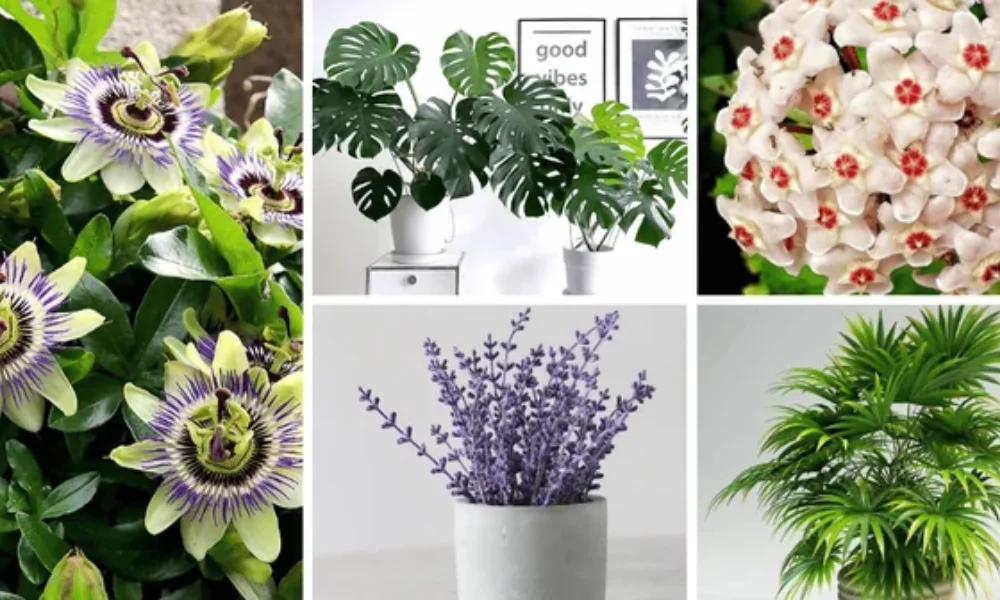
1. Lavender (Lavandula angustifolia)
Lavender is the classic choice, and for good reason. The scent is the most studied of any bedtime bloom, and the silvery leaves look lovely on a nightstand.
Lavender wants bright, direct light, so a sunny windowsill is best. Water only when the top inch of soil feels dry, since soggy roots kill it fast. Use a gritty, well-draining mix. Be honest with yourself here. Lavender struggles in low light, so this is a sunny-room flower.
Pet note: Mildly toxic to cats and dogs if eaten.
2. Jasmine (Jasminum polyanthum)
Jasmine fills a room with a sweet, honeyed scent at night. Studies on jasmine aroma point to better sleep quality and a calmer mood the next morning. Give it bright, indirect light and steady moisture. It loves to climb, so a small trellis keeps it tidy. The scent is strong, so place it across the room rather than beside your pillow.
Pet note: True jasmine is generally non-toxic, but always confirm the exact species.
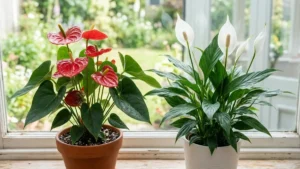
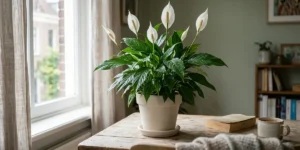
3. Peace Lily (Spathiphyllum)
The peace lily lifts white, sail-shaped flowers above glossy green leaves, and it is one of the best air-cleaning houseplants you can grow. It thrives in low to medium light, which makes it a dream for darker bedrooms. Keep the soil lightly moist and mist now and then. The droopy leaves will warn you when it needs a drink. For deeper care, see our full guide on peace lily care.
Pet note: Toxic to cats and dogs. Keep it well out of reach.
4. Gardenia (Gardenia jasminoides)
Gardenia offers a rich, creamy fragrance that many people find deeply relaxing. The waxy white blooms feel almost luxurious in a bedroom. It is the fussiest flower on this list. Gardenia needs bright, indirect light, steady humidity, and acidic soil. Drafts and dry air make the buds drop. I treat mine like a tiny diva, and the reward is worth it.
Pet note: Mildly toxic to cats and dogs.
5. Chamomile (Matricaria chamomilla)
Chamomile is famous in tea, and the live plant carries the same gentle, apple-like scent. The tiny daisy flowers feel cheerful and soft. Grow it in a bright spot with regular water. It is short-lived, so treat it as a seasonal joy rather than a forever plant. The fresh blooms make a soothing bedtime tea too.
Pet note: Can upset pets if eaten in quantity, so keep it out of nibbling range.
6. Valerian (Valeriana officinalis)
Valerian is best known for its sleepy roots, used in calming teas for centuries. The plant itself produces small, sweet pink and white flower clusters. It likes full sun and moist soil, so a bright bedroom window suits it. The flowers smell pleasant, though the roots have a strong, earthy odor. Cats may react to it the way they do to catnip.
Pet note: Often safe, but cats can get overly excited by it.
7. Gerbera Daisy (Gerbera jamesonii)
Gerbera daisies are one of the few flowers that release oxygen at night. That makes them a smart pick for anyone with allergies or stuffy breathing. They want bright light and consistent water. The bold blooms come in cheerful colors, so they brighten a room while they work. They are also pet-safe, which is a big plus.
Pet note: Non-toxic to cats and dogs.
8. Passionflower (Passiflora incarnata)
Passionflower carries a long folk history as a calming herb. The blooms are wild and beautiful, like something from a dream. It needs bright light and room to climb, so it works best near a sunny window with a small support. This one is more of a project plant for confident growers.
Pet note: Some species are toxic, so confirm the variety and keep pets away.
9. English Rose (Rosa damascena)
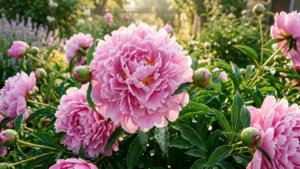
A fragrant rose brings a soft, romantic scent that many people link to comfort and calm. A single stem in a bedside vase can shift the whole mood of a room. Potted miniature roses need bright light and good airflow. If live roses feel like too much work, fresh cut stems still deliver the scent for several days.
Pet note: True roses are non-toxic, but watch for thorns near pets and kids.
My Original Framework: The Bedroom Bloom Triangle
After years of trial and error, I built a simple model I call the Bedroom Bloom Triangle. Every good sleep flower setup balances three corners. When one corner is missing, the room never feels quite right.
Corner 1: Scent. Pick one main fragrant flower, like lavender or jasmine. One strong scent is plenty. Two or three competing aromas can actually keep you awake.
Corner 2: Air. Add one air-helper, like a peace lily or gerbera daisy. This corner supports clean, easy breathing through the night.
Corner 3: Calm. Choose one flower purely for how it looks and feels, maybe a soft rose or a cheerful daisy. This corner feeds the eyes and the bedtime ritual.
Aim for one flower per corner to start. Three small pots beat one crowded jungle. As you grow more confident, you can layer in more, but the triangle keeps things balanced and low-stress.
Sleep Flowers at a Glance
| Flower | Scent Strength | Care Level | Light Needs | Pet Safe? |
|---|---|---|---|---|
| Lavender | Strong | Medium | Bright direct | No (mild) |
| Jasmine | Strong | Medium | Bright indirect | Usually yes |
| Peace Lily | Light | Easy | Low to medium | No |
| Gardenia | Strong | Hard | Bright indirect | No (mild) |
| Chamomile | Soft | Easy | Bright | Caution |
| Valerian | Medium | Medium | Full sun | Caution (cats) |
| Gerbera Daisy | Light | Medium | Bright | Yes |
| Passionflower | Light | Hard | Bright | Varies |
| English Rose | Medium | Medium | Bright | Yes |
Step-by-Step: Build Your Sleep Garden
How do I set up flowers for better sleep in my bedroom?
Start with one fragrant flower near a window, add one air-cleaning bloom, water on a simple schedule, and keep strong scents a few feet from your pillow.
- Pick your light spot. Notice where sun lands in your room. Sunny window, low corner, or somewhere in between. This decides which flowers will thrive.
- Choose one flower per Triangle corner. Scent, air, and calm. Keep it to three pots at first.
- Use the right pot and soil. Every pot needs drainage holes. Match soil to the plant, gritty for lavender, rich for peace lily.
- Set a watering rhythm. Check the top inch of soil twice a week. Water only when it feels dry.
- Place with care. Keep heavy scents like gardenia across the room, not on your headboard.
- Build the ritual. Each night, glance at your blooms and mist a leaf. Let it signal bedtime.
Match the Flower to Your Room
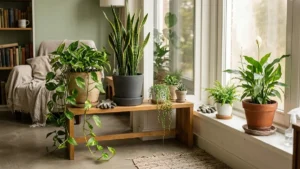
For a small apartment with low light, the peace lily wins every time. It forgives dark corners and missed waterings. For a bright studio, lavender and jasmine bring big scent for little space. A windowsill row works beautifully.
For families with curious pets, lean on gerbera daisies and roses. Both look lovely and stay on the safe side. For total beginners, start with one peace lily and one gerbera daisy. Both are tough, and both reward you fast. New plant parents may also enjoy our roundup of cheap indoor plants to keep costs low.
Benefits of Bedroom Flowers
The upside goes beyond pretty petals.
- Soft floral scent can ease the racing thoughts that keep many of us awake.
- Air-cleaning blooms support clearer breathing, which helps anyone with mild congestion.
- Flowers also add gentle humidity, which soothes dry winter air and scratchy throats.
- On top of that, a small living thing to tend builds a calming routine that your brain starts to crave at night.
Common Mistakes
The biggest mistake I see is overwatering. Most sleep flowers prefer to dry out a little between drinks, and soggy roots cause yellow leaves and rot. The second is wrong light. People tuck a sun-loving lavender into a dark corner and wonder why it fades. Match the flower to the light you truly have.
The third is scent overload. Three fragrant flowers in one small room can actually disturb sleep. One strong scent is the sweet spot.
Best Practices
Keep things simple and steady. Use one fragrant flower as the star. Water on a light, regular rhythm instead of by mood. Group plants with similar needs so care stays easy.
Rotate your pots a quarter turn each week so growth stays even. Wipe dust off broad leaves like the peace lily so it can breathe and clean the air well.
Seasonal Considerations
Winter air runs dry, and many flowers slow down or rest. Water less in the cold months and group plants together to share humidity. A small tray of pebbles and water under the pots helps too.
Spring and summer bring more light and faster growth. This is the season to repot, feed lightly, and welcome new bloomers like chamomile and gerbera. For timing your planting, our fall planting guide pairs well with this seasonal rhythm.
Pet Safety
This part matters, so read it twice if you share your home with animals. Peace lily, lavender, gardenia, and some passionflower species can harm cats and dogs. Safe picks include gerbera daisies and true roses. When in doubt, check the ASPCA toxic plant database before you bring any flower into a pet home, and keep risky plants on high shelves.
Conclusion
The right flowers for better sleep will not knock you out like a pill, and that is the point. They work quietly, through scent, air, and a calm bedtime ritual that your body learns to love.
Start small. One fragrant flower, one air-helper, one bloom you simply enjoy looking at. Use the Bedroom Bloom Triangle, match each plant to your light, and keep care low-stress. My bedside garden began with one little pot of lavender, and it changed how my evenings feel. Yours can start tonight.
Frequently Asked Questions
Which flower is best for sleep?
Lavender wins for most people. Its scent holds linalool, so it calms the mind fast. But if you want clean air instead, the peace lily and gerbera daisy are great low-fuss picks.
Can flowers in the bedroom really help you sleep?
Yes, in small ways. Scents like lavender ease stress, so you relax faster. Some blooms also clean the air. But they work best as part of a routine, not as a cure.
Are flowers safe to keep in the bedroom at night?
For most people, yes. Plants give off only tiny amounts of carbon dioxide at night, so the old myth is false. But scent overload and pollen can bother sensitive sleepers, so start with just one.
Which sleep flowers are safe for pets?
Gerbera daisies and true roses are non-toxic, so they are the safest choices. But lavender, peace lily, and gardenia can harm pets. Basically, check the ASPCA list before you buy.
How many flowers should I keep in my bedroom for better sleep?
Start with three at most. Use one for scent, one for air, and one just for looks. But too many scents can disturb rest, so keep it simple instead of crowded.