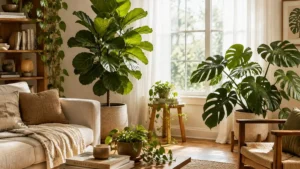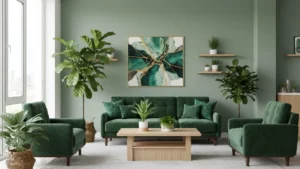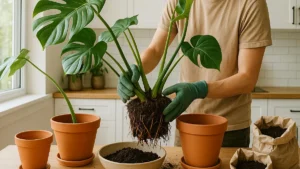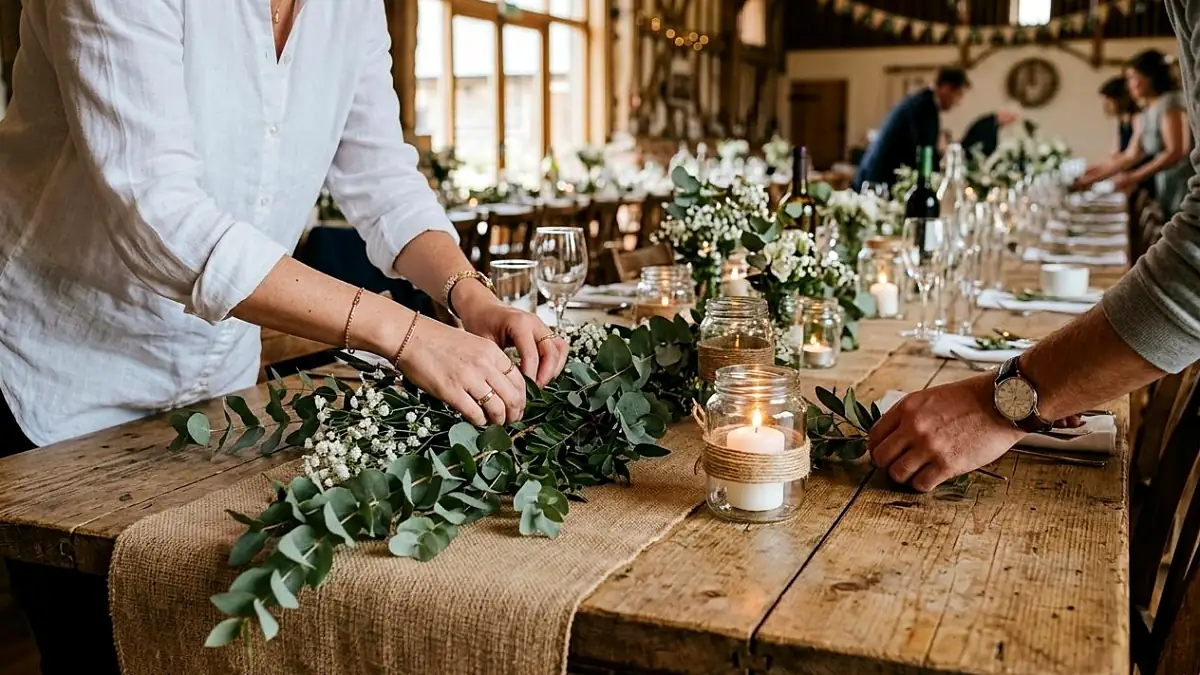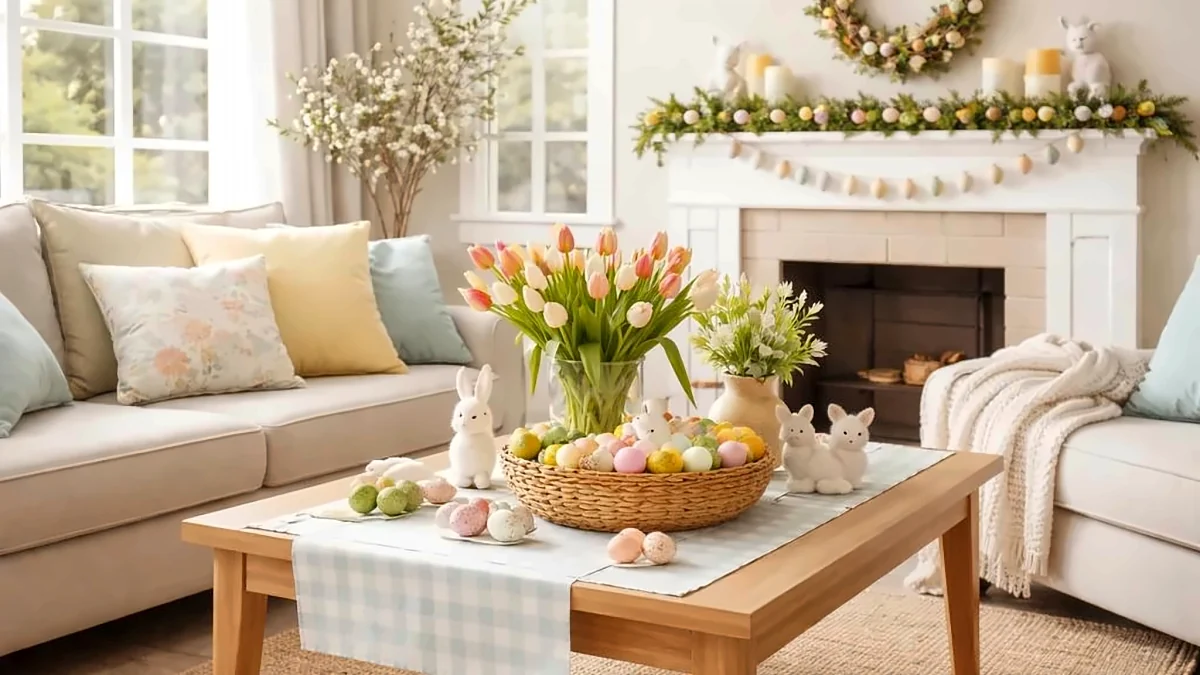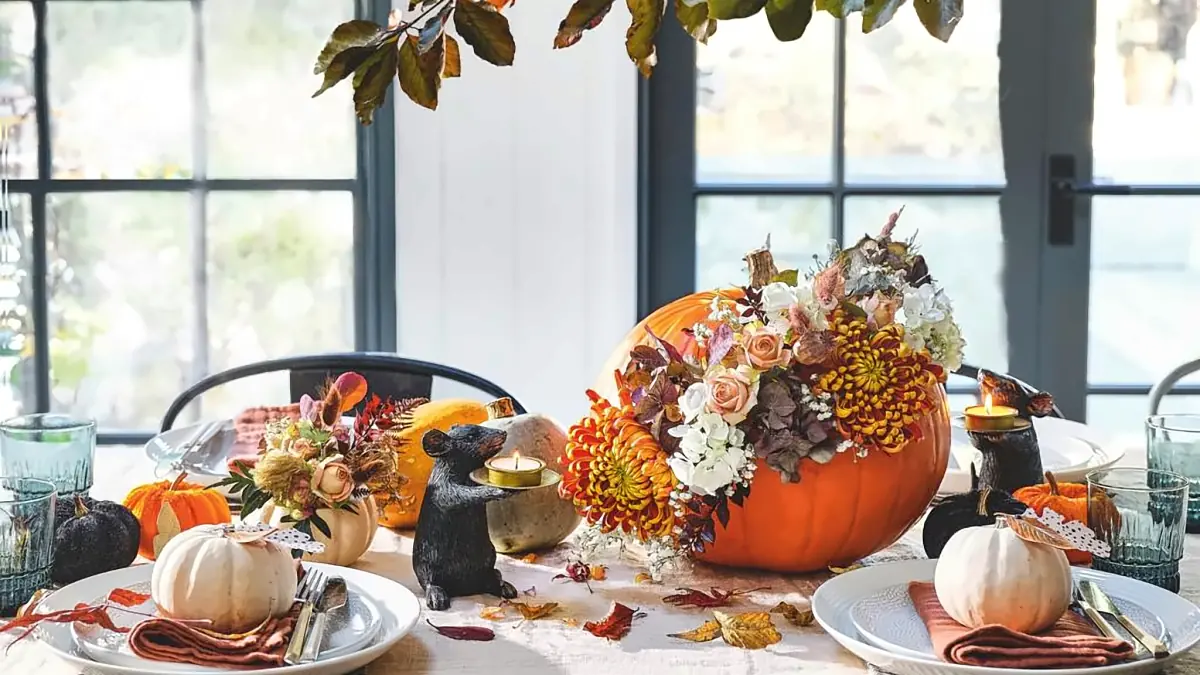
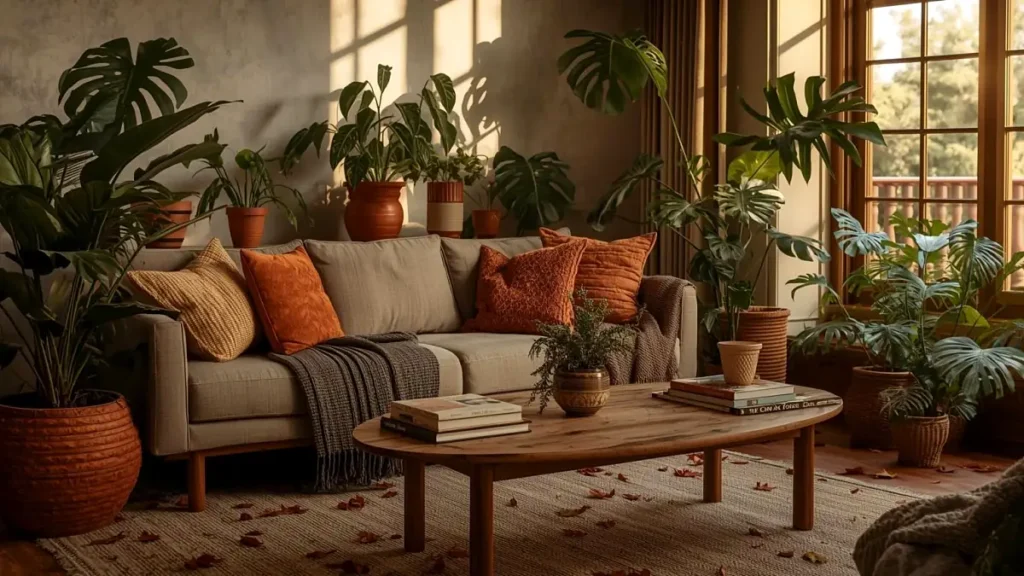
Seasonal plant decor doesn’t have to mean buying new plants or redecorating your home every few months. A few well-chosen houseplants, some simple seasonal touches, and a little planning can make your space feel fresh throughout the year.
The easiest way to do it is to build your decor around two things: plants that stay in place all year and smaller accents that change with the seasons. Your favourite pothos or snake plant can remain right where it is, while a different cover pot, flowering plant, or natural decoration gives the room a new look.
Here’s how to create a simple seasonal plant decor routine, including a month-by-month calendar you can adapt to your home.
Key Takeaways
- Keep three to five reliable houseplants as your year-round decor base.
- Change smaller accents instead of moving or repotting your main plants.
- Use seasonal flowers, branches, cover pots, and natural materials to refresh a room.
- Adjust watering and feeding as light and temperatures change.
- Store seasonal decorations together so they’re easy to reuse.
- Check plant safety before bringing seasonal plants into a home with pets.
- Treat the calendar as a guide and adjust it to your local climate.
AI Overview: How do you decorate with plants throughout the year?
To decorate with plants year-round, choose a few dependable houseplants as permanent features and update smaller decorations with each season. Use spring bulbs and fresh herbs in spring, leafy tropical plants in summer, mums and warm-toned accents in autumn, and winter greenery or flowering plants during colder months. Change decorative pots and accessories rather than disturbing the plants’ roots.
How the anchors-and-accents method works
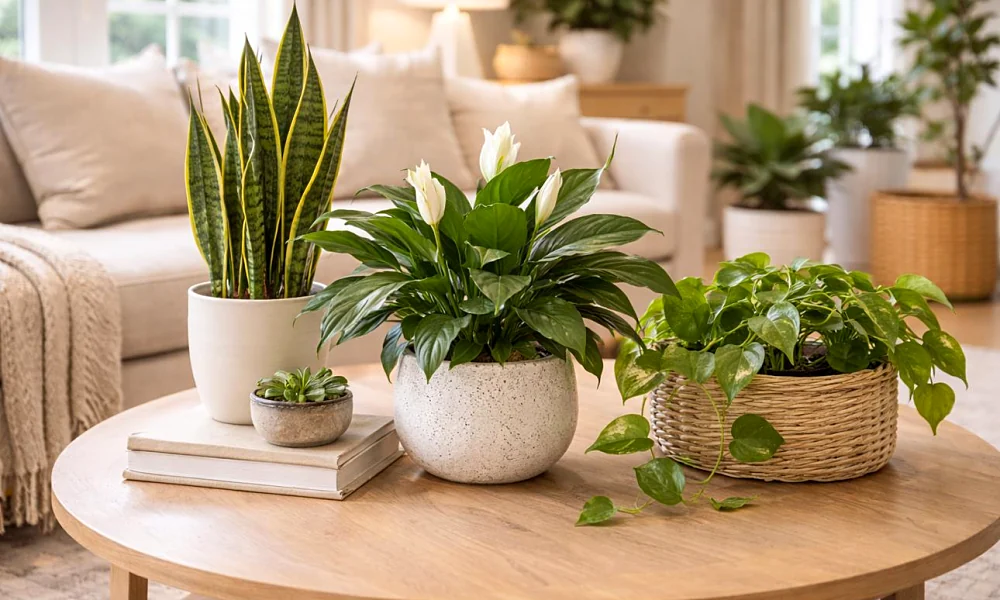
Think of your plant decor as having a permanent layer and a seasonal layer.
Anchor plants are the houseplants that stay in your home throughout the year. Pothos, snake plants, and ZZ plants are popular choices because they can adapt to a range of indoor conditions when their basic care needs are met.
Seasonal accents are the smaller details you switch around. These might include flowering plants, decorative cover pots, fresh or dried stems, wreaths, baskets, and tabletop arrangements.
The benefit is that you don’t have to start from scratch every season. Your main plants provide a familiar look, while a few inexpensive changes make the room feel different.
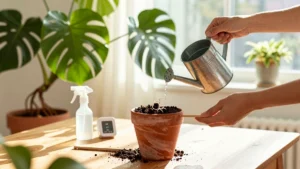
One useful trick is to keep plants in their existing nursery pots and place those pots inside decorative covers. When you want a seasonal change, simply switch the outer container. There’s no need to disturb the roots just to update the colour or style.
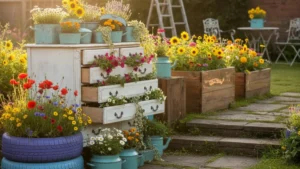
You can also borrow ideas from these creative planter ideas to make ordinary containers feel more interesting.
A month-by-month seasonal plant decor calendar
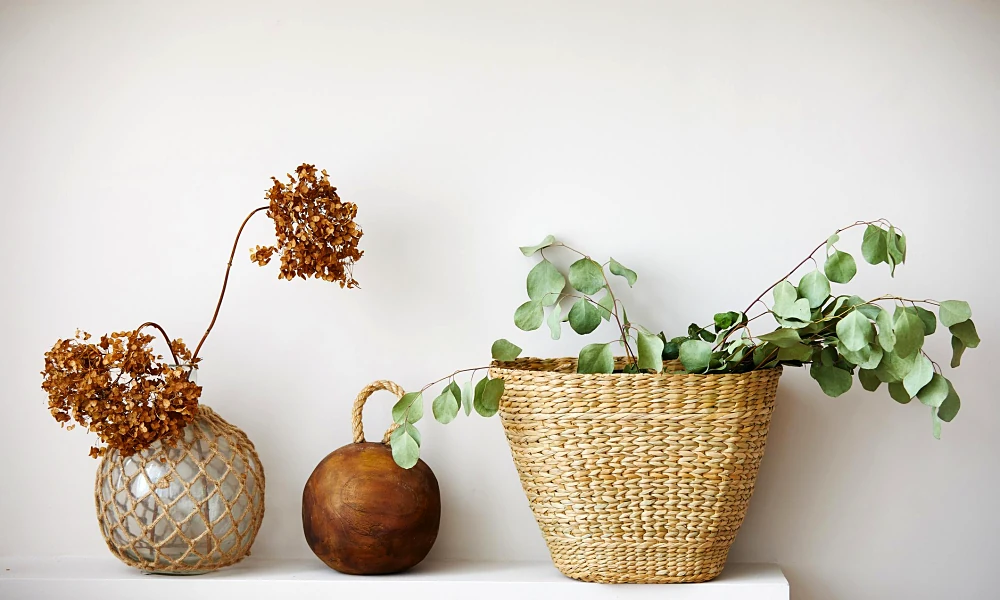
This calendar offers a starting point for the Northern Hemisphere. Flowering times and plant availability vary by region, so shift the suggestions to match your local weather and growing conditions.
| Month | Plant and decor ideas | A simple seasonal tip |
| January | Cyclamen, winter greenery, and remaining paperwhites | Keep plants away from cold drafts and avoid overwatering. |
| February | Forced tulips, hyacinths, and primroses | Choose bulbs with unopened buds for a longer display. |
| March | Spring bulb bowls and fresh herbs on a windowsill | Watch for new growth as daylight increases. |
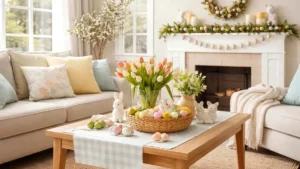
| April | White and pastel flowers with light seasonal accents | Check plant safety carefully if you have pets. |
| May | Terracotta pots, herbs, and trailing plants | Move outdoor plants gradually after frost risk has passed. |
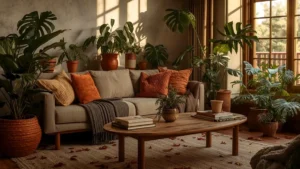
| June | Leafy tropical plants and green table arrangements | Check soil more often during hot weather. |
| July | Bold foliage and simple outdoor-inspired displays | Keep an eye on plants near hot windows. |
| August | Heat-tolerant greenery, grasses, and wheat accents | Refresh displays without adding too many new plants. |
| September | Mums and ornamental peppers | Bring in warmer colours and autumn textures. |
| October | Crotons and budding Thanksgiving cactus | Avoid interrupting the long, dark nights needed by holiday cacti to form buds. |
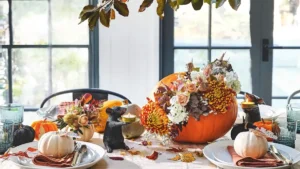
| November | Harvest-inspired table arrangements and dried flowers | Use natural materials that can be stored and reused. |
| December | Poinsettias, amaryllis, and mini Norfolk pine | Keep plants away from drafts and heating vents. |
This is a curated decor calendar, not a fixed planting schedule. Local climate, indoor temperatures, and seasonal availability can change the best time to use each plant.
How plant care changes with the seasons
Seasonal decorating is only half the job. Your plants also respond to changes in daylight, temperature, and indoor conditions. A routine that works in summer may need a few adjustments when winter arrives.
Spring: Make room for new growth
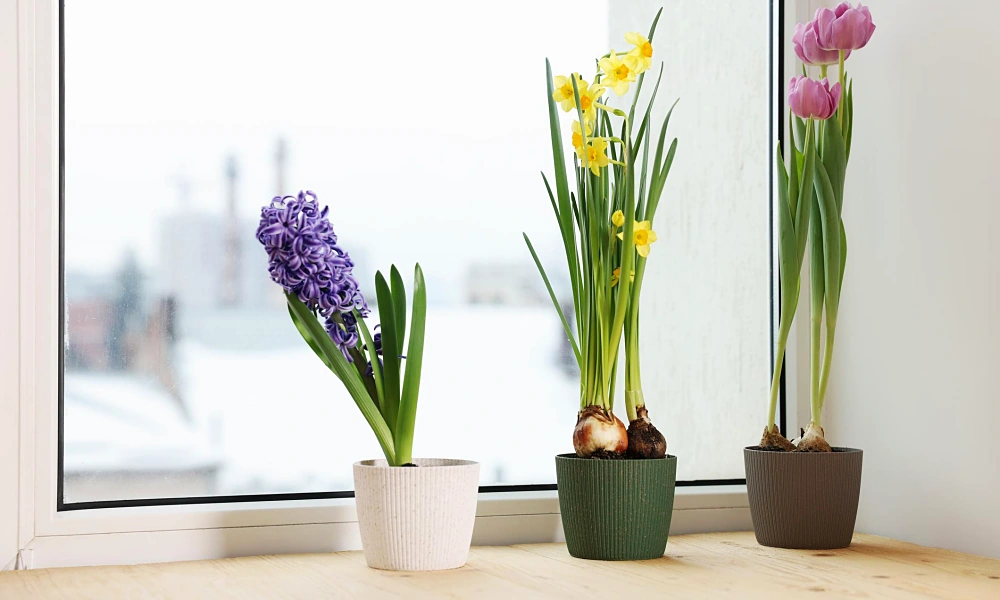
As daylight increases, many houseplants begin growing more actively. You may notice fresh leaves or new shoots appearing.
Check the soil before returning to a more regular watering routine, and resume feeding only when the plant is actively growing and its needs call for it. Spring is also a good time to review your plant displays and remove tired-looking seasonal accents.
Summer: Keep an eye on heat and moisture
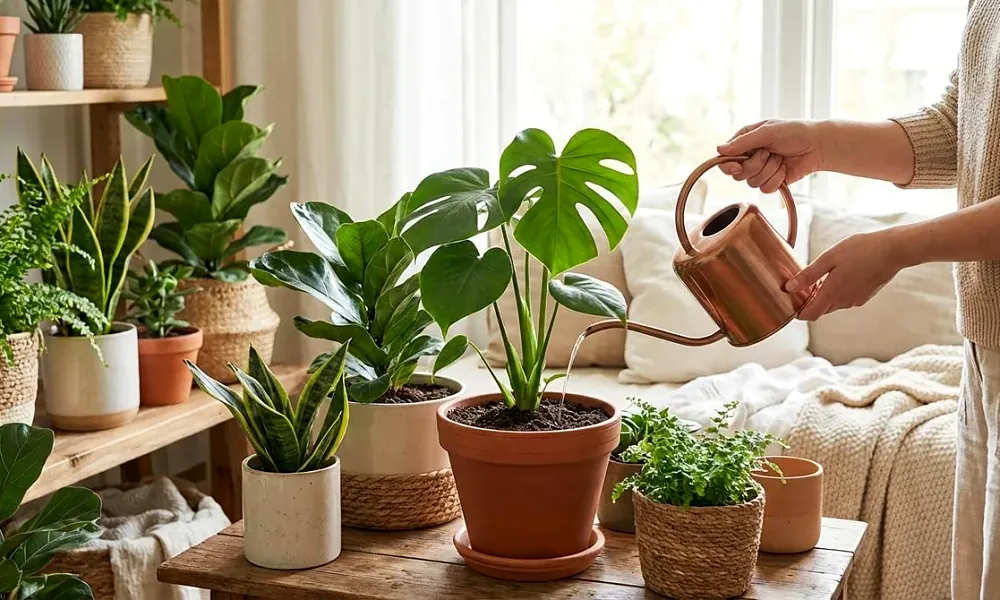
Longer days and warmer temperatures can make soil dry faster. Check plants more frequently, especially those near sunny windows or in warm rooms.
Don’t assume every plant needs more water just because it’s summer. Feel the soil first and water according to the plant’s needs.
Autumn: Prepare for shorter days
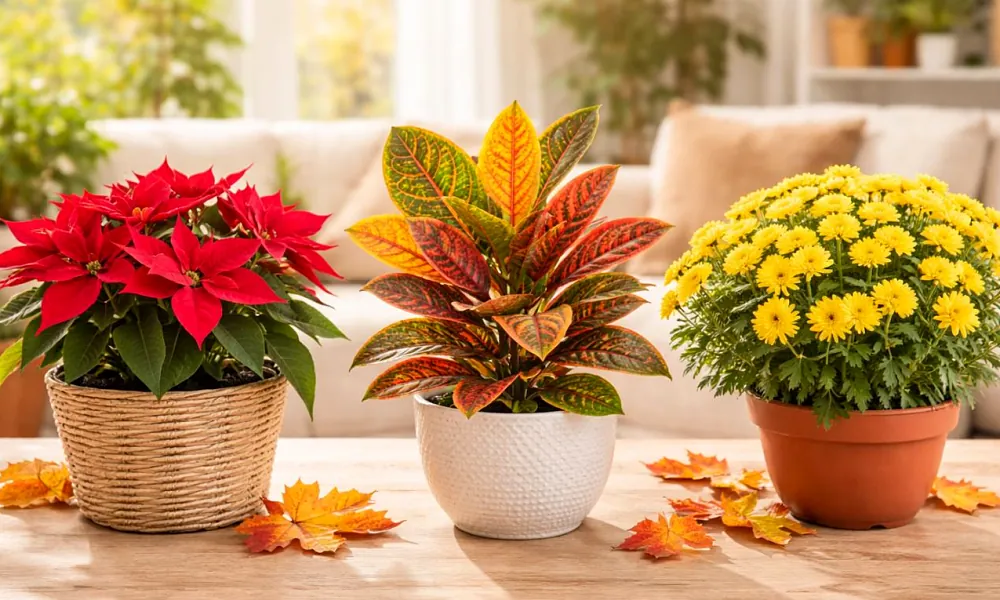
As daylight begins to decrease, growth may slow. You can bring in warmer seasonal accents such as dried flowers, natural branches, and textured baskets.
If you have a Thanksgiving cactus, remember that its buds respond to changes in day length and darkness. Avoid frequently switching its lighting conditions while it’s preparing to flower. Iowa State University Extension explains the short-day flowering behaviour of holiday cacti in its holiday cactus guide.
Winter: Adjust watering and light
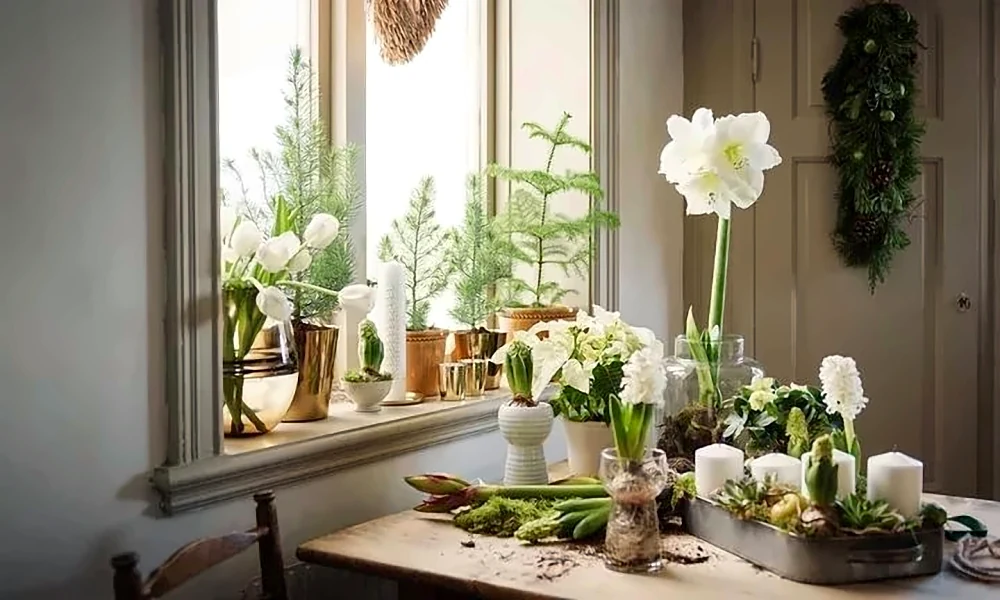
Indoor plants often use less water when growth slows and light levels drop. Rather than following the same summer watering schedule, check the soil before watering.
Move plants closer to suitable windows if they aren’t getting enough light, but keep them away from cold drafts and direct heat from radiators or vents. You can also group plants together for a fuller display, provided each plant still receives the light and airflow it needs.
Fertilizer can usually be reduced or paused for plants that aren’t actively growing. Resume feeding when new growth returns, following the product instructions.
Easy seasonal plant decor ideas on a budget
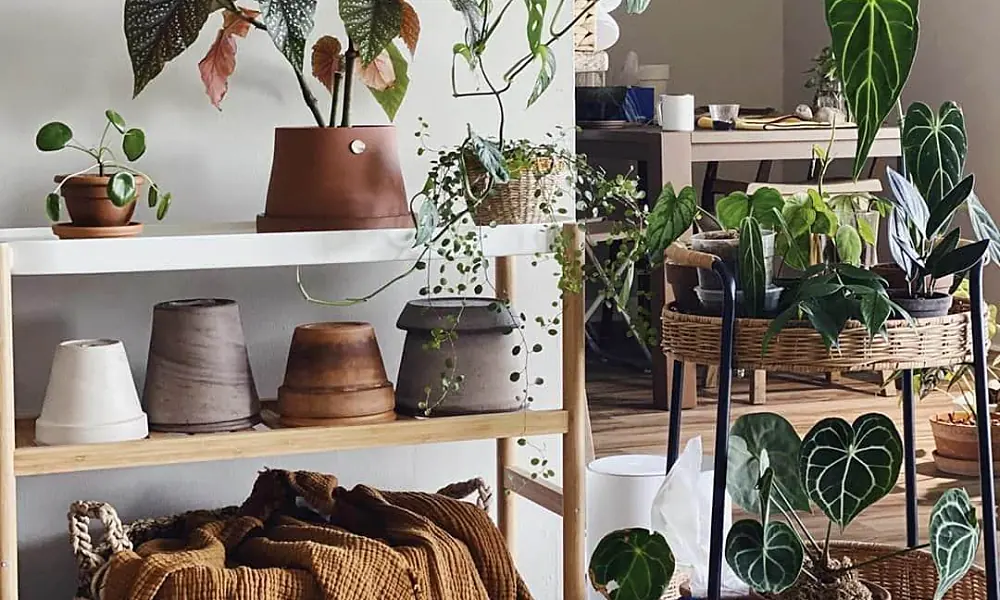
You don’t need a new collection of plants every season. Often, changing a few small details is enough to make a familiar room feel refreshed.
Here are some inexpensive ideas to try:
- Change the cover pots: Use plain terracotta or neutral containers as a base, then add seasonal colour with removable covers or simple paint.
- Display dried flowers: Hydrangea heads and other suitable garden flowers can add texture to autumn and winter arrangements.
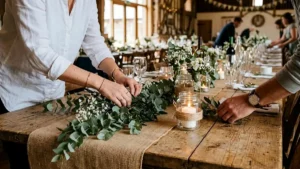
- Use natural materials: Pinecones, branches, and dried grasses can bring a seasonal feel to shelves and tables. Make sure anything collected outdoors is clean and completely dry before bringing it inside.
- Add ribbon or twine: A simple wrap around a plain pot or basket can create a quick seasonal detail.
- Refresh entrance planters: Changing one or two containers near the doorway can make the whole entrance feel more in season.
- Reuse baskets and bowls: Thrifted containers can hold decorative bulbs, gourds, or ornaments when they’re suitable for the arrangement.
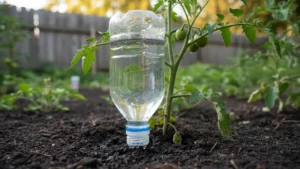
If you enjoy giving everyday objects a second life, these repurposed household items can inspire more budget-friendly ideas.
How to set up your seasonal plant decor in one weekend
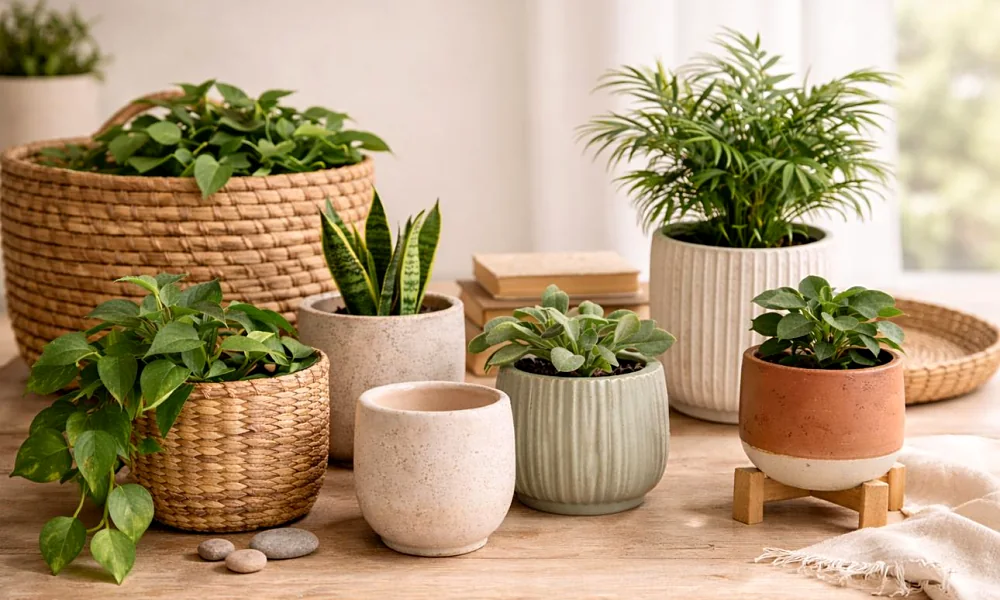
You can build the basic system without turning it into a major project. Start with the plants and decorations you already own, then add only what is missing.
Step 1: Choose your anchor plants. Pick three to five plants that suit the light and space in your home. Place them where they’ll remain throughout the year.
Step 2: Find matching cover pots. Measure the nursery pots and choose decorative covers that fit. Keep the plants in their original pots so seasonal changes don’t disturb their roots.
Step 3: Choose a few seasonal accents. Start with one flowering plant, a small bunch of cut stems, and two or three decorative pieces. You can always add more later.
Step 4: Create a storage box. Keep off-season ribbons, small decorations, and reusable accessories together. Label the box so you can find everything when the next seasonal change comes around.
Step 5: Set reminders. Add a reminder near the beginning of each season. If you enjoy smaller changes, schedule a quick refresh every six to eight weeks.
The point is to make seasonal decorating easy enough to repeat. Once your anchor plants and storage box are ready, changing the look of a room becomes a small task rather than a full redecoration.
Seasonal plant decor and pet safety
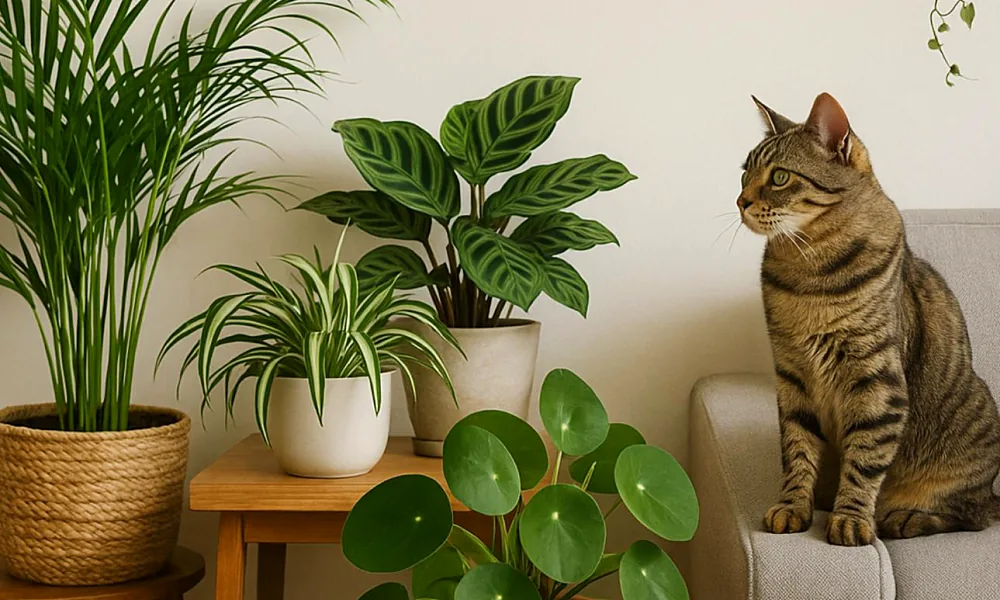
If you share your home with cats or dogs, check the safety of every seasonal plant before bringing it indoors. Some popular holiday flowers can be harmful to pets.
Lilies deserve particular attention in homes with cats. True lilies, including Easter lilies, can cause severe poisoning in cats, and even small exposures can be dangerous. Keep them out of homes with cats rather than relying on placing them on a high shelf.
For safer choices, start with plants listed in our cat-safe plants guide, and check the specific plant before buying it. If you suspect a pet has chewed or swallowed a potentially toxic plant, contact a veterinarian promptly.
Frequently asked questions
1. Which plants work well for every season?
Pothos, snake plants, and ZZ plants are useful year-round anchor plants for many homes. They provide lasting greenery while smaller flowering plants and decorations change with the seasons. Their care still depends on the light, temperature, and watering conditions in your space.
2. How can I decorate with plants without buying new ones?
Start by changing the containers and accessories around the plants you already own. Try different cover pots, baskets, ribbons, dried flowers, or seasonal branches. Moving a few existing plants into a new arrangement can also give a room a different feel.
3. How often should seasonal plant decor change?
Four main changes a year are a simple way to follow the seasons. If you enjoy decorating more often, you can make smaller updates every six to eight weeks. There’s no need to follow a strict schedule if your current arrangement still works.
4. What are good plants for winter home decor?
Cyclamen, paperwhites, amaryllis, poinsettias, and mini Norfolk pines are common winter display choices. Availability varies, and each plant has different light and watering needs. Keep them away from cold drafts and heating vents.
5. Can I use outdoor plants for indoor seasonal decor?
You can bring some outdoor plants or cut stems indoors temporarily, but check their condition first. Look for insects, soil pests, and signs of disease. Plants also need suitable indoor light and temperature conditions, so not every outdoor plant will remain healthy inside.
6. How do I decorate seasonally if I have pets?
Check the safety of every plant before bringing it home. Avoid true lilies in homes with cats because they are extremely dangerous to them. Choose pet-safer options, and remember that even non-toxic plants can cause stomach upset if pets chew large amounts.
7. How can I store seasonal plant decorations?
Use one labelled storage box for small accessories such as ribbons, artificial stems, and decorative pieces. Make sure natural materials are fully dry before storing them, and keep fragile items protected. This makes it easier to reuse decorations instead of buying replacements every season.
8. Do seasonal changes affect houseplant watering?
Yes. Light, temperature, and growth rate all influence how quickly a plant uses water. Many houseplants need less frequent watering during darker, cooler months, while warm summer conditions can dry the soil faster. Always check the soil rather than relying on a fixed watering calendar.
Final thoughts
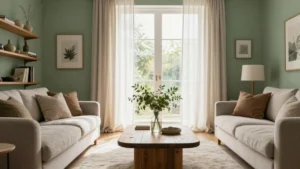
Seasonal plant decor works best when you keep it simple. Let a few dependable plants provide the greenery all year, then use flowers, cover pots, natural materials, and small accessories to bring each season into your home.
You don’t need to replace everything every few months. A handful of thoughtful changes can make your space feel fresh while keeping your plants comfortable and your decorating budget under control.