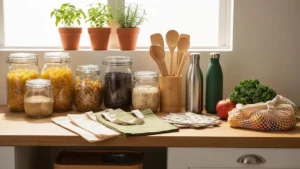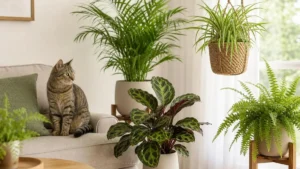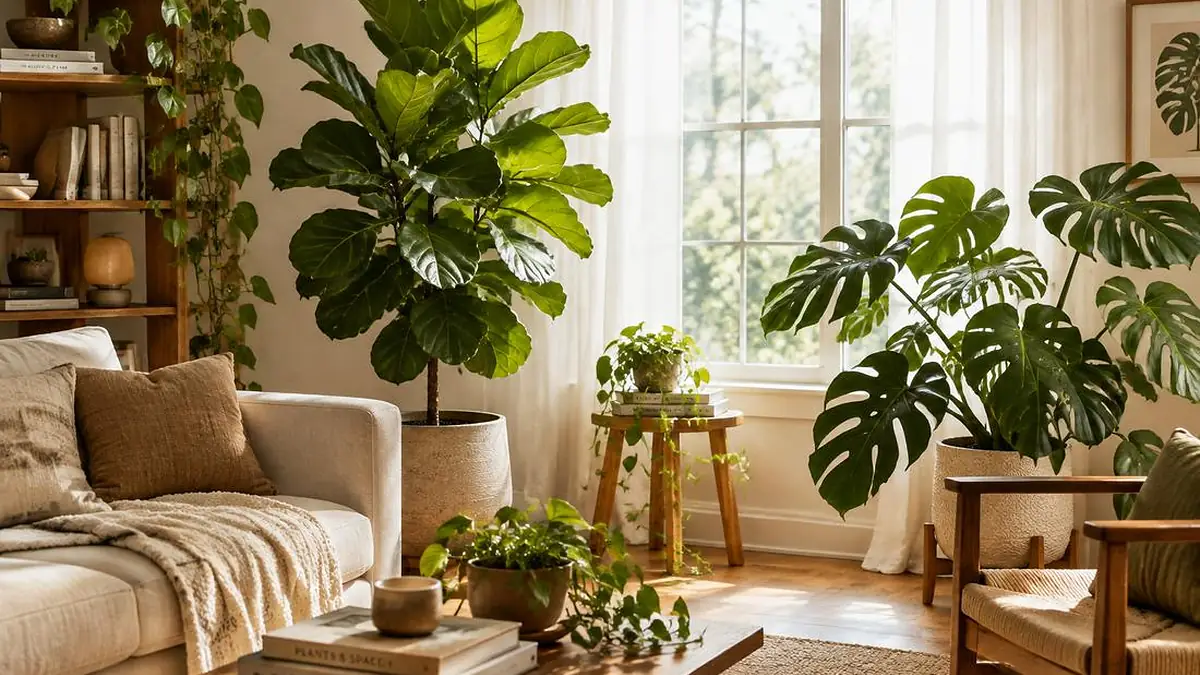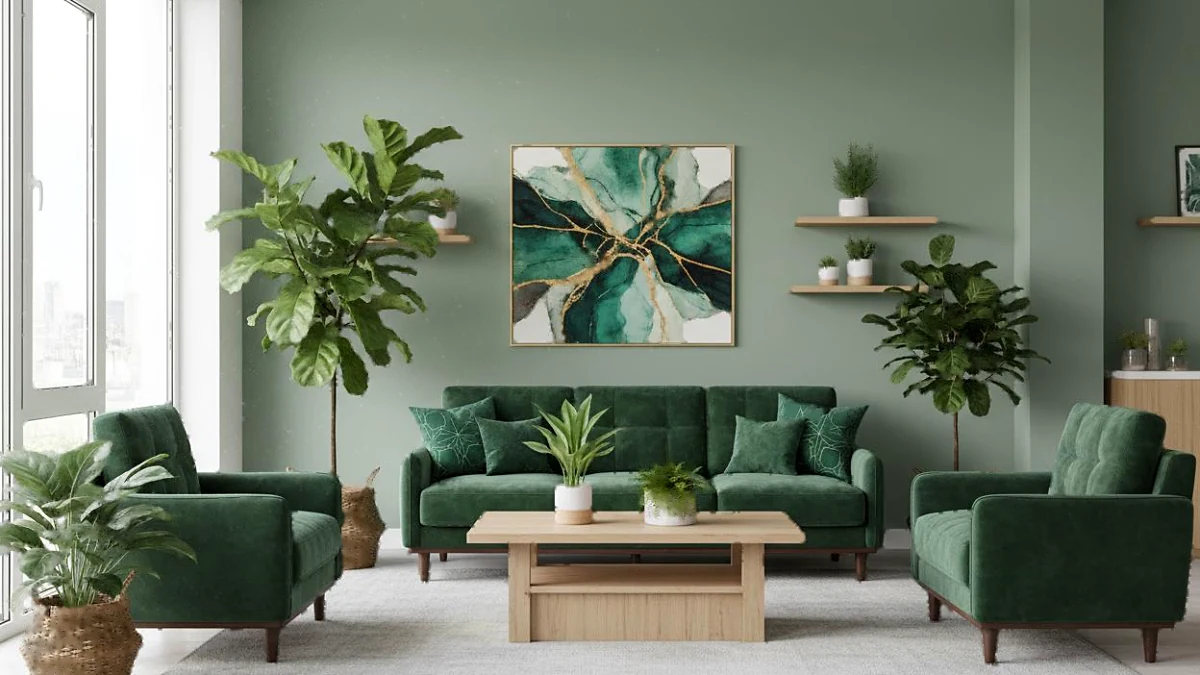
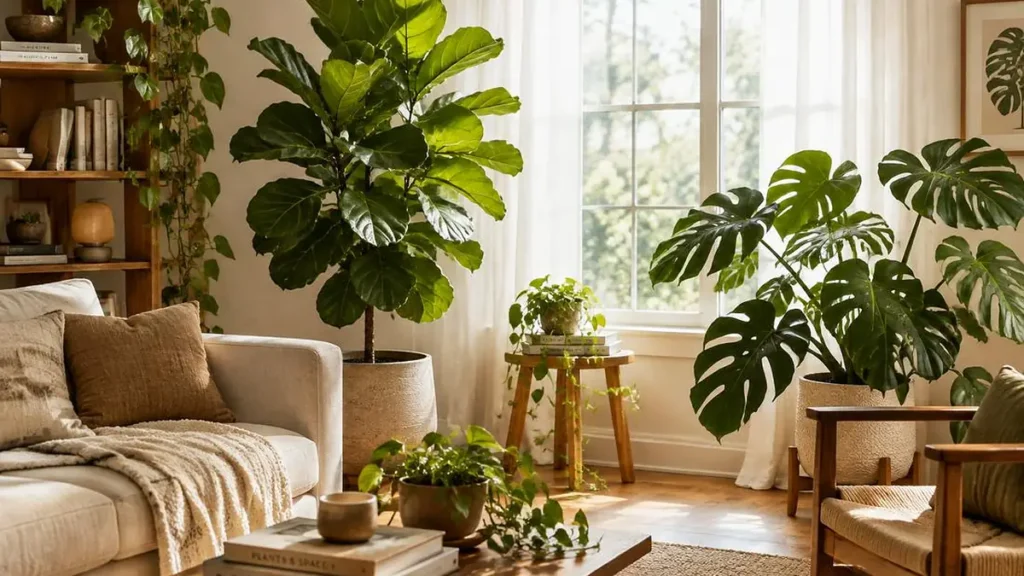
Botanical interior design brings the feeling of a garden indoors. It uses living plants, leaf patterns, natural materials, and earthy colors to make rooms feel fresh and welcoming.
You do not need a large home or an expensive makeover to create this look. A few healthy plants, natural fabrics, and simple green decorations can make a difference. The key is to choose items that suit your space, natural light, and daily routine.
Here is how to create a botanical interior in any home, from a small apartment to a larger family house.
What Is Botanical Interior Design?
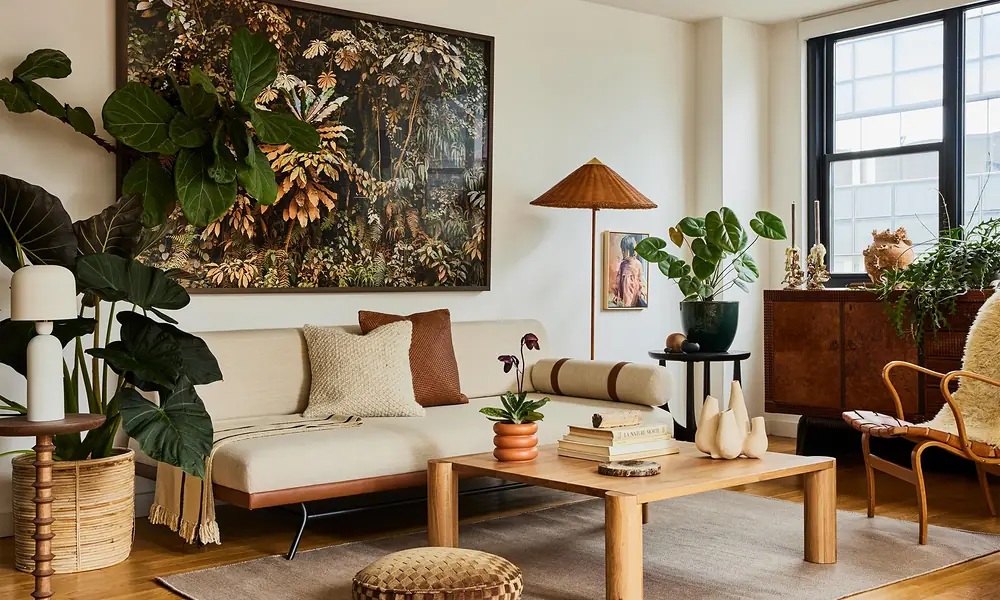
Botanical interior design is a decorating style that uses plants, leaf patterns, and natural materials to bring nature into indoor spaces. It often includes green colors, wooden furniture, woven textures, and plant-inspired artwork. For more inspiration, explore these green home decor ideas to create a fresh, nature-inspired atmosphere throughout your home.
The goal is to make a room feel connected to nature without making it look crowded.
Botanical design is related to another style called biophilic design, but they are not exactly the same. Biophilic design is a broader approach that connects buildings with nature through natural light, outdoor views, fresh air, and natural materials. Botanical interior design focuses more on the visible look of plants, leaves, and natural details.
There are several ways to use this style:
- Modern botanical: Simple furniture, clean lines, green plants, and natural decorations.
- Jungle or jungalow style: Many plants, bold leaf prints, colorful details, and a relaxed mix of furniture.
- Refined botanical: Deep green shades, fewer plants, natural wood, and small metal accents.
You can choose one style or mix elements from each.
The Five Main Elements of Botanical Interior Design
A well-designed botanical room usually brings together five elements. You do not need to use all of them in equal amounts. Start with what works for your home.
1. Layered Indoor Plants
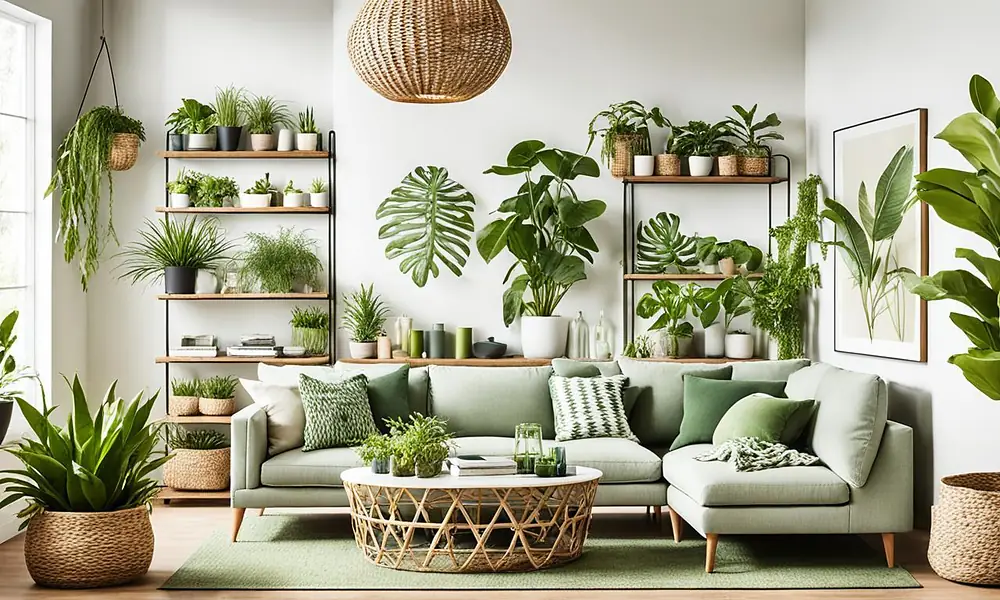
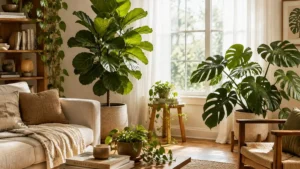
Plants are the main feature of botanical interior design. Instead of placing all your plants in one corner, spread them around the room at different heights.
Try this simple arrangement:
- One large floor plant to add height.
- A few medium-sized plants on tables or shelves.
- One trailing plant on a high shelf.
- Small plants on windowsills where they get suitable light.
This arrangement gives the room more depth and makes the greenery feel natural.
Choose plants based on the light in your home. A plant that needs direct sunlight may struggle in a dark corner, even if it looks perfect there.
2. Botanical Patterns and Prints
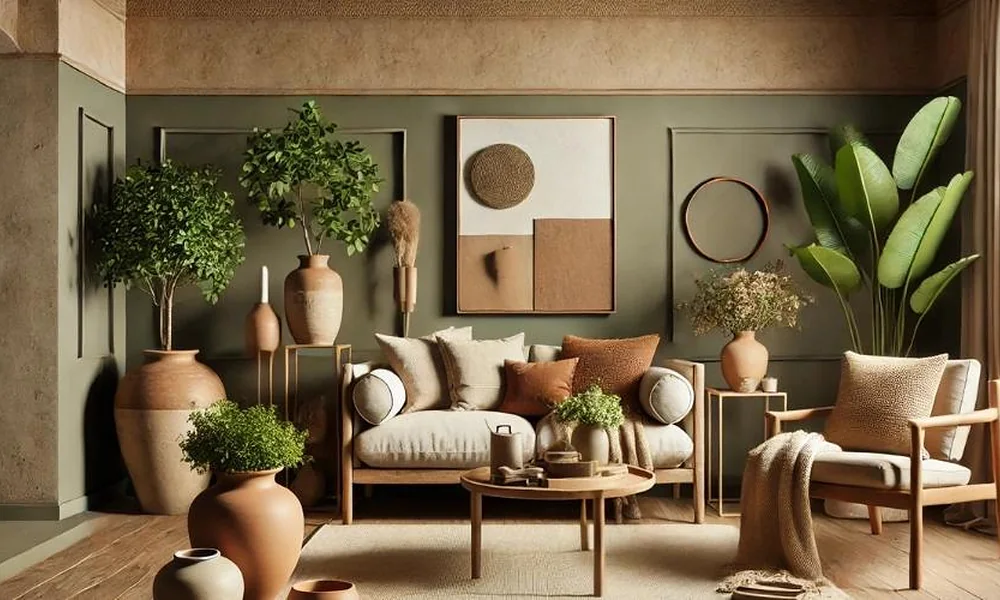
You can bring nature into a room even if you do not have many living plants.
Leaf-print cushions, floral curtains, botanical wallpaper, and framed plant illustrations all work well. You can also use artwork showing ferns, palm leaves, flowers, or tree branches.
Keep the patterns balanced. For example, use one leafy cushion design with plain linen curtains. If you choose botanical wallpaper for one wall, keep the remaining walls and furniture simple.
3. Natural Materials and Textures
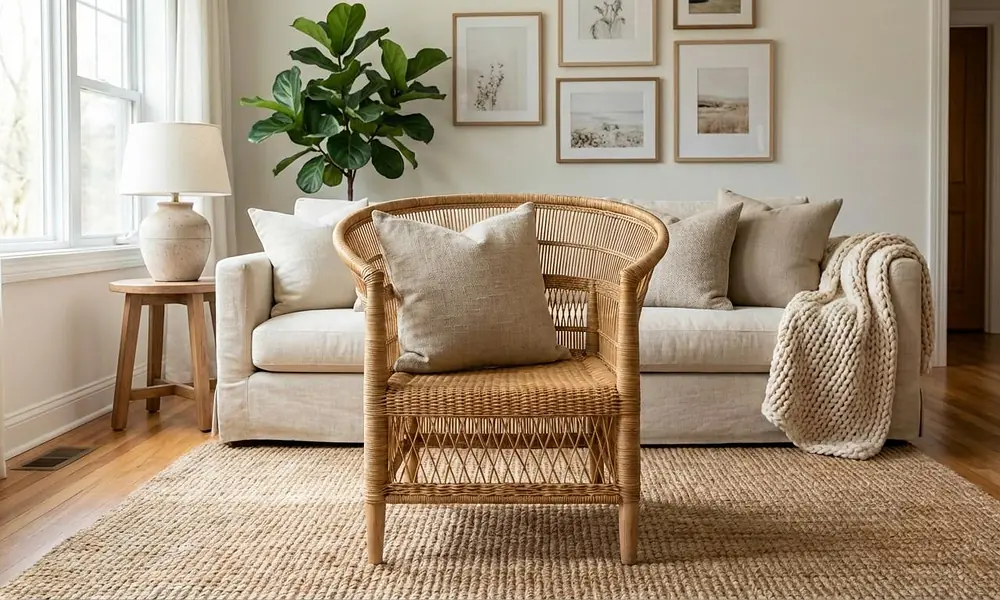
Natural materials make botanical rooms feel warm and comfortable. They also stop the green colors from looking flat.
Consider adding:
- Rattan and cane: Chairs, baskets, and light furniture.
- Wood: Tables, shelves, cabinets, and frames.
- Jute: Rugs and storage baskets.
- Linen and cotton: Curtains, cushions, and bedding.
- Wicker: Decorative baskets and plant covers.
You do not need to buy everything at once. One wooden table or a woven basket can add enough texture to change the feel of a room.
4. An Earthy Color Palette
Green is the main color in botanical interiors, but it works best when supported by other natural shades.
A simple palette includes:
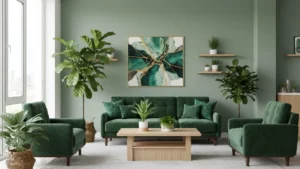
- Sage or olive green for a soft natural look.
- Cream or warm white for balance.
- Brown and natural wood for warmth.
- Terracotta for a little extra color.
- Black or brass for small details.
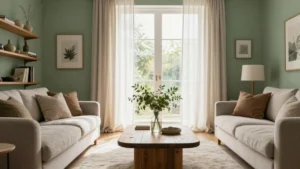
For example, sage walls, a cream sofa, a wooden coffee table, and terracotta plant pots create a balanced botanical living room.
If you prefer a darker style, use forest green with walnut furniture and black details.
5. Natural Light and Fresh Air
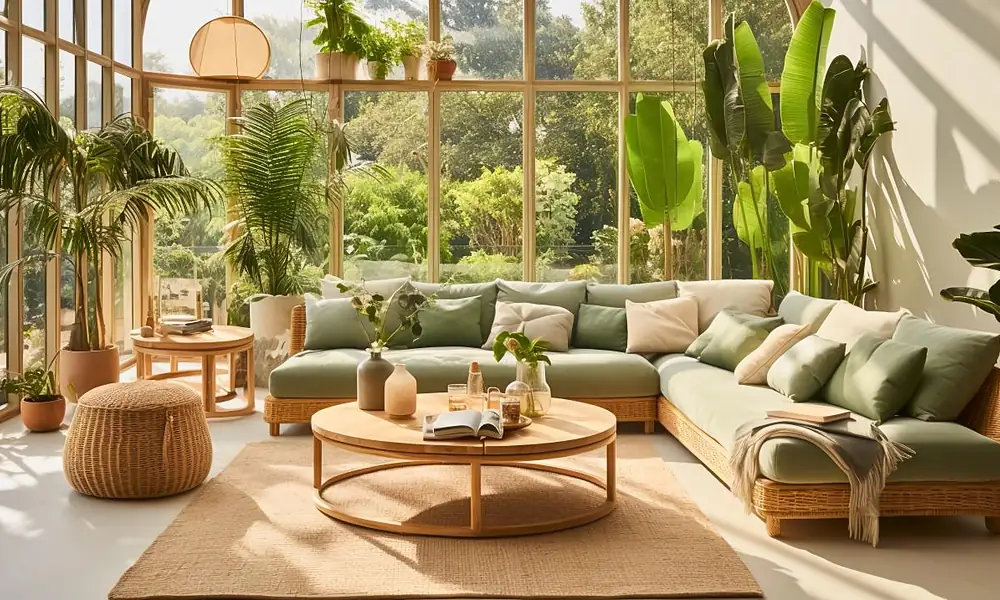
Good light helps plants grow and makes a room feel more open.
Place plants near windows according to their light needs. Some plants prefer bright indirect light, while others can handle lower-light areas. Avoid putting every plant directly in the sun.
Also, keep windows and walkways clear where possible. A room with plants should still feel easy to use and move around in.
Botanical Interior Design Ideas for Every Room
You can use botanical style throughout your home, but each room needs a slightly different approach.
Botanical Living Room
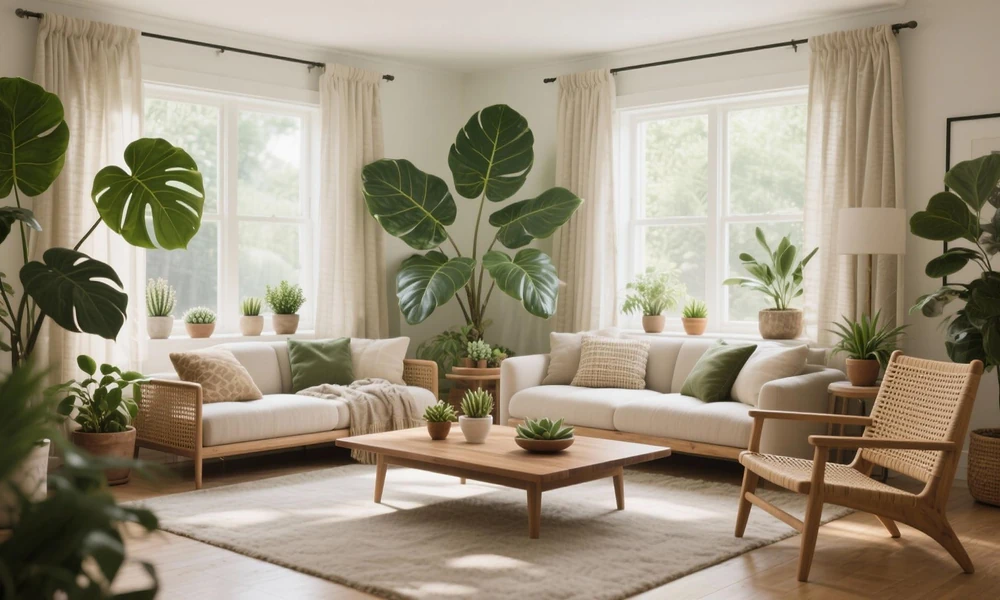
The living room is a good place to begin because it usually has enough space for a mix of plants and natural decorations.
Start with one large plant, such as a monstera, in a suitable corner. Add a rattan or cane chair, a jute rug, and a few leaf-print cushions.
Keep the main furniture simple. Cream, beige, and light wood help balance the green plants and patterns.
If you have limited space, use shelves for smaller plants instead of filling the floor with pots.
Botanical Bedroom
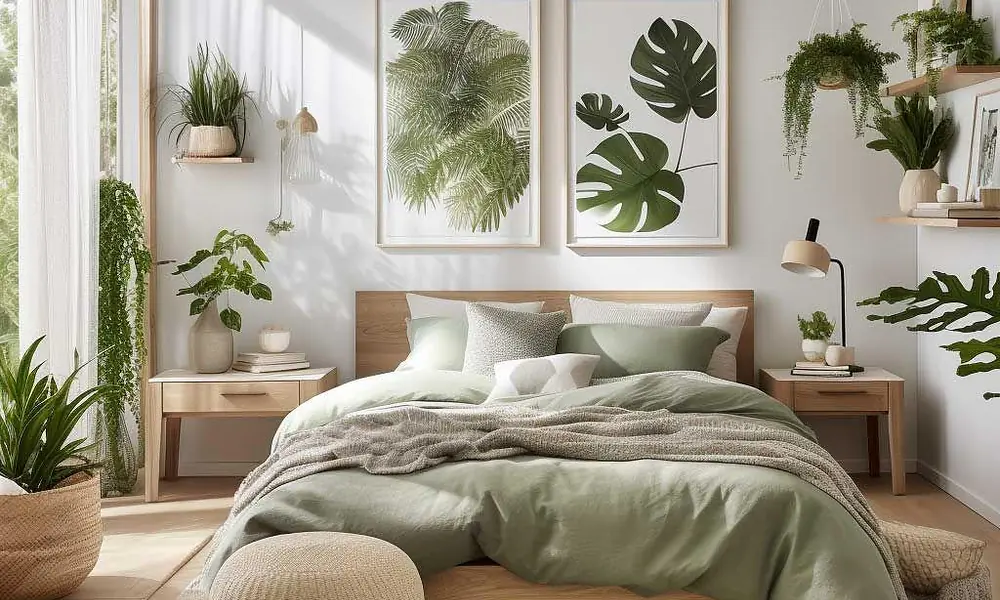
A botanical bedroom should feel calm rather than crowded.
Use sage or olive green in your bedding, curtains, or wall color. Add linen sheets, a wooden bedside table, and one or two plants that suit the room’s light.
Snake plants are one option to consider, but always check whether a plant suits your bedroom conditions and care routine.
If your bedroom does not get much natural light, choose plants that tolerate those conditions rather than buying plants that need strong sunlight.
Botanical Kitchen
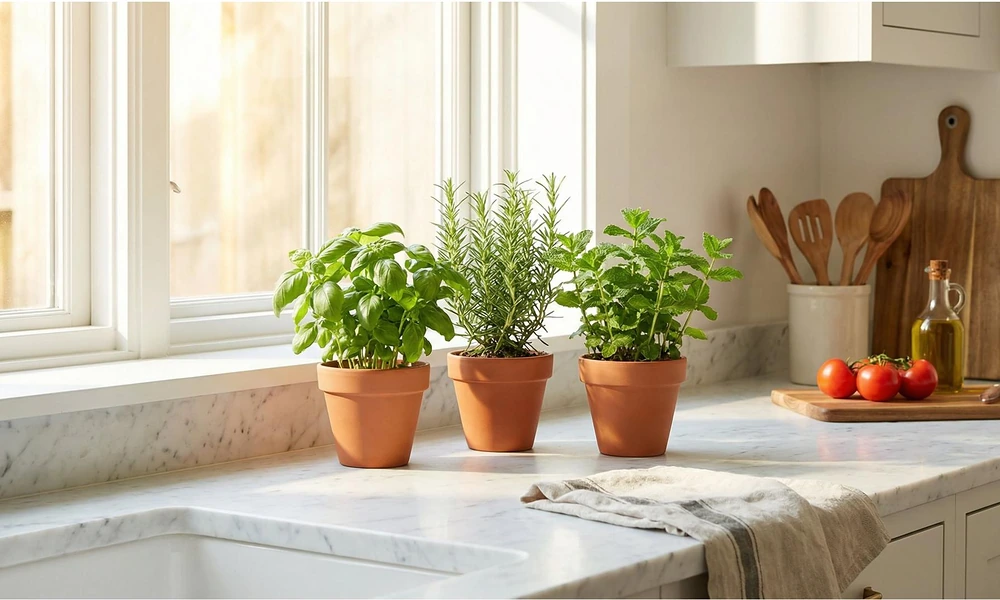
Kitchens are useful places for small plants, especially herbs.
Place suitable herbs on a sunny windowsill or use small pots on an open shelf. Basil, mint, and rosemary are common choices when the kitchen provides enough light.
You can also add wooden shelves, terracotta pots, and a small botanical print. Keep worktops clear so the decorations do not get in the way of cooking.
Botanical Bathroom
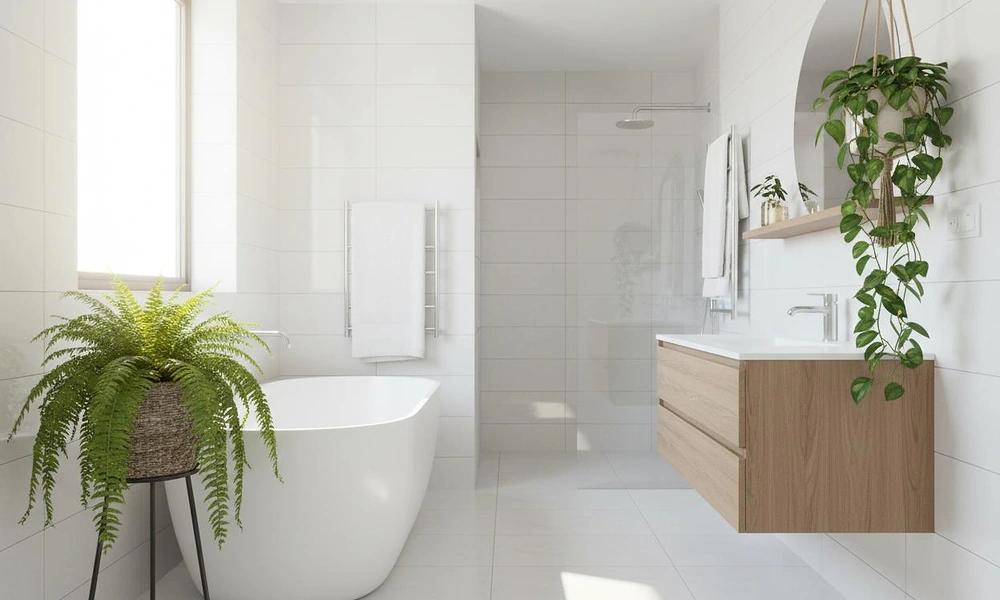
Bathrooms can work well for plants that tolerate humidity, provided they also receive enough light.
Ferns and pothos are options to consider, depending on the room’s conditions. Place them on shelves or near a window where they will not block useful space.
Add natural details such as a wooden stool, woven storage basket, or simple green towels.
A bathroom without a window may not provide enough natural light for most living plants. In that case, use botanical artwork or artificial greenery instead.
How to Create a Botanical Interior on Any Budget
You do not need to spend a lot of money to get this look. Start with a few basic items and add more when needed.
Low-Budget Botanical Style
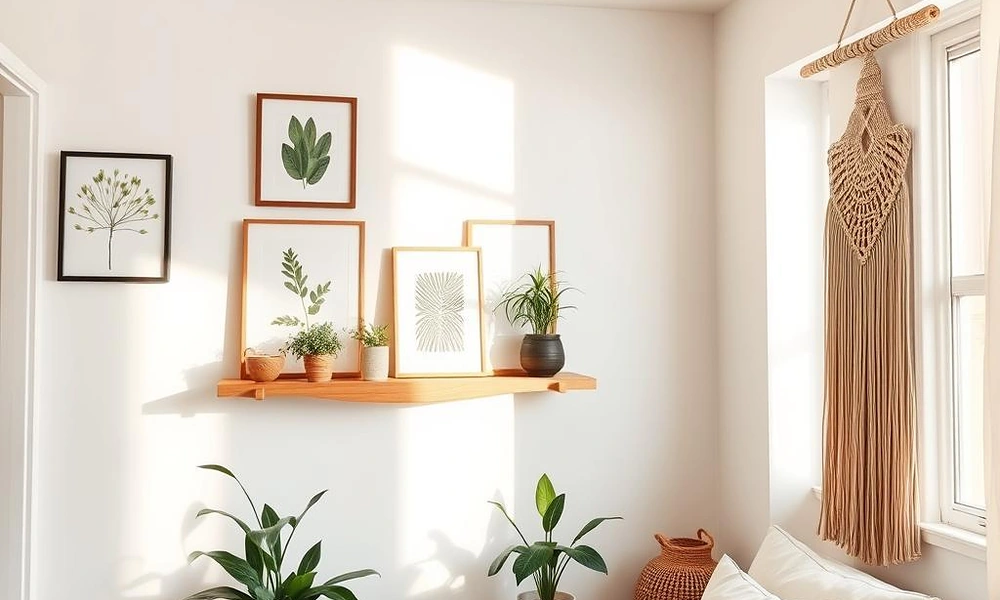
If you want to keep costs low, focus on small changes:
- Buy two or three easy-care plants.
- Use cushions with leaf patterns.
- Print botanical artwork and place it in simple frames.
- Reuse jars or suitable containers as decorative plant holders.
- Take cuttings from plants that can be propagated.
Pothos and some philodendrons can grow from suitable stem cuttings. Place a healthy cutting in water and wait for roots to develop before moving it into soil.
Mid-Range Botanical Style
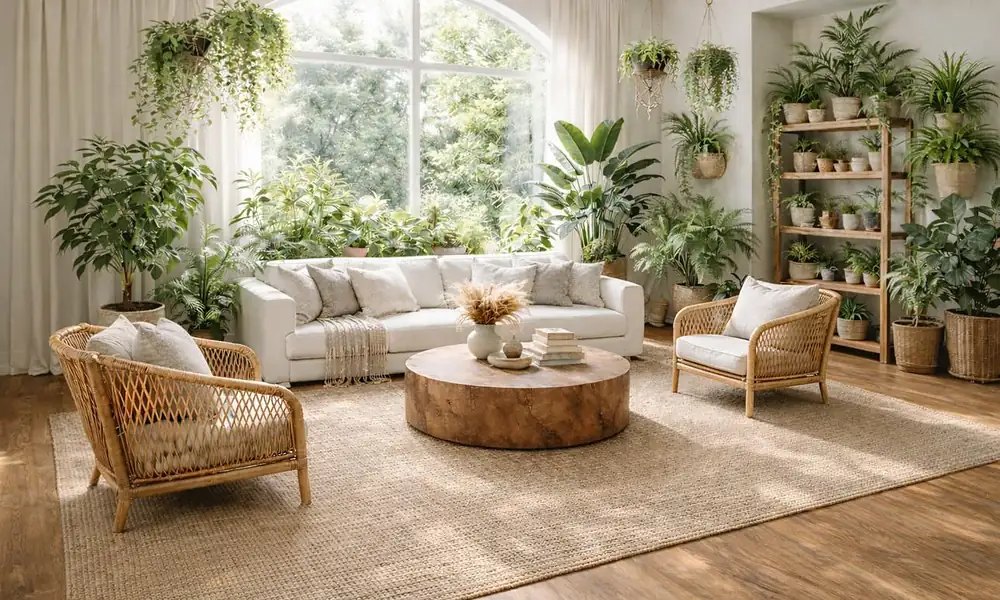
If you have more room in your budget, add a few larger pieces.
A rattan chair, jute rug, wooden shelving, or a larger indoor plant can make the style more noticeable. You could also use botanical wallpaper on one wall instead of decorating every surface.
Choose pieces that can work with your existing furniture. This helps you avoid replacing things that are still useful.
Higher-Budget Botanical Style
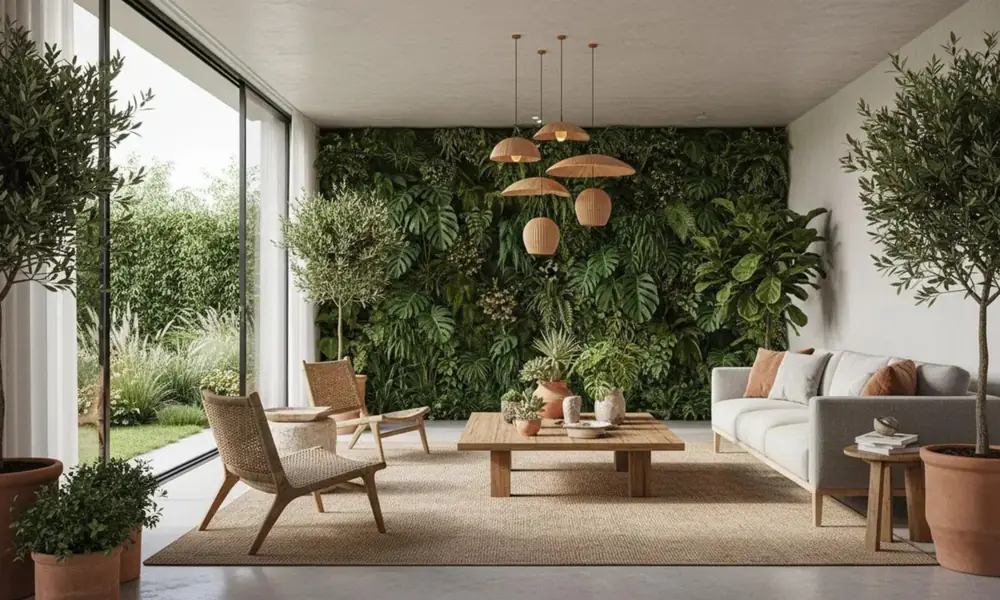
A larger budget gives you more options, such as:
- Large indoor trees or statement plants.
- Custom wooden or rattan furniture.
- Decorative planters in different sizes.
- A professionally installed living wall.
- Botanical wallpaper across a larger area.
A living wall needs proper planning, light, watering, and maintenance. It is worth checking the care requirements before installing one.
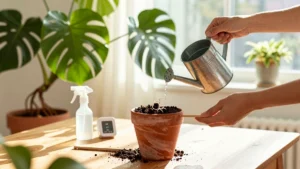
Basic Plant Care for a Botanical Home
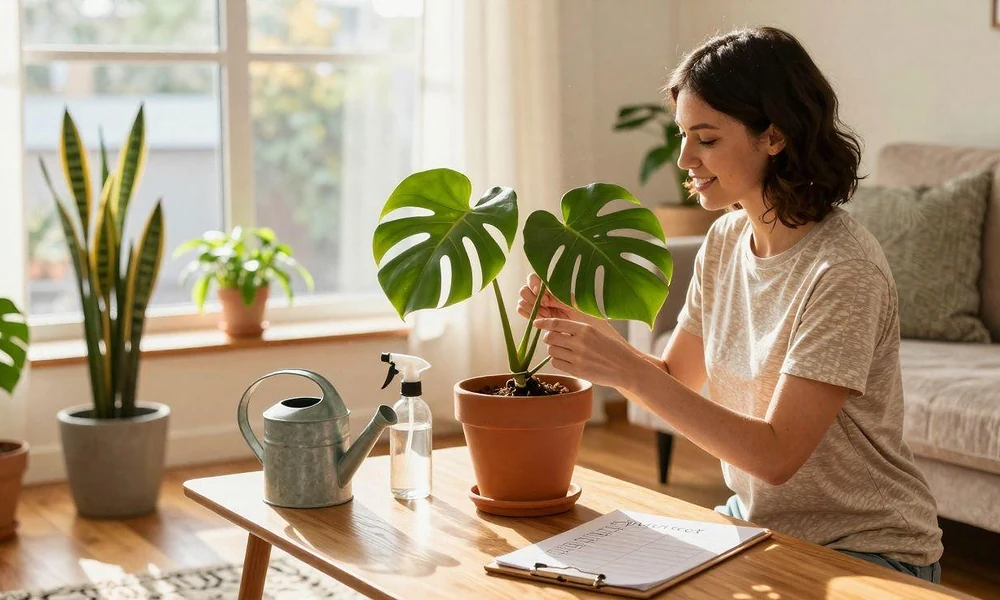
A botanical room only looks good when its plants stay healthy. Before buying a plant, check how much light it needs and whether your home can provide it.
Follow these simple care tips:
- Check the light: Match each plant to the light available in its location.
- Check the soil before watering: Touch the soil rather than watering automatically every day.
- Use suitable pots: Make sure the growing pot has drainage holes.
- Avoid standing water: Empty excess water from the cover pot or tray.
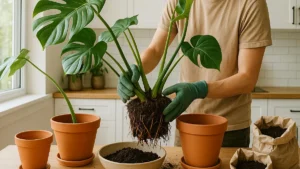
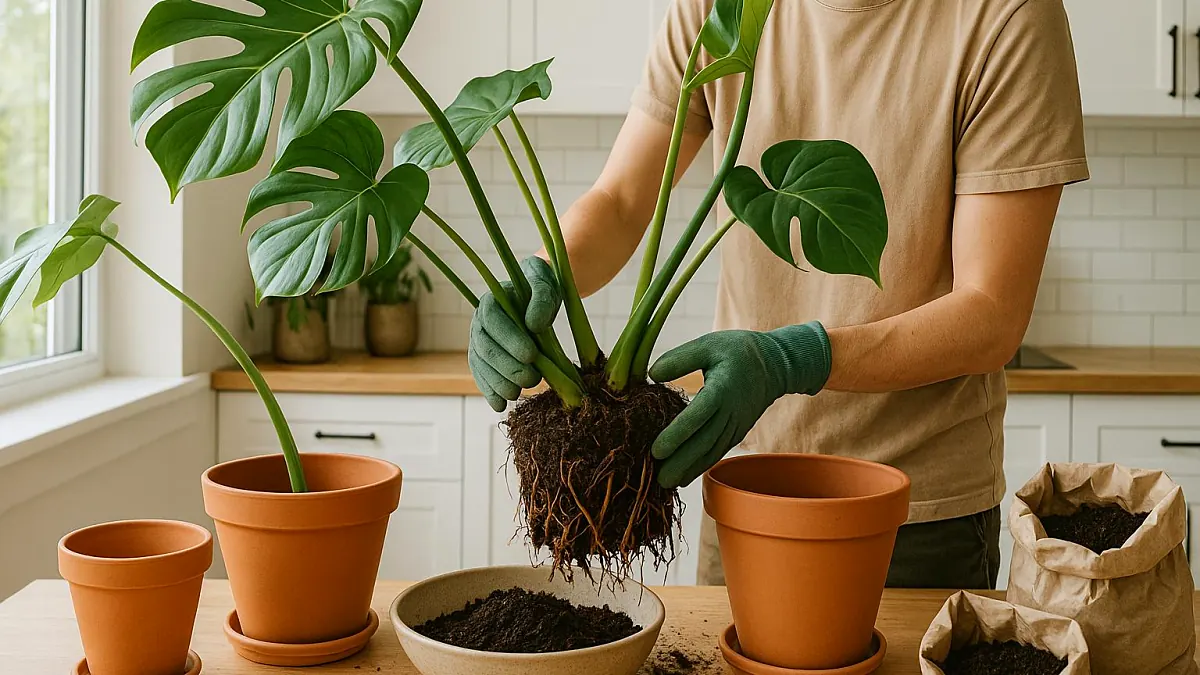
- Repot when needed: If roots become crowded, move the plant into a slightly larger pot when appropriate.
- Remove damaged leaves: Trim dead or unhealthy leaves with clean tools.
A decorative pot does not always need a drainage hole if it is used as a cover pot. Keep the plant in a separate growing pot that you can remove for watering.
The amount of care depends on the plant. Choose easy-care varieties if you have a busy routine or are new to indoor gardening.
Plants can also make a room feel more pleasant. A study by researchers at the University of Exeter and Cardiff University found that adding plants to previously lean office spaces was associated with about a 15% increase in reported productivity. However, this was an office study, so the result should not be treated as a guaranteed effect in every home.
Botanical Interior Design Mistakes to Avoid
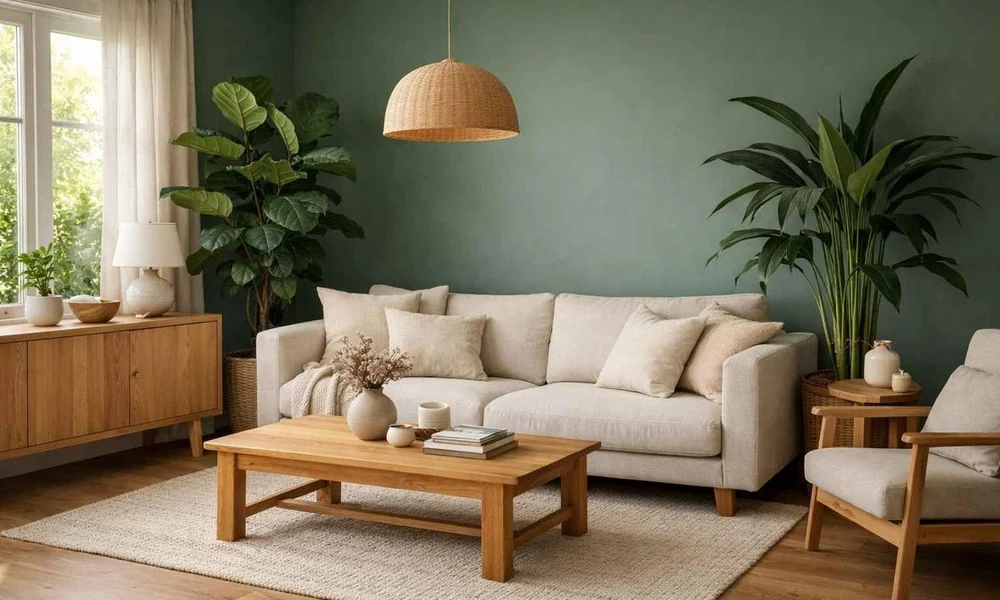
A few common mistakes can make a botanical room look messy or make plant care harder.
Filling Every Corner With Plants
Too many plants can make a room feel crowded. Leave enough open space for movement and give each plant room to grow.
Ignoring Natural Light
Do not choose plants only because they look attractive. Check their light needs before deciding where to place them.
Using Too Many Leaf Patterns
Several bold patterns can compete with each other. Try one main leaf print and use plain fabrics or smaller patterns around it.
Choosing Decorative Pots Without Drainage
Water can collect inside a closed pot and damage plant roots. Use an inner pot with drainage holes and remove extra water after watering.
Using Too Much Artificial Greenery
Artificial plants can work in dark spaces, but covering every shelf with plastic vines may make the room look cluttered. Use them sparingly and keep them clean.
Frequently Asked Questions
What is the difference between botanical and biophilic design?
Botanical design focuses on plants, leaf patterns, green colors, and natural decorations. Biophilic design is broader and includes natural light, outdoor views, airflow, and other ways to connect buildings with nature.
What plants are best for botanical interior design?
Monstera, pothos, snake plants, and ferns are popular indoor choices. The best option depends on the light, humidity, and care conditions in your home.
Can I create a botanical interior in a small apartment?
Yes. Use a few plants at different heights, leaf-print cushions, natural fabrics, and simple wooden details. Shelves can help you display plants without using too much floor space.
How do I create botanical decor without living plants?
Use framed botanical prints, leaf-patterned cushions, nature-inspired wallpaper, woven baskets, and natural wood. Artificial plants can also work in areas without suitable light.
Is botanical interior design expensive?
No. You can start with a few affordable plants, cushions, and framed prints. Add larger furniture and decorative pieces over time if your budget allows.
Final Thoughts
Botanical interior design is a simple way to bring natural colors, plants, and textures into your home. You can create the look with a few indoor plants, leafy patterns, wooden furniture, and earthy shades.
Start with one room and choose plants that suit its light and your daily routine. Add natural materials and decorations slowly, keeping enough open space so the room stays comfortable.
The best botanical home is not the one with the most plants. It is the one where the plants, colors, and materials work well together.
Disclaimer: Plant care needs vary by species and home conditions. Check care instructions before buying plants, and confirm plant safety if children or pets share your home.