If you have ever stared at a tired bouquet and wondered, do flowers reduce stress, the honest answer is yes, and the science is surprisingly solid. I noticed it myself the week I started keeping a $5 grocery-store bunch on my kitchen windowsill. My mornings felt softer somehow.
I am a plant parent, not a lab scientist. Still, the change was real enough that I went digging. Turns out researchers at Harvard, Rutgers, and several universities have been studying this exact question for years.
This guide walks through what the research shows. We will cover how blooms calm your nervous system, which flowers work best, and how to set up your own little stress-relief habit at home. I will share what worked in my own space too.
Key Takeaways
- Do flowers reduce stress? Yes. Studies link fresh flowers to lower cortisol, calmer moods, and more positive emotions.
- Flowers work through three channels at once: sight, scent, and the simple act of caring for something living.
- Roses, lavender, jasmine, chamomile, and peace lily blooms are among the most calming picks for a home.
- A small vase on your nightstand or kitchen counter can shift your morning mood more than you expect.
- Watch out for pet safety. Lilies, tulips, and daffodils are toxic to cats and dogs.
Core Concepts: What You Need to Know
Do flowers actually lower stress, or does it just feel nice?
Both. Flowers create a genuine physical calming response while also lifting your mood, and the two effects feed each other.
Here is the deeper part. Stress in your body runs on a hormone called cortisol. When cortisol stays high for too long, you feel wired, tired, and on edge. Anything that helps cortisol settle helps you feel calmer.
Fresh flowers seem to nudge that system in a good direction. Researchers think this happens because of something called the biophilia idea. The short version is that humans feel safe and at ease around living, growing things. We are wired for it.
So when you ask do flowers reduce stress, you are really asking whether a few blooms can flip your body out of high alert. The evidence says they can, at least a little, and a little adds up over time.
How Flowers Calm You: The Three Pathways
How do flowers reduce stress on a daily basis?
Flowers calm you through three pathways working together: what you see, what you smell, and the gentle care you give them.
1. Sight
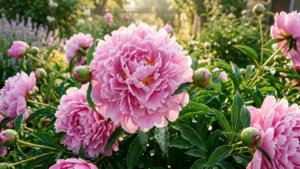
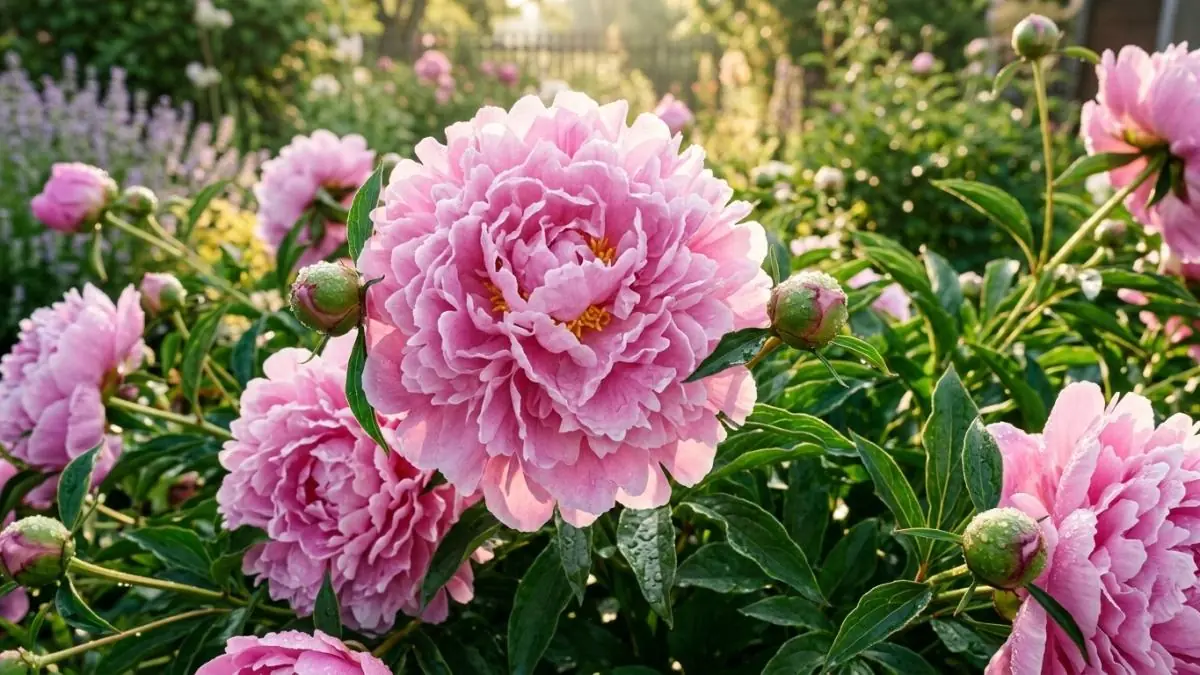
Color and natural shapes are restful for the brain. A Japanese study on roses found that simply looking at fresh blooms for a few minutes lowered sympathetic nervous system activity, the part that drives your fight-or-flight mode. People in the study reported feeling more relaxed and comfortable.
Soft petals, layered shapes, and gentle colors give your eyes a place to land. That tiny pause matters on a hard day.
2. Scent
Smell is the fastest route to your emotions. Lavender is the famous example. Its main compound, linalool, has been studied for easing anxiety and helping sleep. Jasmine and chamomile scents show calming effects too. I keep a small lavender stem by my desk. One slow sniff midafternoon, and my shoulders drop a notch.
3. Care
This one surprised me. The act of trimming stems, changing water, and arranging blooms is a small mindful ritual. Your hands stay busy, your mind quiets, and your focus narrows to one simple task. That is a form of moving meditation, and it is part of why caring for plants feels so grounding.
What the Research Says: Key Findings and Benchmarks
Is there real proof that flowers reduce stress?
Yes. Several university studies show measurable mood and stress improvements when people live with flowers.
- Harvard / Massachusetts General Hospital (Nancy Etcoff): A study on flowers at home found people felt less anxious and worried, and reported more energy and compassion. Morning mood improved most when flowers sat in the kitchen or a busy room.
- Rutgers University (Jeannette Haviland-Jones): Researchers found that receiving flowers triggered genuine, full smiles and lifted mood for days. Participants reported feeling less depressed and more satisfied with life.
- Kansas State University: Hospital patients with plants in their rooms used less pain medication and reported lower anxiety and fatigue than patients without greenery.
- Texas A&M University: Flowers and plants in workspaces were linked to more creative thinking and lower workplace stress.
These are different teams, different setups, and the same direction of results. That consistency is what makes the answer to do flowers reduce stress trustworthy rather than wishful.
A quick care benchmark while we are here. Cut flowers last longest with clean water changed every two days, stems trimmed at an angle, and a spot away from direct heat or sun.
The Peeacelily Bloom-Calm Framework
I built this simple model after months of trial and error. It answers the real question most people have, which is not just do flowers reduce stress but how do I actually use them to feel calmer. I call it the S.O.F.T. Method.
S: See it daily. Place flowers where your eyes naturally land. Nightstand, kitchen counter, desk, or bathroom. Out of sight means out of benefit.
O: One sense to anchor. Pick your strongest calming sense. If scent relaxes you, choose fragrant blooms like lavender or jasmine. If color soothes you, lean into soft blues, whites, and pinks.
F: Five-minute ritual. Spend five quiet minutes a few times a week trimming, watering, or rearranging. Phone down. This is the mindful part, and it does most of the heavy lifting.
T: Track your mood. Jot one word about how you feel before and after your flower ritual for two weeks. Seeing the pattern makes the habit stick.
Run the S.O.F.T. Method for two weeks and you will have your own personal answer to whether flowers calm you down.
Best Flowers for Stress Relief
Not every bloom does the same job. Here is how my favorites stack up.
| Flower | Calming Strength | Scent | Pet Safe? | Best For |
|---|---|---|---|---|
| Lavender | High | Strong, herbal | Yes | Sleep, anxiety, desk calm |
| Rose | High | Soft, sweet | Yes | Visual calm, gifting |
| Jasmine | High | Strong, sweet | Yes | Evening wind-down |
| Chamomile | Medium-High | Light, apple-like | Yes | Tea ritual, gentle calm |
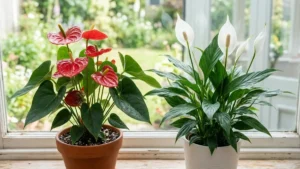
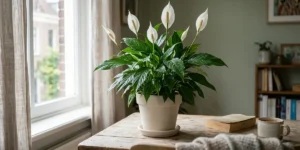
| Peace Lily (blooms) | Medium | Very light | No (toxic) | Air-friendly decor |
| Gerbera Daisy | Medium | Mild | Yes | Mood lift, bright color |
| Tulip | Medium | Mild | No (toxic) | Spring color (keep from pets) |
Roses and lavender are my two go-to picks. They smell lovely, they last, and they are safe around cats and dogs.
Step-by-Step: Build Your Stress-Relief Flower Routine
You do not need a big budget or a green thumb to start. Here is the routine I use.
- Pick your spot. Choose one place you see every morning. Mine is the kitchen counter by the kettle.
- Choose calming blooms. Start with a small bunch of roses or lavender. Grocery store flowers work fine.
- Prep the stems. Trim each stem at a 45-degree angle under running water. This helps them drink and last longer.
- Use clean, cool water. Add the flower food packet if you have one. A pinch of sugar works in a pinch.
- Place and admire. Set the vase in your chosen spot. Take three slow breaths while you look at it.
- Refresh every two days. Change the water, retrim stems, and remove any droopy blooms.
- Notice how you feel. This is the whole point. Pause and check in.
That seventh step is where the magic lives. The flowers help, but noticing the calm is what trains your brain to lean into it.
Where Flowers Help Most
- Bedroom. A small vase of lavender on the nightstand supports a calmer wind-down. The light scent helps signal sleep.
- Home office. A bright bloom on your desk breaks up screen fatigue and gives your eyes a soft place to rest. Texas A&M research links desk flowers to lower work stress.
- Kitchen. The Harvard study found morning mood improved most with flowers in busy rooms. The kitchen is perfect since you pass it so often.
- Bathroom. Steam plus a humidity-loving bloom makes a tiny spa moment. It turns a rushed routine into a small reset.
- For beginners. Cut flowers ask very little. They are the easiest entry point if keeping a whole plant alive feels like too much right now.
Benefits of Living With Flowers
- Lower felt stress and a calmer nervous system.
- Better mood, often within minutes of contact.
- A built-in mindful ritual that pulls you off your phone.
- More positive social feelings, including kindness and connection.
- A small, affordable form of self-care you can repeat each week.
The beauty here is the low cost of entry. A single bunch under five dollars can shift the whole feel of a room.
Limitations and What to Watch For
Flowers help, but they are not a cure. Let us keep this honest. If you live with ongoing anxiety or depression, blooms are a lovely support, not a treatment. Please talk to a doctor or therapist for real care. Flowers belong alongside that help, not in place of it.
A few practical cautions:
- Pollen and allergies. Heavy pollen flowers like some lilies can trigger sniffles. Choose low-pollen picks like roses if you are sensitive.
- Strong scent overload. Too many fragrant stems in a small room can feel heavy and cause headaches. Less is often more.
- Cost over time. Fresh bouquets add up. Potted blooms or a peace lily can be a budget-friendly long-term option.
For more on long-living indoor blooms, our guide on indoor flowering varieties pairs well with this one.
Pet Safety Note
Some popular flowers are dangerous for pets. Lilies are extremely toxic to cats, even a small amount or the pollen. Tulips, daffodils, hyacinth, and chrysanthemums can also harm cats and dogs.
Safe choices include roses, sunflowers, snapdragons, gerbera daisies, and orchids. When in doubt, check the ASPCA toxic plant list before bringing a bouquet into a home with curious paws. Asking do flowers reduce stress should never end with a vet emergency. A quick safety check keeps the calm intact.
Common Mistakes
- Hiding the flowers. A bouquet on a back shelf does nothing. Put it where you actually look.
- Skipping water changes. Cloudy water shortens vase life fast and can smell unpleasant.
- Choosing scent you dislike. Calm is personal. If a smell bugs you, it will not relax you.
- Going too big. A giant arrangement is not the goal. A few well-placed stems beat one huge centerpiece.
- Ignoring pets. This is the costly one. Always check toxicity first.
Best Practices
Keep it small and steady. One little vase you tend often beats a grand bouquet you forget. Match the bloom to your favorite calming sense. Build a short ritual you can repeat without effort. Buy in-season flowers when you can. They cost less, last longer, and tend to look healthier. Pair fresh blooms with a living plant or two for a layered, green, calm space.
And give it real time. Two weeks of small daily contact tells you far more than a single bouquet ever could.
Expert Tips
- Cut stems underwater. It stops air bubbles from blocking water uptake, so blooms last longer.
- Keep flowers cool. Heat and direct sun speed up wilting. A cooler spot doubles vase life for many flowers.
- Add a splash of citrus soda. The sugar feeds blooms and the acid keeps water cleaner. A homemade flower food.
- Use scent at night. Save your most fragrant blooms for the bedroom to support sleep.
- Rotate your blooms. New colors and shapes keep the calming effect feeling fresh rather than wallpaper.
Seasonal Considerations
The calming power of flowers shifts a little with the seasons, and that is part of the fun.
- Spring. Tulips, daffodils, and hyacinths flood the market. Bright and cheap. Keep the toxic ones away from pets.
- Summer. Roses, sunflowers, and zinnias peak now. Heat shortens vase life, so change water daily and keep blooms out of hot windows. This is also the season to enjoy garden cuttings indoors.
- Fall. Chrysanthemums and dahlias bring warm, grounding tones. The cozy palette suits the slower, calmer mood of the season.
- Winter. Fresh flowers feel extra precious when everything outside is bare. A single rose or a flowering peace lily can lift dark afternoons. This is when do flowers reduce stress gets its strongest yes, since indoor color matters most when daylight is short.
Trends and Future Outlook (2026 to 2028)
Flower-based wellness is growing fast, and a few shifts stand out.
Expect more subscription flower boxes marketed around mood and self-care rather than just looks. Brands are leaning into the calm angle hard.
Locally grown and seasonal blooms are rising as buyers care more about freshness and footprint. Slow flowers, the floral version of slow food, is gaining steam through 2028.
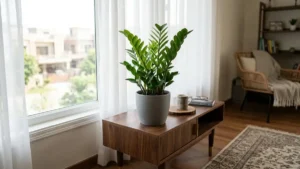
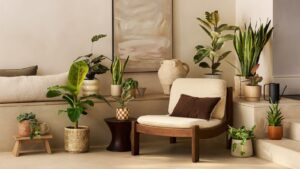
I also expect more flower-plus-plant pairings for home wellness corners, blending cut blooms with easy-care green plants like the peace lily. The goal is a small, restful nook rather than a single bouquet.
Last, watch for more honest, research-backed content as people get tired of fluff. The question do flowers reduce stress is moving from a soft marketing line to a topic backed by real university studies, and readers want that proof.
Conclusion
So, do flowers reduce stress? Yes, in real and measurable ways, and you do not need a science degree to feel it. Blooms calm your body through sight and scent, and they hand you a quiet little ritual that pulls you out of your own head.
Run the S.O.F.T. Method for two weeks and let your own mood be the proof. Flowers will not fix everything. They are a small, kind, affordable bit of self-care that makes hard days a touch softer. In my home, that little vase earns its keep every single morning.
Frequently Asked Questions
Do flowers really reduce stress and anxiety?
Yes. Studies from Harvard, Rutgers, and Kansas State link fresh flowers to lower anxiety and better mood. Flowers calm you through sight, scent, and gentle care. They work as steady daily support, not a medical treatment.
Which flowers are best for stress relief?
Lavender, roses, jasmine, and chamomile rank among the most calming. Lavender and jasmine bring soothing scent, while roses offer soft visual calm. All four are safe around cats and dogs, making them easy, worry-free picks.
How do flowers lower cortisol levels?
Flowers ease your fight-or-flight response, which helps lower cortisol, your main stress hormone. Research on roses showed reduced nervous system activity after just a few minutes of viewing fresh blooms, signaling a calmer body.
Where should I place flowers to feel calmer?
Place flowers where you look each day, like a nightstand, kitchen counter, or desk. A Harvard study found mood improved most with flowers in busy rooms such as the kitchen. Choose one visible spot and enjoy them.
Are flowers a real way to manage stress?
Flowers are a genuine, research-backed form of small self-care, but not a treatment for clinical anxiety or depression. Use them alongside good sleep, movement, and professional help. For everyday stress, a small vase gently lifts mood.