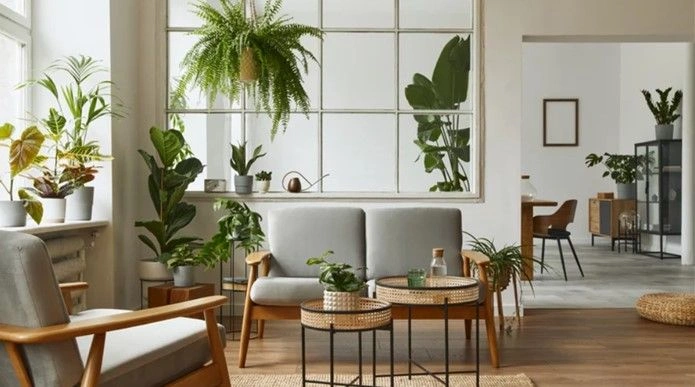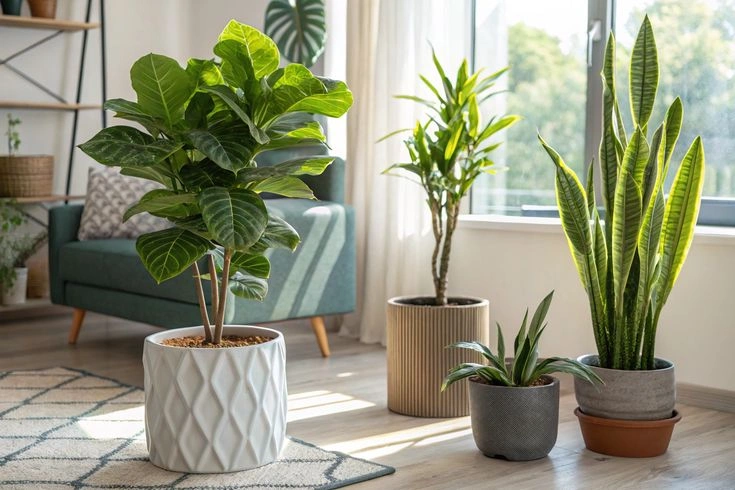

Key Takeaways
- A calming home supports emotional regulation by reducing everyday stress.
- Organized spaces help improve focus and create a sense of control.
- Natural light, soft colors, and comfortable furniture encourage relaxation.
- Daily routines strengthen the positive effects of a soothing environment.
- Every room can be adjusted to better support emotional well-being.
- Small improvements often create lasting results without major expense.
- A peaceful home benefits adults, children, and families alike.
Quick Answer
A calming home supports emotional regulation by reducing stress, limiting distractions, and creating an environment where the mind feels safe and comfortable. Features such as organized spaces, natural light, calming colors, comfortable furniture, quiet areas, and daily routines can help people manage emotions more effectively and improve overall well-being.
What Is Emotional Regulation?
Emotional regulation is the ability to understand, manage, and respond to emotions in healthy ways. It does not mean ignoring feelings or pretending everything is fine. Instead, it means recognizing emotions and choosing helpful ways to respond to them.
For example, after a stressful day at work or school, someone may feel frustrated or anxious. In a peaceful home, they are more likely to relax, reflect, and regain emotional balance. On the other hand, a chaotic environment filled with clutter and constant noise may make those feelings stronger.
People regulate emotions every day through habits such as taking deep breaths, talking with loved ones, exercising, or spending quiet time alone. The environment around them can either support these healthy habits or make them harder to maintain.
How Your Home Affects Your Emotions
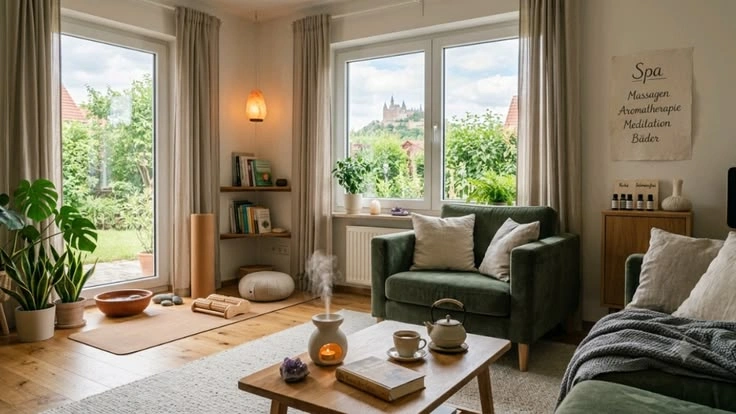
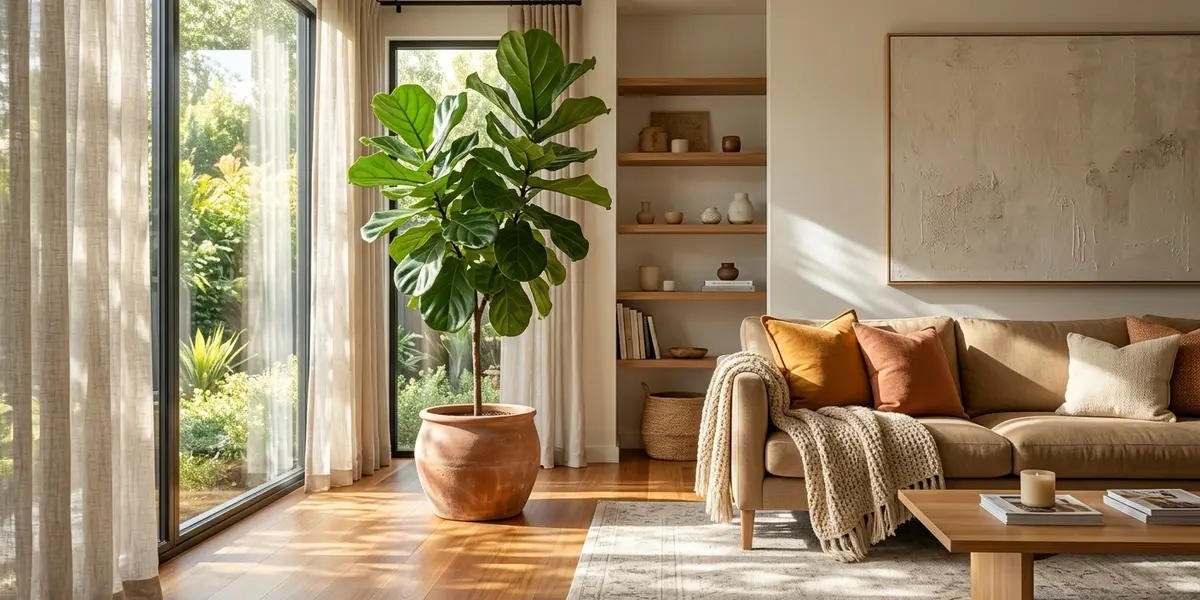
Every room sends signals to your brain. Bright lighting, loud sounds, crowded spaces, and constant mess can increase mental fatigue. In contrast, clean and comfortable surroundings often encourage relaxation and clear thinking.
When you walk into a peaceful room, your body may naturally begin to unwind. Soft lighting, fresh air, and familiar surroundings create a sense of comfort that makes it easier to process emotions.
A calming home can also support healthy routines. People often sleep better, focus more easily, and enjoy stronger relationships when they feel comfortable in their surroundings. These everyday improvements contribute to better emotional regulation over time.
Why a Calming Home Matters
A soothing environment does more than make a house look attractive. It creates a place where people feel emotionally safe and mentally refreshed.
Some benefits include:
- Lower everyday stress
- Improved focus and concentration
- Better sleep quality
- More patience during difficult situations
- Easier emotional recovery after stressful events
- Greater sense of comfort and security
- Healthier family interactions
- Increased mindfulness throughout the day
Although a calming home cannot remove life’s challenges, it provides a supportive space where emotions become easier to manage.
Elements of a Soothing Environment
Several factors work together to create a peaceful home. None of them needs to be perfect. Instead, small improvements in multiple areas often produce the best results.
Keep Spaces Organized
Clutter can make a room feel overwhelming because it constantly competes for your attention. Organized spaces allow your mind to relax and focus on what matters.
Simple habits include:
- Putting items back after use
- Keeping surfaces mostly clear
- Using storage baskets
- Organizing one small area each day
- Removing items you no longer need
These small actions make a home feel calmer without requiring a major cleanup.
Reduce Unnecessary Noise
Constant noise can increase stress and make it difficult to concentrate. While complete silence is not always possible, reducing unnecessary sounds helps create a more peaceful atmosphere.
You can:
- Lower television volume when not watching
- Close windows during heavy traffic
- Use soft rugs to reduce echoes
- Choose quieter household appliances when possible
- Create a quiet reading corner
A quieter environment often supports clearer thinking and emotional balance.
Bring Nature Indoors
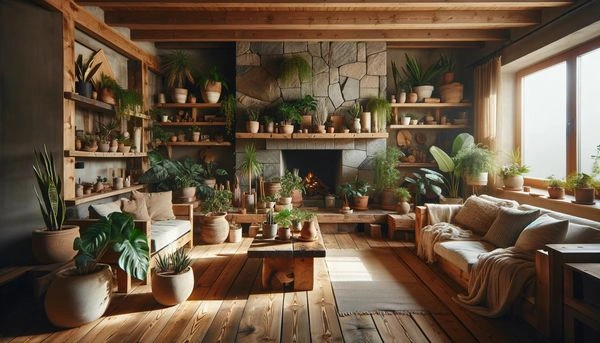
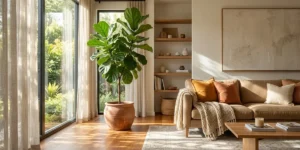
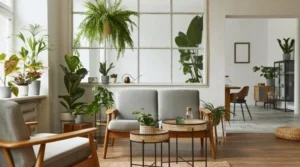
Natural elements help many people feel more relaxed. Even small touches of nature can make a room feel fresh and welcoming.
Ideas include:
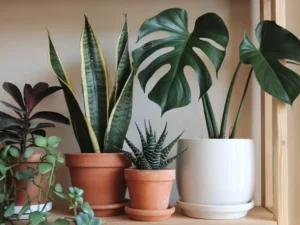
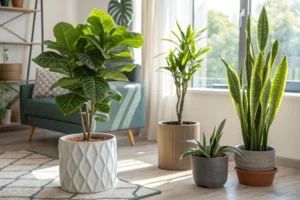
- Indoor plants
- Fresh flowers
- Wooden furniture
- Natural fabrics
- Stone decorations
- Views of outdoor greenery whenever possible
These features create a soothing environment that feels connected to nature.
The Role of Decluttering in Emotional Well-Being
Decluttering is not about creating a perfectly spotless house. Instead, it means removing unnecessary distractions so your home becomes easier to enjoy.
When every surface is covered with items, your brain has more information to process. This can contribute to feelings of stress or mental overload.
An organized home often provides:
- Easier cleaning
- Less frustration when searching for items
- Better focus
- More relaxing living spaces
- Improved daily routines
Instead of cleaning the entire house at once, start with one drawer, one shelf, or one corner. Small victories build lasting habits.
How Colors Influence Mood
Colors affect how a room feels, even if we do not always notice it. Choosing softer shades can help create a calming home that supports emotional regulation.
| Color | Common Feeling It Creates | Best Room |
|---|---|---|
| Light Blue | Calm and peaceful | Bedroom |
| Soft Green | Fresh and balanced | Living room |
| Warm White | Clean and relaxing | Any room |
| Beige | Cozy and comfortable | Family room |
| Light Gray | Quiet and modern | Home office |
Bold colors can add personality, but using them in moderation often helps maintain a soothing environment.
Natural Light and Emotional Health
Natural light does more than brighten a room. It helps create a welcoming atmosphere and supports healthy daily routines.
Simple ways to increase natural light include:
- Opening curtains each morning
- Cleaning windows regularly
- Using light-colored curtains
- Placing mirrors to reflect sunlight
- Keeping windows free from large furniture
When natural light is limited, choose warm indoor lighting instead of harsh lighting whenever possible. Soft lighting creates a more relaxing atmosphere during the evening.
Creating Comfortable Spaces for Relaxation
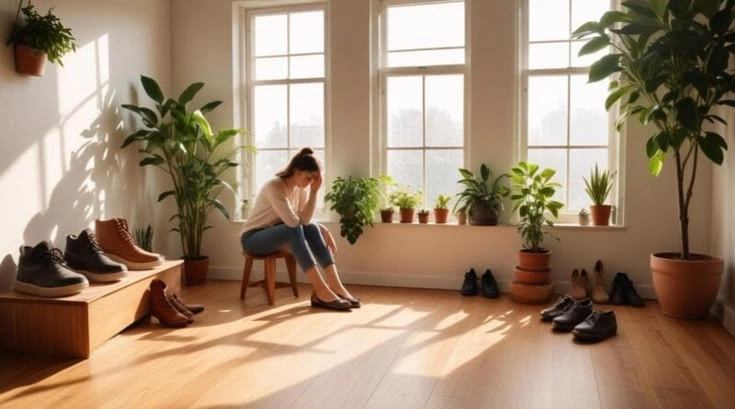
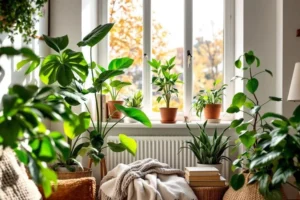
Every home benefits from having at least one place dedicated to relaxation. It does not have to be large or expensive. Even a small chair near a window can become a peaceful retreat.
Consider including:
- A comfortable chair
- Soft cushions
- A warm blanket
- Good lighting
- A small bookshelf
- Indoor plants
- Minimal distractions
Having a dedicated relaxation space encourages healthy habits such as reading, journaling, meditation, or simply enjoying quiet moments.
Expert Tips
- Declutter a little each day instead of waiting for weekends.
- Let fresh air into your home whenever possible.
- Keep bedrooms calm and free from unnecessary distractions.
- Choose comfortable furniture over decorative pieces that are rarely used.
- Create simple morning and evening routines that help you regulate emotions.
- Add personal items that bring positive memories, such as family photos or meaningful artwork.
Comparison Table
| Stressful Home | Calming Home |
|---|---|
| Cluttered surfaces | Organized spaces |
| Harsh lighting | Soft natural light |
| Constant noise | Quiet atmosphere |
| Busy decorations | Simple décor |
| Poor sleep environment | Comfortable bedroom |
| Difficult to relax | Easy to unwind |
| Emotional overload | Better emotional regulation |
Daily Habits That Help You Regulate Emotions at Home
A calming home becomes even more effective when it supports healthy daily habits. Your surroundings and routines work together, making it easier to stay emotionally balanced throughout the day.
Instead of trying to change everything at once, focus on a few simple habits. Small actions repeated consistently often have a bigger impact than major changes that are difficult to maintain.
Start the Morning Slowly
The first few minutes after waking up can shape your mood for the rest of the day. Rushing into work or checking your phone immediately may increase stress before the day has even begun.
A calmer morning routine could include:
- Opening the curtains to let in natural light
- Drinking a glass of water
- Stretching for a few minutes
- Sitting quietly before checking notifications
- Making your bed
These habits help create a sense of order and prepare your mind for the day ahead.
Create an Evening Wind-Down Routine
Evenings are the perfect time to help your body and mind transition into rest.
Simple ideas include:
- Dimming the lights an hour before bed
- Reading a book instead of scrolling on your phone
- Playing soft background music
- Tidying one small area
- Preparing for the next day
Consistent evening routines can improve relaxation and make it easier to regulate emotions after a busy day.
Room by Room Ideas for a Calming Home
Every room serves a different purpose. Making small adjustments in each area can create a more soothing environment throughout your home.
Living Room
The living room is often where families spend the most time together. It should feel welcoming rather than overwhelming.
Consider these ideas:
- Keep decorations simple.
- Use comfortable seating.
- Add a few indoor plants.
- Let in as much natural light as possible.
- Store everyday items neatly.
A clean and comfortable living room encourages conversation, relaxation, and quality time.
Bedroom
The bedroom should support rest above everything else.
Try to:
- Keep clutter to a minimum.
- Choose calming bedding.
- Reduce unnecessary electronics.
- Use soft lighting in the evening.
- Keep the room cool and comfortable.
A peaceful bedroom can improve sleep quality, which plays an important role in emotional regulation.
Home Office
Working from home has become common for many people. A well-organized workspace can reduce stress and improve focus.
Helpful ideas include:
- Keep only essential items on your desk.
- Position your workspace near natural light.
- Use a supportive chair.
- Organize cables and paperwork.
- Take regular breaks throughout the day.
A tidy workspace makes it easier to stay productive without feeling overwhelmed.
Children’s Spaces
Children also benefit from a calming home.
Simple changes include:
- Organized toy storage
- Comfortable reading corners
- Soft lighting
- Predictable routines
- Space for creative play
A peaceful environment helps children feel secure while learning to manage their own emotions.
Common Mistakes That Can Make a Home Feel Stressful
Sometimes people unknowingly create environments that increase stress instead of reducing it.
Avoid these common mistakes:
- Trying to decorate every available space
- Allowing clutter to build up for weeks
- Using harsh lighting throughout the house
- Ignoring noise from televisions or devices
- Keeping work materials in relaxation areas
- Skipping regular cleaning routines
- Buying decorations that create visual clutter instead of comfort
Remember, a calming home is about balance rather than perfection.
Calming Home Checklist
Use this checklist to evaluate your living space.
| Checklist Item | Complete |
|---|---|
| Living areas are organized | ✓ |
| Natural light enters the home | ✓ |
| Bedrooms feel peaceful | ✓ |
| Unnecessary clutter has been removed | ✓ |
| Comfortable seating is available | ✓ |
| Indoor plants or natural elements are included | ✓ |
| Daily cleaning habits are followed | ✓ |
| Quiet areas are available | ✓ |
| Evening relaxation routine is established | ✓ |
| Home feels comfortable and welcoming | ✓ |
Even completing a few of these items can make your home feel noticeably calmer.
Frequently Asked Questions
Can a calming home really help regulate emotions?
Yes. While a calming home cannot eliminate stress, it can reduce everyday distractions and create an environment that encourages relaxation, better focus, and healthier emotional responses.
Is a large home necessary for emotional well-being?
No. A small apartment or studio can be just as peaceful as a larger house. Organization, comfort, lighting, and thoughtful design matter far more than size.
Does decluttering improve emotional health?
Many people find that reducing clutter makes it easier to focus, relax, and enjoy their surroundings. An organized space often feels less overwhelming and supports healthy daily routines.
Which colors create a soothing environment?
Soft shades such as light blue, gentle green, warm white, beige, and muted gray are commonly used to create calm and comfortable spaces.
Can indoor plants improve a calming home?
Indoor plants bring natural beauty into a home and can make living spaces feel more relaxing and welcoming. They also help create a stronger connection with nature.
How often should I reorganize my home?
Small daily habits are usually more effective than occasional deep cleaning. Spending just 10 to 15 minutes organizing each day can help maintain a peaceful environment.
What if I live with a busy family?
Focus on creating one calm area within your home, such as a reading corner or quiet bedroom. Even one peaceful space can make a meaningful difference.
Conclusion
A peaceful home does much more than look attractive. It supports healthier habits, encourages relaxation, and provides a safe place to process emotions after the demands of everyday life.
Building a calming home does not require expensive furniture or a complete renovation. Small improvements such as reducing clutter, bringing in natural light, choosing comfortable furnishings, and creating simple daily routines can gradually transform the way your home feels.
Remember that emotional regulation is a skill developed over time. A soothing environment cannot remove every challenge, but it can make those challenges easier to manage. By making thoughtful changes to your surroundings, you create a space that supports both your mental well-being and the people who share your home.