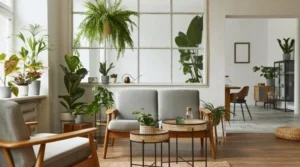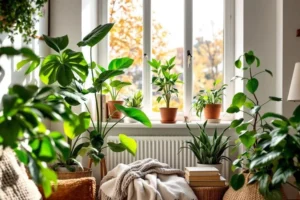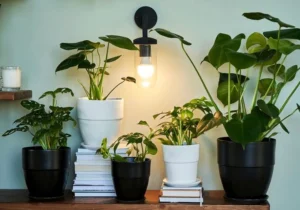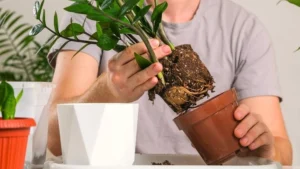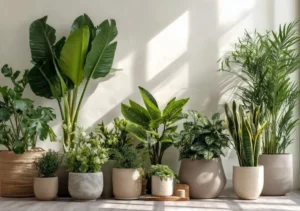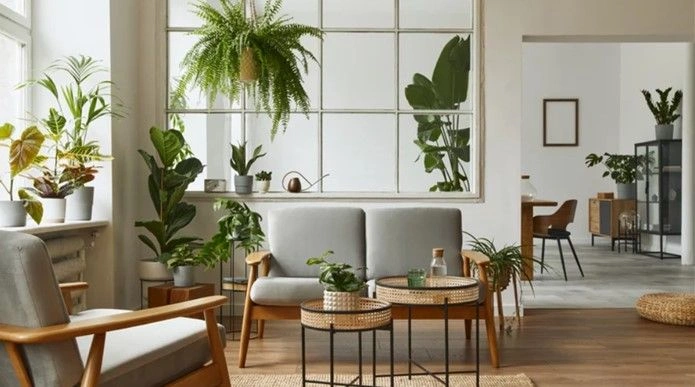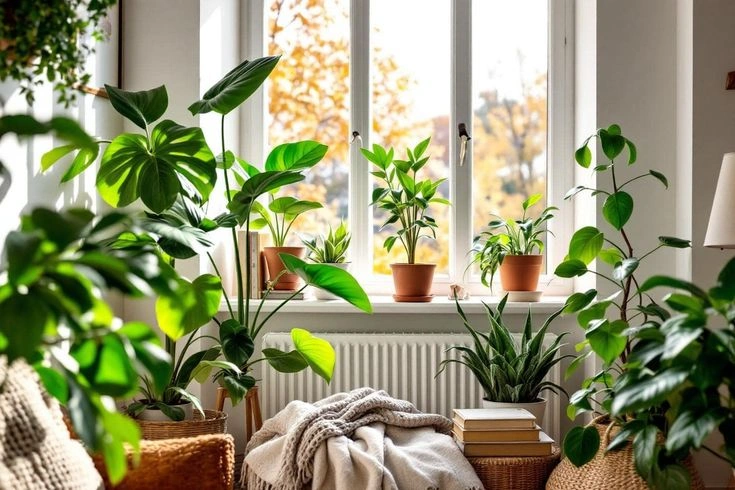
Finding the right houseplant is less about choosing the prettiest plant and more about matching it to your room, routine, and available light. A bright kitchen has different conditions from a dim bedroom, while a pet-friendly home needs another layer of consideration.
Peeacelily has rounded up 25 of the Best House Plants for beginners, busy plant parents, small spaces, living rooms, bedrooms, kitchens, and bathrooms. This research-led guide follows horticultural advice and cross-checks pet-safety points with the ASPCA, keeping practical care guidance clear for indoor growers.
Key Takeaways
The Best House Plants are the ones that fit your actual home and lifestyle. Snake plant, pothos, ZZ plant, and cast iron plant are strong beginner choices. Monstera, rubber plant, fiddle leaf fig, and areca palm can make living rooms feel finished, while peperomia, jade, string of hearts, and African violet work well in smaller spaces.
The most useful rule is simple: choose for the conditions you have. Check light first, understand watering needs, and confirm pet safety when necessary. A plant that suits your room will be easier to maintain and more rewarding to grow.
The Best House Plants for Beginners
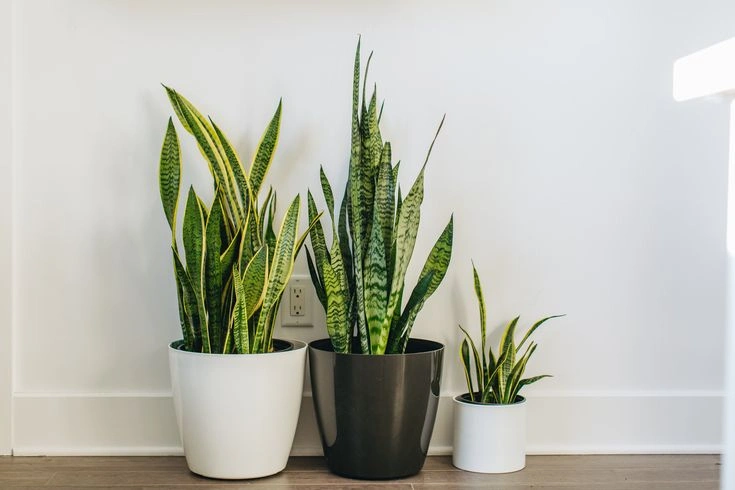
1. Snake Plant
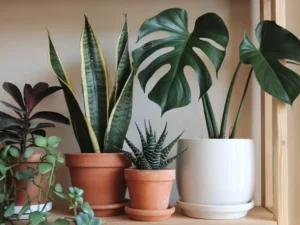
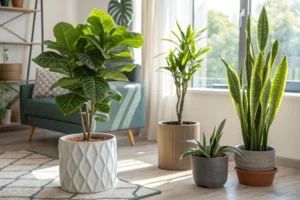
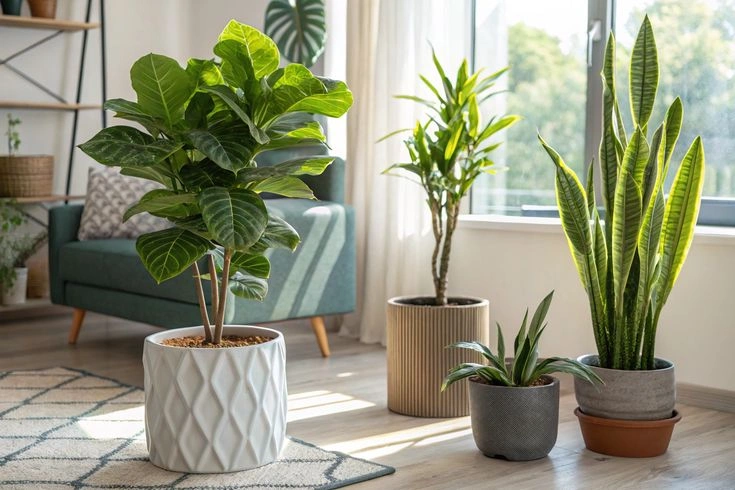
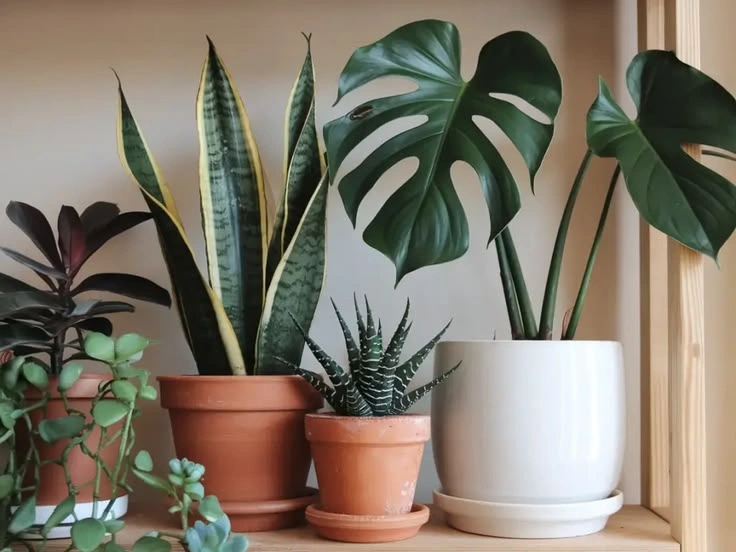
Snake plants are among the easiest indoor plants to manage. Their upright leaves suit bedrooms, offices, hallways, and living rooms. Bright indirect light is ideal, but they can tolerate lower light.
2. Pothos
Pothos is a classic trailing plant for shelves, cabinets, and hanging pots. It grows well in bright indirect light and can tolerate lower light, although growth may slow. Let the soil dry somewhat between waterings instead of keeping it constantly wet.
3. ZZ Plant
The ZZ plant has glossy leaves and a naturally tidy shape. It handles missed waterings and works well in offices, hallways, and rooms with limited natural light. Avoid keeping its soil soggy, as consistently wet conditions can damage roots.
4. Spider Plant
Spider plants have arching leaves and small plantlets that make them attractive in hanging baskets. Their easy-going growth makes them useful for beginners and busy plant owners.
5. Cast Iron Plant
The cast iron plant is a strong choice for beginners who want low-maintenance greenery. It tolerates lower light and less-than-perfect indoor conditions better than many decorative plants. Its broad leaves also give shelves and corners a classic look.
Best House Plants for Living Rooms
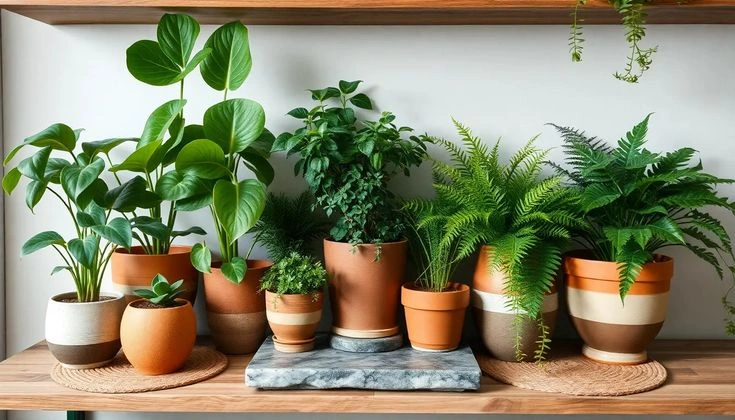
6. Monstera Deliciosa
Monstera creates an instant tropical feel with its large split leaves. Place it near a bright window with filtered light and give it enough room to spread.
7. Rubber Plant
Rubber plants bring large, glossy leaves and a clean modern shape. They make a strong focal point in living rooms and prefer bright indirect light. Very harsh direct sunlight through glass can scorch foliage, so filtered light is often safer.
8. Fiddle Leaf Fig
Fiddle leaf figs are statement plants with large leaves and upright growth. They suit bright rooms with fairly stable conditions. Avoid constantly moving the plant, and check the soil before watering instead of following a fixed calendar.
9. Areca Palm
Areca palms add height and a soft tropical texture. They prefer bright indirect light and more consistent moisture than drought-tolerant plants.
10. Peace Lily
Peace lilies combine dark foliage with elegant white flowers. They prefer bright indirect light but can tolerate lower light, although flowering may decrease. Keep the soil from staying completely dry for long periods. They are not considered pet-safe.
Best House Plants for Bedrooms
11. Parlor Palm
Parlor palm has a soft, graceful shape that works nicely beside dressers, beds, or windows. It prefers indirect light and should be protected from harsh sun and cold drafts.
12. Chinese Evergreen
Chinese evergreen is valued for patterned foliage and its ability to handle lower-light indoor positions. Let the upper growing medium begin to dry before watering again.
13. Peperomia
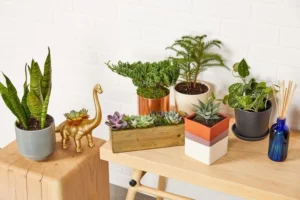
Peperomia comes in wide compact varieties, making it useful for bedside tables, desks, and narrow shelves. Bright indirect light is generally suitable, along with well-draining soil.
Best House Plants for Kitchens and Bathrooms
14. Aloe Vera
Aloe vera works well on a bright kitchen windowsill. Its thick leaves store water, so it needs less frequent watering than many tropical plants. Use well-draining soil and allow the growing medium to dry between waterings.
15. Boston Fern
Boston fern brings lush texture to a bathroom with suitable indirect light and higher humidity. It dislikes becoming completely dry, so regular moisture matters.
16. Orchid
Orchids can make a bathroom or kitchen feel refined without taking much floor space. They generally prefer bright indirect light, airflow, and a suitable orchid medium.
17. English Ivy
English ivy can create an attractive trailing display from a suitable shelf or hanging planter. It needs appropriate light, watering, and airflow, and it should not be treated as a plant for a completely dark room.
Best House Plants for Small Spaces
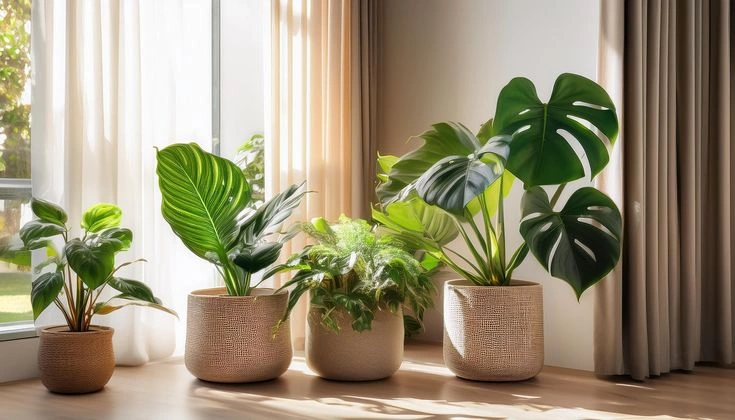
18. Jade Plant
Jade plants are compact succulents with thick leaves and a sculptural appearance. A bright windowsill is usually better than a dark shelf.
19. String of Heartsf
String of hearts is ideal when floor space is limited because its thin stems trail naturally from shelves and hanging pots. Let the potting mix dry between waterings.
20. Chinese Money Plant
Chinese money plant has round leaves and a simple modern appearance. It works well on desks, side tables, and shelves. Give it bright indirect light.
Best House Plants for Busy Lifestyles
21. Haworthia
Haworthia is a small succulent that fits easily on desks and windowsills. Its patterned leaves add character without taking much room. It prefers bright light and relatively dry conditions between waterings.
22. Heartleaf Philodendron
Heartleaf philodendron is a forgiving trailing plant that can spill from a shelf or climb a support. Bright indirect light is ideal.
23. Dracaena
Dracaena varieties add height without taking up excessive floor space. Their upright form works well in offices, bedrooms, and living rooms.
24. African Violet
African violets are compact plants for people who want flowers without a large pot. They prefer bright indirect light and careful watering. Their small size makes them useful for desks, shelves, and windowsills.
25. Spider Plant
Spider plant also deserves a place in busy homes because it is adaptable, decorative, and easy to propagate. Its arching foliage looks especially good in a hanging pot.
How to Choose the Right Houseplant for Your Room
Start with light rather than appearance. Notice whether your chosen spot receives direct sun, bright indirect light, or shade. No ordinary houseplant can thrive in complete darkness, and “low light” does not mean “no light.”
The RHS recommends matching plants to the conditions of each location because light, humidity, and temperature can vary significantly between rooms. A plant that works beside a bright window may struggle in a darker hallway.
Then consider humidity and temperature. Bathrooms and kitchens can be more humid, while rooms near heaters, air conditioners, cold windows, or drafts may be harder for sensitive plants. It is usually easier to choose a plant that already suits the room than to constantly fight unsuitable conditions.
Finally, match the plant to your routine. If watering is easy to forget, choose forgiving options such as snake plant, ZZ plant, cast iron plant, or jade. If you enjoy regular care, you can choose plants that prefer more consistent moisture.
Pet Owners Should Check Plant Safety
A beautiful plant is not automatically a safe plant. If cats or dogs can reach your greenery, check the exact species against a reliable toxicity database before bringing it home. The ASPCA notes that its plant database is not all-inclusive, so correct identification matters.
For example, some common houseplants can be problematic for pets, while others appear on ASPCA non-toxic lists. The ASPCA also warns that lilies can be particularly dangerous to cats. Even non-toxic plants can cause stomach upset when eaten.
FAQs
What are the best house plants for beginners?
Snake plant, pothos, ZZ plant, spider plant, and cast iron plant are good beginner choices because they are relatively forgiving when indoor conditions are not perfect.
Which houseplant is best for low light?
Snake plant, ZZ plant, cast iron plant, pothos, and some Chinese evergreen varieties can tolerate lower-light areas. However, low light still requires some natural or suitable supplemental light.
What are the best houseplants for bedrooms?
Parlor palm, Chinese evergreen, peperomia, and snake plant are practical bedroom choices. Select according to the room’s light, temperature, and your watering routine.
Which houseplants are safe for pets?
Pet safety depends on the exact plant and animal. Check the plant by its correct name in the ASPCA toxic and non-toxic plant database before placing it where a pet can reach it.
How often should houseplants be watered?
There is no single schedule for every plant. Check the soil and the plant’s specific needs. Succulents usually prefer longer dry periods, while moisture-loving plants need more consistent watering.
Can houseplants grow in a room with no windows?
Most houseplants need natural or suitable supplemental light. A completely dark room is not a realistic growing environment for ordinary houseplants, even when a plant is described as low-light tolerant.