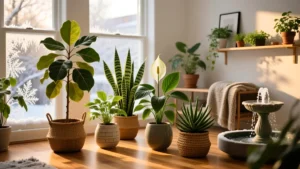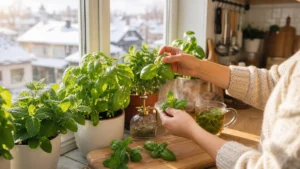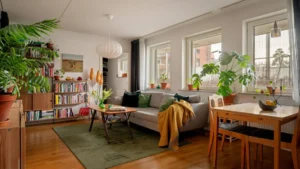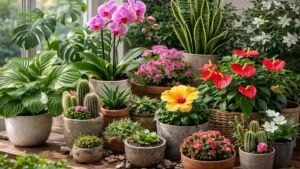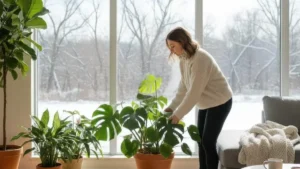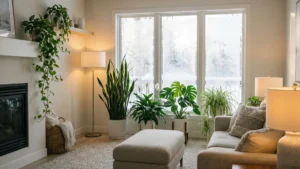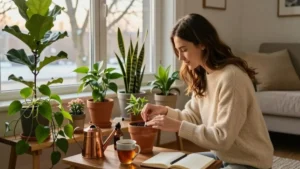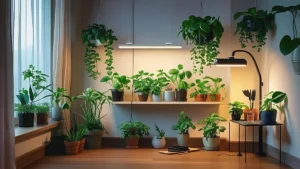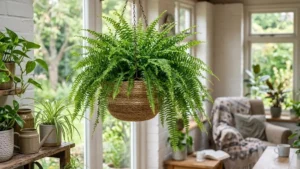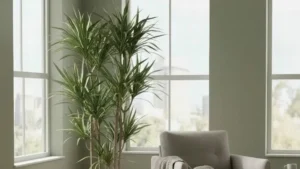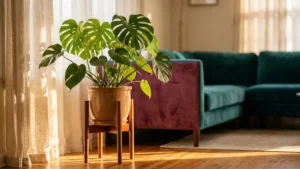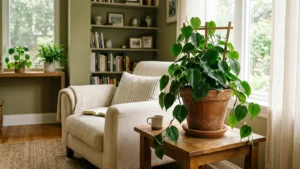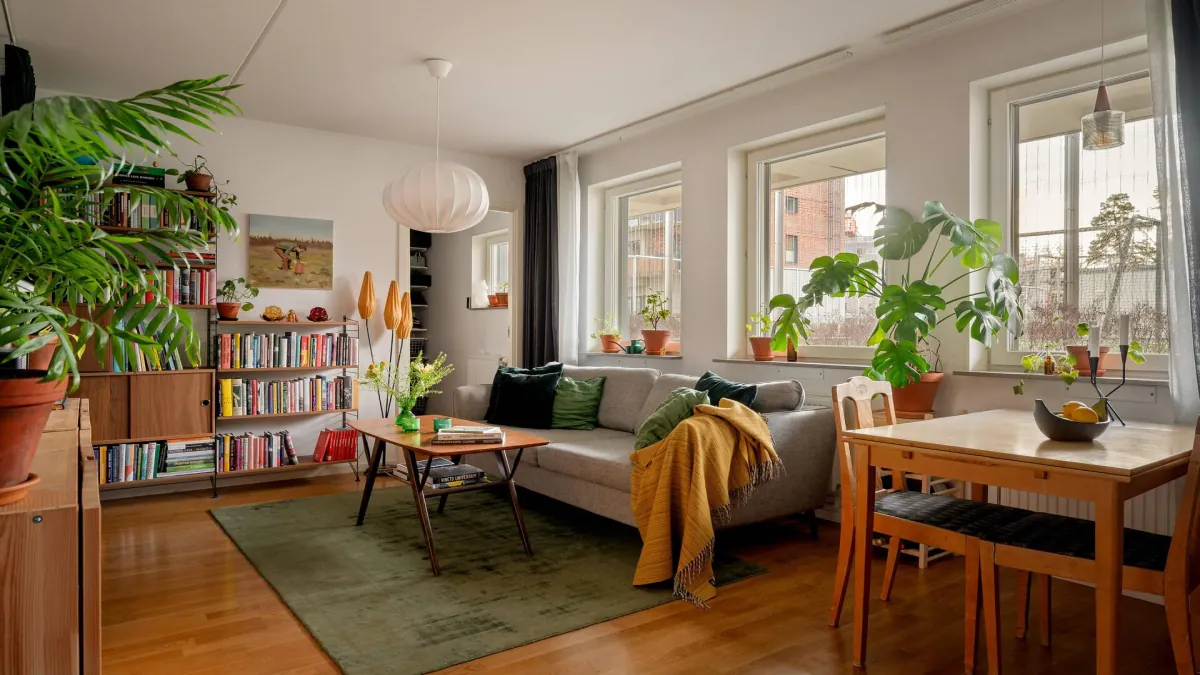

The best winter indoor plants for apartments include snake plants, ZZ plants, pothos, cast iron plants, spider plants, and parlor palms. These plants offer different ways to add greenery to small spaces, but their success depends on where you place them. Radiators, cold windows, blocked daylight, and drafty entryways can all affect indoor plants during winter.
You do not need a large apartment or a sunny conservatory to keep houseplants. You need plants that suit your available light and a few practical adjustments to protect them from winter conditions.
Key Takeaways
- Choose apartment-friendly plants: Snake plants, ZZ plants, pothos, cast iron plants, spider plants, and parlor palms are practical options for winter indoor spaces.
- Keep plants away from direct heat: Radiators can create hot, dry conditions that stress leaves and dry out potting mix.
- Protect plants from cold windows: Move sensitive plants away from cold glass, especially overnight, and keep leaves from touching the pane.
- Make the most of limited light: Place plants near your brightest window. Use a suitable grow light if natural daylight is insufficient.
- Adjust winter watering: Check the soil before watering because many plants grow more slowly and use less water during winter.
- Protect new plants during transport: Wrap them before taking them outside and keep them in the warm passenger area of your vehicle.
- Use vertical space: Shelves, hanging planters, and lightweight plant stands help create a green display without overcrowding a rental apartment.
The 7 Best Winter Indoor Plants for Apartments
When choosing winter plants, consider more than their appearance. Think about the space they need, how much light your apartment receives, and whether their watering needs fit your routine.
1. Snake Plant

Snake plants are a useful choice for apartments because their upright leaves take up little floor space. You can place one beside a sofa, near a desk, or in an empty corner without needing a wide plant stand.
Their thick leaves store water, which helps them tolerate periods of dry soil. They also cope with lower indoor humidity better than many thin-leaved tropical plants. However, they still need some natural or artificial light to grow.
Place a snake plant in bright, indirect light if possible. It can manage a less-bright position, but growth will usually be slower. Let the potting mix dry before watering again, especially when winter light levels are low.
Keep it away from cold window glass and direct radiator heat. Also remember that snake plants are toxic to cats and dogs if eaten, so choose a safer location if your pets chew leaves.
2. ZZ Plant

The ZZ plant is another practical option for apartments with limited daylight. Its thick stems and glossy leaves give it a full appearance, even when it is still relatively small.
It tolerates lower light and does not need frequent watering. This makes it useful for people who want greenery without a demanding watering routine. However, low-light tolerance does not mean the plant can survive in complete darkness.
Place it near a window where it receives indirect daylight. Water only after the potting mix has dried well. During winter, check the soil before watering because cool rooms and shorter days can slow water use.
Avoid placing it beside a cold window or directly above a heater. ZZ plants are also toxic if chewed by pets, so keep them out of reach.
3. Pothos
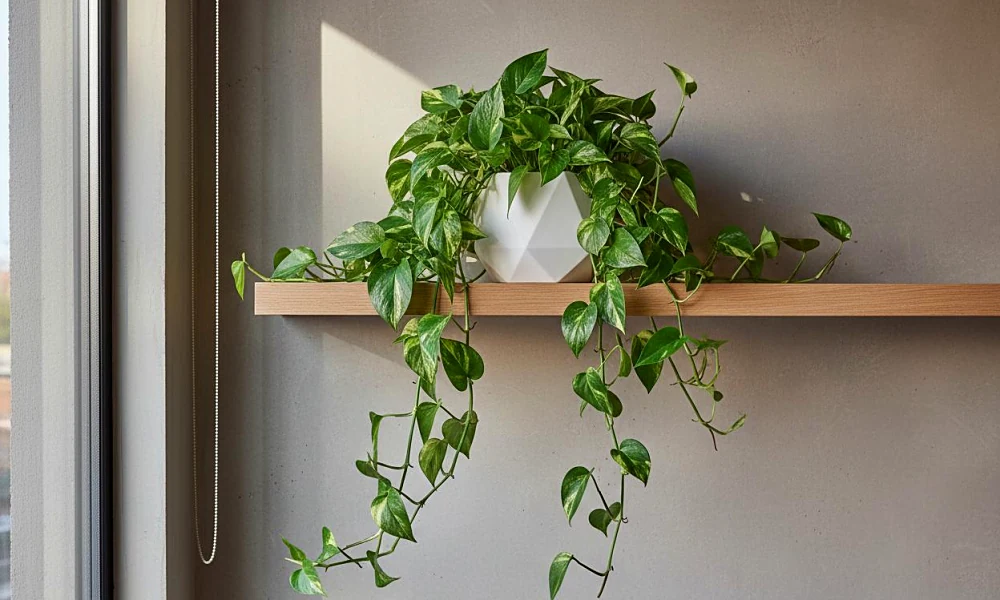
Pothos works particularly well when floor space is limited. Its trailing stems can grow along a shelf or hang from a suitable planter, making it a good option for apartments with narrow windowsills.
Bright, indirect light usually produces better growth and stronger leaf patterns. Pothos can tolerate lower light, but a very dark room may lead to slower growth and less attractive foliage.
During winter, move the plant away from cold glass and heating vents. Water when the upper part of the potting mix has started to dry. Do not keep the soil constantly wet.
If you like trailing greenery, trailing indoor houseplants offer more options for shelves and compact rooms.
4. Cast Iron Plant

The cast iron plant, Aspidistra elatior, is known for its ability to tolerate less-than-perfect growing conditions. Its long, dark green leaves create a simple, leafy display without requiring a bright windowsill.
It can handle lower light and occasional missed watering better than many houseplants. That makes it worth considering for a room that receives indirect daylight but does not get much direct sun.
The Royal Horticultural Society’s cast iron plant growing guide describes its tolerance of shade and changing conditions. Even so, avoid treating it as an outdoor plant for a freezing hallway. A cool indoor position is different from repeated exposure to very cold air.
Use a pot with drainage holes and water when the soil has started to dry. Keep it away from direct blasts of radiator heat.
5. Spider Plant
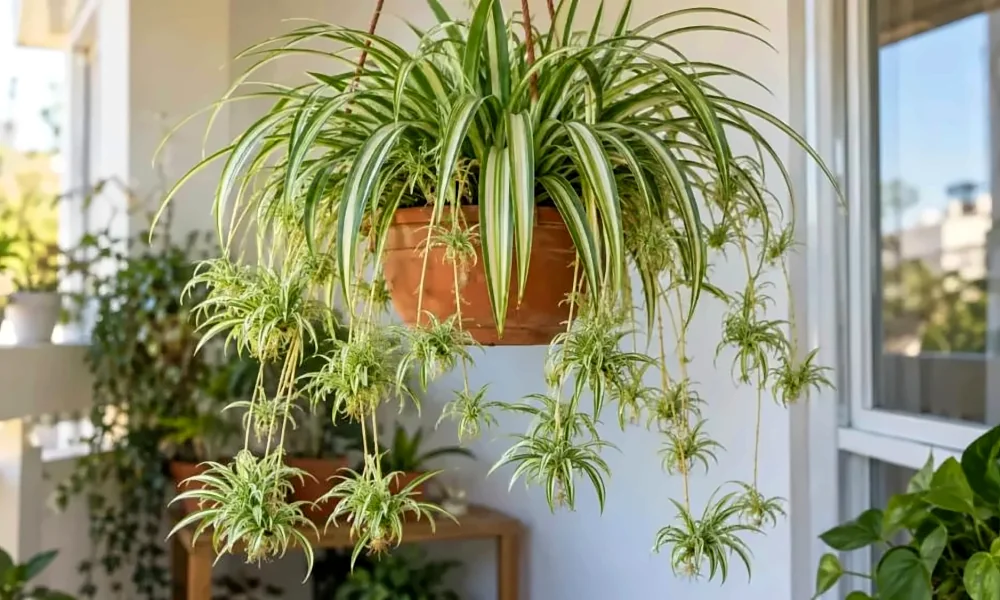
Spider plants are suitable for shelves, hanging pots, and small plant displays. Their arching leaves create a softer shape than upright plants, while the small plantlets that develop on mature stems add extra visual interest.
They generally grow well in bright, indirect light. They can also tolerate some lower light, although growth and plantlet production may slow.
Check the soil before watering. If your apartment is cool and the plant is growing slowly, it may need water less often than it did in summer. Keep it away from cold drafts and strong heat from radiators.
Spider plants are commonly considered pet-friendly, but always check the exact plant identification before placing any houseplant where an animal can chew it.
6. Parlor Palm

A parlor palm adds a softer, tropical look without needing the space required by many large palms. Its narrow stems and arching fronds work well in a living room, bedroom, or bright corner.
It prefers bright, indirect light but can tolerate some shade. Growth is naturally slow, which makes it suitable for apartments where you do not want a plant that quickly outgrows its position.
The RHS parlor palm growing guide recommends indirect light and explains that the plant’s growth slows during winter. Keep it away from cold drafts and avoid leaving its roots in standing water.
Water when the upper part of the soil begins to dry. A parlor palm does not need the same watering frequency throughout the year, so check the pot rather than following a fixed weekly schedule.
7. Cyclamen

If you want flowers rather than foliage, cyclamen is a good winter option. Its flowers rise above patterned leaves and can bring color to a small table or bright windowsill.
Cyclamen needs different conditions from many common foliage plants. It prefers a cool, bright position and may struggle in a room that stays hot throughout the day.
The Gardeners’ World indoor cyclamen guide recommends a cool room and careful watering. You can water from below or around the edge of the pot, allowing excess water to drain. Avoid keeping the compost waterlogged.
Keep cyclamen away from radiators and hot air vents. If your apartment stays warm, a holiday cactus may be a more practical flowering option, provided you can give it suitable light and care.
Six Winter Plant Problems in Apartments (and How to Fix Them)
The same apartment can contain several different growing conditions. A windowsill may be bright but cold, while a shelf across the room may be warm but too dark.
Use the following table to identify common problems and make simple adjustments.
| Apartment problem | Why it affects plants | What to do |
| Radiator below a window | Heated air can dry foliage and potting mix quickly. | Move plants out of the direct heat flow and check soil moisture regularly. |
| Cold window glass | Leaves and roots near cold glass may be exposed to low temperatures. | Move pots slightly into the room, especially overnight. |
| Narrow windowsill | Large pots take up space and can become difficult to move. | Choose compact plants and lightweight pots with drainage holes. |
| Window facing another building | Nearby buildings may block much of the available daylight. | Use the brightest window and consider an appropriate grow light if needed. |
| Cold entryway | Opening the front door creates repeated temperature changes. | Keep sensitive tropical plants away from the entrance. |
| Bringing a plant home in cold weather | Outdoor cold can damage foliage during the journey. | Wrap the plant and move it quickly into a warm vehicle and home. |
Plants Near Radiators

A radiator can create a warm, dry area that is very different from the rest of the room. Plants placed directly above or beside it may lose moisture faster, and delicate leaves can become dry or damaged.
Move plants away from the direct flow of heated air. You do not need to follow one exact distance because radiator size, room layout, and plant type all affect the conditions.
Watch for brown leaf tips, curling leaves, or soil that dries much faster than expected. These signs can have several causes, so check the plant’s light, watering, and position before making changes.
Plants Beside Cold Windows

A bright window often looks like the perfect place for a houseplant during winter. The problem is that glass can become very cold overnight, especially in older apartments with single glazing.
Move sensitive plants a little farther into the room when temperatures drop. Do not let leaves touch the glass, and avoid trapping plants between a cold window and a closed curtain.
You can still use the window area for plants that suit the conditions. Just check the temperature around the pot rather than judging the spot by daylight alone.
Tiny Windowsills and Limited Floor Space

A narrow windowsill does not mean you have to give up on indoor plants. Choose compact plants and smaller pots that leave enough room for light to reach the leaves.
Lightweight plastic or resin containers are easier to move than heavy ceramic pots. Make sure they have drainage holes, and use a saucer to protect the sill from excess water.
You can also create extra space with shelves and stands. These plant shelf ideas and plant stand designs can help you use vertical space without making permanent changes to a rental apartment.
For more compact choices, explore indoor house plants for small spaces.
Dark Apartments and Blocked Windows

If another building blocks your window, moving a plant from one dark corner to another will not solve the light problem.
Start by placing plants near the brightest available window. Clean dusty leaves so they can receive as much light as possible. If natural light is still too weak, consider a suitable LED grow light.
Plants such as ZZ plants, snake plants, and pothos can tolerate lower light than many flowering houseplants. However, they still need light to maintain healthy growth.
For hanging displays in rooms with limited floor space, low-light hanging plants may offer useful options. Remember that a low-light plant still needs an appropriate light source.
Cold Entryways and Drafty Doors
An apartment entrance can be one of the least stable places for a houseplant. Every time the door opens, cold air enters and changes the temperature around nearby pots.
Avoid putting sensitive tropical plants directly beside the entrance. A cast iron plant may tolerate a cooler indoor position better than many tropical varieties, but it still needs light and protection from extreme cold.
If your entryway is both dark and drafty, it may be better to leave it free of plants. A plant does not need to occupy every empty corner to make your apartment feel greener.
Bringing a New Plant Home in Winter

The journey from the plant shop to your apartment deserves attention when outdoor temperatures are low. A tropical plant may be perfectly healthy in the shop but suffer when exposed to cold air during transport.
Use these steps:
- Make the plant shop your last stop. Avoid leaving a new plant in a cold vehicle while you complete other errands.
- Ask for a protective sleeve. If the shop does not provide one, loosely wrap the foliage with paper or a suitable plant cover.
- Warm the car first. Let the passenger area reach a comfortable temperature before loading the plant.
- Keep the plant inside the vehicle. Avoid placing it in a cold trunk.
- Move it indoors quickly. Do not leave it outside while you unload other shopping.
- Unwrap it inside. Place it away from radiators and cold windows while it adjusts to your apartment.
The Gardening Know How guide to winter indoor plants also highlights the need to protect newly purchased plants during cold-weather transport.
Winter Watering and Humidity Rules for Apartment Plants
Winter watering is not simply about giving every plant less water. The right amount depends on the plant, pot size, soil, room temperature, and available light.
Check the Soil Before Watering

Many houseplants grow more slowly when days become shorter. As growth slows, some plants use less water, and their potting mix may stay moist for longer.
Check the soil before watering. If the upper layer is still damp, wait and check again later. If it has dried to the level preferred by that plant, water thoroughly and allow excess water to drain.
A small pot near a radiator may dry faster than a large pot in a cool room. This is why a fixed watering calendar can cause problems.
The indoor plant care guide and plant watering schedule can help you understand the basics, but always adjust watering to the plant’s actual soil conditions.
Understand Apartment Humidity

Indoor heating can make winter air feel dry. Some tropical plants respond with brown leaf edges, dry tips, or leaves that lose their usual firmness.
Grouping plants together may help create a slightly more humid area around their foliage. However, a few houseplants will not reliably raise the humidity of an entire apartment.
If your indoor air is consistently dry, a room humidifier is a more effective option. Keep it clean and follow its operating instructions. Also avoid placing plants directly beside heaters to compensate for a cool room.
The Homes & Gardens winter houseplant care guide covers common problems caused by indoor heating, cold drafts, and changing winter conditions.
Reduce Fertilizer When Growth Slows
Many foliage plants need less fertilizer during periods of slow winter growth. Feeding them at the same rate as summer may add nutrients that they are not actively using.
Watch for new growth rather than relying only on the season. When the plant begins growing actively again, you can return to an appropriate feeding routine.
Cyclamen and other winter-flowering plants may have different needs, so check the care instructions for the specific variety.
Small-Space Winter Plant Displays That Work in Rentals

You can create an attractive plant display without drilling holes or buying large furniture. The trick is to use the space you already have.
- Use a freestanding plant stand. A small stand can lift pots away from cold floors and help you use vertical space.
- Make use of shelves. Pothos and other trailing plants can work well on a sturdy shelf, provided they receive enough light.
- Try hanging planters. Hanging plants can free up a desk or windowsill. Browse these indoor hanging plant ideas for layout inspiration.
- Group smaller pots. A few compact plants can create a fuller display without needing one large floor plant.
- Choose lightweight containers. Plastic pots are easier to move when cleaning, rearranging furniture, or changing apartments.
- Protect furniture and floors. Use saucers or trays to catch excess water and prevent marks on wooden surfaces.
For more layout inspiration, these living room plant ideas can help you arrange greenery without overcrowding the room.
Frequently Asked Questions
What are the best winter indoor plants for apartments?
Snake plants, ZZ plants, pothos, cast iron plants, spider plants, and parlor palms are useful choices for many apartments. Cyclamen is another option if you want winter flowers and can provide a cool, bright position. Choose according to your available light, room temperature, and space.
Can I put indoor plants next to a radiator?
It is better to avoid placing plants directly beside a radiator. Hot, dry air can stress foliage and make the potting mix dry faster. Move plants out of the direct heat flow and check their soil before watering.
Which plants are suitable for a dark apartment?
ZZ plants, snake plants, and pothos can tolerate lower light than many common houseplants. Cast iron plants may also suit dimmer positions. However, no houseplant can grow well in complete darkness. Use the brightest available window or add a suitable grow light.
How do I protect a plant when bringing it home in freezing weather?
Wrap the plant before carrying it outside, warm your vehicle first, and keep it in the passenger area rather than the trunk. Make the plant shop your last stop so it spends as little time as possible in cold outdoor conditions.
Do indoor plants increase humidity in an apartment?
Plants release moisture into the air, and grouping them may create a slightly more humid area around their leaves. However, a few houseplants will not reliably humidify an entire apartment. A room humidifier is a more effective option when indoor air is very dry.
How often should I water indoor plants in winter?
There is no single watering schedule for every houseplant. Many plants need water less often when growth slows, but pots near heating sources may dry faster. Check the soil and follow the needs of each plant rather than watering every pot on the same day.
Can I keep plants in a cold apartment hallway?
Some plants tolerate cooler indoor conditions better than others, but a hallway with frequent drafts and very little light is not ideal for most houseplants. A cast iron plant may be more suitable than a tropical plant, provided the area does not become extremely cold and receives some light.
A small apartment does not need a large plant collection. A few well-chosen plants in suitable positions can bring greenery into your home throughout winter. Start with the brightest stable spot you have, choose plants that fit it, and let their care needs guide the rest.
Disclaimer: Plant care needs vary by species, variety, potting mix, room temperature, and light. Check the specific care requirements of your plant. Keep toxic plants away from pets and children.