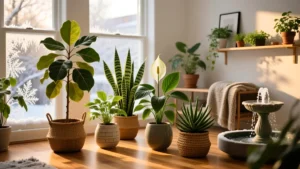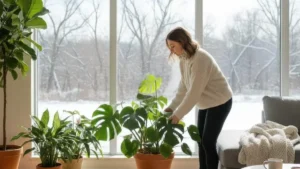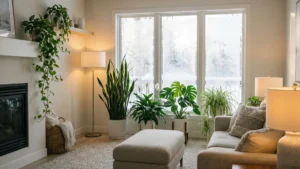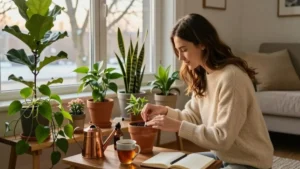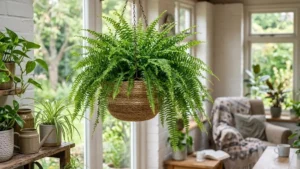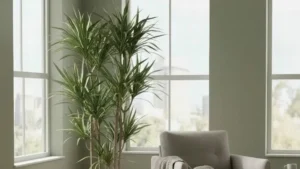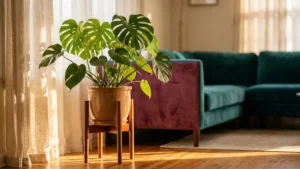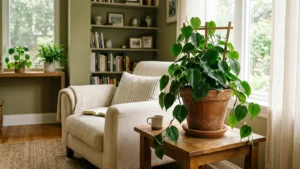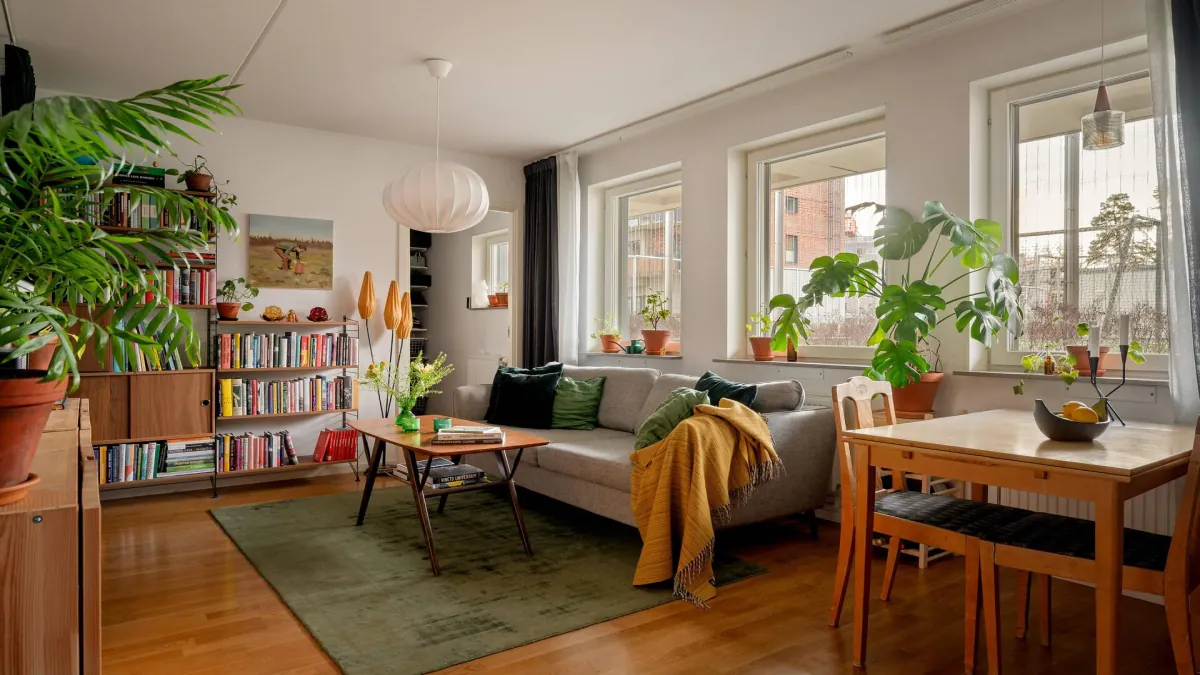

Winter friendly houseplants are plants that can handle shorter days, slower growth, and drier indoor air during the colder months. Good beginner choices include snake plants, ZZ plants, pothos, cast iron plants, spider plants, jade plants, and parlor palms. They are generally forgiving, but they still need suitable light, careful watering, and protection from cold drafts.
The biggest winter mistake is treating houseplants as if it were still summer. When daylight drops, many plants grow more slowly and use less water. If you keep watering them on the same schedule, their soil may stay wet for too long. That can lead to yellow leaves, fungus gnats, and root problems.
The good news? You don’t need a complicated winter care routine. Start with a forgiving plant, give it a stable place to grow, and learn to recognise the signs of stress before changing its care.
Key Takeaways
- Choose forgiving plants such as snake plants, ZZ plants, pothos, and cast iron plants.
- Move houseplants away from cold window glass, heaters, and chilly drafts.
- Check the soil before watering instead of following a fixed weekly schedule.
- Move plants closer to natural daylight when winter days become shorter.
- Treat brown tips, yellow leaves, and leaf drop as clues to investigate—not automatic signs that a plant needs water.
- Check pet safety before bringing a new plant into a home with cats or dogs.
What Makes a Houseplant Winter Friendly?
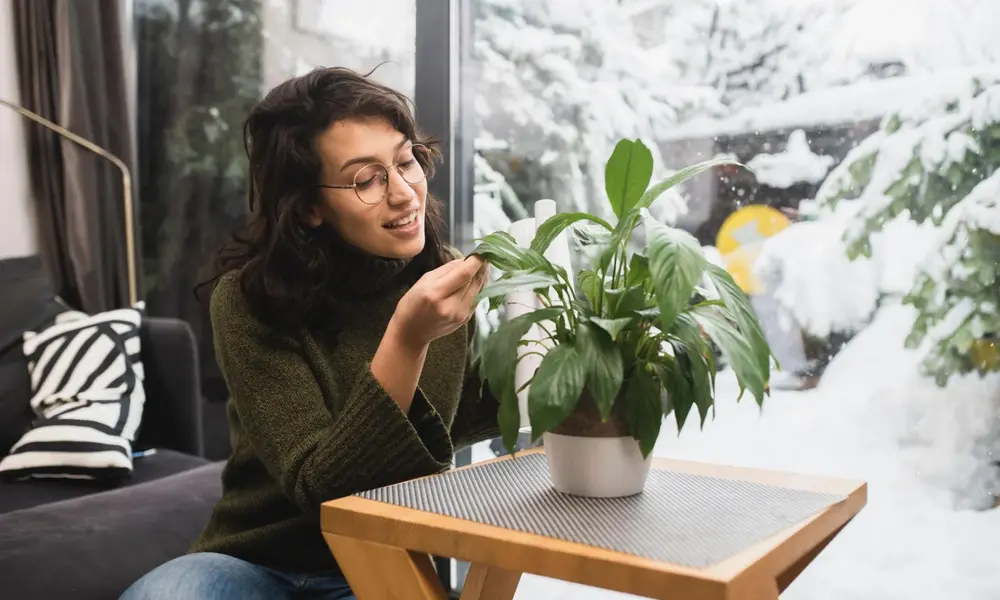
A winter friendly houseplant doesn’t need to enjoy cold weather. It needs to cope reasonably well with normal indoor conditions when the season changes.
Look for four useful qualities:
- It tolerates lower light. Winter days are shorter, and rooms may receive less direct sunlight. Plants that cope with indirect light are often easier to manage during this period.
- It doesn’t need frequent watering. Many forgiving houseplants can handle the soil drying between waterings. This is useful because indoor potting mix often stays wet longer when growth slows.
- It adapts to ordinary indoor humidity. Heated rooms can become dry. Plants with tougher leaves or water-storing structures are often less demanding than delicate tropical plants.
- It can handle small changes in routine. Beginners may forget a watering or place a plant somewhere that isn’t perfect. A forgiving plant gives you more room to learn.
One important distinction: winter friendly doesn’t mean frost-proof or safe beside a freezing window. Even hardy indoor plants can suffer when exposed to cold glass, sudden temperature changes, or icy drafts.
The 7 Best Winter Friendly Houseplants for Beginners
1. Snake Plant
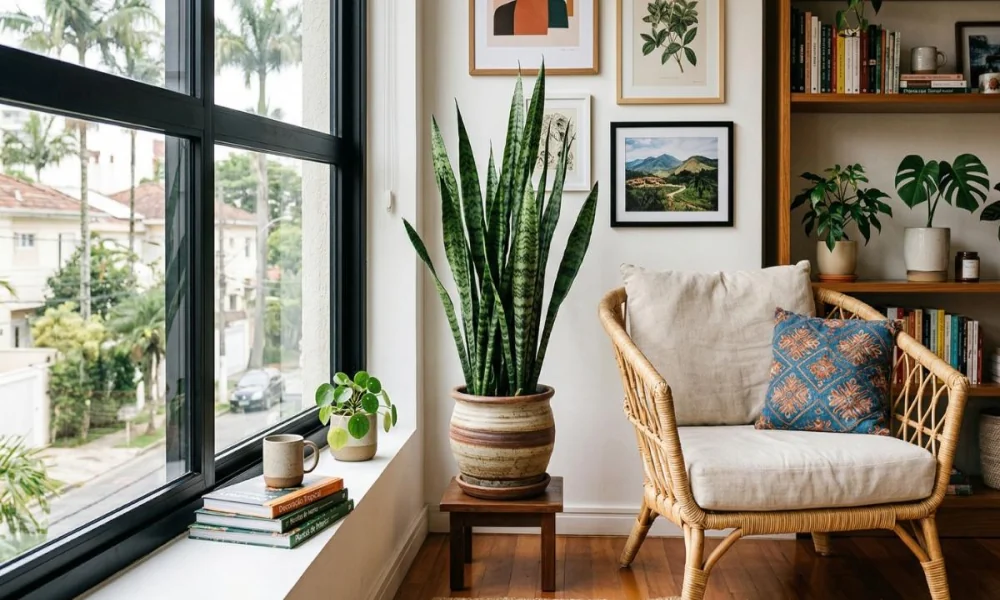
The snake plant is one of the easiest choices if you want an attractive plant without a demanding care routine. Its upright, firm leaves give it a clean look, and it can tolerate lower indoor light better than many leafy houseplants.
It also stores water in its leaves, so it doesn’t need frequent watering. Let the potting mix dry before watering again. During winter, this may take longer than it does in summer.
Keep it in a bright or moderately lit room if possible. Although it tolerates lower light, it won’t grow well in a completely dark corner. Also, move it away from cold window glass and avoid leaving its roots in wet soil.
2. ZZ Plant
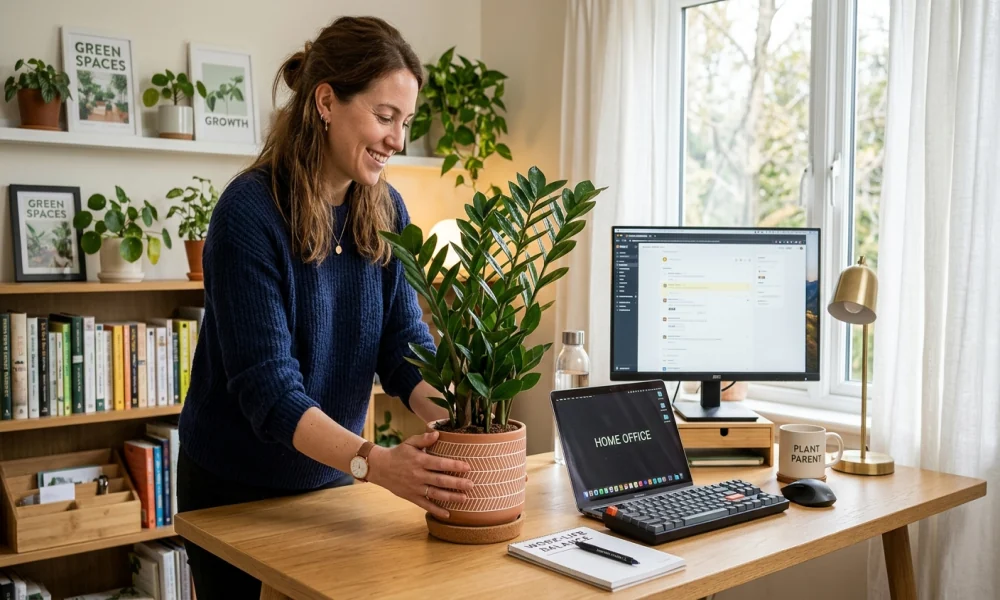
The ZZ plant is a strong option for beginners who sometimes forget their watering routine. Its thick underground rhizomes store water, helping the plant cope with dry periods.
It grows in bright, indirect light and can tolerate lower-light spaces. However, don’t mistake low-light tolerance for a need to keep it in darkness. A brighter position usually supports healthier growth.
Water only after the potting mix has dried out. Use a well-draining growing mix and avoid leaving the plant in standing water.
Pet warning: ZZ plants are not pet-safe. Keep them away from cats and dogs that may chew leaves.
3. Pothos
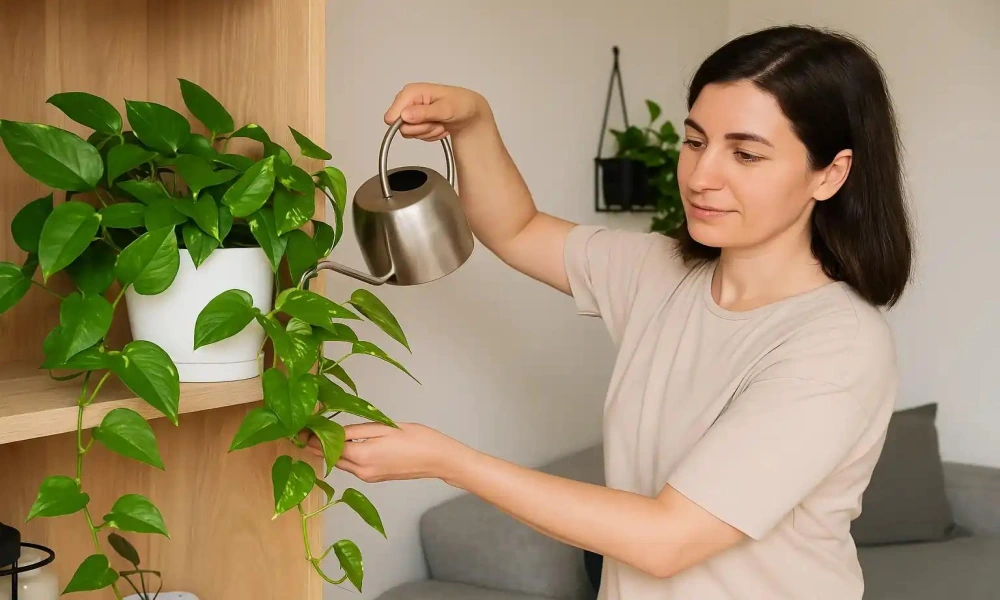
Pothos is a good choice if you prefer trailing greenery. Its vines can hang from a shelf, climb a support, or soften an empty corner.
It adapts to a range of indoor light conditions, although bright, indirect light is better for steady growth. In a darker winter room, you may notice slower growth or longer spaces between leaves.
Let the upper part of the soil dry before watering. Don’t leave the pot sitting in a tray of water. If the vines become too long, trim them with clean scissors.
Pothos is toxic if chewed, so choose another plant if you need a pet-safe option within easy reach of curious animals.
4. Cast Iron Plant
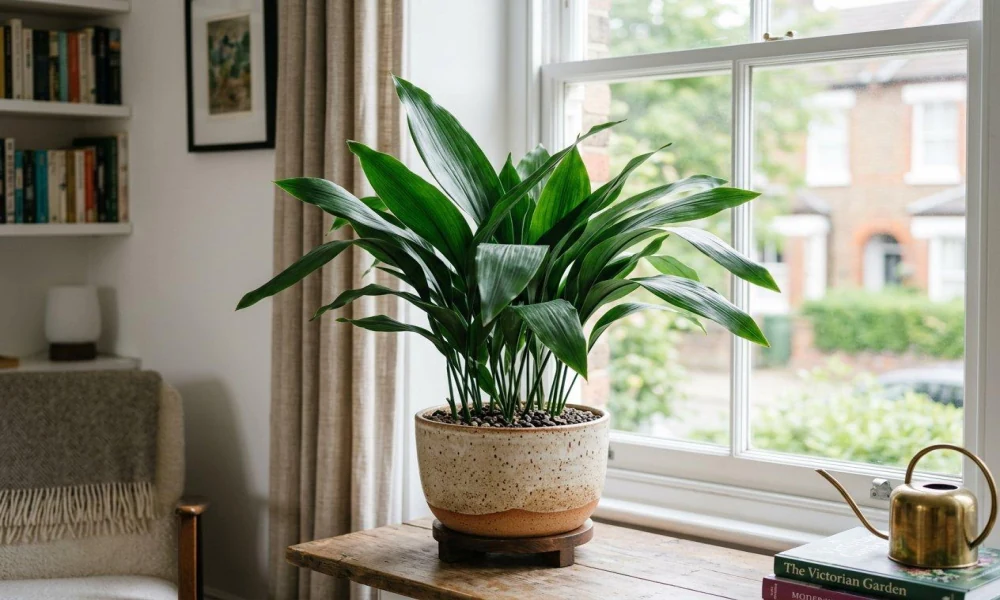
The cast iron plant has a fitting name. It is known for handling lower light and a less-than-perfect care routine, making it useful for rooms where other plants may struggle.
Its broad, dark green leaves add a simple, leafy look without taking up much visual space. It also grows slowly, so you won’t need to prune or repot it often.
Place it in indirect light or light shade, and use a pot with drainage holes. Water when the soil has started to dry rather than keeping it constantly wet. It may tolerate cooler indoor conditions better than some tropical foliage plants, but it should still be protected from frost and cold drafts.
5. Spider Plant
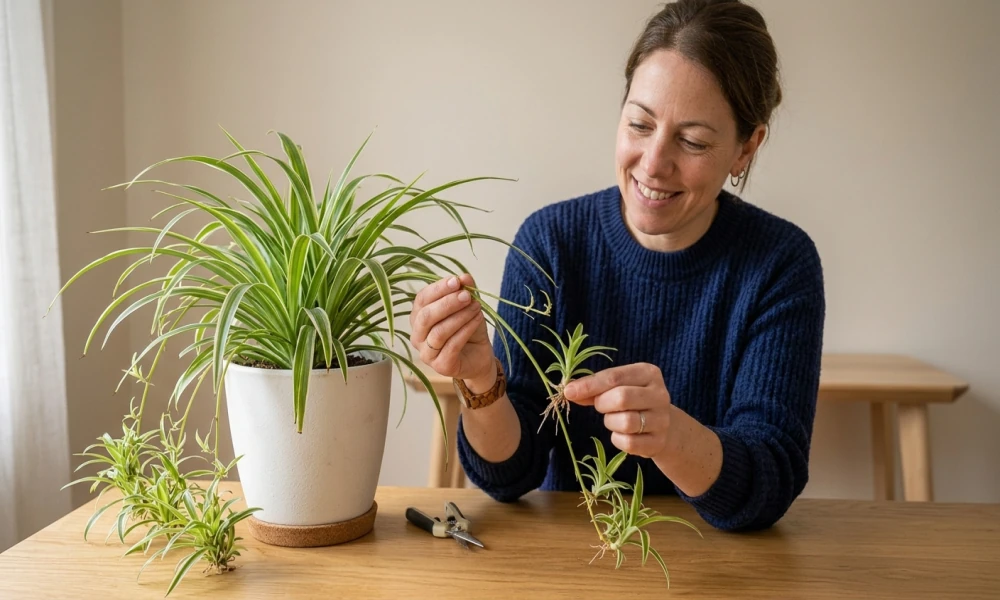
The spider plant is a practical choice if you want a plant that produces long, arching leaves and small baby plants. Those offshoots can eventually be separated and grown in their own pots.
It does well in bright, indirect light and can adapt to average indoor conditions. Avoid placing it directly beside a heater, as hot, dry air may contribute to brown leaf tips.
Brown tips don’t always mean the plant needs more water. Dry air, mineral buildup, and inconsistent watering can all play a part. Check the soil first instead of immediately giving it extra water.
6. Jade Plant
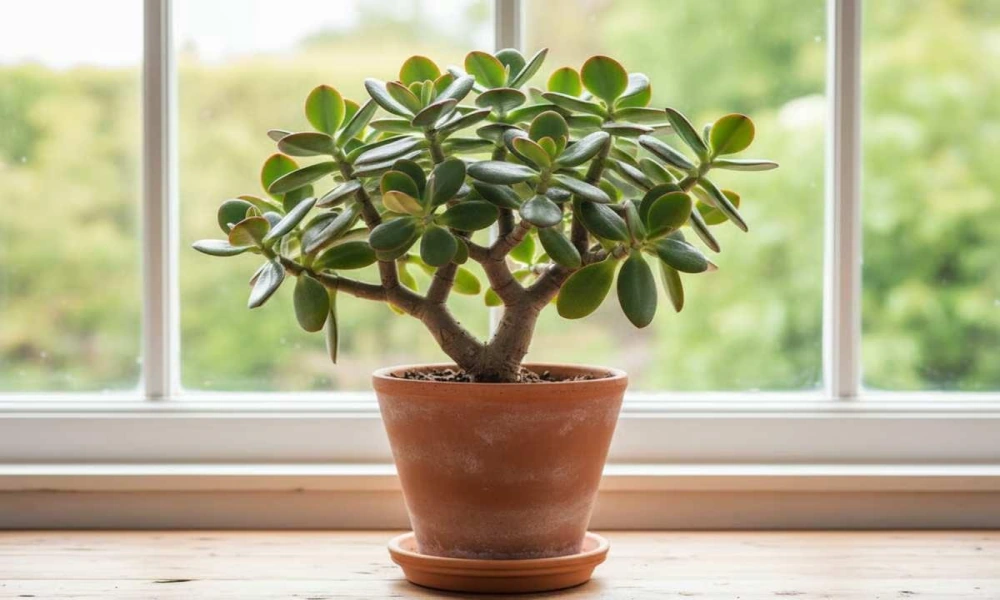
Jade is a succulent, so it stores water in its thick leaves. That makes it a useful option for people who prefer a plant that doesn’t need frequent watering.
Unlike some of the other plants on this list, jade needs plenty of natural light. A bright windowsill is usually a better choice than a dim corner. During winter, water sparingly and make sure the potting mix drains well.
Don’t keep it in a cold, wet spot. Succulents can be particularly vulnerable to root problems when their soil remains damp for too long.
Pet warning: Jade plants are toxic to cats and dogs.
7. Parlor Palm
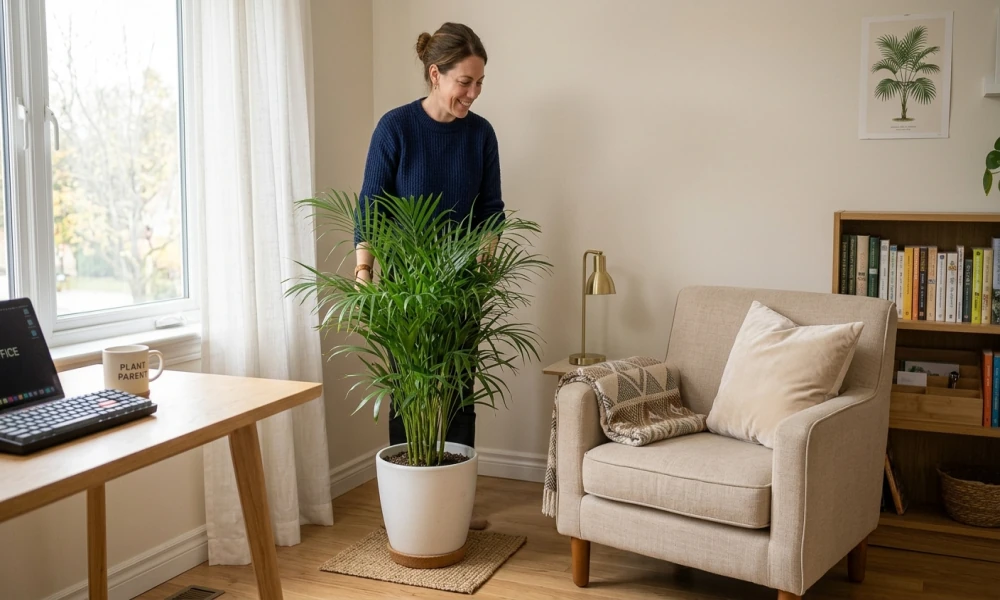
The parlor palm is a good choice if you want a softer, more tropical look. Its narrow leaves bring height and texture to a room without needing the space required by a large indoor tree.
It prefers bright, indirect light but can tolerate some lower-light conditions. Keep it away from cold drafts and direct heat from radiators. Water when the upper layer of soil begins to dry, adjusting the frequency to the room’s temperature and light.
It is also a useful option for homes with pets, but always confirm the exact plant species before buying.
5 Winter Stress Signs and What They Actually Mean
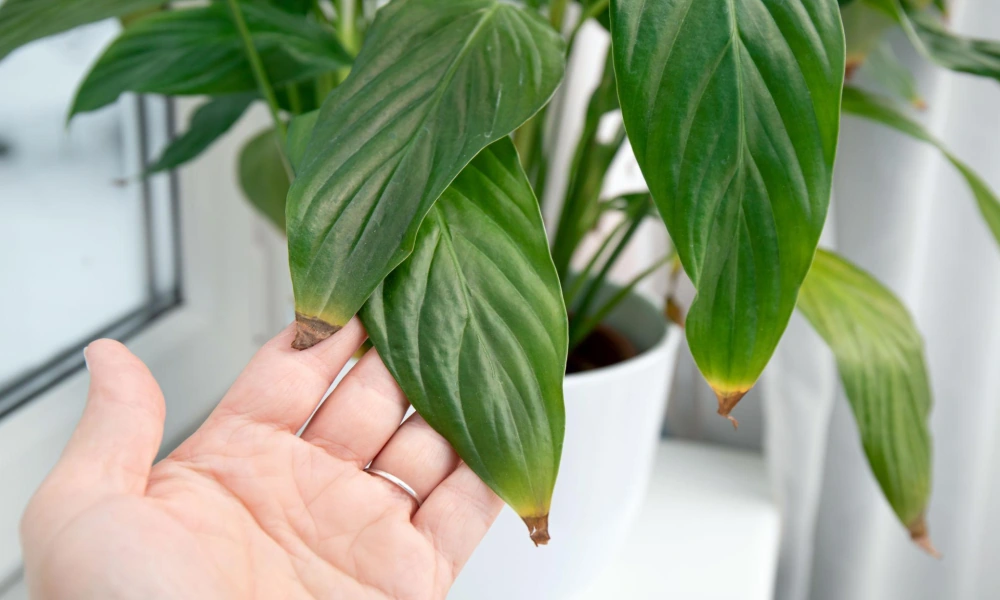
A plant can look different in winter without being seriously damaged. The important thing is to identify what may be causing the change before you try to fix it.
| Winter stress sign | What it may mean | What to do |
| Brown leaf tips | Dry indoor air, mineral buildup, or inconsistent watering | Check the soil, review your watering habits, and move the plant away from direct heat. |
| Yellow leaves | Overwatering, poor drainage, or natural ageing of older leaves | Check the soil and drainage holes before adding more water. |
| Sudden leaf drop | Cold drafts, temperature changes, or watering stress | Move the plant to a more stable location and check its soil moisture. |
| Long, weak growth | The plant may not be receiving enough light | Move it closer to a bright window, while protecting it from cold glass. |
| Small flies around the pot | Fungus gnats may be breeding in persistently damp potting mix | Let the upper soil layer dry between waterings and use yellow sticky traps to catch adults. |
These symptoms aren’t perfect diagnoses. For example, yellow leaves can have several causes, so look at the whole plant and its growing conditions rather than reacting to one leaf.
If you notice several problems at once, review the plant’s light, watering, drainage, and location.
Why Are Fungus Gnats More Noticeable in Winter?
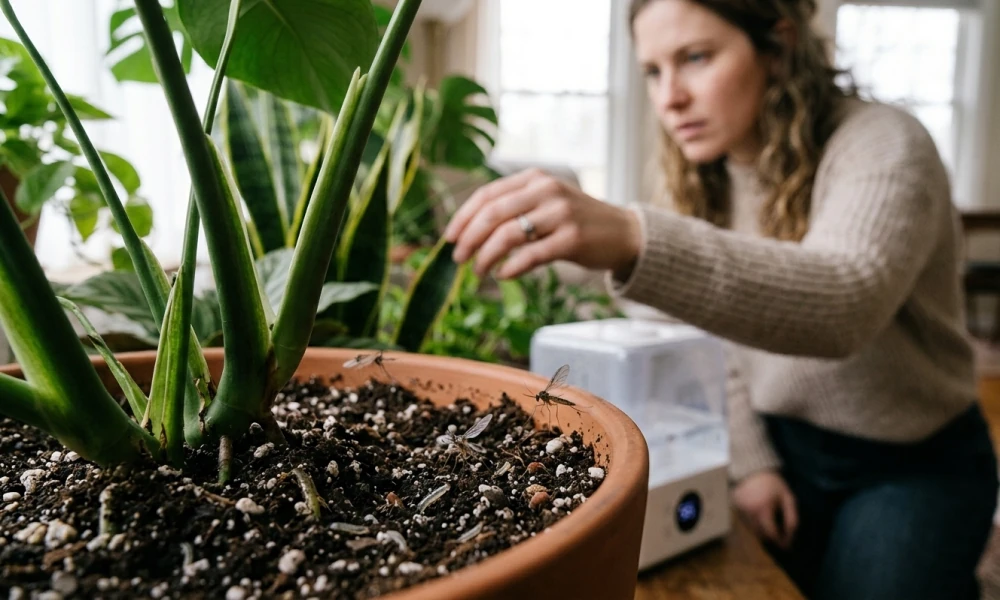
Fungus gnats are small flies that often appear around indoor pots when the growing mix stays damp. Their larvae develop in moist organic material, so frequent watering can create favourable conditions.
You don’t need to panic if you see a few. Allow the upper layer of soil to dry before watering again, provided the plant can tolerate that level of drying. Yellow sticky traps can help catch adult flies, but they won’t solve the problem if the soil remains constantly wet.
Winter Houseplant Care Is Mostly About Doing Less
When winter arrives, adjust your routine rather than trying to make your plants grow as quickly as they did in summer.
Check the Soil Before Watering
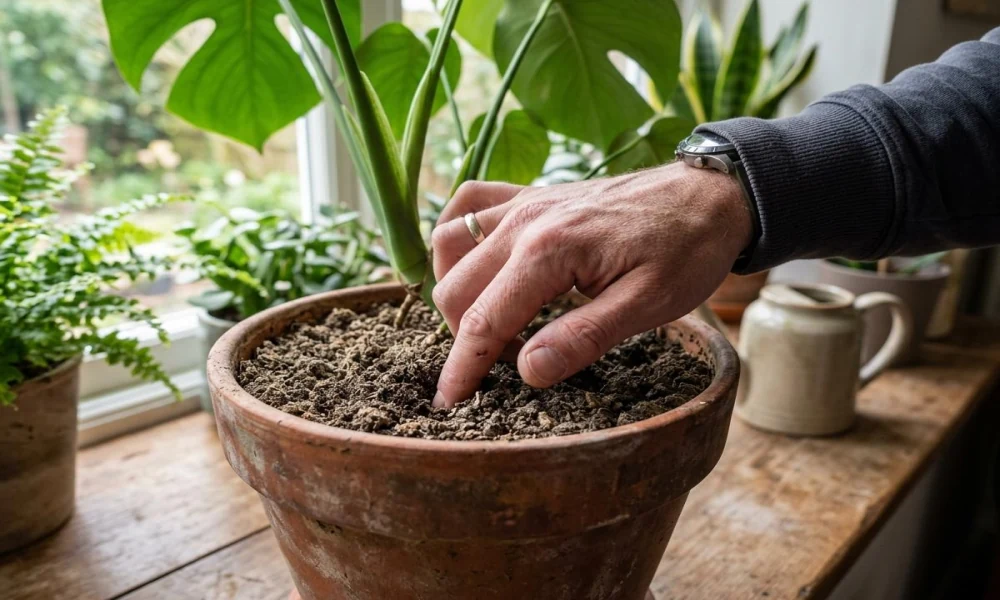
Don’t water every plant on the same day simply because it’s your usual routine. Check the soil first.
For many foliage plants, feel the upper layer of potting mix. If it still feels damp, wait and check again later. Succulents such as jade generally need the mix to dry more thoroughly between waterings.
Always empty excess water from the saucer or decorative outer pot. A plant can tolerate a short dry period more easily than roots sitting in water for days.
Give Plants the Best Available Light
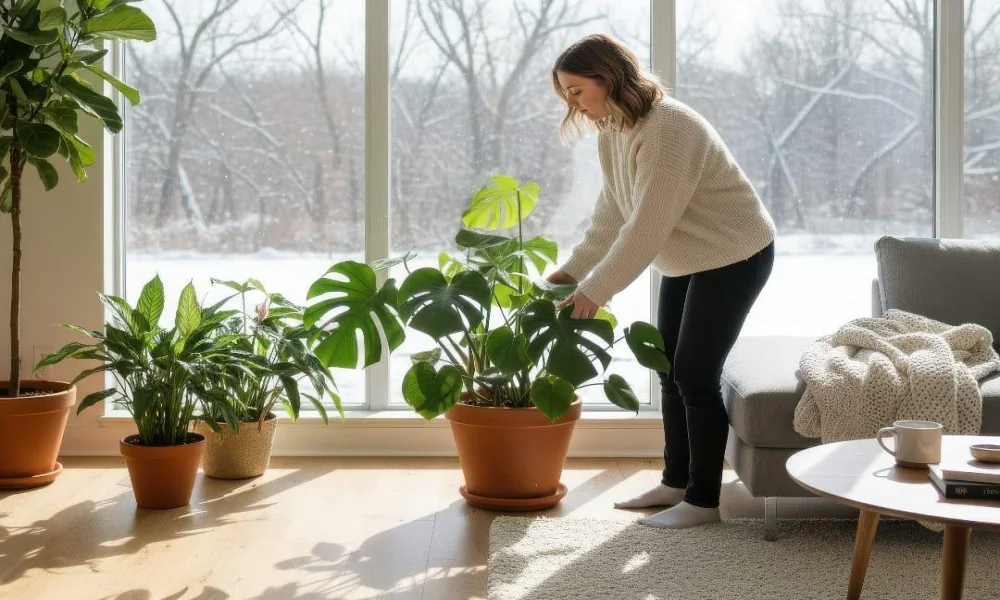
Move plants closer to a bright window if their usual position becomes too dark. However, don’t push them against cold glass or leave them trapped between a window and closed curtains overnight.
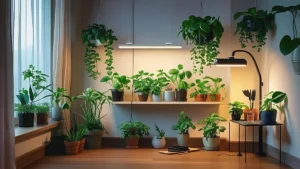
A little extra natural daylight can make a difference. If a plant develops weak, stretched growth despite being near your brightest window, a suitable grow light may help.
Keep Plants Away from Temperature Extremes
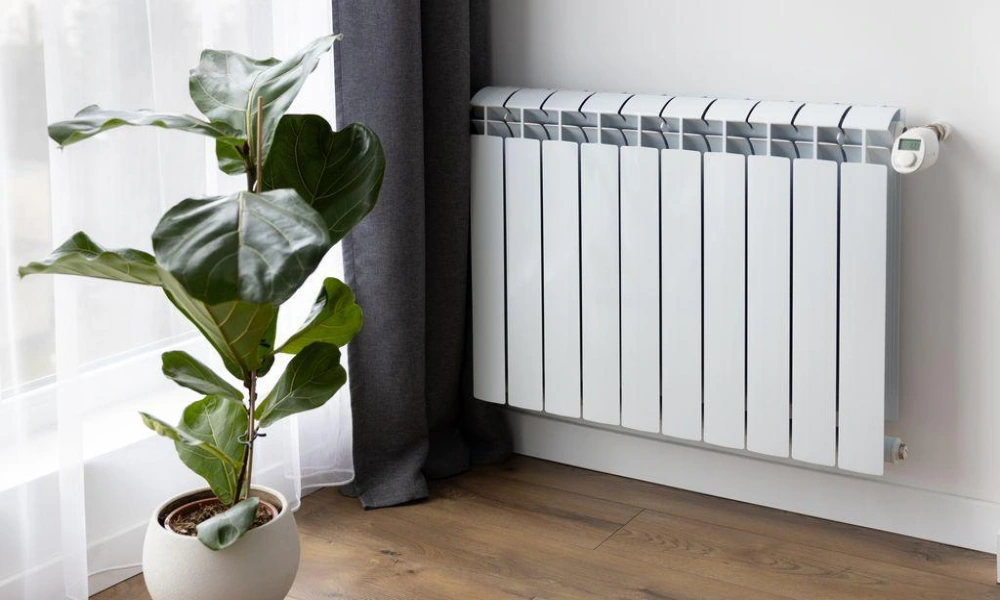
Radiators, fireplaces, air-conditioning units, and drafty doors can all create uncomfortable conditions for houseplants. Try to choose a stable position where the temperature doesn’t change sharply throughout the day. A spot a short distance from a window may be safer than a cold sill, especially on freezing nights.
Manage Dry Indoor Air
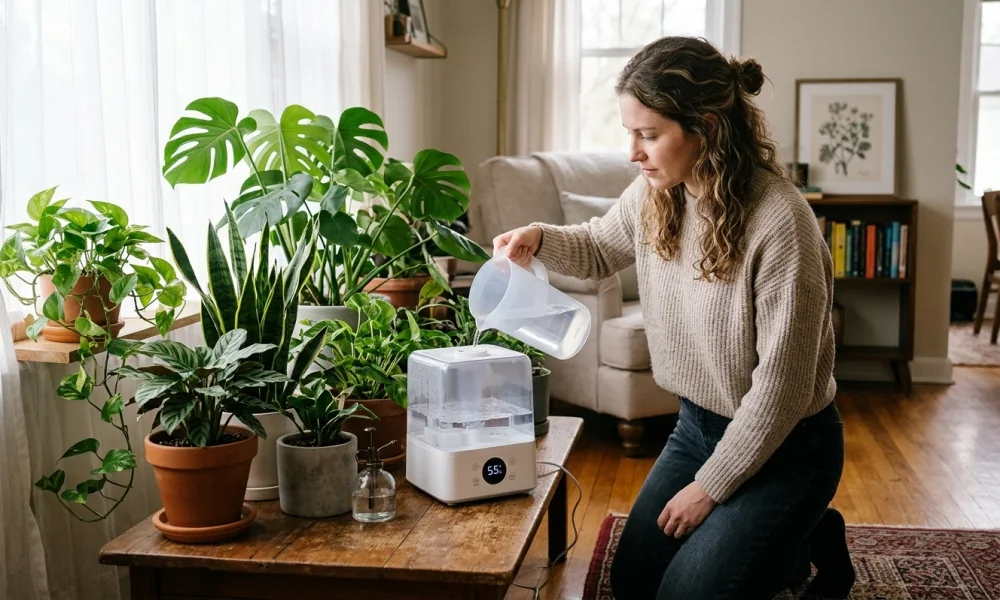
Heating can make indoor air uncomfortable for some plants. Grouping plants together may help create a slightly more humid area around their leaves, but it won’t significantly humidify an entire room.
If the air is consistently very dry, a room humidifier is a more effective solution. Avoid leaving pots in standing water just to increase humidity.
Pause Routine Feeding
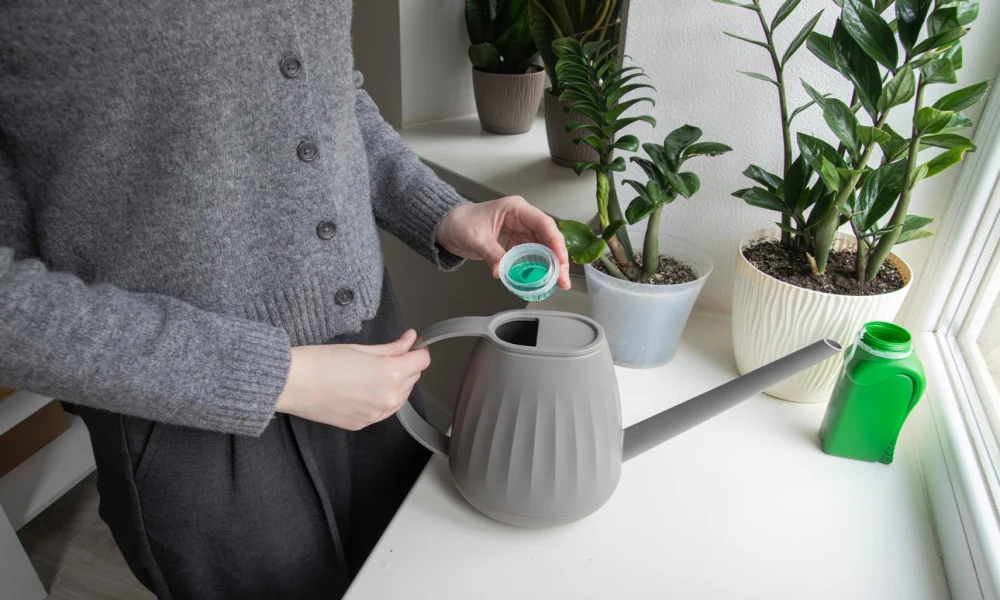
Most houseplants grow more slowly when light levels fall. If a plant isn’t actively producing new growth, regular feeding is usually unnecessary. Resume normal feeding when active growth returns and follow the requirements of that particular plant.
For additional seasonal guidance, the Royal Horticultural Society’s advice on winter houseplant care explains why light, watering, humidity, and placement matter during the colder months.
FAQ: Winter Friendly Houseplants
What are the easiest houseplants to keep alive in winter?
Snake plants, ZZ plants, pothos, and cast iron plants are useful beginner choices because they tolerate a range of indoor conditions and don’t need frequent watering. Jade is another option if you have a bright window. All still need suitable light, drainage, and protection from cold drafts.
How often should I water houseplants in winter?
There is no reliable watering schedule for every houseplant. Check the potting mix before watering. Many plants need less water in winter because they grow more slowly and the soil takes longer to dry. Succulents usually need longer dry periods than leafy foliage plants.
Which winter friendly houseplants are safe for pets?
Spider plants and parlor palms are generally considered non-toxic to cats and dogs. ZZ plants and jade plants are toxic, while pothos can also cause problems if chewed. Check the exact plant species before bringing it into a home with pets.
Do houseplants humidify a room in winter?
Houseplants release moisture into the air, but a normal collection of indoor plants won’t reliably raise the humidity of an entire room. Grouping plants may help create a slightly more humid area around their leaves. For room-level humidity, use a humidifier and monitor the conditions.
Can winter friendly houseplants sit on a cold windowsill?
Not if the sill becomes very cold or the leaves touch freezing glass. Even forgiving houseplants can suffer from cold exposure. Move pots a little farther into the room on particularly cold nights, and avoid placing them behind closed curtains where cold air can collect.
Do I need a grow light for winter houseplants?
Not always. First, move plants closer to your brightest suitable window. If they continue to produce weak, stretched growth or stop growing because the room is too dark, a grow light may help. Choose one designed for plant growth rather than relying on ordinary room lighting.
Choose the Right Plant, Then Keep Its Routine Simple
You don’t need to fill your home with complicated plants to enjoy greenery through winter. Start with one or two forgiving choices that suit the light and space you actually have. Snake plants, ZZ plants, pothos, and cast iron plants are good starting points, while jade is better suited to a bright position.
Once your plants are settled, focus on three things: check the soil before watering, give them as much suitable daylight as possible, and keep them away from cold drafts and direct heat. A steady routine is usually more helpful than frequent changes.
Disclaimer: Houseplant care needs vary by species, pot size, soil mix, room temperature, and available light. The advice in this article is general guidance, not a guarantee that every plant will thrive in every home. Always check plant toxicity before bringing a plant into a home with pets or children.