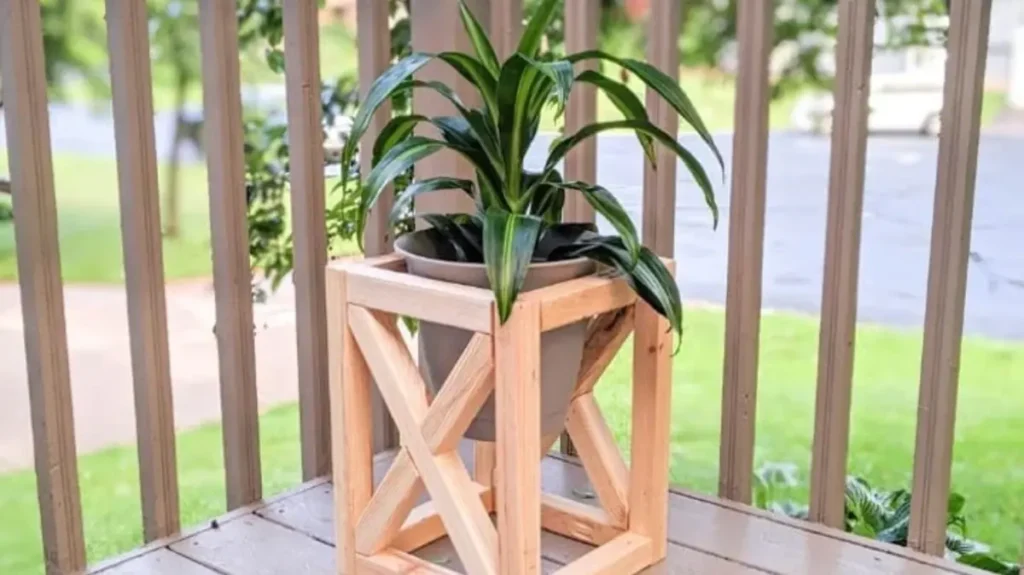
This DIY plant stand tutorial helps you create a custom wooden stand to showcase your plants while adding a decorative touch to any room. The project is simple, requiring minimal tools and basic materials, making it perfect for both experienced woodworkers and beginners. It offers a cost-effective way to elevate plants and improve aesthetics, providing a sturdy, stylish piece of furniture.
Introduction
We know that one can 1nsume lots of silly material. If your windowsills are cluttered and your tables are overwhelmed, a DIY plant stand is the perfect way to showcase both your plants and your aesthetics.
Designing a custom stand is an easy weekend project, and you hardly need any tools apart from basic materials. In this tutorial, we step-by-step describe how to make a wooden plant stand that not only holds plants but also decorates the room in any size you want.
At Peeacelily, we think every plant needs a pedestal to match its beauty! This project is designed for success, whether you are an experienced woodworker or a beginner using a drill for the first time. So, with our simple steps, you will create a piece of boutique-looking furniture at very little expense. Let’s explore a DIY plant stand and lift those plants off the floor and into the light!
Why Choose a DIY Approach for Your Plants?
You usually get the generic designs with flimsy materials (for example, particle board) when getting a plant stand from any big-box store. With a DIY plant stand, you take ownership of the quality that goes into it. You can decide on meticulous choices of timber, such as the style, which corresponds to your window level, and a color that matches your existing furniture.
And there is a functional use too. Budget plastic plant stand builds are far less stable compared to constructions built with quality wood. That’s important if you have big, heavy pots or inquisitive pets that may knock something over. Plus, nothing compares to the joy of watering your Monstera and saying every time, “I built that” because you did.
Materials and Tools Checklist
You need a plan before you go to the lumber yard. We suggest hardwoods like oak or walnut, which both have natural beauty; you can even use pine if you’re on a budget and plan to paint it: so your wood plant stand will fit the space perfectly! These are all fairly standard stuff that you can find at any hardware store in your area.
Essential Tools
- Miter Saw or Hand Saw: For making clean, straight cuts.
- Power Drill: For pre-drilling holes and driving screws.
- Measuring Tape and Pencil: Precision is the key to a level stand.
- Sandpaper (120 and 220 grit): To ensure a smooth, professional finish.
- Wood Glue: To reinforce joints for long-term durability.
Lumber and Hardware Table
| Component | Dimensions | Quantity | Material Recommendation |
| Legs | 1.5″ x 1.5″ x 18″ | 4 | Solid Oak or Pine |
| Crossbars | 1″ x 2″ x 10″ | 2 | Matching Hardwood |
| Joint Screws | 1.5″ Length | 8 | Zinc-coated screws |
| Finish | N/A | 1 Can | Wood Stain or Clear Poly |
Step 1: Measuring and Cutting the Wood
Now, the first rule of any DIY plant stand is to measure twice and cut once. To begin, measure the diameter of the pot you want to make sushi in. You will want your crossbars to be about 1 inch wider than the bottom of the pot for a comfortable fit.
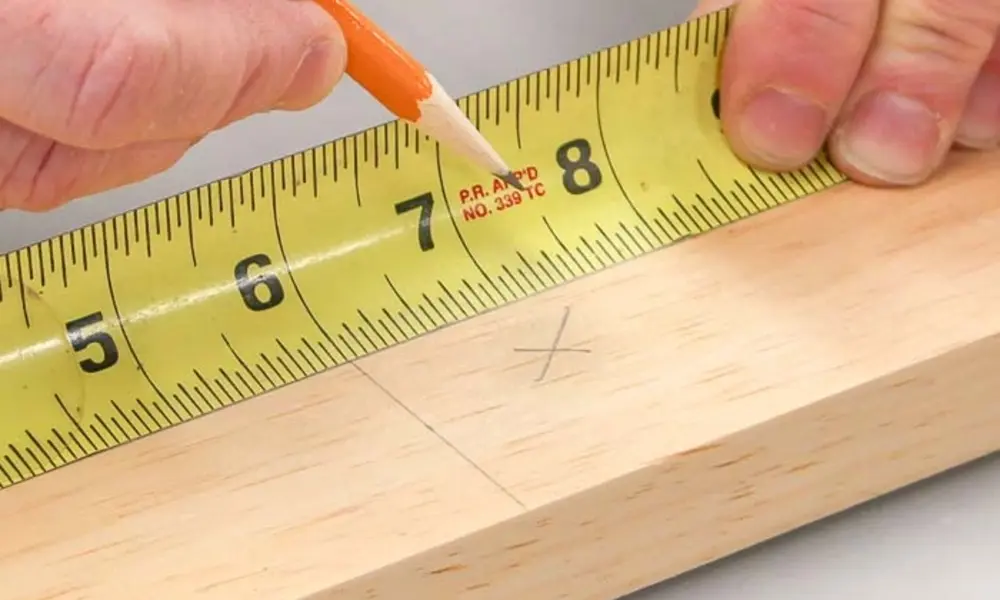
Trim the four legs to size. For a medium-sized plant, an 18-inch leg is standard, but you could also make it 24 inches for a (literally) standing impression piece. When your legs are good to go, piece together your two crossbars (cut to length). The cleanest edges come from a miter saw, which eases assembly much later.
Expert Tip: The Half-Lap Joint
With a little push, though not too difficult labor, you can make that wooden plant stand a half-lap joint so complex yet professional looking where both crossbars meet in the width. This is done by making a halfway through each board’s thickness to fit together and yield flush joints. If this sounds a little intimidating, just go with wood glue and a butt joint (with a screw in the center) — that’ll be more than fine for beginner work.
Step 2: Sanding for a Professional Finish
A lot of folks skip sanding because of how tedious it is, but it’s the difference in a “craft project” and an actual furniture piece. Using 120-grit sandpaper, begin removing any stamps from the lumber yard and rough spots where it came off the saw. For scratches, proceed with the wood grain.
Now, move to 220-grit sandpaper after the first pass. That finer grit is closing the wood’s pores slightly, giving you that buttery-smooth surface. At Peeacelily, we would recommend sanding before assembly, as once the legs are in place, it’s almost impossible to get to those tight spots.
Step 3: Assembling the Crossbars
The next step is to start bending the “X” shape that will hold your pot. If you are using the half-lap joint we discussed earlier, put a little wood glue in each notch and press them together. For the easier method, center your two crossbars and screw them into place with one screw from the bottom.
As you set up the crossbars, verify that they are absolutely perpendicular. Use a carpenter’s square, if you have one. This “X” frame is the core of your plant stand DIY. Legs will never sit square on the surface of whatever non-square it is, and your plant may be cocked to one side.
Step 4: Attaching the Legs
This is where your wooden plant stand finally comes together. You want to connect the legs to the ends of the crossbars. Pilot holes: In order to keep the wood from splitting, be sure to pre-drill your pilot holes.
- Place your first leg on the end of a crossbar.
- Determine where on the leg you like for your cross bar to sit (aka, shelf height).
- Put wood glue on the end of the crossbar.
- Drill a pilot hole, first through the leg and then into the crossbar.
- Drive your screw so that it is one with the wood (flush) or even a little lower than the surface of the wood.
Now repeat this for each of the four legs. Ensure that each leg is measured to the exact same height so that it does not rock. This is that little detail which is vital in making your plant stand DIY project last for years.
Step 5: Final Finishing and Staining
Now that you have the structure built, it’s time to make it colorful and protected. Stains highlight the natural beauty of the grain, while paint can offer a more vibrant and modern color. In either case, with a quality hardwood, the clear coat of polyurethane or wipe-on furniture wax is often the effective finish.
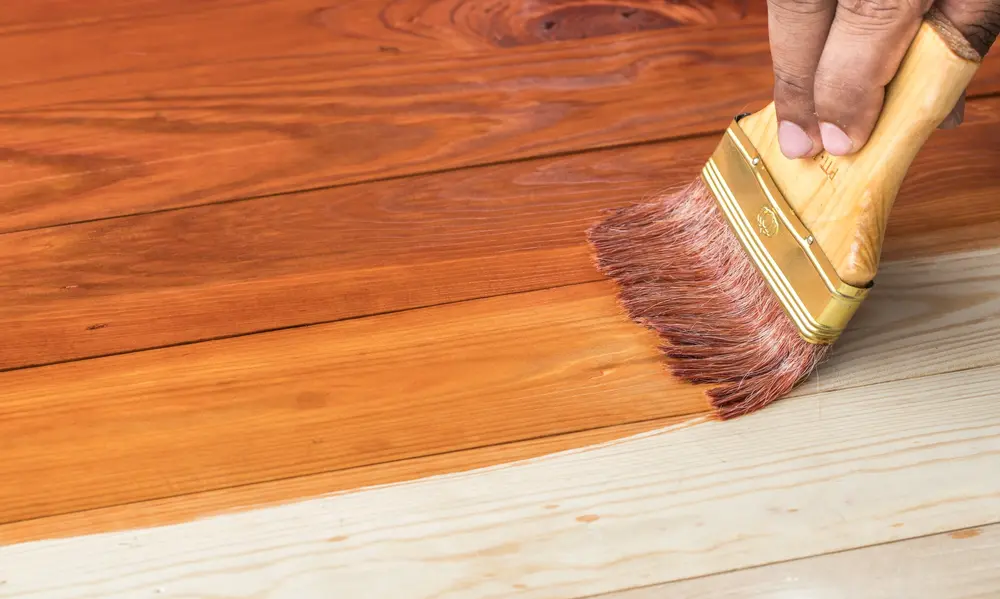
Use your finish in a well-ventilated space. For stains, use a clean, lint-free cloth, and for topcoats, use a high-quality brush. Leave the stand for not less than twenty-four hours before resting a heavy pot on it. We recommend 2 coats of finish to protect the wood from a tamale planter’s jalousie water spill now and then while you care for your plants at Peeacelily!
Decorating and Styling Your New Stand
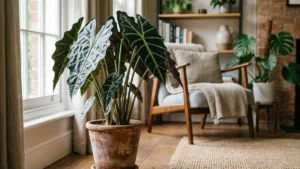
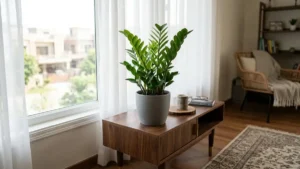
Once your wooden plant stand is dry, that chalk paint will shoot a whole new vibe into the world. The right plant to add to your build can transform the mood of a room. The leaves of a trailing Pothos or Philodendron look beautiful hanging down toward the floor when on a taller stand. The structured Snake Plant is ideal for shorter stands, while the ZZ Plant is a great architectural contrast when combined with something a little taller.
Placement Strategy
- Light Requirements: Place your stand near a window that suits your plant’s specific needs (e.g., North-facing for low light, South-facing for bright light).
- Groupings: Create a “plant nook” by building three stands of varying heights.
- Contrast: Pair dark wood stands with light-colored ceramic pots for a sophisticated look.
Maintenance and Care for Wood Furniture
You should take that into account, though, because your plant stand DIY project will hold things that need to be watered. Under any finish, no longer is standing water ultimately going to harm the timber.
So long as you have a saucer underneath your pots to catch the excess water. In time, should you find any water rings or dull spots on the wood, a quick buff with some furniture oil will bring back the sheen. A properly cared-for wooden plant stand can turn into a legacy for generations to come.
Summary of the Build Process
DIY furniture can become really scary sometimes. Splitting the plant stand DIY into smaller bits, you can have something wonderful after just a few active hours with plant shelf ideas.
- Use quality lumber so that it will last a long time.
- Set of Cut legs and crossbars based on your pot size
- Get that smooth, sleek finish by sanding before you assemble
- It will be a rock-solid structure if you use wood glue and pre-drilled holes
- Seal with a topcoat of protection from water damage
- Pair it with your favorite plants from Peeacelily to complete the look.
Conclusion
Plant stand DIY takes time, yes, but in a way, it is more than home improvement; rather, it is an investment in your living space as well. When you decide to construct a wooden plant stand yourself, the winner is improved logic, mainstream quality, customization, and that magical something that handmade things have.
At Peeacelily, we support your pursuit of indoor gardening and home crafting with plant shelf ideas. Regardless of whether you are constructing your initial position or your 10th, the most important thing is comprehensive: a better house and Wholesome vegetation. You’ve got the blueprint, now go get your tools and build. Your plants will appreciate the upgrade!
FAQs
Best wood for a plant stand DIY?
Hardwoods like Oak, Walnut, or Maple for indoor stands; Cedar or Redwood for outdoor use.
Can I build a plant stand without a power drill?
Yes, but use a manual screwdriver and create pilot holes to avoid wood cracking.
Cost to build a wooden plant stand?
A DIY stand costs $15-$40, much cheaper than store-bought stands priced at $100+.
How to stop a DIY plant stand from wobbling?
Sand down longer legs or add felt pads to shorter ones to level the stand.