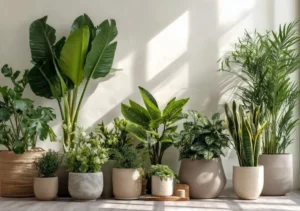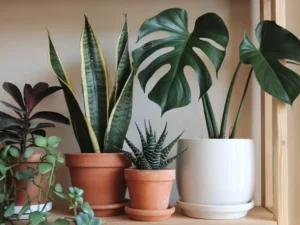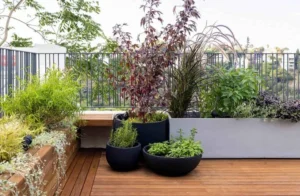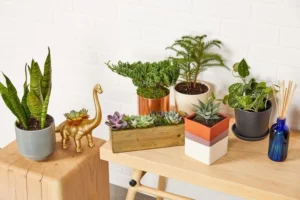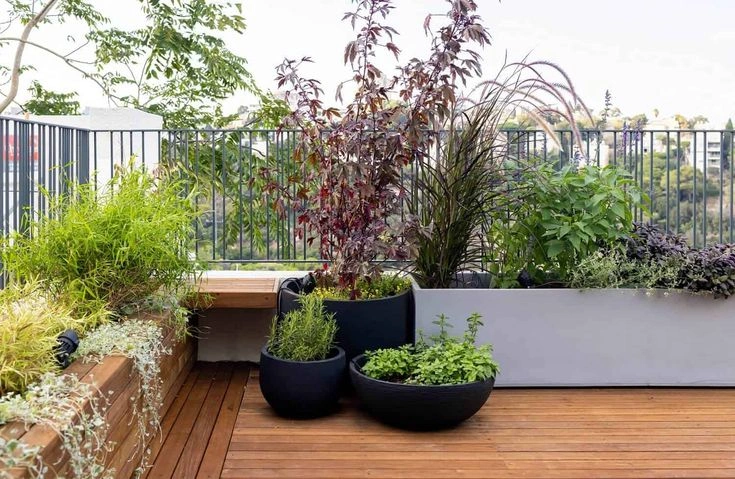
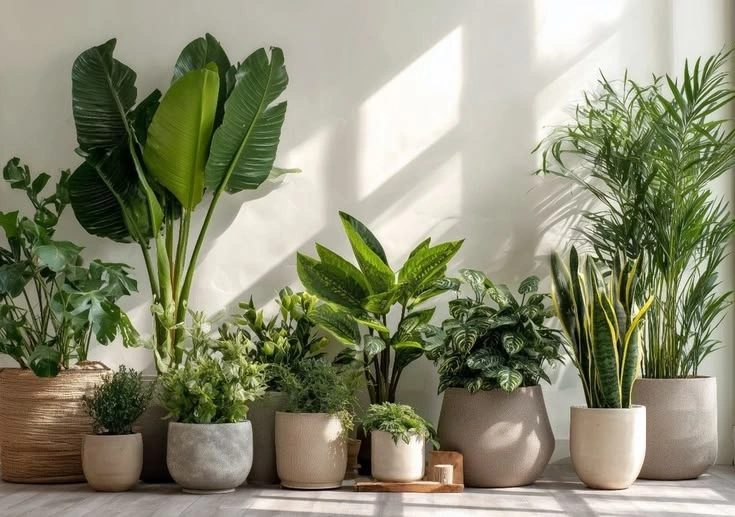
Tall house plants can completely change the feeling of a room. A single large plant can fill an empty corner, soften a plain wall, and make a space feel more finished without adding another piece of furniture.
The best part is that you do not need a huge home to enjoy them. A narrow dracaena can work beautifully beside a sofa, while a fuller areca palm can create a relaxed tropical feel in a larger living room. The right choice simply depends on your available light, ceiling height, and how much care you want to give.
At Peeacelily, we believe choosing a houseplant should be about more than appearance. A plant may look perfect in a photograph, but it needs the right environment to stay healthy. Here are 12 tall houseplants worth considering if you want to bring more height and personality into your home.
Key Takeaways
- Tall houseplants can add height and personality without requiring additional furniture.
- Bird of paradise and monstera work well when you want a dramatic tropical look.
- Dracaena and yucca are useful when you prefer a more vertical silhouette.
- Kentia and areca palms create a softer, relaxed appearance.
- Always consider light, mature size, watering needs, and available space before buying.
- Pet owners should check plant safety because some popular tall houseplants can be toxic.
1. Bird of Paradise
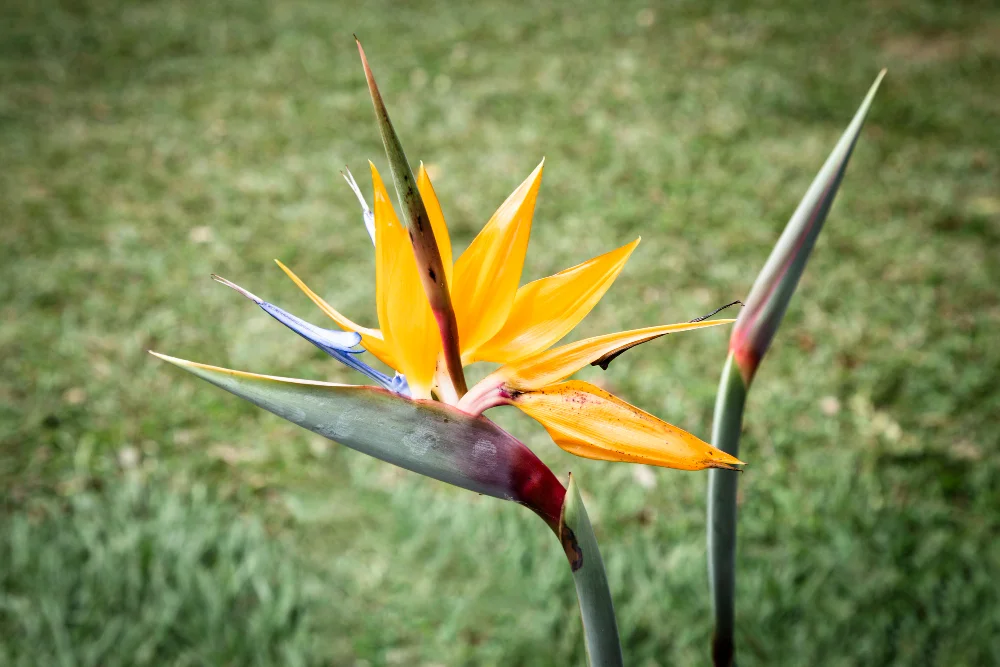
Few indoor plants create a dramatic look quite like the bird of paradise, or Strelitzia reginae. Its large, paddle-shaped leaves give it a bold architectural appearance, making it especially attractive in modern living rooms and open spaces.
This plant likes warmth, humidity, and plenty of bright light. With enough space and suitable conditions, its foliage can grow well over 1.5 metres tall.
Place it near a bright window where it can receive strong indirect light, while protecting the leaves from harsh conditions that may cause damage.
Why choose it?
Choose a bird of paradise when you want one plant to become the visual centre of a room rather than simply filling an empty corner.
2. Rubber Plant
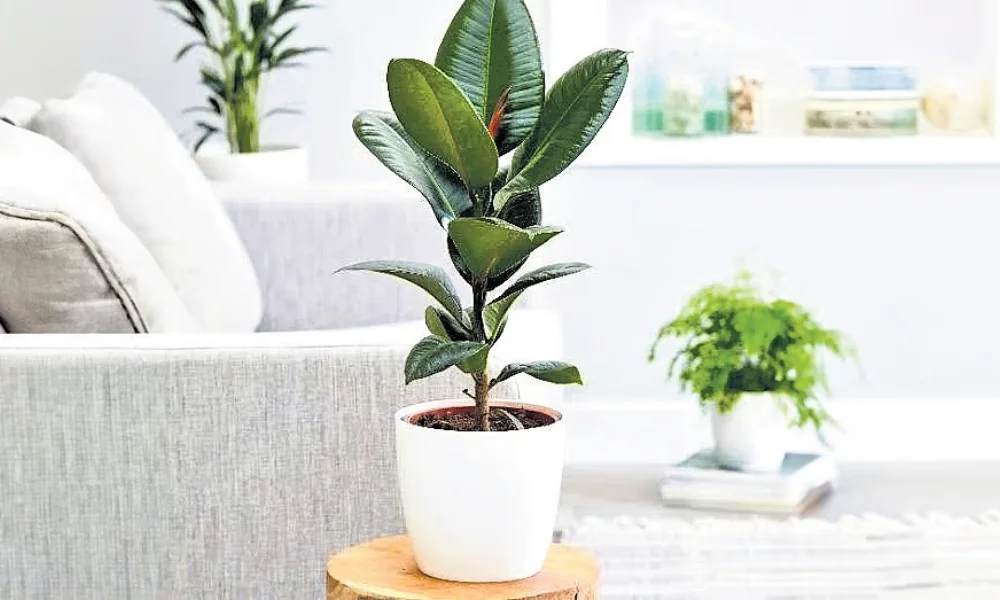
The rubber plant (Ficus elastica) is a classic choice for anyone who wants height without an overly complicated appearance. Its large, glossy leaves give it a polished look that works with both traditional and contemporary interiors.
RHS notes that ornamental figs such as the rubber plant generally prefer bright light and regular watering, although their exact tolerance can vary by plant and growing conditions.
A mature rubber plant can become an impressive focal point, especially when placed in a simple decorative pot.
3. Fiddle Leaf Fig
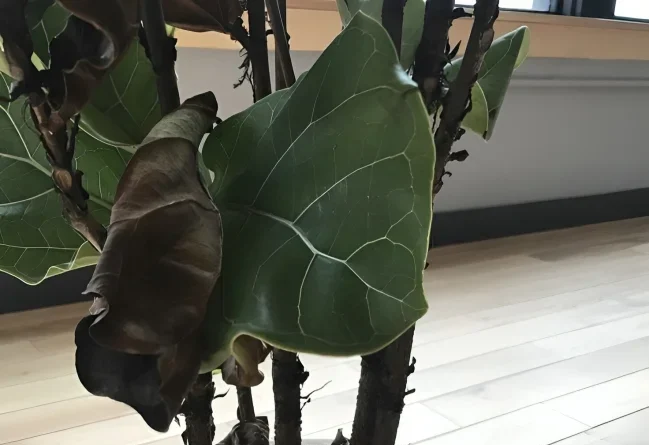
The fiddle leaf fig (Ficus lyrata) is another popular choice for a tall indoor statement plant. Its oversized, violin-shaped leaves instantly attract attention and can add a sculptural quality to a room.
It generally performs best in bright, indirect light and should not be treated like a plant that enjoys being constantly moved around. Give it a suitable position and keep its care routine consistent.
A fiddle leaf fig works particularly well beside a window, reading chair, or empty wall where its height can be appreciated.
4. Monstera Deliciosa
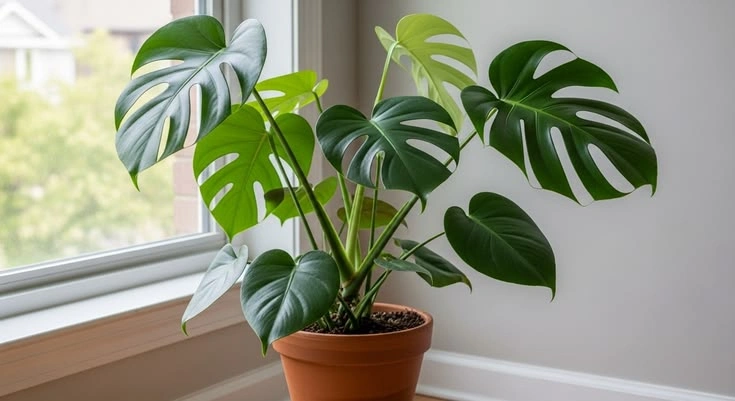
If you want something tall but more relaxed and tropical, monstera deliciosa is a strong option. Its large leaves and natural splits give it plenty of character, while a mature plant can occupy a surprisingly large vertical and horizontal area.
Monstera prefers bright, indirect light, although it can adapt to somewhat lower-light conditions. Growth may become less vigorous when light is limited, so do not expect the same lush appearance in a dark corner.
Give this plant room to spread and provide support as it grows. Its dramatic foliage makes it particularly effective in larger living rooms.
5. Kentia Palm
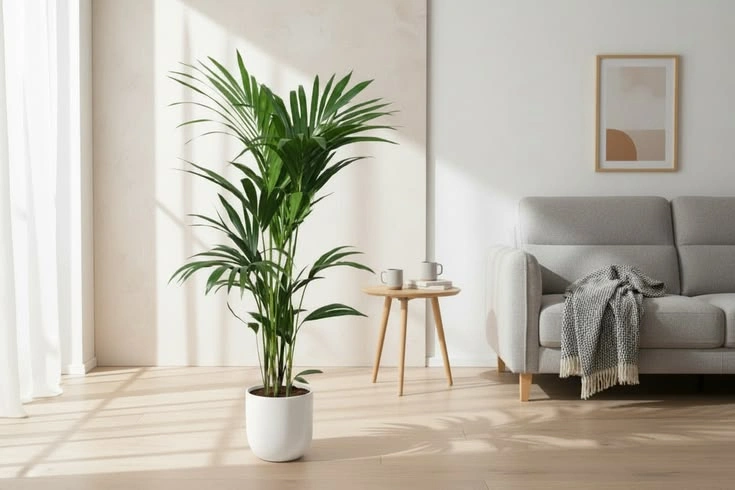
Kentia palm (Howea forsteriana) brings a softer, elegant type of height to an interior. Instead of large heavy leaves, it produces long, arching fronds that create movement without making the room feel crowded.
It is also one of the more useful choices for homes with pets because the ASPCA lists Kentia palm as non-toxic to cats and dogs.
Use it in a tall planter beside a sofa or in an open corner where the arching leaves have enough space to spread naturally.
6. Areca Palm

Areca palm (Dypsis lutescens) is another excellent option when you want a fuller tropical appearance. Its multiple stems and feather-like fronds can make an ordinary corner feel much more inviting.
The plant prefers bright, indirect light and consistent care. It can also be a practical choice for pet owners because the ASPCA lists areca palm as non-toxic to cats and dogs.
Its naturally full shape makes it especially useful for filling larger empty spaces.
7. Dracaena

Dracaena is ideal when floor space is limited but you still want a plant with noticeable height. Its narrow stems and long leaves create a vertical silhouette that works well beside furniture or in smaller corners.
RHS describes dracaenas as resilient houseplants that prefer warmth and bright, indirect light. Some types can eventually reach around 2 metres or more indoors.
There is one important consideration for pet owners: ASPCA lists dracaena as toxic to both cats and dogs.
8. Yucca Cane

Yucca cane offers a clean, structured appearance that suits minimalist interiors particularly well. Its strong stems and sword-like leaves create height without producing the soft, overflowing look associated with palms.
It generally appreciates bright light and well-draining soil. Let the growing medium dry appropriately between waterings rather than keeping it constantly wet.
If your decorating style is simple and modern, a yucca in a neutral planter can make an otherwise plain corner look intentional.
9. Umbrella Tree
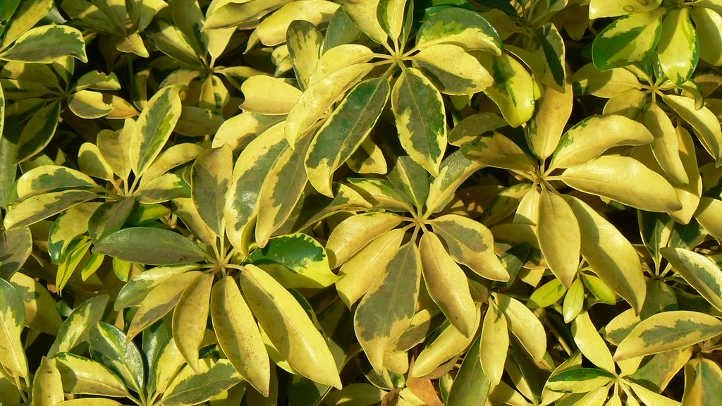
The umbrella tree, commonly known as Schefflera, has clusters of leaves arranged around its stems, giving it a naturally rounded and leafy appearance.
It is a good option when you want a tall plant that still feels full rather than narrow. Give it bright, indirect light and enough room for its foliage to develop.
Regular pruning can also help maintain a shape that suits your room instead of allowing the plant to become too wide or uneven.
10. Money Tree
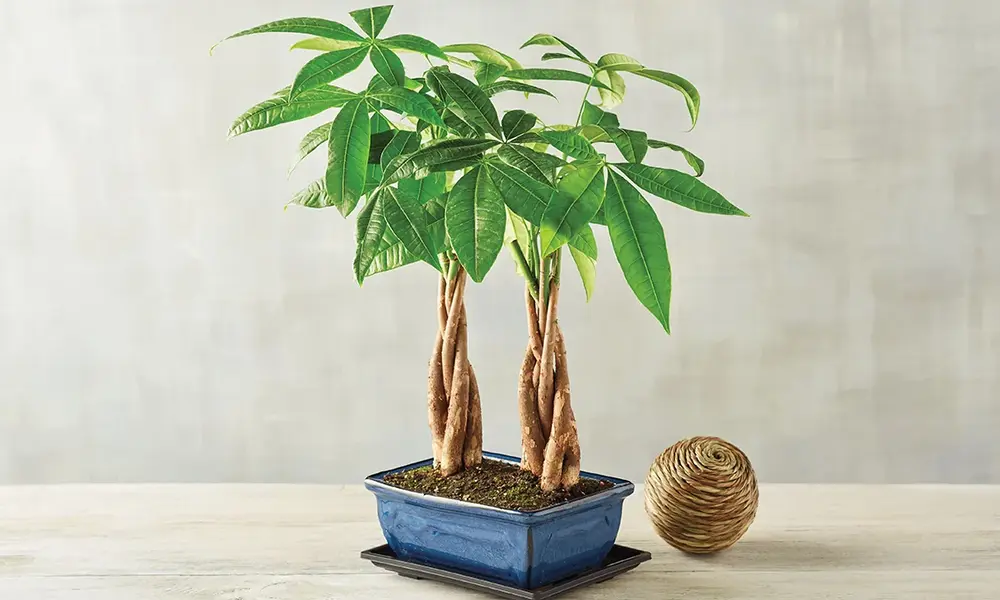
Money tree (Pachira aquatica) has a distinctive appearance that makes it easy to recognize. Many plants are sold with braided trunks, giving them an ornamental quality even before they become particularly large.
It generally prefers bright, indirect light and moderate watering. Avoid keeping its soil constantly saturated, as excessive moisture can create root problems.
A money tree can look especially attractive in a home office, living room, or entryway where its unusual trunk can become part of the décor.
11. Majesty Palm
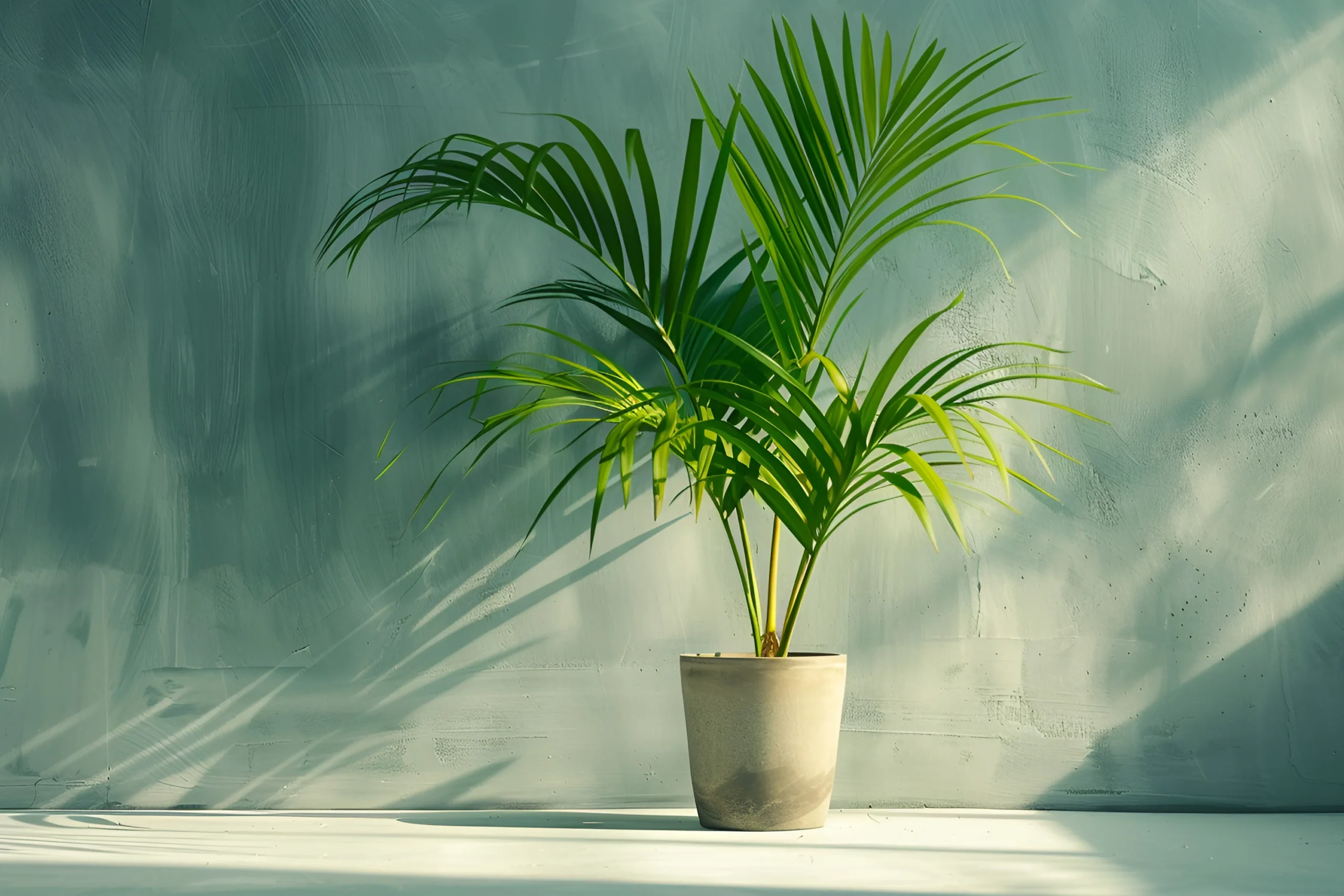
Majesty palm can bring a lush, resort-like feeling into a bright indoor space. Its long fronds give it plenty of visual movement, making it a good choice when you want a softer alternative to plants with rigid leaves.
This palm appreciates bright light, warmth, and adequate humidity. It can be less forgiving when indoor conditions are too dry or light is insufficient, so it is better suited to a room with a good natural-light source.
Give it enough surrounding space so the fronds do not constantly brush against walls or furniture.
12. Norfolk Island Pine
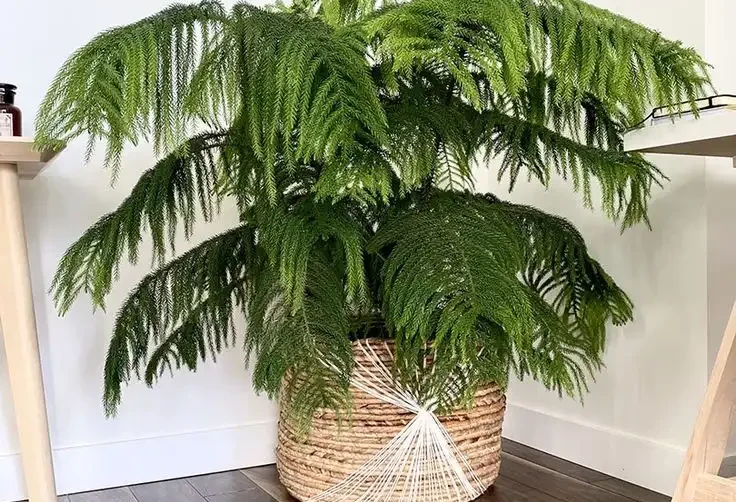
Norfolk Island pine is an interesting choice when you want a tall plant with a more tree-like shape. Its layered branches create a naturally symmetrical silhouette that can work beautifully in bright rooms.
It prefers bright light and consistent moisture without sitting in waterlogged soil. Because it develops a strong vertical shape, check the available ceiling space before choosing a larger specimen.
Its appearance can add structure to a room without the broad footprint of some tropical plants.
How to Choose the Right Tall House Plant
Choosing between tall house plants becomes much easier when you stop looking at appearance alone.
Start With Your Light
Light should be one of the first things you consider. A bright room may suit plants such as bird of paradise, rubber plant, or Norfolk Island pine, while other varieties may tolerate less intense indoor light.
Do not assume that a plant labelled “low light” means it will thrive in a dark room. Light still matters for healthy growth.
Think About the Plant’s Mature Size
A plant that looks small at the garden centre may eventually become much larger. Check both its expected height and spread before putting it into a narrow corner.
You should also consider the ceiling. A tall plant can quickly look cramped if its leaves are pressed against the ceiling.
Match the Care to Your Routine
If you often forget watering, choose a plant that can tolerate a little more drying between waterings rather than one that prefers consistently attentive care. The goal is not to choose the most impressive plant. It is to choose one you can realistically keep healthy.
How to Make Tall House Plants Look Better
Placement can make almost as much difference as the plant itself. Use a simple planter that complements your room instead of competing with the foliage. A tall plant can also look more balanced when positioned beside low furniture, such as a sofa, console, or cabinet.
For a narrow corner, choose an upright plant such as dracaena or yucca. For a larger open area, a fuller palm or monstera can create more visual impact.
Most importantly, give the plant enough breathing room. A beautiful plant can quickly lose its effect when squeezed between too many objects.
Final Thoughts
The right tall houseplant can do more than occupy an empty corner. It can change the proportions of a room, introduce texture, and create a natural focal point without making the space feel overdecorated.
From the dramatic leaves of a bird of paradise to the graceful fronds of a kentia palm, there is a tall option for almost every interior style. Start with your room’s light and available space, then choose the plant whose care requirements fit naturally into your routine.
That approach will give you something much better than a plant that simply looks good on day one: a healthy piece of greenery that continues to make your home feel more complete.
Frequently Asked Questions
What is the best tall house plant for a living room?
There is no single best choice for every living room. Bird of paradise, rubber plant, monstera, and kentia palm are strong options when the room has suitable light and enough space.
Which tall house plants are good for small spaces?
Dracaena and yucca are useful choices because their growth habit is relatively vertical. They can add noticeable height without taking up as much floor space as a wide, bushy plant.
What tall house plant is easiest to care for?
Care difficulty depends on your home’s light and conditions, but dracaena is widely regarded as a relatively resilient indoor plant. RHS describes dracaenas as handsome, undemanding, and well suited to home conditions.
Are tall house plants safe for pets?
Not all of them. Kentia palm and areca palm are listed as non-toxic to cats and dogs by the ASPCA, while dracaena is listed as toxic.
How often should tall house plants be watered?
There is no universal schedule. Check the growing medium and the plant’s individual needs instead of watering automatically on a fixed day. Light, temperature, humidity, pot size, and soil can all affect how quickly the plant dries.
Where should I put a tall house plant?
Place it where its light requirements can be met and where its mature size will not interfere with doors, walkways, furniture, or the ceiling. An empty corner near a suitable window is often an easy starting point.