
Key Takeaways
- Your surroundings influence your mood, focus, and emotional well-being.
- Natural light, fresh air, and organized spaces can support better mental health.
- Clutter, noise, and poor lighting may increase stress and reduce productivity.
- Small, consistent changes are often more effective than major makeovers.
- A healthy environment benefits people of all ages at home, school, and work.
- Creating a positive space is an ongoing habit, not a one-time project.
Quick Answer
Your surroundings and mood directly influence your mood because your brain constantly reacts to what it sees, hears, and experiences. Clean spaces, natural light, comfortable temperatures, fresh air, and calming colors often support better emotional well-being. On the other hand, clutter, poor lighting, loud noise, and uncomfortable environments can increase stress, reduce focus, and affect your overall mental health.
Why Your Surroundings Affect Your Mood
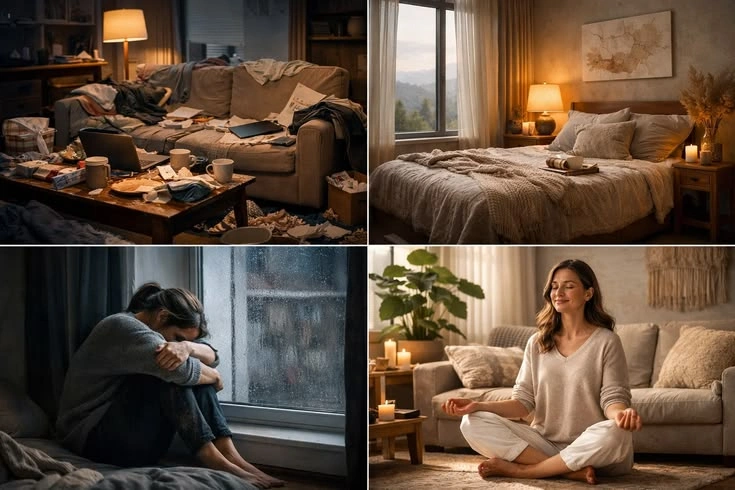
Every day, your brain processes thousands of signals from your environment. These signals include light, sound, temperature, smells, colors, and even the amount of space around you. Although many of these details go unnoticed, they still influence how you feel.
Imagine walking into two different rooms. One is bright, tidy, and filled with fresh air. The other is dark, cluttered, and noisy. Even without spending much time there, you will likely have a different emotional response to each space.
This happens because your brain naturally connects your surroundings with feelings of comfort, safety, alertness, or stress. As a result, your environment and mood are closely linked.
Some people are more sensitive to their surroundings than others. However, nearly everyone benefits from spending time in spaces that feel clean, peaceful, and welcoming.
The Science Behind Environment and Mood
Researchers in environmental psychology study how physical spaces influence human behavior and emotions. Their work shows that our surroundings and mood affect more than just comfort. They also play a role in concentration, stress levels, sleep quality, creativity, and overall well-being.
For example, exposure to natural daylight helps regulate the body’s internal clock. This supports healthy sleep patterns and can improve energy during the day.
Likewise, spending time around nature has been linked to reduced stress and better emotional balance. Even simple elements such as indoor plants or views of green spaces may help people feel calmer.
At the same time, environments filled with constant noise, poor lighting, or overcrowding may increase mental fatigue. Over time, these conditions can make everyday tasks feel more challenging.
How Your Brain Responds to Your Surroundings
Your brain is always collecting information from the world around you. Even when you’re not paying attention, it continues to evaluate your environment.
When your surroundings feel safe and comfortable, your brain can focus on learning, working, or relaxing. However, if your environment feels chaotic or overwhelming, your brain spends more energy processing distractions.
This is one reason why people often find it difficult to concentrate in noisy or cluttered spaces.
A supportive environment can help improve:
- Focus
- Motivation
- Emotional balance
- Creativity
- Memory
- Productivity
- Relaxation
- Sleep quality
These benefits show why surroundings mental health is an important topic for people of all ages.
Key Environmental Factors That Influence Mental Health
Several parts of your environment work together to shape your daily mood. While each factor may seem small on its own, their combined effect can be significant.
| Environmental Factor | Positive Effect | Negative Effect |
|---|---|---|
| Natural light | Better mood and energy | Fatigue and low motivation |
| Clean space | Reduced stress | Feeling overwhelmed |
| Fresh air | Increased alertness | Tiredness and discomfort |
| Quiet environment | Better concentration | Stress and distraction |
| Comfortable temperature | Improved comfort | Irritability |
| Natural elements | Relaxation | Less connection with nature |
Lighting and Mood
Lighting is one of the strongest influences on emotional wellbeing.
Natural sunlight helps your body maintain a healthy sleep and wake cycle. It also supports daytime alertness and can improve your overall mood.
Dark rooms or poorly lit spaces may leave you feeling sleepy or less motivated. For people who spend long hours indoors, making better use of daylight can create noticeable improvements.
Ways to Improve Lighting
- Open curtains during the morning.
- Place your desk near a window.
- Use warm lighting in relaxing spaces.
- Avoid harsh lighting before bedtime.
- Spend time outdoors whenever possible.
Colors and Emotions
Colors can influence how a space feels. Although everyone has personal preferences, certain colors are commonly associated with different emotions.
Soft blues and greens often create a calm atmosphere. Warm earth tones can make a room feel welcoming, while bright colors may increase energy when used in moderation.
Very dark or overly intense colors may not suit every room, especially if the goal is relaxation.
| Color | Common Emotional Effect |
|---|---|
| Blue | Calmness and focus |
| Green | Balance and relaxation |
| Yellow | Optimism and warmth |
| White | Clean and open feeling |
| Gray | Neutral when balanced with warmer tones |
The best choice depends on the purpose of the room and your personal comfort.
Clutter and Stress
Many people underestimate how much clutter affects their mood.
When a room is crowded with unnecessary items, your brain has more visual information to process. This can make it harder to concentrate and easier to feel overwhelmed.
A tidy space doesn’t have to look perfect. Instead, it should help you find what you need without creating unnecessary distractions.
Simple Decluttering Tips
- Put away items after using them.
- Donate things you no longer need.
- Keep frequently used items organized.
- Clean one small area each day.
- Avoid letting paperwork pile up.
Small habits often make a bigger difference than occasional deep cleaning.
Noise and Emotional Wellbeing

Sound is another important part of how space affects mood.
Constant background noise from traffic, construction, televisions, or crowded spaces may increase stress over time. Even if you become used to the noise, your brain continues to process it.
On the other hand, quieter environments can support better concentration and relaxation.
If complete silence isn’t possible, calming background sounds or soft instrumental music may create a more peaceful atmosphere.
Fresh Air and Air Quality
Fresh air plays an important role in creating a healthy environment.
Poor ventilation can make a room feel stuffy and uncomfortable, while fresh air often helps people feel more awake and refreshed.
Opening windows regularly, maintaining clean air filters, and adding suitable indoor plants can make your living space feel more pleasant.
Good air quality also supports comfort while working, studying, or relaxing indoors.
The Benefits of Positive Surroundings
Creating a healthy environment is not about making your home look perfect. It’s about building a space that helps you feel comfortable, focused, and emotionally balanced. Even small improvements can make everyday life more enjoyable.
Better Mental Health
A peaceful environment can lower daily stress and help you feel more relaxed. When your surroundings support your wellbeing, it becomes easier to manage challenges and recover from busy days.
Improved Focus and Productivity
Whether you’re working, studying, or managing household tasks, an organized space reduces distractions. As a result, you can stay focused for longer and complete tasks more efficiently.
Higher Energy Levels
Bright rooms, fresh air, and natural light can help you feel more awake throughout the day. These simple changes often make everyday activities feel less tiring.
Better Sleep
Your bedroom environment plays a major role in sleep quality. A cool, quiet, and comfortable room makes it easier to fall asleep and wake up feeling refreshed.
Stronger Emotional Wellbeing
When you enjoy spending time in your surroundings and mood, you’re more likely to feel calm, motivated, and positive. Over time, these small improvements can support better emotional health.
Common Environmental Habits That Can Hurt Your Mood
Sometimes, the problem isn’t one major issue. Instead, it’s a collection of small habits that slowly affect how you feel.
Living With Constant Clutter
Messy spaces can make simple tasks feel overwhelming. Cleaning a little every day is usually more effective than waiting until the mess becomes stressful.
Spending All Day Indoors
Fresh air and natural daylight help break up long hours inside. Even a short walk outside can improve your mood and reduce mental fatigue.
Ignoring Noise
Background noise may seem harmless, but constant distractions can increase stress and make it harder to concentrate.
Poor Workspace Setup
An uncomfortable chair, poor lighting, or a crowded desk can reduce productivity and make work feel more exhausting.
Lack of Personal Touch
A space without meaningful decorations or personal items may feel less welcoming. Family photos, artwork, books, or favorite colors can make a room feel more comfortable.
Home vs Workplace: How Different Spaces Affect Mood
Different environments influence your emotions in different ways. Understanding these differences helps you make better choices throughout the day.
| Factor | Home | Workplace |
|---|---|---|
| Main Goal | Relaxation | Productivity |
| Best Lighting | Warm and natural | Bright natural light |
| Noise Level | Quiet and peaceful | Low distractions |
| Organization | Comfortable and tidy | Functional and organized |
| Decoration | Personal and cozy | Simple and professional |
| Mood Impact | Rest and comfort | Focus and motivation |
Practical Ways to Improve Your Surroundings
Improving your environment doesn’t have to be expensive. Small changes often have the biggest impact because they’re easier to maintain.
Let More Natural Light In
Open curtains each morning and allow sunlight to fill your room whenever possible.
Add Plants
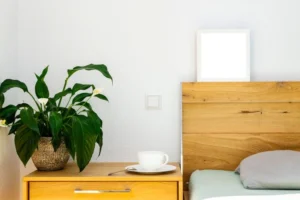
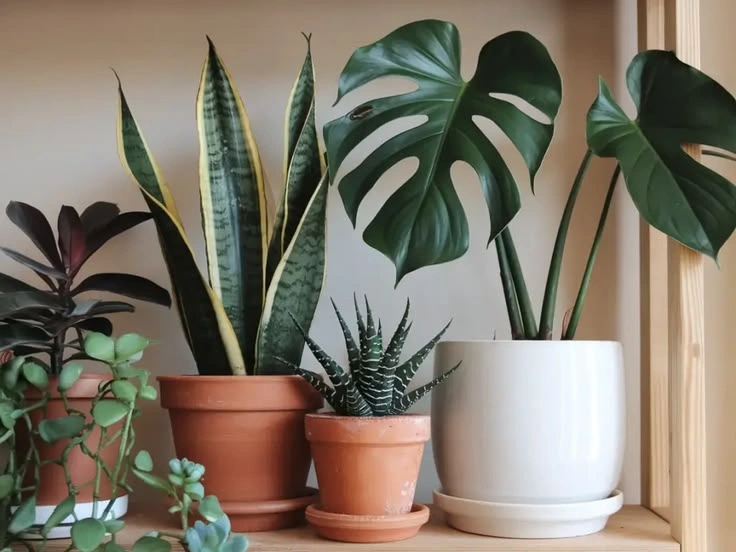
Indoor plants can make a room feel fresher and more inviting. If you don’t have much time, choose low-maintenance plants.
Keep Frequently Used Areas Clean
Focus on the spaces you use every day instead of trying to organize your entire home at once.
Reduce Unnecessary Noise
Use soft background music, close windows during heavy traffic, or wear noise-reducing headphones when working.
Improve Air Quality
Open windows regularly and keep your living space well ventilated.
Choose Comfortable Furniture
A supportive chair, proper desk height, and comfortable seating can improve both posture and concentration.
Create a Relaxation Corner
Set aside a small area for reading, meditation, or simply taking a break from screens.
Small Changes That Make a Big Difference
You don’t need to redesign your entire home to notice positive results. Start with one or two improvements and build from there.
Here are a few ideas:
- Make your bed every morning.
- Open a window for fresh air.
- Keep your desk organized.
- Spend a few minutes outside each day.
- Add a plant to your room.
- Use warm lighting during the evening.
- Remove items you no longer use.
- Keep frequently used spaces clutter-free.
These habits take only a few minutes, yet they can gradually improve your daily experience.
Common Mistakes to Avoid
Many people want a better environment but make changes that are difficult to maintain.
| Mistake | Better Choice |
|---|---|
| Trying to organize everything at once | Improve one area at a time |
| Blocking natural light | Make better use of daylight |
| Buying decorations without purpose | Choose items that add comfort and function |
| Ignoring workspace comfort | Invest in an ergonomic setup when possible |
| Letting clutter build up | Spend a few minutes tidying each day |
| Staying all day indoors | Get fresh air and natural light regularly |
Quick Checklist for a Mood-Boosting Space

Use this checklist to see whether your surroundings support your wellbeing.
- Plenty of natural light
- Fresh air every day
- Comfortable room temperature
- Organized workspace
- Clean living areas
- Limited unnecessary noise
- Comfortable furniture
- Indoor plants or natural elements
- Relaxing bedroom
- Personal touches that make you happy
If you answered “yes” to most of these, your environment is likely supporting your daily mood.
Frequently Asked Questions
Can changing my surroundings really improve my mood?
Yes. Small changes such as reducing clutter, improving lighting, and spending more time in natural surroundings can help you feel calmer and more focused.
Does a clean room improve mental health?
A clean and organized space can reduce distractions and stress, making it easier to relax and stay productive.
How does natural light affect mood?
Natural light helps regulate your body’s internal clock, supports healthy sleep patterns, and can improve energy during the day.
Why does clutter feel stressful?
Clutter creates extra visual distractions that can make your brain work harder, leading to feelings of overwhelm.
What is the easiest way to improve my environment?
Start with simple habits such as opening your curtains, organizing one small area, adding fresh air, and removing unnecessary clutter.
Conclusion
Your surroundings and mood shape more than the appearance of your home or workplace. They influence your emotions, focus, energy, and overall wellbeing every single day.
The connection between surroundings and mood becomes clear when you notice how light, noise, cleanliness, air quality, and comfort affect your daily experiences. While no environment is perfect, making small improvements can have lasting benefits.
Instead of trying to change everything overnight, focus on one simple improvement at a time. Over weeks and months, those small changes can create a space that supports your mental health, helps you stay productive, and makes everyday life more enjoyable.