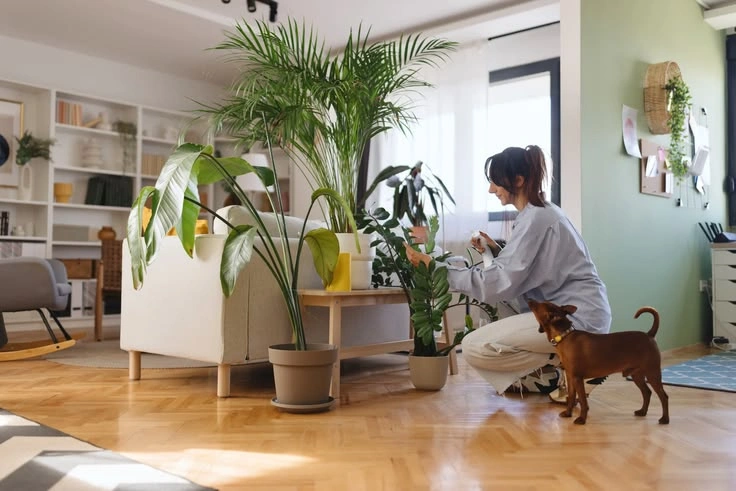
Bringing plants into your home can make a room feel fresher, warmer, and more alive. But if you share your home with a curious cat or playful dog, choosing a houseplant takes a little more thought. Some popular indoor plants can cause vomiting, mouth irritation, drooling, or more serious problems if pets chew or eat them.
The good news is that you do not have to choose between a green home and a pet-friendly home. There are plenty of beautiful pet-safe indoor plants that can fit naturally into bedrooms, living rooms, offices, and small apartments.
For this guide, plant safety is based mainly on the ASPCA’s toxic and non-toxic plant information. It is also important to remember that “non-toxic” does not mean a plant should be treated as food. Even non-toxic plants may cause stomach upset if a pet eats a large amount.
Key Takeaways
- Spider plants, calatheas, and several palms are good choices for homes with cats and dogs.
- Always check the exact plant species before bringing it home because common names can be confusing.
- Peace lilies, pothos, philodendrons, snake plants, and sago palms should not be treated as pet-safe choices.
- Even a non-toxic plant should be kept away from pets that constantly chew leaves or dig in soil.
- If a pet eats a plant and develops unusual symptoms, contact a veterinarian promptly.
What Makes an Indoor Plant Pet-Safe?
A pet-safe plant is generally one that is listed as non-toxic to the relevant animal by a reliable veterinary or poison-control source. The ASPCA maintains separate plant information for cats and dogs, which makes it a useful starting point when checking a plant before buying it.
However, plant safety is not simply about whether a plant looks harmless. Pets can chew leaves, pull plants from pots, drink water from saucers, or swallow pieces of soil and fertilizer. That is why responsible plant ownership means looking at the whole setup, not just the plant name.
When in doubt, check the botanical name rather than relying only on a nickname used by a local nursery.
Best Pet-Safe Indoor Plants for Cats and Dogs
1. Spider Plant
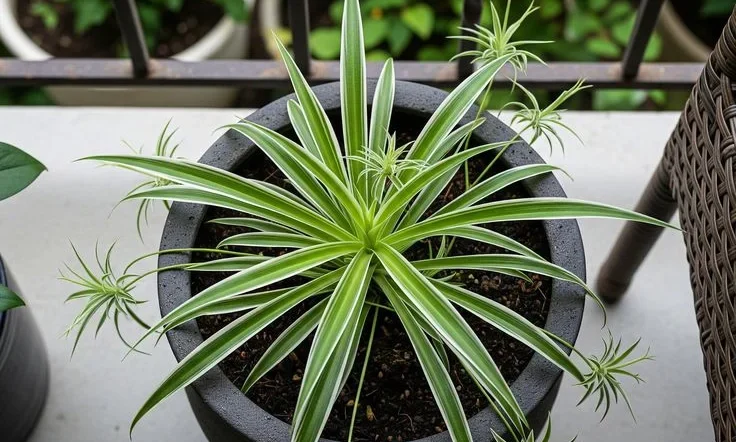
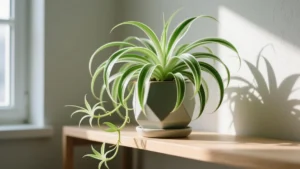
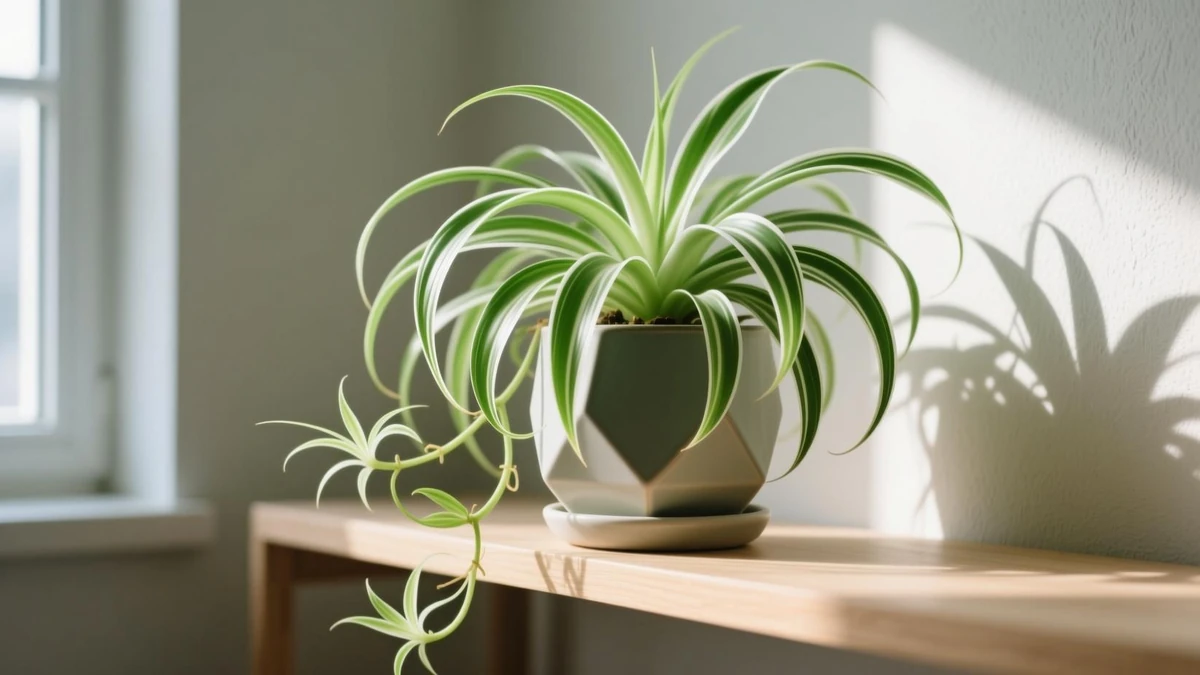
Spider plant is one of the easiest choices for a pet-friendly home. Its long, arching leaves look attractive in hanging baskets or on a high shelf, and it produces small plantlets that hang from mature stems.
The ASPCA lists spider plant (Chlorophytum comosum) as non-toxic to both cats and dogs.
It also handles a range of indoor conditions, making it a practical option for beginners. If your cat enjoys batting at dangling leaves, however, a hanging basket may not be the best location.
2. Calathea
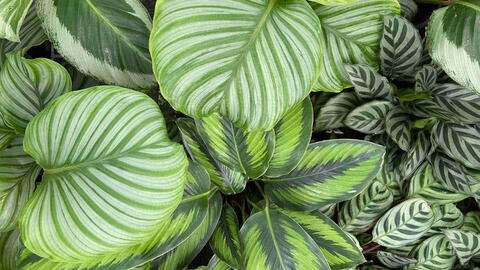
Calatheas are perfect when you want something more decorative. Their patterned leaves can bring plenty of character to a plain room without relying on flowers.
The ASPCA lists Calathea species as non-toxic to cats and dogs.
They generally prefer bright, indirect light and evenly moist soil. Their dramatic foliage makes them especially useful when you want a statement plant without choosing one of the toxic varieties commonly found in plant stores.
3. Parlor Palm
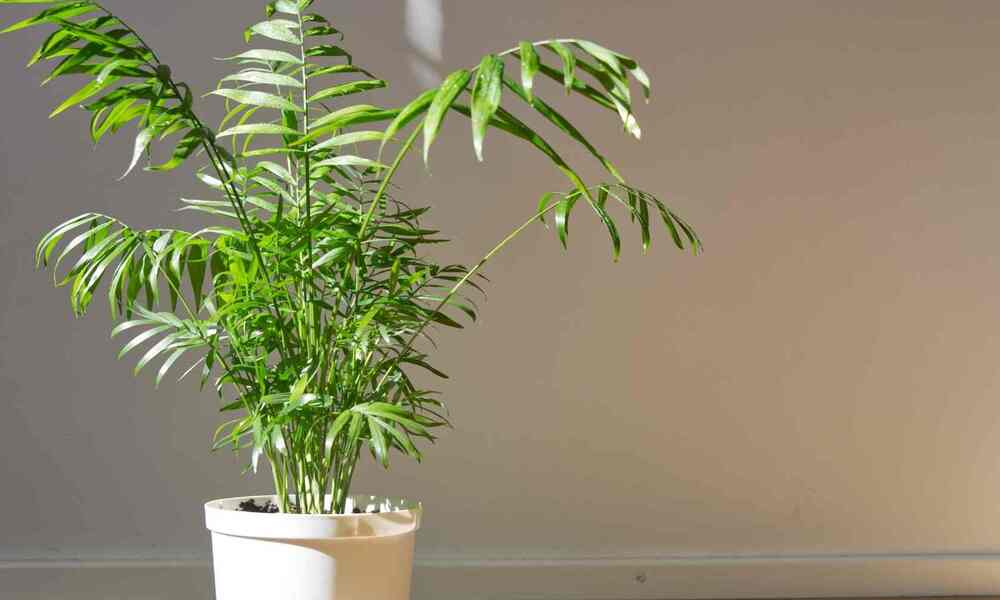
If you love the relaxed look of a tropical plant, parlor palm is worth considering. Its soft, narrow fronds work well in living rooms, bedrooms, and home offices.
Parlor palm is commonly included among plants considered non-toxic to cats and dogs, making it a popular choice for pet-friendly interiors.
Give it suitable indoor light and avoid leaving it in a spot where a pet can easily knock the pot over.
4. Boston Fern
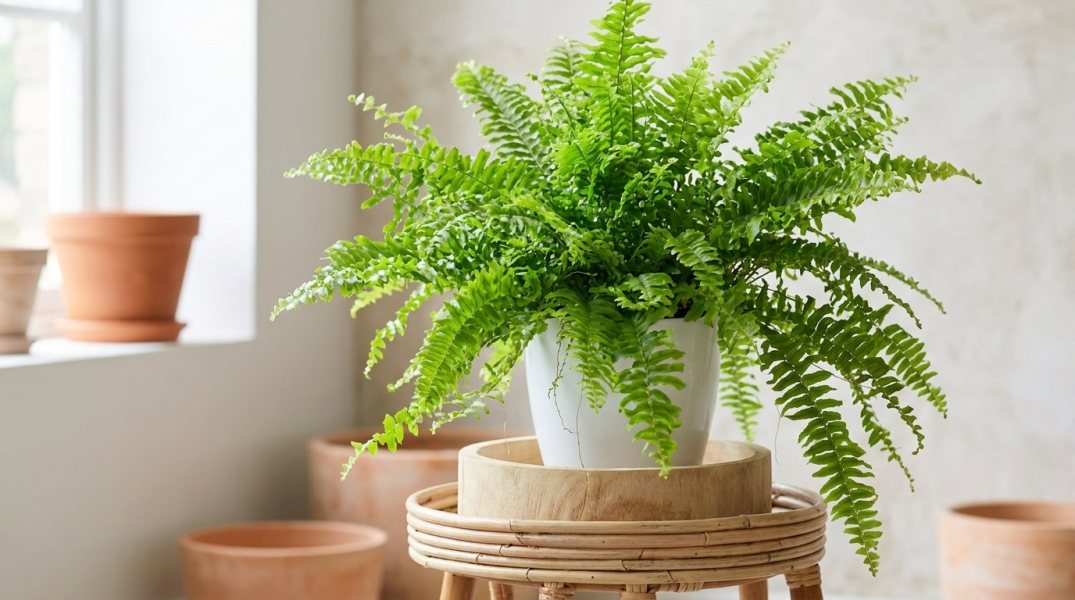
Boston fern can add a soft, full look to a room, especially when placed in a hanging basket. Its dense foliage gives you the appearance of a larger plant without taking up much floor space.
It is also included among the non-toxic houseplants recommended for homes with cats and dogs.
The main challenge is care. Ferns generally appreciate moisture, so they may need more attention than tougher houseplants.
5. Peperomia
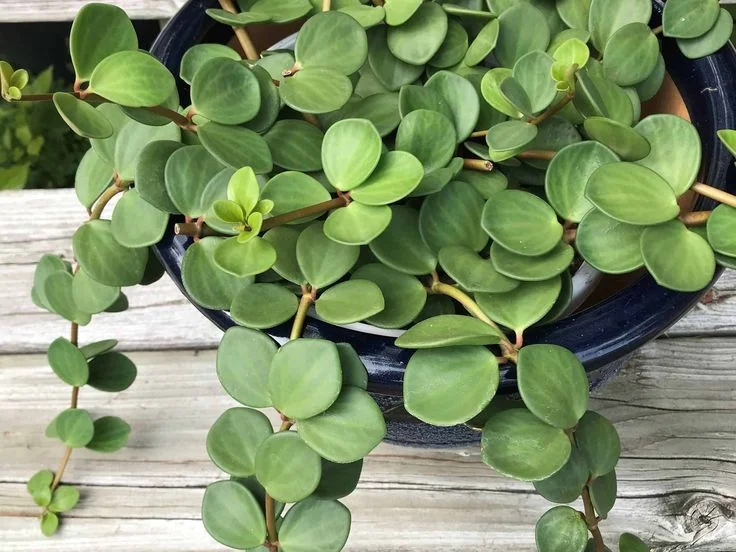
Peperomia is a great choice when you want something compact. There are many varieties with different leaf shapes, textures, and colors, so you can find one that matches almost any room.
Peperomia is included on lists of houseplants considered non-toxic to both cats and dogs.
Because many peperomias stay relatively small, they work particularly well on desks, shelves, and small side tables.
6. Prayer Plant
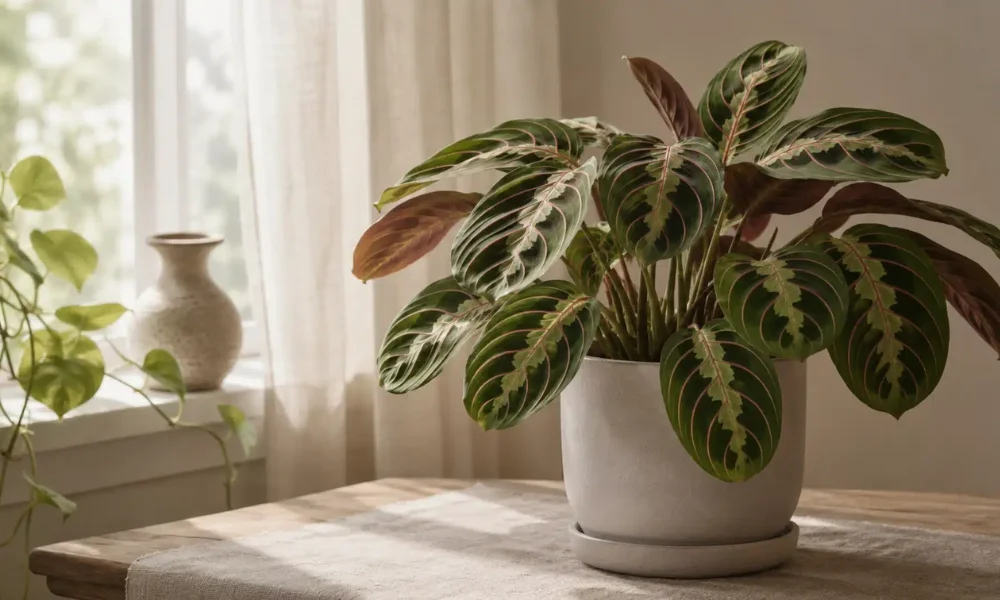
Prayer plants are known for their attractive leaves and their natural leaf movement. Their foliage can make a small room feel much more interesting without needing a huge plant.
Maranta, commonly known as prayer plant, is listed among pet-safe options for cats and dogs.
They prefer indirect light and consistent moisture, so they are best for plant owners who do not mind checking their plants regularly.
7. Ponytail Palm
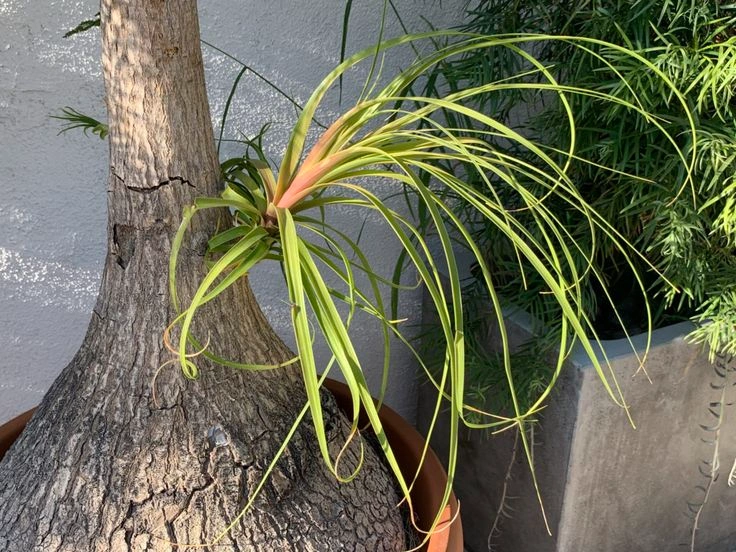
Despite its name, ponytail palm is not a true palm. Its swollen trunk and long, narrow leaves give it a distinctive appearance, and it can become a striking indoor feature.
It is also included among commonly recommended non-toxic plants for cats and dogs.
Its unusual shape makes it a good option if you want something different from the usual leafy houseplants.
Popular Houseplants You Should Avoid Around Pets
Choosing a pet-safe plant becomes easier when you know which popular varieties can cause problems.
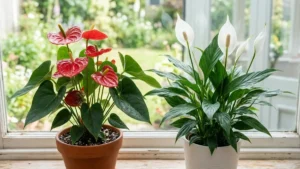
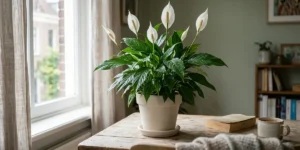
Peace lilies contain insoluble calcium oxalate crystals and can cause mouth pain, drooling, and stomach upset if pets chew them.
Pothos, also called devil’s ivy, has similar calcium oxalate concerns. It may look harmless, but it is not a good choice for a home where pets can reach it.
Philodendrons are also listed among plants that can be harmful to pets. The ASPCA includes several philodendron varieties on its dog toxicity information.
Snake plants are another common houseplant that should not be considered pet-safe. They appear on the ASPCA’s toxic plant information for dogs.
Sago palms deserve particular attention. They can cause severe vomiting and diarrhea and may lead to liver failure or death. The ASPCA notes that all parts are a risk, with the seeds being especially toxic.
Lilies are another major concern, particularly for cats. Rather than guessing whether a particular “lily” is safe, it is better to identify the exact species before bringing flowering plants into a cat’s home.
How to Make Your Plant Collection Safer
Even when you choose pet-safe indoor plants, smart placement still matters. Put plants in stable pots that cannot be easily knocked over, and use hanging baskets only when the basket and hooks are secure.
Keep fertilizer, pesticides, plant food, and treated soil away from pets. A pet may be interested in the soil even when it completely ignores the plant.
If your cat or dog repeatedly chews plants, choose varieties that are confirmed non-toxic and consider placing them somewhere the pet cannot reach. Remember that non-toxic does not mean edible.
It is also worth keeping the plant label after buying a new plant. If your pet ever becomes sick after chewing it, knowing the exact plant name can make it easier for your veterinarian to assess the situation.
What Should You Do If Your Pet Eats a Plant?
Do not wait for serious symptoms before taking a possible poisoning seriously. Remove the plant from your pet’s reach and identify what was eaten if you can.
If the plant is known to be toxic, or your pet develops symptoms such as repeated vomiting, excessive drooling, weakness, difficulty breathing, tremors, or unusual behavior, contact your veterinarian or an appropriate animal poison service immediately.
The Royal Horticultural Society also recommends seeking veterinary advice when an animal is suspected of eating a poisonous plant and taking a sample of the plant when possible.
Do not try to make your pet vomit unless a veterinary professional specifically tells you to do so.
How to Check Plant Safety
Plant names can be surprisingly confusing. A nursery may use a common name that refers to several different species, while online articles may repeat outdated or incorrect safety information.
For a more reliable check, look for the plant’s scientific name and compare it with a recognized veterinary or poison-control database such as the ASPCA. This is especially important when buying plants such as palms, lilies, ivy, or plants sold under decorative names.
At Peeacelily, we believe good plant care starts with choosing the right plant for your home, lifestyle, and family. If pets share that home, their safety should be part of the decision from the beginning.
Final Thoughts
A pet-friendly home does not have to be a plant-free home. Spider plants, calatheas, parlor palms, Boston ferns, peperomias, prayer plants, and ponytail palms give you plenty of attractive choices.
The smartest approach is simple: check the plant before you buy it, learn its scientific name, keep chemicals away from pets, and place every plant where curious animals cannot easily damage it.
With a little planning, you can enjoy a greener home while making your cats and dogs part of the picture too.
Frequently Asked Questions
What is the safest indoor plant for cats and dogs?
Spider plant is one of the easiest choices because the ASPCA lists it as non-toxic to both cats and dogs. Calathea is another good option for pet-friendly homes.
Are spider plants really safe for cats?
Yes. The ASPCA lists spider plant (Chlorophytum comosum) as non-toxic to cats and dogs. However, cats should still not be encouraged to eat large amounts of any houseplant.
Is a peace lily safe for dogs and cats?
No. Peace lilies can cause mouth irritation, drooling, and stomach upset when chewed or eaten because they contain insoluble calcium oxalate crystals.
Are pothos plants pet-safe?
No. Pothos, also known as devil’s ivy, is not a pet-safe choice. It can cause irritation and other symptoms when pets chew the plant.
Can cats eat pet-safe plants?
Pet-safe means the plant is considered non-toxic, not that it is suitable as food. A cat that eats a large quantity may still experience stomach upset, so it is better to discourage chewing whenever possible.
What should I do if my dog eats an unknown houseplant?
Identify the plant if possible and contact your veterinarian, especially if the plant may be toxic or your dog develops symptoms. Taking a sample or clear identification of the plant can help the veterinary team determine the appropriate response.