
Key Takeaways
- Indoor air quality can influence mood, comfort, focus, and sleep.
- Dust, mold, allergens, smoke, and poor ventilation are common indoor pollutants.
- Fresh air and proper airflow help create a healthier living environment.
- Regular cleaning and humidity control reduce many indoor air quality problems.
- Air purifiers are helpful but work best alongside other healthy habits.
- A well-maintained home supports better air quality mental health and overall wellbeing.
Quick Answer
Indoor air quality can influence your mood by affecting comfort, sleep, concentration, and energy levels. Stale air, high humidity, mold, allergens, and poor ventilation may contribute to headaches, fatigue, and difficulty focusing. Keeping indoor air clean and fresh supports a healthier home and may improve overall wellbeing.
Understanding Indoor Air Quality
Indoor air quality refers to the condition of the air inside homes, offices, schools, and other buildings. It includes the amount of fresh air entering the space, humidity levels, and the presence of pollutants such as dust, mold, smoke, pet dander, and volatile organic compounds (VOCs).
Many people spend most of their day indoors. Because of this, the quality of indoor air can have a greater impact than outdoor air in some situations. A well-ventilated home feels more comfortable, while stale or polluted air can make a room feel heavy and unpleasant.
Good indoor air quality supports healthy breathing, better comfort, and a cleaner living environment. It also creates conditions that may help people stay more focused and productive throughout the day.
How Indoor Air Quality Affects Your Mood
Your brain depends on a steady supply of oxygen to function properly. When indoor spaces have poor ventilation, carbon dioxide levels can gradually increase, making the air feel stuffy. Although this doesn’t affect everyone in the same way, many people report feeling sleepy, less alert, or mentally drained in poorly ventilated rooms.
Indoor pollutants may also add to physical discomfort. Dust, smoke, strong chemical odors, and allergens can irritate the eyes, nose, and throat. When your body is constantly dealing with these irritants, it becomes harder to relax and concentrate.
A comfortable indoor environment often supports a more positive mood. Fresh air, comfortable humidity, and fewer airborne pollutants can make a room feel lighter and more inviting. As a result, many people notice they feel calmer and more energized after improving ventilation or spending time in fresher surroundings.
Why Fresh Air Helps You Feel Better

Fresh air does more than make a room smell pleasant. It replaces stale indoor air with cleaner outdoor air, helping reduce the buildup of pollutants and excess moisture. Even opening windows for a short period can improve airflow in many homes.
Better air circulation may also create a more comfortable indoor temperature. When rooms feel less stuffy, people often find it easier to focus on work, study, or everyday tasks. This is one reason many workplaces and schools pay close attention to ventilation.
Fresh air also encourages people to spend time outdoors, where natural light and movement can support emotional wellbeing. While indoor and outdoor environments are different, both contribute to how comfortable and refreshed we feel throughout the day.
Common Indoor Pollutants That Can Affect Wellbeing
Different types of pollutants can reduce indoor air quality. Some are easy to notice, while others build up gradually without obvious signs.
Dust and Dust Mites
Dust collects on furniture, carpets, curtains, and bedding. Besides making your home look untidy, it can trigger allergies that interfere with sleep and daily comfort.
Mold
Mold grows in damp places such as bathrooms, kitchens, basements, or around water leaks. Besides causing unpleasant odors, mold can worsen allergy symptoms and create an uncomfortable living environment.
Pet Dander
Even clean pets shed tiny skin particles that remain in the air. People with allergies may experience sneezing, itchy eyes, or congestion, making it harder to relax indoors.
Volatile Organic Compounds (VOCs)
Some paints, cleaning products, air fresheners, furniture, and building materials release VOCs into the air. Using these products in poorly ventilated spaces may cause irritation for some individuals.
Smoke
Smoke from cooking, candles, fireplaces, or tobacco can leave tiny particles suspended in the air. Over time, these particles reduce indoor air quality and may contribute to discomfort.
Excess Humidity
High humidity encourages mold growth and makes rooms feel sticky. On the other hand, air that is too dry may irritate the skin, eyes, and throat. Maintaining balanced humidity helps create a more comfortable home.
Signs Your Home’s Air May Be Affecting You
Poor indoor air quality does not always produce obvious symptoms. Sometimes the signs develop gradually, making them easy to overlook.
Watch for these common indicators:
| Possible Sign | How It May Affect Daily Life |
|---|---|
| Frequent headaches | Reduced comfort while working or studying |
| Feeling tired indoors | Lower productivity and motivation |
| Difficulty concentrating | Harder to stay focused on tasks |
| Stuffy or unpleasant odors | Rooms feel less inviting |
| Allergy flare-ups | Sneezing, itchy eyes, or congestion |
| Poor sleep quality | Waking up feeling less refreshed |
| Visible mold or damp areas | May indicate excess moisture problems |
If these issues improve after spending time outside or in a better-ventilated space, it may be worth checking your home’s indoor air quality.
Indoor Air Quality and Mental Health

The relationship between air quality mental health is gaining more attention as researchers continue to study indoor environments. Although mood is influenced by many factors, including sleep, stress, exercise, and overall health, the quality of the air around us can also affect daily comfort and wellbeing.
For example, constantly breathing stale or polluted air may leave some people feeling less energetic or less able to concentrate. Poor sleep caused by allergies or congestion can also affect mood the following day.
At the same time, it’s important not to assume that indoor air quality alone explains ongoing anxiety, depression, or other mental health concerns. These conditions are complex and should be evaluated by a qualified healthcare professional when symptoms persist.
Improving home air and wellbeing should be viewed as one part of creating a healthier lifestyle. Combined with good sleep, regular physical activity, balanced nutrition, and stress management, cleaner indoor air supports a more comfortable living environment.
Simple Ways to Improve Indoor Air Quality
Improving your indoor air quality does not have to be difficult or expensive. A few consistent habits can make your home feel fresher while supporting better comfort and wellbeing.
Open Windows Regularly
Opening windows for even 10 to 20 minutes each day helps replace stale indoor air with fresh outdoor air. This simple habit improves airflow and reduces the buildup of indoor pollutants.
Keep Your Home Clean
Dust, pet hair, and dirt collect quickly on floors, furniture, and fabrics. Vacuuming regularly, wiping surfaces, and washing bedding can reduce allergens and improve the air inside your home.
Control Humidity Levels
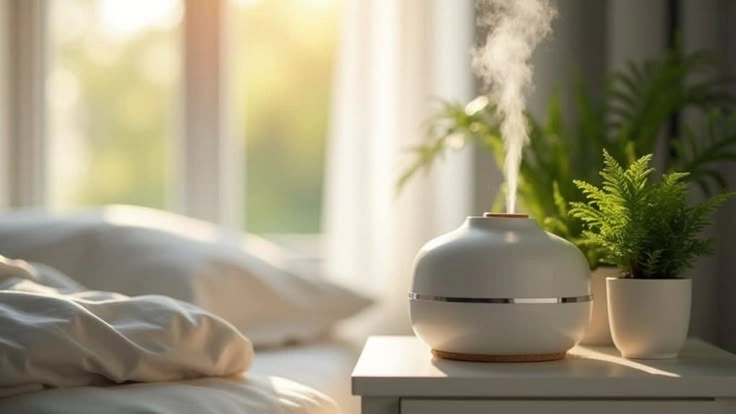
Aim to keep indoor humidity between 30% and 50%. Excess moisture encourages mold growth, while very dry air may irritate your skin and airways. A dehumidifier or humidifier can help maintain a comfortable balance when needed.
Maintain Your HVAC System
Heating and cooling systems work best when filters are clean. Replace or clean filters according to the manufacturer’s recommendations to improve airflow and reduce airborne particles.
Reduce Indoor Pollutants
Choose low-VOC paints and cleaning products whenever possible. Avoid smoking indoors, and use exhaust fans while cooking to remove smoke and moisture from the air.
Consider an Air Purifier
A quality air purifier with a HEPA filter can help capture dust, pollen, pet dander, and other airborne particles. While it is not a complete solution, it can be a useful addition to a well-maintained home.
Indoor Air Quality Improvement Methods
| Method | Main Benefit | Best For |
|---|---|---|
| Opening windows | Better ventilation | Daily fresh air |
| Air purifier | Reduces airborne particles | Allergy sufferers |
| HVAC filter replacement | Cleaner airflow | Whole-home air quality |
| Regular cleaning | Less dust and allergens | Every household |
| Exhaust fans | Removes moisture and odors | Kitchens and bathrooms |
| Humidity control | Prevents mold and dryness | Year-round comfort |
Benefits of Good Indoor Air Quality
Cleaner indoor air offers advantages that go beyond physical comfort.
- May improve concentration during work or study.
- Supports a fresher and more pleasant home.
- Can reduce allergy symptoms caused by dust and pollen.
- Helps maintain healthier humidity levels.
- May contribute to better sleep quality.
- Creates a more comfortable environment for families and guests.
- Supports overall home air and wellbeing.
Possible Challenges
Improving indoor air quality also comes with a few considerations.
| Challenge | Solution |
|---|---|
| Air purifiers can be costly | Start with better ventilation and cleaning |
| Filters require regular replacement | Follow a maintenance schedule |
| Outdoor pollution may limit window opening | Ventilate during cleaner times of the day |
| Moisture problems may return | Fix leaks as soon as possible |
| Results may not be immediate | Maintain healthy habits consistently |
Expert Tips
Let Fresh Air In Every Day
Even a short period of natural ventilation can improve airflow and reduce stale indoor air.
Avoid Excess Moisture
Repair plumbing leaks quickly and dry damp areas to reduce the risk of mold growth.
Add Indoor Plants Carefully
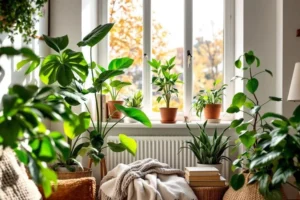
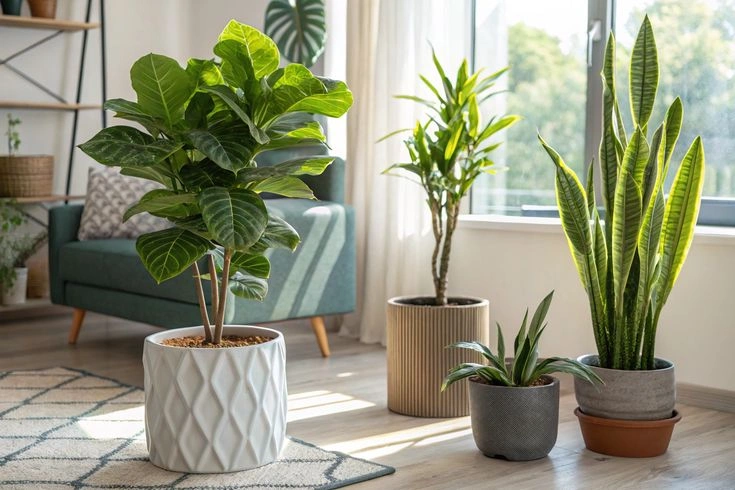
Some houseplants can make indoor spaces feel more inviting. However, they should not be viewed as a replacement for proper ventilation or air filtration.
Keep Air Vents Clear
Furniture, curtains, or storage boxes can block air vents. Keeping them clear helps air circulate more effectively.
Pay Attention to Odors
Persistent musty or chemical smells often indicate that your home needs better ventilation or further inspection.
Common Mistakes to Avoid
- Keeping windows closed all day.
- Ignoring water leaks and damp areas.
- Forgetting to replace HVAC filters.
- Using strong chemical cleaners without ventilation.
- Assuming air fresheners improve air quality.
- Allowing dust to build up on carpets and furniture.
- Overlooking humidity levels.
- Relying only on an air purifier while neglecting regular cleaning.
Indoor Air Quality Checklist
Use this checklist to maintain a healthier indoor environment.
| Task | Frequency |
|---|---|
| Open windows for fresh air | Daily |
| Vacuum floors and rugs | Weekly |
| Dust furniture and shelves | Weekly |
| Wash bedding | Every 1–2 weeks |
| Replace HVAC filters | As recommended |
| Check for mold or leaks | Monthly |
| Clean exhaust fans | Every few months |
| Monitor humidity | Regularly |
Frequently Asked Questions
Can poor indoor air quality affect your mood?
Yes. Poor indoor air quality may contribute to discomfort, fatigue, headaches, and difficulty concentrating. These factors can influence how you feel throughout the day.
Does fresh air improve mood?
Fresh air improves ventilation, reduces stuffiness, and creates a more comfortable indoor environment. Many people feel more refreshed and alert after spending time in well-ventilated spaces.
Can indoor air quality affect sleep?
Yes. Allergens, excess humidity, mold, or poor ventilation may interfere with comfortable sleep for some individuals.
What are the signs of poor indoor air quality?
Common signs include persistent odors, excessive dust, allergy symptoms, headaches, tiredness, poor concentration, and visible mold.
Is an air purifier enough to improve indoor air quality?
No. Air purifiers can help remove certain airborne particles, but they work best alongside regular cleaning, proper ventilation, and moisture control.
How often should I ventilate my home?
Opening windows for 10 to 20 minutes each day, when outdoor conditions allow, is a simple way to improve airflow.
Conclusion
The connection between indoor air quality and mood is often overlooked, yet the air inside your home can influence your comfort, energy, focus, and overall wellbeing. While cleaner air is not a cure for mental health conditions, maintaining a healthy indoor environment supports better daily living.
Simple habits such as improving ventilation, reducing dust, controlling humidity, and maintaining your HVAC system can make a noticeable difference over time. These changes help create a home that feels fresher, healthier, and more enjoyable for everyone.
By taking small steps today, you can improve your indoor environment and support both your physical comfort and emotional wellbeing.