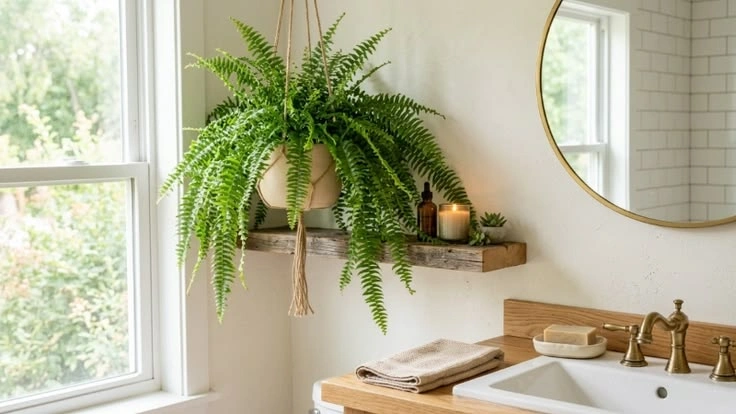
Bathrooms can be surprisingly good places for houseplants. The warm air and moisture from showers create a humid environment that many tropical plants enjoy. However, not every bathroom has the same conditions. Some have bright windows, while others have only a small frosted window or almost no natural light.
Choosing the right plant means looking at both light and humidity. A plant that loves a steamy bathroom may still struggle if it receives very little natural light. The Royal Horticultural Society (RHS) also recommends matching a plant to the conditions of the room rather than choosing one based only on appearance.
If you want to bring some greenery into your bathroom, these are some of the best plants for bathroom spaces, especially when humidity is high and light is limited.
Key Takeaways
- Bathrooms can provide the humidity many tropical houseplants need.
- Low-light bathrooms still need some natural light for living plants.
- Spider plants, ZZ plants, cast iron plants, peace lilies, and ferns are useful choices for bathroom conditions.
- Humidity does not replace light, so a completely windowless bathroom is not ideal for permanent live plants.
- Always use a pot with drainage holes and avoid keeping the soil constantly waterlogged.
- The best bathroom plant is one that matches your bathroom’s actual light, temperature, and humidity.
1. Spider Plant
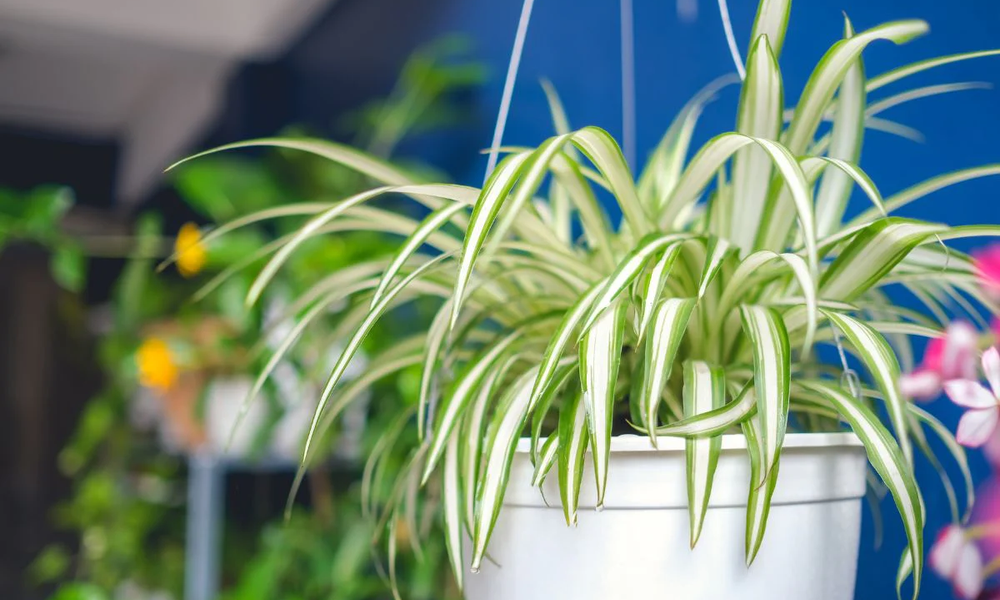
Spider plants are among the easiest houseplants to grow, making them a good choice for beginners. Their narrow, arching leaves add a soft, fresh look to bathroom shelves, counters, or hanging planters.
They can tolerate relatively low light, although growth may slow and leaf variegation can become less noticeable. They also do not require extremely high humidity, so they can handle bathrooms that are humid without needing constant misting.
Why Choose a Spider Plant?
Spider plants are forgiving when watering is not perfect and are easy to propagate from the small plantlets they produce. A hanging basket can also keep their long leaves away from wet surfaces while making use of unused vertical space.
2. ZZ Plant
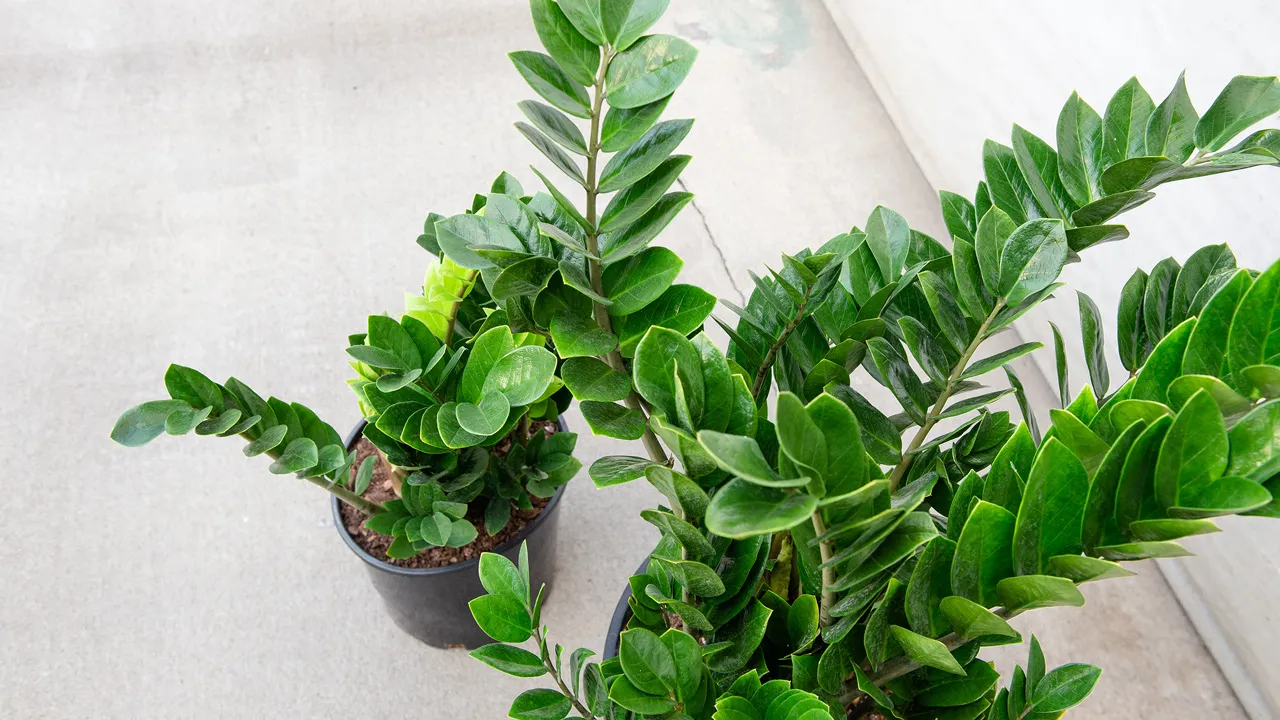
The ZZ plant is a strong option for bathrooms that do not receive much bright light. It has thick, glossy leaves and an upright growth habit, so it can work well in a bathroom corner or beside a cabinet.
It is also known for being forgiving and relatively easy to maintain. The RHS lists ZZ plants among suitable bathroom houseplants and describes them as unfussy choices for beginners.
ZZ Plant Care
Allow the potting mix to dry between waterings rather than adding water simply because the bathroom feels humid. A pot with proper drainage is especially important because excess moisture around the roots can cause problems.
3. Peace Lily
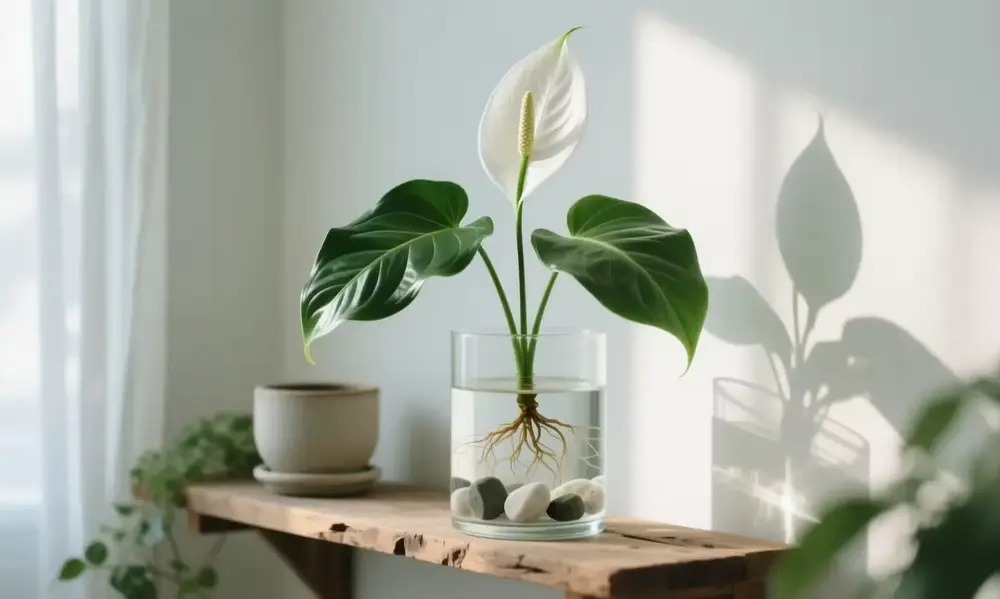
Peace lilies are a popular choice when you want a bathroom plant that also produces attractive flowers. Their dark green leaves and white flower-like spathes create a clean, elegant appearance.
They prefer warmth, indirect light, and moderate humidity, which makes a regularly used bathroom a natural fit.
Is a Peace Lily Good for Low Light?
Peace lilies can tolerate lower light, but they generally perform better when they receive bright, indirect light. Very little light can reduce growth and flowering.
Keep the soil consistently moist without leaving it waterlogged. If the leaves droop, check the soil before watering because both under-watering and overwatering can cause problems.
4. Boston Fern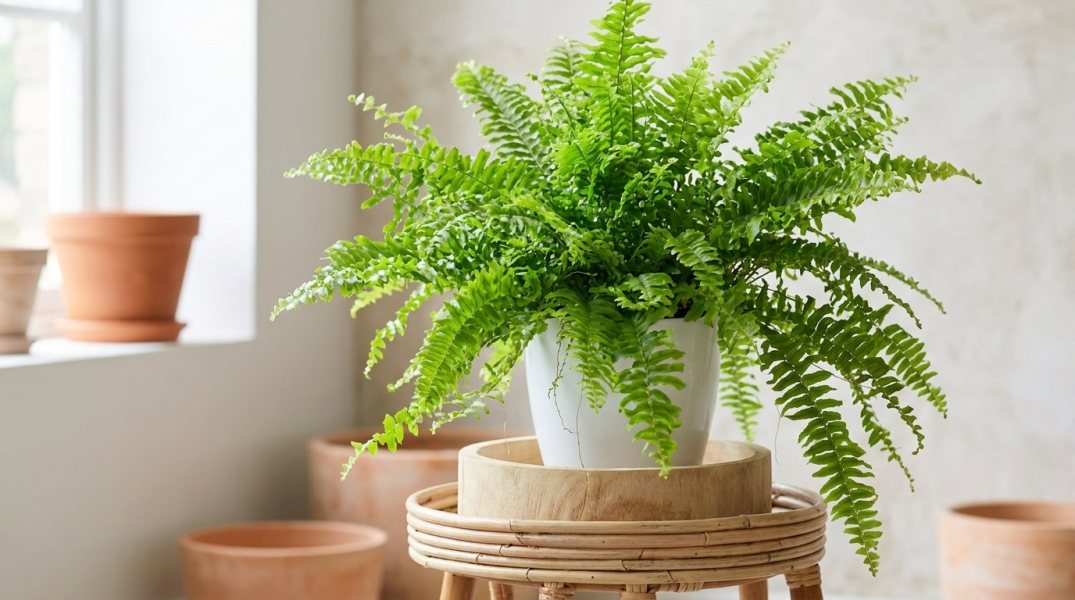
Boston fern is another excellent choice for a warm, humid bathroom. Its soft, arching fronds can create a lush appearance, especially when placed in a hanging basket.
Ferns generally appreciate humidity, and the RHS specifically lists sword fern, commonly known as Boston fern, among plants suited to warm and humid bathroom conditions.
Where Should You Put a Boston Fern?
Place it somewhere with bright, indirect light rather than harsh direct sunlight. A bathroom shelf near a window or a hanging planter can work well. Keep the growing medium from becoming completely dry, but make sure excess water can drain away.
5. Cast Iron Plant
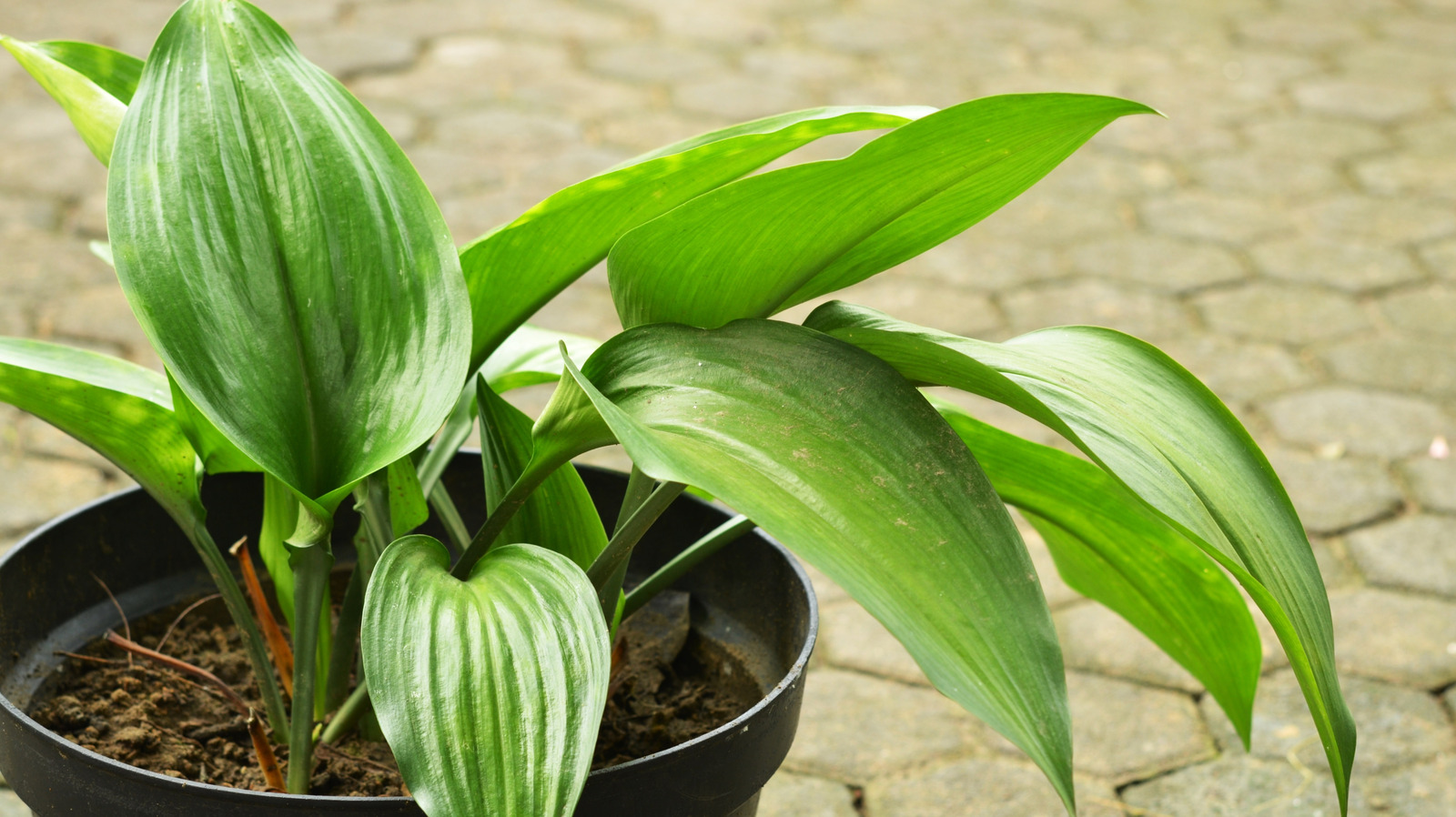
If your bathroom is darker than most rooms in your home, the cast iron plant is worth considering. Also known as Aspidistra elatior, it is valued for its ability to cope with low light and changing indoor conditions.
The RHS describes cast iron plants as resilient and adaptable, with a strong tolerance for low-light locations.
Why It Works in Bathrooms
Its broad, dark green leaves provide a simple look without requiring complicated care. It is especially useful for a bathroom corner where other plants may struggle because of limited light.
6. Bird’s Nest Fern
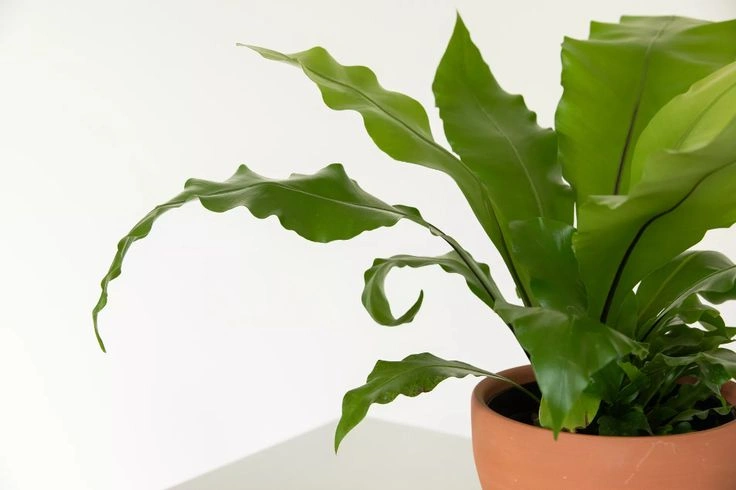
Bird’s nest fern has broad, glossy leaves that grow from a central rosette. It naturally grows in tropical environments and appreciates warm, humid conditions.
The RHS notes that this fern can enjoy the warm, steamy environment of a bathroom.
Keep it away from strong direct sunlight and avoid pouring water directly into the center of the plant. Give it suitable indirect light and a well-draining growing medium.
7. Pothos
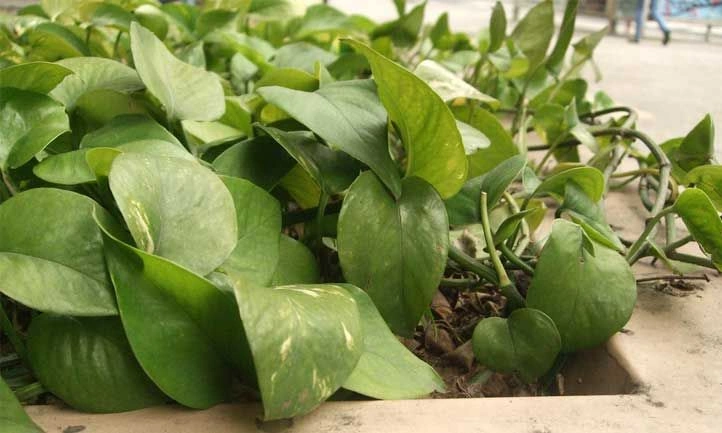
Pothos, also called devil’s ivy, is a popular indoor plant because it can adapt to a range of indoor conditions. Its trailing stems make it particularly attractive in bathrooms when placed on a high shelf or in a hanging planter.
It can tolerate lower light, although brighter indirect light usually supports better growth. The RHS has also found pothos to be one of the houseplants people particularly like visually, making it a practical and attractive addition to indoor spaces.
Best Way to Display Pothos
Let the stems trail naturally from a shelf or hanging pot. Keep the plant away from areas where water regularly splashes onto the leaves, and use a container with drainage.
8. Monstera

Monstera is a good option when you have more bathroom space and want a larger statement plant. Its large leaves can give a bathroom a tropical appearance.
It thrives in warm, humid conditions and prefers indirect light. The RHS lists Swiss cheese plant, or Monstera deliciosa, among suitable larger bathroom plants.
Because Monstera can become quite large, it is better suited to spacious bathrooms rather than small counters or narrow shelves.
9. Air Plant
Air plants, or Tillandsia, are unusual because they do not need to grow in traditional potting soil. They naturally absorb moisture through specialized structures on their leaves.
A humid bathroom can provide a useful environment for them, but they still need suitable light and good airflow.
Air Plant Bathroom Care
Place an air plant somewhere bright but protected from strong direct sunlight. After watering or soaking it, allow it to dry properly rather than leaving water trapped between its leaves.
10. Umbrella Plant

Umbrella plants are another moisture-loving option for bathrooms. They are related to papyrus and naturally appreciate damp conditions.
The RHS includes umbrella plants among its recommended bathroom choices and notes that they can be grown with their pots standing in a small amount of water.
They are better suited to bathrooms that receive enough natural light and may require more specific watering than easier choices such as ZZ plants or cast iron plants.
How to Choose the Best Plant for Your Bathroom
The best plants for bathroom spaces depend mainly on three things: light, humidity, and temperature.
Check the Natural Light
Look at your bathroom during the day. A frosted window can provide useful filtered light, while a bathroom with a normal window may offer brighter conditions.
Remember that humidity cannot compensate for a complete lack of light. The RHS notes that bathrooms without windows are not suitable for growing live plants permanently because plants need natural light to thrive.
Think About Humidity
A bathroom used regularly for hot showers is usually more humid than other rooms. This can benefit tropical plants such as ferns, peace lilies, and Monstera.
However, a guest bathroom that is rarely used may not become humid enough to provide the same conditions.
Avoid Extreme Heat
Do not place plants directly beside radiators, heaters, or other strong heat sources. Sudden temperature changes and hot, dry air can damage foliage.
Bathroom Plant Care Tips
Even the easiest bathroom plants need basic care. Use containers with drainage holes so excess water can escape. Humid air does not mean the soil should stay constantly wet.
Check the soil before watering instead of following a fixed schedule. Some plants, such as ZZ plants and cast iron plants, prefer to dry more between waterings, while peace lilies and many ferns prefer more consistent moisture.
Give plants enough space around their leaves for airflow, especially in very humid bathrooms. Remove yellow or damaged leaves and occasionally clean dusty foliage with a damp cloth when appropriate.
For new plant owners, choosing a healthy plant from a reputable nursery and using suitable, well-draining potting mix can make long-term care much easier. These simple practices are also consistent with the RHS approach of choosing the right plant for the right growing conditions.
Choosing Bathroom Plants the Right Way
Good plant advice should be based on actual growing conditions rather than simply calling a plant “low maintenance.” Light, humidity, watering, drainage, and temperature all affect whether a plant will thrive.
For this guide, plant recommendations were compared with established horticultural guidance from the Royal Horticultural Society, including its bathroom plant recommendations and individual plant-care information.
Peeacelily recommends treating bathroom plant selection as a practical match between the plant and your space. Before buying a plant, check how much natural light your bathroom receives and how often the room becomes humid. This simple step can prevent many common care problems.
Frequently Asked Questions
What is the best plant for a bathroom with low light?
ZZ plants and cast iron plants are strong choices for lower-light bathrooms. Spider plants and peace lilies can also tolerate lower light, although plants still need some natural light for healthy long-term growth.
What plants like high humidity in a bathroom?
Boston ferns, bird’s nest ferns, peace lilies, Monstera, and several other tropical plants generally appreciate humid conditions. A regularly used bathroom can provide naturally humid air that suits these plants.
Can I put a plant in a bathroom with no window?
A completely windowless bathroom is not a good permanent location for a living plant because plants need natural light. You can move plants between rooms or use suitable artificial grow lighting if you want to keep live plants in a space without windows.
How often should I water bathroom plants?
There is no single watering schedule for every bathroom plant. Check the soil and the plant’s specific needs before watering. Humid air does not automatically mean the roots need more water.
Are peace lilies good bathroom plants?
Yes. Peace lilies enjoy warmth, indirect light, and moderate humidity, making them well suited to many bathrooms. They need careful watering because constantly waterlogged soil can cause problems.
What is the easiest bathroom plant for beginners?
ZZ plants, spider plants, and cast iron plants are among the easier choices. They are relatively forgiving and can handle conditions that may challenge more demanding tropical plants.