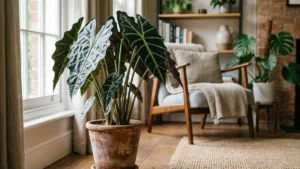
An empty corner can make an otherwise beautiful room feel unfinished. You may have the right furniture, colors, and décor, but one awkward space can still look forgotten. This is where Indoor Trees can completely change the mood.
A tall indoor plant adds height, texture, and natural character without making the room feel crowded. Instead of filling the corner with another piece of furniture, you can turn it into a living focal point.
From bold fiddle leaf figs to graceful palms, there are plenty of choices for different rooms and light levels. Here are 10 Indoor Trees that can make an empty corner feel intentional, warm, and full of life.
Key Takeaways
- Indoor Trees can add height, texture, and personality to forgotten corners.
- Choose the plant according to the actual light available.
- Fiddle leaf figs and rubber plants create bold focal points.
- Kentia and parlor palms are useful for softer, more relaxed spaces.
- Large plants need enough room to grow comfortably.
- Good drainage and sensible watering are essential for healthy growth.
- Never assume a dark corner is suitable simply because a plant is marketed as low-light.
- The best statement plant is one that looks beautiful and can stay healthy in your home.
Why Indoor Trees Work So Well in Empty Corners
Large plants naturally draw the eye upward. This makes them especially useful in corners where a small plant might disappear visually.
The trick is not simply choosing the biggest plant you can find. The plant should match the available light, the size of the room, and the amount of care you can realistically provide.
Most indoor trees still need natural daylight. A corner that looks bright to your eyes may not provide enough light for a plant, especially when it is far from a window.
1. Fiddle Leaf Fig
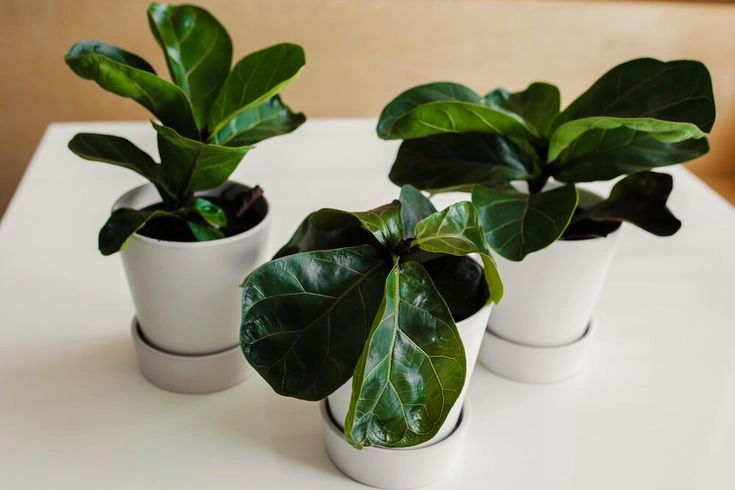
The fiddle leaf fig is one of the easiest plants to recognize. Its large, violin-shaped leaves give it a strong architectural appearance, making it a natural choice for a statement corner.
It looks particularly attractive beside a sofa, reading chair, or large window. Give it bright, indirect light and avoid constantly moving it around. Fiddle leaf figs can react badly to sudden changes in their environment.
For a polished look, choose a simple planter that lets the large leaves remain the main attraction.https://peeacelily.com/rubber-plant-care/f
2. Rubber Plant

If you want something bold but slightly easier to manage, consider the rubber plant. Its thick, glossy leaves create a rich green look that works beautifully with modern, minimalist, and traditional interiors.
Rubber plants generally prefer bright light that is not harsh and direct. They can also become quite large over time, which makes them useful for filling a corner that feels noticeably empty.
A tall rubber plant in a simple neutral pot can look surprisingly elegant without adding too much decoration.
3. Kentia Palm
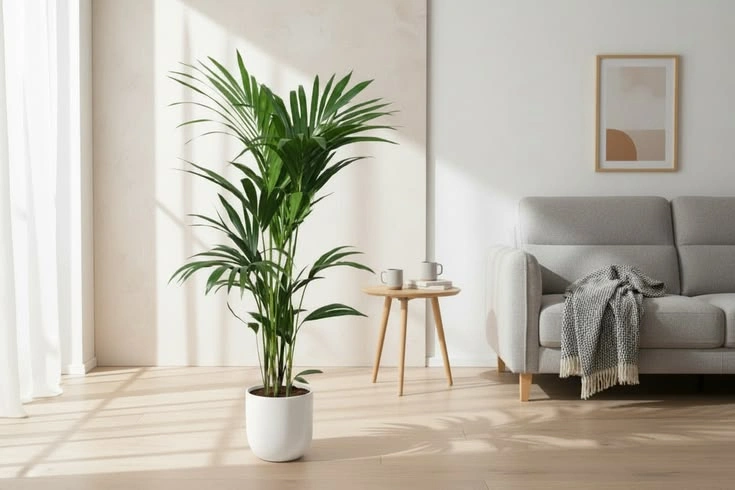
Want your empty corner to feel more relaxed? A Kentia palm can bring a soft tropical feeling without looking overly dramatic.
Its long, arching fronds add movement and make a room feel less rigid. One of its biggest advantages is that it can tolerate lower light better than many other indoor palms.
Place it near a window with filtered light, while keeping it away from strong drafts and sudden temperature changes.
4. Bird of Paradise
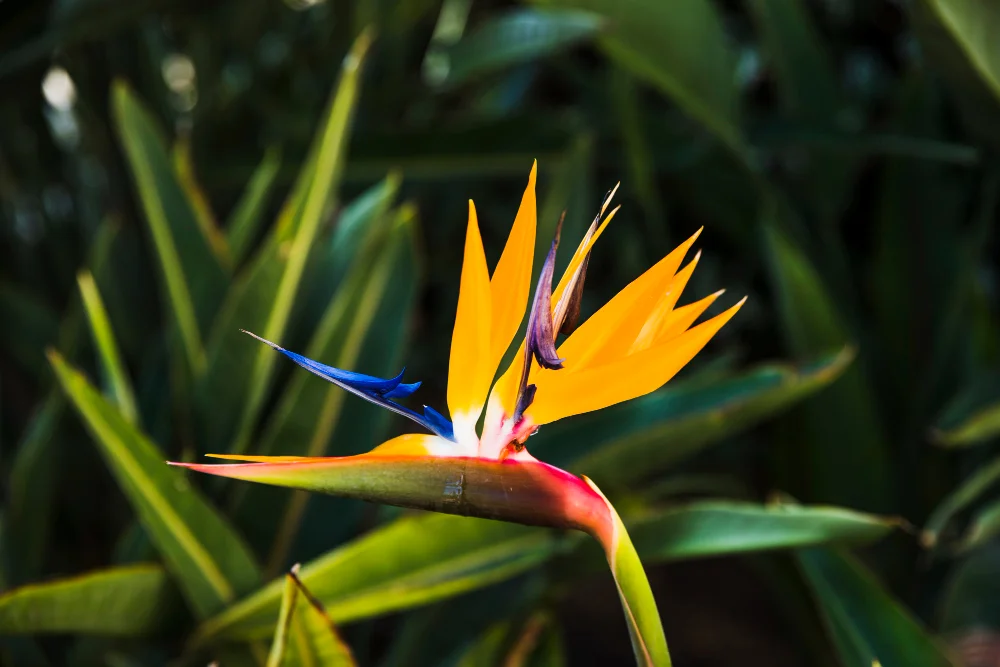
The bird of paradise is for anyone who wants their plant to become a real focal point. Its large leaves have a bold tropical appearance and work especially well in spacious living rooms, open-plan areas, and bright bedrooms. It needs plenty of light to maintain strong growth, so it is better suited to a bright corner rather than a dark one.
Give it enough room to spread. A crowded corner can make this dramatic plant look uncomfortable instead of impressive.
5. Weeping Fig
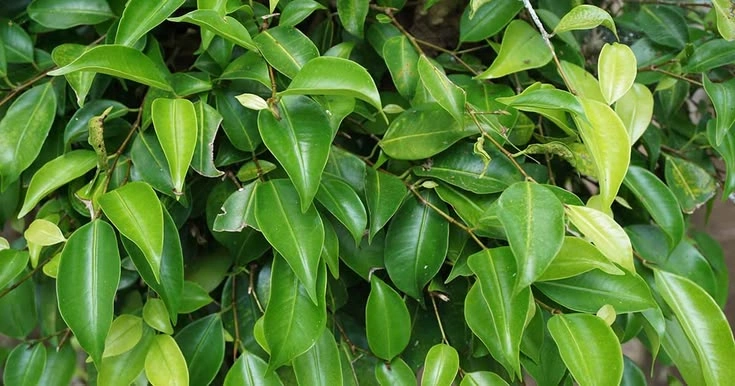
The weeping fig, also known as Ficus benjamina, has a more traditional tree-like appearance. Its narrow leaves and branching shape can make a room feel softer and more established.
It works particularly well beside furniture because its upright form adds height without creating a heavy visual block.
Like other ornamental figs, it generally prefers bright light, regular watering, humidity, and protection from sudden environmental changes. f your home has a consistent environment, a weeping fig can become a long-term statement plant.
6. Areca Palm
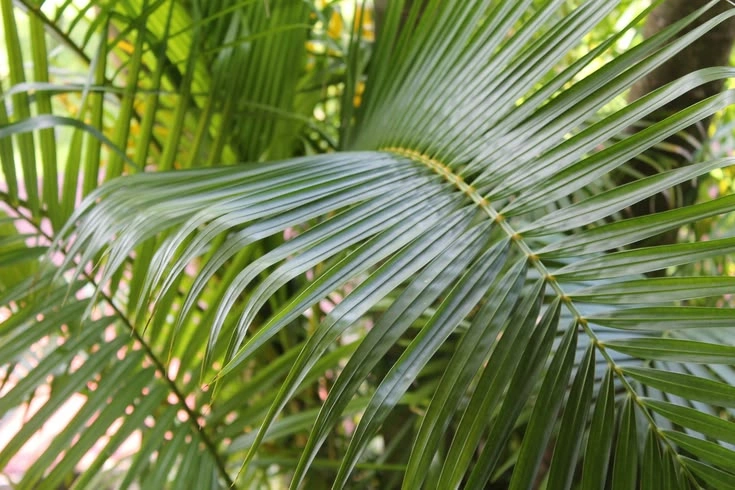
The areca palm is another excellent option when you want an airy, tropical look. Instead of creating one solid mass of foliage, its multiple stems and feather-like leaves create a lighter appearance. This makes it useful in larger corners where you want greenery without making the room feel visually heavy.
Areca palms generally prefer bright light, although their exact light needs can vary. Make sure the container has good drainage and avoid leaving the roots sitting in excess water.
7. Dragon Tree
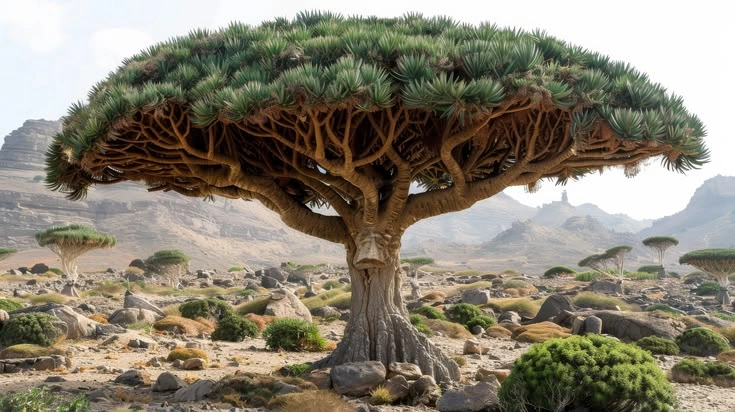
The dragon tree offers something different. Its narrow leaves and upright growth give it a clean, modern appearance.
This makes it a good match for apartments, home offices, bedrooms, and contemporary living spaces. It can also work when you want height without the wide spread of plants such as bird of paradise.
The dragon tree is included among RHS recommendations for easy-to-grow foliage houseplants, making it worth considering when you want a statement plant without choosing something extremely demanding.
8. Parlor Palm
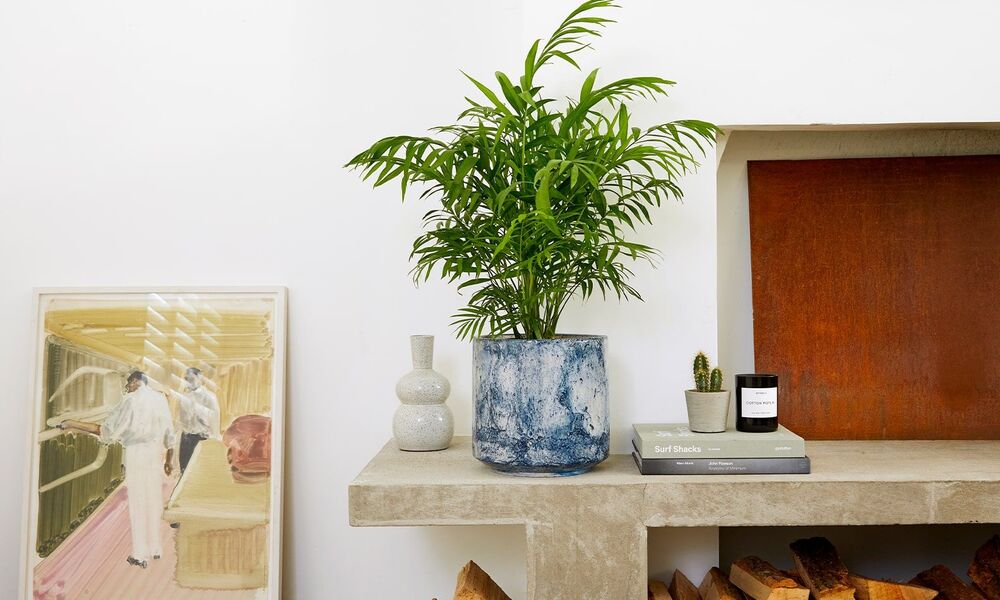
The parlor palm is smaller and softer than many large indoor trees, but a mature plant can still make an empty corner feel complete. It is especially useful when your space is limited or when you prefer a more delicate appearance.
The plant can tolerate fairly low light compared with many other palms, although it still needs some natural daylight. Use a tall planter or plant stand to increase its visual height without forcing a large tree into a small room.
9. Money Tree
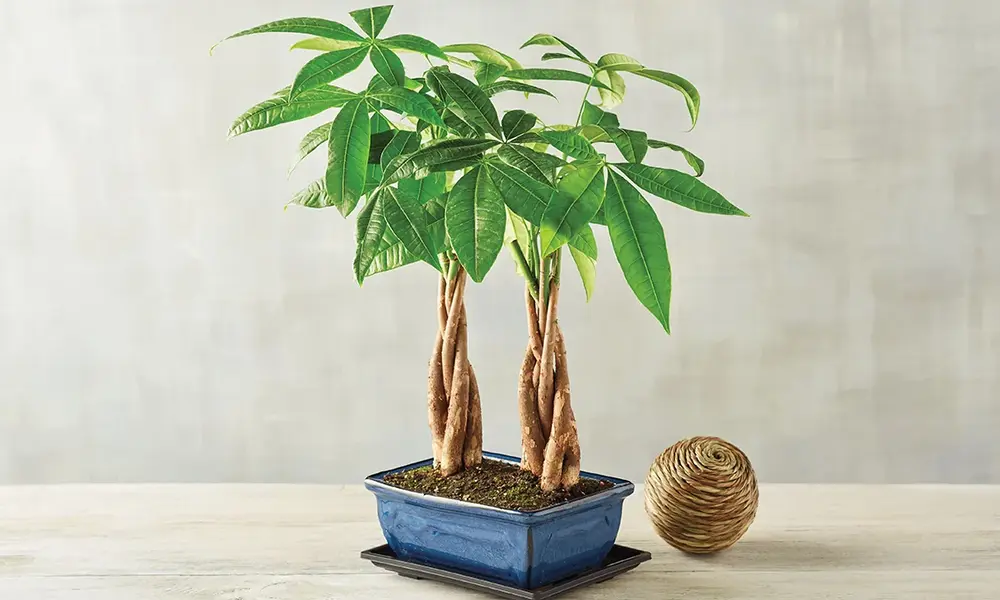
The money tree has a distinctive appearance, especially when it has a braided trunk. Its rounded canopy gives it a softer shape than many upright indoor trees.
It can work beautifully in a quiet corner of a living room, home office, or bedroom. Keep its environment relatively consistent and avoid repeatedly changing its position.
The most important thing is to focus on the plant’s actual needs rather than treating it as decoration. A beautiful corner only works when the plant growing there is healthy.
10. Corn Plant

The corn plant, commonly associated with Dracaena, is another practical choice for adding height.
Its long, narrow leaves create a vertical shape that works well in corners where floor space is limited. It can also suit simple interiors because its form is clean rather than overly bushy.
Like other indoor plants, it should be placed according to available light. No houseplant can thrive indefinitely in complete darkness, so even low-light choices need some natural light.
How to Choose the Right Indoor Tree
Before buying an Indoor Tree, look at the corner first.
Ask yourself three simple questions: How much natural light reaches this space? How much floor area can the plant use? And how much care am I willing to give it?
A bright corner can support options such as fiddle leaf fig, rubber plant, and bird of paradise. A lower-light location may be better suited to choices such as Kentia palm, parlor palm, or certain dracaena varieties.
Also consider the mature size of the plant. A small plant may look perfect when you buy it but eventually need much more space.
Simple Styling Tips That Make a Difference
A beautiful plant does not always need a complicated setup. In fact, simple styling often works best.
Choose a planter that complements the room instead of competing with the leaves. Neutral ceramic, stone, woven, or matte finishes can make a large plant look more intentional.
You can also use the corner to create a small visual moment. Place the tree beside a floor lamp, chair, or small side table while leaving enough space around it for the plant to breathe.
Most importantly, do not push the plant into the darkest possible part of the corner just because it looks better there. Styling should come after the plant’s basic light requirements.
Expert Care Tips From Peeacelily
A statement plant should never be chosen only for its appearance. Based on established horticultural guidance, light is one of the first things to consider when positioning an indoor tree. Even plants described as low-light tolerant still need some daylight.
Watering should also be based on the plant and soil rather than a fixed calendar. Many houseplants prefer consistent moisture without remaining constantly waterlogged. Checking the soil before watering is a much better habit than automatically watering every few days.
At Peeacelily, the goal is simple: choose plants that fit your space instead of forcing your space to fit the plant. When light, room size, and care needs match, even an ordinary empty corner can become one of the most attractive parts of your home.
FAQs
What is the best Indoor Tree for a living room?
A rubber plant, fiddle leaf fig, Kentia palm, or bird of paradise can work well in a living room. The best choice depends mainly on the available light and the amount of space.
Which Indoor Trees are good for low light?
Kentia palm and parlor palm can tolerate lower light better than many other options. Some dracaena varieties can also handle lower-light conditions. However, low light does not mean complete darkness.
How do I make an Indoor Tree look taller?
Use a taller planter or plant stand, but make sure the setup remains stable. You can also choose a naturally upright variety such as a dragon tree.
How often should Indoor Trees be watered?
There is no single schedule that works for every plant. Check the soil and the plant’s specific requirements before watering. Avoid keeping the roots constantly saturated.
Can Indoor Trees survive in a dark corner?
Generally, no. Plants need light for photosynthesis, so even low-light tolerant Indoor Trees need access to some natural light. A very dark corner may require a different solution.
Do large Indoor Trees need large pots?
Not always immediately. The container should suit the current plant and provide proper drainage. Repotting should be based on the plant’s growth and root situation rather than simply choosing the largest pot available.